Rainy Garden? Try These 8 Plants That Flourish In Western Oregon
Western Oregon is known for its lush landscapes, and its rain. While wet weather can be tough on some plants, it’s perfect for others that thrive in consistently moist soil.
Choosing the right plants can turn a soggy corner of your garden into a vibrant, healthy space.
Even if you’ve struggled with waterlogged beds or plants that wilt in wet conditions, there are plenty of options that flourish in these climates.
You don’t need a large garden or special drainage to make it work. Many of these species are low-maintenance, disease-resistant, and naturally suited to Western Oregon’s climate.
Planting them strategically can help you enjoy a beautiful, thriving garden year-round, even when the skies are gray. Let’s explore some plants that do especially well in rainy Western Oregon gardens.
With the right selections, you can embrace the wet weather, create a stunning landscape, and spend less time worrying about soggy soil or struggling plants. Your garden can stay vibrant, healthy, and full of life no matter how much it rains.
1. Red Twig Dogwood
You know that patch along your fence line that never quite dries out? The one where everything you plant either rots or looks miserable by February?
That spot is begging for something that actually enjoys wet feet, and few shrubs handle Western Oregon’s soggy conditions better than this Northwest native.
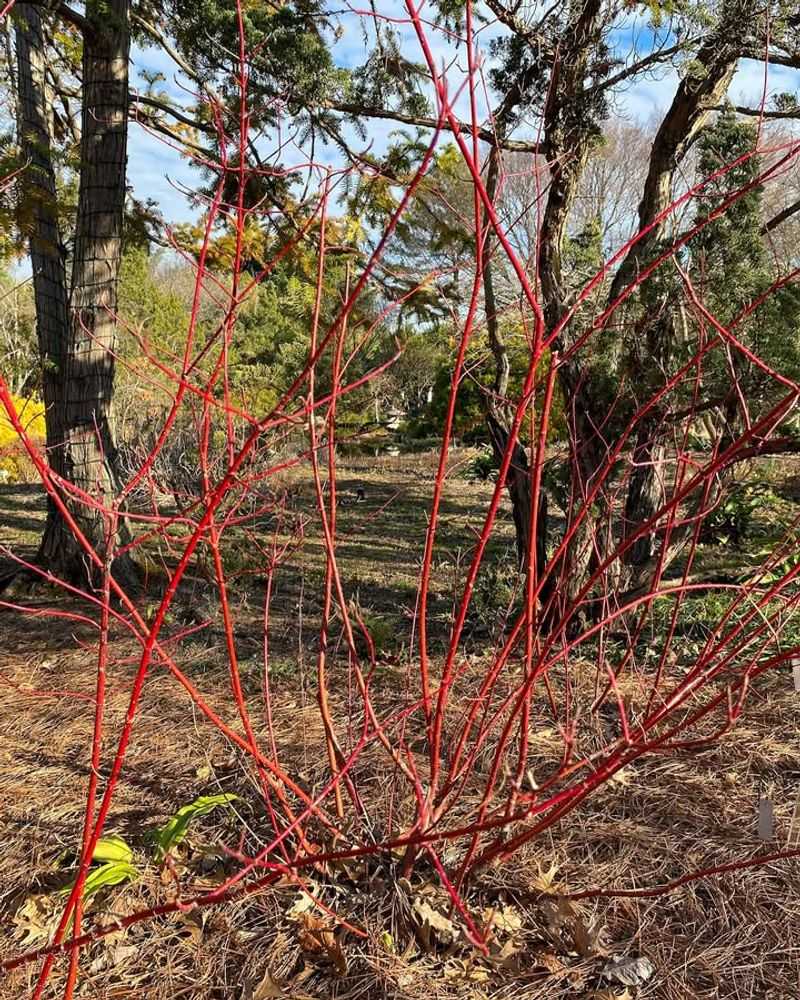
Red Twig Dogwood loves moisture and doesn’t mind clay soil one bit. Its brilliant red stems light up your yard all winter long, especially after a rain when they practically glow against gray skies.
Come spring, clusters of white flowers appear, followed by berries that local birds devour.
Plant it in low spots, along drainage swales, or anywhere water tends to linger after a storm. It grows fast, reaching about six to nine feet tall, and you can prune it back hard in late winter to encourage those vibrant young stems.
The more you cut, the brighter the color next season.
Maintenance is minimal, just occasional pruning and maybe a layer of mulch to keep roots happy. If you want year-round interest in a wet area, this shrub delivers without complaint.
It’s one of those plants that makes you look like a gardening genius, even when you’re just working with what Oregon gives you.
2. Pacific Ninebark
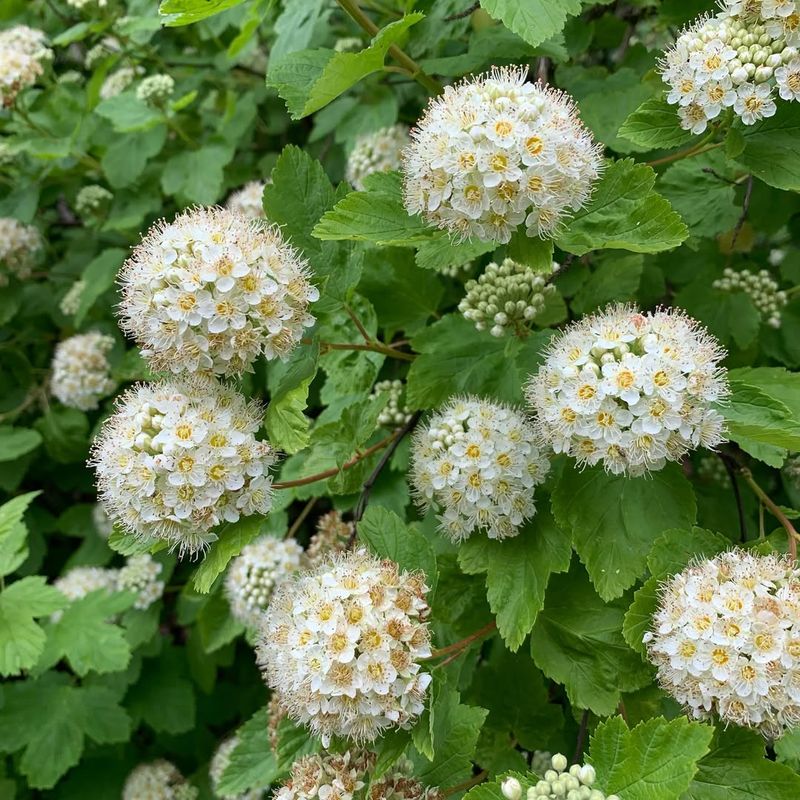
After a week of rain, most shrubs look beaten down and sad. But walk past a Pacific Ninebark and you’ll see something completely different, a plant that seems energized by all that water, standing tall with glossy leaves and peeling bark that adds texture even in the off-season.
This Pacific Northwest native is built for our climate. It handles wet soil beautifully, whether you’re dealing with seasonal flooding or year-round dampness.
In late spring, clusters of white or pinkish flowers cover the branches, attracting pollinators and adding a soft, cottage-garden feel to your landscape.
Pacific Ninebark works well in rain gardens, along slopes where water runs off, or tucked into borders that stay moist. It grows quickly, reaching about six to ten feet tall and wide, so give it some room to spread.
Your Oregon Garden Changes Every Week. Your Plan Should Too.
Gardening in Oregon changes quickly throughout the season. Every Friday you’ll receive a simple weekly plan showing exactly what to plant, prune, fertilize, harvest, and protect so you never miss the right timing.
The exfoliating bark is a bonus, it peels in thin layers, revealing shades of cinnamon and brown underneath.
You won’t need to fuss over this one. Prune lightly after flowering if you want to shape it, but otherwise, let it do its thing.
It’s deer-resistant, low-maintenance, and perfectly adapted to Western Oregon’s wet winters and mild summers. If you want a tough, beautiful shrub that loves rain as much as we complain about it, this is your plant.
3. Douglas Spirea
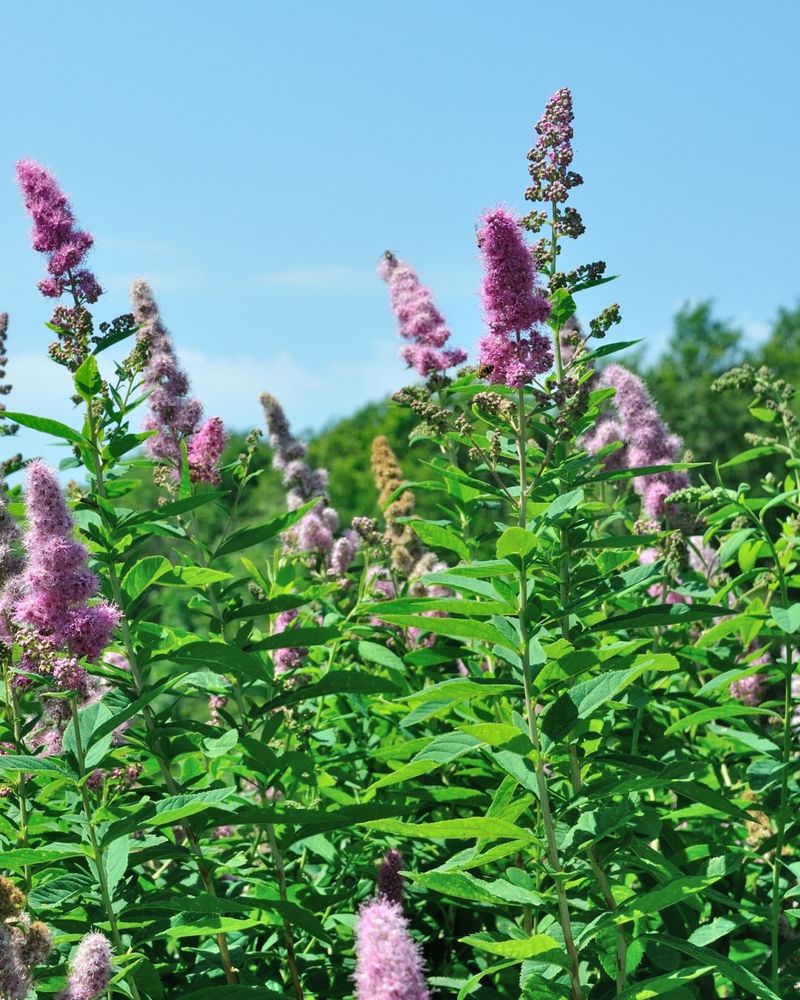
There’s always that one spot in the yard where water collects every time it rains, maybe at the base of a downspout or along the driveway. You’ve tried planting there before, but nothing really thrives.
Enter Douglas Spirea, a Pacific Northwest native that actually prefers those soggy, overlooked corners.
This shrub is tough, adaptable, and perfectly suited to Western Oregon’s wet climate. It grows naturally along stream banks and wetlands, so your damp yard feels like home.
In summer, it produces clusters of rosy-pink flowers that attract butterflies and add a soft pop of color without being flashy.
Douglas Spirea stays compact, usually reaching three to six feet tall, making it ideal for smaller spaces or layered plantings. It works well in rain gardens, along property edges, or anywhere you need something that won’t drown when the rains come.
The foliage is dense and green, providing good coverage year-round.
Maintenance is easy, just prune lightly after flowering if you want to keep it tidy. It doesn’t need fertilizer, it’s deer-resistant, and it thrives in clay soil.
If you’re tired of fighting your yard’s wet spots, let Douglas Spirea do the heavy lifting. It’s one of those plants that quietly performs, season after season, without asking for much in return.
4. Western Sword Fern
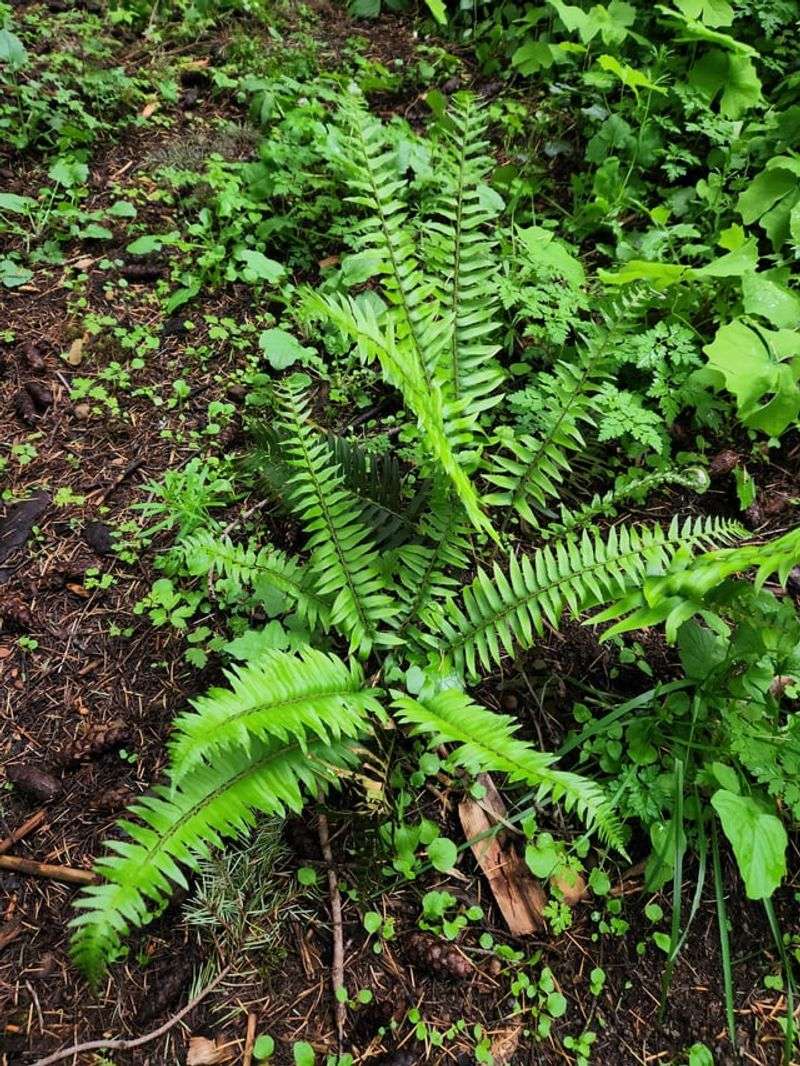
If you’ve got a shady, damp corner where grass won’t grow and everything else looks scraggly, stop fighting it. That’s prime real estate for Western Sword Fern, one of the most reliable and beautiful plants you can grow in Western Oregon’s wet climate.
This native fern thrives in moisture and shade, conditions that would stress out most other plants. Its dark green fronds arch gracefully, creating lush groundcover that looks good all year long.
Even in winter, when most of your garden has gone dormant, Sword Fern stays vibrant and full.
Plant it under trees, along north-facing walls, or in any spot that stays consistently moist. It pairs beautifully with other shade-lovers like Slough Sedge or Snowberry, and it fills in quickly once established.
The fronds can reach three feet or more, giving you serious visual impact without any fuss.
Maintenance is almost nonexistent. You can trim off any damaged fronds in early spring, but otherwise, just let it grow.
It doesn’t need fertilizer, it’s deer-resistant, and it handles our heavy clay soil without complaint. If you want that classic Pacific Northwest woodland look in your own yard, Western Sword Fern is the foundation plant you need.
It’s forgiving, gorgeous, and perfectly at home in the rain.
5. Slough Sedge (Carex obnupta)
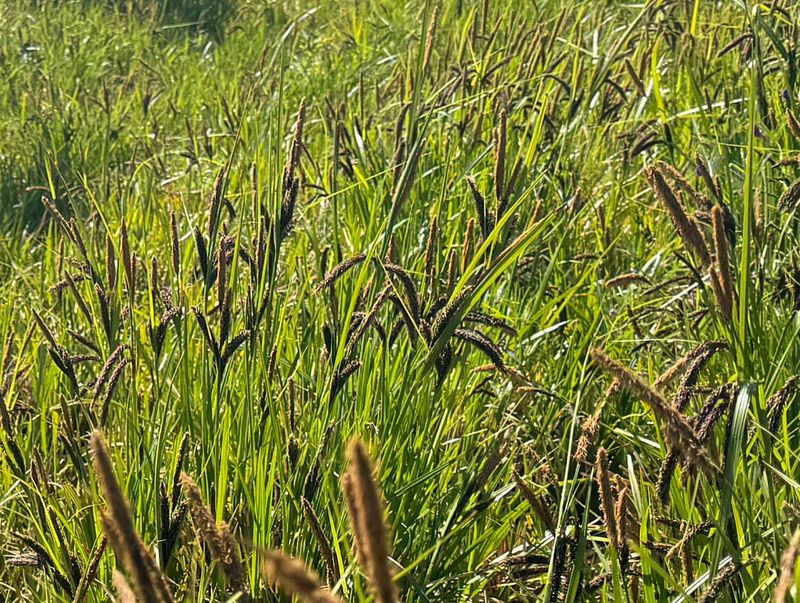
Grass struggles in wet areas, turning brown and patchy no matter how much you reseed. But what if you replaced it with something that actually wants to grow there?
Slough Sedge is a native grass-like perennial that thrives in the exact conditions where traditional lawns fail.
This sedge loves moisture, like, really loves it. It grows naturally in wetlands, along stream edges, and in low-lying areas that flood seasonally.
In your yard, it’s perfect for rain gardens, bioswales, or any spot that stays damp most of the year. The foliage is bright green and gracefully arching, giving you a lush, meadow-like look without the high maintenance.
Slough Sedge grows in clumps, reaching about two to three feet tall, and spreads slowly to fill in over time. It works beautifully as a groundcover alternative to grass, especially in shady or wet areas where mowing is a pain.
Plus, it provides habitat for beneficial insects and adds texture to your landscape.
Maintenance is minimal, no mowing, no fertilizing, just an occasional trim in early spring if you want to tidy things up. It’s deer-resistant, evergreen, and perfectly adapted to Western Oregon’s climate.
If you’re ready to stop fighting your soggy lawn and embrace what actually grows here, Slough Sedge is the answer.
6. Camas Lily (Camassia quamash)
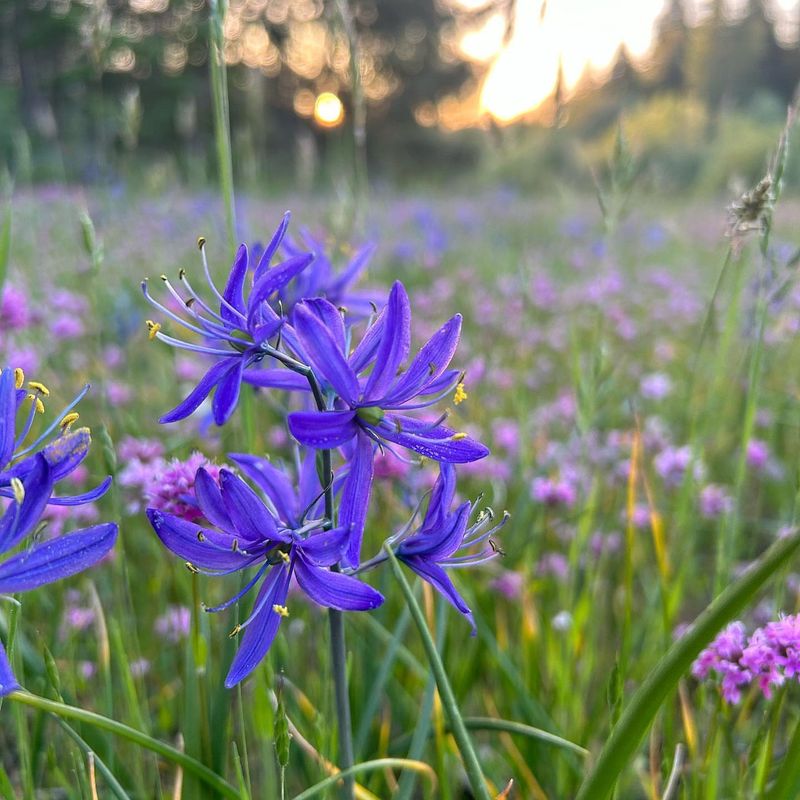
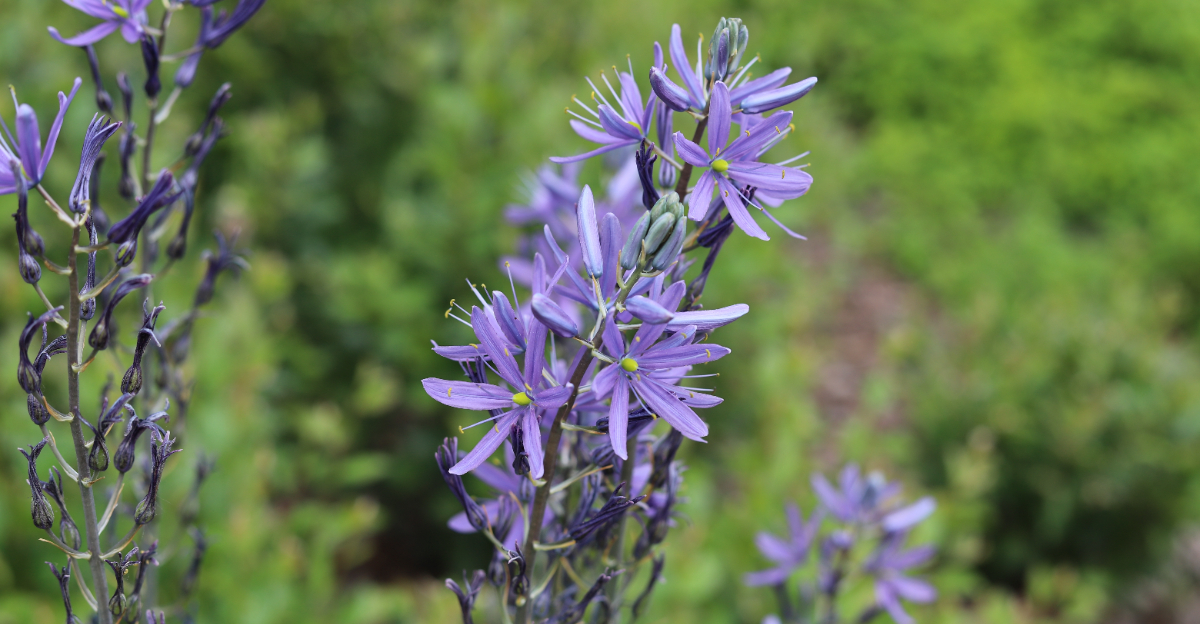
Spring in Western Oregon means mud, but it also means wildflowers if you know where to look. Camas Lily is one of those magical natives that turns wet meadows into seas of blue, and you can bring that same beauty right into your own yard.
This bulb thrives in areas that are wet in winter and spring, then dry out a bit in summer, exactly what happens in many Western Oregon gardens.
Plant it in fall, and by late spring, tall spikes of star-shaped blue flowers will emerge, creating a stunning display that lasts for weeks. Pollinators love it, and deer usually leave it alone.
Camas works beautifully in rain gardens, meadow plantings, or mixed borders where moisture lingers. It’s also a great companion for native grasses and sedges.
The foliage dies back after flowering, so plant it among groundcovers or perennials that will fill in the space later in the season.
Once established, Camas Lily is incredibly low-maintenance. It doesn’t need fertilizer, and it naturalizes over time, spreading slowly to create larger drifts.
Just let it do its thing. If you want to add authentic Pacific Northwest beauty to your wet garden, Camas is a must.
It’s the kind of plant that makes your neighbors stop and ask what it is, and you get to sound like a local plant expert.
7. Snowberry
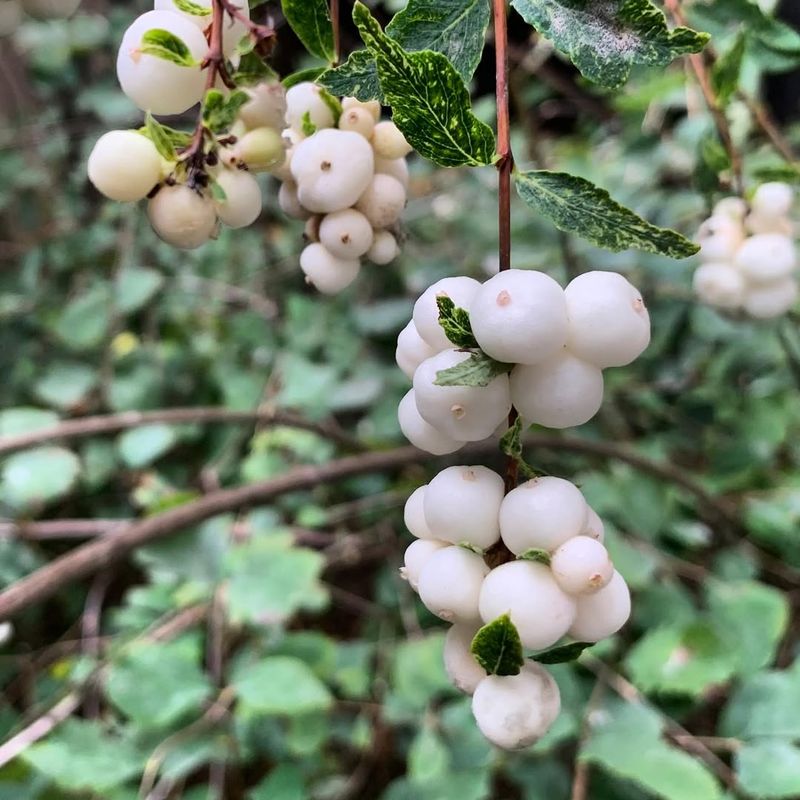
By late summer, most of your garden is either brown or bloomed out. But Snowberry is just getting started, producing clusters of bright white berries that catch your eye from across the yard and last well into fall.
This native shrub is incredibly adaptable, handling wet soil, dry soil, sun, shade, and just about anything Western Oregon throws at it.
It grows naturally in moist woodland edges and along streams, so it’s perfectly suited to those tricky spots where water tends to collect.
The berries are a favorite of birds, and the dense branching provides good cover for wildlife.
Snowberry stays relatively compact, usually three to six feet tall, and works well in mixed borders, hedgerows, or naturalized areas. It spreads slowly by suckers, so give it room or use it where you want it to fill in over time.
The foliage is simple and green, but those white berries are the real showstopper.
Maintenance is easy, just prune lightly in late winter if you want to control its size or shape. It’s deer-resistant, drought-tolerant once established, and thrives in clay soil.
If you’re looking for a low-maintenance native that adds late-season interest and handles wet conditions without complaint, Snowberry is a smart choice. It’s quietly beautiful and tougher than it looks.
8. Oregon Ash
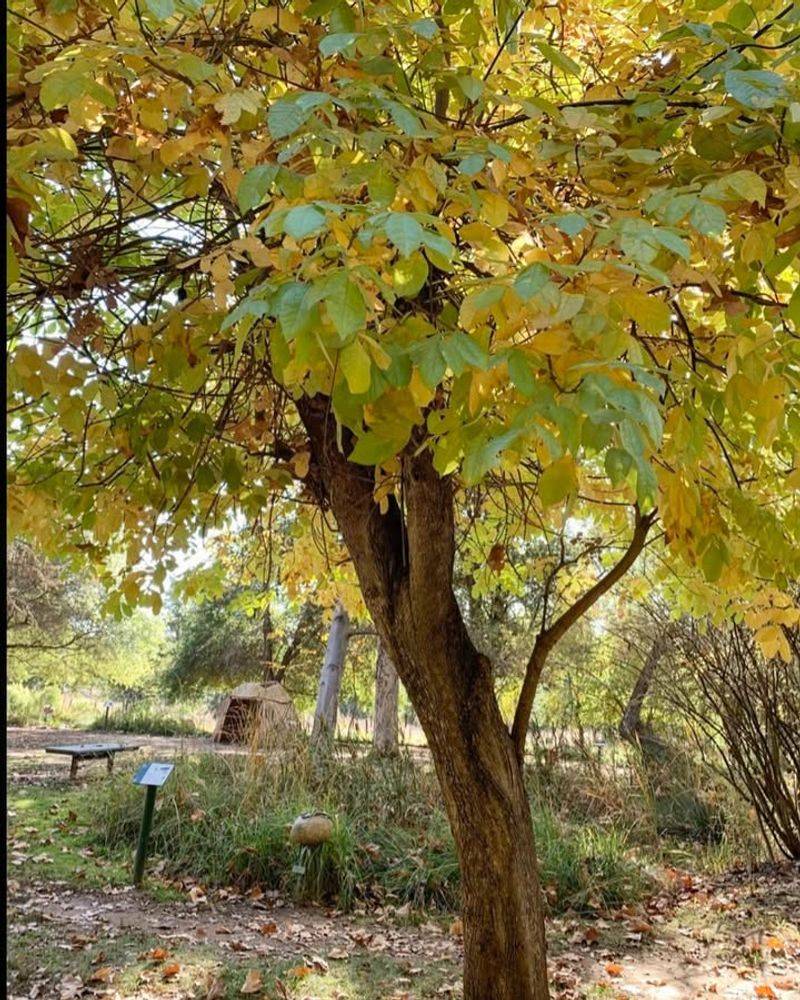
Maybe you’ve got a low spot in your yard that stays wet for months, and you’re dreaming of some shade but worried a tree will just drown.
Oregon Ash is the answer, a native tree that actually thrives in seasonally flooded areas and grows into a beautiful, sturdy shade tree over time.
This deciduous tree is built for wet conditions. It grows naturally along stream banks, wetlands, and floodplains throughout the Willamette Valley, so it’s perfectly adapted to Western Oregon’s rainy climate.
The bark is ridged and handsome, the canopy is broad and full, and in fall, the leaves turn golden yellow before dropping.
Oregon Ash can reach 40 to 80 feet tall at maturity, so it’s best suited for larger properties or areas where you need serious shade and stormwater management.
Plant it near retention basins, along property edges, or anywhere you want a native tree that can handle standing water in winter and spring.
Maintenance is minimal once established, just prune dead or crossing branches as needed. It’s deer-resistant, provides excellent habitat for birds and insects, and helps stabilize wet soil.
If you want a long-term investment that improves your yard’s function and beauty while working with Western Oregon’s wet climate, Oregon Ash is a solid choice. It’s the kind of tree your grandkids will appreciate.