The 13 Easiest California Houseplants To Propagate (Even If You’ve Never Tried Before)
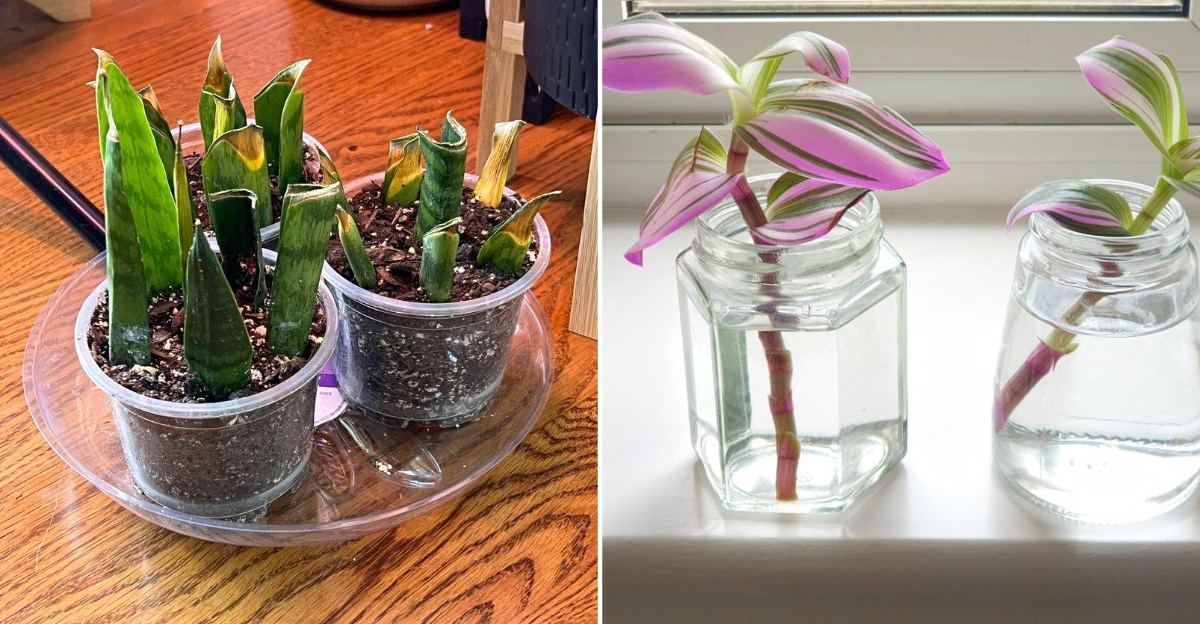
If you have ever snipped a stem, stuck it in water, and secretly hoped for the best, you are already halfway to becoming a plant propagating pro.
The truth is, many houseplants practically want to multiply, especially in California’s bright, sunny climate. With mild temperatures and plenty of natural light, rooting cuttings is often faster and easier than you think.
Propagation might sound technical, but it is really just plant magic you get to witness up close.
A tiny cutting transforms into a whole new plant right before your eyes. No fancy equipment. No greenhouse. Just a healthy parent plant, a clean pair of scissors, and a little patience.
Even if you have never tried it before, there are certain houseplants that make the process feel almost foolproof.
They root quickly, adapt easily, and bounce back like champions. Ready to grow your collection without spending a dime? These easygoing California friendly favorites are about to make you look like a propagation expert.
1. Pothos (Epipremnum aureum)
Anyone who has ever tried growing houseplants in California knows that pothos is practically unstoppable. This trailing vine thrives in our mild indoor temperatures and doesn’t complain if you forget to water it for a week.
The leaves come in shades of green, yellow, and white, creating beautiful cascading displays from shelves or hanging baskets.
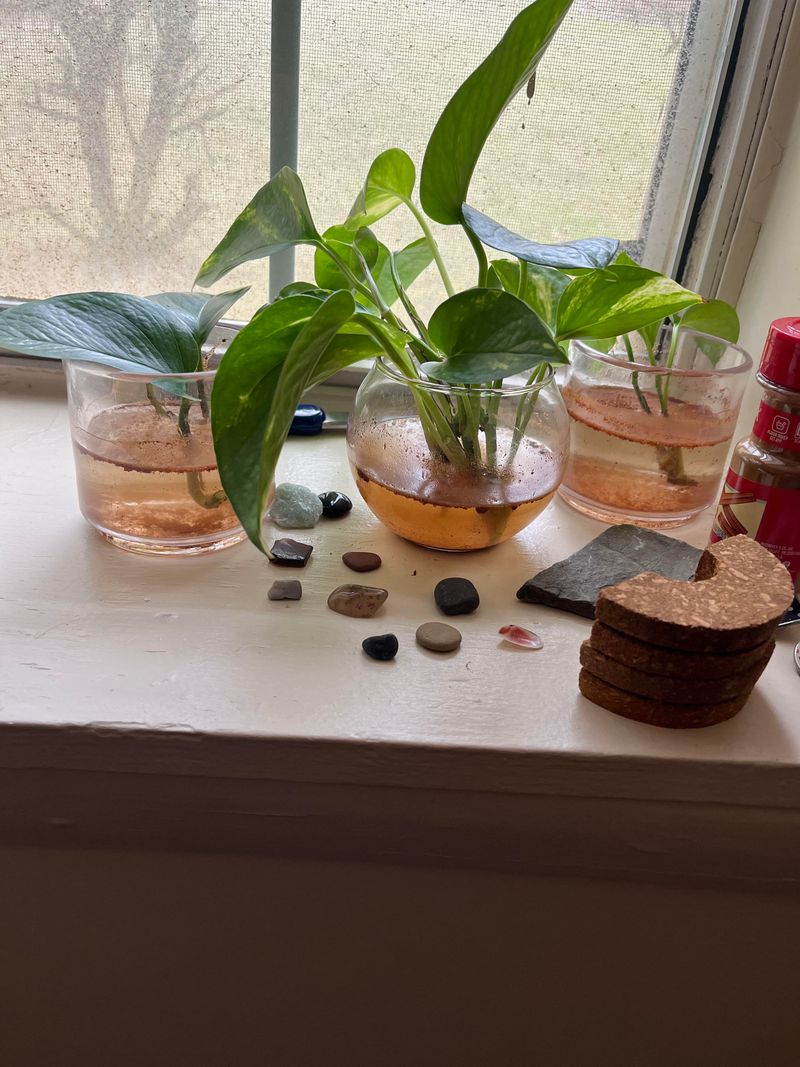
Propagating pothos couldn’t be simpler. Just cut a stem below a node, which is the little bump where leaves attach, and place it in a glass of water.
Within two weeks, you’ll see roots sprouting. Once the roots reach about two inches long, you can plant your new pothos in soil.
California’s consistent indoor temperatures make this process even easier since pothos doesn’t experience the stress of extreme seasonal changes. You can propagate year-round without worrying about timing.
The cuttings root so reliably that you’ll soon have plants to share with everyone you know.
Even beginners find success with pothos propagation because the plant is incredibly forgiving. If one cutting doesn’t work, simply try another.
The parent plant won’t mind losing a few stems, and you’ll quickly build confidence in your propagation skills while filling your California home with lush greenery.
2. Spider Plant (Chlorophytum comosum)
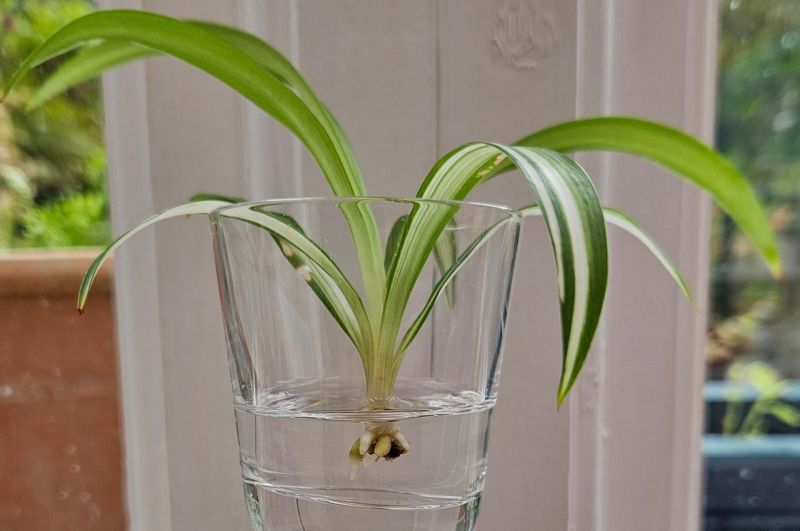
Nature designed spider plants to be shared, which is why they produce adorable baby plants called spiderettes that dangle from long stems. These babies come with tiny roots already forming, making propagation almost effortless.
California’s moderate humidity levels work perfectly for these adaptable plants.
You have two easy options for propagating spider plants. The first method involves snipping off a spiderette and placing it directly in soil or water until roots develop.
The second approach lets you leave the baby attached to the mother plant while setting it in a small pot nearby, allowing it to root while still connected for extra support.
Spider plants adapt beautifully to California’s indoor conditions and don’t require fussy care routines. They tolerate various light levels, though they prefer bright indirect light.
Your California Garden Changes Every Week. Your Plan Should Too.
Gardening in California changes quickly throughout the season. Every Friday you’ll receive a simple weekly plan showing exactly what to plant, prune, fertilize, harvest, and protect so you never miss the right timing.
The babies root quickly, usually within a week or two, giving you fast results that encourage further propagation experiments.
Many California gardeners start with one spider plant and end up with dozens within months. The constant production of spiderettes means you’ll never run out of propagation opportunities.
These plants make wonderful gifts for neighbors and friends, spreading greenery throughout your community while teaching others how simple plant propagation can be.
3. Snake Plant (Sansevieria / Dracaena trifasciata)
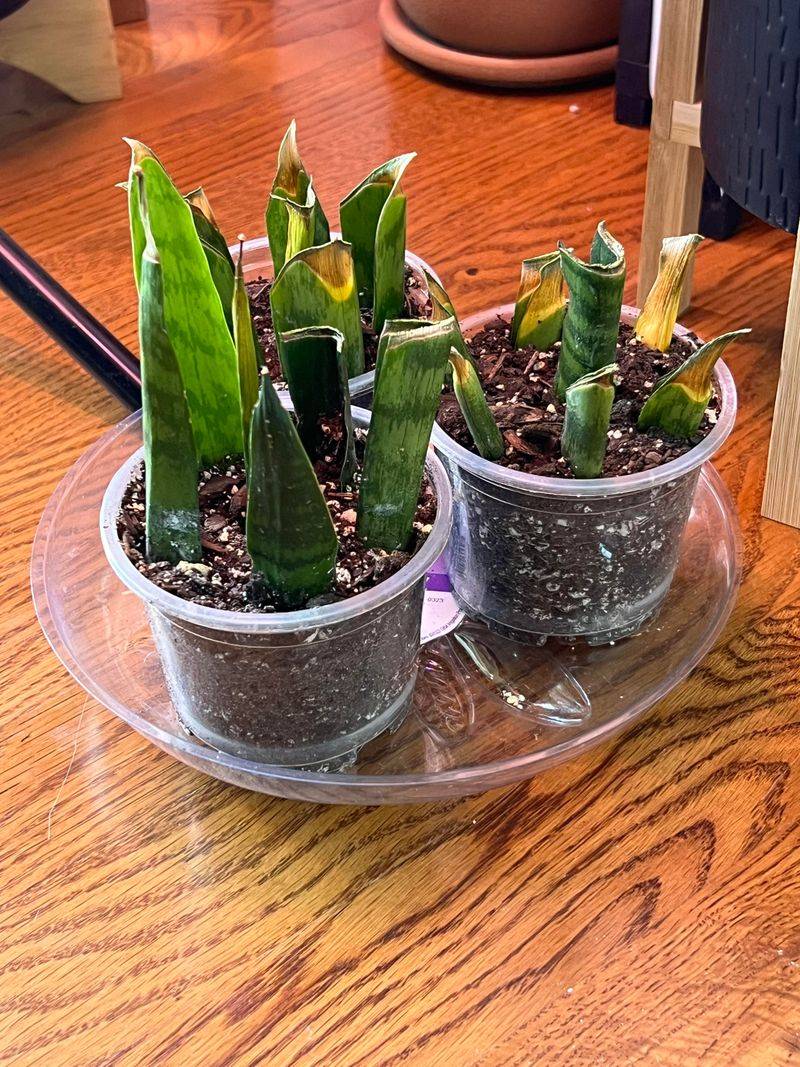
Tough and architectural, snake plants bring a modern look to California homes while tolerating neglect better than almost any other houseplant. Their upright leaves store water, meaning they can survive weeks without attention.
This resilience extends to propagation, where snake plants offer multiple methods for creating new plants.
Leaf cuttings work wonderfully with snake plants. Simply cut a healthy leaf into three-inch sections and stick them in soil with the bottom end down.
In California’s mild climate, roots develop within several weeks, though patience is required since this method takes longer than water propagation. Another faster option involves dividing the rhizomes when repotting, instantly creating mature plants.
The variegated varieties with yellow edges will produce solid green offspring when propagated from leaf cuttings, but division maintains the original coloring. Many California plant enthusiasts enjoy experimenting with both methods to see the different results.
Snake plants adapt to various light conditions, from bright windows to darker corners.
Propagating snake plants teaches patience since growth happens slowly but surely. The reward comes when you see new shoots emerging from the soil, proving that your propagation efforts succeeded.
These sturdy plants handle California’s dry indoor air without complaint, making them ideal for beginners building propagation confidence.
4. Heartleaf Philodendron (Philodendron hederaceum)
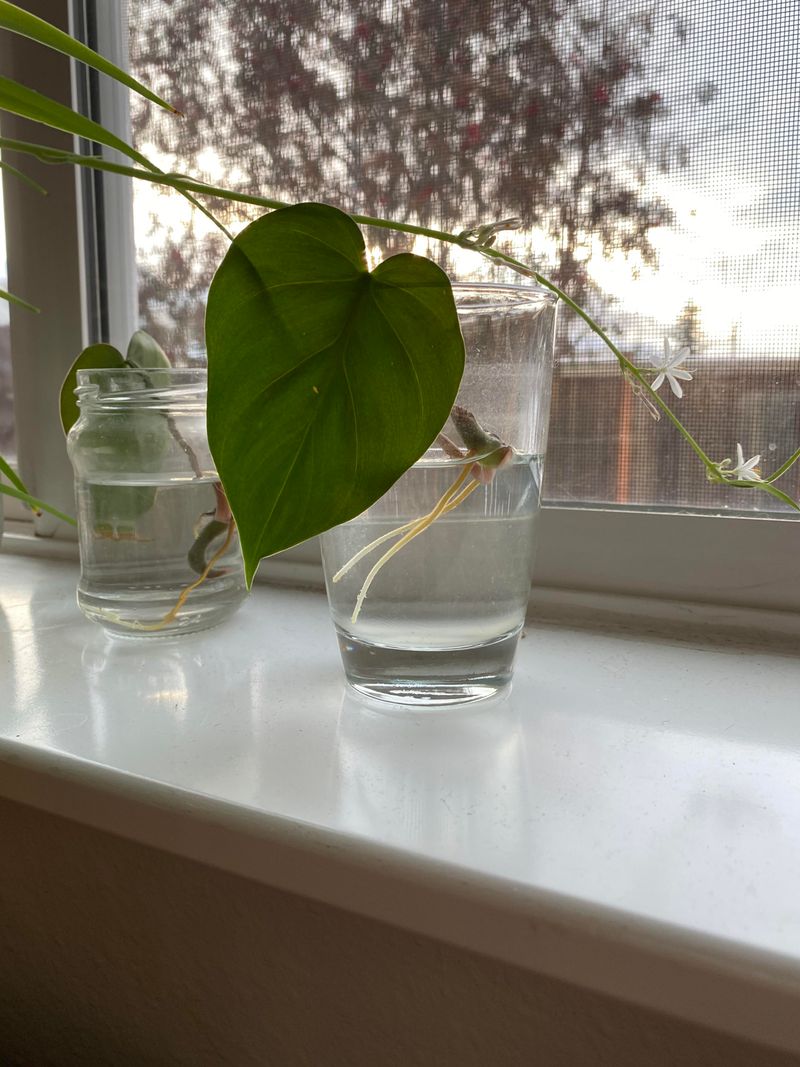
Glossy heart-shaped leaves make this philodendron a favorite among California houseplant collectors. The vines grow quickly, draping beautifully from shelves or climbing up supports with aerial roots.
This fast growth means you’ll have plenty of stem material for propagation projects throughout the year.
Water propagation works like magic with heartleaf philodendrons. Cut a stem section that includes at least two nodes and one or two leaves, then place it in water where you can watch the roots develop.
California’s consistent indoor temperatures speed up root growth, often producing visible roots within five to seven days.
The exciting part about propagating philodendrons is seeing how quickly they respond. Unlike slower plants that test your patience, these cuttings show progress almost immediately.
Once roots reach about three inches, you can transfer the cutting to soil, where it will continue growing vigorously.
Many California plant lovers keep several philodendron cuttings rooting on sunny windowsills, enjoying the decorative look of stems in glass containers. The parent plant benefits from regular pruning, becoming bushier and fuller.
You’ll find yourself with more plants than you expected, perfect for creating lush displays throughout your home or sharing with friends who admire your green thumb.
5. Monstera (Monstera deliciosa)
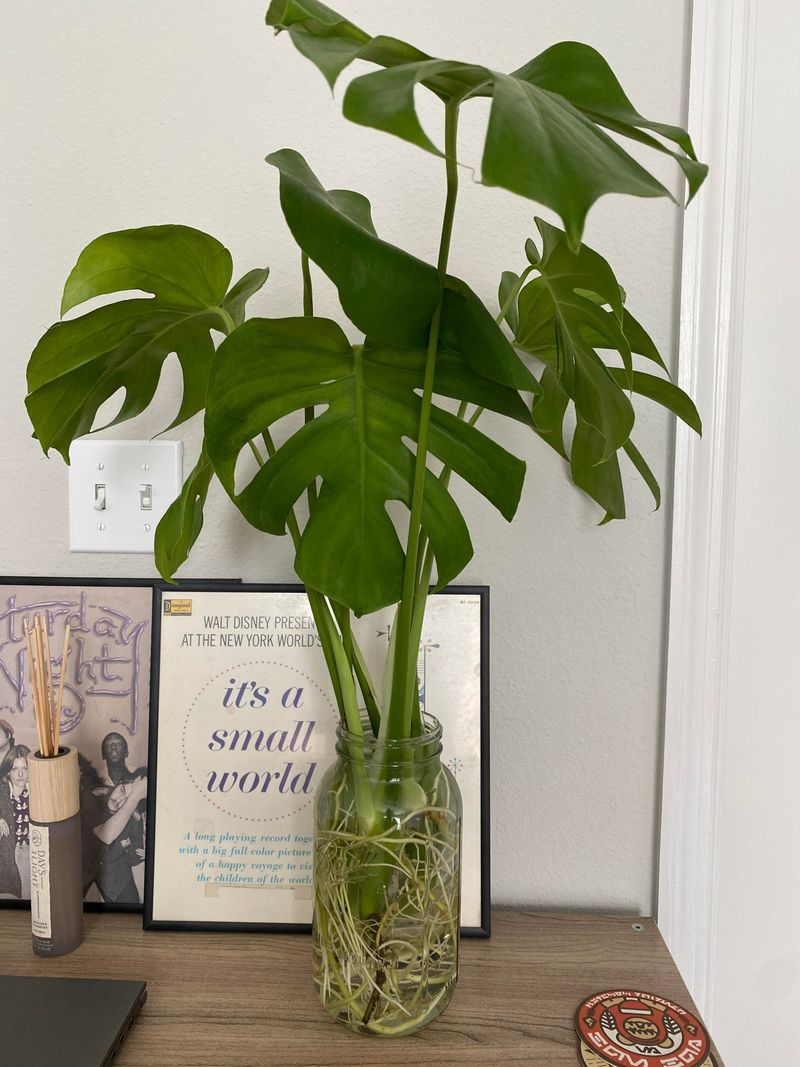
Those dramatic split leaves with natural holes make monsteras instantly recognizable and highly desired in California homes. The tropical look brings vacation vibes indoors, and the good news is that propagating these statement plants is much easier than their impressive appearance suggests.
Each stem section contains nodes that can produce roots and new growth.
To propagate a monstera, look for a stem cutting that includes at least one node and one leaf. The aerial roots that often grow from nodes will help your cutting establish quickly.
Place the cutting in water and position it in bright indirect light, which California homes naturally provide. Roots typically appear within two to three weeks.
Watching a monstera cutting develop roots feels like witnessing something special. The roots grow thick and strong, clearly visible through glass containers.
California’s mild climate means you can propagate monsteras any time of year without worrying about cold stress or extreme temperature fluctuations affecting success rates.
Once rooted, monstera cuttings grow enthusiastically in soil, eventually producing those iconic split leaves that made you want the plant originally. Young plants start with solid leaves, but as they mature, the characteristic splits and holes develop.
Propagating monsteras lets you expand your collection or share these stunning plants with fellow California plant enthusiasts.
6. Jade Plant (Crassula ovata)
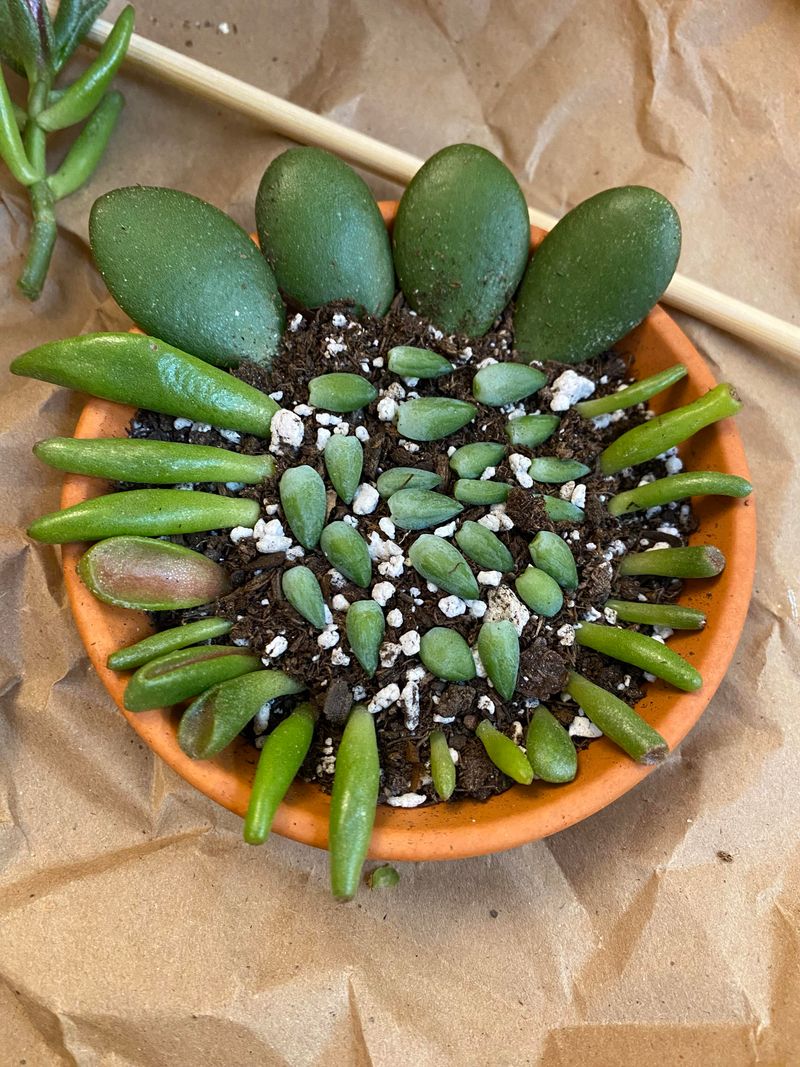
Thick, glossy leaves that look almost like gemstones give jade plants their name and their appeal. These succulents develop tree-like forms over time, becoming living sculptures that can last for decades.
California’s climate suits jade plants perfectly since they prefer drier conditions and don’t need constant watering.
Propagating jade plants requires minimal effort. Simply twist off a healthy leaf or cut a stem section, let it dry for a day or two until the cut end calluses over, then place it on top of soil or stick it in lightly.
The waiting period allows the wound to seal, preventing rot. California’s low humidity helps this drying process happen naturally.
Patience becomes your friend when propagating jade plants since they grow slowly but steadily. Roots develop over several weeks, followed eventually by tiny new leaves emerging from the base.
The parent plant won’t show any stress from losing a few leaves or stems, making this a guilt-free propagation method.
Many California gardeners start jade plants as gifts for special occasions because these plants symbolize prosperity and friendship. The propagation process teaches valuable lessons about succulent care while providing numerous plants to share.
Once established, jade plants require minimal maintenance, thriving on benign neglect that suits busy California lifestyles perfectly.
7. Aloe Vera (Aloe barbadensis miller)
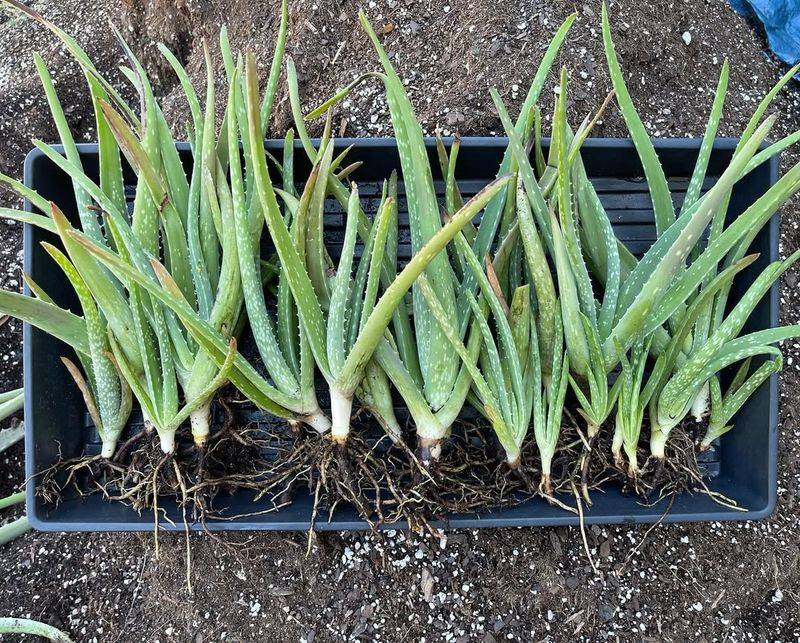
Beyond being useful for soothing sunburns, aloe vera plants are surprisingly easy to multiply. These spiky succulents produce baby plants called pups that grow around the base of the mother plant.
California’s sunny climate makes growing aloe vera effortless, and propagating it is just as simple.
Wait until the pups reach about one-fifth the size of the parent plant before separating them. Gently remove the entire plant from its pot and carefully separate the pups, making sure each has some roots attached.
Let the separated pups dry for a day before planting them in well-draining soil.
The natural separation method means you’re working with plants that already want to grow independently. California’s warm temperatures encourage quick establishment, and the pups usually start growing within a few weeks.
Aloe vera tolerates the dry air common in California homes, requiring water only when the soil completely dries out.
Having multiple aloe plants around your California home means you’ll always have fresh gel available for minor skin irritations. The propagation process is so straightforward that even children can participate, making it a great educational project.
As your aloe collection grows, you’ll find yourself sharing plants with friends and family, spreading both greenery and natural remedies throughout your community.
8. Wandering Dude (Tradescantia zebrina)
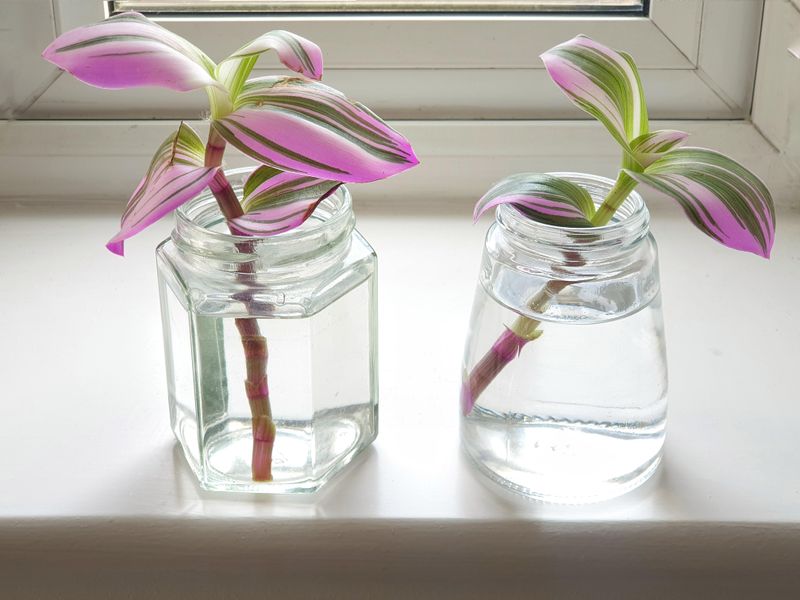
Striking purple and silver striped leaves make wandering dude one of the most colorful houseplants you can grow in California. The trailing stems grow incredibly fast, sometimes adding inches in a single week during growing season.
This vigorous growth provides endless opportunities for propagation, and the process couldn’t be more straightforward.
Simply snip off a stem section about four inches long and place it in water. You don’t even need to be precise about where you cut since these plants root from almost any point along the stem.
California’s bright indoor light helps maintain the vibrant leaf colors while encouraging quick root development.
Roots appear within days, not weeks, making wandering dude perfect for impatient propagators who want fast results. The cuttings root so reliably that you can stick several together in one pot to create an instantly full plant.
Many California plant lovers keep wandering dude specifically for practicing propagation techniques since success is virtually guaranteed.
The fast growth means you’ll need to prune your wandering dude regularly to keep it looking tidy. Each pruning session provides more cuttings for propagation, creating a continuous cycle of new plants.
These colorful trailers look stunning in hanging baskets or spilling over shelf edges, bringing vibrant color to California homes year-round.
9. ZZ Plant (Zamioculcas zamiifolia)
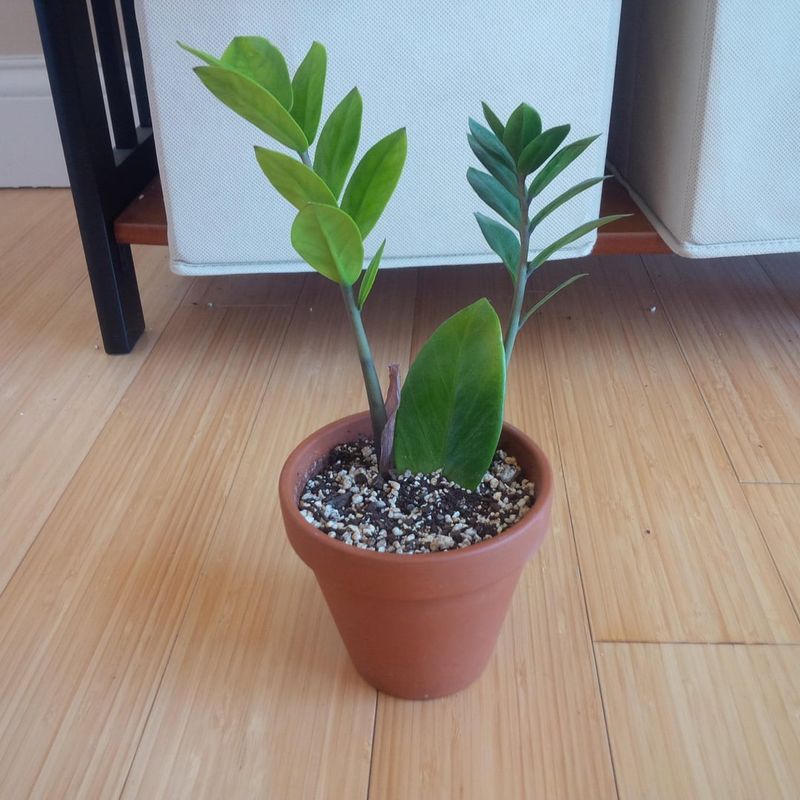
Shiny leaves that look almost plastic give ZZ plants a unique modern appearance. These plants thrive on neglect, tolerating low light and infrequent watering better than most houseplants.
California’s consistent indoor conditions suit ZZ plants perfectly, and propagating them offers a fascinating glimpse into how different plant structures develop.
You can propagate ZZ plants from individual leaflets or entire stems. For leaflet propagation, simply remove a single leaflet, let it callus for a few hours, then stick it in moist soil.
Rhizomes will slowly form underground before new growth appears above soil. This method requires significant patience since visible results may take several months.
Stem cuttings work faster, producing new rhizomes within a few weeks to months. Cut an entire stem near the base and place it in water or directly in soil.
California’s mild temperatures support the slow but steady development process. The waiting period teaches patience while demonstrating how plants grow in ways we don’t always see immediately.
Many California plant enthusiasts enjoy the challenge of propagating ZZ plants specifically because it’s different from typical propagation methods. The underground development of rhizomes before visible growth appears feels like uncovering a secret.
Once new shoots finally emerge, the sense of accomplishment makes the wait worthwhile.
10. Peperomia (Peperomia obtusifolia)
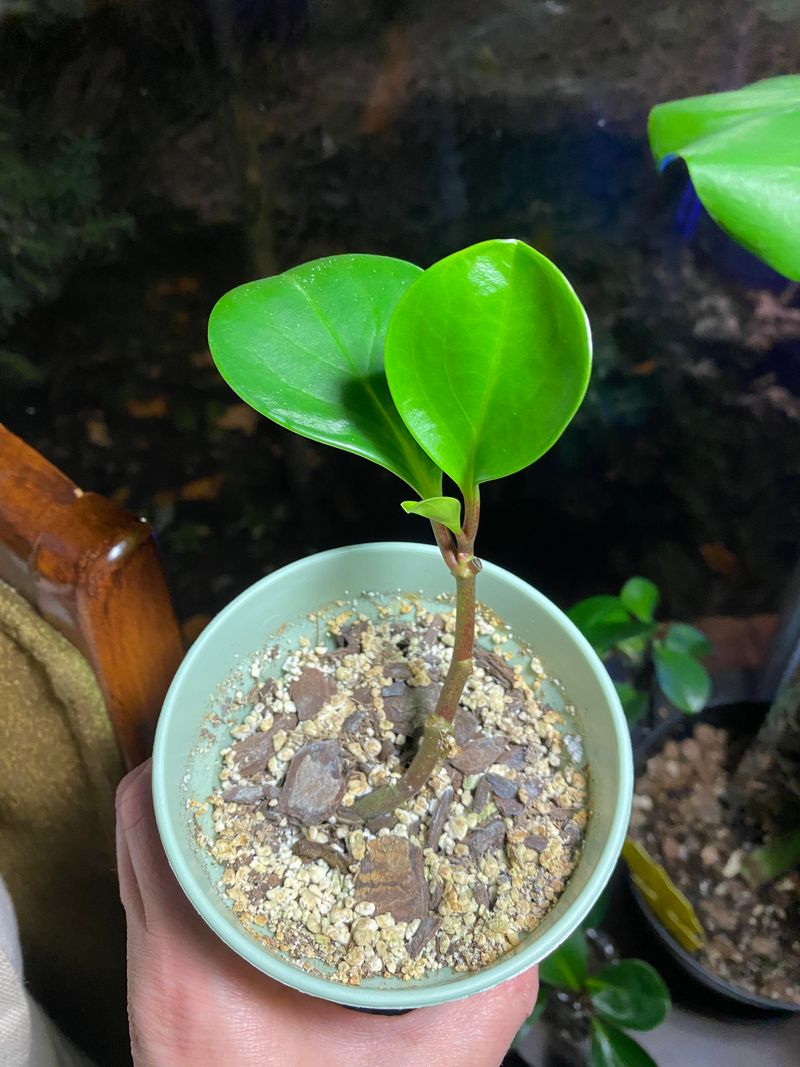
Compact and cheerful, peperomias come in countless varieties with different leaf shapes, colors, and patterns. These small plants fit perfectly on California desks, shelves, and windowsills without taking up much space.
Their modest size doesn’t limit propagation potential since both leaf and stem cuttings work beautifully.
For leaf propagation, choose a healthy leaf with a bit of stem attached and place it in water or moist soil. The leaf will develop roots and eventually produce a tiny new plant at its base.
Stem cuttings root even faster, showing visible progress within a week or two in California’s favorable indoor conditions.
Peperomias prefer bright indirect light, which California homes naturally provide without much effort. The plants stay compact, making them ideal for propagating and sharing without worrying about space requirements.
Their thick, succulent-like leaves store water, so they forgive occasional watering lapses common with busy schedules.
Collecting different peperomia varieties and propagating them becomes an enjoyable hobby for many California plant lovers. Each variety offers slightly different propagation experiences, keeping the process interesting.
The small size of propagated plants makes them perfect gifts that won’t overwhelm recipients, spreading the joy of houseplants throughout your California community one cute peperomia at a time.
11. African Violet (Saintpaulia)
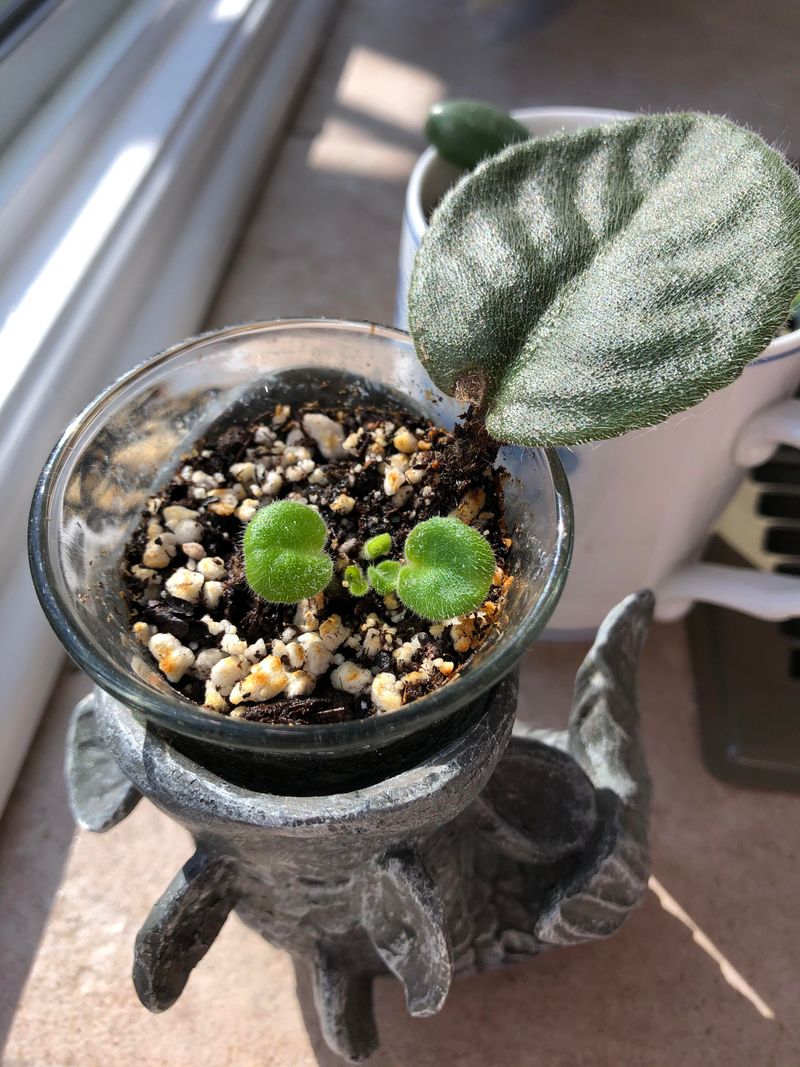
Delicate flowers in shades of purple, pink, and white make African violets beloved houseplants throughout California. These compact plants bloom repeatedly when given proper care, bringing continuous color to indoor spaces.
Propagating African violets from leaves is remarkably easy and produces flowering plants relatively quickly.
Choose a healthy leaf from the middle rows of the plant and cut it with about an inch of stem attached. Place the stem in water or directly in moist soil, keeping it in bright indirect light.
California’s stable indoor temperatures support root development, which typically begins within two to three weeks.
Tiny plantlets will eventually emerge at the base of the leaf, looking like miniature versions of the parent plant. This process fascinates both children and adults, making African violet propagation a wonderful educational activity.
The fuzzy leaves and charming flowers create plants that feel special even when you have many.
California’s indoor humidity levels work well for African violets, though they appreciate occasional misting. Propagated plants often bloom within six to nine months, rewarding your patience with colorful flowers.
Many California enthusiasts build entire collections of different African violet varieties, propagating their favorites to create stunning displays that bloom throughout the year.
12. Kalanchoe (Kalanchoe blossfeldiana)
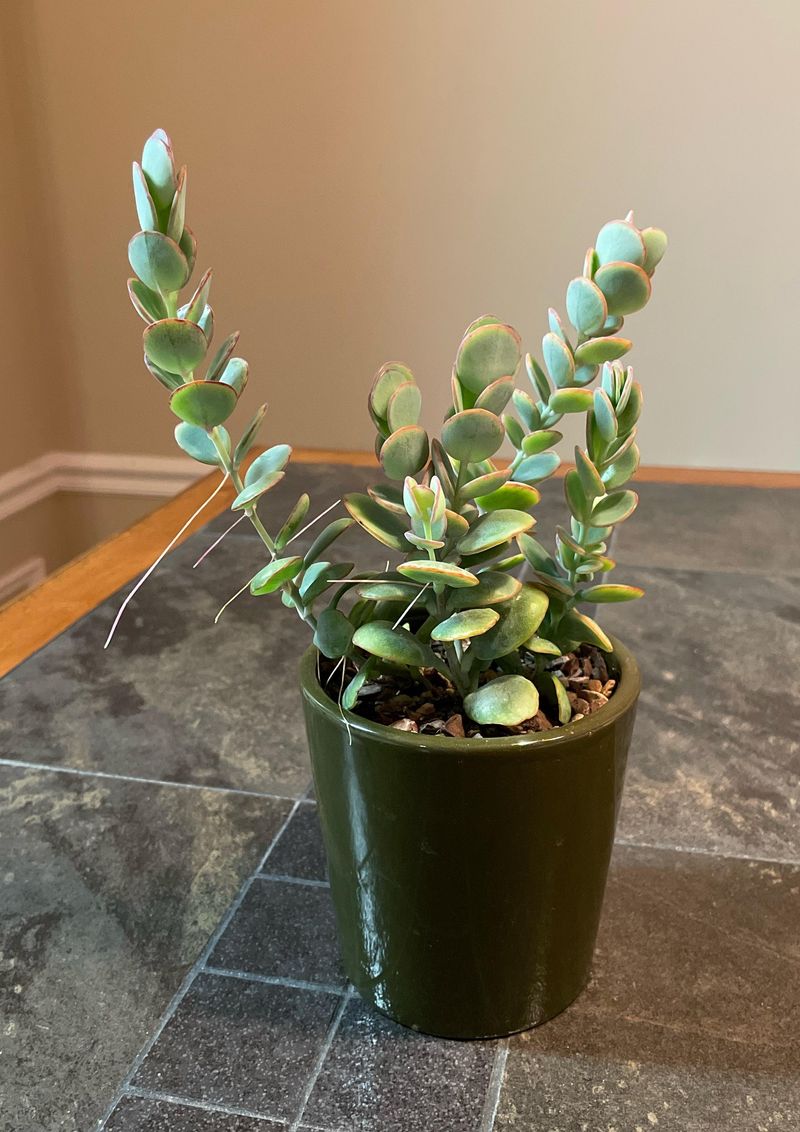
Bright clusters of tiny flowers in reds, oranges, pinks, and yellows make kalanchoe a cheerful addition to California homes. These succulent plants bloom for weeks at a time, providing long-lasting color.
Beyond their flowering beauty, kalanchoes propagate easily through multiple methods, making them perfect for beginners learning propagation techniques.
Leaf cuttings work wonderfully with kalanchoe. Simply remove a healthy leaf, let it dry for a day, then place it on top of moist soil.
Tiny plantlets will develop along the edges of the leaf before eventually growing their own roots. California’s warm indoor temperatures encourage this process, producing visible results within a few weeks.
Stem cuttings offer another reliable method. Cut a stem section, allow it to callus briefly, then plant it in well-draining soil.
The cutting will root quickly and begin growing, often producing flowers within the same year. Some kalanchoe varieties produce tiny plantlets along leaf edges, which can be gently removed and planted individually.
The variety of propagation methods makes kalanchoe an excellent teaching plant for California gardeners wanting to learn different techniques. Each method demonstrates how plants adapt to reproduce naturally.
Once you master kalanchoe propagation, you’ll have confidence to try similar techniques with other succulents and flowering plants.
13. Wax Begonia (Begonia semperflorens)
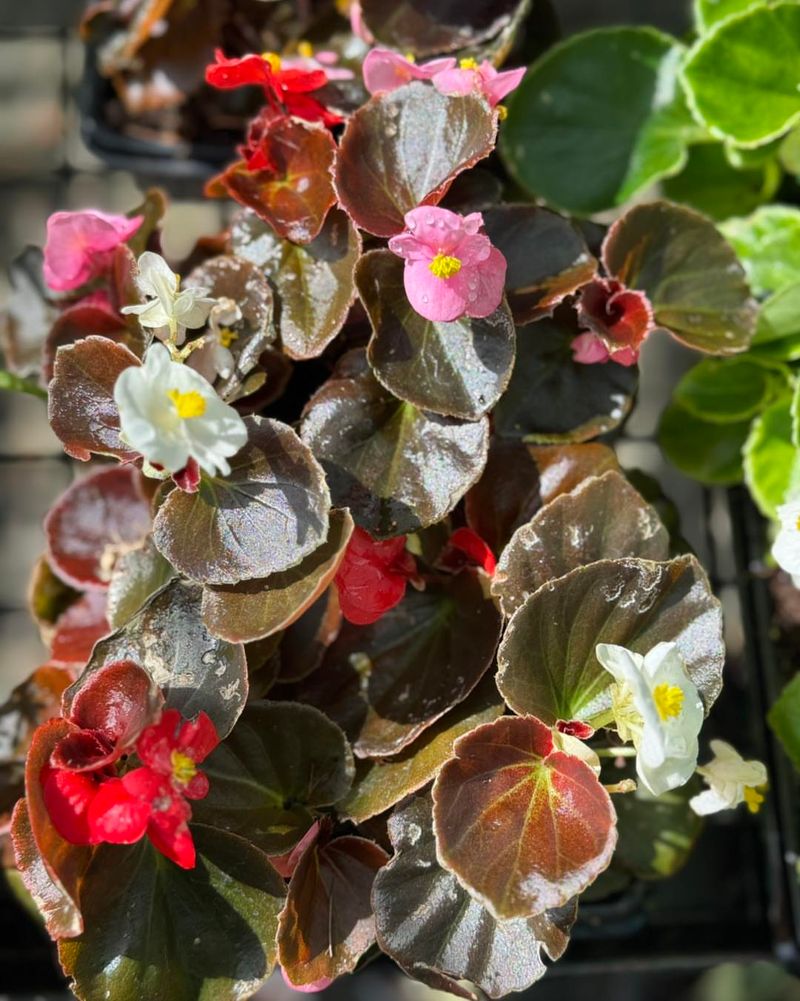
Glossy leaves and cheerful flowers make wax begonias popular choices for both indoor and outdoor growing in California. These compact plants bloom almost continuously, providing reliable color with minimal fuss.
Propagating wax begonias gives you an endless supply of these charming plants for filling containers and brightening spaces throughout your home.
Stem cuttings root easily in either water or soil. Cut a healthy stem about three inches long, remove the lower leaves, and place it in your chosen rooting medium.
California’s bright indoor light encourages quick root development, usually within one to two weeks. The cuttings often continue blooming even while developing roots.
Leaf cuttings also work with wax begonias, though stem cuttings produce results faster. The forgiving nature of these plants means even imperfect cuttings usually succeed, building confidence for beginners.
Many California gardeners keep wax begonias specifically for their reliable propagation success and continuous flowering.
The compact size of wax begonias makes them perfect for small spaces common in California apartments and condos. Propagated plants reach flowering size quickly, providing satisfaction without lengthy waiting periods.
Whether you prefer pink, red, or white flowers, propagating wax begonias ensures you’ll always have these cheerful plants available for indoor displays or outdoor containers during California’s mild seasons.