How Michigan Gardeners Can Plan Early Spring Planting While Snow Is Still On The Ground
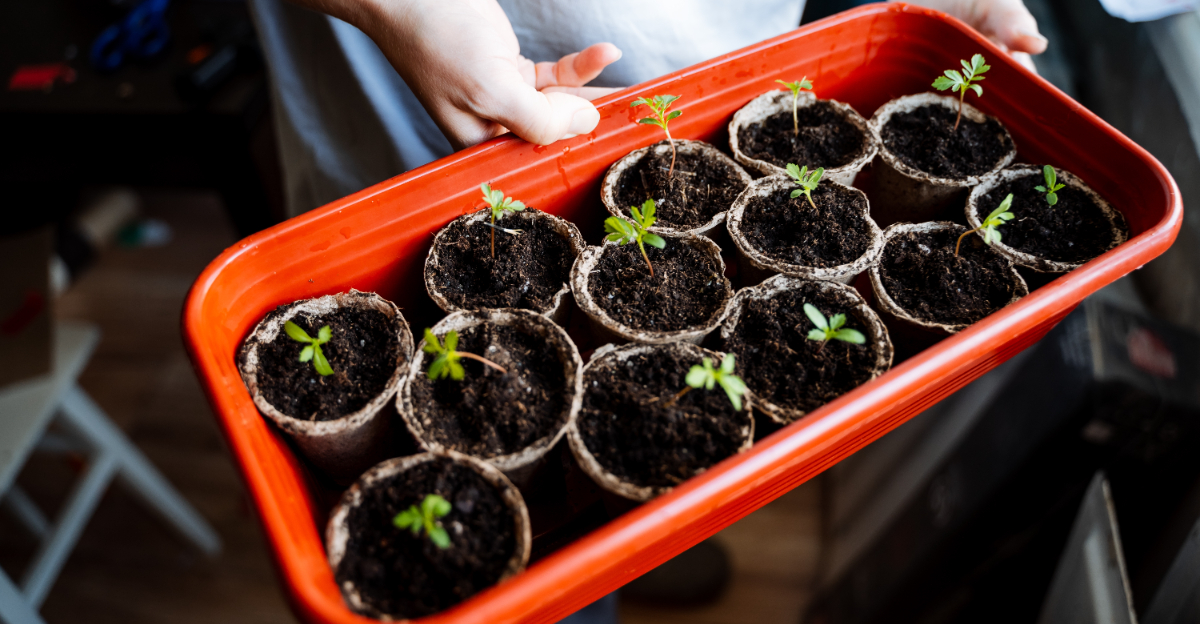
A blanket of snow outside does not mean your gardening season is on pause. In Michigan, winter is actually one of the most valuable times to prepare for a productive spring.
While the ground rests beneath frost, thoughtful planning indoors can set the stage for stronger growth and better harvests once temperatures rise.
Reviewing local frost dates helps you map out realistic planting timelines, especially since conditions vary across Michigan’s different regions.
Organizing seeds, checking expiration dates, and ordering new varieties early ensures you are ready when the soil warms. Sketching a garden layout allows you to plan crop rotation, spacing, and companion planting without the rush of spring deadlines.
Michigan gardeners who take advantage of these quiet months often find themselves ahead of schedule and far less stressed when planting season begins.
A little winter preparation transforms waiting time into productive progress, giving your Michigan garden a confident, well planned start.
1. Test And Map Last Frost Dates By Region
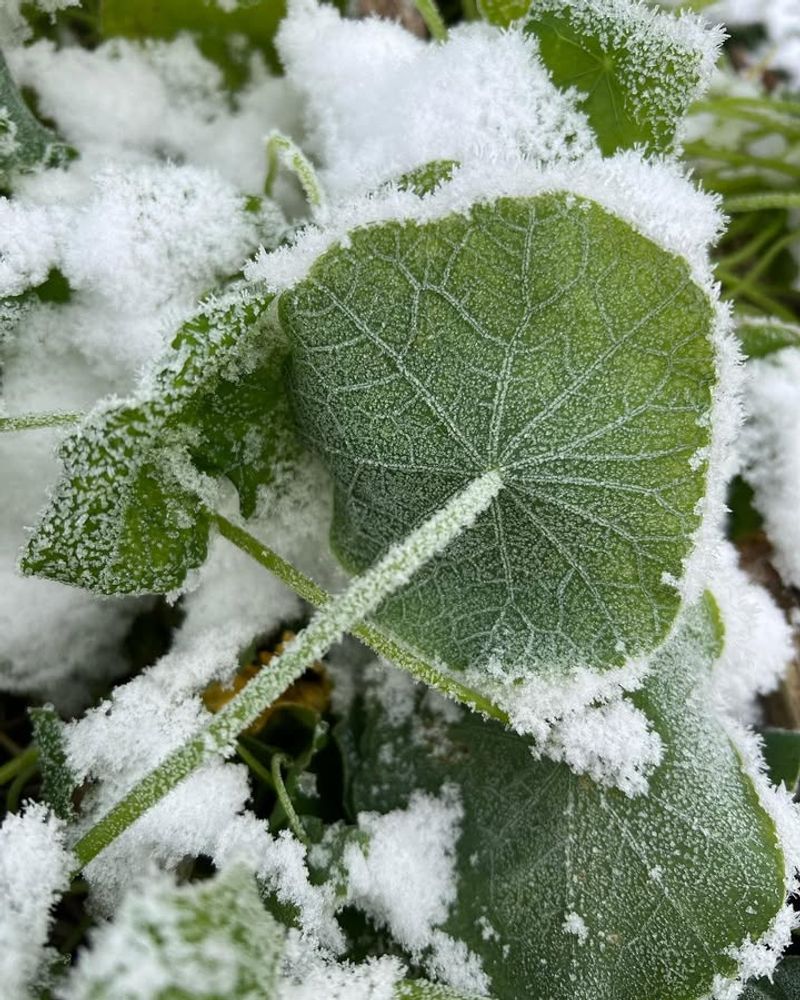
Michigan is a state of extremes when it comes to frost timing, and that fact alone should shape every planting decision you make. Southern Michigan, including areas around Detroit and Kalamazoo, typically sees its last frost sometime in late April.
But travel north toward the Upper Peninsula, and that same frost-free window does not arrive until late May or even early June. That is almost a full month of difference depending on where you live.
Knowing your specific frost date is the foundation of smart spring planning. The USDA Plant Hardiness Zone Map is a great starting point, but your county extension office often has even more detailed local data.
Checking historical records from the National Weather Service for your exact zip code gives you the most accurate picture possible.
Do this research now, while snow is still on the ground, and you will have a clear target date to work backward from.
Once you know your average last frost, you can calculate exactly when to start seeds indoors, when to harden off transplants, and when it is safe to plant outdoors.
This kind of precision planning turns a chaotic spring rush into a smooth, organized growing season. Michigan gardeners who skip this step often find themselves scrambling and losing valuable growing time right when momentum matters most.
2. Create A Cool-Season Vs Warm-Season Planting Calendar
Not every vegetable plays by the same rules, and grouping crops by their temperature tolerance is one of the smartest planning moves you can make.
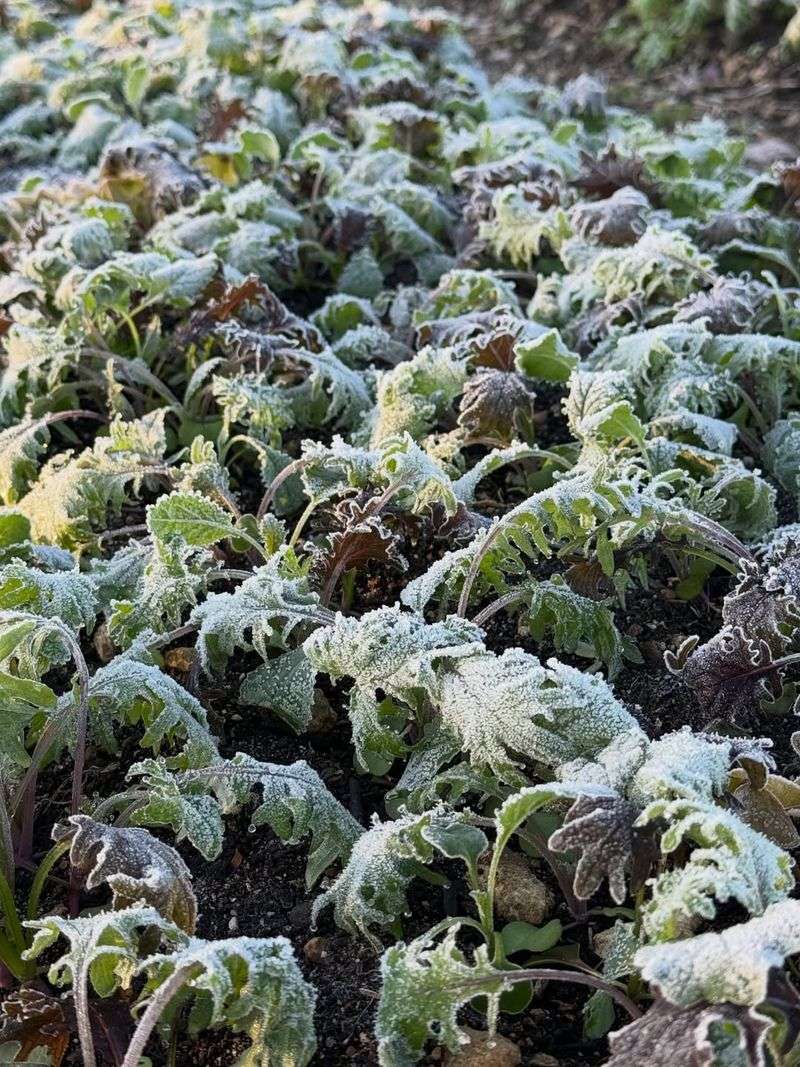
Cool-season crops like lettuce, spinach, kale, peas, and broccoli actually thrive in chilly soil and can handle a light frost without missing a beat.
Warm-season crops like tomatoes, peppers, cucumbers, and squash, however, need consistently warm soil and air temperatures before they go in the ground.
Building a two-column planting calendar based on these two groups gives you a clear visual roadmap for your entire spring season. Start by writing your average last frost date at the center of your timeline.
Cool-season crops can often go into the ground four to six weeks before that date, while warm-season crops should wait until one to two weeks after it has safely passed.
Your Michigan Garden Changes Every Week. Your Plan Should Too.
Gardening in Michigan changes quickly throughout the season. Every Friday you’ll receive a simple weekly plan showing exactly what to plant, prune, fertilize, harvest, and protect so you never miss the right timing.
This kind of calendar removes the guesswork that trips up so many gardeners. Instead of wondering whether it is too early for peppers or too late for spinach, you have a concrete schedule to follow.
You can create this calendar on paper, in a spreadsheet, or even in a free gardening app like Planter or Garden Manager.
Michigan winters are long, so using this quiet time to build a detailed planting calendar means your spring season starts with clarity, confidence, and zero wasted weeks.
3. Start Seeds Indoors Based On Michigan Timing
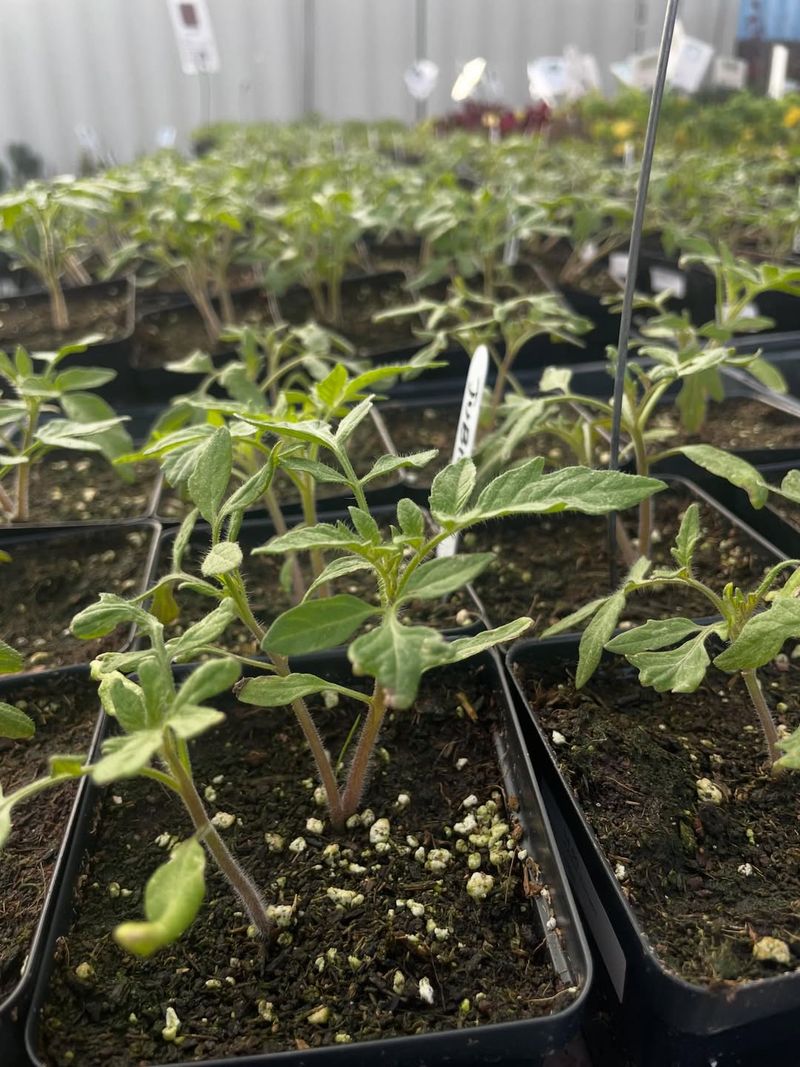
Starting seeds indoors while snow still blankets your yard is one of the most rewarding things a Michigan gardener can do. Tomatoes, peppers, broccoli, cauliflower, and celery all need a long head start indoors before outdoor conditions are ready for them.
Most of these crops need anywhere from six to ten weeks of indoor growing time before they are ready to transition outside.
Count backward from your average last frost date and you will quickly see that late January or early February is not too soon to start certain crops.
Peppers, for example, are notoriously slow to germinate and grow, so starting them in late January gives them the best possible foundation.
Tomatoes started in mid to late February will be sturdy, well-developed transplants by the time May rolls around in southern Michigan.
Good indoor seed starting does not require an expensive setup. A simple grow light placed a few inches above your seed trays, a heat mat to encourage germination, and quality seed starting mix are all you really need.
Keep your seedlings near a south-facing window if you have one, and rotate trays every day or two so plants grow straight and strong. Tracking your start dates in a notebook or app ensures you never lose track of where each tray is in its growth cycle.
Indoor seed starting is where Michigan spring gardens truly begin.
4. Order Seeds Early Before Popular Varieties Sell Out
Every winter, the same thing happens across Michigan and the rest of the country.
Gardeners wait a little too long to browse seed catalogs, and by the time they finally place their order, their favorite tomato variety or that special heirloom pepper is already backordered until fall.
Seed shortages are very real, and popular varieties from well-known companies like Baker Creek, Burpee, or Johnny’s Selected Seeds tend to move fast once the new year begins.
Ordering seeds in January or early February gives you first access to the widest selection available.
You can take your time comparing varieties, reading reviews, and choosing based on your specific Michigan growing conditions rather than settling for whatever is left in stock.
Heritage and heirloom varieties especially tend to sell out quickly because supply is often more limited than commercial hybrids.
Browsing seed catalogs during a snowy Michigan evening is genuinely enjoyable. Many experienced gardeners treat it like a ritual, flipping through pages with a warm drink in hand and dreaming about summer harvests.
Beyond just seeds, this is also a great time to order any other garden supplies like row cover fabric, plant markers, or seed starting trays. Getting everything in hand early means nothing slows you down when planting season actually arrives.
A little forward thinking in February pays off big when April gets busy fast.
5. Plan Garden Layout Using Snow-Covered Beds As Reference
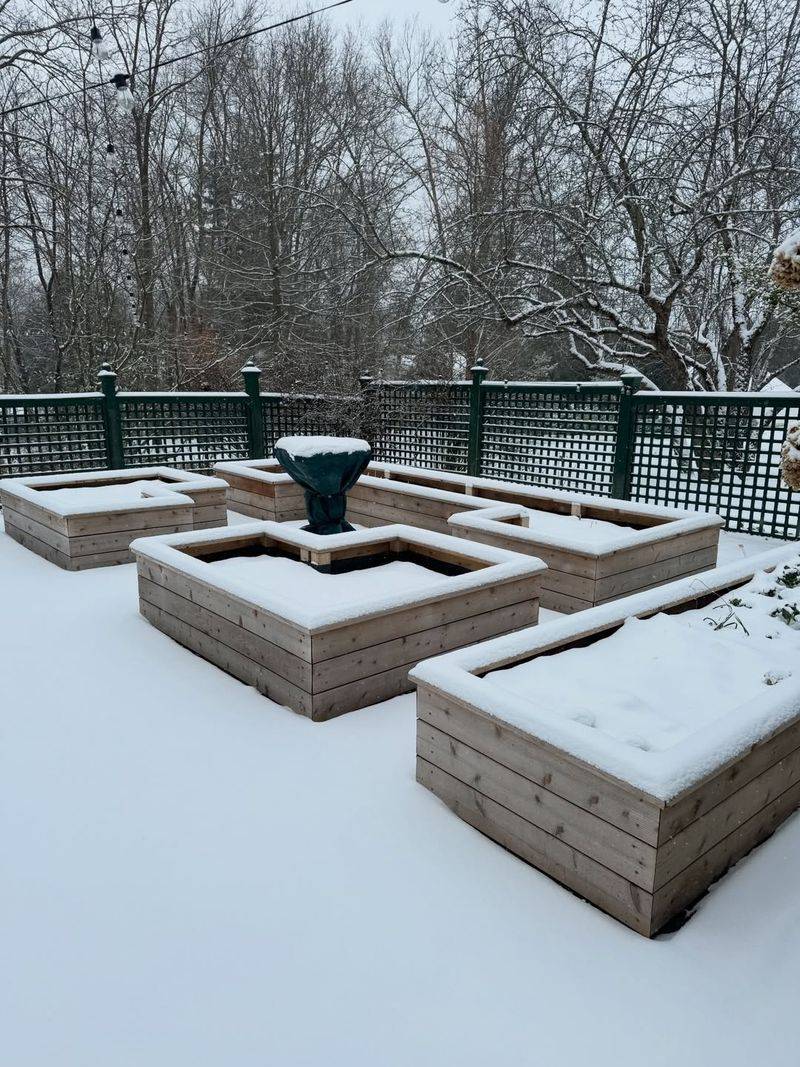
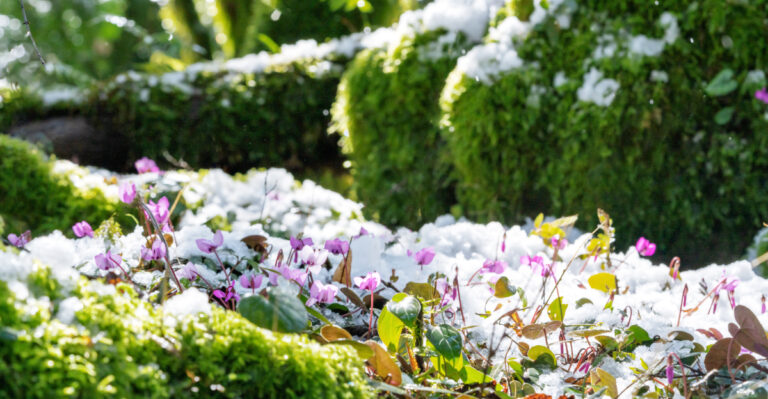
Snow covering your garden beds does not mean you cannot visualize, sketch, and plan exactly how your space will look come spring. In fact, a snow-covered yard gives you a surprisingly clean view of your garden’s footprint.
You can clearly see where beds begin and end, how much open space exists between them, and where shade from trees or structures falls across the yard during winter sun angles.
Grab a notepad or use a free tool like GrowVeg or Garden Planner online, and start mapping out which crops will go where. Think about sunlight exposure, spacing requirements, and how tall plants might shade shorter ones.
Sketching this out now, before the planting rush begins, gives you the freedom to experiment on paper rather than scrambling to rearrange plants in the actual soil.
This is also the perfect time to plan your crop rotation strategy, which means making sure you do not plant the same family of vegetables in the same spot as last year. Rotating crops reduces the buildup of soil-borne pathogens and improves overall soil health over time.
Walk your yard on a clear winter day and take note of any changes you want to make, like expanding a bed, adding a new row, or repositioning a compost area.
A thoughtful layout plan created in winter saves hours of confusion and backtracking once the growing season kicks into high gear.
6. Test And Prepare Tools Indoors
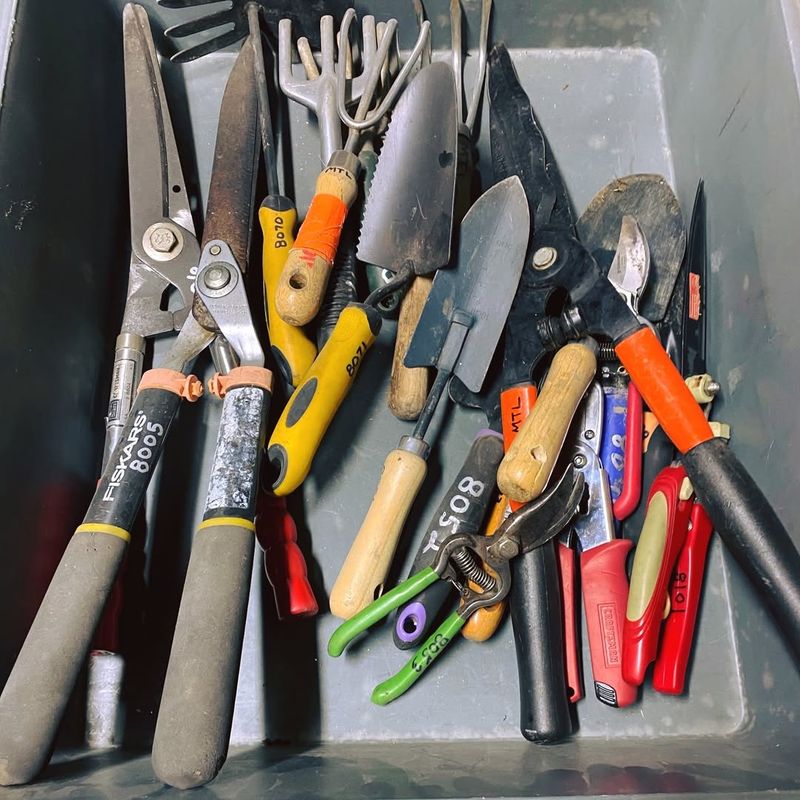
There is something deeply satisfying about pulling out your garden tools in the middle of winter and getting them ready for action.
Most gardeners toss their tools into a shed at the end of fall without a second thought, and then scramble in spring when they discover a rusted hoe, a broken trowel handle, or pruners that can barely cut through a twig.
Taking care of this now means zero surprises when planting season arrives. Start by laying out every tool you own and giving each one a proper inspection. Clean off dried soil with a stiff brush and warm water.
Sharpen hoe blades and pruner edges with a sharpening stone or a file, since sharp tools actually make garden work faster and less physically demanding.
Sand down any rough wooden handles and apply a coat of linseed oil to prevent cracking and splintering through the season ahead.
Check smaller items too, like your garden hose for cracks, your watering cans for leaks, and your seed starting trays for any damage from last year.
Replace anything that is beyond repair now so you have time to shop around for the best price rather than grabbing whatever is available in a panic at the garden center.
Organized, well-maintained tools are one of those unglamorous but genuinely game-changing parts of a productive garden season. Get them ready now and spring will feel effortless.
7. Monitor Soil Temperature Trends, Not Just Snow Cover
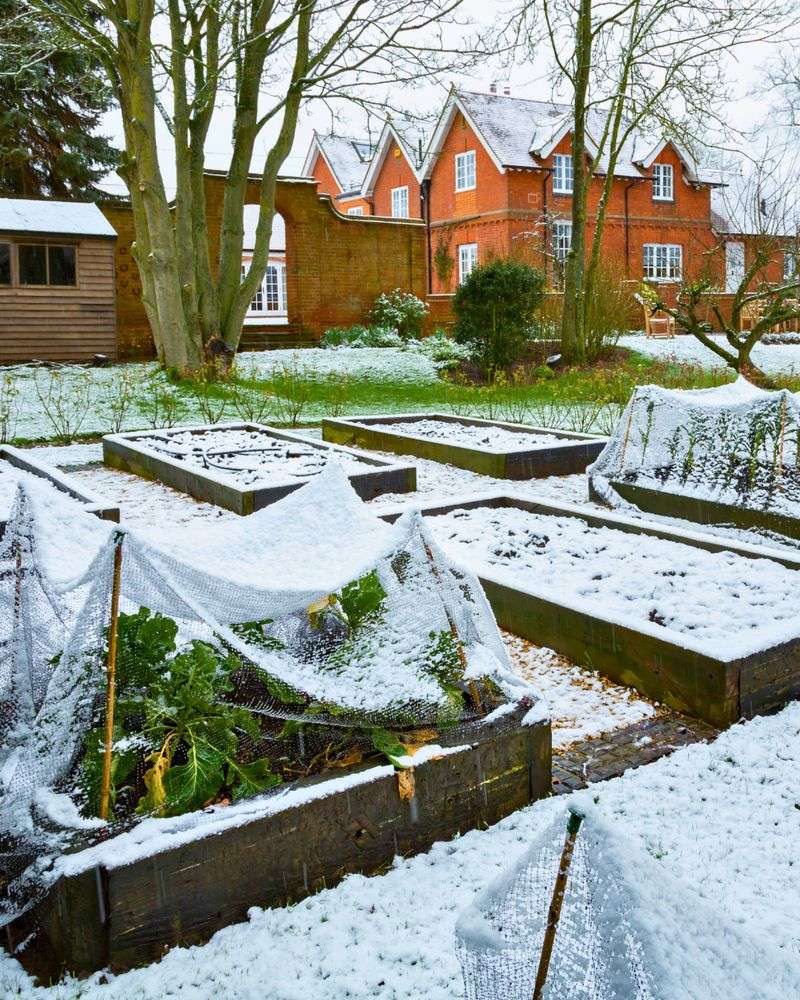
Snow on the ground can be misleading. Many Michigan gardeners assume that as long as snow is visible, the soil underneath is completely frozen and nothing can be done.
The truth is more nuanced and more hopeful than that. Soil temperature and air temperature behave very differently, and snow actually acts as an insulator that can keep soil from freezing as deeply as you might expect.
A simple soil thermometer, available at most garden centers for under fifteen dollars, is one of the most useful tools a Michigan gardener can own. Push it several inches into the ground and check the reading over several days.
Most cool-season crops need soil temperatures of at least 40 degrees Fahrenheit to germinate, while warm-season crops like tomatoes and peppers prefer soil that has consistently reached 60 degrees or warmer before transplanting.
Tracking soil temperature trends through late winter and early spring tells you far more about planting readiness than looking out the window ever will.
You might be surprised to find that your soil warms up faster than expected, especially in raised beds or south-facing garden areas that receive more direct sunlight.
Many Michigan gardeners start checking soil temps in late March and find workable conditions earlier than they anticipated.
Building this habit now, while snow is still present, gives you a data-driven approach to spring planting that takes all the guesswork out of timing your first outdoor seeds.
8. Plan Raised Beds For Faster Soil Warming
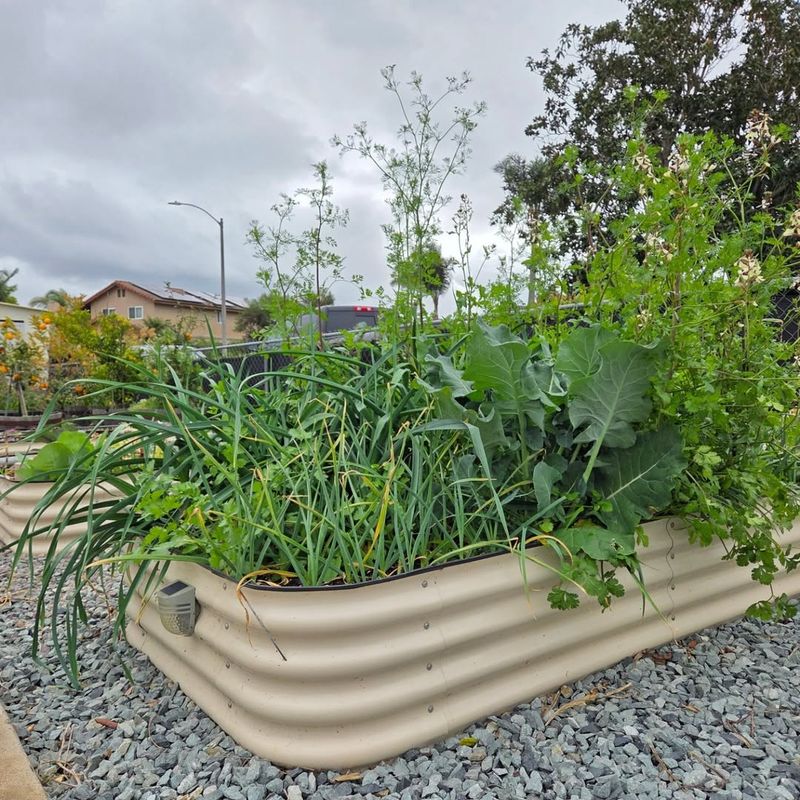
Raised beds are one of the most practical investments a Michigan gardener can make, especially given how unpredictable spring weather tends to be across the state.
Unlike in-ground garden beds, raised beds sit elevated above the surrounding soil, which means they drain faster after snowmelt and warm up significantly earlier in the season.
This seemingly simple difference can give you a two to four week head start on planting compared to traditional ground-level gardens.
If you already have raised beds, now is the time to plan what will go in them and in what order. Prioritize your earliest cool-season crops for raised beds since those structures will be ready to work with first.
If you have been thinking about adding raised beds but have not done it yet, winter is the ideal time to order lumber, gather supplies, and build them before the ground thaws.
Cedar and pine are both popular choices in Michigan because they handle moisture well through freeze-thaw cycles.
Raised beds also give you complete control over soil quality, which is a big advantage in areas of Michigan where native soil tends to be heavy clay or sandy and nutrient-poor.
Filling beds with a quality mix of topsoil, compost, and perlite creates the kind of loose, rich growing environment that vegetable roots absolutely love.
Planning which raised beds will hold which crops this winter means you hit the ground running the moment those beds are ready to plant in spring.
9. Prepare Cold Frames Or Row Covers In Advance
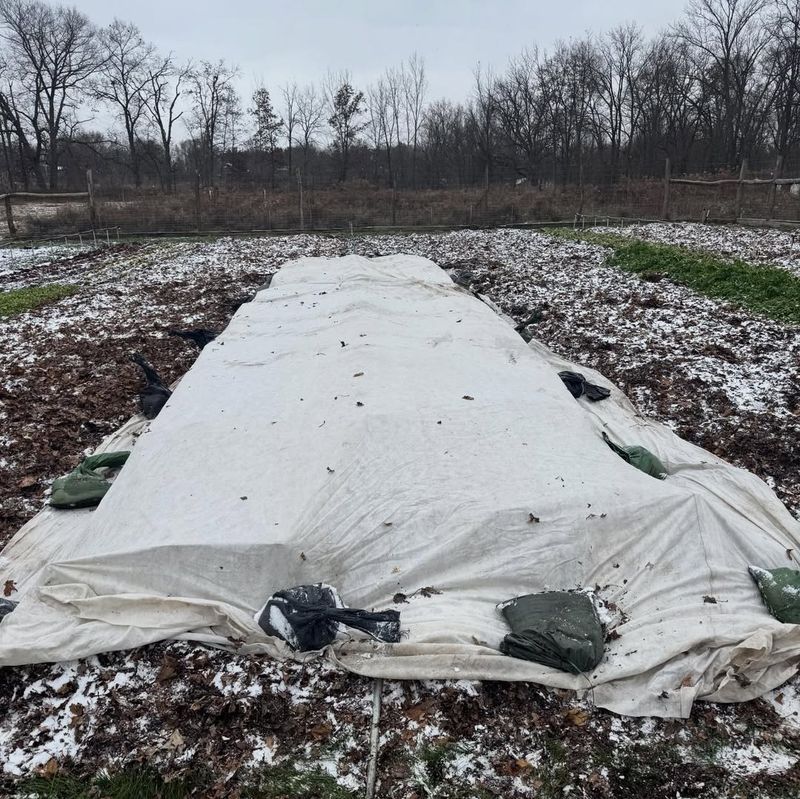
Cold frames and row covers are like secret weapons for Michigan gardeners who want to stretch their growing season in both directions.
A cold frame is essentially a bottomless box with a clear lid, usually glass or polycarbonate, that captures solar heat and shields plants from frost.
Row covers are lightweight fabric sheets that drape directly over plants to trap warmth and block cold winds without blocking light or water.
Both tools allow you to plant cool-season crops like lettuce, spinach, radishes, and arugula weeks before outdoor temperatures would otherwise allow it.
In Michigan, that can mean harvesting fresh greens as early as late March or early April in the southern part of the state, which feels almost magical after a long winter.
The key is having these tools ready before you need them, not scrambling to build or source them once the ground thaws and planting urgency kicks in.
Check your existing cold frames now for any cracked panels or broken hinges that need fixing. If you want to add row covers to your toolkit, order them online during winter when you have time to compare options and prices.
Lightweight floating row covers in the 1.5 oz weight range work well for frost protection while still allowing good light transmission.
Having these season extenders cleaned, repaired, and staged near your garden beds before snowmelt means you can deploy them immediately and gain precious extra weeks of productive growing time.
10. Review Crop Rotation From The Previous Season
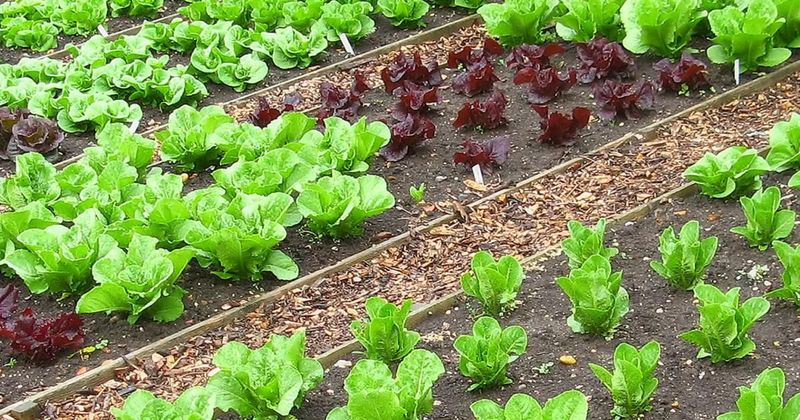
One of the most overlooked winter planning tasks is reviewing exactly what grew where in your garden last year.
Crop rotation is the practice of moving plant families to different beds or sections each season, and it is one of the most effective ways to keep your soil healthy and your harvests strong year after year.
Skipping rotation allows soil-borne pathogens and insect pests to build up in the same area, which quietly weakens your plants before they even have a chance to thrive.
Pull out your garden journal or any notes you kept from last season and map out where each crop family grew. Nightshades like tomatoes and peppers should not return to the same spot for at least two to three years.
Brassicas like broccoli, cabbage, and kale carry similar rotation guidelines. Legumes like beans and peas are actually beneficial to rotate into areas where heavy feeders grew previously because they help restore nitrogen to the soil naturally.
If you did not keep records last year, make a commitment to start this season by drawing a simple garden map as you plant and jotting notes as the season progresses. A small notebook kept near your garden tools works perfectly for this.
Doing this review now, while the garden sleeps under snow, means your spring planting plan will be built on real data rather than fuzzy memory. That kind of intentional planning leads to noticeably healthier plants and bigger harvests every single year.