Why Michigan’s Late Winter Sun Changes How You Should Rotate Plants
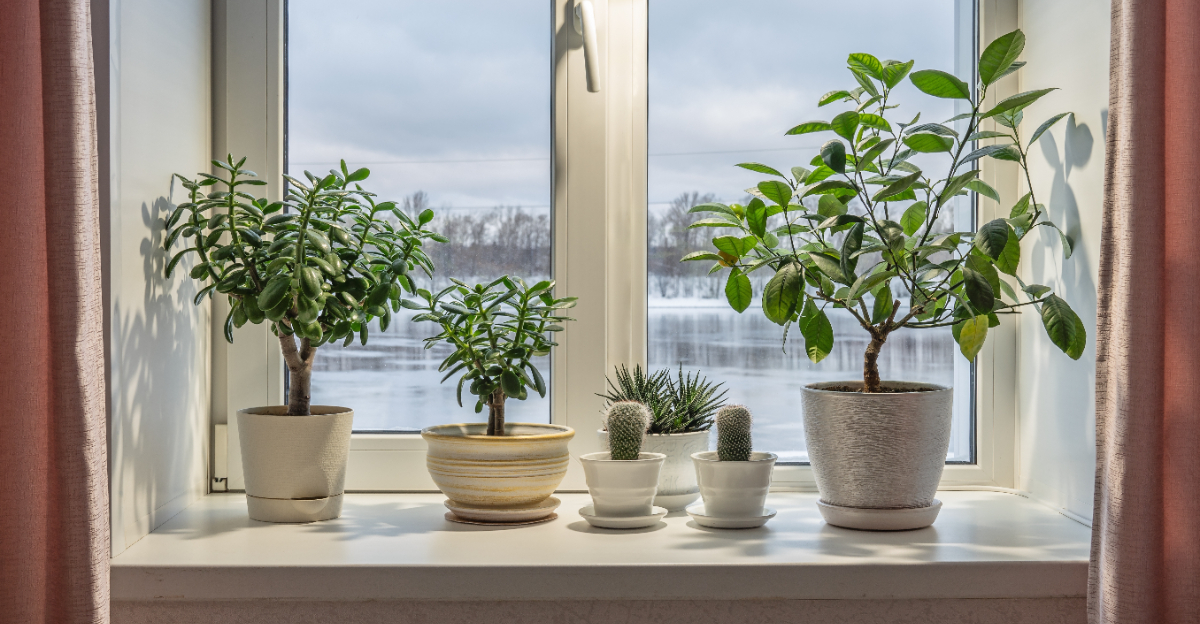
By late February, something subtle yet powerful begins to change inside Michigan homes. The sun climbs higher in the sky, daylight stretches longer, and the light streaming through your windows grows noticeably stronger than it was in midwinter.
Even if snow still covers the ground, your houseplants sense this shift immediately. After months of slower growth, they start responding to brighter conditions, leaning toward the light and adjusting their growth patterns.
Without regular rotation, plants can become lopsided, with stems stretching unevenly as they chase the strongest rays. In Michigan, where winter light changes dramatically in a short period, this transition can catch plant owners off guard.
Recognizing how the late winter sun affects indoor greenery allows you to adjust care routines, improve placement, and encourage balanced growth.
With a little attention to light direction and rotation, your houseplants can stay symmetrical, healthy, and vibrant as Michigan slowly moves toward spring.
1. The Sun Angle Increases Rapidly After February
Something almost magical happens to sunlight in Michigan once February starts winding down. The sun’s angle in the sky rises noticeably, and that change is not subtle when you are a plant sitting on a windowsill.
In December, sunlight enters your home at a low, shallow angle, barely reaching past the glass. By late February, it punches in deeper, stronger, and at a steeper angle that floods more of your indoor space with real, usable light.
This shift in sun angle directly increases the intensity of light hitting your plants. A plant that was perfectly fine sitting two feet from a south-facing window in January might suddenly be getting far more light than it bargained for.
The side facing the glass starts growing faster, while the shaded side lags behind, creating that lopsided look that no gardener wants to see.
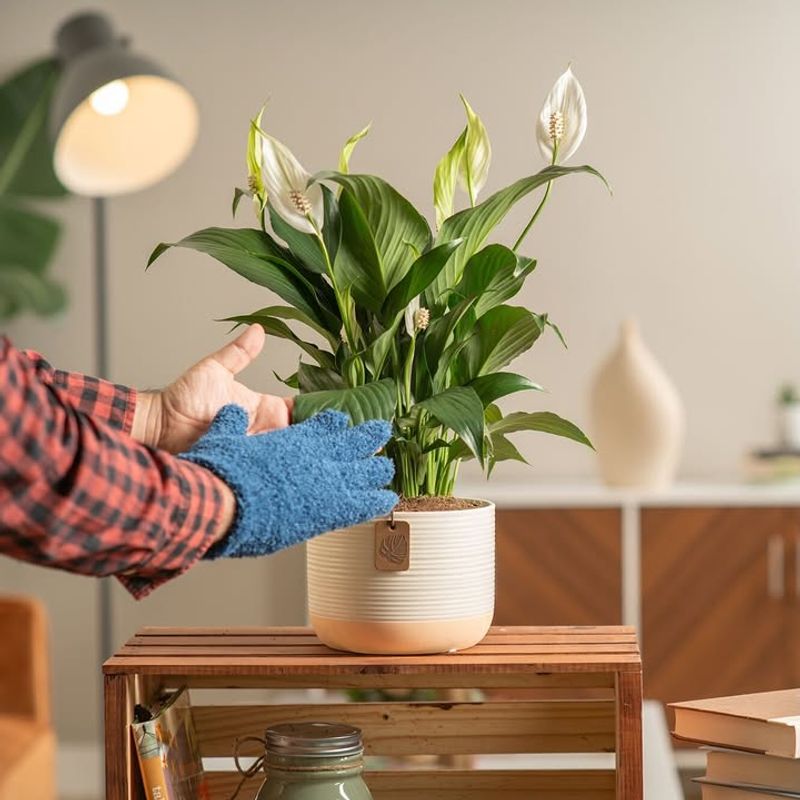
Rotating your plants every week or every other week during this transition helps every side of the plant receive its fair share of the strengthening light. Think of it like rotating a chicken on a rotisserie, every side gets evenly cooked.
Consistent rotation encourages balanced stem strength, even leaf development, and a healthier overall shape. Michigan gardeners who start rotating in late winter give their plants a serious head start heading into spring.
2. Window Light Becomes Directionally Stronger
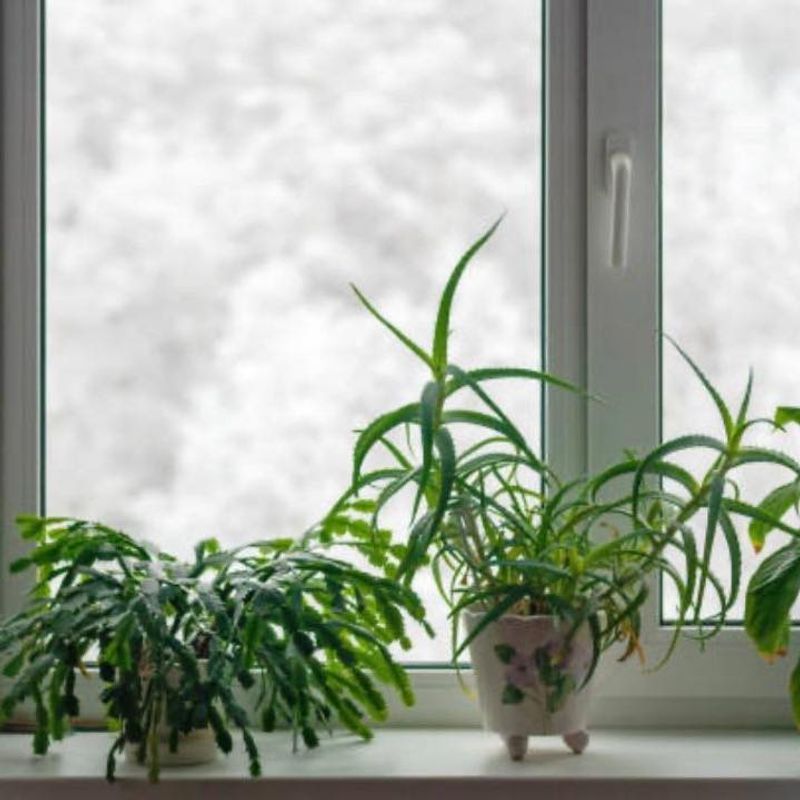
Not all windows are created equal, and Michigan’s late winter sun makes that difference crystal clear. South-facing and west-facing windows suddenly become the power players in your home as the sun climbs higher and stays in the sky a little longer each day.
The light coming through those windows becomes noticeably more concentrated, more direct, and far more capable of driving plant growth than it was just weeks earlier.
Here is the tricky part: that stronger directional light hits only one side of your plant at a time. The leaves and stems closest to the glass soak up all that energy, while the back of the plant stays in relative shadow.
Over just a few weeks without rotation, you will notice the window-facing side growing thicker, greener, and more vigorous, while the other side looks sparse and weak.
Your Michigan Garden Changes Every Week. Your Plan Should Too.
Gardening in Michigan changes quickly throughout the season. Every Friday you’ll receive a simple weekly plan showing exactly what to plant, prune, fertilize, harvest, and protect so you never miss the right timing.
Rotating your plants a quarter turn every seven to ten days is a simple fix that makes a huge difference. You are essentially giving every part of the plant a turn in the spotlight.
South-facing windows in Michigan can deliver surprisingly strong late winter light, especially on clear days after a snowfall.
Paying attention to which direction your windows face and rotating accordingly is one of the smartest, easiest habits you can build for healthier indoor plants all year long.
3. Plants Begin Active Growth Again
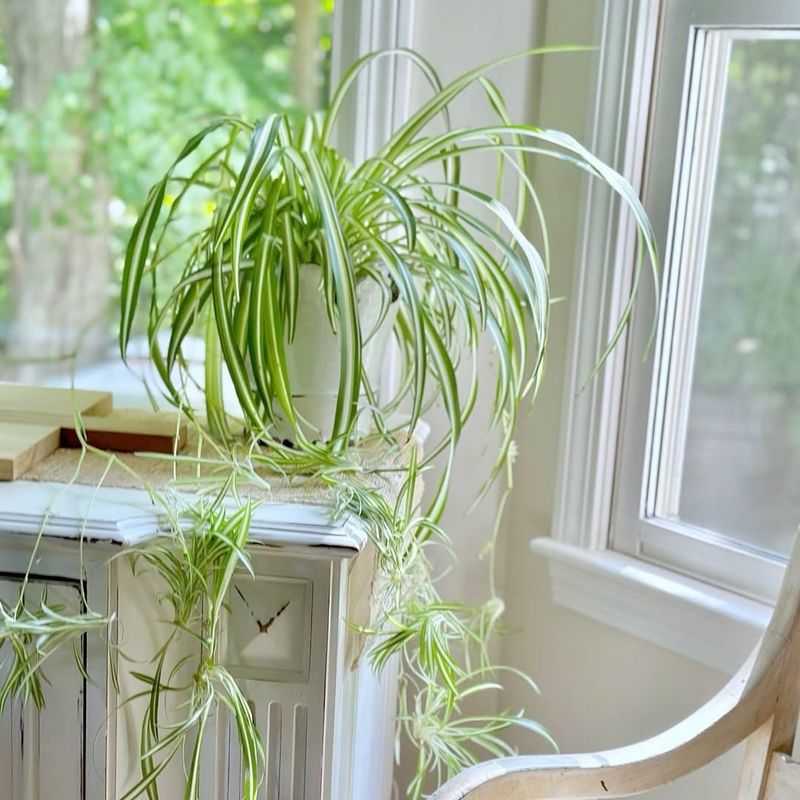
Picture this: your houseplant has been sitting quietly all winter, barely doing anything noticeable, almost as if it pressed a pause button on life. That is not far from the truth.
Many common houseplants enter a state of semi-dormancy during Michigan’s darkest winter months, slowing their growth to conserve energy when light is scarce. Then late winter arrives, light intensity picks back up, and those plants wake up fast.
You might spot tiny new leaves unfurling from the center of your plant, or notice that stems are suddenly reaching upward with fresh energy. This renewed growth is exciting, but it also means your plant is now much more sensitive to where the light is coming from.
All that new growth will bend and stretch toward the strongest light source, which is almost always the nearest window, unless you step in and rotate regularly.
Supporting balanced new growth during this wake-up phase is one of the best things you can do for your plants.
When you rotate every week, each new leaf gets equal exposure, which means stems grow straight and strong rather than twisting awkwardly toward the glass.
Late winter is honestly one of the most rewarding times to be a plant parent in Michigan. Catching that growth spurt early and guiding it with smart rotation sets the tone for a thriving spring season ahead.
4. Uneven Light Causes Leaning Toward Windows
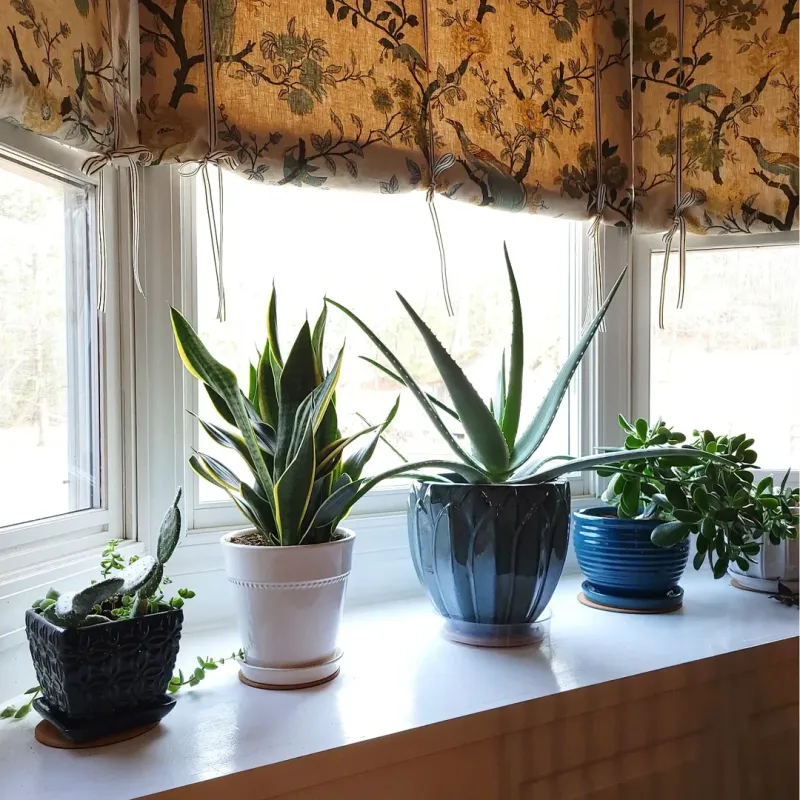
Plants are not shy about chasing light. There is actually a scientific name for it: phototropism, which is the tendency of plants to grow in the direction of their light source.
During Michigan’s deep winter, when light is weak and diffuse, phototropism is relatively mild. But as late winter arrives and window light gets stronger and more directional, plants start leaning with real determination.
You have probably seen it happen. A plant that looked upright a month ago now tilts noticeably toward the window, like it is trying to press its face against the glass to catch every ray.
Left unchecked, this leaning gets more pronounced over time. Stems grow elongated on the window side, the root structure can become stressed from the uneven weight distribution, and the whole plant starts looking more like a question mark than a healthy, upright specimen.
Rotation is the straightforward answer to phototropism. When you turn your plant a quarter turn every week, you interrupt the leaning cycle before it gets out of hand.
The plant never gets a long enough stretch facing one direction to develop a strong lean. Some gardeners even mark their pots with a small piece of tape to track which direction they last rotated.
It is a tiny effort with a genuinely big payoff, keeping your plants standing tall and growing evenly as Michigan’s late winter light continues to strengthen each week.
5. Seedlings Stretch Toward Strengthening Light
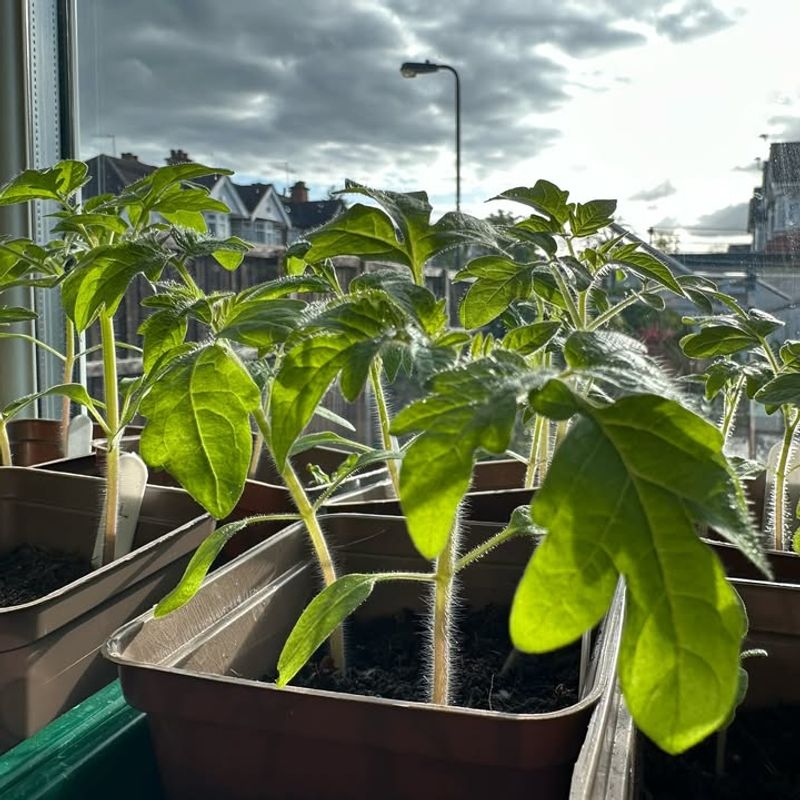
Starting vegetable seeds indoors is one of those late winter rituals that Michigan gardeners look forward to every year. Tomatoes, peppers, broccoli, and herbs all get their indoor start weeks before the last frost, giving them a jump on the growing season.
But here is a challenge that catches a lot of beginners off guard: seedlings are incredibly sensitive to light direction, far more so than established houseplants.
As late winter progresses and window light gets stronger, those tiny seedlings will stretch aggressively toward the brightest source. This stretching, called etiolation, produces tall, weak, spindly stems that struggle to support themselves later in the garden.
A seedling that leans and stretches too much indoors often ends up fragile and slow to establish once it gets transplanted outside. The stronger the late winter light gets, the faster this problem can develop if you are not paying attention.
Rotating your seed trays a half turn every single day is a game-changer for seedling quality. Some Michigan gardeners rotate morning and evening during the most critical early weeks of growth.
Pairing rotation with a reflective surface behind the trays, like white cardboard or aluminum foil, can also help bounce light onto the shaded sides.
Healthy, stocky seedlings with straight stems are the goal, and consistent rotation during Michigan’s late winter light surge is one of the most effective ways to get there.
6. Increased Light Can Cause One-Sided Growth
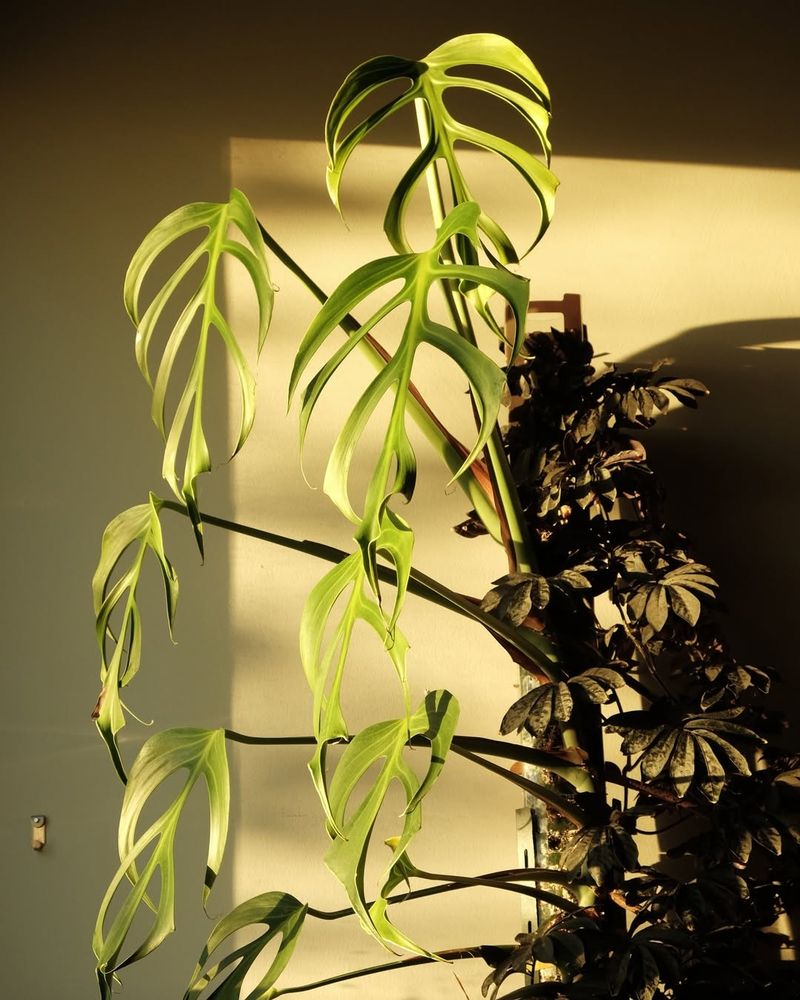
One-sided growth is one of those plant problems that sneaks up on you slowly and then suddenly becomes very obvious. You look at your plant one day and realize it looks perfectly full on the window side and almost bare on the other.
This is not a coincidence or a disease. It is a direct result of uneven light exposure over weeks or months, and Michigan’s strengthening late winter sun speeds up the process considerably.
When one side of a plant consistently receives more light, the leaves on that side grow larger, darker green, and more numerous.
Photosynthesis is happening at a much higher rate on the bright side, which means more energy, more growth, and more resources being directed there.
The shaded side, starved of that energy, produces fewer leaves, weaker stems, and a noticeably lighter green color. Over time, the plant’s structure becomes genuinely unbalanced.
Getting ahead of one-sided growth means starting a rotation habit before the problem appears, not after. Once lopsided growth sets in, it takes several weeks of consistent rotation to help the plant rebalance itself.
Prevention is so much easier than correction here. Rotating every seven days during the late winter light surge keeps both sides of the plant equally productive and equally attractive.
Your plants will look fuller, more symmetrical, and far more vibrant heading into spring, which is exactly the reward you want for a little extra attention each week.
7. Late Winter Sun Is Brighter But Days Are Still Short
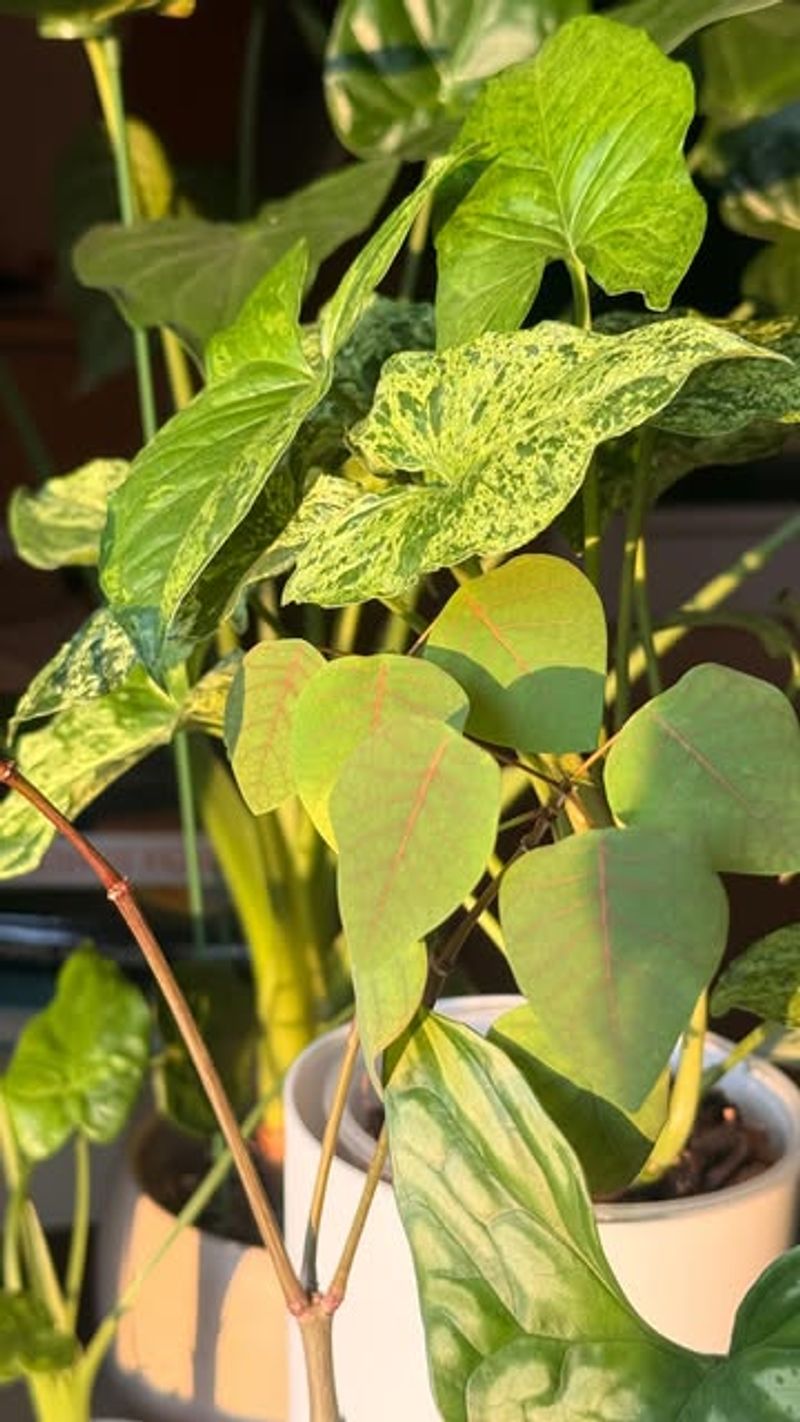
Here is something that surprises a lot of Michigan plant owners: late winter sunlight gets noticeably brighter and more intense before the days actually get much longer.
The sun angle climbs faster than the day length expands, which creates a unique and somewhat tricky situation for your indoor plants.
You are getting strong, directional midday light, but the overall hours of light each day are still pretty limited compared to spring and summer.
This combination of high intensity but short duration means plants get hit with a concentrated burst of strong light during the middle of the day, almost entirely from one direction.
Without rotation, that midday burst consistently hammers one side of the plant while the other side gets almost nothing.
The result is a plant that experiences a kind of light feast-and-famine situation depending on which side is facing the window at any given time.
Rotating during this phase is especially important because the intensity makes the directional imbalance more dramatic than it would be during the gray weeks of January.
Even a single week without rotating can start to show visible effects on a fast-growing plant. Paying attention to the quality of light, not just the quantity, is a skill that separates experienced plant growers from beginners.
Michigan’s late winter gives you a perfect opportunity to practice that awareness and build a rotation habit that will serve your plants beautifully all the way into summer.
8. Indoor Heating Creates Microclimates Near Windows
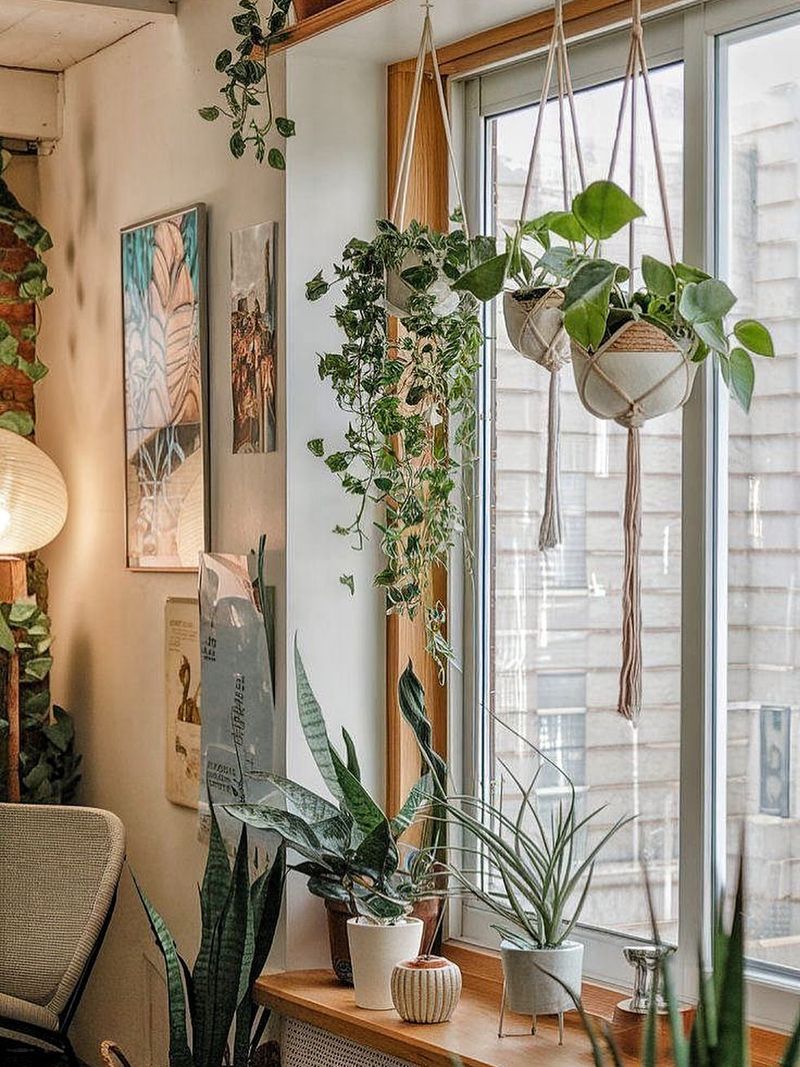
Michigan winters mean the furnace runs hard, and that creates something most plant owners never think about: microclimates. A microclimate is a small zone inside your home where temperature, humidity, and airflow differ from the rest of the room.
Near windows in late winter, you get a fascinating and sometimes complicated mix of cold air seeping through the glass, warm air rising from nearby heating vents, and strengthening sunlight all happening at once.
This combination affects your plants in ways that go beyond just light. The side of a plant closest to a heating vent or warm air source grows faster because warmth accelerates metabolism and water uptake.
Combine that with stronger late winter sunlight hitting the same side of the plant, and you have a recipe for seriously lopsided growth.
One side of the plant is getting more heat and more light simultaneously, which is a double advantage that the shaded side simply cannot compete with.
Rotating your plants helps distribute both the light and the heat exposure more evenly across the entire plant. It is also worth checking that your plants are not sitting directly over a heating vent, as the dry, hot air can stress roots and dry out leaves quickly.
Moving plants slightly away from the vent while still keeping them in good light, and rotating regularly, gives you the best of both worlds. Your plants get warmth without scorching and light without lopsidedness, which is the sweet spot for healthy late winter growth.
9. Snow Reflection Increases Light Exposure
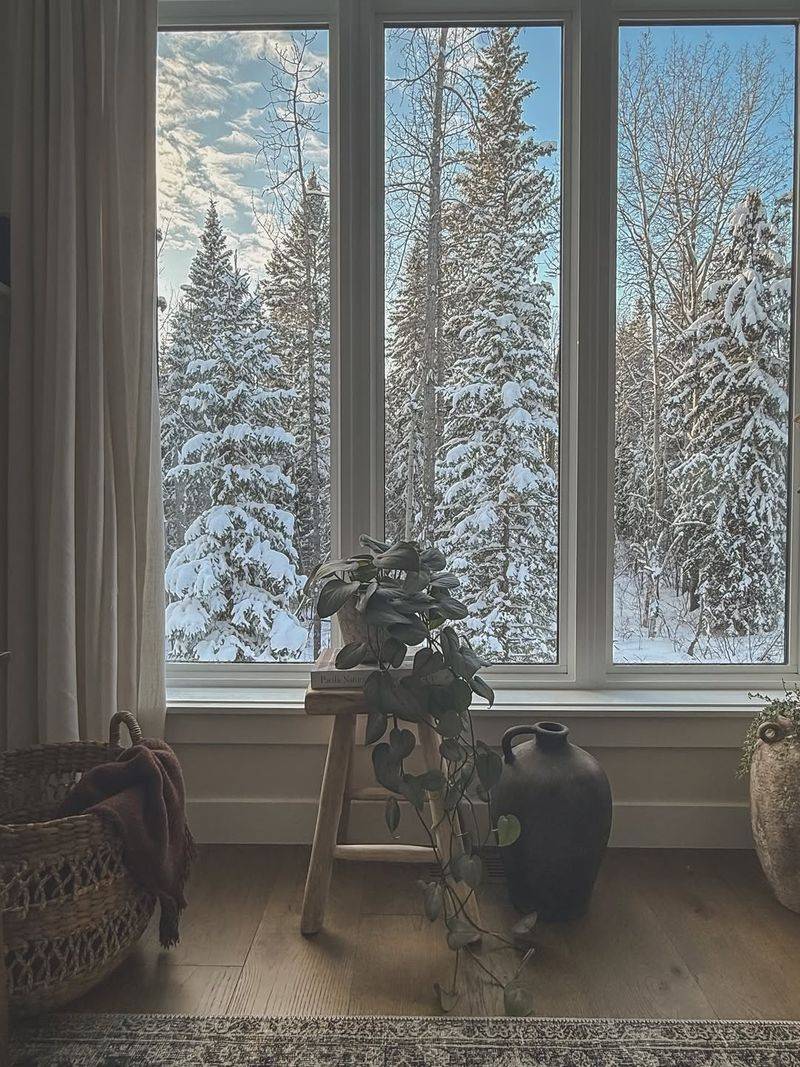
Snow does something that most indoor gardeners completely overlook: it acts like a giant mirror. Fresh white snow has what scientists call high albedo, meaning it reflects a large percentage of the sunlight that hits it back upward and outward.
In Michigan, where significant snow cover persists well into February and sometimes March, this reflected light bounces right back through your south-facing windows and adds a surprising boost to your indoor light levels.
On a clear day after a fresh snowfall, the light inside a south-facing room can feel almost blindingly bright compared to a cloudy day with bare ground.
Plants near those windows are suddenly receiving both direct sunlight from above and reflected light from below, hitting them from angles they are not used to.
This extra light intensity is generally a good thing for plant growth, but it also amplifies the directional imbalance if you are not rotating regularly.
Some Michigan gardeners actually reposition their plants closer to windows on snowy days to take advantage of this bonus light, which is a smart move for light-hungry plants like succulents, herbs, and vegetable seedlings.
Just remember that the extra brightness makes rotation even more critical during these periods.
A plant that soaks up snow-reflected light on one side for days without being turned will show the effects quickly. Treat bright snowy days as a reminder to give your plants a quarter turn and let every side benefit from that beautiful Michigan winter bonus light.
10. Transition Toward Spring Light Requires Gradual Adjustment
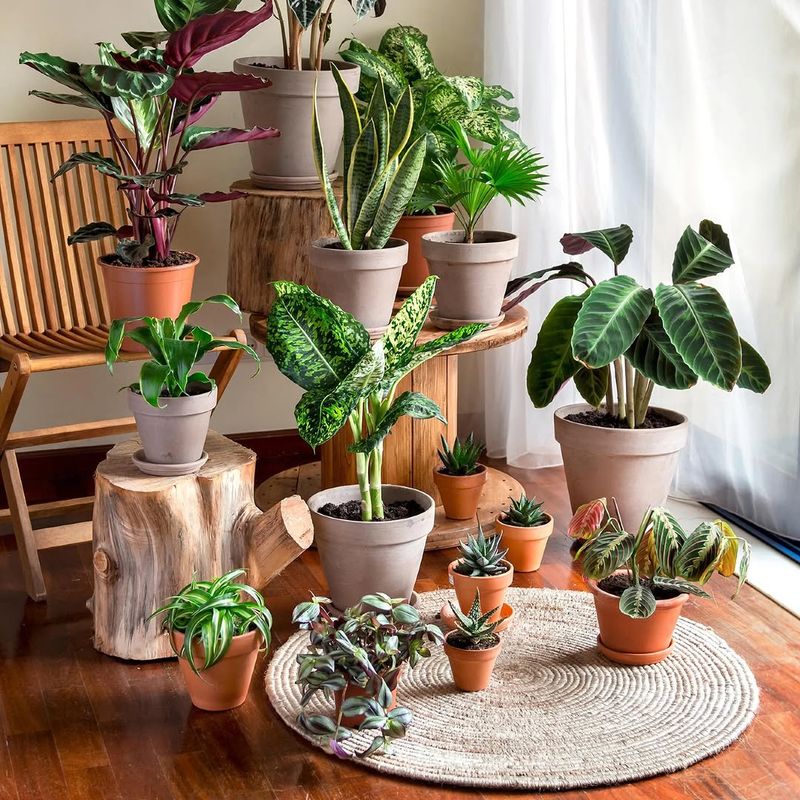
Late winter in Michigan is essentially a practice run for spring, and your plants need to train for it just like an athlete trains for a big game.
The light is getting stronger week by week, and plants that have been living in low winter light for months need time to adjust to the increasing intensity.
Moving a plant suddenly from a dim corner into a bright south-facing window in March can shock it, causing leaf yellowing, drooping, or even leaf loss as it struggles to adapt.
Gradual repositioning is the key strategy here. Start by moving plants slightly closer to the window each week rather than all at once.
Combine this with consistent rotation so the plant adjusts evenly on all sides rather than getting overwhelmed on just one.
Think of it as easing your plants into a new fitness routine, slow and steady progress leads to the strongest results without unnecessary setbacks.
Rotation during this transitional period also helps you spot problems early. If one side of a plant starts showing signs of stress from too much direct light, like pale or crispy leaf edges, you can adjust placement before real damage sets in.
Late winter is a dynamic time for indoor plants in Michigan, full of opportunity and a few potential pitfalls.
Staying attentive, rotating consistently, and moving plants gradually toward stronger light positions sets them up for an absolutely thriving spring season that makes all your winter care totally worth it.