7 Early Spring Gardening Mistakes Pennsylvania Homeowners Should Avoid
March in Pennsylvania brings a mix of excitement and challenge for gardeners. The first shoots are poking through the soil, and the urge to plant is strong.
But early spring comes with tricky conditions that can trip up even experienced homeowners.
Soil that’s too wet or cold can stunt young seedlings or rot seeds, while over-pruning or applying fertilizer too early can harm plants instead of helping them. Rushing into planting or neglecting garden cleanup often leads to setbacks that could have been easily avoided.
Timing and preparation make all the difference, and understanding which plants can handle early spring conditions is key to success.
Avoiding these early-season missteps sets your garden up for steady growth and healthy blooms later on.
With a thoughtful approach, Pennsylvania gardeners can turn the unpredictable start of spring into a season full of strong, vibrant plants and a flourishing, low-stress garden.
1. Planting Warm-Season Crops Too Early
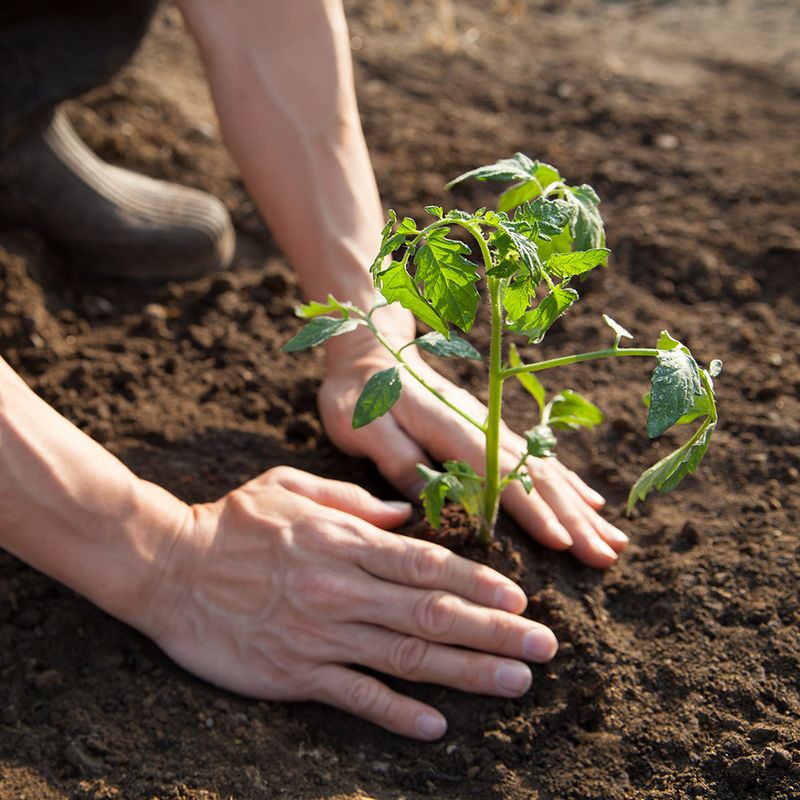
Picture this: you walk into your local garden center in mid-March, and the shelves are packed with tomato plants, pepper seedlings, and basil starts. It is tempting to grab them all and get going.
But planting warm-season crops too early is one of the biggest mistakes Pennsylvania gardeners make every single year.
Tomatoes, peppers, cucumbers, and basil all need warm soil to truly grow well. These plants come from tropical and subtropical regions, so they are not built for cold.
When soil temperatures are below 60 degrees Fahrenheit, these crops just sit there. They do not grow, and they become more vulnerable to disease and root problems.
In Pennsylvania, March and early April still bring regular frost warnings. Even a single cold night can set your seedlings back by weeks. Cold soil also invites fungal issues that can spread quickly through young plants.
The smartest move is to wait until after your local last frost date. For most of Pennsylvania, that falls between late April and mid-May, depending on your county.
Central and northern parts of the state tend to run later than the southeastern corner near Philadelphia.
Use a soil thermometer to check before you plant. If the reading is consistently above 60 degrees Fahrenheit for several days in a row, you are good to go.
Starting seeds indoors six to eight weeks before your last frost date is a great way to get a head start without putting young plants at risk outside.
2. Pruning Spring-Blooming Shrubs Too Soon
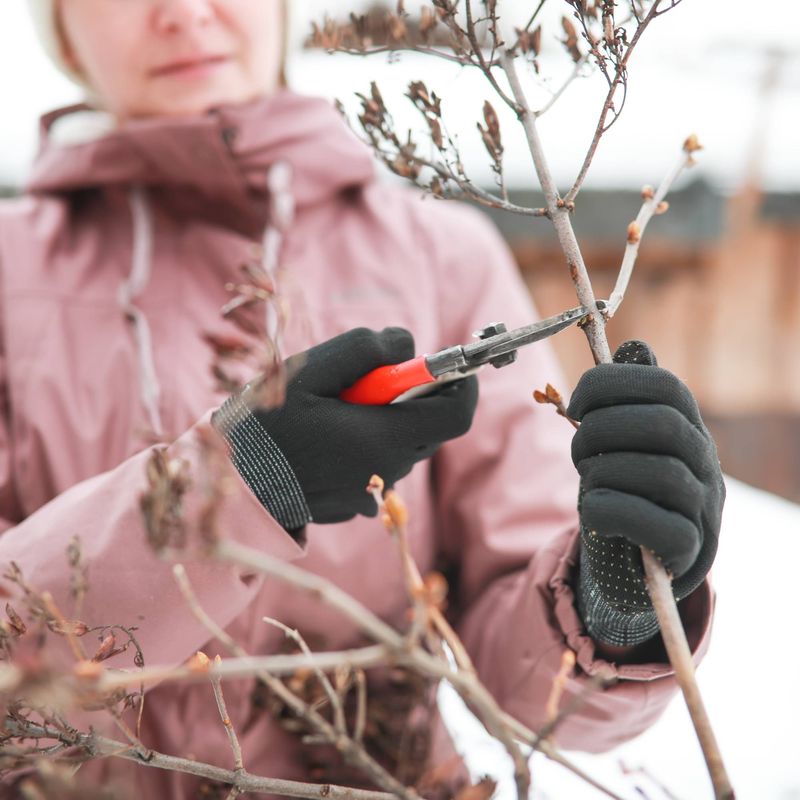
There is a classic gardening mistake that happens every spring across Pennsylvania neighborhoods, and it involves a pair of pruning shears and a little too much enthusiasm.
Homeowners spot overgrown lilacs, forsythias, azaleas, or rhododendrons and decide early spring is the perfect time to tidy them up. Unfortunately, that well-meaning trim can wipe out an entire season of blooms.
These popular shrubs bloom on what gardeners call old wood. That means the flower buds were actually formed during the previous summer and fall.
By the time February and March roll around, those buds are sitting on last year’s branches, just waiting for warm weather to open up.
Your Pennsylvania Garden Changes Every Week. Your Plan Should Too.
Gardening in Pennsylvania changes quickly throughout the season. Every Friday you’ll receive a simple weekly plan showing exactly what to plant, prune, fertilize, harvest, and protect so you never miss the right timing.
When you prune in early spring, you are cutting off those buds before they ever get the chance to bloom. The result? A neatly shaped shrub that produces zero flowers for the whole season.
That is a frustrating outcome, especially for homeowners who look forward to their lilac blooms every spring in places like Chester County or Bucks County.
The fix is simple once you know the rule. Always prune spring-blooming shrubs right after they finish flowering.
For forsythia, that might be late March or early April. For lilacs and azaleas, it is usually May.
Give yourself a two to three week window after the last bloom fades, then go ahead and shape the shrub to your liking.
Summer and fall-blooming shrubs follow a different rule entirely, so always identify your shrub before reaching for the shears.
3. Working Soil While It’s Still Wet
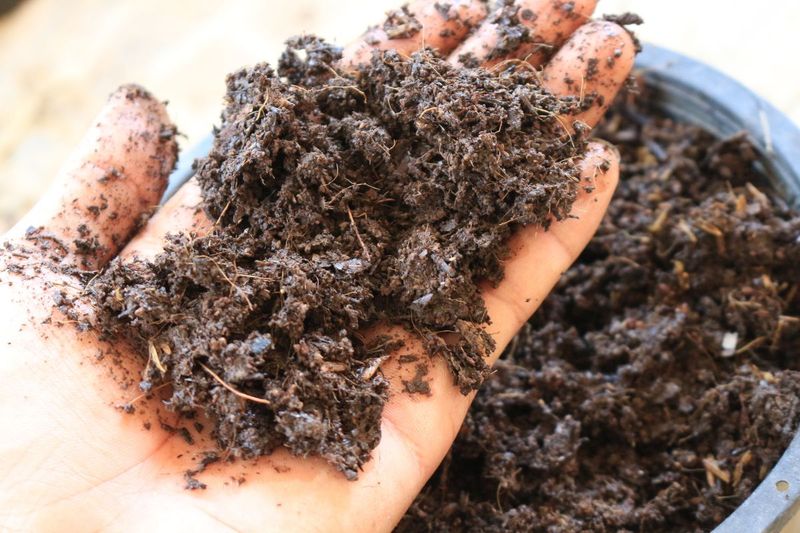
Anyone who has gardened in Pennsylvania for a few years knows that spring soils can stay wet for a long time after snowmelt.
The ground soaks up all that moisture, and it does not dry out quickly, especially in areas with heavy clay soil like many parts of the Piedmont region.
The urge to get out there and start digging is strong, but working wet soil is a mistake with lasting consequences.
When you dig, till, or even walk on waterlogged soil, you squeeze out the air pockets that plant roots depend on. This is called compaction, and it is harder to fix than most people realize.
Compacted soil drains poorly, warms up slowly, and makes it genuinely difficult for roots to push through and spread out.
The damage can last for an entire growing season. Vegetables, flowers, and lawn grass all struggle in compacted ground.
You might notice poor growth, yellowing leaves, or standing water in spots that used to drain just fine.
Luckily, there is a simple test to know when your soil is ready. Grab a small handful and squeeze it into a ball.
Then poke it with your finger. If it crumbles apart easily, the soil is ready to work. If it stays in a sticky clump or leaves mud on your hand, give it more time.
Raised beds are a great option for Pennsylvania gardeners who want to start earlier, since they drain faster and warm up more quickly than ground-level garden plots.
4. Removing Mulch Too Early
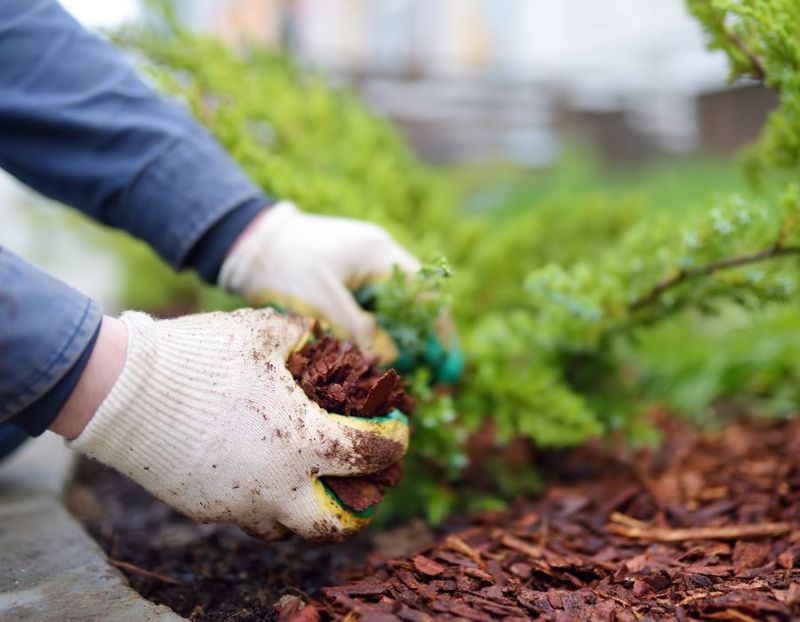
Mulch is one of the most underappreciated tools in any Pennsylvania garden. During winter, it acts like a cozy blanket for your plant roots, shielding them from the freeze-thaw cycles that are so common across the state from December through March.
When temperatures swing up and down rapidly, the ground can heave and shift, which can actually push shallow-rooted plants right out of the soil.
Many homeowners pull their mulch away the first warm weekend in March, thinking they are giving their garden a fresh start.
But that early removal leaves plants exposed to cold snaps that can still arrive well into April across much of Pennsylvania, including the Pocono region and the northern counties.
Tender perennials, newly planted bulbs, and shallow-rooted shrubs are especially vulnerable during this window.
A sudden overnight freeze after a warm spell can stress plant crowns and root systems that were just starting to wake up. The result is often slow, weak growth for the rest of the season.
The smarter approach is to pull mulch back gradually. Start by loosening it a bit so air can circulate, and then slowly remove it over the course of a few weeks as temperatures stabilize.
Watch your local forecast carefully and be ready to tuck the mulch back around plants if a frost warning pops up.
Once consistent daytime temperatures stay above 50 degrees Fahrenheit and nighttime lows stay above freezing, you can safely remove the winter mulch and refresh it with a new layer for the growing season.
5. Fertilizing Too Soon
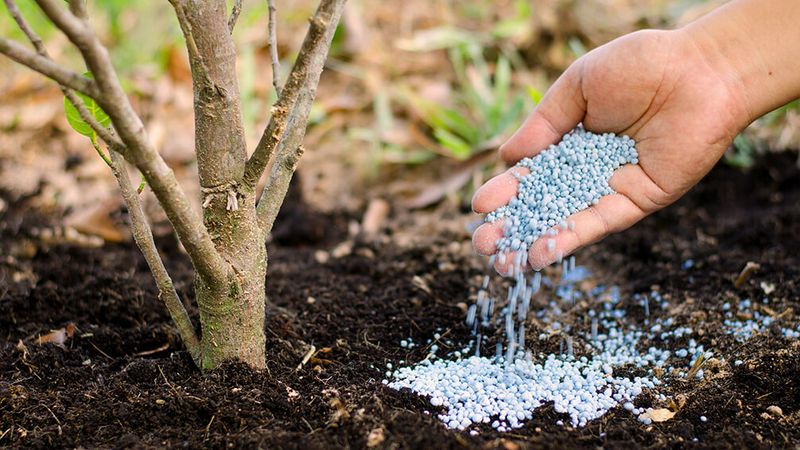
Fertilizer feels like a gift you give your garden, but timing matters more than most people think. Spreading fertilizer before your plants are actively growing is a bit like cooking a big meal for someone who is still asleep.
The nutrients just sit there unused, and in many cases, they cause more harm than good.
In Pennsylvania, lawns and garden beds often look deceptively ready for feeding in late February or early March. The days are getting longer, temperatures are climbing, and everything feels like it should be waking up.
But grass, perennials, and shrubs are still largely dormant under the surface. Their root systems are not yet ready to absorb nutrients efficiently.
Applying nitrogen-heavy fertilizers to dormant lawns can actually encourage a flush of weak, fast growth that makes grass more susceptible to disease.
It can also lead to nutrient runoff, which is a real environmental concern near Pennsylvania’s many streams and waterways, including the Chesapeake Bay watershed that covers much of the state.
For garden beds, feeding too early can push tender new growth that gets damaged by late frosts. That soft new growth is attractive to pests and fungal problems, too.
The rule of thumb is straightforward: wait until you see consistent, steady green growth before you fertilize. For lawns in Pennsylvania, that usually means waiting until mid to late April.
For garden plants, look for several inches of healthy new growth before applying any fertilizer. A soil test from Penn State Extension can also tell you exactly what your soil needs, so you are not guessing.
6. Ignoring Late Frost Warnings
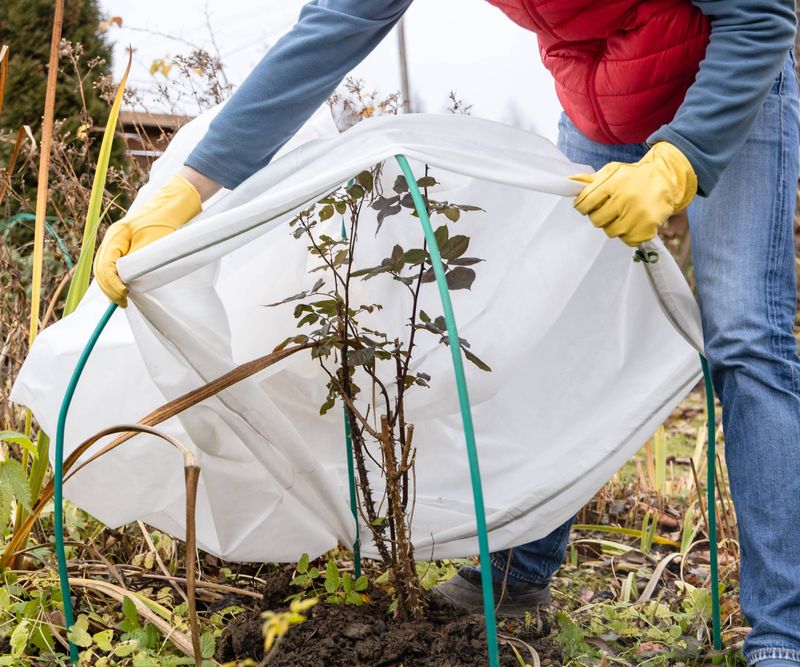
Pennsylvania weather has a sense of humor, and late spring frosts are one of its favorite punchlines. You get a string of gorgeous 70-degree days in mid-April, you plant your seedlings, and then overnight temperatures crash back down to 28 degrees.
It happens every year, somewhere across the state, and gardeners who are not prepared pay the price.
Late frost events are especially common in the central and northern parts of Pennsylvania, including areas around State College and Williamsport, where cold air can settle in valleys and cause temperatures to drop quickly after sunset.
Even in the Philadelphia suburbs, a rogue frost in late April is not unheard of. Young seedlings and early-blooming plants are the most vulnerable.
Fruit tree blossoms, strawberry flowers, and cool-season vegetable transplants can all suffer significant damage from a single hard freeze. Once those blossoms are gone, so is your fruit for the season.
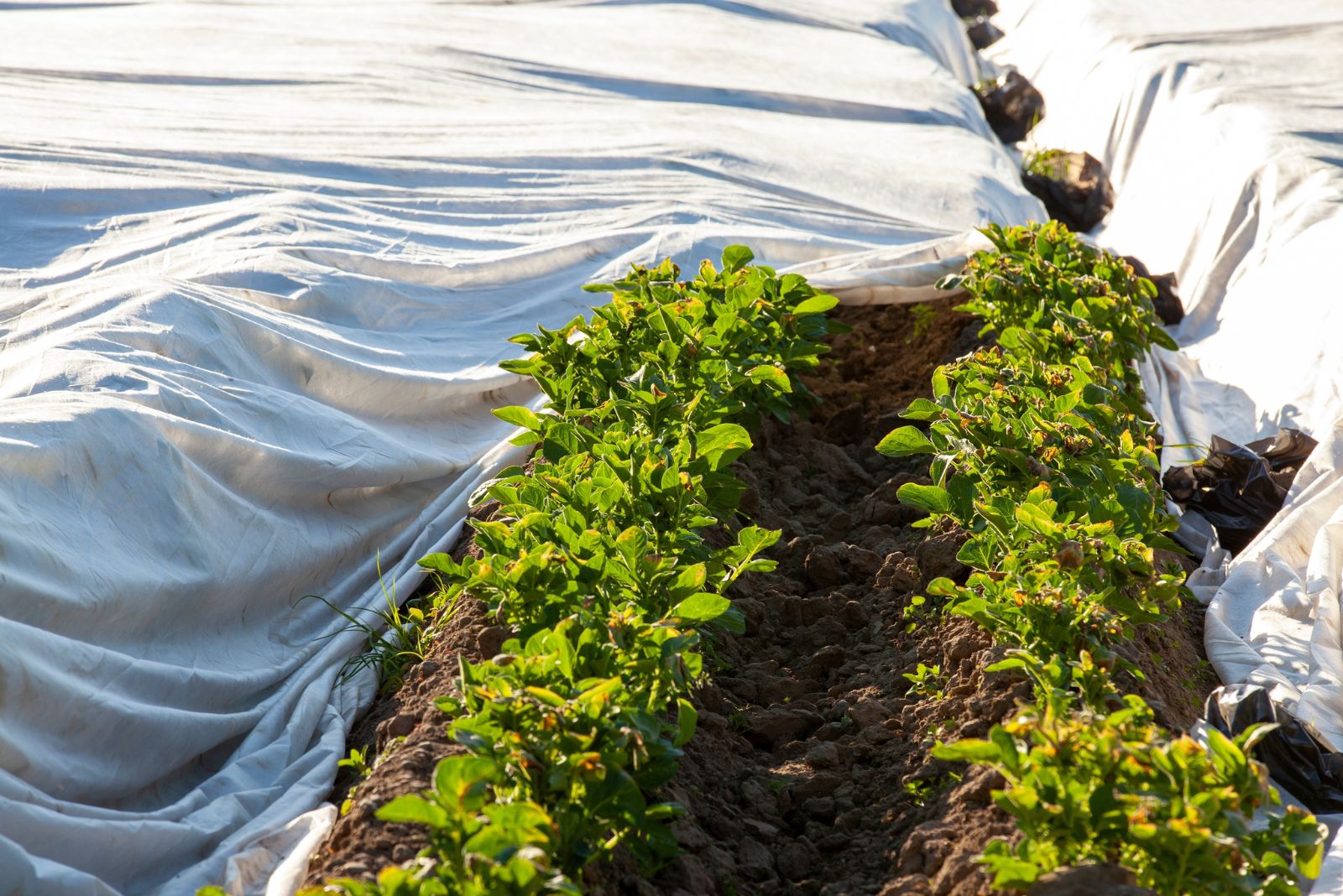
Keeping a supply of frost cloth or row covers on hand is one of the easiest and most effective ways to protect your garden.
These lightweight materials trap warmth around plants without blocking sunlight, and they can be thrown over beds quickly when a frost warning appears.
Check the National Weather Service forecast for your county regularly throughout April and into early May. Set a weather alert on your phone so you are never caught off guard.
A few minutes of preparation in the evening can save hours of work and weeks of regrowth. Never assume spring is fully settled just because it feels warm for a few days in a row.
7. Assuming Winter-Damaged Plants Are Gone for Good
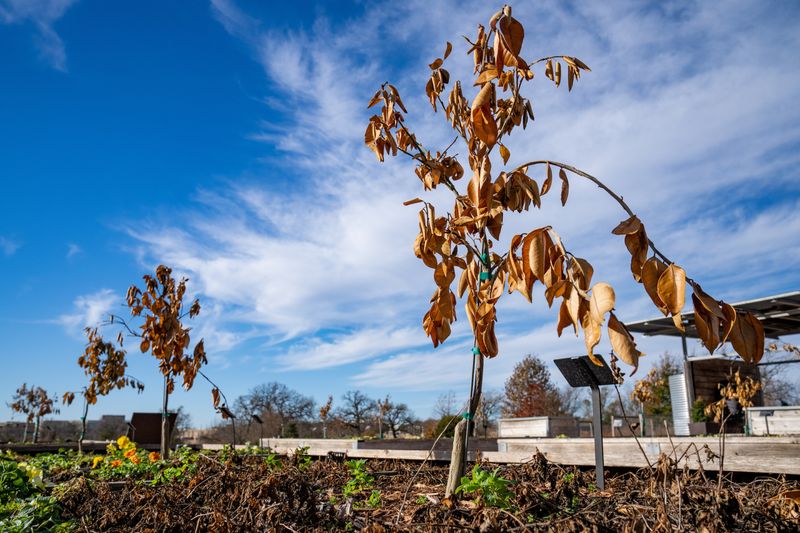
Every spring, Pennsylvania gardeners make the same heartbreaking mistake: they look at a brown, crispy-looking perennial or a sad, discolored evergreen and decide it is a lost cause.
Out comes the shovel, and out goes the plant, only for the gardener to discover weeks later that a perfectly healthy new plant was just getting started underground.
Many perennials are slow to emerge in spring, especially after a harsh Pennsylvania winter. Hostas, black-eyed Susans, coneflowers, and ornamental grasses can look completely lifeless well into April or even May.
That does not mean they are beyond saving. It just means they are taking their time waking up from dormancy.
Evergreens like boxwood, arborvitae, and rhododendron often show winter burn, a condition where leaves or needles turn brown due to cold, wind, and dry conditions.
The discoloration can look alarming, but in many cases, the plant recovers fully once warm weather arrives and the roots start pulling up moisture again. The smartest thing you can do is wait. Scratch a small section of a stem with your fingernail.
If you see green tissue underneath, the plant is still alive and working toward recovery. Look for any signs of new growth at the base of the plant before making any decisions.
Give your plants until late May or even early June before you consider replacing them. Pennsylvania’s growing season is long enough that late-emerging plants can still thrive once they get going.
Patience in early spring is one of the most valuable gardening skills you can develop.