These Plants Handle Pennsylvania’s Freeze-Thaw Weather
Pennsylvania’s early spring weather can be unpredictable, with sunny afternoons quickly giving way to freezing nights. For gardeners, this freeze-thaw cycle can stress plants, damage tender leaves, and make it tricky to keep a garden thriving.
Choosing plants that can handle these swings takes the guesswork out of seasonal planting.
Some species are naturally resilient, bouncing back from cold snaps while maintaining growth and blooms. Hardy perennials, shrubs, and certain bulbs can survive frost, thaw, and sudden temperature swings without losing their shape or vitality.
Native plants often excel in these conditions, providing reliable color, structure, and texture in the landscape.
Planting species suited to Pennsylvania’s variable climate allows homeowners to enjoy a lively garden without constantly worrying about damage.
With the right selections, gardens can withstand early spring extremes, recover quickly, and offer beauty and interest even as the weather continues to shift.
1. Hellebores (Helleborus Spp.)
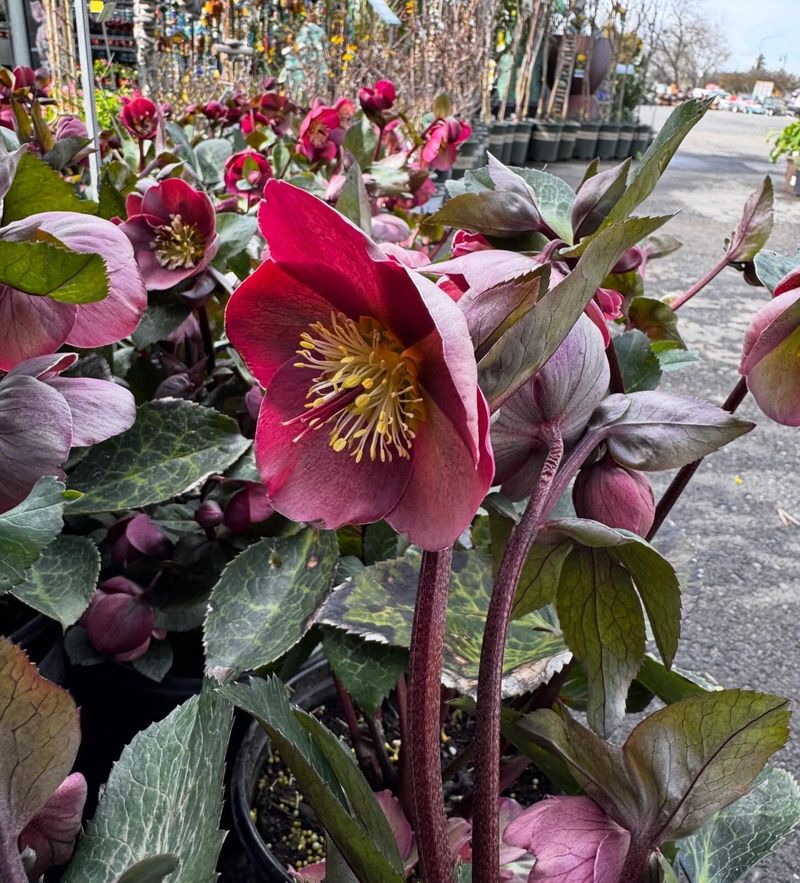
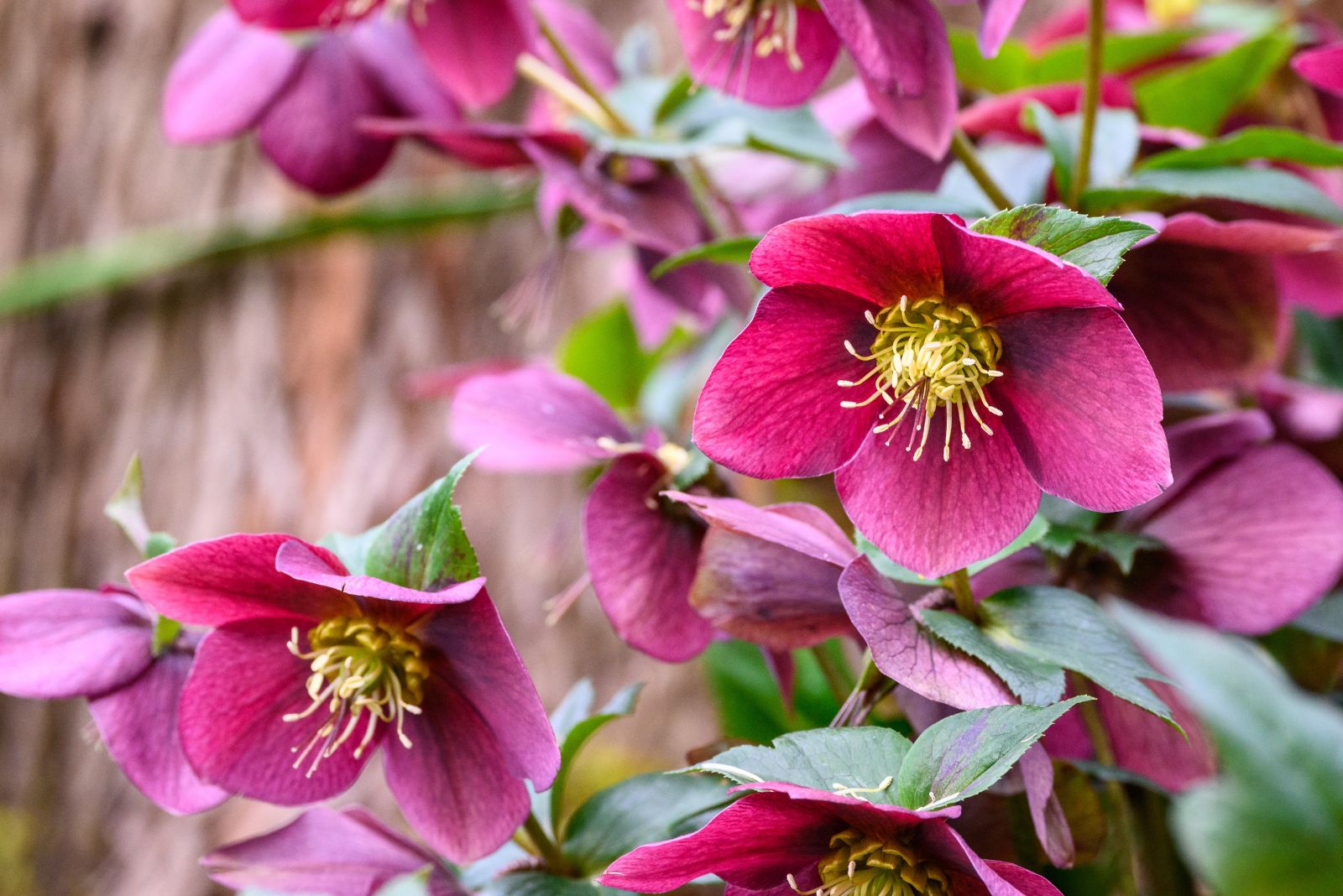
Some plants bloom when the world looks frozen and lifeless, and hellebores are exactly that kind of overachiever. Known by many as the Lenten Rose, this tough perennial starts flowering in late winter or early spring, often pushing blooms up through snow and frozen soil.
That alone makes it a favorite among Pennsylvania gardeners who are tired of staring at bare, brown landscapes from January through March.
Hellebores handle freeze-thaw cycles better than almost any other flowering plant. Their thick, waxy leaves stay green through most of Pennsylvania’s winters, giving your garden structure even when everything else looks gone.
The roots are incredibly hardy and hold firm even when the soil shifts and heaves from repeated freezing and thawing.
These plants prefer a shady or partially shaded spot, making them perfect for planting under trees or along north-facing walls. They do not need much attention once they are established.
No constant watering, no heavy fertilizing, and no fussing required. They are also resistant to deer, which is a huge bonus in many parts of Pennsylvania where deer pressure is real.
Hellebores come in a wide range of colors, from deep purple and burgundy to soft pink and creamy white. Planting several varieties together can create a stunning late-winter display.
For Pennsylvania gardeners looking for a plant that rewards patience with beauty, hellebores deliver every single year.
2. Coneflower (Echinacea Purpurea)
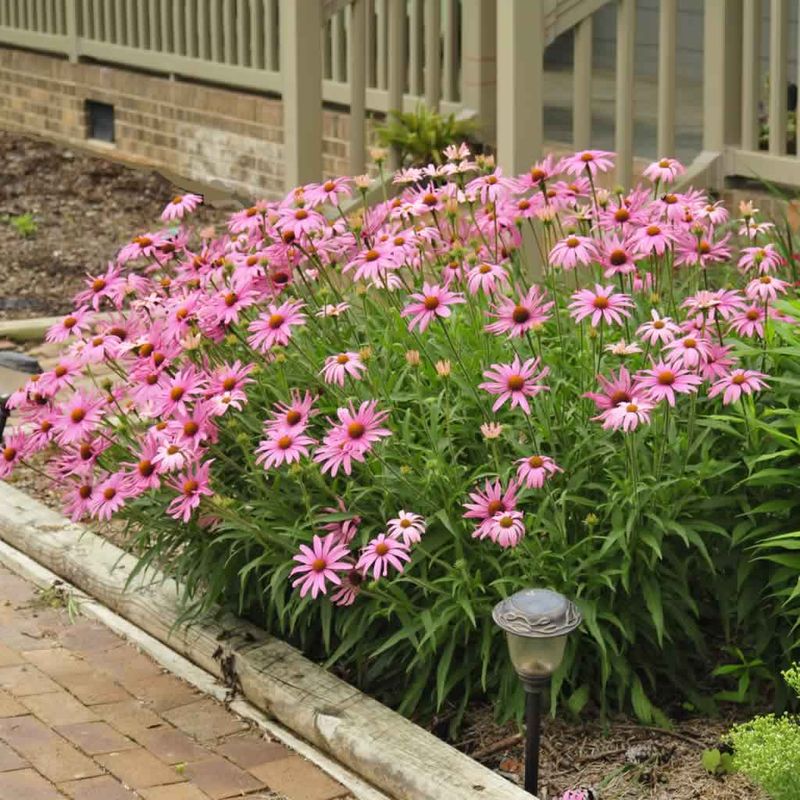
If there is one plant that truly belongs in a Pennsylvania garden, it is the coneflower. Native to North America, Echinacea purpurea has spent thousands of years adapting to tough conditions, including cold winters, summer heat, and everything in between.
That long history of survival shows up in how well it handles Pennsylvania’s unpredictable freeze-thaw weather cycle.
One of the biggest reasons coneflowers hold up so well is their deep, strong root system. When the soil freezes and then thaws repeatedly, shallow-rooted plants often get pushed out of the ground, a problem called frost heave.
Coneflowers anchor deep enough to stay put no matter how many times the temperature swings back and forth. That stability means they come back reliably every spring without much help from you.
Your Pennsylvania Garden Changes Every Week. Your Plan Should Too.
Gardening in Pennsylvania changes quickly throughout the season. Every Friday you’ll receive a simple weekly plan showing exactly what to plant, prune, fertilize, harvest, and protect so you never miss the right timing.
Beyond their toughness, coneflowers are also incredibly low maintenance. Once established, they are drought tolerant and rarely need extra watering.
They thrive in full sun and are not picky about soil quality. Even average or slightly poor soil works just fine, which makes them a great choice across many different parts of Pennsylvania.
Pollinators absolutely love coneflowers. Bees, butterflies, and goldfinches flock to them throughout the season.
Leaving the seed heads standing through winter also provides food for birds during the coldest months. For gardeners in Pennsylvania who want beauty, wildlife value, and zero-drama performance, coneflowers are a top pick.
3. Sedum / Stonecrop (Hylotelephium / Sedum Spp.)
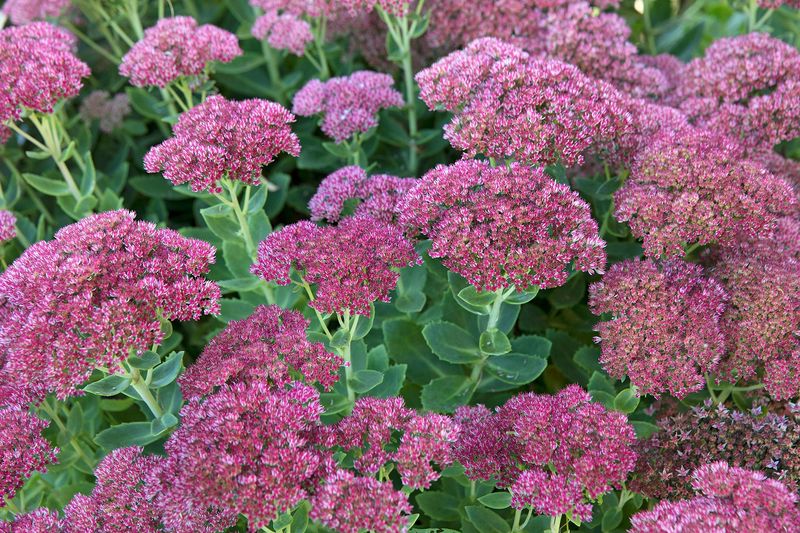
Tough, fleshy, and practically indestructible, sedum earns its nickname stonecrop for a reason. This succulent perennial can grow in rocky, dry conditions where most other plants would struggle to survive.
In Pennsylvania, where winters can bring freezing rain, ice, and repeated temperature swings, sedum just keeps going without complaint.
What makes sedum so resilient is its thick, water-storing leaves and its strong, fibrous root system. Even when the top growth dies back in winter, the roots hold steady underground.
When spring arrives in Pennsylvania, new growth emerges reliably, often earlier than you might expect. The plant does not need any coaxing or extra care to bounce back after a cold stretch.
Sedum thrives in full sun and well-drained soil. It actually prefers lean, dry conditions over rich, moist ones.
That makes it ideal for slopes, rock gardens, and areas where water drains away quickly. Poor drainage in Pennsylvania winters can cause problems for many plants, but sedum handles it without skipping a beat.
Late-blooming varieties like Autumn Joy provide color from late summer all the way into fall, which is a welcome sight as other plants start to fade. The dried flower heads also add winter interest and provide seeds for birds.
With barely any maintenance needed, sedum is a smart, stylish choice for Pennsylvania gardeners who want reliable beauty with minimal effort throughout the changing seasons.
4. Black-Eyed Susan (Rudbeckia Hirta / R. Fulgida)
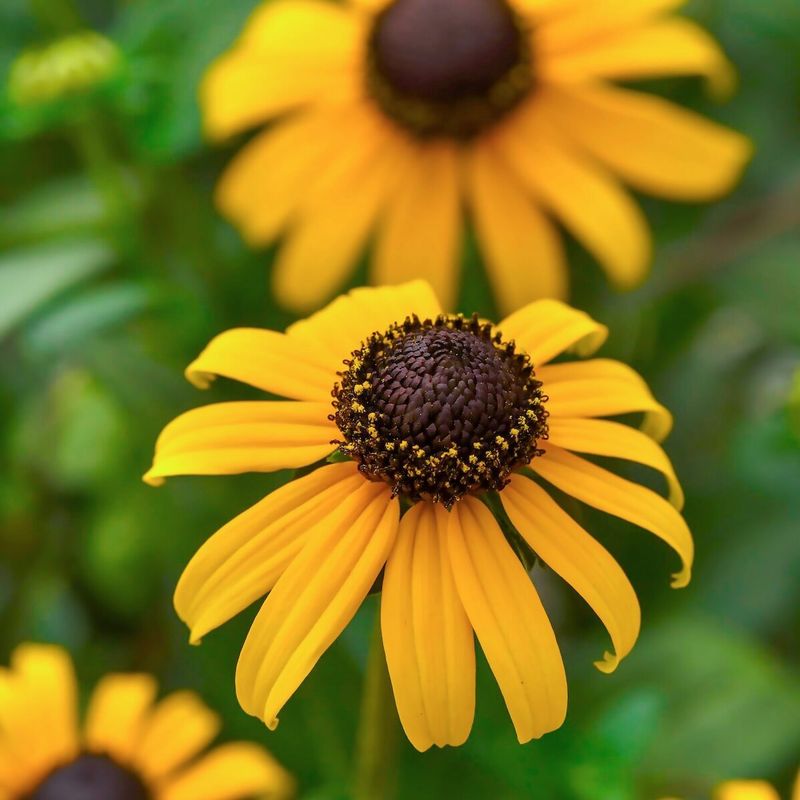
Cheerful, golden, and nearly impossible to discourage, Black-Eyed Susan is one of Pennsylvania’s most beloved native wildflowers. Its bright yellow petals and dark centers light up roadsides, meadows, and backyard gardens from midsummer into fall.
But what makes this plant truly special is not just its looks. It is how well it handles the rough freeze-thaw cycles that Pennsylvania winters bring year after year.
Rudbeckia is a native perennial, which means it evolved right alongside Pennsylvania’s climate. It knows what to expect when temperatures drop and then suddenly spike in January or February.
The plant’s crown and root system stay protected underground while the soil above freezes and thaws repeatedly. Come spring, it pushes back up without needing any extra encouragement from the gardener.
Black-Eyed Susan is also wonderfully self-sustaining. It spreads by seed and slowly naturalizes in a garden, filling in gaps and creating a fuller, wilder look over time.
If you want a low-effort planting that gets better with each passing year, this is a strong candidate. It also attracts bees, butterflies, and birds, especially when the seed heads are left standing through winter.
Full sun and average soil are really all it needs. It tolerates drought, heat, and poor conditions without flinching.
For Pennsylvania gardeners who want a plant that earns its keep without demanding constant attention, Black-Eyed Susan delivers season after season with real Pennsylvania pride.
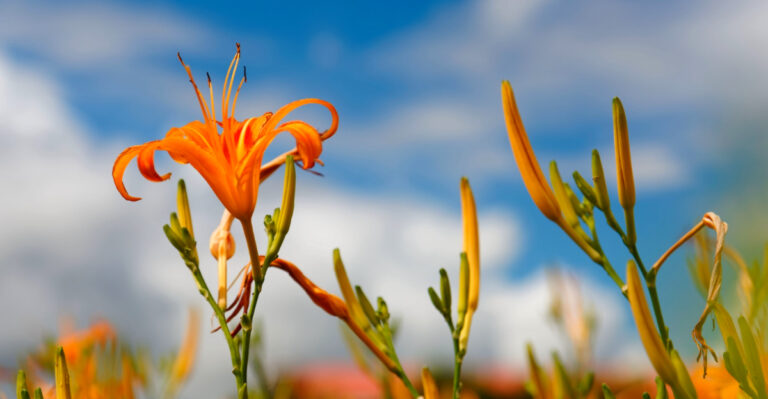
5. Daylily (Hemerocallis)
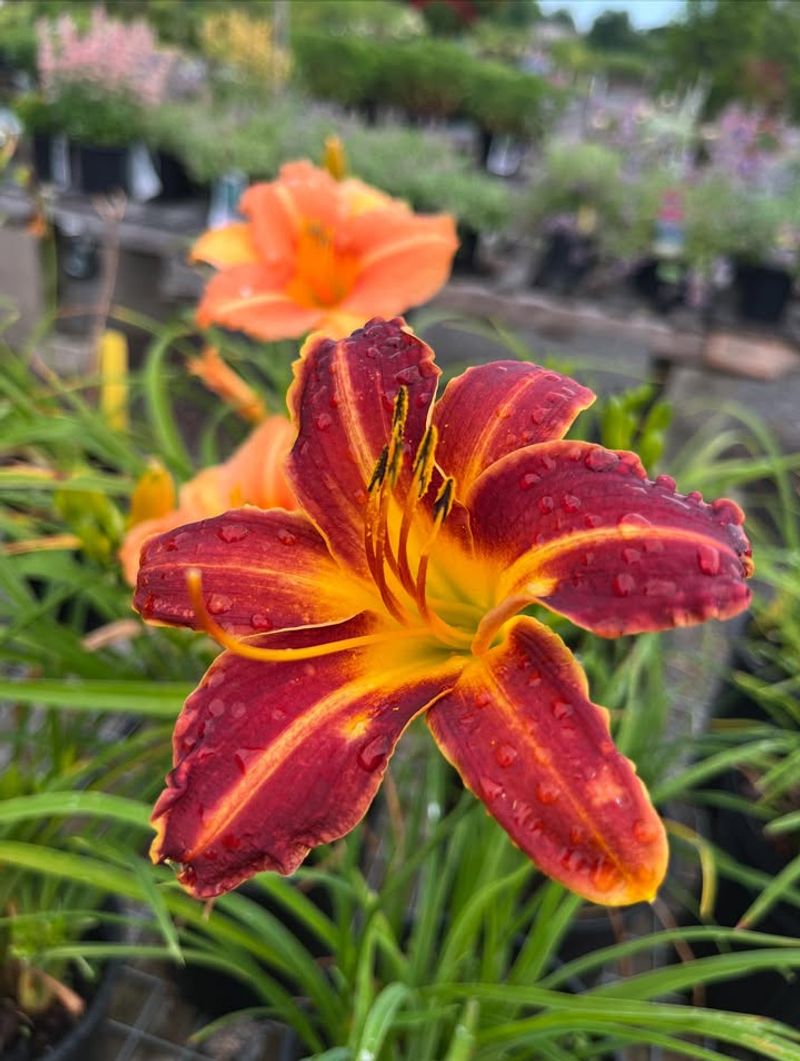
Few plants have earned the trust of Pennsylvania gardeners quite like the daylily. Walk through almost any neighborhood in the state during June and July and you will spot them everywhere, spilling over fences, lining driveways, and brightening up hillsides.
Their popularity is no accident. Daylilies are genuinely tough plants that handle Pennsylvania’s freeze-thaw winters with ease.
The secret to their durability lies underground. Daylilies grow from thick, fleshy root systems that store energy through the winter.
When the soil freezes and thaws repeatedly, those roots stay anchored and protected. Even after a hard Pennsylvania winter, the plant emerges in spring looking like nothing bad happened at all. That kind of reliability is something every gardener appreciates.
Hemerocallis is also incredibly forgiving when it comes to soil type and moisture levels. Whether your yard has sandy, clay-heavy, or average soil, daylilies will likely adapt and thrive.
They are drought tolerant once established, which helps during dry Pennsylvania summers. Full sun brings out the best bloom production, but they will also manage in partial shade without too much fuss.
With thousands of cultivars available, you can find daylilies in nearly every color imaginable, from pale yellow to deep burgundy and bi-colored varieties. They multiply over time, which means one plant can eventually become a full, lush clump.
Dividing them every few years keeps them blooming at their best and gives you extra plants to share with neighbors across Pennsylvania.
6. Inkberry Holly (Ilex Glabra)
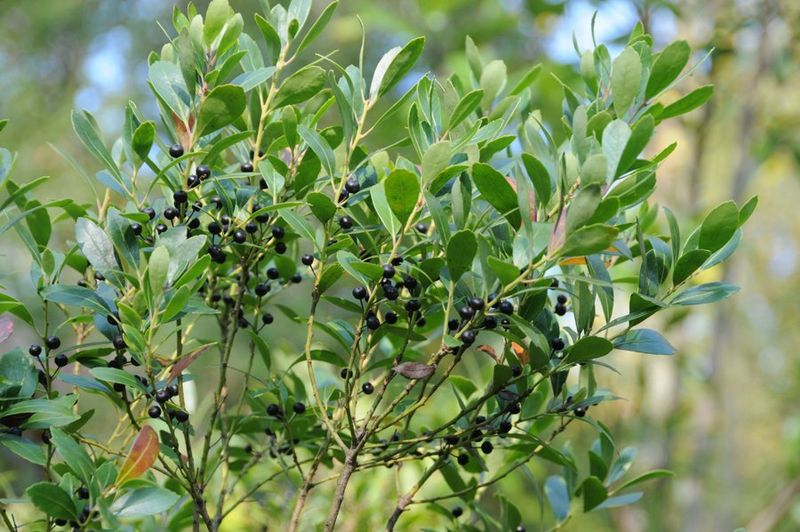
Not every great plant for Pennsylvania winters is a flower. Sometimes the most valuable addition to your yard is a tough, evergreen shrub that holds its shape and color when everything else has gone bare.
Inkberry Holly does exactly that, and it does it while handling cold, wet soil conditions that would stress out many other shrubs.
Native to the eastern United States, Ilex glabra is naturally suited to the kind of weather Pennsylvania throws at it. It tolerates wet, poorly drained soil far better than most plants, which is a real advantage during Pennsylvania’s wet winters and muddy spring thaws.
The roots stay stable even when moisture levels swing dramatically from one week to the next.
The glossy, dark green leaves stay on the plant year-round, giving your garden structure and color through even the gloomiest winter months.
In fall and early winter, small black berries appear and cling to the branches, providing a food source for birds like bluebirds, robins, and cedar waxwings. Watching wildlife visit your yard in January is one of the quiet joys of planting natives.
Inkberry Holly grows at a moderate pace and typically reaches four to eight feet tall, depending on the variety. Compact cultivars like Shamrock or Gem Box work well in smaller yards.
It prefers full sun to partial shade and does not need much pruning to stay tidy. For Pennsylvania gardeners who want year-round structure with native ecological value, Inkberry Holly is a solid, reliable choice.
7. Switchgrass (Panicum Virgatum)
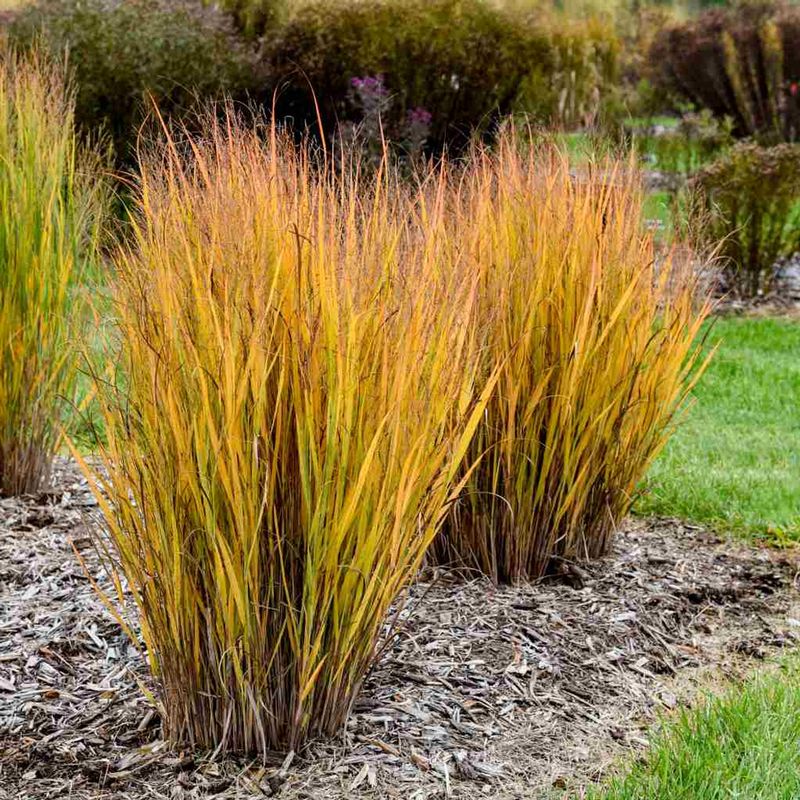
There is something almost poetic about switchgrass in winter. Long after most plants have faded, this native ornamental grass stands tall, its feathery seed heads catching the light and swaying in the cold Pennsylvania breeze.
It is not just beautiful, though. Switchgrass is one of the most adaptable and resilient plants you can put in a Pennsylvania garden.
Panicum virgatum is native to the prairies and meadows of North America, which means it has deep roots in tough conditions, literally. Its root system can reach six to ten feet underground, far deeper than most garden plants.
Those deep roots anchor the plant firmly even when the soil above freezes, thaws, and shifts repeatedly throughout a Pennsylvania winter. Frost heave is simply not a problem for switchgrass.
Beyond its winter toughness, switchgrass handles drought, flooding, and everything in between. It is equally comfortable in dry upland soil and wet lowland areas.
That flexibility makes it useful in many different spots around a Pennsylvania yard, from rain gardens to dry slopes to mixed perennial borders. Few plants offer that kind of range.
In terms of wildlife value, switchgrass is exceptional. Birds use the seed heads for food and the dense clumps for shelter through winter.
The plant also supports native insects and caterpillars, making it an important part of a healthy Pennsylvania ecosystem. It reaches three to six feet tall and turns beautiful shades of gold and rust in fall before settling into a warm tan through winter.
8. Peony (Paeonia)
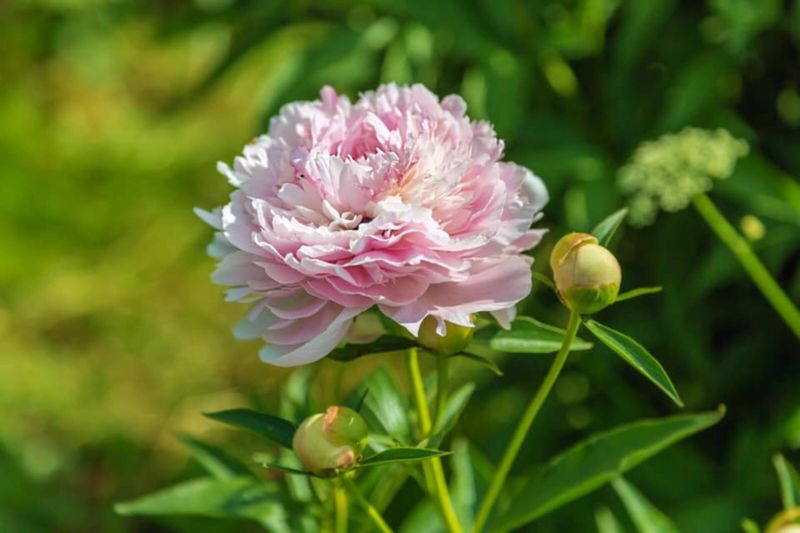
Ask any longtime Pennsylvania gardener which plant they would never give up, and there is a good chance peonies come up. These gorgeous, long-lived perennials have been grown in Pennsylvania gardens for generations, and for good reason.
They are stunning in bloom, incredibly hardy, and actually need a cold winter to perform their best. Pennsylvania’s climate suits them perfectly.
Peonies require a period of winter chill to set their buds for spring. That means Pennsylvania’s cold winters are not a problem for them, they are actually part of what makes peonies thrive here.
The thick, woody root crown sits just below the soil surface and is remarkably good at surviving repeated freeze-thaw cycles without any protection or extra care from the gardener.
Once established, peonies are practically indestructible. A well-planted peony can live for fifty years or more in the same spot, blooming faithfully every spring without needing to be dug up or replaced.
They do not like being moved once settled, so choosing the right location from the start matters. Full sun and well-drained soil are the two most important things to get right.
The blooms themselves are spectacular, ranging from simple single-petaled flowers to enormous, ruffled double types in shades of white, pink, red, and coral. They also have a wonderful fragrance.
Peonies bloom for a few weeks in late spring, and that short season makes each bloom feel extra special. For Pennsylvania gardeners who want a legacy plant, peonies are truly worth every bit of the wait.