North Carolina’s Best Cool-Season Crops To Start Planting In March
March in North Carolina is a tricky month for gardeners – warm afternoons tease you with full-on spring, and then frosty mornings remind you winter isn’t done yet.
Seeds start calling from the pantry, garden centers buzz with activity, and suddenly you’re asking: what can I safely plant right now?
Cool-season crops are made for this window. Soil is warming but still comfy for early greens. Frost can linger in the Mountains and Piedmont, while the Coastal Plain usually warms a bit faster.
Spinach, lettuce, peas, carrots, radishes, and potatoes love this stretch – they handle the chill and soak up the mild sun before summer heat hits.
Plant smart now, and you’re setting yourself up for a steady, satisfying harvest before the garden really starts to sweat.
1. Spinach Thrives In Cool Weather And Greens Up Quickly
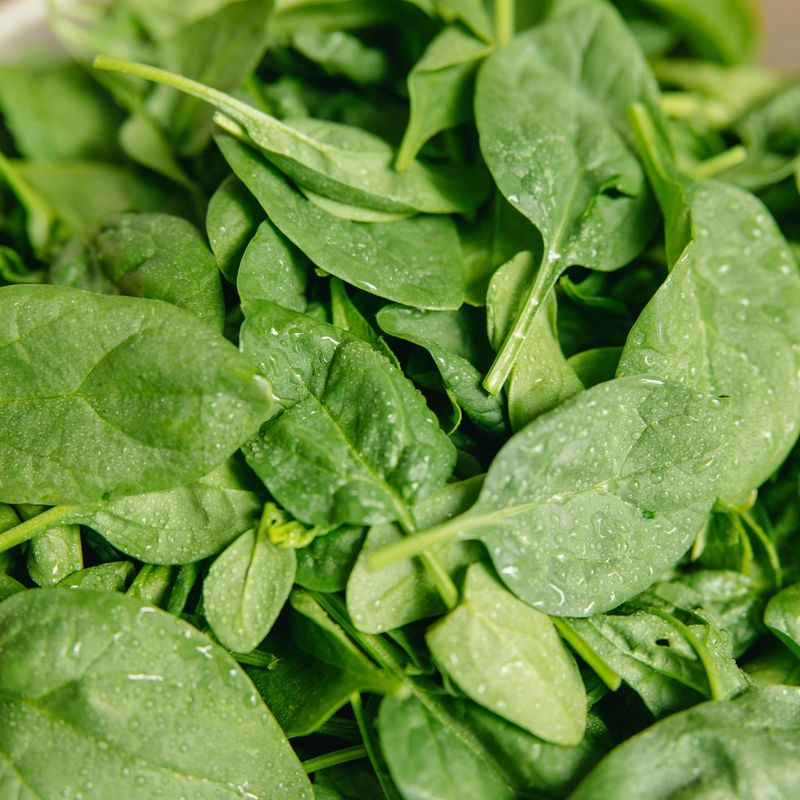
Cool soil and crisp mornings create ideal conditions for spinach to take off. March temperatures across much of the state often sit right in that 45 to 65 degree range that spinach prefers for germination and steady growth.
Under those conditions, seedlings can appear within a week, and baby leaves are often ready in about a month.
Gardeners in the Coastal Plain can usually direct seed early in March without much concern. Piedmont and Mountain growers can plant during March as well, keeping lightweight row cover nearby for unexpected cold snaps.
Spinach handles light frost comfortably, which makes it well suited to this stretch of unpredictable spring weather.
Sow seeds about half an inch deep in loose, fertile soil that drains well. Even moisture supports strong germination and reduces stress that may trigger early bolting once temperatures climb.
Thinning seedlings to roughly three inches apart encourages fuller leaf development.
Bloomsdale Long Standing and Tyee are varieties known for holding up well during fluctuating spring temperatures. A location with full sun works nicely early in the season, while a touch of afternoon shade can help stretch harvests as days grow warmer.
2. Lettuce Holds Its Crisp Texture In Early Spring Chills
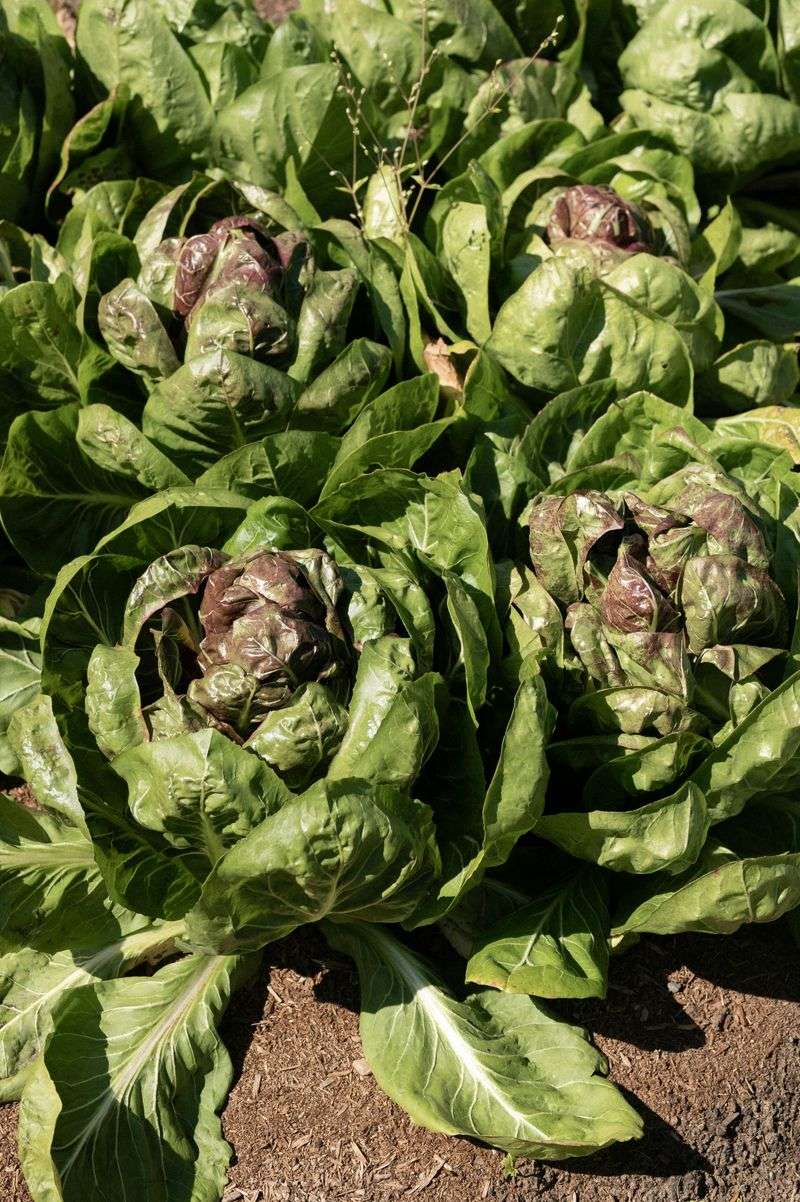
March often marks the true beginning of fresh lettuce season. Cooler air preserves the tender texture and mild flavor that many gardeners prefer, long before summer heat changes the plant’s character.
Established lettuce plants can tolerate temperatures near 28 degrees Fahrenheit with limited damage.
Transplants frequently go into Coastal Plain gardens in late February or early March. Piedmont and Mountain growers typically aim for mid to late March once soil is workable.
Loose-leaf varieties such as Black Seeded Simpson and Oak Leaf mature quickly and allow repeated harvesting. Butterhead types like Buttercrunch remain popular for their compact size and smooth texture.
Lettuce performs best in soil that drains well yet stays consistently moist. A light application of balanced fertilizer at planting supports steady growth without excessive leaf expansion.
Spacing transplants about eight inches apart gives plants room to spread while maintaining airflow.
A floating row cover can provide added protection during late cold snaps without trapping excessive daytime heat. With careful timing and consistent moisture, March plantings across the state often yield dependable harvests before temperatures climb.
Your North Carolina Garden Changes Every Week. Your Plan Should Too.
Gardening in North Carolina changes quickly throughout the season. Every Friday you’ll receive a simple weekly plan showing exactly what to plant, prune, fertilize, harvest, and protect so you never miss the right timing.
3. Kale Offers Flavor And Nutrition In Cooler Temperatures
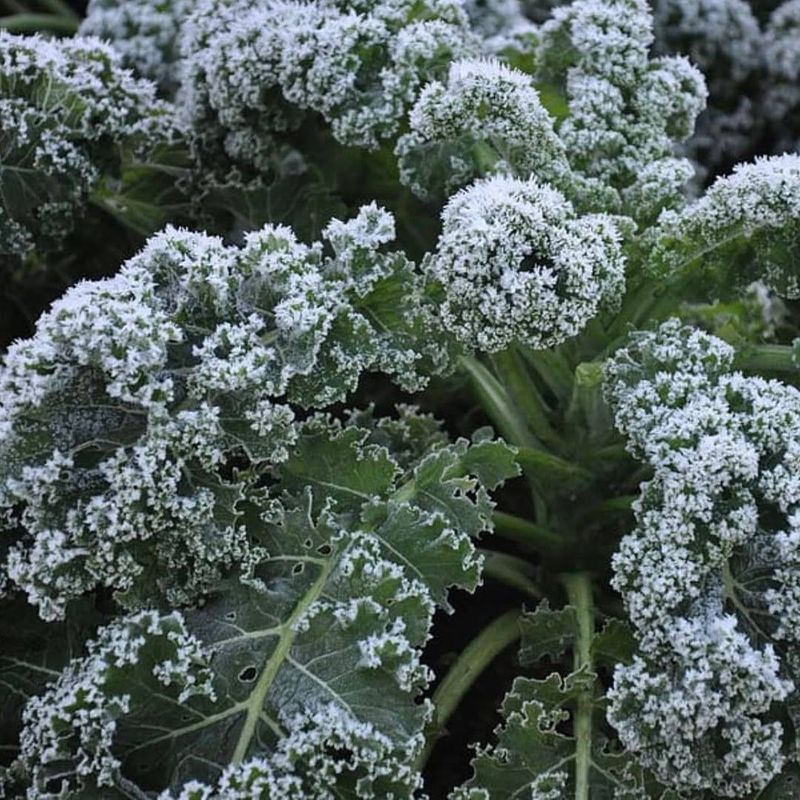
Cool air tends to bring out the best in kale. As temperatures dip below 50 degrees Fahrenheit, the plant shifts starches into sugars, which can produce a noticeably sweeter flavor compared to leaves grown in warmer weather.
That makes early spring harvests especially satisfying.
March planting works across the state, though timing shifts slightly by region. In the Mountains, gardeners often rely on row cover for added protection.
Piedmont and Coastal Plain growers typically plant earlier with fewer frost concerns, since established kale tolerates cold conditions well.
Curly varieties such as Vates and Dwarf Blue Curled remain dependable choices for spring gardens. Fertile, well-drained soil paired with full sun encourages steady leaf production.
Soil pH between 6.0 and 6.8 supports nutrient availability and balanced growth.
Spacing plants 12 to 18 inches apart improves airflow and reduces humidity-related issues as spring progresses. Regular harvesting of outer leaves promotes continued growth.
With consistent watering and moderate fertility, kale can produce steadily well into late spring.
4. Collards Produce Large Leaves That Tolerate Light Frost
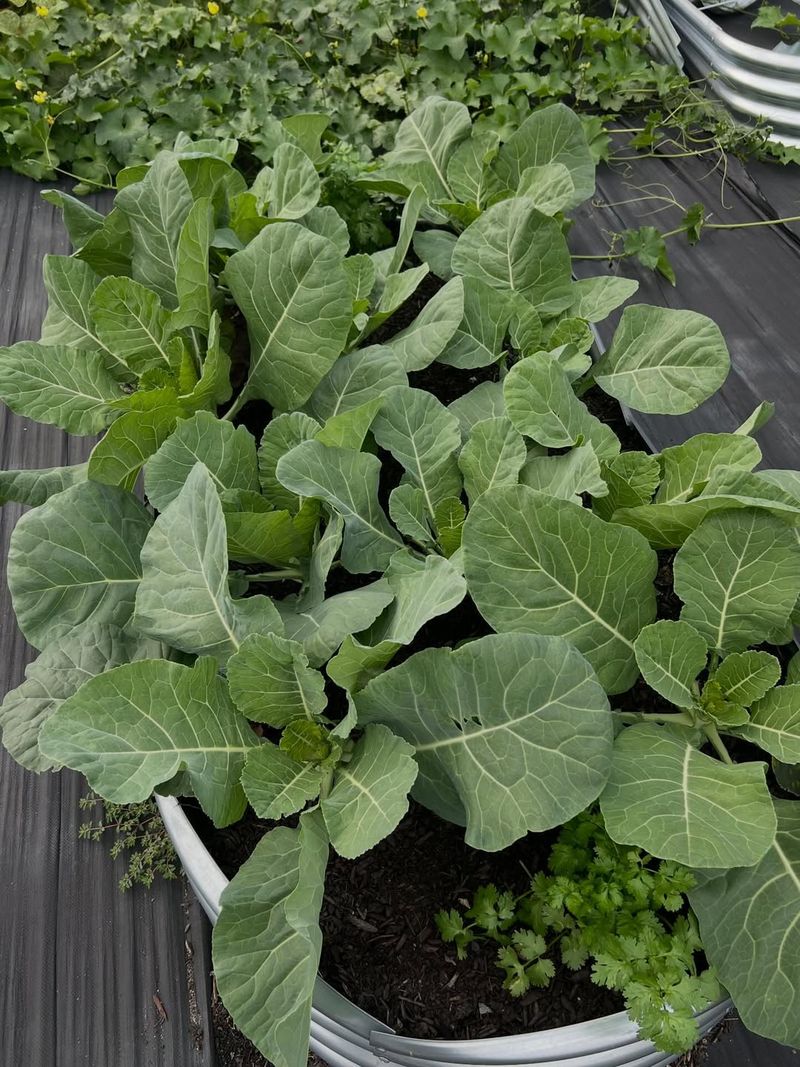
Collards have long been part of Southern gardens, and their ability to handle cool weather makes them a reliable March crop. Broad leaves withstand light frost with minimal stress, and a touch of cold often improves flavor.
Transplanting during March works well in most regions. Coastal Plain and Piedmont gardeners frequently plant without heavy protection.
Mountain growers benefit from keeping frost cloth available into early April.
Fertile, well-drained soil with a pH between 6.0 and 6.5 supports steady growth. Georgia Southern and Vates varieties continue to perform consistently in spring conditions.
Giving plants at least 18 inches of space allows for full leaf development.
Consistent moisture during dry spells keeps leaves tender. Harvesting outer leaves encourages continued production through late spring before summer heat shifts growth patterns.
A light side-dressing of nitrogen a few weeks after planting can support steady leaf expansion during active growth. Removing older, lower leaves first helps maintain airflow and keeps plants producing evenly as temperatures begin to warm.
5. Carrots Develop Sweetness As Soil Temperatures Stay Mild
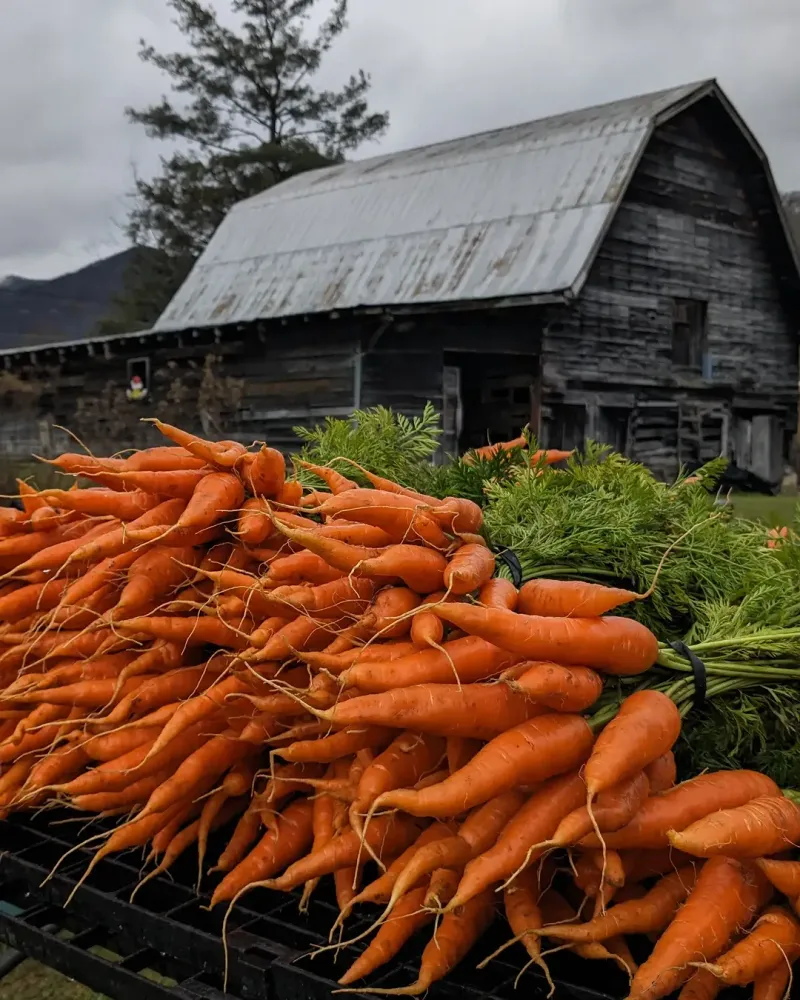
Few spring moments compare to pulling a carrot from cool soil and brushing it clean. March planting supports steady root formation while temperatures remain mild enough to encourage balanced sugar development.
Direct seeding works best once soil temperatures reach about 50 degrees Fahrenheit, though germination may occur more slowly in slightly cooler ground. Preparation plays a major role in success.
Deep, loose, rock-free soil allows roots to grow straight and smooth.
In heavier clay areas of the Piedmont, incorporating compost eight to ten inches deep improves structure. Raised beds provide another practical solution where drainage is limited.
Sow seeds about a quarter inch deep in rows spaced six inches apart. Thin seedlings to two or three inches apart once established.
Nantes and Danvers types tend to perform reliably during spring. Keeping the soil surface evenly moist during germination reduces patchy stands and uneven root development.
6. Radishes Mature Quickly In North Carolina’s Spring Soil
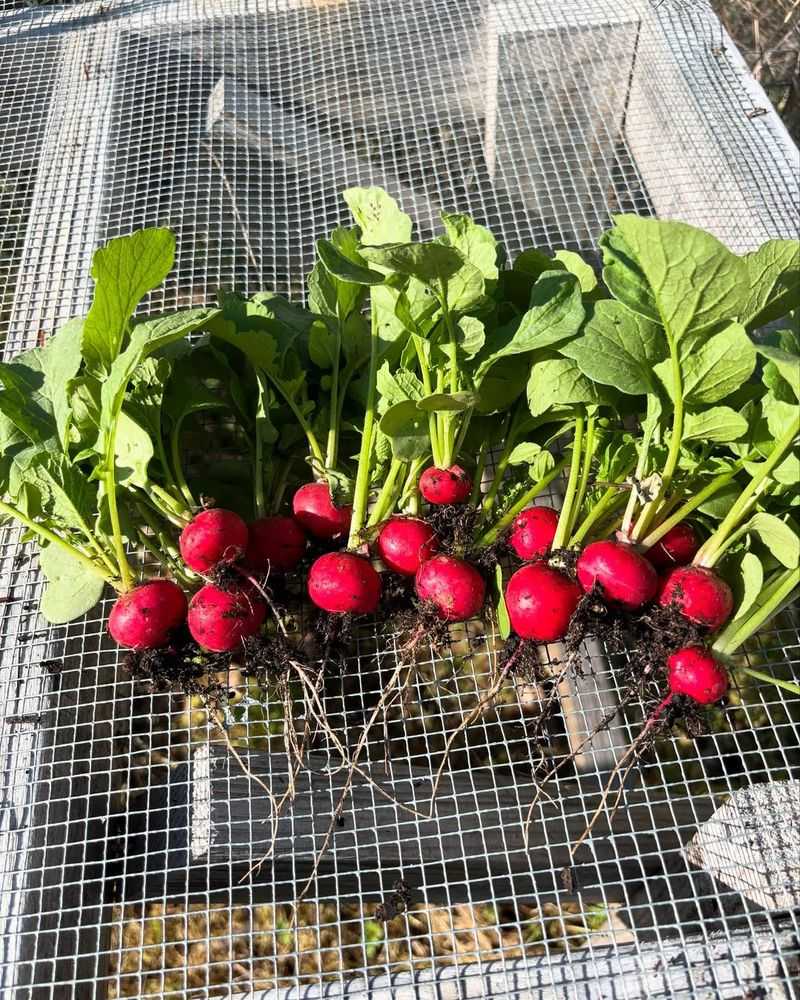
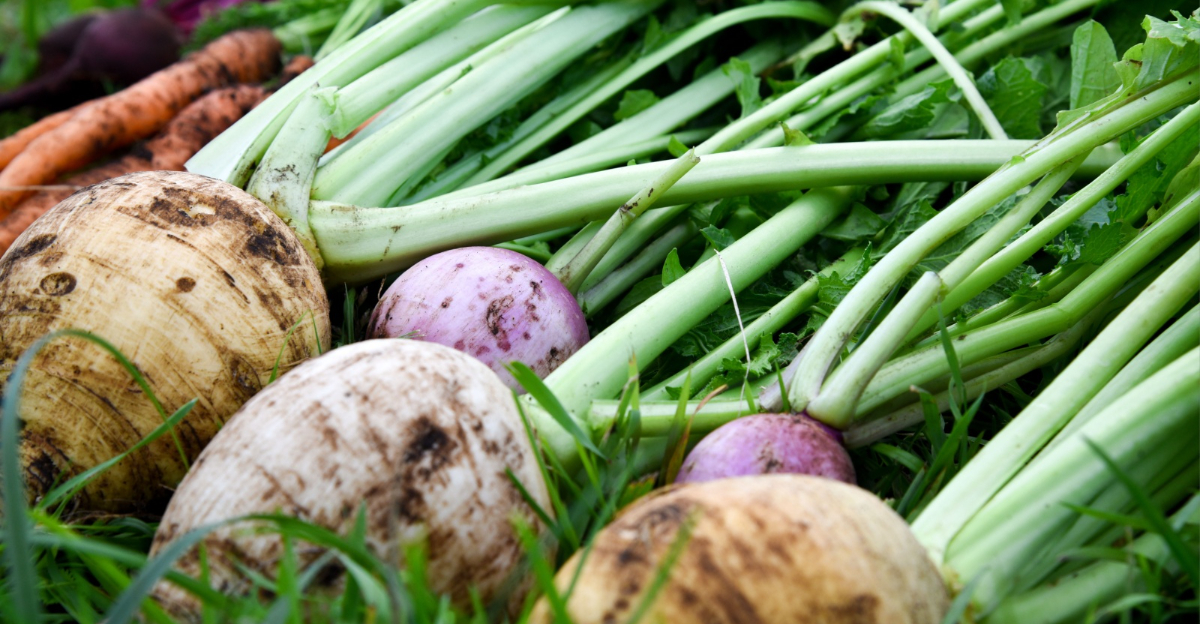
Radishes offer quick rewards during early spring. Many varieties mature within three to four weeks, which makes them ideal for gardeners eager to see results.
Direct seeding in March works across most of the state. Coastal Plain gardens sometimes begin in late February during mild seasons, while Piedmont and Mountain growers generally seed by mid-March.
Loose soil to a depth of six inches supports smooth root formation.
Sow seeds about half an inch deep and thin to two inches apart after emergence. Cherry Belle and Easter Egg varieties continue to perform well statewide.
Because radishes bolt as temperatures rise, planting small batches every couple of weeks during early spring helps maintain steady harvests.
Radishes also serve as useful markers when planted alongside slower crops such as carrots, helping identify rows before other seedlings emerge.
7. Beets Bring Bold Color And Steady Early Growth
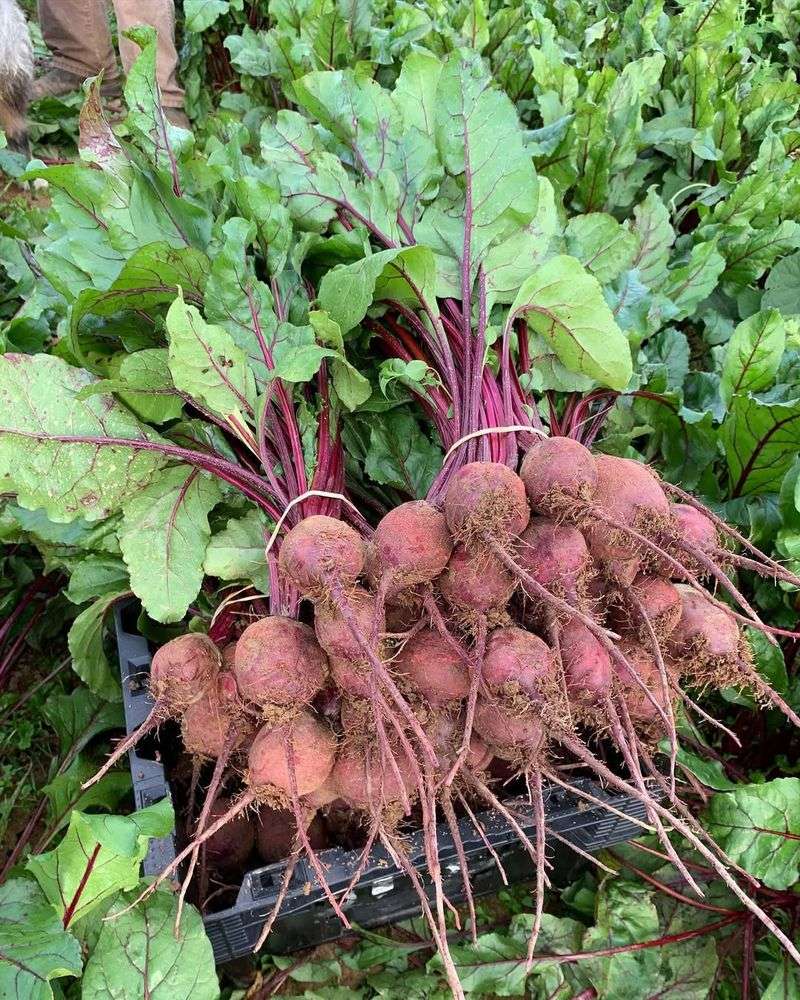
Beets provide value in two ways, supplying both edible roots and leafy greens. Cool March soil supports strong color development and balanced flavor.
Soil temperatures between 50 and 65 degrees Fahrenheit promote consistent germination across much of the state. Each seed cluster contains multiple seedlings, so thinning becomes necessary after emergence.
Soaking seeds overnight can encourage more uniform sprouting, though planting dry seeds works as well.
Final spacing of three to four inches allows roots to size up properly. Loose, well-drained soil with a pH between 6.0 and 7.0 supports steady development.
Detroit Dark Red and Bull’s Blood varieties remain popular choices for spring planting.
Consistent moisture helps prevent woody texture and uneven growth rings. Harvesting greens selectively allows continued root development beneath the soil surface.
A layer of light mulch can help stabilize soil moisture as spring temperatures begin to fluctuate. In areas with heavier clay soil, raised beds often improve drainage and root shape.
8. Turnips Grow Well In Cool Soil And Light Frost
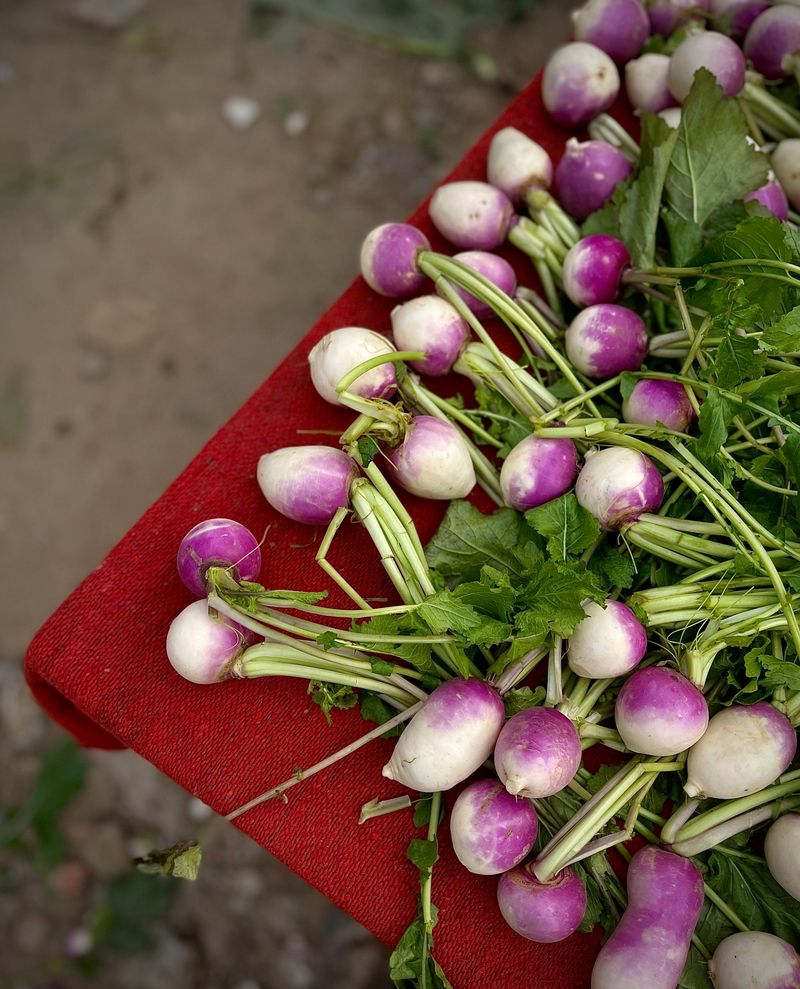
Turnips fit naturally into March planting plans. Cool soil between 45 and 65 degrees Fahrenheit supports steady growth, and light frost rarely causes serious harm.
Direct seeding tends to produce stronger plants than transplanting. Sow seeds about a quarter inch deep and thin to four to six inches apart as seedlings grow.
Coastal Plain gardens often plant early in March, followed by Piedmont growers, while Mountain regions may wait until mid-month.
Purple Top White Globe remains widely grown in spring gardens. Hakurei has gained popularity for its mild flavor and smooth texture.
Roots mature in roughly 40 to 60 days depending on variety.
Harvesting while roots remain moderately sized helps maintain tenderness before warmer weather arrives. Staggered plantings every couple of weeks can help extend the harvest window through the cooler part of spring.
Turnip greens can also be picked early, providing an additional crop before roots fully develop.
9. English Peas Climb And Produce Sweet Pods In Spring
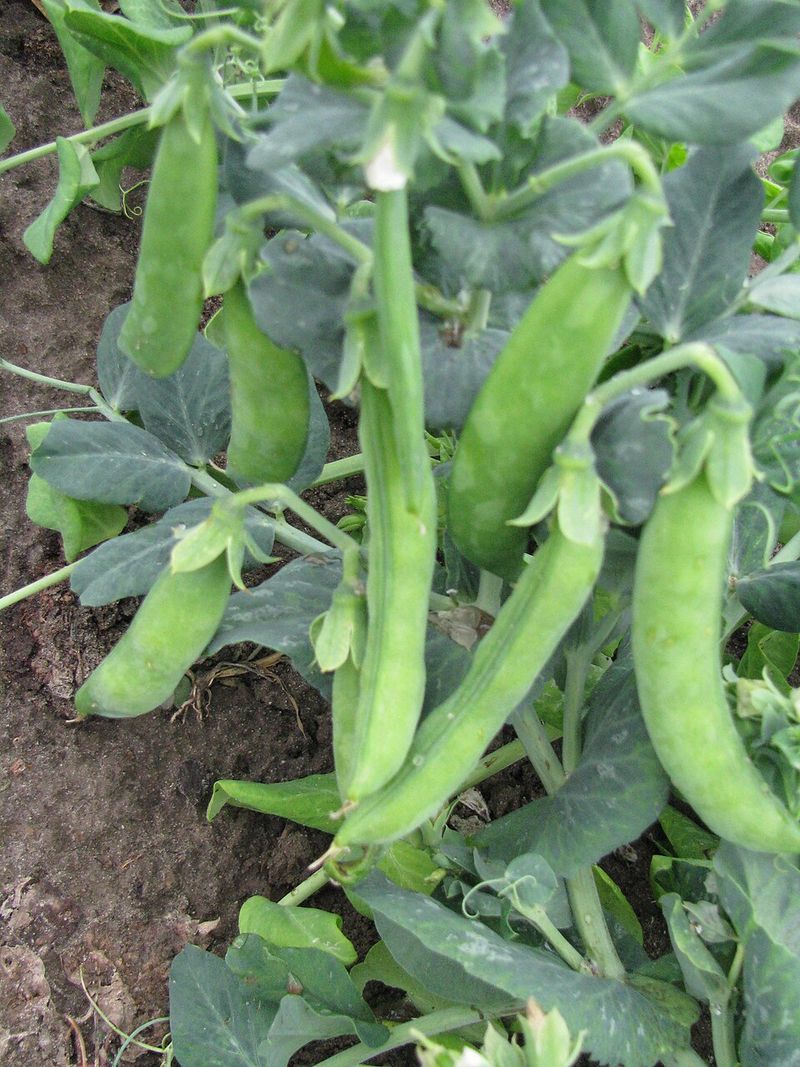
Peas prefer cool air and begin to struggle once daytime temperatures consistently exceed 75 degrees Fahrenheit. March provides the window they need.
Direct seeding about one inch deep and two to three inches apart works best. A trellis or simple support allows vining types to climb and produce efficiently.
Compost-enriched soil improves early vigor.
Coastal Plain and Piedmont gardeners frequently plant in early to mid-March. Mountain regions may wait until mid to late March depending on frost outlook.
Little Marvel and Green Arrow continue to show dependable results.
Harvesting pods promptly once they fill out encourages additional production during the cool season. Keeping soil evenly moist during flowering helps support pod formation.
In areas with late cold snaps, lightweight row cover can offer brief protection without limiting airflow. Positioning plants in full sun also supports stronger flowering and better pod set during the short spring growing window.
Good air circulation around the vines can help reduce common early-season foliar issues as temperatures begin to fluctuate.
10. Arugula Adds Peppery Flavor To Early Spring Gardens
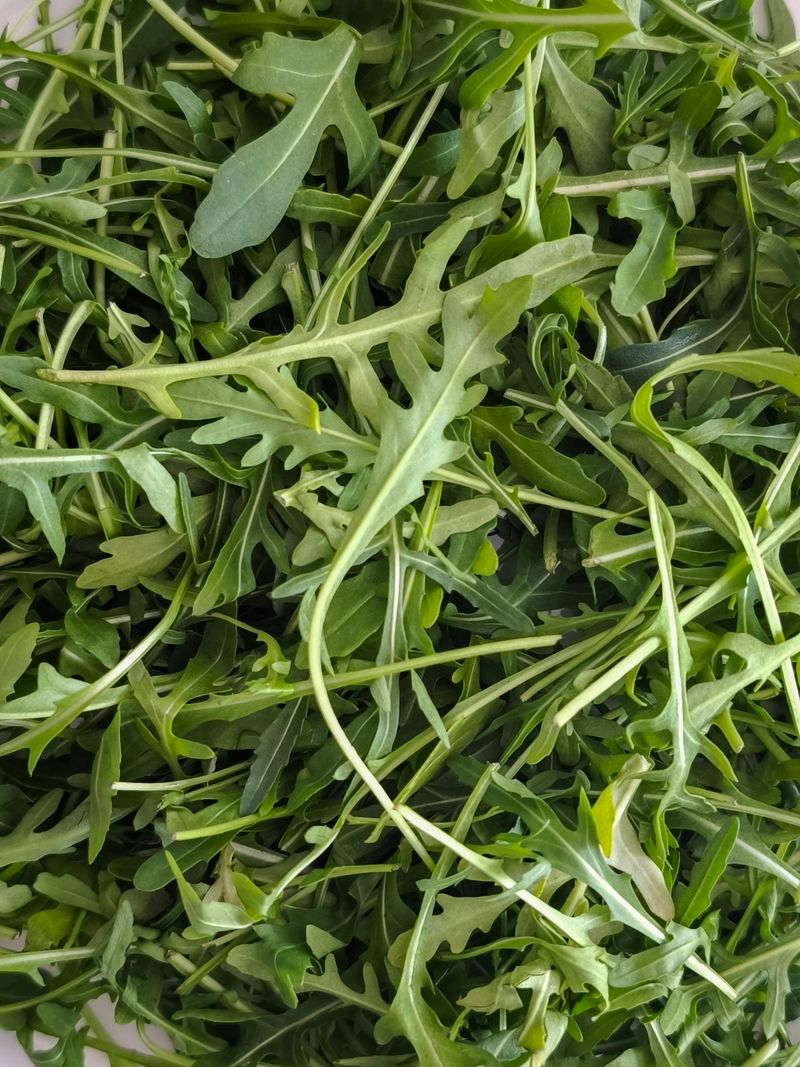
A handful of freshly cut arugula can transform a simple salad, and March offers one of the best opportunities to grow it well. This fast-growing leafy green thrives in cool conditions, making it a natural fit for early spring across North Carolina.
Soil temperatures between 40 and 65 degrees Fahrenheit support steady germination, and seedlings often emerge within a week under consistent moisture.
Direct seeding works best since arugula develops quickly and does not require transplanting. Scatter seeds lightly in prepared, well-drained soil and cover with about a quarter inch of soil.
Thinning plants to four to six inches apart encourages fuller leaf growth and reduces crowding as plants mature. Coastal Plain gardeners can often begin in late February or early March, while Piedmont and Mountain growers typically plant by mid-March once soil becomes workable.
Full sun supports compact growth early in the season, though light afternoon shade can help extend harvests as temperatures warm. Regular cutting of outer leaves encourages continued production, and successive sowings every two to three weeks can keep fresh greens coming through the cooler part of spring.