The Easy Way To Grow Dracaena Indoors In Arizona Homes
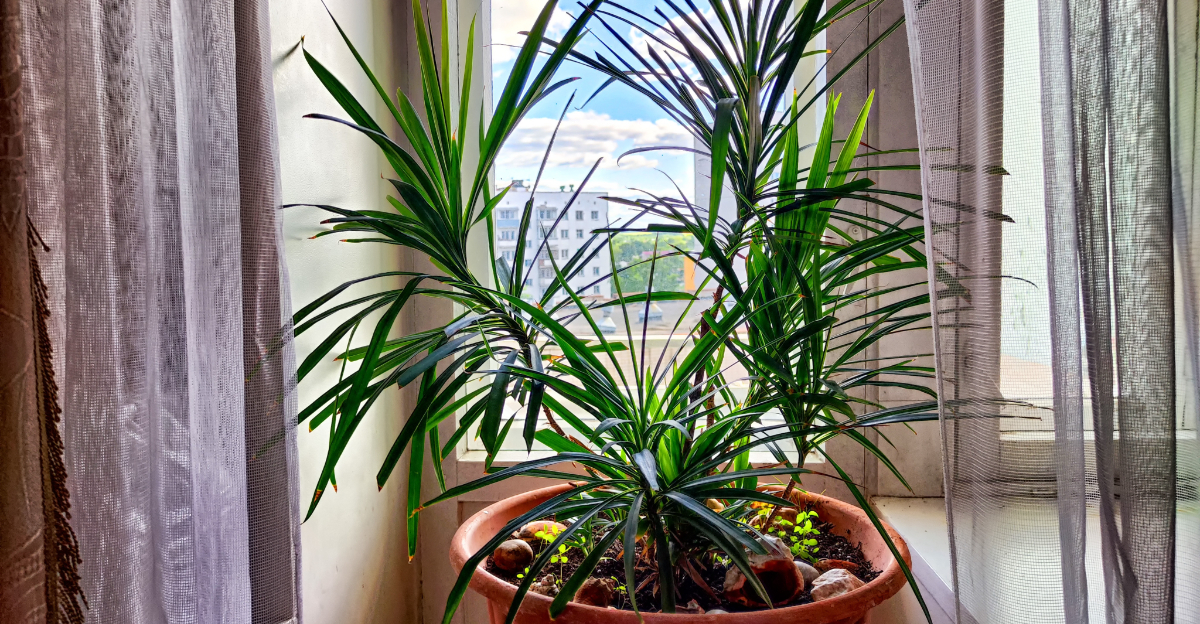
Dry air, blasting AC, and bright desert light can make houseplants struggle fast, especially inside Arizona homes. Crispy tips, faded color, and slow growth frustrate even people who genuinely try to care for their plants.
There is a simple way to grow dracaena indoors in Arizona homes without turning plant care into a daily chore.
This plant handles dry air better than most, tolerates imperfect watering, and keeps its bold, upright shape even under strong indoor light.
A smart spot near filtered light and a steady but not excessive watering routine change everything.
Dracaena rewards restraint rather than constant attention, which makes it ideal for busy households that still want greenery that looks polished and healthy year round.
1. Bright Indirect Light Works Better Than Harsh Window Sun
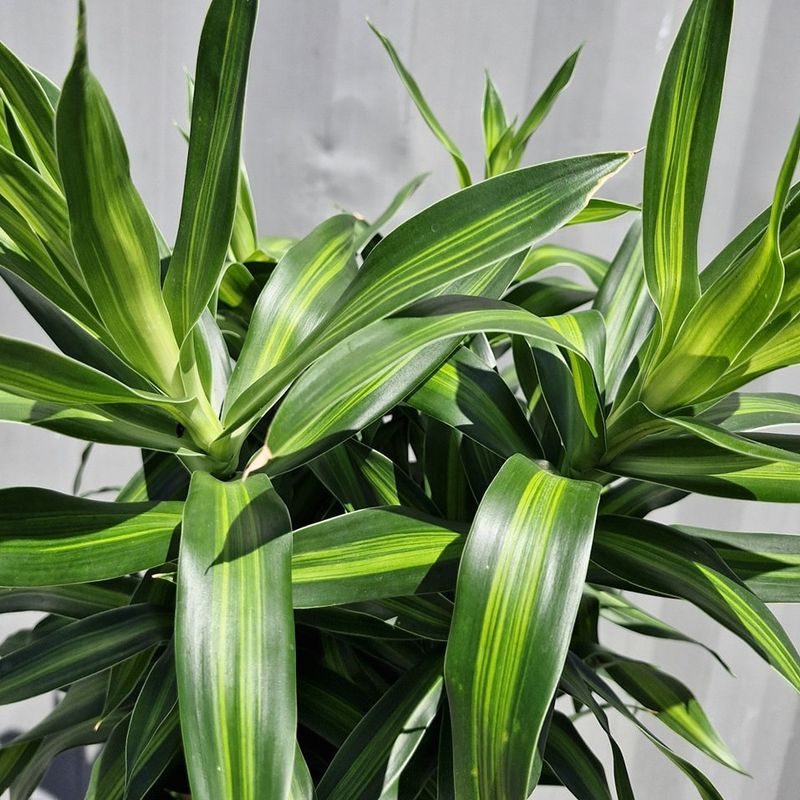
Placing a Dracaena directly in a south-facing Arizona window sounds logical, but it can scorch the leaves fast.
Full desert sun blasting through glass is far more intense than most people expect, and Dracaena leaves will bleach out, curl, or develop brown patches within days.
Pull the plant back a few feet from any window that gets direct afternoon sun. A sheer curtain does wonders here, especially in Phoenix and Scottsdale where summer sun angles are brutal even indoors.
East-facing windows in Arizona homes are often the sweet spot, delivering gentle morning light without the harsh midday intensity.
Dracaena handles lower light better than most people realize. If your home tends to be darker during winter months, the plant will slow down but stay stable.
Avoid dark hallways or rooms with no windows at all, because the plant needs some natural light to stay healthy over time.
Rotating the plant every couple of weeks helps it receive balanced exposure on all sides. Without rotation, growth tends to lean heavily toward the light source, which can make the plant look lopsided over time.
A simple quarter turn every week or two solves that problem completely.
In Arizona, the combination of intense outdoor sun and dry indoor air means light management really matters. Getting the light balance right from the start will save you a lot of trouble and keep those long, striped leaves looking sharp and healthy all year long.
2. Why Arizona Tap Water Can Cause Brown Leaf Tips
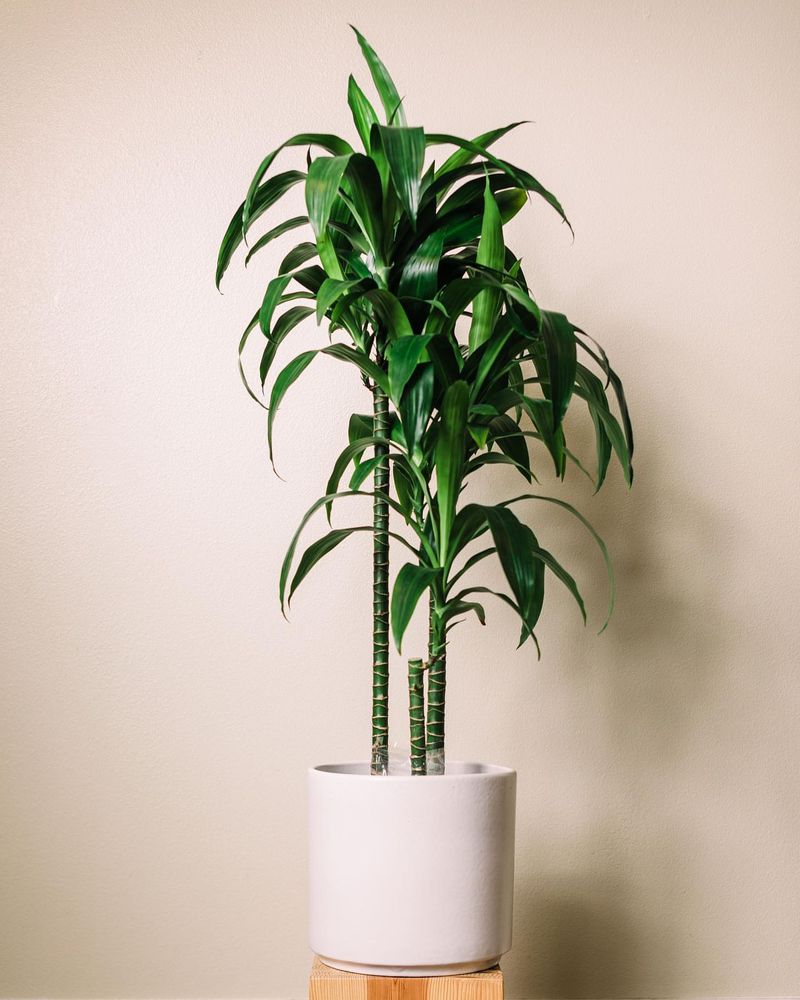
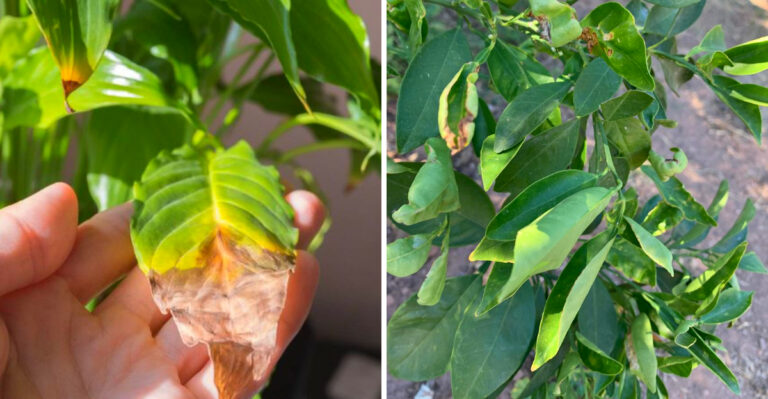
Brown leaf tips on Dracaena are almost a rite of passage for Arizona plant owners, and tap water is usually the reason.
Phoenix and Tucson municipal water is loaded with fluoride, chlorine, and dissolved minerals that build up in the soil over time and stress the plant’s root system.
Dracaena is particularly sensitive to fluoride. Unlike many houseplants that tolerate it, Dracaena reacts by developing those crispy brown tips that spread slowly inward if the problem is not addressed.
It is not a watering frequency issue in most cases. It is a water quality issue.
Switching to filtered water or letting tap water sit uncovered overnight before watering can help significantly. The overnight method allows chlorine to off-gas, though it does not remove fluoride entirely.
Your Arizona Garden Changes Every Week. Your Plan Should Too.
Gardening in Arizona changes quickly throughout the season. Every Friday you’ll receive a simple weekly plan showing exactly what to plant, prune, fertilize, harvest, and protect so you never miss the right timing.
A simple pitcher filter works well for most Arizona households and costs very little to maintain.
Collected rainwater is another excellent option, especially during Arizona’s summer monsoon season. Rainwater has a naturally low mineral content and Dracaena responds to it noticeably well.
Keep a small collection bucket outside during monsoon months and you will have a free water source your plants will love.
Flushing the soil every few months with a large amount of filtered water helps rinse out accumulated mineral salts before they cause serious root stress.
Pour water slowly until it drains freely from the bottom, then let the pot dry out before the next regular watering.
This simple habit keeps Arizona-grown Dracaena looking clean and healthy.
3. Let The Soil Dry Slightly Before Watering Again
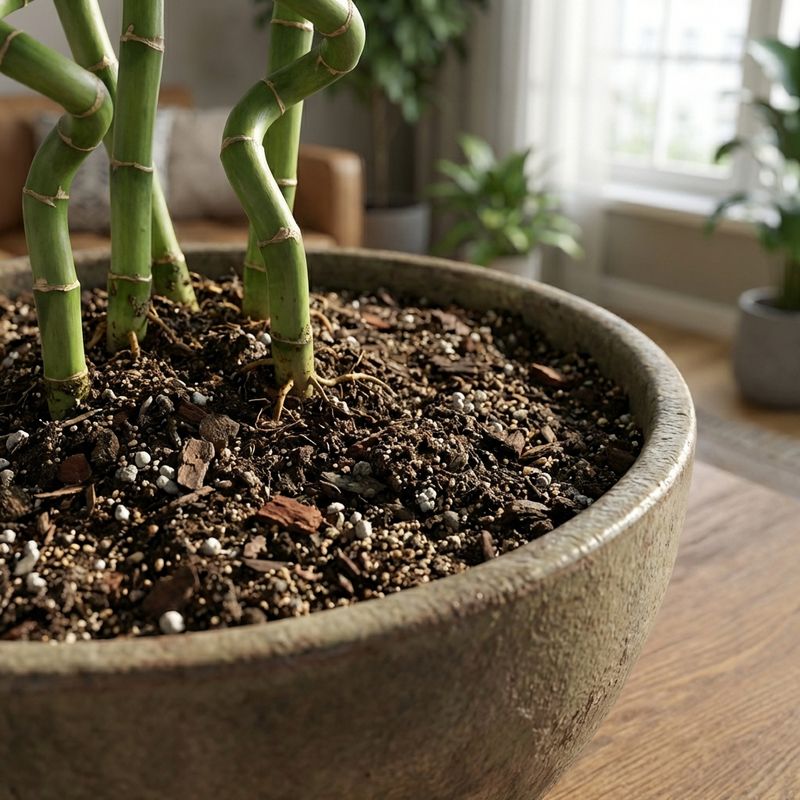
Overwatering is the number one way people accidentally harm Dracaena indoors, and it happens even more easily in Arizona than in other states.
You might expect the dry desert air to mean the plant needs constant water, but that is not how it works with this particular plant.
Dracaena stores water in its thick stems and roots, which means it can tolerate short dry periods without any real stress. Watering before the top inch or two of soil has dried out is where things go wrong.
Soggy soil suffocates roots and leads to rot that is hard to reverse.
Stick your finger about two inches into the soil before reaching for the watering can. If it still feels damp or cool, wait another two or three days and check again.
During Arizona summers, the soil dries faster because indoor temperatures run higher, so you may water more frequently in July and August than in December.
Use room-temperature filtered water and pour it evenly across the soil surface until it drains from the bottom. Empty the saucer after about thirty minutes so roots are never sitting in standing water.
That pooled water at the bottom is where root rot quietly starts.
During winter months in Arizona, indoor heating systems can dry the air significantly, but the plant’s growth slows down and its water needs drop.
Cutting back to watering every ten to fourteen days in winter is usually the right rhythm for most Dracaena varieties kept indoors across the Phoenix metro area.
4. Low Humidity Is Fine But Avoid AC Vents And Heat Blasts
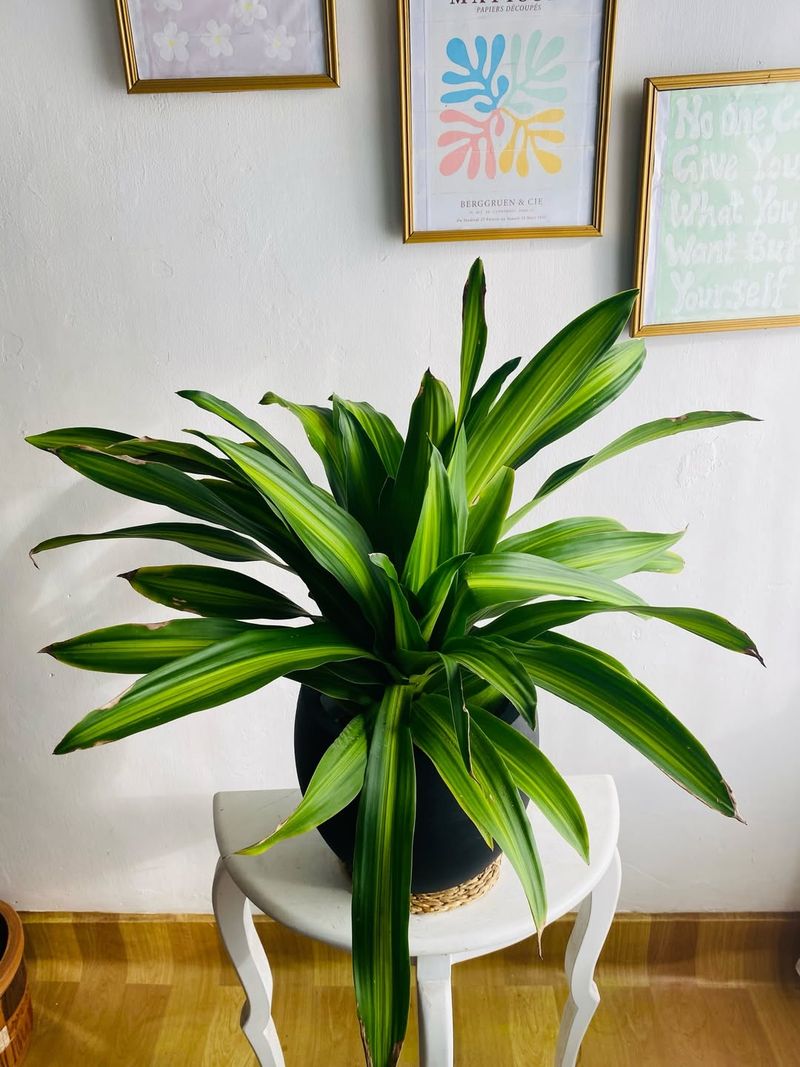
Arizona’s humidity levels are famously low, sometimes dropping below ten percent during spring and early summer. Plenty of tropical houseplants struggle hard in that environment, but Dracaena handles dry air better than most people expect.
It is not a humidity-dependent plant.
What does cause real problems is placing the plant directly under or next to an air conditioning vent.
Arizona homes run AC almost constantly from April through October, and that constant blast of cold, moving air stresses Dracaena leaves in a way that low humidity alone never does.
Leaf tips brown faster, and the plant can develop a stressed, dull appearance.
Keep at least three to four feet of distance between any Dracaena and an AC vent or wall unit. The same rule applies to heating vents in winter.
Forced air of any temperature dries out leaf tissue faster than the surrounding room air does, and the plant cannot compensate quickly enough.
If your home runs particularly dry in summer, a small humidifier nearby can help but is not required. Grouping Dracaena with other houseplants also creates a small pocket of slightly higher humidity around the leaves through natural transpiration.
It is a simple trick that costs nothing.
Misting the leaves occasionally with filtered water works as a short-term measure, but the effect does not last long in Arizona’s dry climate.
Wiping the leaves with a damp cloth every couple of weeks is more useful because it removes dust and allows the plant to absorb light more efficiently throughout the day.
5. Choose A Pot With Excellent Drainage From The Start
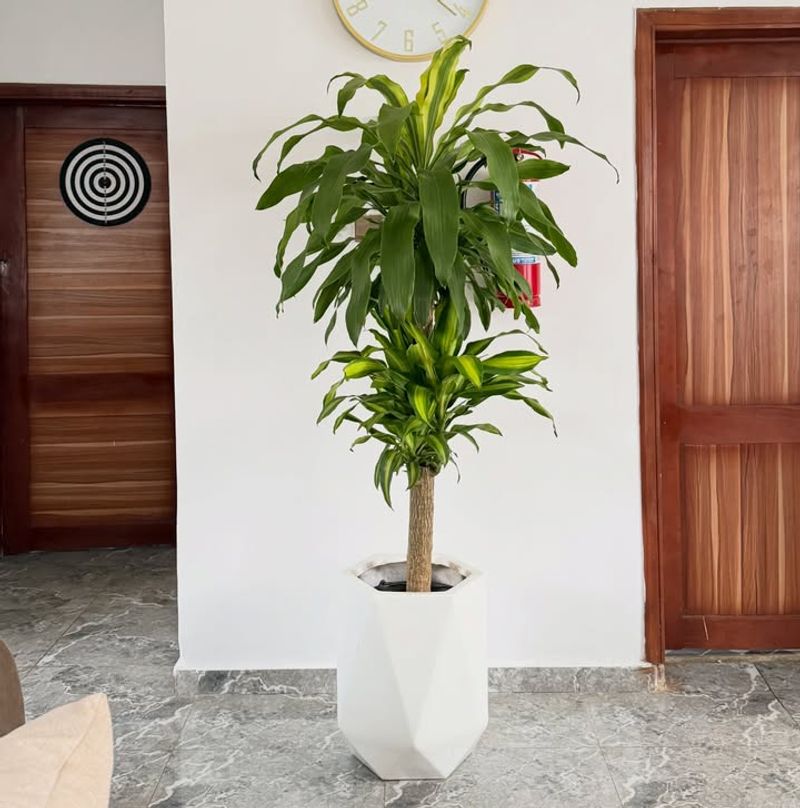
Pot choice matters more than most beginner plant owners realize, and in Arizona’s indoor climate, drainage is the single most important factor. A beautiful pot with no drainage hole is a recipe for root rot, no matter how carefully you water.
Start with the right pot and you avoid a whole category of problems.
Terracotta pots are a popular choice for Arizona homes because they are porous and allow excess moisture to evaporate through the sides.
That breathability is genuinely helpful in a climate where you might accidentally overwater, especially if you are new to growing Dracaena.
Plastic pots retain moisture longer, which is fine as long as there are drainage holes at the bottom.
When repotting, choose a new container only one to two inches wider than the current root ball. Going too large too fast fills the pot with extra soil that holds moisture the roots cannot access quickly, which increases rot risk.
Gradual sizing up keeps the root-to-soil ratio balanced.
A thin layer of perlite or coarse sand mixed into the potting soil improves drainage noticeably.
Standard indoor potting mix alone can hold more water than Dracaena prefers, especially during Arizona’s cooler winter months when the plant slows down and uses less water overall.
Placing a layer of small stones at the very bottom of the pot is actually a common myth that can backfire by creating a perched water table. Skip the stones and focus instead on quality well-draining soil mix and a pot with at least one solid drainage hole at the bottom.
6. Slow Growth In Winter Is Normal Indoors
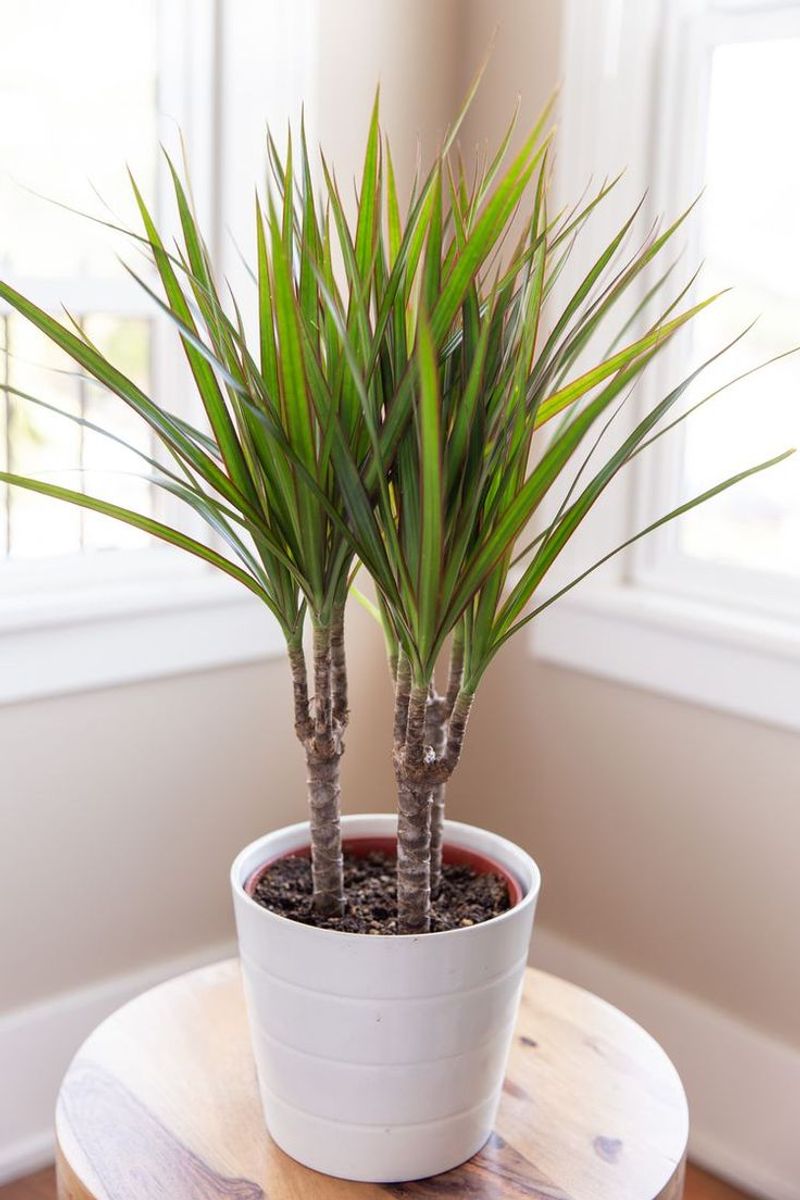
Arizona winters are mild compared to most of the country, but indoor Dracaena still slows down noticeably between November and February. New leaves stop appearing, existing leaves hold steady, and the whole plant seems to pause.
That is completely normal and not a sign that anything is wrong.
Shorter daylight hours are the main driver of this seasonal slowdown. Even in Phoenix or Mesa where winter temperatures stay comfortable, the reduced hours of natural light tell the plant to conserve energy.
Trying to push growth during this period by adding fertilizer or increasing water usually causes more harm than good.
Hold off on fertilizing entirely from November through February. Feeding a plant that is not actively growing leads to salt buildup in the soil, which adds to the already common mineral problem Arizona tap water creates.
Resume a light feeding schedule in March when daylight hours begin increasing again.
Watering frequency should drop during winter. Even with Arizona’s dry indoor heating running regularly, the plant simply is not moving as much water through its system.
Checking the soil every ten days rather than every week is a better rhythm for most Dracaena varieties during this period.
Resist the urge to move the plant to a brighter spot out of frustration with slow growth. Stability matters more in winter than extra light.
Dracaena bounces back reliably in spring, often pushing out several new leaves in quick succession once daylight hours extend past twelve hours in the Arizona spring months.
7. Rotate The Plant To Keep Growth Even And Upright
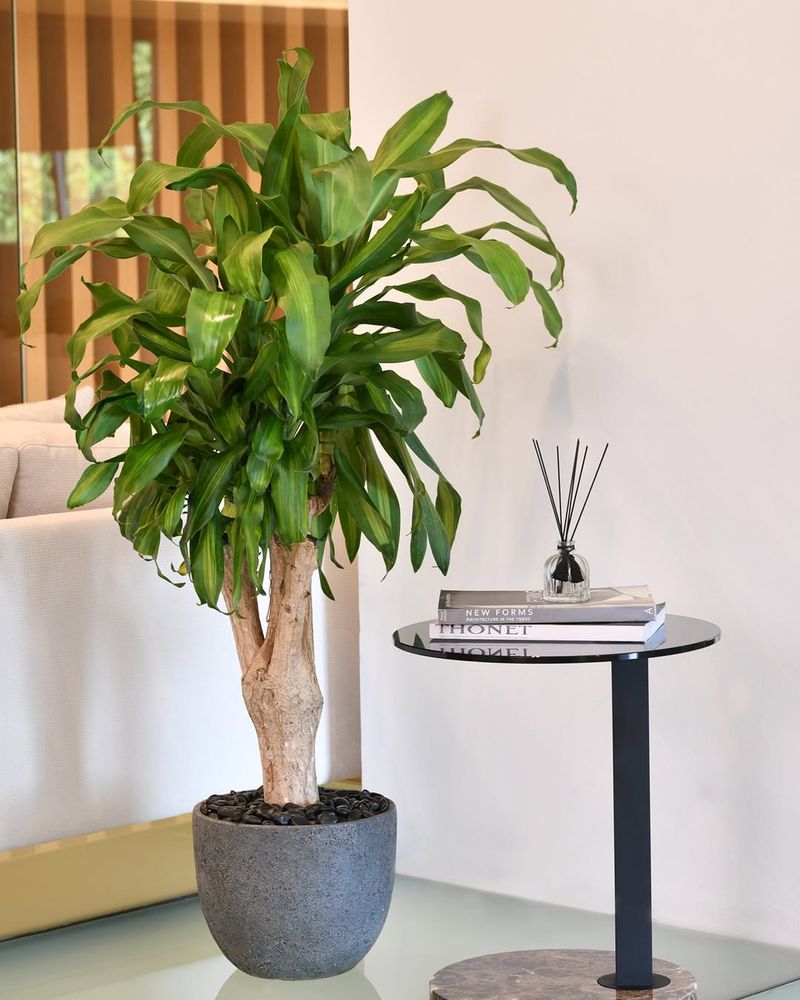
Dracaena has a quiet but persistent habit of growing toward its light source, and in Arizona homes where windows are often covered with blinds or sheer curtains to block heat, the light tends to come from one direction more than others.
Over a few weeks, that one-sided growth becomes obvious.
A quarter turn every seven to ten days is all it takes to keep the plant growing straight and evenly. It sounds almost too simple, but this one habit makes a real visual difference over the course of a few months.
Plants that never get rotated often develop a distinct lean that becomes harder to correct the longer it goes on.
Set a reminder on your phone if you tend to forget. Pairing the rotation with another weekly task, like watering or dusting the leaves, makes it easy to build into a routine without overthinking it.
Consistency beats perfection here.
For taller Dracaena varieties like Dracaena marginata or Dracaena fragrans, uneven growth can also affect the structural balance of the cane.
Canes that grow heavily to one side can start to curve in ways that are difficult to reverse once the woody stem sets in that position.
In Arizona homes with strong south or west-facing windows, the intensity of light coming through one side of the room is significantly stronger than the other.
Regular rotation ensures every part of the plant gets its fair share of that light, resulting in fuller, more balanced foliage that looks intentional rather than accidental.
It is one of the easiest habits you can build as a plant owner.