The Shrubs Georgia Gardeners Should Inspect For Winter Damage
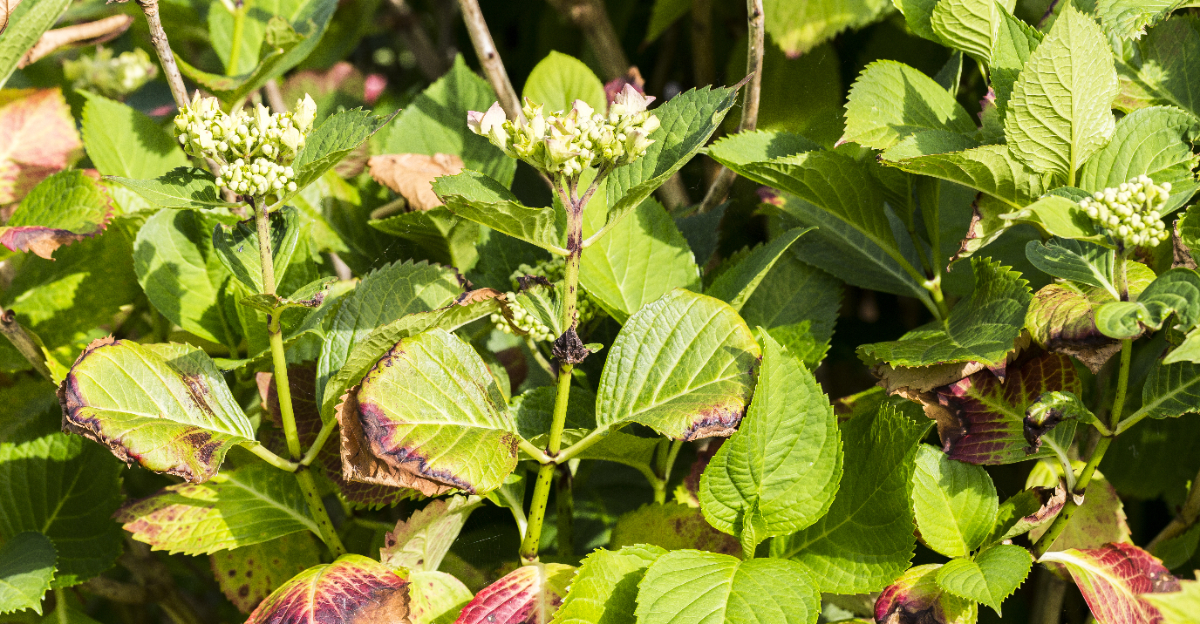
Winter damage rarely announces itself loudly in Georgia landscapes, yet the signs are often there if you look closely. A shrub may appear intact from a distance while hiding split bark, lifeless tips, or branches that never push new growth.
Sudden freezes and temperature swings can stress certain plants more than others, especially those that stayed active too late into the season.
Leaving that damage untouched can weaken structure, reduce blooms, and open the door to disease just as growth accelerates.
Checking vulnerable plants before spring fully unfolds allows you to correct small issues early, protect overall shape, and give your landscape a stronger, healthier start to the season.
1. Hydrangeas Often Lose Flower Buds After Late Freezes
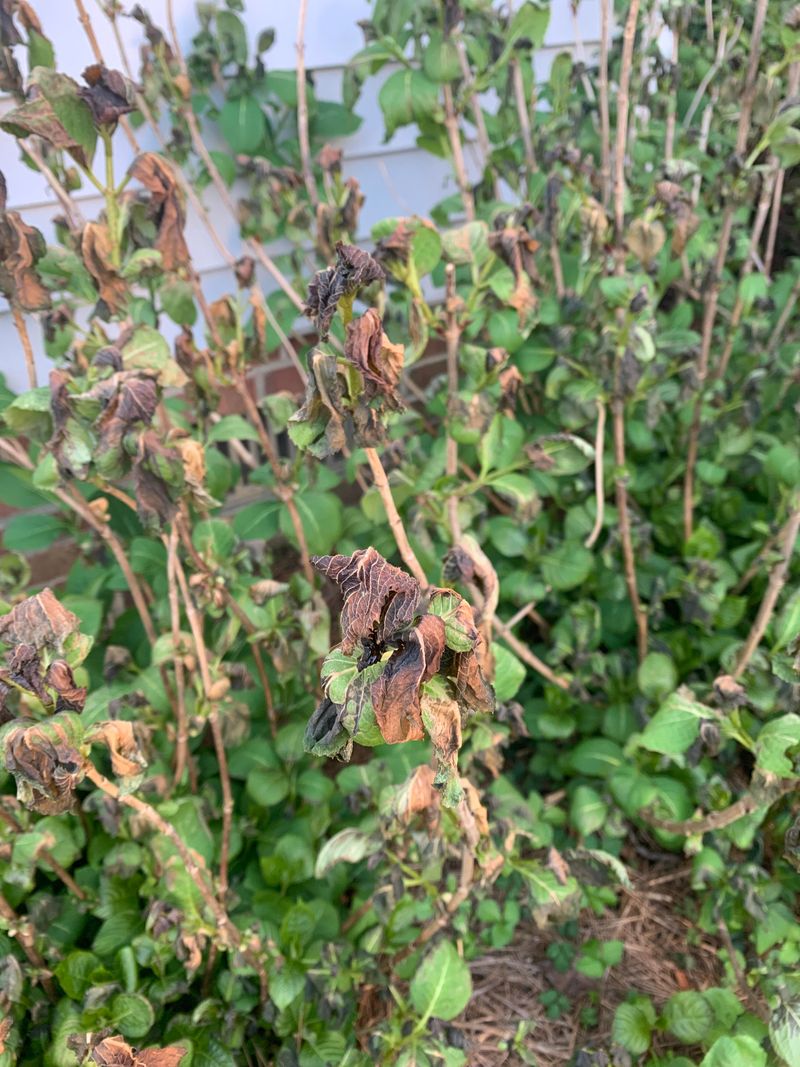
Late March freezes are brutal for hydrangeas across Georgia. The flower buds that formed last summer sit exposed on branch tips all winter, and when temperatures drop below 28 degrees after they’ve started swelling, those buds turn brown and won’t open.
You’ll see the damage clearly because healthy buds look plump and green while frozen ones appear shriveled and dark.
Big-leaf hydrangeas suffer most because they bloom on old wood. One bad freeze can wipe out an entire season of flowers even though the plant itself survives just fine.
Oakleaf and smooth hydrangeas handle cold better since they bloom on new growth, so even if buds freeze, fresh stems will produce flowers later.
Check your plants by gently scraping a bud with your thumbnail. Green tissue underneath means it’s alive, but brown all the way through indicates it’s done.
Don’t rush to prune because more cold weather might arrive. Wait until forsythia blooms in your area, then cut back to healthy wood.
Protect plants next year by mulching heavily around the base in late fall and wrapping smaller shrubs with burlap during predicted hard freezes. Location matters too.
Hydrangeas planted on the north or east side of your house face fewer temperature swings than those in full southern exposure where warm days trick buds into breaking dormancy too early.
If a freeze has already damaged the buds, focus on keeping the plant healthy with consistent moisture and light feeding so it can recover strong for next year.
Even without blooms, healthy foliage will rebuild energy and set the stage for a better flower show in the following season.
2. Gardenias Show Leaf Burn When Cold Winds Hit
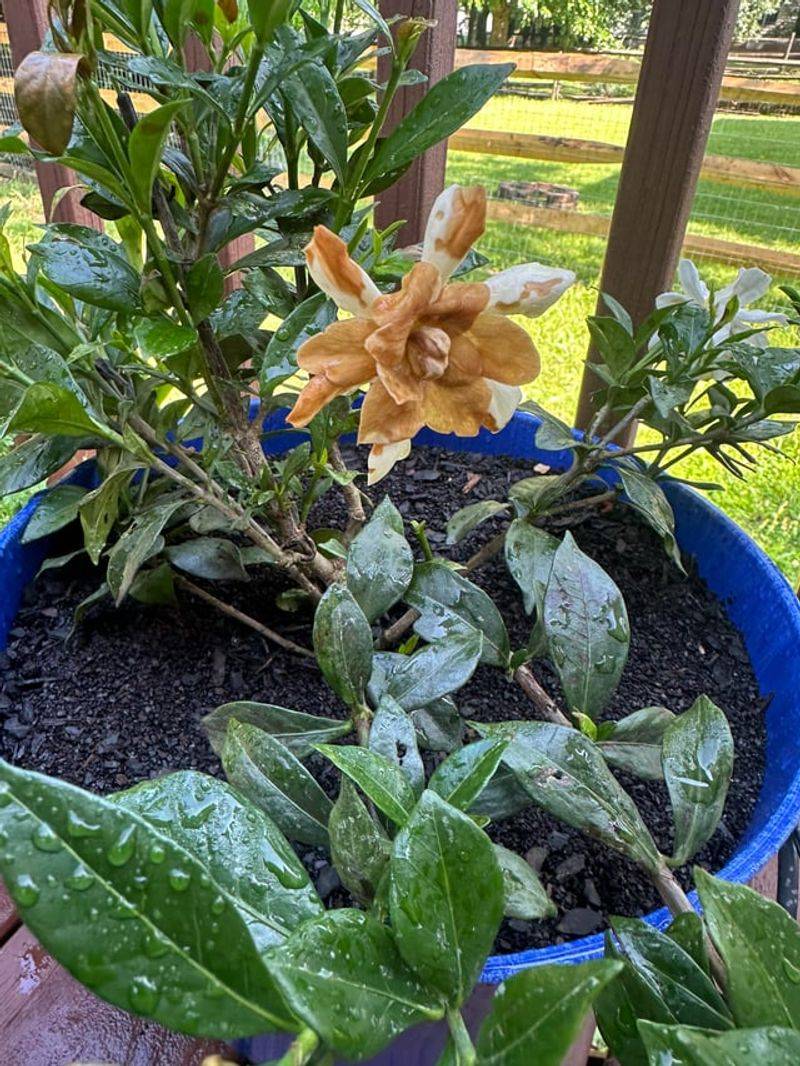
Wind damage looks different from freeze damage on gardenias. Cold air rushing past leaves pulls moisture out faster than roots can replace it, especially when the ground is frozen.
Leaves develop brown edges and tips that look crispy, and the damage usually appears worse on the side facing prevailing winds. North Georgia gardeners see this more often than coastal areas where temperatures stay milder.
Gardenias are borderline hardy across most of Georgia anyway. They handle brief dips to the low 20s but suffer when cold lingers or wind chill drops lower.
Damaged leaves won’t recover their green color, but the plant can push new growth if the stems stayed healthy. Scratch the bark gently with your fingernail to check.
Your Georgia Garden Changes Every Week. Your Plan Should Too.
Gardening in Georgia changes quickly throughout the season. Every Friday you’ll receive a simple weekly plan showing exactly what to plant, prune, fertilize, harvest, and protect so you never miss the right timing.
Green cambium layer underneath means that branch survived.
Timing matters for cleanup. Don’t remove damaged leaves until new growth starts because even brown foliage provides some protection for buds.
Once you see fresh green shoots emerging, prune back damaged branch tips and pull off the worst-looking leaves.
The plant will look rough for a few weeks but should fill in by summer.
Consider moving gardenias to more sheltered spots if winter damage happens repeatedly. Plant them near south-facing walls where buildings block wind and radiate stored heat at night.
Avoid low areas where cold air settles. A location that gets morning sun but afternoon shade reduces temperature stress.
Water deeply before an expected hard freeze if the soil has been dry, since hydrated plants tolerate cold better than drought-stressed ones. Add a thick layer of mulch around the root zone in late fall to insulate the soil and reduce temperature swings.
For smaller shrubs, draping frost cloth over the plant during windy cold snaps can significantly limit leaf burn and stem damage across Georgia.
3. Azalea Buds Can Brown Before Spring Even Starts
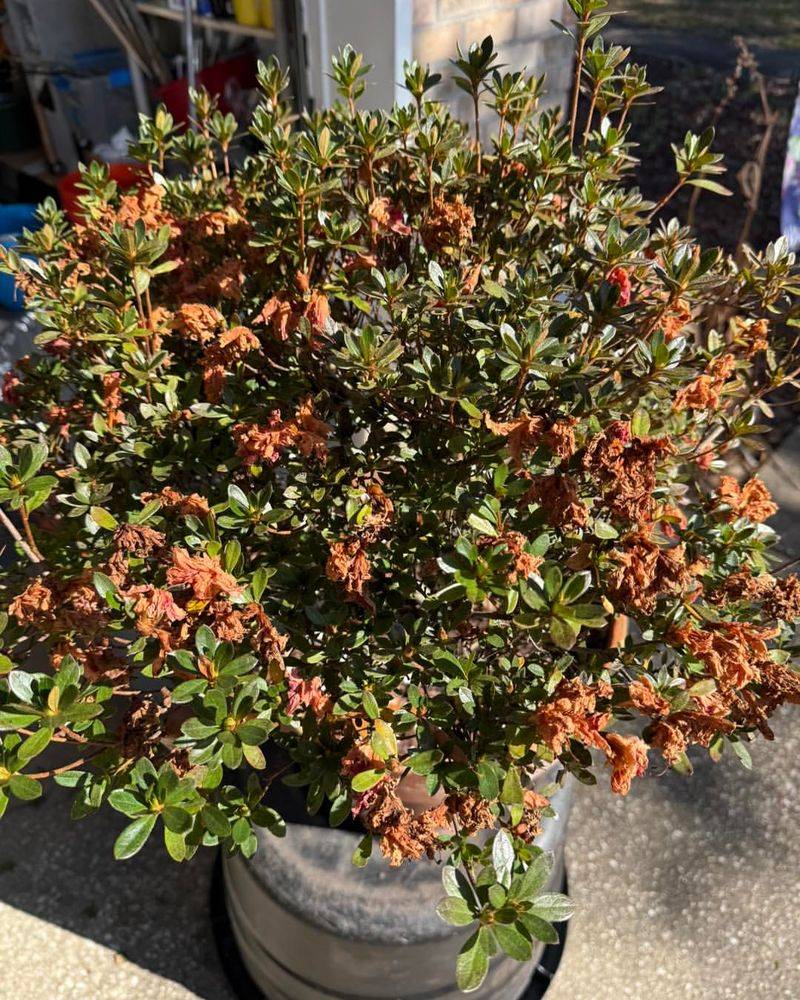
Azalea buds form in fall and sit there waiting through winter. They’re tougher than you’d think, but temperatures below 20 degrees can damage them, especially if cold arrives before plants fully hardened off.
You’ll notice brown or black buds that feel mushy when squeezed. Healthy buds stay firm and show green at the base when you peel back the scales.
Different azalea varieties handle cold differently. Native deciduous types tolerate more cold than evergreen Southern Indica azaleas that landscapers plant everywhere.
Encore azaleas fall somewhere in between. If you’re in the Atlanta area or further north, you’re more likely to see bud damage than gardeners near Savannah where hard freezes rarely happen.
Don’t panic if some buds look bad. Azaleas typically set more buds than they need, so losing a portion still leaves plenty of flowers.
The real problem occurs when entire branches turn brown, which means the wood itself froze. Scrape the bark to check.
Wait until after the last frost date to prune damaged branches. Cut back to where you see healthy tissue and leaf buds starting to swell.
Azaleas push new growth readily from older wood, so even heavily pruned plants usually recover within a season or two.
Feed them lightly with azalea fertilizer once new leaves emerge to support regrowth.
4. Loropetalum May Have Split Or Blackened Stems
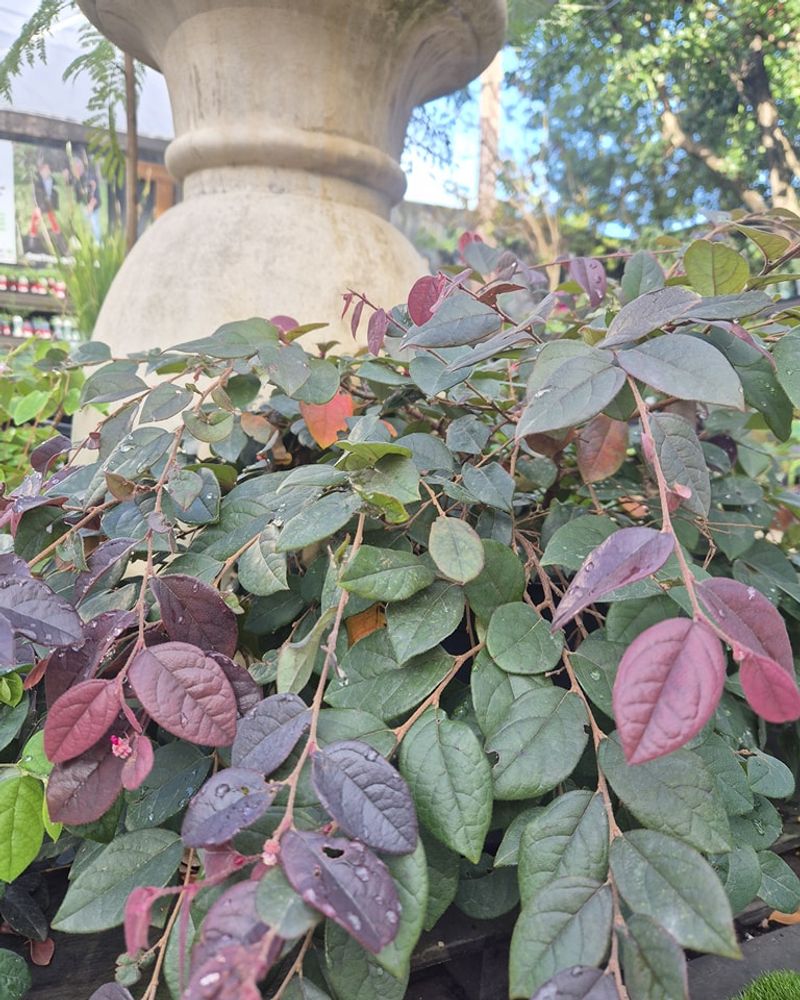
Stem splitting happens when water inside the bark freezes and expands. Loropetalum stems can crack vertically, and you’ll see the split bark peeling away from the wood underneath.
These wounds invite disease and rarely heal properly, so affected branches usually need removal. Blackened stems indicate more severe freeze damage where the cambium layer froze solid.
Purple-leaf loropetalum varieties seem slightly less cold-hardy than green forms, though both can suffer in extreme cold. Plants that received too much nitrogen fertilizer late in the growing season often sustain worse damage because they didn’t harden off properly before winter.
Younger plants with softer wood struggle more than established shrubs with thicker bark.
Check the entire plant systematically. Start at branch tips and work toward the center, bending stems gently.
Live wood flexes while frozen wood snaps. Use your pruners to scrape bark in questionable areas.
If you see bright green underneath, that section survived. Brown or gray tissue means it froze.
Prune damaged sections back to healthy wood once you’re sure no more hard freezes are coming. Loropetalum responds well to renovation pruning and can be cut back hard if necessary.
New growth emerges quickly once warm weather arrives. These shrubs grow fast in Georgia’s heat and humidity, so even severely damaged plants often recover their size within one growing season if roots stayed healthy.
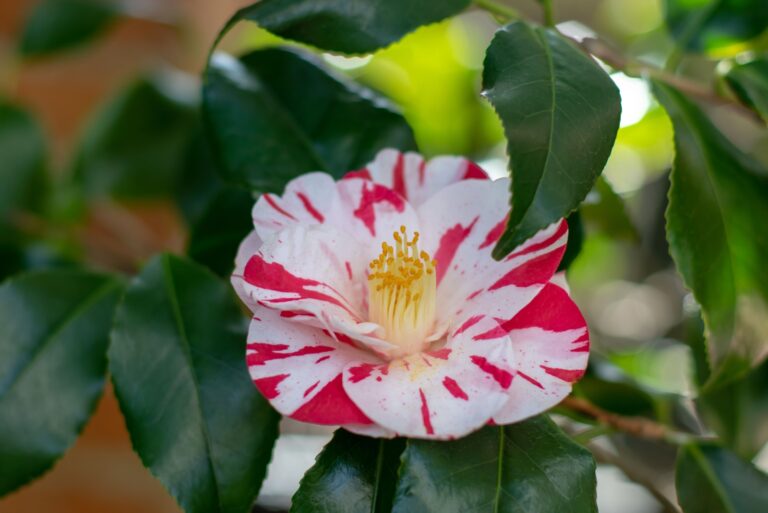
5. Camellia Blooms Sometimes Drop After Temperature Swings
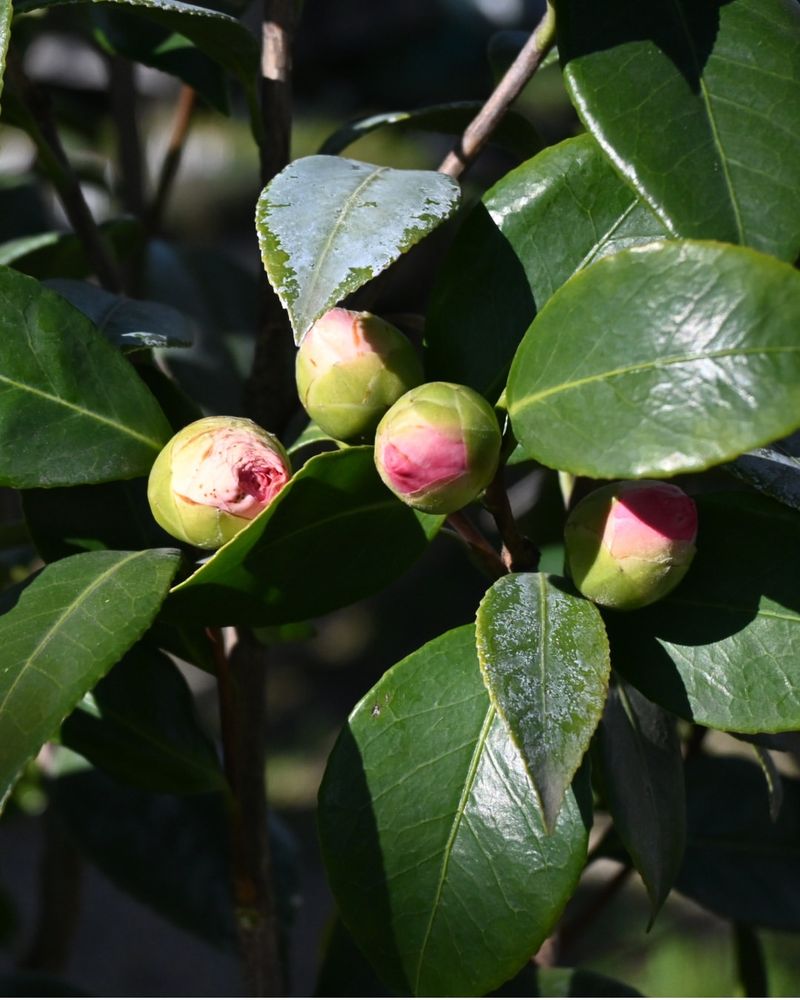
Camellias bloom right through winter in Georgia, which makes them vulnerable to temperature fluctuations.
Flowers that opened during warm spells turn brown and drop when temperatures plunge overnight.
You’ll find a carpet of ruined blooms under the plant, but this doesn’t necessarily mean the shrub itself suffered damage. Flower loss is frustrating but not dangerous to the plant’s health.
Buds that haven’t opened yet might survive cold snaps better than open flowers, depending on variety and how low temperatures dropped. Sasanqua camellias bloom earlier in fall and usually finish before the worst cold arrives.
Japonica types flower later and face more risk from January and February freezes. Check buds by feeling them gently.
Mushy brown buds won’t open, but firm ones with green color at the base should bloom once weather warms.
Leaf damage is a bigger concern than lost flowers. Brown leaf edges or entire leaves turning bronze indicate cold stress.
Camellias are evergreen, so damaged foliage stays visible all winter looking ugly. The plant will eventually drop damaged leaves and replace them, but it takes time.
Don’t pull off brown leaves prematurely because they still provide some protection.
Camellia roots are shallow and vulnerable to freeze damage in exposed areas. Mulch heavily around the base to insulate roots.
A four-inch layer of pine straw or shredded leaves helps considerably. Water plants well before predicted freezes because moist soil holds heat better than dry soil.
6. Roses Commonly Have Cane Tip Damage In Early March
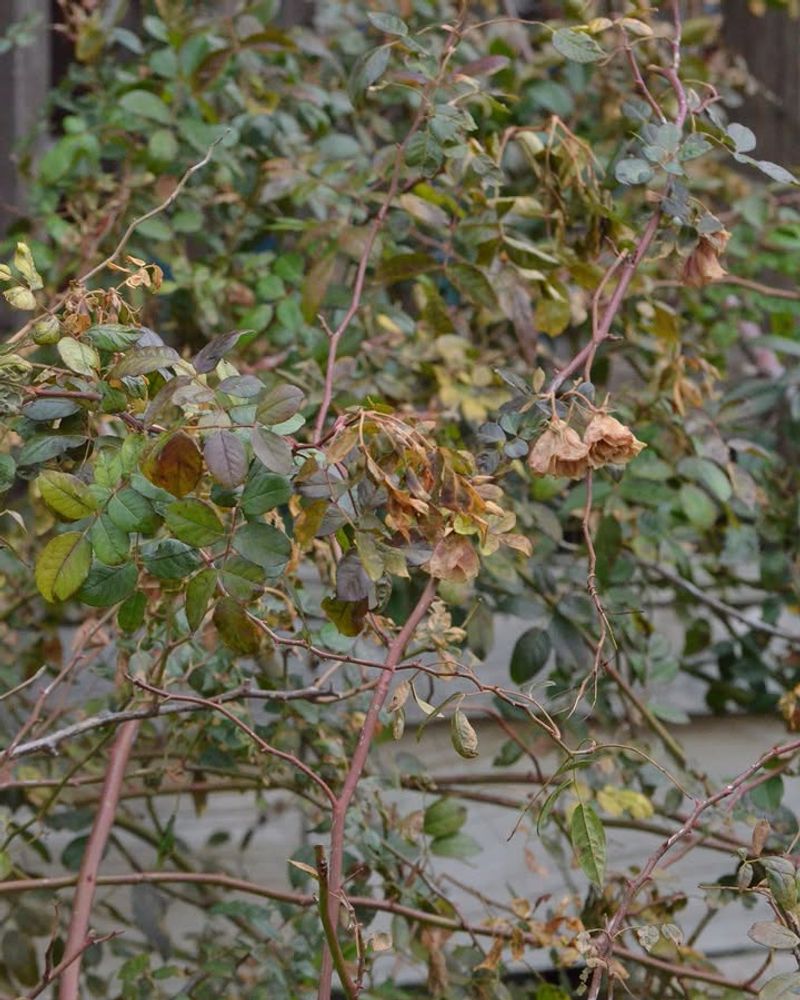
Rose canes often have damaged tips after winter even in mild Georgia climates. The youngest, softest growth at branch ends freezes first, turning brown and shriveling.
This happens because that tissue didn’t fully mature before cold weather arrived. You might see tip damage ranging from just an inch or two on hardy roses to several feet on tender tea roses that barely survive Georgia winters.
Hybrid tea roses and floribundas struggle more than shrub roses or old garden rose varieties. Those modern hybrids were bred for flower size and color, not cold hardiness.
If you grow them in North Georgia, expect some tip damage most winters. Knock Out roses and other landscape shrub roses handle cold much better and typically show minimal damage.
Wait until forsythia blooms to prune roses in Georgia. Cutting too early removes protection from later cold snaps, and you can’t always tell how far damage extends until buds start swelling.
Once growth begins, prune each cane back to the first outward-facing bud above green wood. Make cuts at a 45-degree angle about a quarter inch above the bud.
Brown pith in the center of canes indicates freeze damage or possible cane borer activity. Cut further down until you see clean, white or cream-colored pith.
Make clean, angled cuts and monitor plants for signs of borers in spring. Feed roses after pruning with a balanced fertilizer to push new growth.
Most roses recover quickly and bloom well despite losing some height to winter damage.
7. Crape Myrtle Can Hide Winter-Damaged Branch Ends
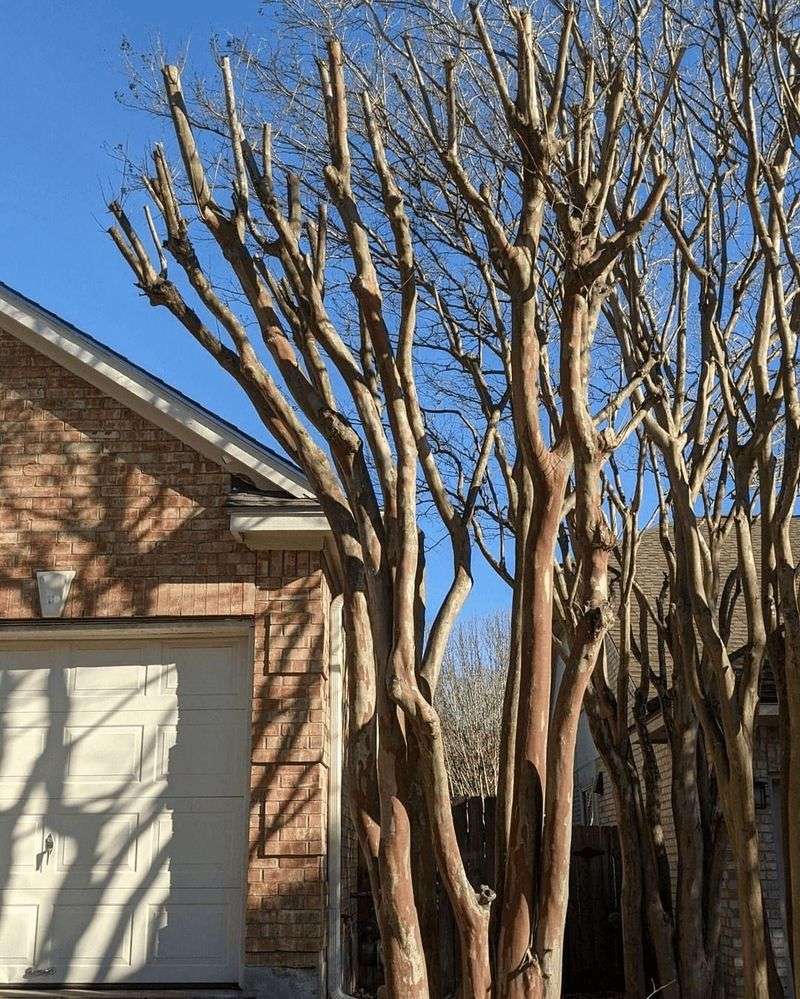
Crape myrtles leaf out late in Georgia, which makes it hard to identify winter damage early. Branches that froze look fine from a distance until everything else greens up and certain tips stay bare and gray.
The damage might not become obvious until May when you realize some branches never pushed leaves.
Younger plants and recently planted crape myrtles suffer more than established trees with thick bark.
Cold damage on crape myrtles typically affects branch tips and sometimes entire small branches. The trunk and main limbs usually survive unless temperatures dropped below 10 degrees, which rarely happens except in the mountains.
Scratch the bark with your thumbnail to check. Living tissue shows green underneath while frozen wood appears brown and feels dry.
Resist the urge to prune crape myrtles early. Many Georgia gardeners make the mistake of cutting too soon, only to remove wood that would have leafed out later.
Wait until you see clear signs of new growth in mid to late spring, then prune back only to healthy green tissue.
If an entire small branch fails to leaf out, remove it cleanly where it meets living growth. Avoid heavy topping, which weakens structure and reduces summer blooms.
Established crape myrtles in Georgia usually bounce back well once consistent warmth returns.
8. Abelia Often Shows Patchy Outer Growth Damage
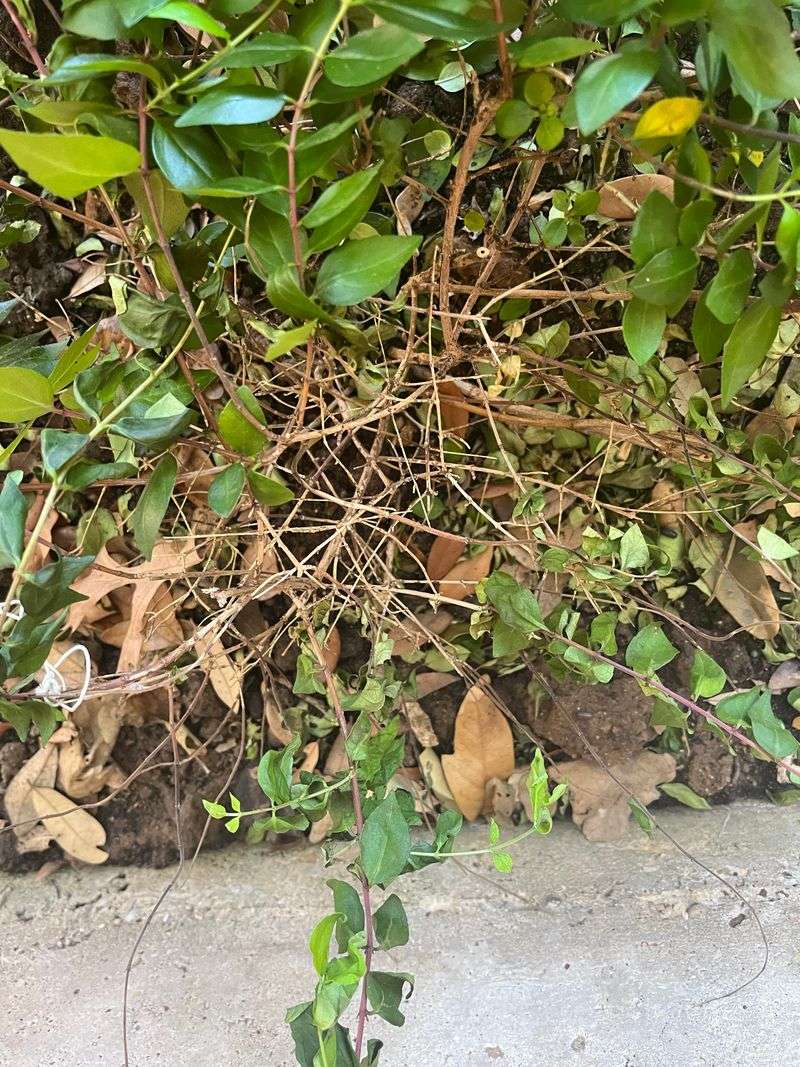
Abelia damage looks patchy because the outer growth freezes while inner branches stay protected. You’ll see brown foliage on branch tips and the outside of the shrub while the interior stays green.
This happens because exposed growth faces wind and temperature extremes while the dense center stays insulated. The contrast makes plants look spotty and unattractive until new growth covers the damage.
Glossy abelia tolerates cold fairly well and usually survives Georgia winters without major problems. Temperatures need to drop into the teens before significant damage occurs.
Variegated varieties like ‘Kaleidoscope’ seem slightly more sensitive than plain green types. Plants growing in full sun suffer more than those in partial shade where buildings or other plants provide wind protection.
Don’t prune abelia until new growth starts in spring. The damaged brown leaves provide some protection for buds underneath.
Once you see fresh green shoots emerging, cut back damaged tips to healthy wood. Abelia responds well to shearing and can be trimmed into shape once growth resumes.
These shrubs grow vigorously in Georgia’s warm season and quickly cover up winter damage.
Consider abelia’s location if damage happens repeatedly. Moving plants to spots with more protection helps them survive cold snaps better.
East-facing locations work well because they get gentle morning sun but avoid hot afternoon exposure.
Mulch plants heavily each fall to protect roots and help moderate soil temperature swings during winter.