8 Early Season Native Flowers That Help Georgia Bees Thrive
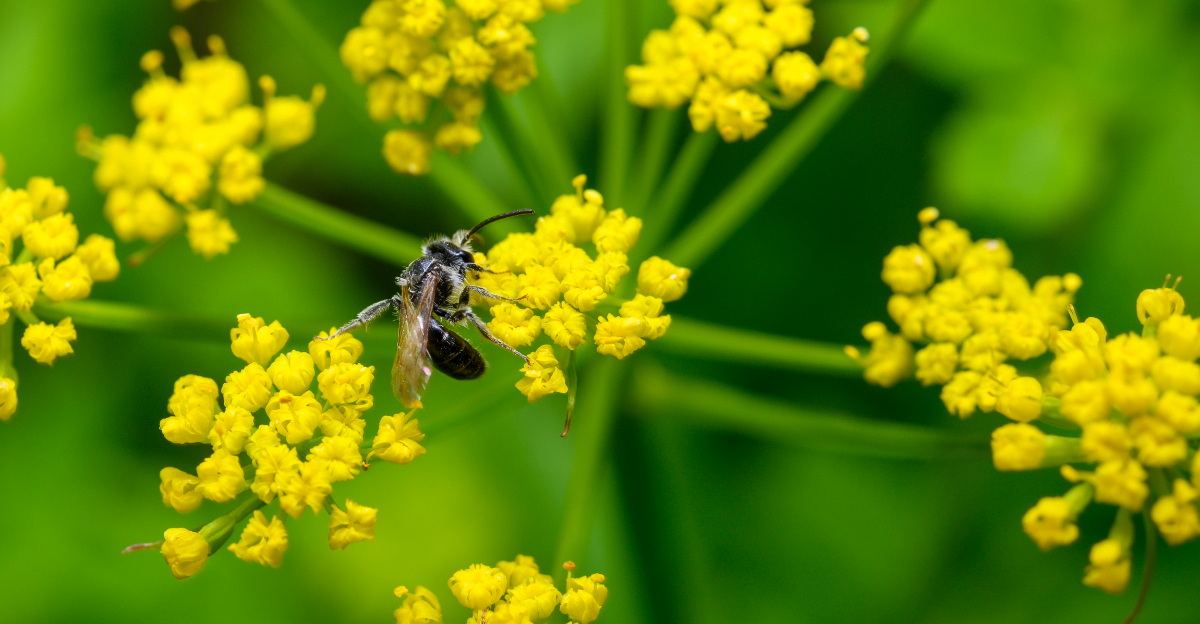
By the time most gardens start showing color, bees have already been working for weeks. Those first mild days trigger activity fast, and without dependable blooms available, pollinators burn energy searching for food that simply is not there.
That quiet gap at the start of the season can shape how strong local bee populations remain through spring and summer. Choosing plants that bloom early and naturally belong in Georgia’s landscape changes that equation.
Hardy native species handle cool nights, unpredictable weather, and shifting temperatures while offering steady nectar and pollen.
Filling that early bloom window not only supports pollinators at a critical time, it also brings life and movement back into your yard sooner than you might expect.
1. Eastern Red Columbine Feeds Bees When Little Else Is Blooming
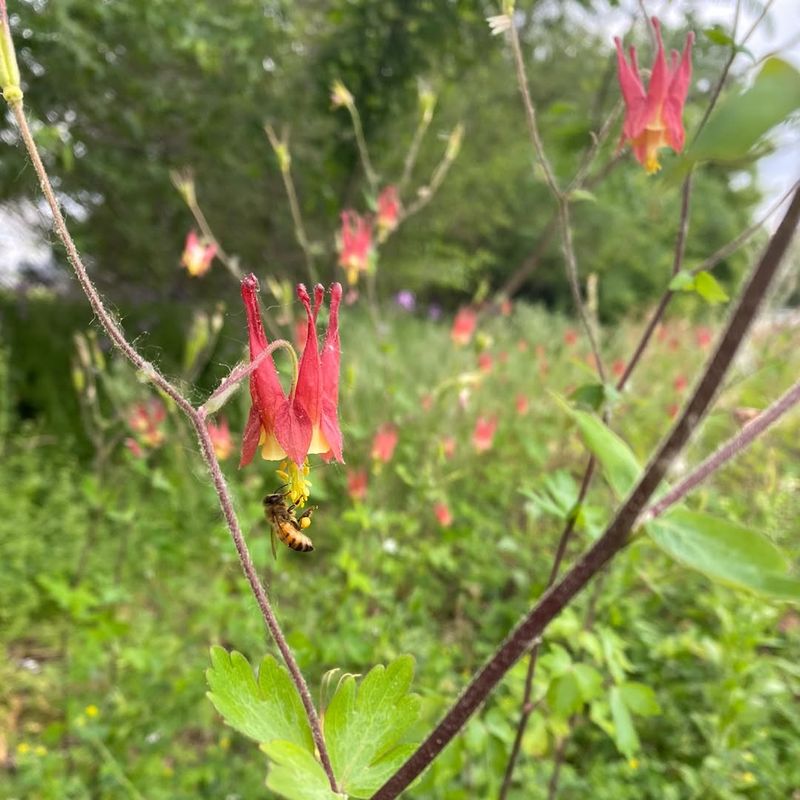
Hummingbirds get most of the attention, but bumblebees work these nodding red-and-yellow flowers hard in March and April across Georgia.
The tubular shape might look like it’s built only for long beaks, but bumblebees figured out how to bite through the base to steal nectar without pollinating.
Smart, but it still counts as food when pickings are slim.
Eastern red columbine grows best in partial shade where the soil drains well. Full sun in Georgia tends to scorch the delicate foliage by June, especially in the southern counties.
Plant it under oak trees or along the north side of your house where it gets morning light but afternoon protection.
The foliage looks fernlike and stays attractive even after the flowers fade in late spring. Seeds drop and sprout nearby, so you’ll see new plants popping up in unexpected spots the following year.
Don’t fight it. Let them naturalize wherever they land, and you’ll have a self-sustaining patch within three seasons.
Columbine handles Georgia’s spring weather swings better than most early bloomers. A late frost might damage open flowers, but new buds keep coming.
Water during dry spells in the first year, then back off. It tolerates drought better than you’d expect for a woodland plant.
Avoid heavy fertilizer, which pushes soft growth and reduces flowering. A light layer of compost each spring is more than enough to keep plants steady and productive.
If clumps start thinning out after a few years, let seedlings replace older plants rather than trying to force longevity. Eastern red columbine tends to be short-lived, but it reseeds generously across Georgia when conditions suit it.
2. Wild Blue Phlox Fills Shady Gardens With Early Nectar
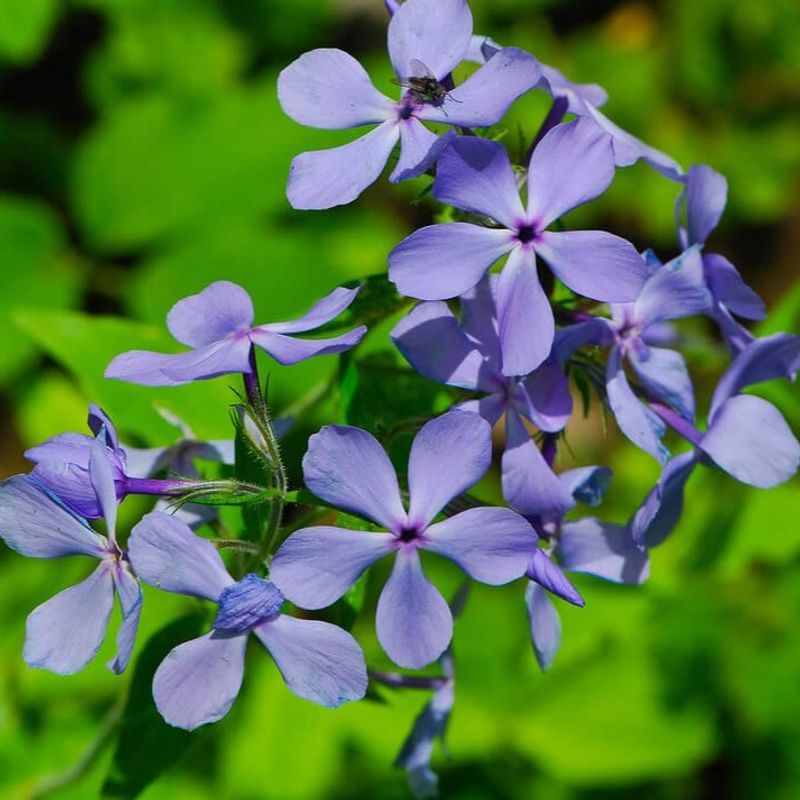
Wild blue phlox blankets shaded Georgia yards with fragrant lavender flowers from late March through May. Bees work these blooms all day long, especially when the sun breaks through the tree canopy.
The scent is noticeable from several feet away, which helps pollinators find it even in dim woodland light.
This spreader fills in bare spots under trees where grass struggles. It doesn’t choke out other plants, but it does form thick mats over time.
Pair it with ferns or hostas if you want layered texture, or let it run solo as a groundcover that actually feeds wildlife.
Your Georgia Garden Changes Every Week. Your Plan Should Too.
Gardening in Georgia changes quickly throughout the season. Every Friday you’ll receive a simple weekly plan showing exactly what to plant, prune, fertilize, harvest, and protect so you never miss the right timing.
Georgia’s clay soil doesn’t bother wild blue phlox as long as water doesn’t puddle. Amend heavy clay with compost before planting, then mulch lightly.
The roots stay shallow, so deep digging isn’t necessary. Space plants about a foot apart, and they’ll touch within two growing seasons.
Flowers fade by June, but the foliage stays green through summer if you water during extended dry spells. Cut it back in late fall or leave it standing for winter interest.
New growth emerges early in February across most of Georgia, well ahead of the blooms. Divide clumps every three or four years to keep them vigorous.
3. Lyreleaf Sage Starts Blooming Before The Heat Arrives
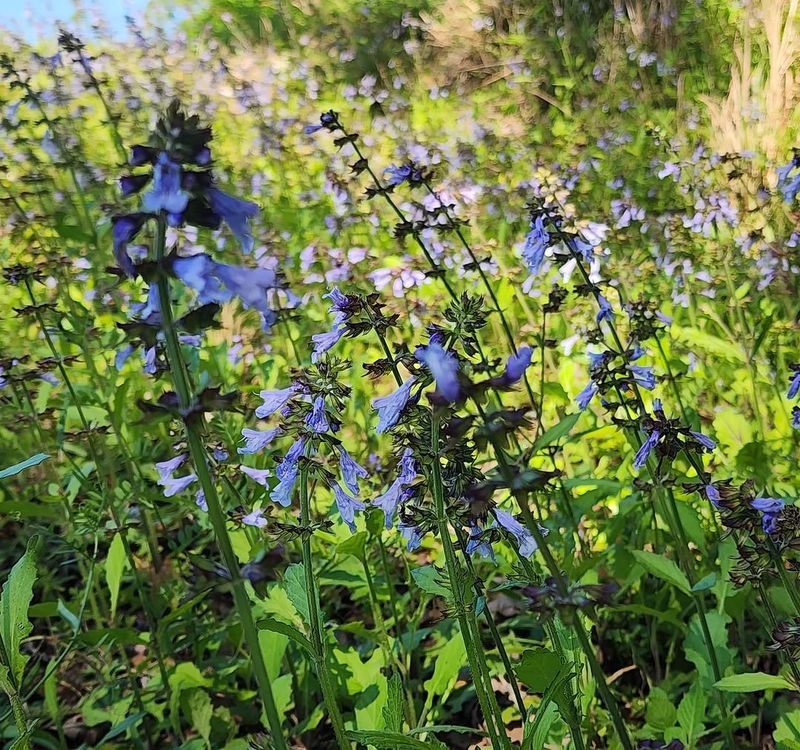
Spikes of tubular blue flowers shoot up in late February across southern Georgia and by mid-March in the northern counties. Lyreleaf sage doesn’t wait for perfect weather.
It blooms when nights still dip into the 40s, giving early bumblebees a reliable nectar source before most gardens have anything going.
The basal leaves look wrinkled and wavy, forming low rosettes that hug the ground through winter. Flower stalks rise about 18 inches tall, sometimes higher in rich soil.
Bees land on the lower lip of each flower and crawl inside, emerging dusted with pollen. You’ll see them working the same spike from bottom to top.
Full sun produces the most flowers, but lyreleaf sage tolerates light shade in Georgia’s heat. It reseeds freely, so expect volunteers the following spring.
Deadhead spent flower spikes if you want to prevent spreading, or leave them for the seeds to feed songbirds in early summer.
This sage handles drought better than most spring ephemerals. Water it during the first season to help roots establish, then let rainfall do the work.
It goes dormant by July in hot, dry years but returns reliably the next spring. Pair it with coreopsis or black-eyed Susan for continuous bloom from early spring into fall.
It adapts well to clay soil, which makes it especially useful in many parts of Georgia where drainage can be tricky. Deer typically leave it alone, even when tender spring growth appears.
Once established, it blends easily into meadow-style plantings without demanding constant upkeep.
4. Golden Alexander Draws In Native Bees With Umbel Blooms
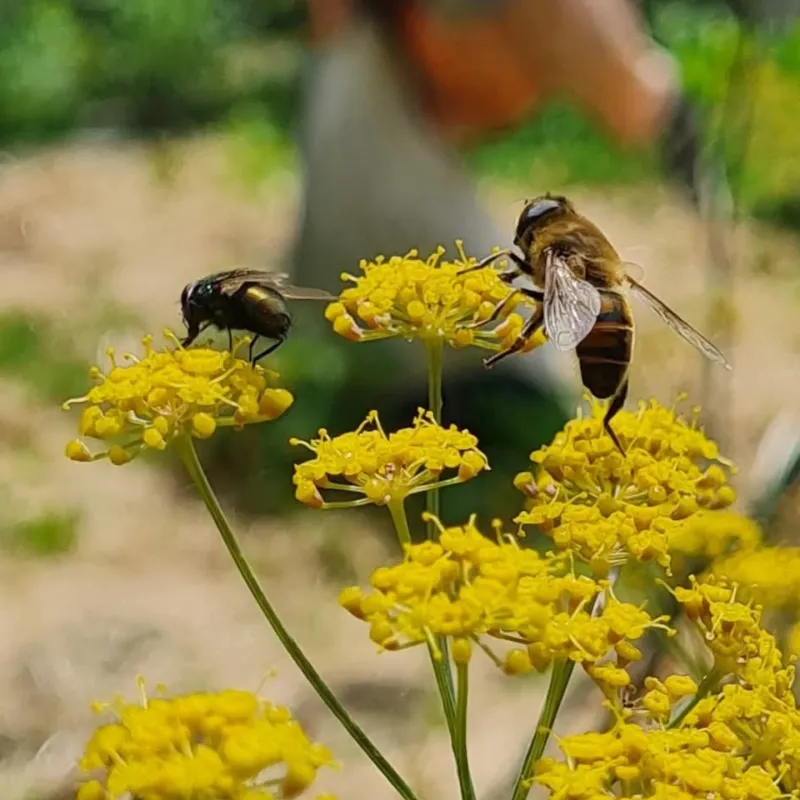
Flat clusters of tiny yellow flowers sit atop branching stems in April and May, attracting dozens of native bee species across Georgia.
Golden alexander blooms right when mason bees and mining bees are most active, and the open flower structure makes nectar easy to reach.
Watch closely and you’ll see multiple bee species working the same plant at once.
This member of the carrot family grows about two feet tall in average soil, taller in rich bottomland. The foliage resembles parsley, staying green and attractive even after flowers fade.
Black swallowtail butterflies lay eggs on the leaves, so expect some caterpillar damage by June. That’s not a problem.
The plant regrows quickly, and you’re feeding more than just bees.
Golden alexander tolerates both sun and part shade, making it versatile for Georgia gardens. It prefers consistent moisture but adapts to drier sites once the roots go deep.
Plant it near a rain garden or low spot where water collects after storms, and it’ll thrive without extra attention.
Seeds ripen by midsummer and drop close to the parent plant. Seedlings appear the following spring and bloom in their second year.
Divide mature clumps in fall if you want to spread it around faster. It pairs well with blue-eyed grass and spiderwort for a naturalized meadow look.
5. Foamflower Supports Small Pollinators In Woodland Beds
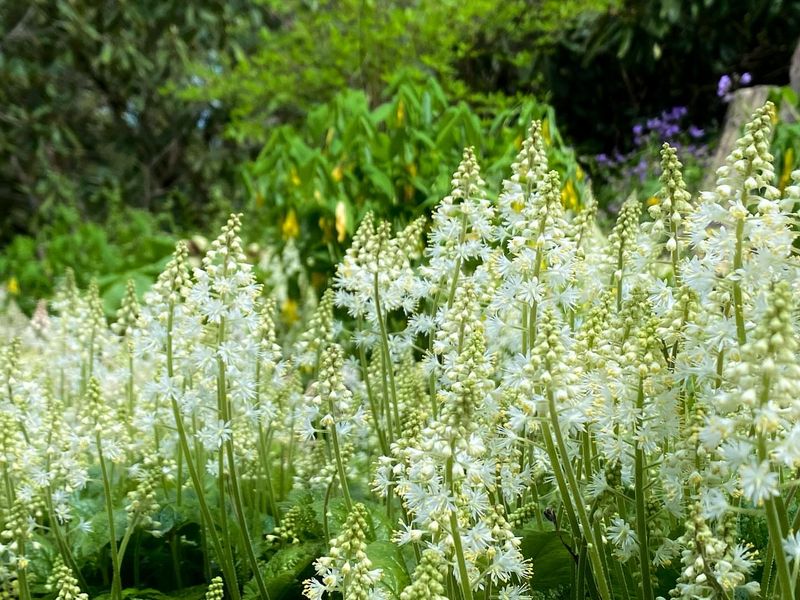
Tiny white flowers cluster on upright spikes in April, resembling bottle brushes or foam. Small native bees and flies visit these blooms constantly, though you might not notice them at first glance.
Foamflower caters to pollinators that don’t make headlines but do critical work in Georgia ecosystems.
The evergreen foliage forms low mounds that stay attractive year-round. Leaves develop burgundy tints in winter, adding color when most shade plants look dormant.
Plant foamflower under azaleas or rhododendrons where it’ll fill gaps and suppress weeds without competing for nutrients.
Georgia’s humid springs suit foamflower perfectly. It spreads by runners, forming dense colonies that stabilize soil on slopes.
Space plants 12 to 18 inches apart for quick coverage, or plant them closer if you’re impatient. They’ll knit together within one growing season.
This plant needs consistent moisture and shade to perform well. Morning sun is fine, but afternoon heat in full sun scorches the leaves by July.
Mulch around plants to keep roots cool and retain moisture. Water during dry spells, especially in the first year.
Foamflower rarely needs dividing, but you can split clumps in fall if you want to expand your planting. It pairs beautifully with ferns, wild ginger, and Solomon’s seal for a layered woodland look that supports pollinators from early spring through fall.
6. Virginia Bluebells Offer Rich Spring Nectar In Cool Weather
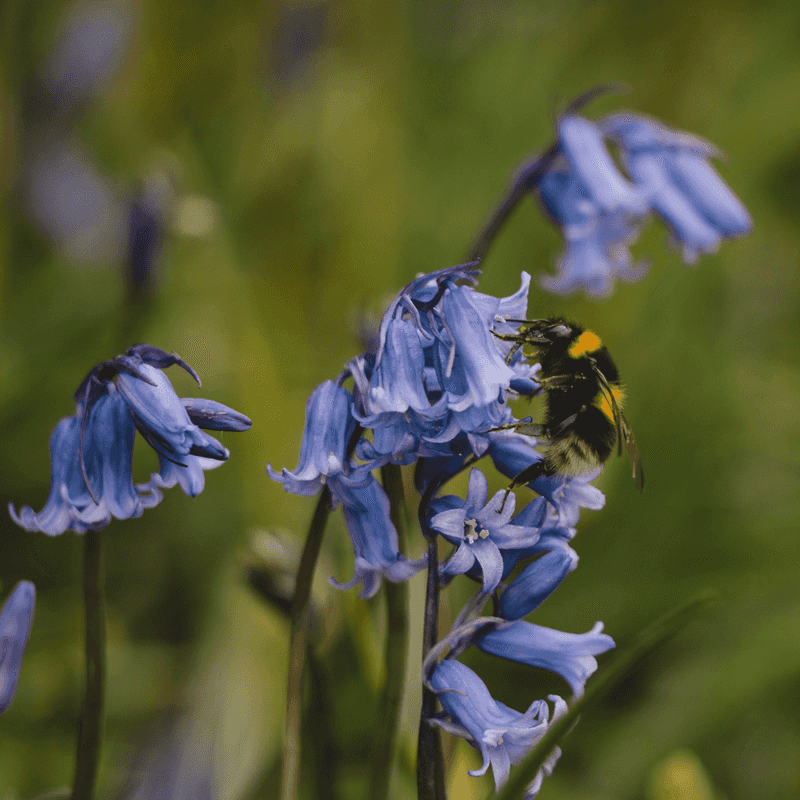
Pink buds open into sky-blue bells in late March across Georgia, creating one of the showiest early spring displays. Bumblebees and mason bees visit these flowers repeatedly, hanging upside down to reach nectar deep inside the tubes.
The color shift from pink to blue happens as flowers age, giving each cluster a two-toned appearance.
Virginia bluebells prefer rich, moist soil in part to full shade. They naturalize under deciduous trees where spring sunlight reaches the ground before leaves emerge.
The foliage grows lush and thick during bloom time, then yellows and disappears by June. That’s normal.
Mark the spot so you don’t accidentally dig into dormant roots later.
Plant bluebells with ferns or hostas that will fill the space after they go dormant. The bare patch left behind in summer looks unfinished without companion plants.
Interplanting also keeps the area productive for pollinators beyond the short bluebell season.
These plants spread by seed and occasional root division. Seedlings take two to three years to reach blooming size, so patience pays off.
Avoid disturbing the soil where bluebells grow, as the fleshy roots sit close to the surface and damage easily.
Water during dry spells in early spring when foliage is active. Once plants go dormant, they tolerate summer drought without issue.
Virginia bluebells return stronger each year, eventually forming large colonies that light up shaded Georgia gardens when little else is blooming.
7. Woodland Sunflower Extends The Foraging Season Naturally
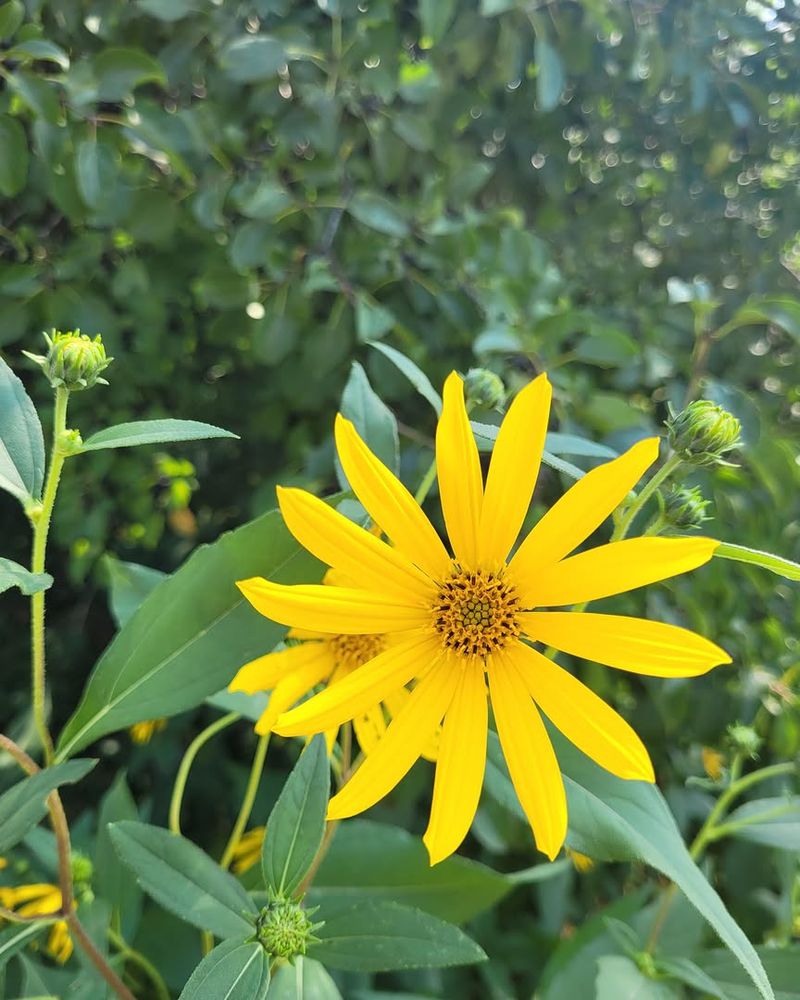
Bright yellow daisies open in May and keep coming into June, bridging the gap between early spring ephemerals and summer perennials.
Woodland sunflower gives Georgia bees a steady nectar source during a tricky transition period when many native plants have finished blooming but summer flowers haven’t started yet.
This sunflower grows four to six feet tall in good soil, sometimes taller in bottomland areas. It tolerates more shade than most sunflowers, thriving in dappled light under pine trees or along woodland edges.
The stems stay upright without staking, and the flowers face outward in all directions rather than tracking the sun.
Bees, butterflies, and beneficial wasps visit these blooms throughout the day. The open flower structure makes pollen and nectar accessible to insects of all sizes.
Plant it behind shorter natives like coreopsis or black-eyed Susan to create layered height in pollinator gardens.
Woodland sunflower spreads by underground rhizomes, forming expanding clumps over time. It’s not aggressive, but it does fill space.
Dig and divide clumps every few years to control spread or share with neighbors. The roots are shallow and easy to pull if it wanders too far.
This sunflower handles Georgia’s clay soil without amendments, though it grows more vigorously in looser ground. Water during prolonged dry spells, but don’t overdo it.
Too much moisture in heavy clay leads to root rot. Cut stems back after frost, or leave them standing through winter for seed-eating birds.
8. Blackeyed Susan Keeps Bee Activity Going Into Late Spring
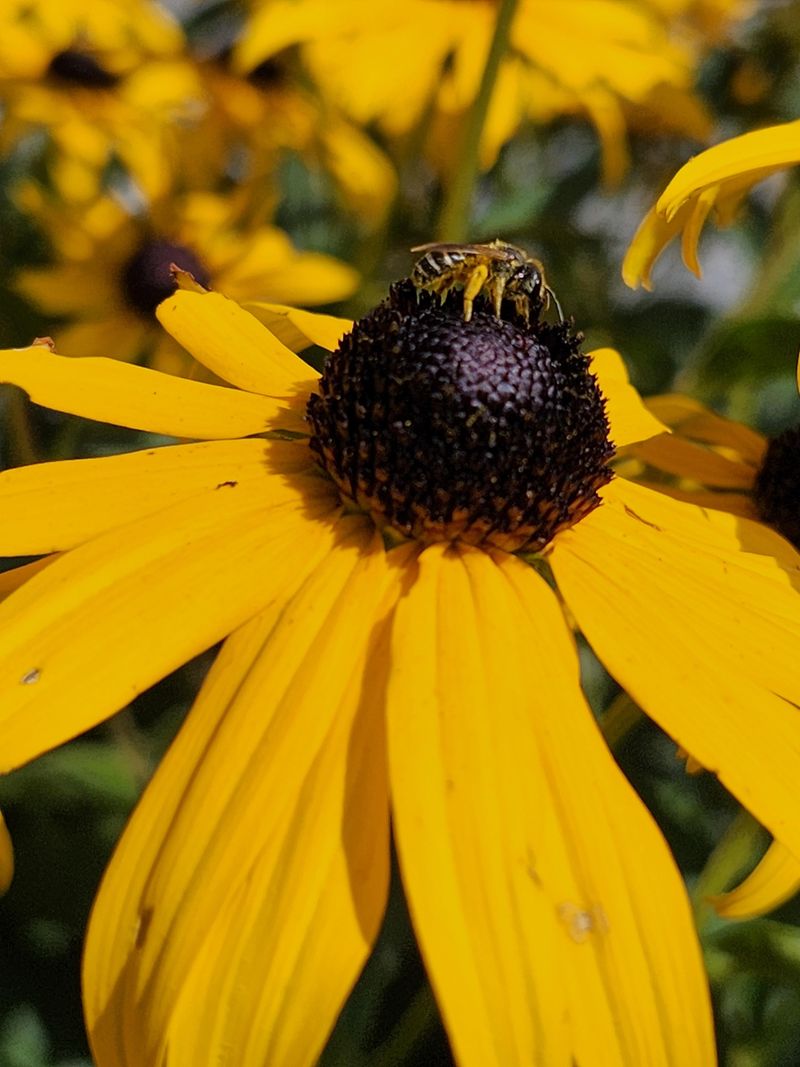
Golden petals surround dark brown centers from May through June, giving Georgia bees a dependable food source as spring transitions into summer.
Black-eyed Susan blooms later than most early natives, filling a critical gap when woodland ephemerals have gone dormant and summer perennials are just getting started.
This tough native handles full sun and poor soil without complaint. It thrives in Georgia’s heat and humidity, continuing to bloom even when temperatures climb into the 90s.
Plant it in open, sunny spots where other natives might struggle, and it’ll reward you with months of continuous flowers.
Bees land on the cone-shaped center and work their way around, collecting pollen and nectar from the tiny disk flowers. Butterflies and skippers visit throughout the day, especially in late afternoon when nectar flow peaks.
Goldfinches eat the seeds in fall, so leave spent flower heads standing instead of deadheading everything.
Black-eyed Susan reseeds freely, creating naturalized drifts over time. Thin seedlings in spring if they come up too thick, or transplant extras to new areas.
The plants form clumps that expand slowly, never becoming invasive or aggressive.
Water during the first summer to help roots establish, then back off. Black-eyed Susan tolerates drought better than most spring bloomers.
It pairs well with purple coneflower, liatris, and native grasses for a meadow-style planting that supports pollinators from spring through fall across Georgia.