The Difference Between Trimming And Pruning In Georgia Gardens
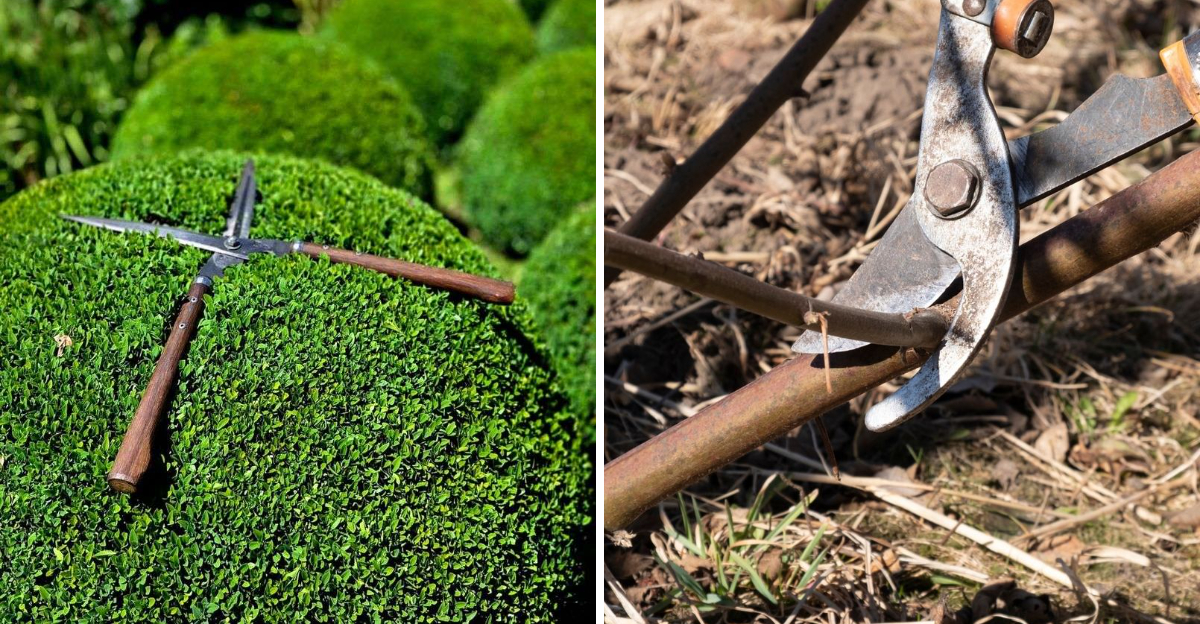
Many gardeners treat trimming and pruning as the same task, yet they serve very different purposes in how a plant grows, blooms, and holds its shape.
A light trim usually keeps the outside tidy and controlled, while pruning involves more deliberate cuts that influence structure, airflow, and long term health.
Mixing them up can reduce flowering, create uneven growth, or leave a plant struggling to recover at the wrong time of year. In a climate where growth moves quickly, small cutting decisions carry noticeable impact.
Knowing when a plant needs simple shaping and when it needs thoughtful structural work helps protect its strength, balance, and overall performance through the season.
1. Light Trimming Happens More Frequently
Frequency is one of the clearest differences between trimming and pruning. Trimming is something you come back to again and again throughout the growing season.
In Georgia, spring kicks growth into high gear fast. A boxwood or privet hedge that looked perfectly shaped in April can look overgrown and ragged by late May.
Trimming keeps that growth in check without stressing the plant, because you are only removing a small amount of new growth each time. Light, frequent trimming is always easier on the plant than waiting too long and having to cut back heavily all at once.
Most Georgia gardeners do their first trim of the season in late March or April, once new growth has pushed out enough to show.
From there, depending on the plant and how formal the shape needs to be, trimming every four to six weeks through summer keeps things looking sharp.
Leyland cypress and fast-growing privet might need attention even more often than that.
Waiting too long between trims forces you to cut deeper into older wood, which some plants do not recover from easily. Keeping a regular schedule avoids that problem entirely.
Short sessions with sharp shears every few weeks are far less work overall than one big correction job in midsummer.
Electric or battery-powered hedge trimmers make frequent trimming much faster, especially for long hedgerows. For smaller accent shrubs or topiaries, hand shears give better control and leave a cleaner finish on the cut surfaces.
2. Pruning Requires Fewer But Deeper Cuts
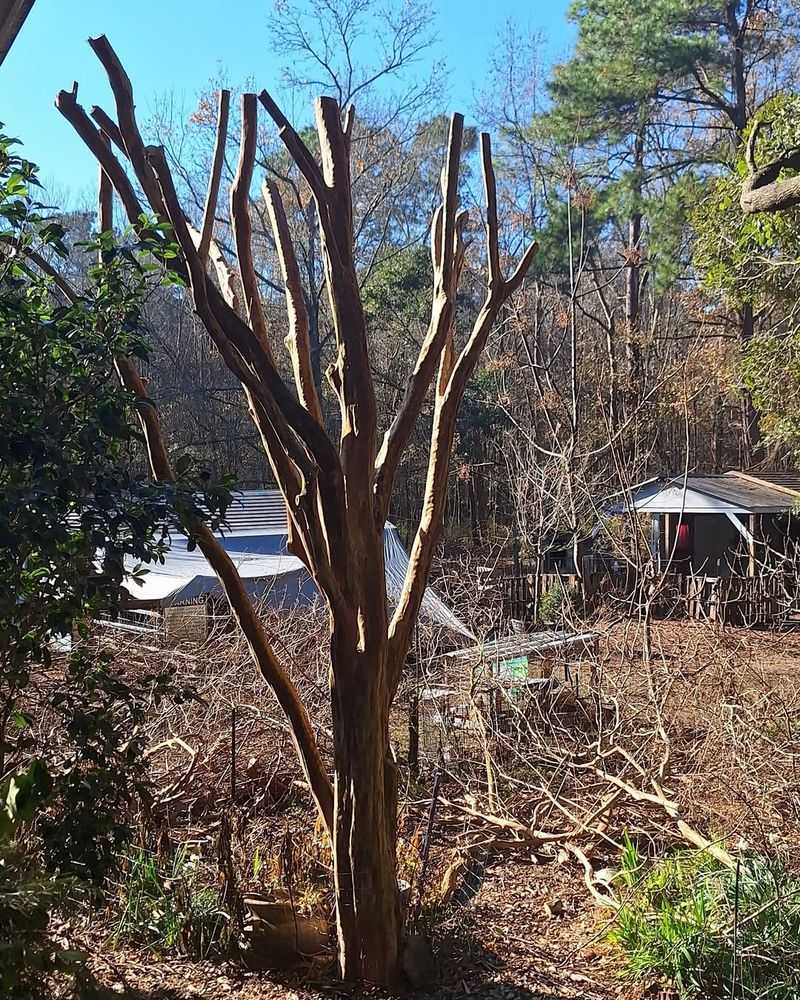
Pruning is not a weekly task. Done right, most shrubs in Georgia only need a proper pruning once a year, sometimes less.
But when you do prune, the cuts are deliberate, precise, and go much deeper into the plant than any trimming session ever would.
A single pruning cut might remove a branch that is two or three years old. You are not skimming the surface.
You are making a decision about the plant’s framework, removing something that is either hurting the plant or wasting its energy. That kind of cut needs a sharp bypass pruner or a lopper, not hedge shears.
Deeper cuts also take longer for the plant to heal. That is why timing matters so much with pruning in Georgia.
A cut made at the wrong time of year leaves the plant vulnerable during periods of stress, whether that is midsummer heat or a late-season cold snap that can still surprise gardeners in the northern parts of the state.
Your Georgia Garden Changes Every Week. Your Plan Should Too.
Gardening in Georgia changes quickly throughout the season. Every Friday you’ll receive a simple weekly plan showing exactly what to plant, prune, fertilize, harvest, and protect so you never miss the right timing.
Fewer cuts done well are always better than many careless ones. Before making any cut, look at where the branch is coming from, where it is going, and what removing it will do to the plant’s overall shape.
Pruning rewards patience and observation more than speed.
One well-placed cut on a crossing branch inside a camellia or crape myrtle can change how the whole plant grows for years. That kind of long-term thinking is what separates real pruning from just hacking things back.
3. Trimming Focuses On Shape And Surface Growth
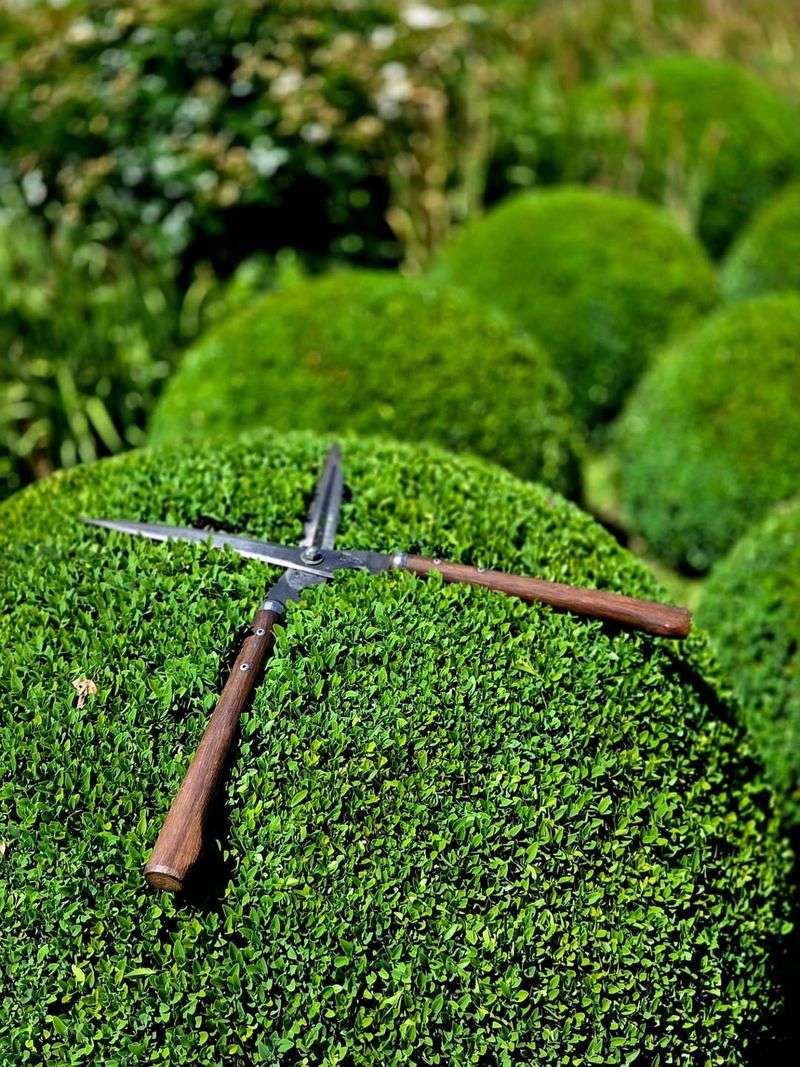
Pick up a pair of hedge shears in Georgia and you are doing trimming work, plain and simple. Trimming is all about the outside of a plant.
You are cutting back new growth that has pushed past where you want it, keeping edges clean and shapes tight. It is surface-level work, and that is exactly the point.
Boxwoods, hollies, and Leyland cypress are common Georgia shrubs that respond well to regular trimming. When new shoots start poking out in all directions and your once-tidy hedge starts looking shaggy, that is your cue to trim.
You are not going deep into the plant, just cleaning up what is visible from the outside.
Trimming does not fix structural problems or remove crossing branches inside the canopy. It keeps things looking neat without asking much of the plant.
Think of it like getting a haircut versus actual surgery. One is cosmetic, the other is medical.
In Georgia, where warm temperatures push plants to grow fast from March through October, trimming can feel like a never-ending job. Some homeowners trim their hedges four or five times a year just to stay ahead of the growth.
That kind of frequency is normal here, especially in the humid northern regions around Atlanta or the warmer coastal areas near Savannah.
Using sharp, clean shears makes trimming faster and leaves cleaner cuts that heal quickly. Dull blades tear the plant tissue instead of slicing it, which can invite disease in Georgia’s humid summers.
4. Pruning Improves Structure And Plant Health
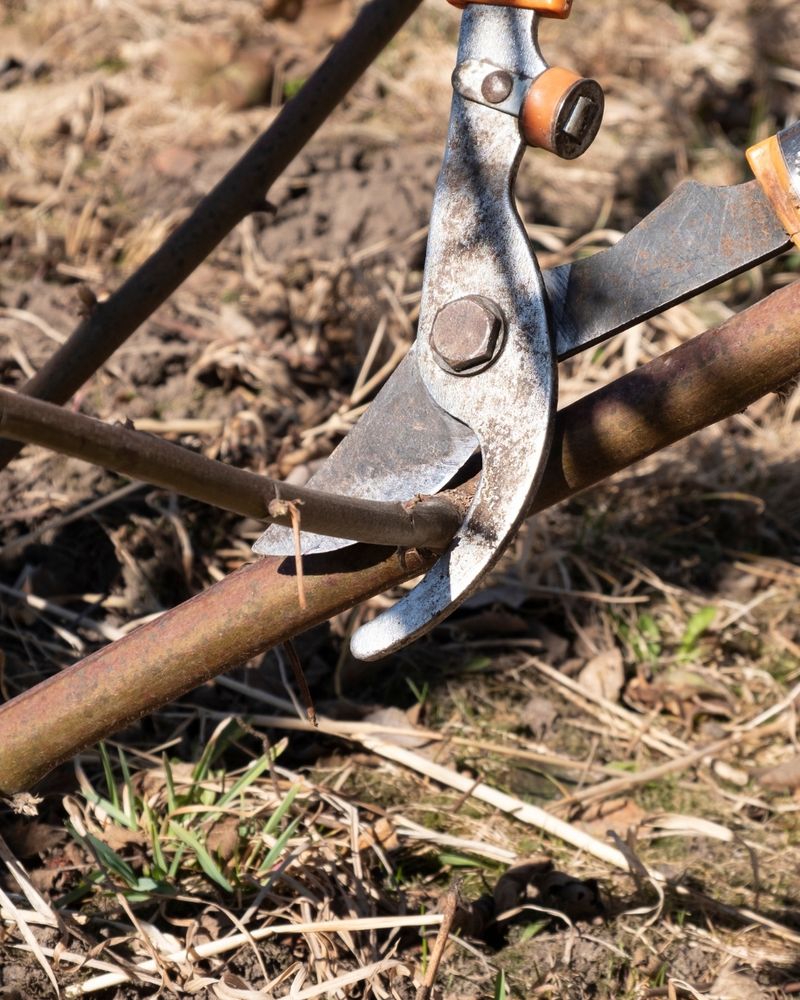
Pruning goes places that trimming never touches. Instead of cleaning up the outside, pruning reaches inside the plant to remove branches that are crossing, rubbing, broken, or growing in the wrong direction.
It changes how the plant is built from the inside out.
When you prune correctly, you are helping the plant send energy where it actually needs to go. Removing a weak or crowded branch lets the remaining ones grow stronger.
In Georgia gardens, where heat and humidity already put stress on plants during summer, good pruning structure helps shrubs and trees handle those tough months with more resilience.
Bypass pruners and loppers are the tools for this job. For larger cuts on trees or big shrubs, a hand saw gets the work done cleanly.
The goal is always a clean cut just outside the branch collar, which is the slightly swollen area where a branch meets the trunk or a larger limb.
Pruning also helps with airflow inside the plant. Dense, crowded canopies trap moisture in Georgia’s humid climate, which creates the perfect conditions for fungal problems.
Opening up the interior a bit lets air move through and sunlight reach lower leaves.
Unlike trimming, pruning is not done constantly throughout the season. Timing matters a lot here in Georgia, and making cuts at the wrong time of year can create real problems for flowering shrubs and fruit trees.
Getting the timing right is just as important as making the cut itself.
5. Georgia’s Long Growing Season Changes Timing
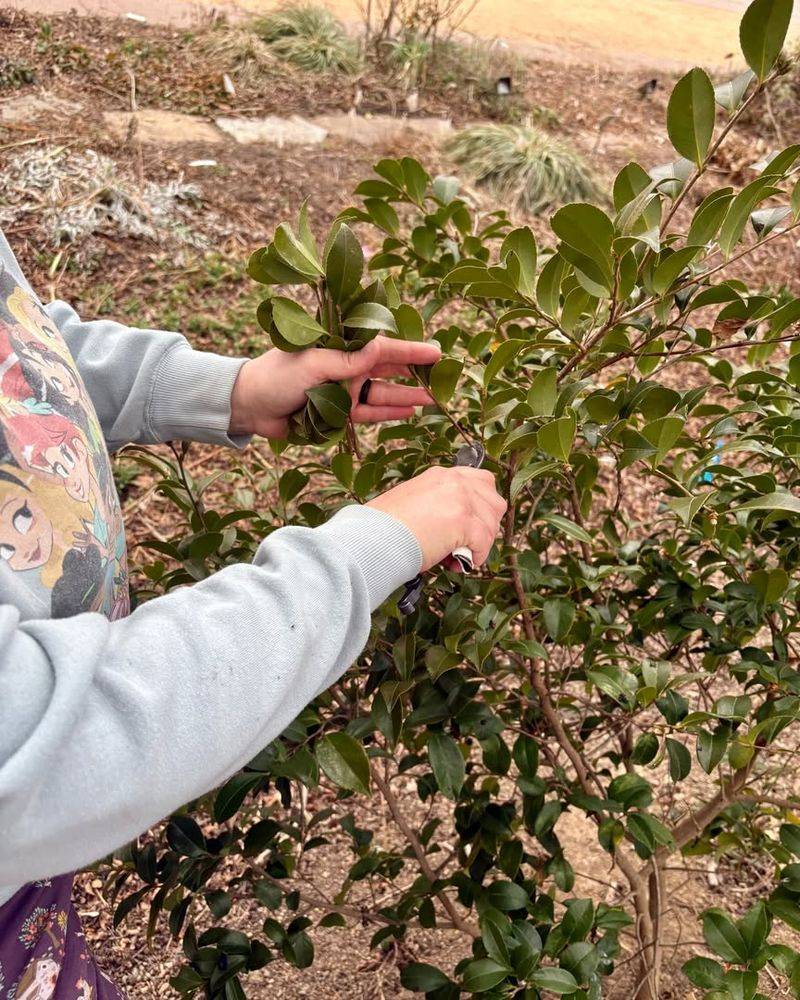
Georgia’s growing season is longer than most people in other states have to deal with. From the piedmont up around Atlanta to the coastal plains near Brunswick, plants push new growth for a much bigger chunk of the year compared to northern states.
That affects when you trim, when you prune, and how often you need to do both.
Warm winters mean some shrubs never fully go dormant in south Georgia. That makes it harder to follow the standard advice about pruning during dormancy, because dormancy may be brief or incomplete depending on where you live in the state.
Gardeners in Columbus or Valdosta sometimes have to make judgment calls based on what the plant is actually doing rather than what the calendar says.
Spring comes early in Georgia, often pushing new growth in late February or early March. If you wait too long to prune before that surge, you risk cutting off new buds that are already forming.
Getting pruning done in late January or early February for most deciduous shrubs gives the plant time to respond before the big spring push.
Summer trimming needs to stop around mid-August for most shrubs. Late cuts stimulate tender new growth that may not harden off before cooler fall temperatures arrive.
Even in Georgia, a cold snap in late October can damage soft new growth if it was pushed too late in the season.
Paying attention to what your specific plants are doing, rather than following a rigid calendar, is the most reliable approach in Georgia’s variable climate.
6. Some Shrubs Need Both At Different Times
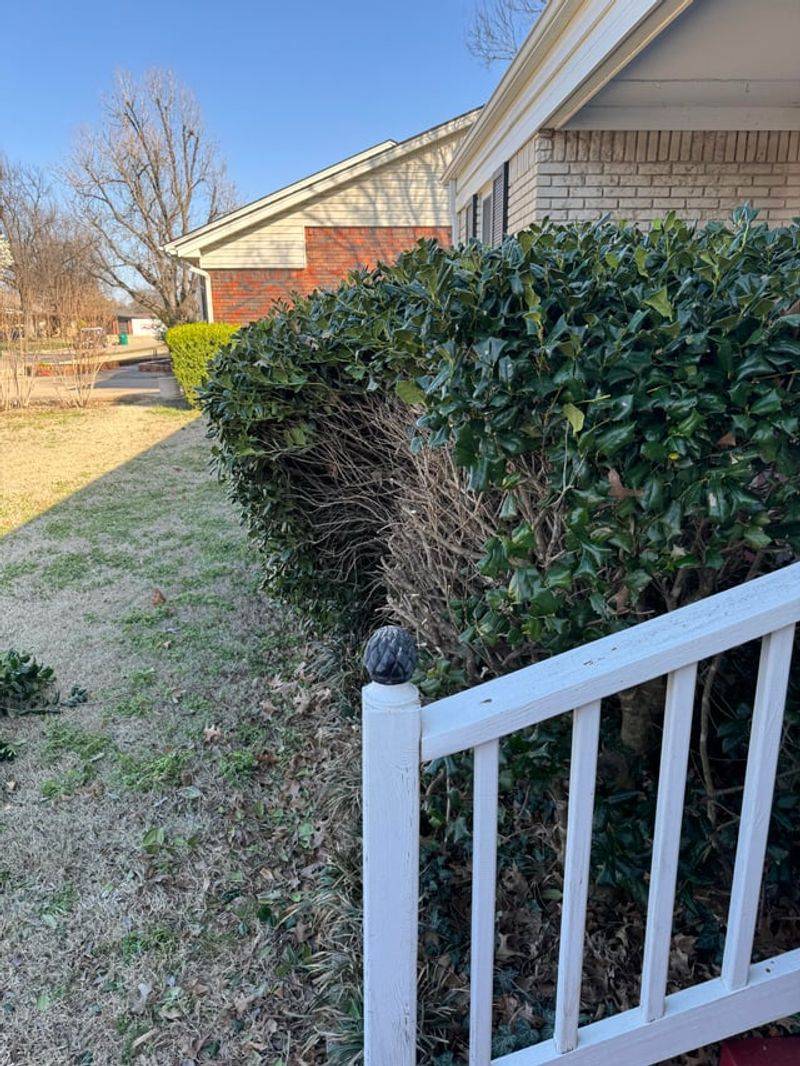
Not every plant fits neatly into the trimming category or the pruning category. Some shrubs need both, just at different points in the year.
Hollies are a good example of this in Georgia gardens.
A holly hedge might get trimmed two or three times during the growing season to keep its shape clean and its surface growth tidy.
But every year or two, it also benefits from a proper pruning session where crossing branches inside the canopy get removed and the structure gets cleaned up.
Both tasks are necessary, but they happen at different times and serve completely different purposes.
Gardenias are another Georgia favorite that benefit from both approaches. After they finish blooming in early summer, light trimming can shape them up without cutting off next year’s buds.
But if the plant has gotten leggy or has older wood inside, a more deliberate pruning session in late winter handles that structural work before new growth begins.
Trying to do both jobs at once with the same tool is where a lot of Georgia gardeners run into trouble. Hedge shears are not designed for structural cuts, and bypass pruners are not efficient for shaping large hedgerows.
Using the right tool for each job protects the plant and makes the work go faster.
Keeping both a good pair of bypass pruners and sharp hedge shears in your garden shed covers most situations you will run into with Georgia’s wide variety of shrubs, ornamentals, and flowering plants throughout the year.
7. Wrong Cuts Can Reduce Spring Blooms
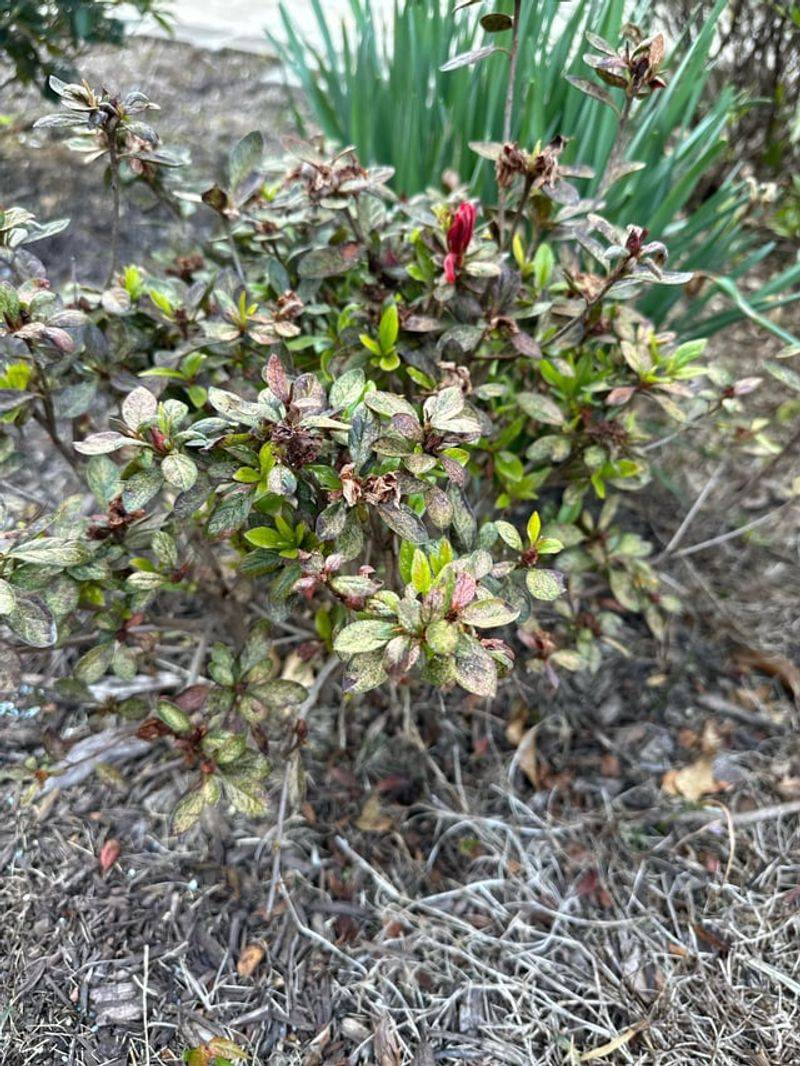
Cut at the wrong time and you will spend all spring wondering why your azaleas barely bloomed. Wrong timing is one of the most common and frustrating mistakes Georgia gardeners make, and it happens to experienced gardeners too.
Many flowering shrubs set their buds for next spring during late summer and fall. If you trim or prune after those buds have formed, you are removing next year’s flowers before they ever get a chance to open.
Azaleas, gardenias, forsythia, and flowering quince all fall into this category. In Georgia, these plants often set bud by August or September, which is earlier than most people expect.
Pruning forsythia in October feels logical because the plant has finished blooming and summer is winding down. But by October, next spring’s buds are already sitting on those branches.
Cut them off and you will get a green shrub in spring instead of that burst of yellow flowers that makes February in Georgia feel hopeful.
Timing the cut right after bloom is the safest approach for most spring-flowering shrubs. You get to shape the plant while it still has time to grow new wood and set buds before fall arrives.
For most spring bloomers in Georgia, prune immediately after flowering, usually within a few weeks of blooms fading.
Writing down when your shrubs bloom each year helps you track the right window. After a season or two of notes, the timing becomes second nature and the spring flower show stays consistent.
8. Old Wood Bloomers Require Careful Pruning
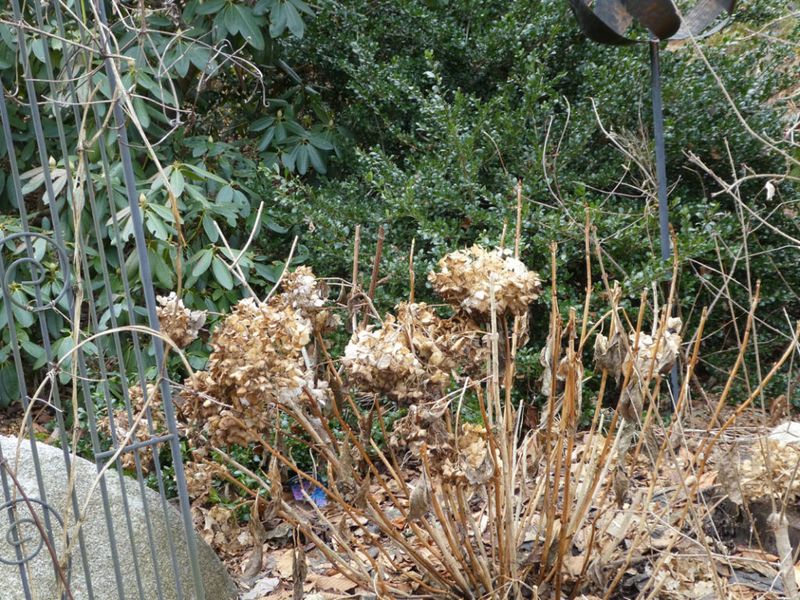
Old wood bloomers are the plants that catch Georgia gardeners off guard more than almost any other category. Knowing which of your plants blooms on old wood versus new wood changes everything about how and when you approach pruning.
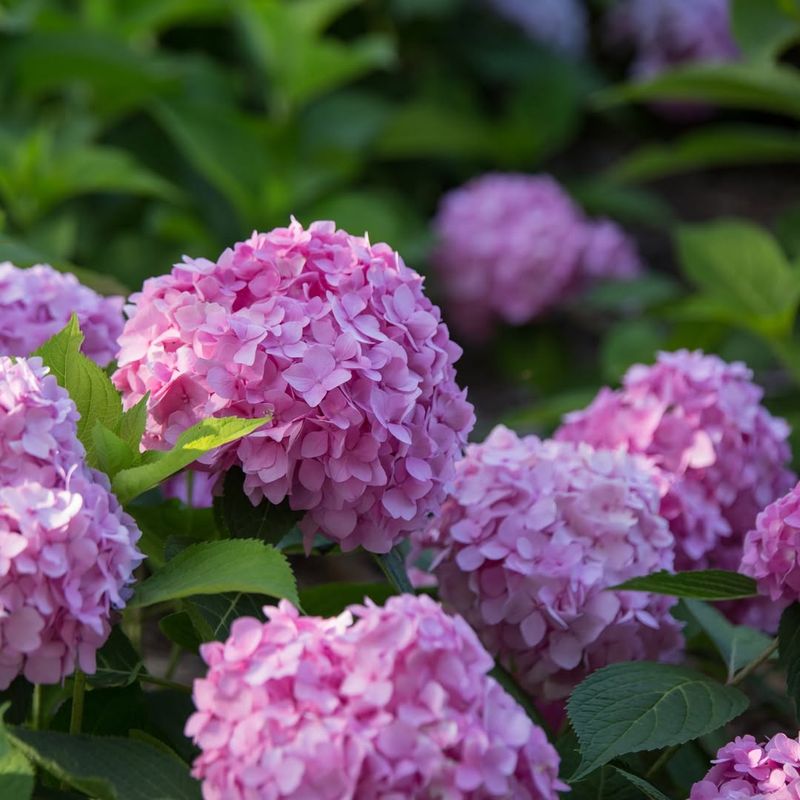
Old wood bloomers produce their flowers on growth from the previous season. Oakleaf hydrangeas, which are incredibly common across Georgia, are a perfect example.
If you prune an oakleaf hydrangea in late winter or early spring, you are cutting off the wood that would have carried this year’s flower buds. The plant looks fine, but bloom time comes and goes with almost nothing to show for it.
Bigleaf hydrangeas, also called mophead or lacecap types, follow the same pattern. Georgia gardeners who cut these back hard every winter are often the ones complaining that their hydrangeas never bloom.
Leaving the old stems in place through winter protects the buds that are already on them.
For old wood bloomers, any pruning that needs to happen should be done right after the plant finishes flowering. That gives it the rest of the growing season to push new growth, which then matures and carries next year’s buds.
It is a different rhythm than most plants, and it takes some getting used to.
Removing spent flower heads or cleaning up a bit of old wood during the growing season is fine.
Just avoid making significant structural cuts on old wood bloomers outside of that post-bloom window, and your Georgia garden will reward you with a strong flower show every single year.