9 Low Maintenance Native Plants For Georgia Landscapes In 2026
Trying to keep a Georgia yard looking polished can feel like nonstop work when plants demand extra water, constant cutting, and protection from every weather swing. The difference often comes down to what you choose to plant.
Species that naturally grow in this region already understand the soil, the humidity, and the long, hot summers, which makes them far easier to live with.
Building a landscape around native plants creates a foundation that holds up through heat, heavy rain, and common pests without constant correction.
Instead of forcing plants to adapt, you work with what already belongs here, and that shift alone can turn a high effort yard into one that feels steady, balanced, and manageable.
1. Purple Coneflower Thrives In Heat With Very Little Fuss
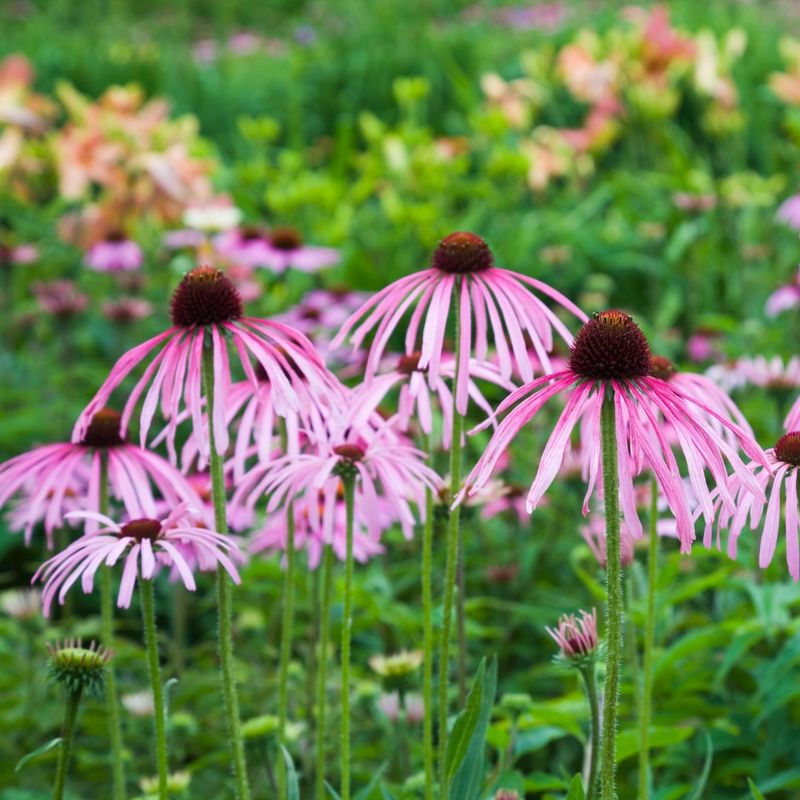
Purple coneflower practically takes care of itself once the roots settle into Georgia soil. This tough perennial laughs at our July heat waves and keeps producing flowers from early summer straight through September without you lifting a finger.
The plant sends down deep roots that find water during dry spells, so you rarely need to drag out the hose. Butterflies and goldfinches flock to the blooms, turning your garden into a wildlife hub.
After the petals drop, those spiky seed heads feed birds through winter.
Clay soil does not bother this plant one bit. It actually prefers lean conditions over rich, amended beds.
Too much fertilizer makes the stems flop over, so skip the feeding routine entirely.
Spacing plants about two feet apart gives them room to spread without crowding. The clumps get bigger each year but never become aggressive or invasive.
Deadheading spent flowers encourages more blooms, but even if you ignore them, the plant keeps going strong.
Georgia summers test every plant, yet purple coneflower stands tall through humidity, afternoon thunderstorms, and weeks without rain. Deer usually leave it alone, which saves you from fencing or repellent sprays.
This plant delivers color and wildlife value without demanding weekend chores or special treatments.
2. Blackeyed Susan Keeps Blooming Without Constant Care
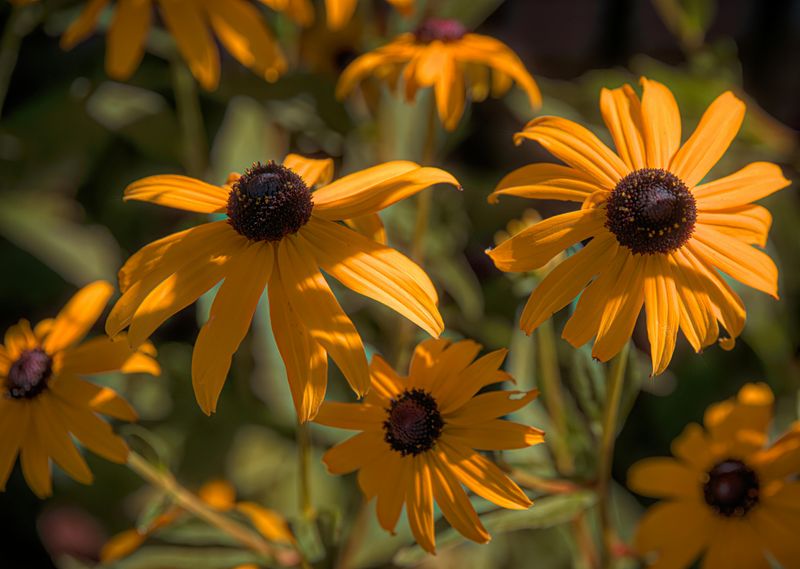
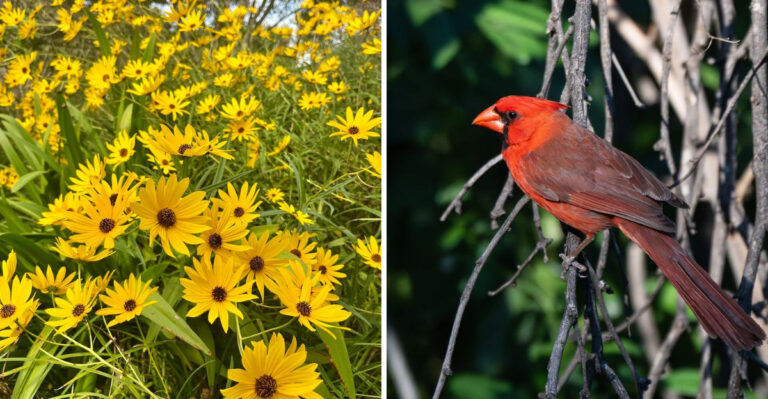
Blackeyed Susan shows up in June and refuses to quit until frost hits. These cheerful yellow flowers brighten up any corner of your Georgia yard without asking for much in return.
Plant them in spring, water them a few times, and they handle the rest on their own.
Full sun makes them happiest, but they tolerate partial shade better than most flowering perennials. The plants self-seed freely, so you get new volunteers popping up each spring without replanting.
If that sounds like too many plants, just pull the extras or share them with neighbors.
Red clay does not slow them down. They grow in average soil without compost, mulch, or amendments.
Overwatering causes more problems than drought, so let nature handle irrigation after the first month.
Butterflies visit the blooms all day long, and songbirds devour the seeds in fall and winter. Cutting back the stems in late autumn tidies up the garden, but leaving them standing provides food for wildlife during lean months.
Your Georgia Garden Changes Every Week. Your Plan Should Too.
Gardening in Georgia changes quickly throughout the season. Every Friday you’ll receive a simple weekly plan showing exactly what to plant, prune, fertilize, harvest, and protect so you never miss the right timing.
Georgia heat never fazes blackeyed Susan. The flowers keep their color through August humidity and September heat spells.
Rabbits and deer rarely bother them, which means fewer headaches for you. This plant gives you months of color without demanding your weekends or your wallet.
3. Eastern Red Columbine Handles Shade And Sun With Ease
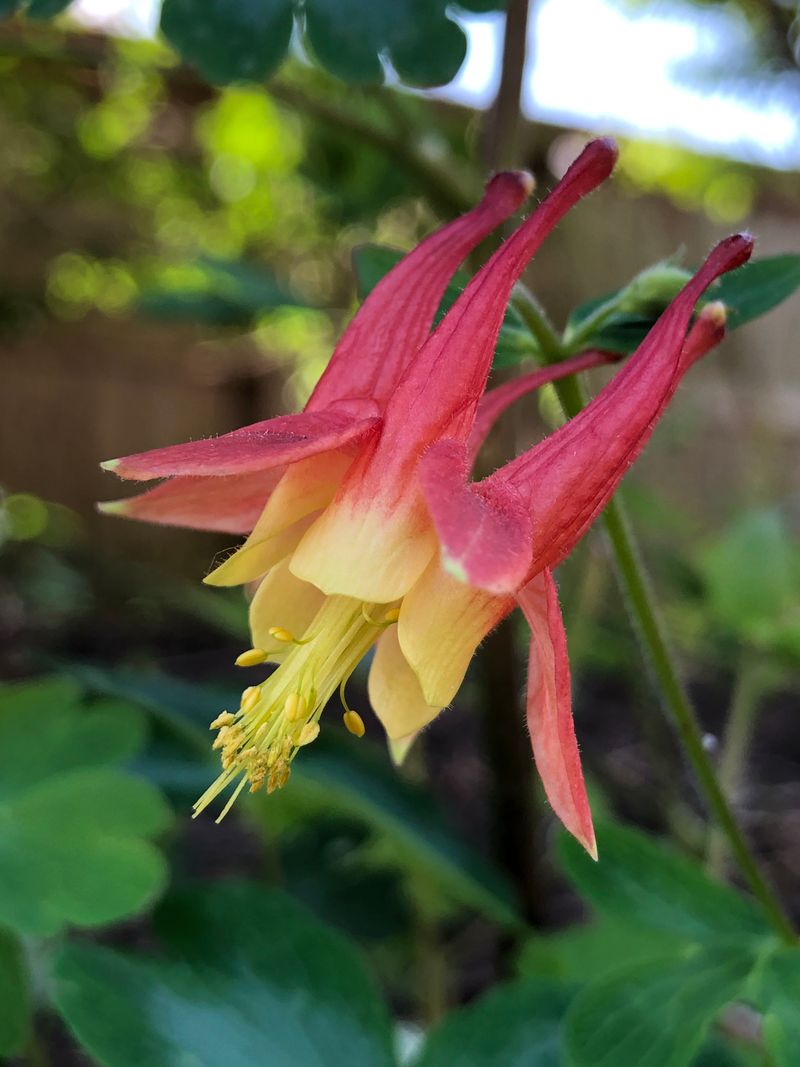
Most flowering plants throw tantrums in shade, but eastern red columbine thrives under tree canopies where other bloomers fail.
Those unique red and yellow flowers dangle like tiny lanterns from delicate stems, catching attention from both gardeners and hummingbirds.
Plant it under oaks or maples and watch it flourish without special soil prep.
This Georgia native blooms in April and May when spring gardens need color most. The flowers last for weeks, and the ferny foliage stays attractive even after blooming ends.
Hummingbirds spot those red blooms from across the yard and visit repeatedly throughout the day.
Clay soil works fine as long as water does not puddle. The plant tolerates dry shade better than most perennials, making it perfect for spots under mature trees where nothing else survives.
It also grows well in morning sun with afternoon shade.
Seeds drop and sprout on their own, creating natural drifts without becoming weedy or aggressive. Young plants appear in spring and reach blooming size within a year.
Dividing clumps is unnecessary since self-seeding handles propagation automatically.
Georgia gardeners appreciate plants that perform without fussing, and eastern red columbine delivers exactly that. No deadheading, no fertilizing, no staking required.
Just plant it in a shady spot and let it do its thing while hummingbirds enjoy the show.
4. Butterfly Weed Loves Dry Soil And Full Sun
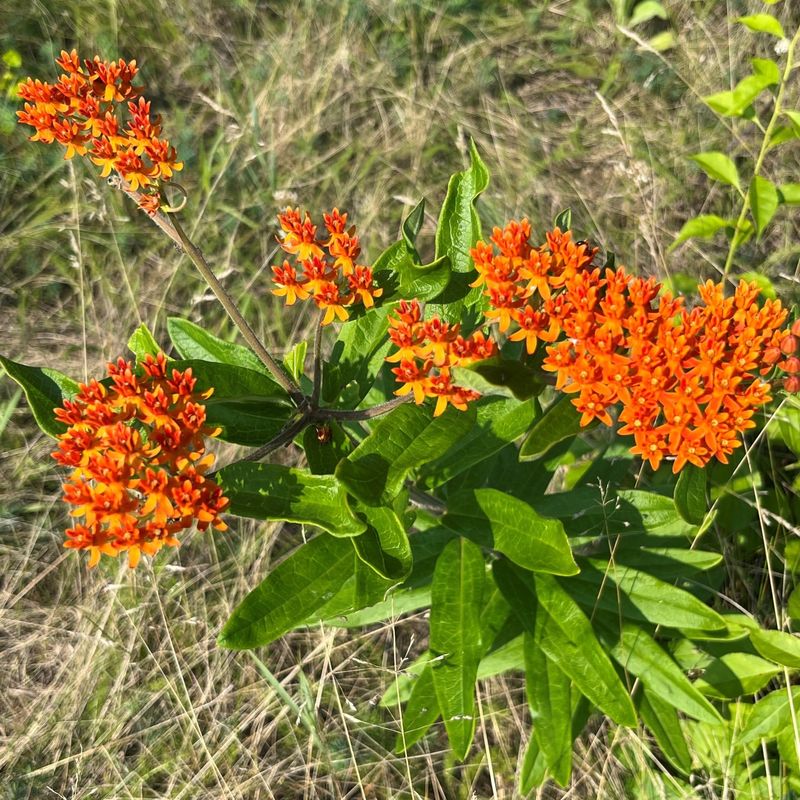
Forget everything you know about watering schedules because butterfly weed prefers bone-dry conditions. This bright orange bloomer thrives in the hottest, driest spots where other plants struggle.
Sandy soil, clay hardpan, roadside gravel—it grows anywhere with decent drainage and full sun beating down.
Monarchs flock to the flowers like kids to ice cream trucks. The blooms appear in June and continue through August, providing crucial nectar when butterflies need it most.
Caterpillars munch the leaves, so expect some chewed foliage if monarchs lay eggs on your plants.
Overwatering causes root rot faster than anything else. Plant it in well-drained soil and ignore it completely after the first few weeks.
Georgia rainfall provides enough moisture even during summer dry spells. The deep taproot finds water far below the surface.
Seeds form in interesting pointed pods that split open in fall, releasing fluffy seeds that blow away on the wind. Collecting seeds before they scatter lets you plant more next spring or share with friends.
The plants grow slowly from seed but live for years once established.
This native perennial handles Georgia heat without wilting, drooping, or browning. Deer avoid it completely, and rabbits leave it alone too.
The vibrant orange flowers glow against green foliage, creating stunning color combinations without demanding your time or effort beyond the initial planting.
5. Oakleaf Hydrangea Stays Reliable In Georgia Humidity
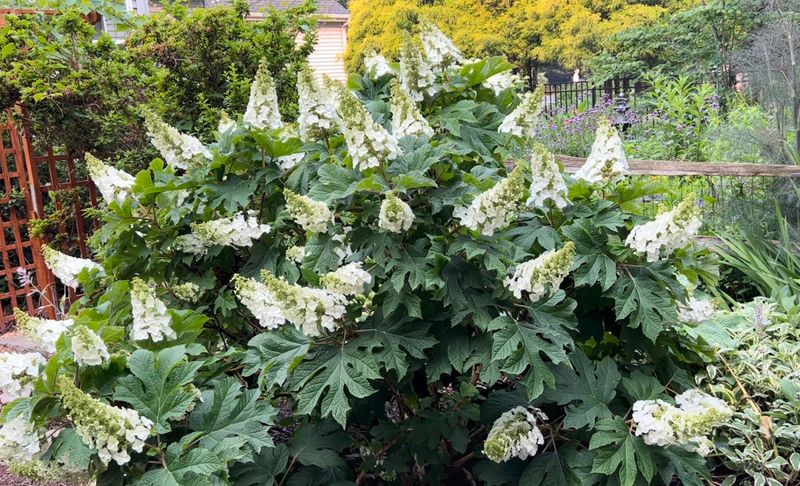
Humidity turns most hydrangeas into mildew magnets, but oakleaf hydrangea shrugs off Georgia’s sticky summers without developing spotty leaves or fungal problems.
This native shrub produces huge white flower cones in late spring that age to pink and then tan, staying attractive for months.
The oak-shaped leaves turn burgundy and orange in fall, adding seasonal interest after blooming ends.
Partial shade suits it best, especially afternoon shade that protects it from scorching sun. Morning light gives it enough energy to bloom heavily without stressing the plant.
It tolerates full shade but produces fewer flowers in deep shadow.
Clay soil works fine without amendments. The shrub grows slowly but steadily, reaching about six feet tall and wide over several years.
It never needs shaping or formal pruning unless you want to control size. Removing old flower heads in winter keeps it tidy, but skipping this chore does not hurt the plant.
Drought tolerance improves after the first year, so watering becomes unnecessary except during extreme dry spells. The root system spreads gradually, anchoring the plant firmly in Georgia soil.
Deer occasionally browse young shoots but usually leave mature plants alone.
This shrub gives you flowers, fall color, and interesting peeling bark without demanding constant attention. It fits perfectly into Georgia landscapes where reliable performers matter more than high-maintenance showpieces that need weekly care.
6. Muhly Grass Adds Fall Color Without Extra Watering
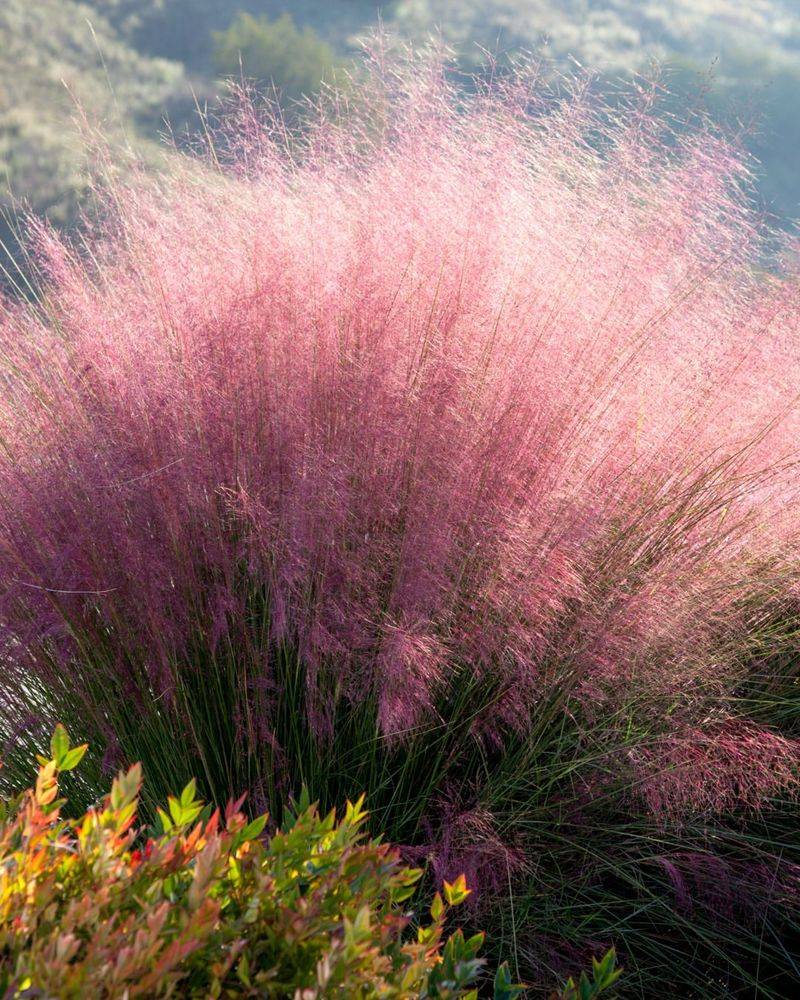
September turns muhly grass into a pink cloud floating above green blades. Those airy plumes catch light and glow like cotton candy, creating a magical effect that stops people in their tracks.
This ornamental grass needs zero pampering once planted, making it perfect for Georgia gardeners who want impact without effort.
Full sun brings out the best color, though the grass tolerates light shade without complaining. It forms tidy clumps that expand slowly without sending runners across the lawn or invading neighboring plants.
Spacing them three feet apart creates a flowing mass of pink by autumn.
Dry soil suits it better than wet conditions. Summer rain provides enough moisture, so skip the irrigation system entirely.
The grass stays green through heat waves and keeps its shape without flopping or splitting apart like some ornamental grasses do.
Cutting back foliage in late winter takes about five minutes per clump. Use hedge shears to chop everything down to about four inches, and new growth emerges in spring.
That is the only maintenance this grass requires all year.
Georgia landscapes benefit from plants that look good without constant fussing, and muhly grass delivers exactly that. The pink plumes last through October and November, extending color into fall when most perennials have quit.
Deer ignore it, rabbits pass it by, and you get to enjoy the show without lifting a finger beyond the annual haircut.
7. Coral Honeysuckle Climbs Beautifully Without Taking Over
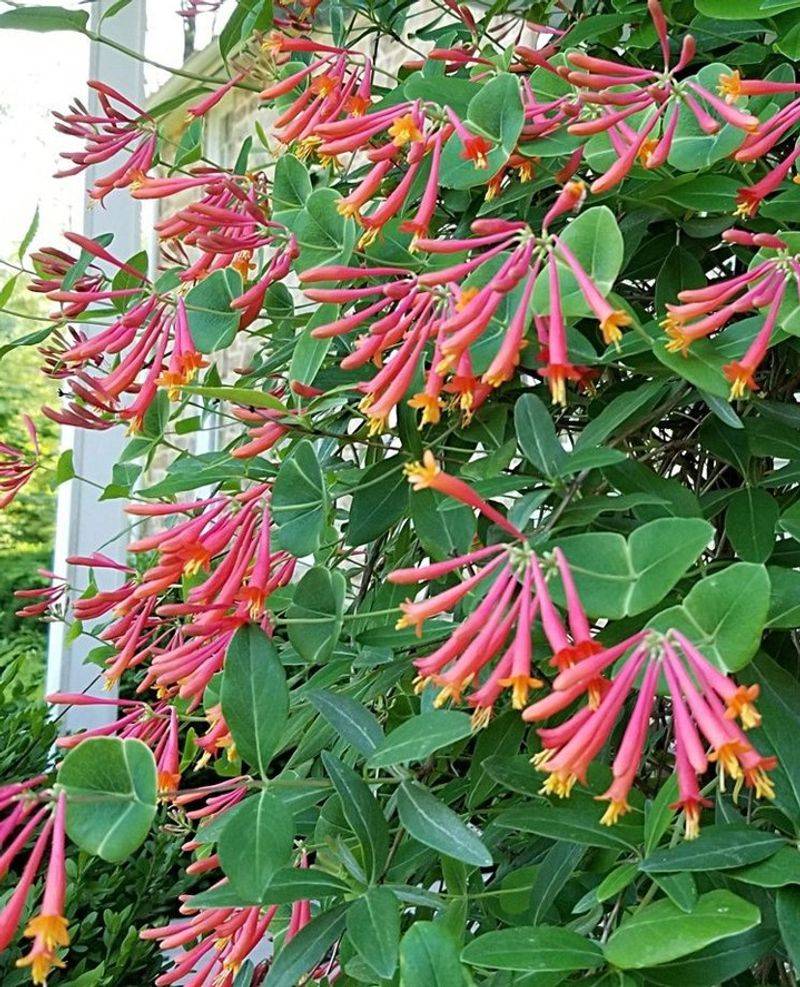
Japanese honeysuckle strangles everything in sight, but coral honeysuckle behaves itself while providing the same vertical interest. Those tubular red flowers bloom from spring through fall, attracting hummingbirds that return daily for nectar.
The vine climbs fences, arbors, or mailbox posts without turning into an uncontrollable monster.
Plant it in sun or partial shade and watch it twine upward without help. It does not strangle trees or smother shrubs like its invasive cousin.
The vine stays manageable, reaching about fifteen feet at most, and responds well to pruning if it grows beyond your desired size.
Georgia clay does not bother it one bit. Water it occasionally during the first summer, then let rainfall handle irrigation.
The roots dig deep and find moisture during dry spells without your intervention.
Hummingbirds visit the flowers constantly from April through September. Songbirds eat the red berries that follow the blooms, providing food when insects become scarce in fall.
The evergreen foliage stays attractive year-round in southern Georgia, while plants in northern parts of the state drop leaves in winter.
Deer rarely browse coral honeysuckle, which saves you from fencing or repellents. The vine fills vertical spaces with color and wildlife activity without demanding weekend work sessions or constant supervision.
It climbs where you point it, blooms reliably, and never becomes the neighborhood nuisance that Japanese honeysuckle creates.
8. Golden Alexander Supports Pollinators With Minimal Attention
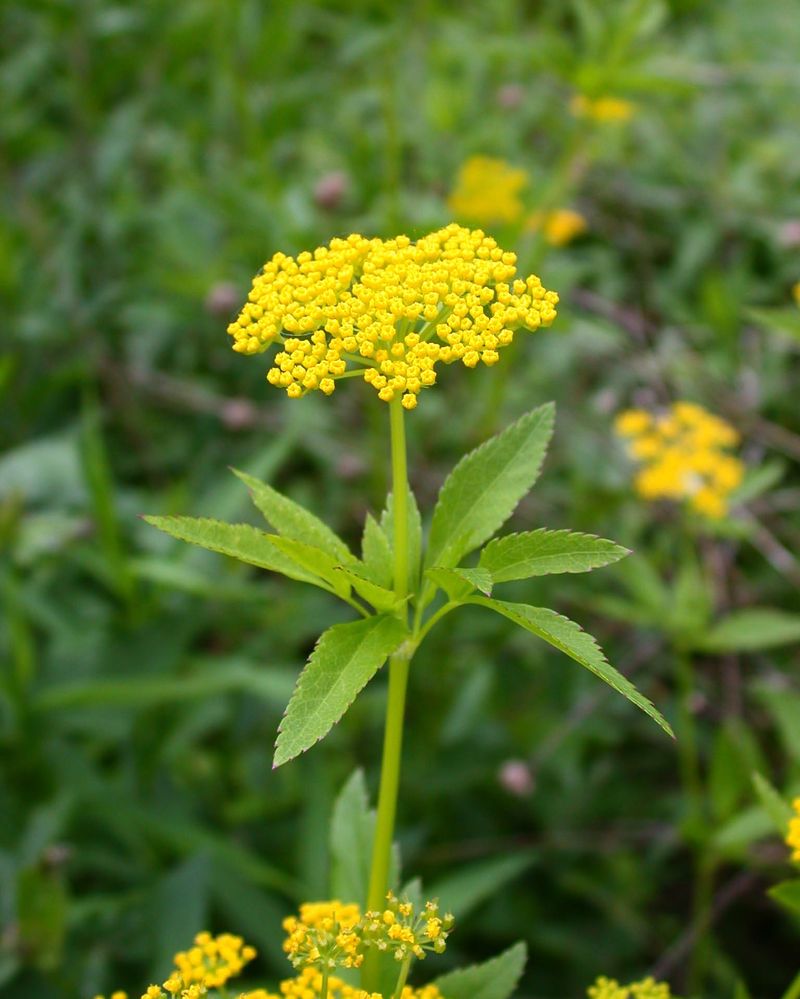
Yellow blooms in April might not grab headlines, but pollinators notice golden alexander immediately. Those flat-topped flower clusters feed early-season bees, butterflies, and beneficial insects when few other plants are blooming.
Black swallowtail caterpillars munch the ferny foliage, so expect some leaf damage if butterflies find your plants.
Partial shade works better than full sun in Georgia. Plant it under deciduous trees where it gets spring sun before the canopy fills in.
This mimics its natural woodland edge habitat and keeps the plant healthy through summer heat.
Average soil suits it fine. Skip fertilizer entirely since rich soil makes the stems grow too tall and flop over.
The plant reaches about three feet tall with an upright, clumping habit that never spreads aggressively or becomes weedy.
After blooming ends in May, the foliage stays green through summer and fall. The plant goes dormant in winter and returns reliably each spring without replanting.
Divide clumps every few years if you want more plants, or leave them alone and they keep performing year after year.
Georgia gardeners who care about pollinators should include golden alexander in their landscapes. It fills the early-season nectar gap when bees emerge from winter dormancy hungry and desperate.
The plant asks nothing in return except a spot in partial shade and occasional rainfall, making it one of the easiest natives you can grow.
9. Inkberry Holly Stays Evergreen With Light Pruning Only
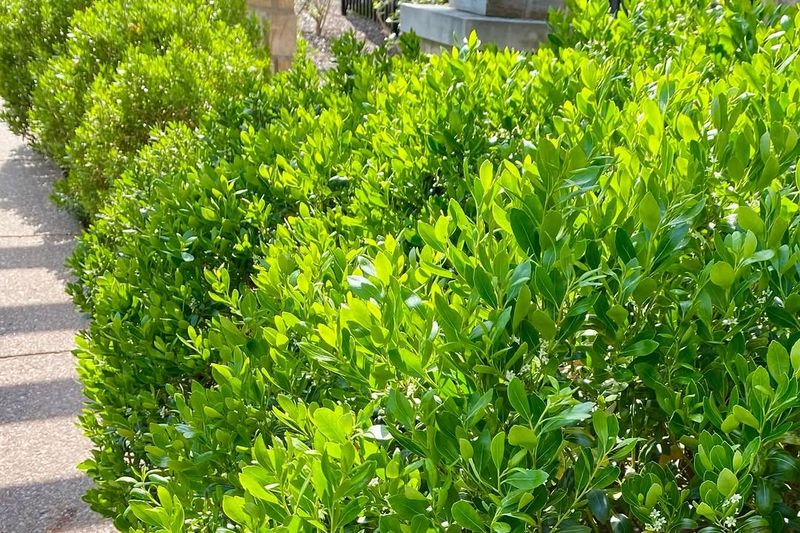
Boxwood gets all the attention, but inkberry holly outperforms it without the disease problems and constant shearing. This native evergreen forms a dense, rounded shape naturally without you wielding pruners every month.
The small dark green leaves stay attractive year-round, providing structure and screening in Georgia landscapes.
Sun or shade, wet or dry—inkberry holly adapts to whatever conditions you have. It tolerates soggy clay better than most evergreens, making it perfect for low spots where water collects.
It also handles dry shade under trees where other shrubs struggle.
The shrub grows slowly to about six feet tall and wide, though compact varieties stay smaller. Pruning once a year in late winter maintains size and shape, but even if you skip this chore, the plant looks fine.
Female plants produce black berries that birds devour in winter. You need a male plant nearby for berry production, but the foliage alone justifies planting this shrub.
Deer leave it alone, and insects rarely cause noticeable damage.
Georgia landscapes need reliable evergreens that look good without demanding constant care. Inkberry holly delivers exactly that—year-round color, easy care, and wildlife value without the pest and disease problems that plague other broadleaf evergreens.
Plant it once and forget about it except for an annual trim.