These Container Planting Tricks Attract More Hummingbirds In Georgia
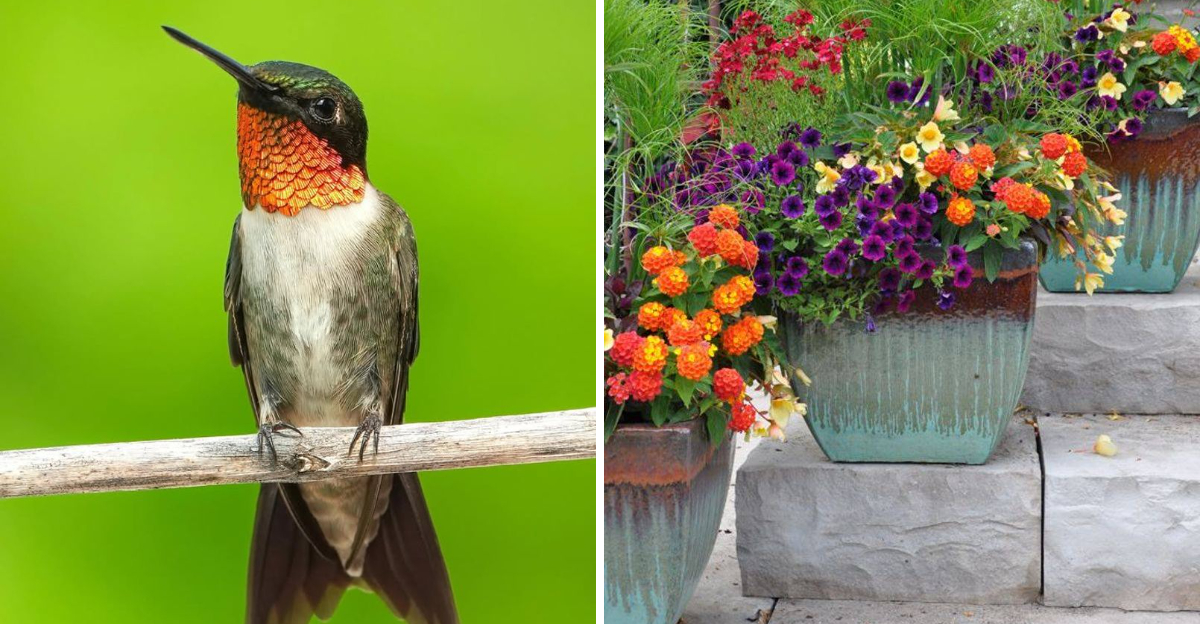
If hummingbirds keep flying past your containers, it’s usually not random. In Georgia, heat and humidity change how flowers perform, and some planting choices simply work better than others.
The colors you group together, the flower shapes you choose, and even how tightly you plant them all influence whether a hummingbird stops or keeps going.
When nectar-rich blooms are easy to spot and spaced so birds can move comfortably between them, a simple pot starts to feel like a dependable feeding stop.
You don’t need a huge yard or complicated setup to make that happen. With the right mix of plants that truly handle Georgia’s climate, your containers can become the place those quick flashes of wings return to day after day.
1. Start With A Bright Red Or Orange Bloom They Cannot Ignore
Hummingbirds spot red from impressive distances. Their vision locks onto that color faster than any other, which makes your plant choices critical right from the start.
If you want them to notice your container before they zoom past, you need at least one bold red or orange flower front and center.
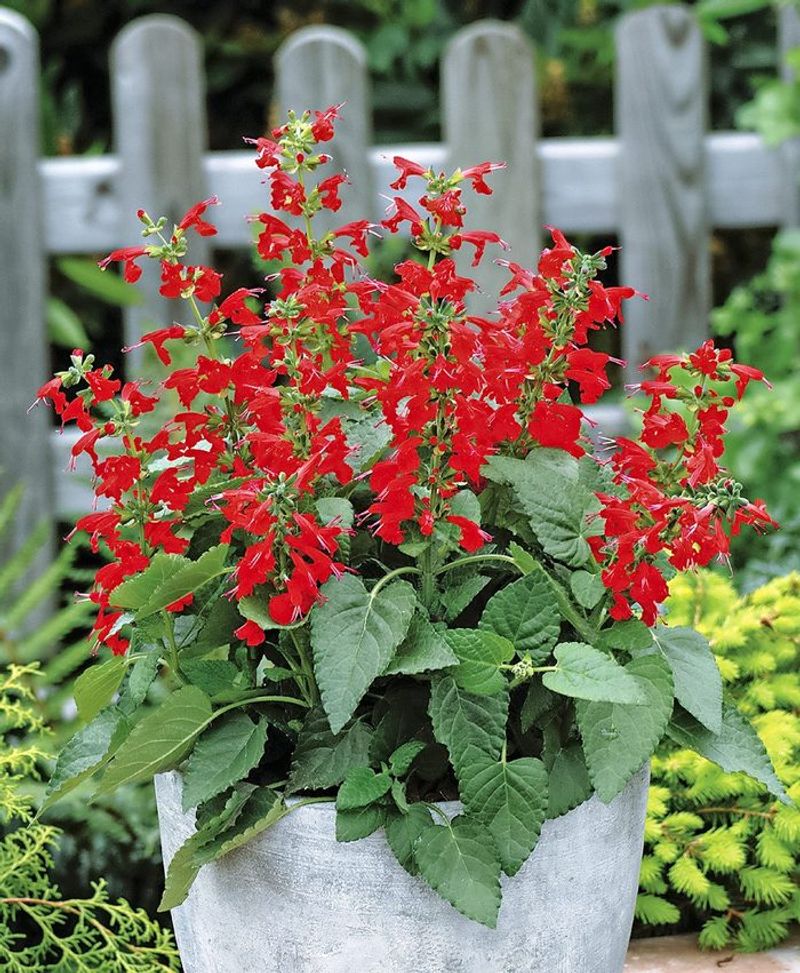
Salvia is a Georgia favorite because it handles heat without wilting and produces tubular red blooms that hummingbirds can’t resist. Cigar plant works just as well, with small orange-red flowers that keep appearing all season.
Both plants grow upright and stay compact in containers, so they won’t take over the pot or flop sideways after a rainstorm.
Skip pale pinks or whites for your anchor plant. Those colors don’t register the same way to a hummingbird scanning your yard at twenty miles per hour.
Bright, saturated tones are what catch their attention and signal that nectar is available. Once they spot that first red bloom, they’ll investigate the rest of your container closely.
Plant your red or orange showstopper in the center or toward the back of the pot. This gives it room to grow tall and makes it visible from multiple angles.
Pair it with other nectar plants in complementary colors, but let the red stay dominant. That single punch of color is your invitation, and it works better than any feeder you could hang.
Choose varieties that bloom continuously rather than all at once, so there is always something visible when hummingbirds pass through. Keep spent flowers trimmed to encourage new buds and maintain that strong color presence.
A healthy, consistently blooming red focal point keeps them returning to your Georgia garden day after day.
2. Choose Nectar Rich Flowers That Thrive In Georgia Heat
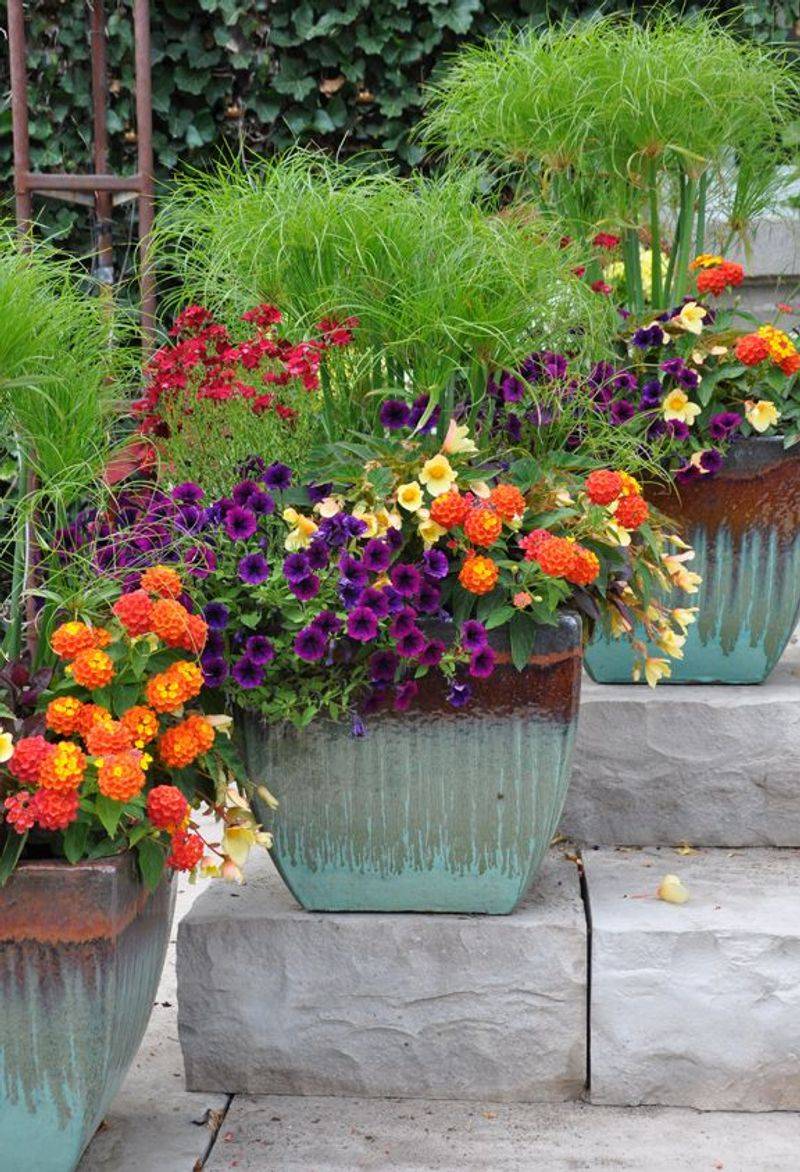
Georgia heat can wipe out delicate flowers fast. Your container needs plants that produce nectar consistently and don’t shut down when temperatures climb into the nineties.
Pentas are a solid choice because they bloom nonstop and hummingbirds visit them repeatedly throughout the day. The clusters of star-shaped flowers hold plenty of nectar, and they come in red, pink, and white.
Lantana is another heat-loving option that works well in containers. It grows quickly, tolerates dry spells between waterings, and produces small tubular flowers in clusters.
Your Georgia Garden Changes Every Week. Your Plan Should Too.
Gardening in Georgia changes quickly throughout the season. Every Friday you’ll receive a simple weekly plan showing exactly what to plant, prune, fertilize, harvest, and protect so you never miss the right timing.
Hummingbirds work their way across each cluster, feeding from multiple blooms in one visit. The plant can get bushy, so give it space or trim it back if it starts crowding other flowers.
Petunias might seem too common, but the right varieties deliver serious nectar. Look for the smaller-flowered types rather than the giant ruffled ones.
Hummingbirds prefer blooms they can access easily, and compact petunias fit that need. They spill over the edges of containers nicely and keep flowering even during hot stretches.
Avoid plants that need constant moisture or cool nights to perform well. Impatiens and begonias might look pretty, but they don’t offer much nectar and they struggle in full Georgia sun.
Stick with proven performers that can handle the heat and keep the nectar flowing when hummingbirds need it most.
3. Use A Large Container With Excellent Drainage
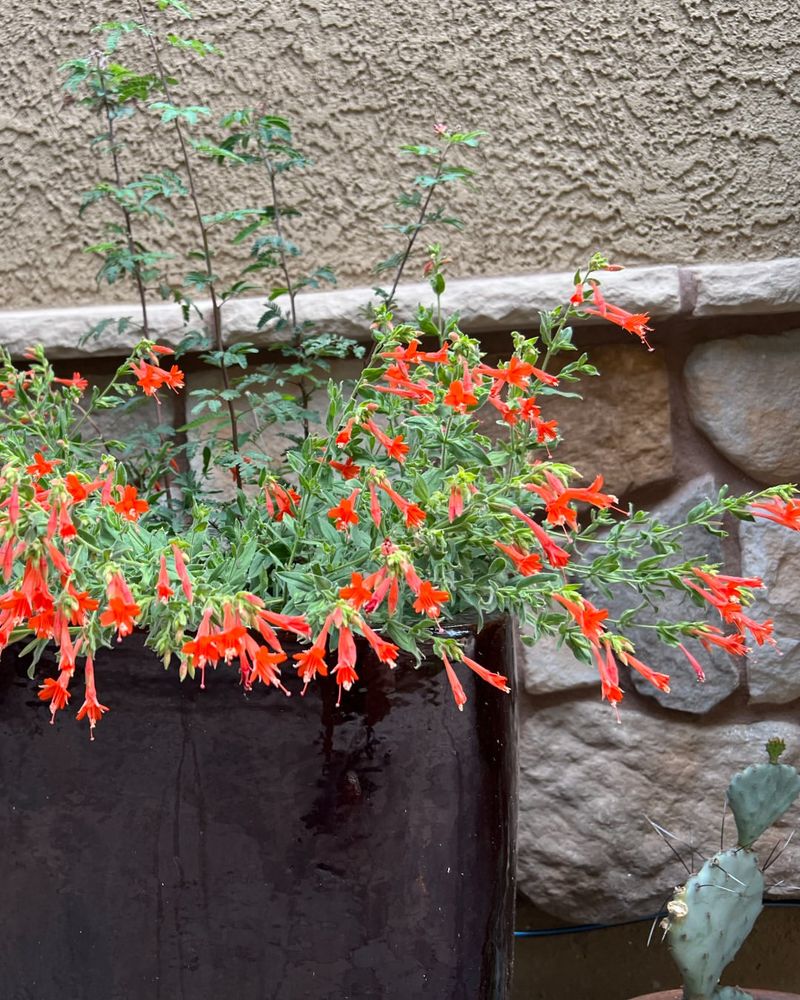
Size matters when you’re planting for hummingbirds. A small pot dries out too quickly in Georgia heat, and the plants won’t grow large enough to produce the volume of blooms you need.
Go for a container that holds at least five gallons of soil, and bigger is even better if you have the space.
Drainage is non-negotiable. Containers without holes in the bottom turn into swamps after a heavy afternoon thunderstorm, which Georgia gets plenty of during summer.
Roots sitting in waterlogged soil will rot, and your plants will decline fast. Make sure your pot has multiple drainage holes, not just one tiny opening in the center.
Terracotta and ceramic pots work well because they’re heavy enough to stay put during windy days and they allow some airflow through the sides. Plastic pots are lighter and cheaper, but they heat up faster in direct sun, which can stress roots.
If you use plastic, choose a lighter color to reflect heat rather than absorb it.
Fill your container with a high-quality potting mix, not garden soil. Potting mix drains better and stays lighter, which helps roots grow strong.
Set the container on pot feet or bricks so excess water can drain freely after heavy Georgia rains. A stable, well-drained base keeps roots healthy and supports steady bloom production all season.
4. Mix Upright Spikes With Trailing Blooms For Visibility
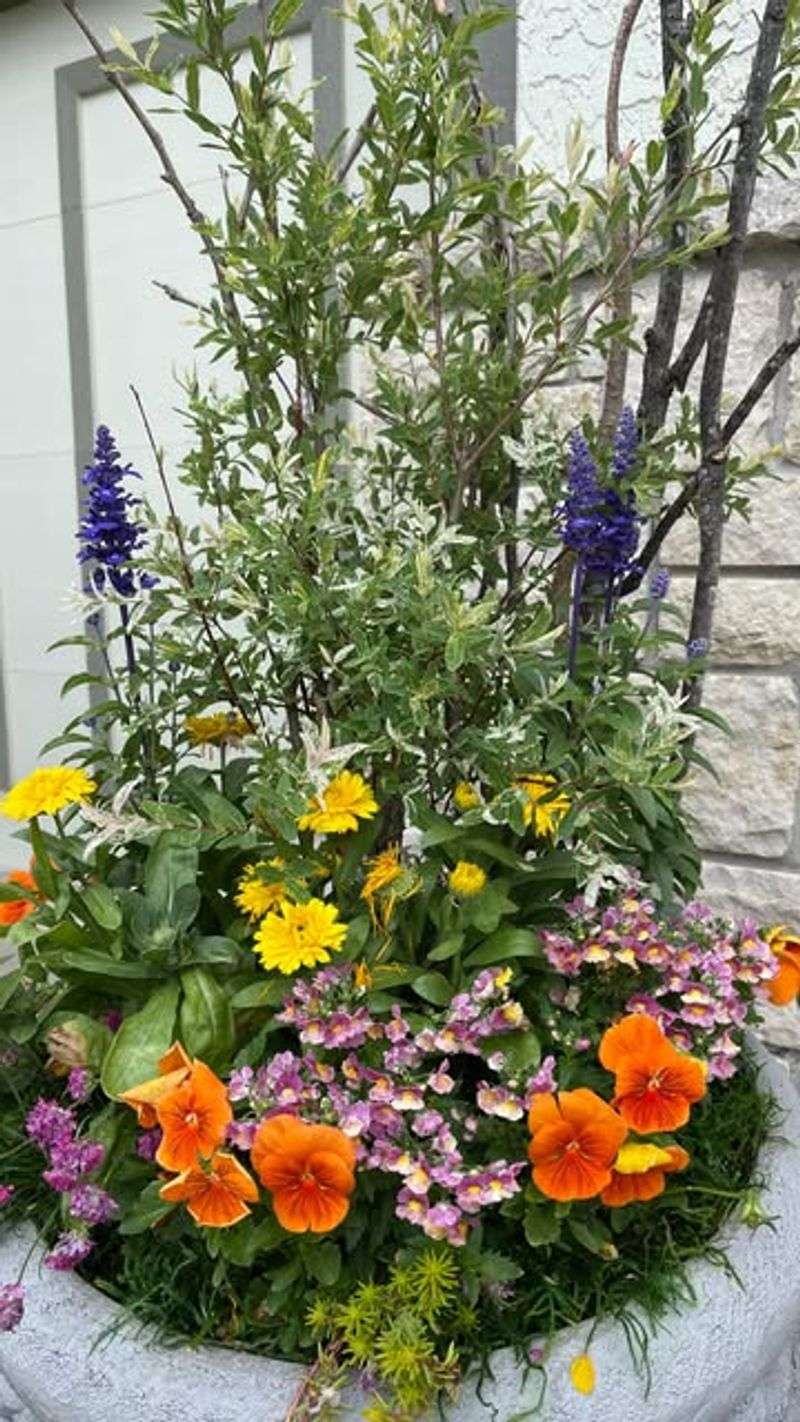
Hummingbirds approach flowers from different angles and heights. Some prefer hovering at eye level, while others dip low or fly upward to reach blooms.
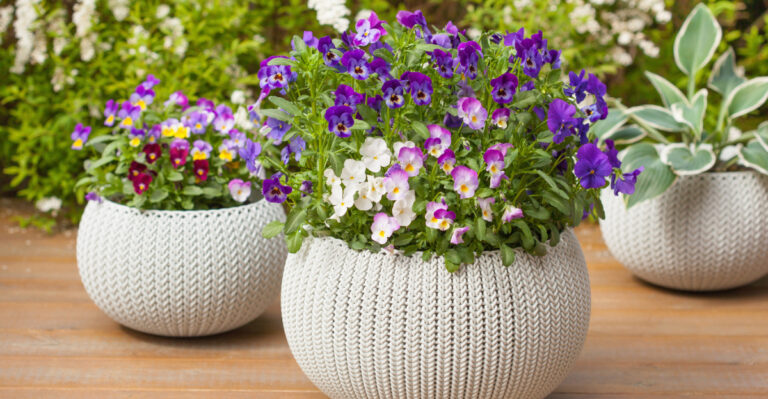
Your container should offer options by combining tall, upright plants with shorter, trailing varieties that spill over the sides.
Tall spikes like salvia or pineapple sage give hummingbirds a high perch to work from. These plants grow vertically and create a strong visual anchor that’s easy to spot from a distance.
Position them in the center or back of your container so they don’t block the smaller plants in front.
Trailing plants like verbena, calibrachoa, or trailing petunias soften the edges of the pot and provide lower feeding stations. Hummingbirds will hover around these cascading blooms and feed while they’re close to the ground.
The combination of heights creates layers that make your container more attractive and functional.
Balance is important. Too many tall plants will make the container look top-heavy and crowded.
Too many trailing plants will hide the structure and reduce visibility. Aim for one or two tall focal plants, a few mid-height bloomers, and one or two trailing varieties to fill the edges.
This layered approach gives hummingbirds multiple feeding opportunities and makes your container look fuller and more interesting from every angle.
Choose plants with slightly different bloom times so one layer does not fade all at once. That staggered flowering keeps nectar available and maintains visual interest in your Georgia container.
Rotate the pot occasionally if one side leans toward the sun, so all layers grow evenly and stay balanced. A well-proportioned mix of heights keeps both the display and the feeding pattern dynamic throughout the season.
5. Place The Pot Where It Gets Morning Sun And Afternoon Relief
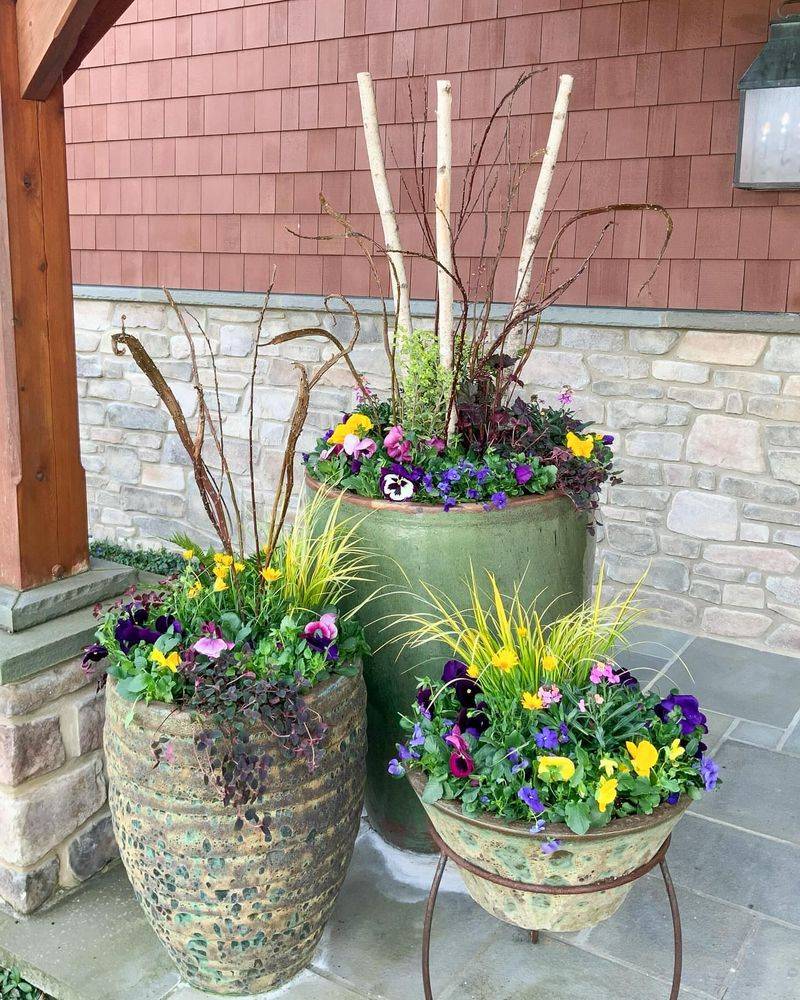
Location can make or break your hummingbird container. Full sun all day sounds ideal, but in Georgia, that means intense afternoon heat that can stress plants and reduce blooming.
Morning sun is gentler and gives your flowers the light they need without scorching them.
Find a spot that gets four to six hours of direct sunlight in the morning, then shifts to partial shade or filtered light during the hottest part of the afternoon. A patio with an overhang, a spot near a tree, or the east side of your house all work well.
This balance keeps plants healthy and blooming without forcing them to survive brutal midday heat.
Hummingbirds prefer feeding in areas with some nearby cover. They like to perch on branches between feeding sessions, so placing your container near a shrub or small tree gives them a resting spot.
They’ll visit more often if they feel safe and can retreat quickly if needed.
Avoid placing your container in a low spot where water collects or in a windy corner where blooms get battered. Hummingbirds won’t visit if the flowers are damaged or if the pot is sitting in standing water.
Keep the container elevated slightly on pot feet or bricks to ensure water drains away completely after rain. This simple adjustment prevents root problems and keeps your plants thriving all season.
Keep the container within clear sightlines so hummingbirds can spot it easily as they move through your yard. Bright surroundings help, but avoid placing it right against reflective glass where heat can intensify.
A stable, well-drained spot with filtered afternoon relief gives both the plants and the birds exactly what they need in Georgia.
6. Skip Pesticides To Keep Visiting Birds Safe
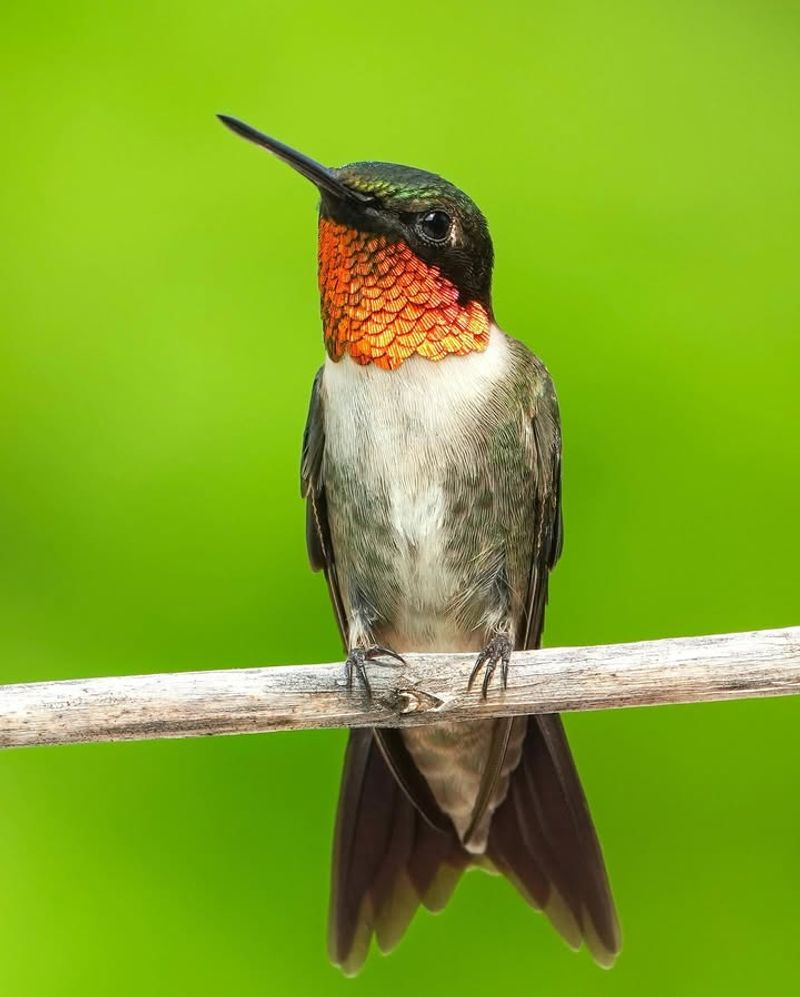
Pesticides seem like an easy fix for aphids or whiteflies, but they’re dangerous for hummingbirds. These birds consume insects along with nectar, and chemicals on flowers can harm them directly or poison the bugs they eat.
A single spray can linger on leaves and blooms for days, putting every visitor at risk.
Hand-picking pests off your plants takes more time, but it’s the safest approach. Check your container every few days and remove any visible insects by hand or knock them off with a strong spray of water from the hose.
Most pests won’t cause serious damage if you catch them early, and your plants will recover quickly without chemical intervention.
Encourage natural predators like ladybugs and lacewings to visit your container. These beneficial insects eat aphids and other pests without harming your plants or the hummingbirds.
You can attract them by planting herbs like dill or fennel nearby, or you can purchase them from garden centers and release them directly onto your container.
If an infestation gets out of control, use insecticidal soap or neem oil as a last resort. Both break down quickly and are less toxic than synthetic pesticides.
Apply them in the evening after hummingbirds have finished feeding for the day, and rinse the plants thoroughly the next morning. Your goal is to protect the birds first, then manage the pests without creating new problems.
Always read the label carefully and follow dilution instructions exactly, since stronger mixtures do not work better and can still stress plants.
Keeping your Georgia container healthy with proper light, spacing, and airflow also reduces pest pressure before it ever becomes a serious problem.
7. Keep Blooms Coming With Simple Deadheading
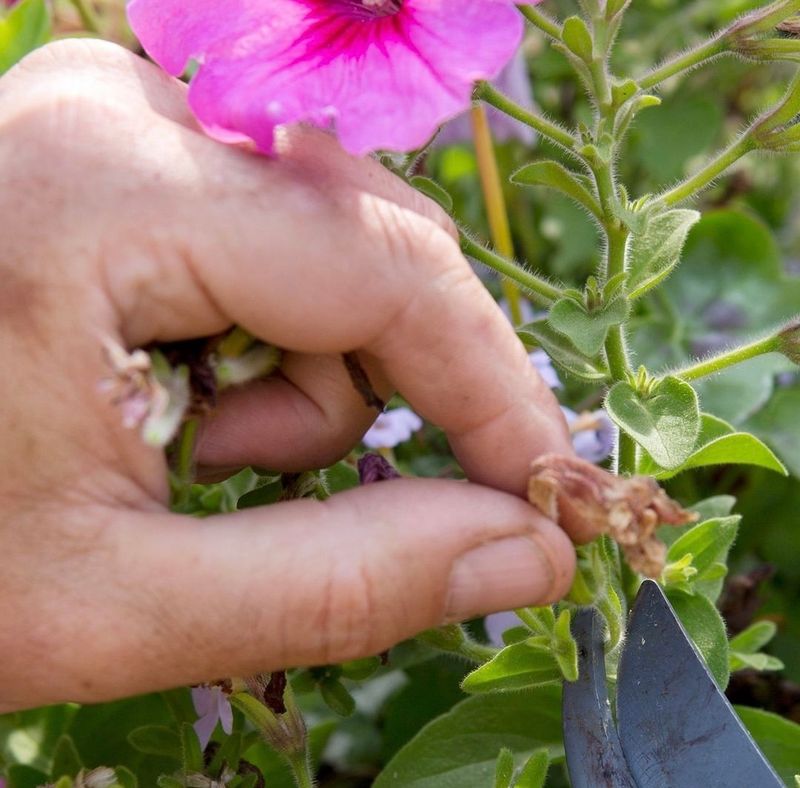
Deadheading sounds fancy, but it just means pinching off flowers after they fade. This simple task keeps your plants producing new blooms instead of wasting energy on forming seeds.
More blooms mean more nectar, which keeps hummingbirds coming back to your container all season.
Walk past your container every few days and look for flowers that have wilted or turned brown. Pinch them off at the base where the stem meets the main plant.
You don’t need scissors or tools for most flowers. Just use your fingers and snap the spent bloom cleanly.
Petunias, pentas, and salvia respond especially well to regular deadheading.
Some plants, like lantana, don’t require as much deadheading because they drop their own spent flowers. Others, like verbena, will slow down dramatically if you don’t remove the old blooms.
Pay attention to which plants need more attention and focus your efforts there. A few minutes of deadheading each week makes a noticeable difference in how full and colorful your container stays.
Combine deadheading with a quick check for yellowing leaves or broken stems. Remove anything that looks damaged or diseased to keep the plant healthy and attractive.
This routine maintenance doesn’t take long, but it keeps your container looking its best and ensures a steady supply of fresh nectar for the hummingbirds visiting your Georgia garden.
Stay consistent through peak bloom season, especially in Georgia’s summer heat when flowers fade faster. If a plant starts looking tired overall, trim it back lightly by a few inches to refresh growth and trigger a new wave of blooms.
Small, regular touch-ups keep the entire container balanced, vibrant, and far more inviting to hummingbirds.