Plant These 11 Long-Blooming Perennials For Nonstop Color In Oregon
If you have ever wished your Oregon garden would just pick a lane and stay colorful for more than a few fleeting weeks, you are not alone.
Spring explodes, early summer dazzles, and then suddenly there is a lull. The trick is planting perennials that refuse to quit.
Oregon’s mild temperatures and generous rainfall create the perfect stage for serious staying power. The right long blooming varieties do not just make a quick appearance.
They settle in and keep the show going through shifting weather, cool nights, and even those surprise heat spikes. Some start in late spring and power straight through fall. Others hit their stride in summer and simply keep producing.
The magic is in choosing dependable performers that thrive in our unique conditions instead of fighting them. Once established, these perennials return bigger, fuller, and more impressive each year, building layers of color that overlap beautifully.
If nonstop blooms sound like a dream, get ready. These hardworking favorites are about to turn your Oregon garden into a season long celebration.
1. Russian Sage
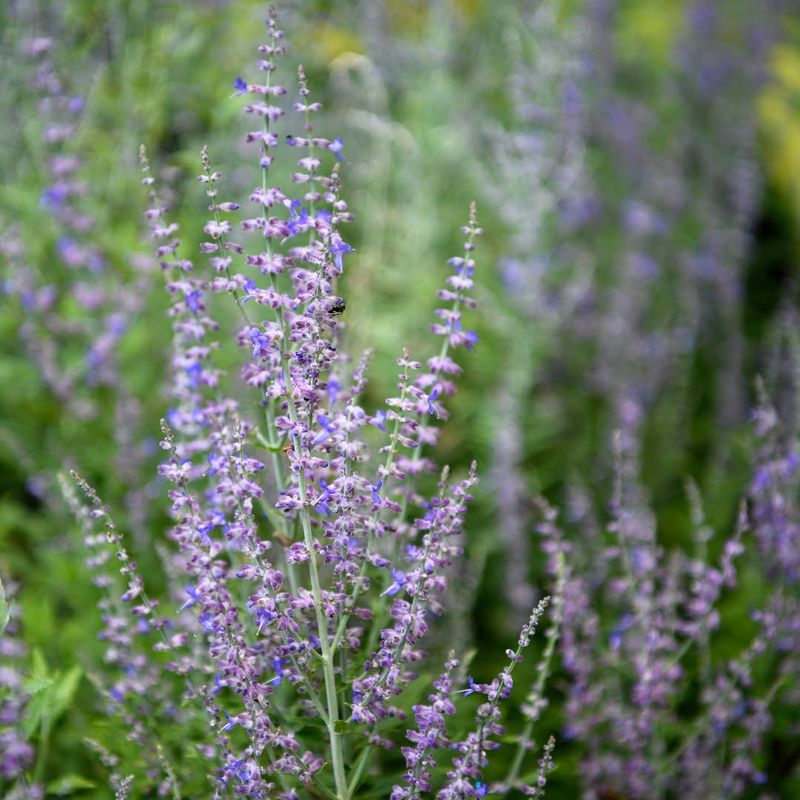
Few plants can match the airy, silvery beauty of Russian Sage. Its tall, wispy stems are covered in tiny lavender-blue flowers that seem to shimmer in the breeze.
Plant it in a sunny spot, and it will reward you with blooms from midsummer all the way into fall.
Oregon gardeners love this plant because it handles both heat and drought like a champ. Once established, it needs very little water, which is great news for those dry Eastern Oregon summers.
It also tolerates Oregon’s clay-heavy soils better than many other perennials.
Pair it with ornamental grasses or yellow-flowered plants for a stunning color contrast. The silvery foliage looks gorgeous even when the plant is not in full bloom.
Bees and butterflies absolutely love the flowers, making your garden a lively, buzzing paradise. Cut it back hard in late winter, and it will come roaring back stronger than ever the following season.
2. Coreopsis
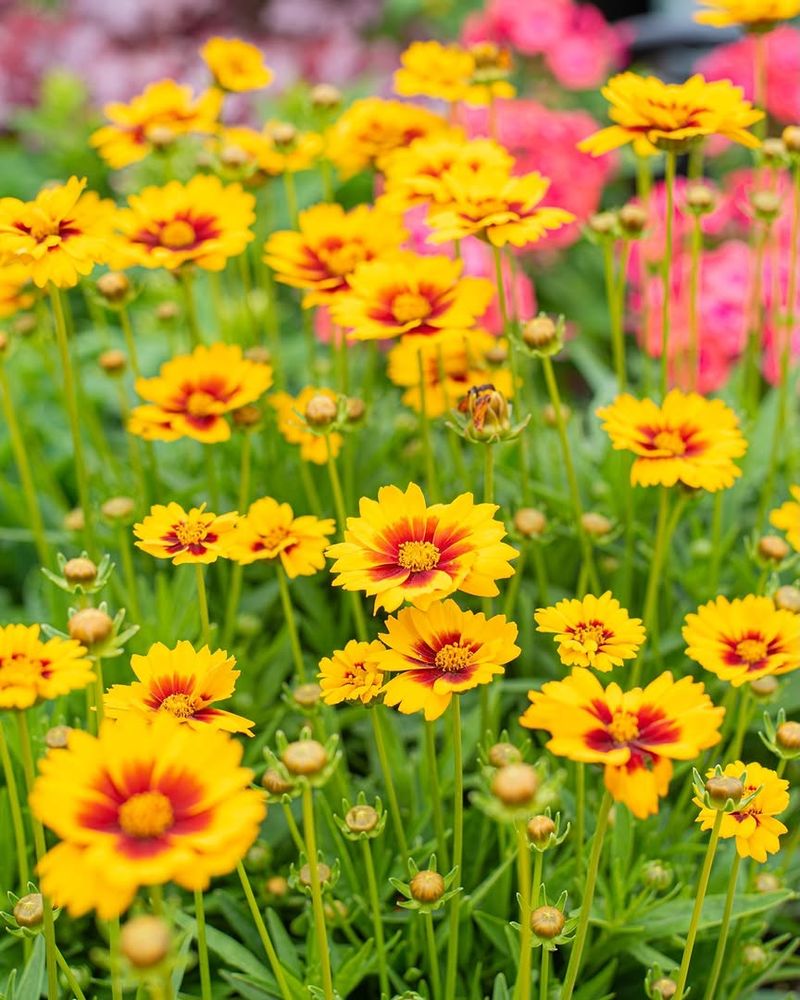
Sunshine in plant form, that is the best way to describe Coreopsis. These cheerful, daisy-like flowers bloom in shades of yellow, orange, and red, and they just keep going all summer long.
In Oregon, where summers can be warm and dry, Coreopsis thrives without much extra care.
One of the best things about this plant is how low-maintenance it really is. Once it gets settled into your garden, it practically takes care of itself.
Deadheading spent blooms encourages even more flowers, so a little effort goes a long way with this one.
Did you know Coreopsis is also called tickseed? The tiny seeds look a bit like ticks, which is where the funny nickname comes from.
Pollinators go crazy for these blooms, and birds love the seeds in the fall. Grow it along borders or in containers for a pop of bright color.
It pairs beautifully with purple plants like catmint or salvia, creating a bold, eye-catching combination that Oregon gardeners will love all season long.
3. Hardy Geranium
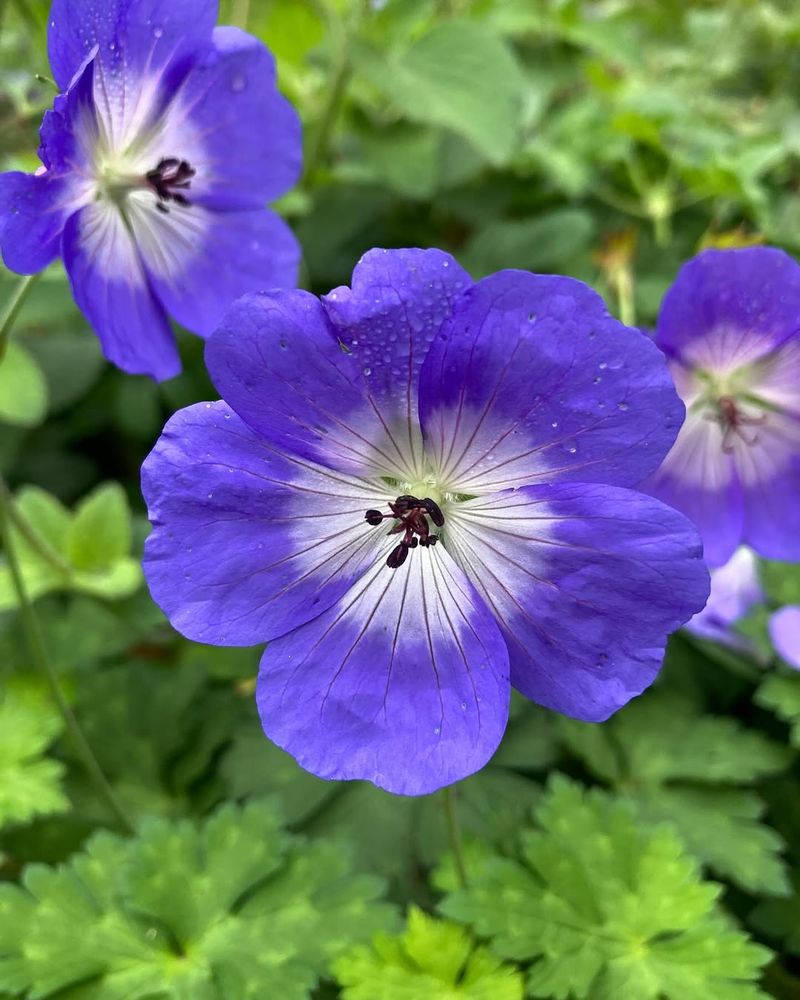
Do not confuse Hardy Geranium with the potted geraniums you see on porches. Hardy Geraniums, also called cranesbills, are true perennials that come back year after year with almost no help from you.
Your Oregon Garden Changes Every Week. Your Plan Should Too.
Gardening in Oregon changes quickly throughout the season. Every Friday you’ll receive a simple weekly plan showing exactly what to plant, prune, fertilize, harvest, and protect so you never miss the right timing.
They bloom in soft shades of purple, pink, blue, and white, adding a cottage-garden charm that is hard to beat.
Oregon’s mild, rainy winters are actually perfect for Hardy Geraniums. They establish quickly in fall and are ready to bloom by late spring.
Many varieties rebloom through summer and into early fall, especially if you trim them back after the first flush of flowers.
These plants are incredibly versatile. They work well in full sun or partial shade, making them one of the most flexible choices for Oregon gardens.
They spread gently to fill empty spaces without becoming invasive. Their attractive, deeply lobed leaves look great even between bloom cycles.
Plant them under roses, along pathways, or at the front of a border for a lush, layered look that feels natural and relaxed. Hardy Geraniums are truly one of Oregon’s most reliable garden workhorses.
4. Catmint
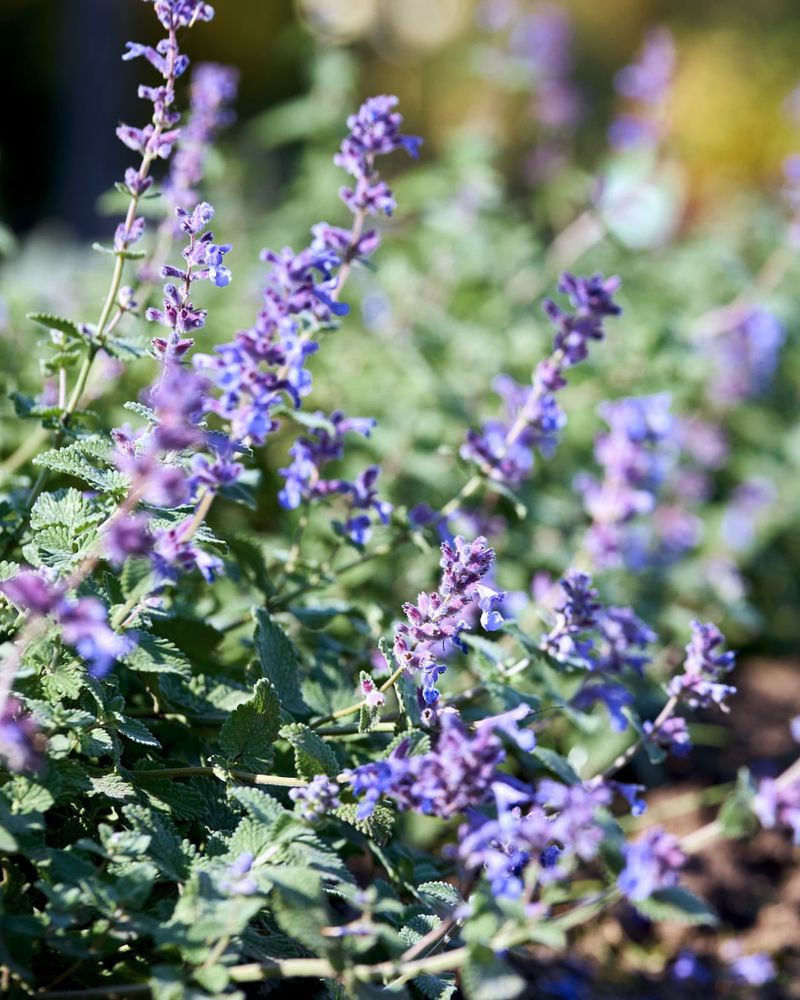
Soft, fragrant, and absolutely covered in lavender-blue flowers, Catmint is one of those plants that makes every garden look effortlessly beautiful. It blooms heavily in late spring and early summer, then takes a small break before reblooming again in late summer.
In Oregon, that means you get color from May through September with very little work.
Catmint is incredibly tough. It handles Oregon’s wet winters and dry summers without complaining.
It also resists deer, which is a huge bonus for gardeners in rural parts of Oregon where deer can be a real problem. Bees and butterflies swarm the flowers, making it a fantastic choice for pollinator-friendly gardens.
After the first big bloom, cut the plant back by about half. It will bounce back quickly with a fresh flush of flowers.
Catmint looks stunning when planted in long drifts along walkways or garden edges. Its soft, mounding shape creates a flowing, romantic look.
Pair it with roses for a classic English garden feel, or let it spill over stone walls for a wild, natural look that suits Oregon’s rugged, beautiful landscape perfectly.
5. Shasta Daisy
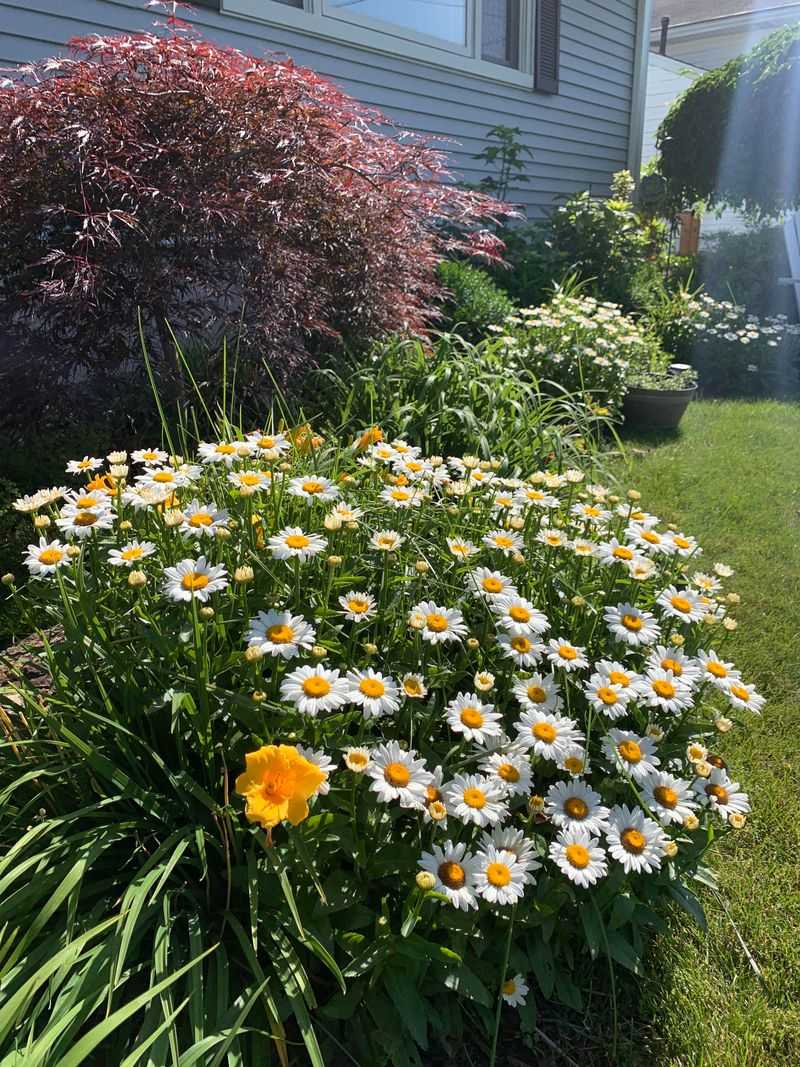
There is something timeless and cheerful about a field of white Shasta Daisies swaying in the summer breeze. These classic perennials bloom from early summer through fall, producing bold white flowers with sunny yellow centers that brighten up any garden space.
They are a longtime favorite in Oregon gardens for good reason.
Shasta Daisies love full sun and well-drained soil, which makes them a great fit for many parts of Oregon. They are not fussy about soil quality, and once established, they handle dry spells with ease.
Deadhead regularly to keep the flowers coming, and divide clumps every few years to keep plants healthy and vigorous.
These daisies grow to about two to three feet tall, making them a great mid-border plant. They look stunning alongside purple coneflowers or black-eyed Susans for a bold, colorful combination. Pollinators love them, and they make excellent cut flowers for bouquets.
In the Willamette Valley and along Oregon’s coast, Shasta Daisies bloom especially well thanks to the mild temperatures and consistent moisture during the growing season. A truly dependable performer.
6. Salvia
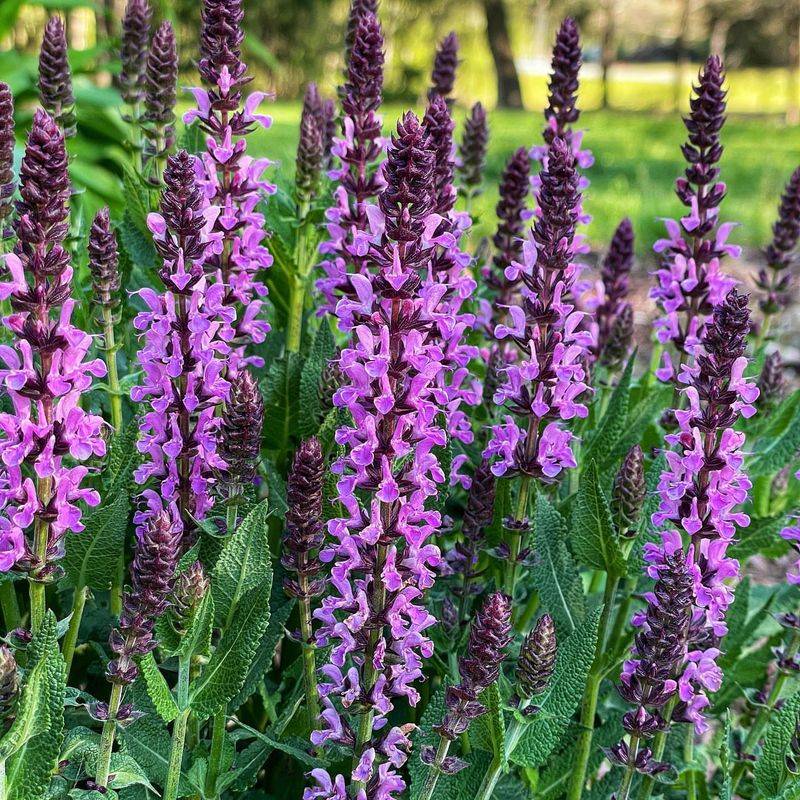
Walk past a clump of blooming Salvia and you will immediately understand why gardeners are so obsessed with it. The tall, upright spikes of deep blue, purple, or red flowers are simply stunning.
Salvia blooms from late spring through summer and often reblooms in fall, giving Oregon gardens an incredibly long season of color.
Salvia is a superstar for pollinators. Hummingbirds especially love the tubular flowers, and Oregon is fortunate to have several hummingbird species that visit gardens regularly.
Plant Salvia near a window or patio so you can enjoy the show up close. It thrives in full sun and well-drained soil, and once established, it is surprisingly drought-tolerant.
There are dozens of Salvia varieties to choose from, ranging from compact, foot-tall plants to towering four-foot specimens. For most Oregon gardens, varieties like Salvia nemorosa or Salvia x sylvestris are excellent choices.
They are cold-hardy, reliable, and incredibly free-flowering. Cut spent flower spikes back to the base to encourage a second round of blooms.
Pair Salvia with yellow or white flowers for a color combination that really pops in the garden all season long.
7. Gaillardia
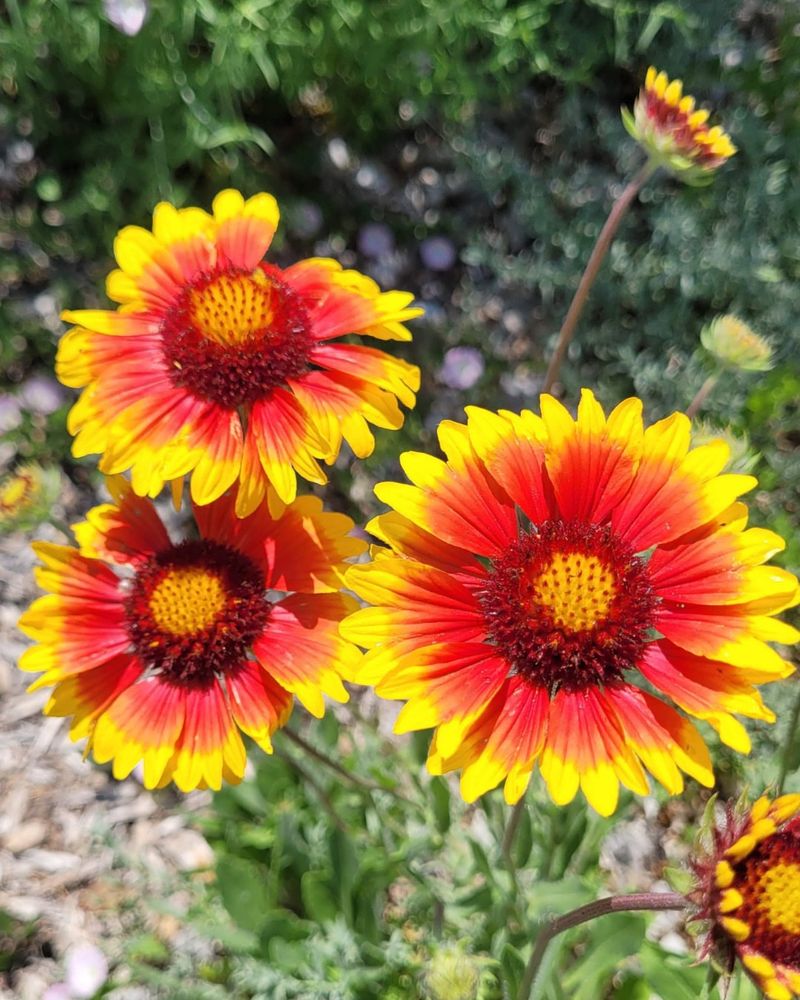
Bold, fiery, and unapologetically bright, Gaillardia is the life of the garden party. Also known as blanket flower, it produces stunning red, orange, and yellow blooms that look like little sunsets sitting on top of wiry stems.
In Oregon, it blooms from late spring all the way through the first frost, which is an incredibly long season of color.
Originally from the prairies of North America, Gaillardia is built for tough conditions. It loves heat and full sun, thriving especially well in Eastern Oregon’s warmer, drier climate.
It handles poor soil and drought without missing a beat, making it one of the most carefree perennials you can plant.
Deadhead the spent blooms regularly to keep the flowers coming nonstop. Gaillardia pairs beautifully with blue or purple flowers like Salvia or Catmint, creating a vibrant, high-contrast color scheme that grabs attention from across the yard.
Pollinators adore the open, daisy-like blooms. The flowers also make gorgeous, long-lasting cut arrangements.
If you are looking for a plant that delivers maximum color with minimum effort in an Oregon garden, Gaillardia absolutely belongs on your list.
8. Black Eyed Susan
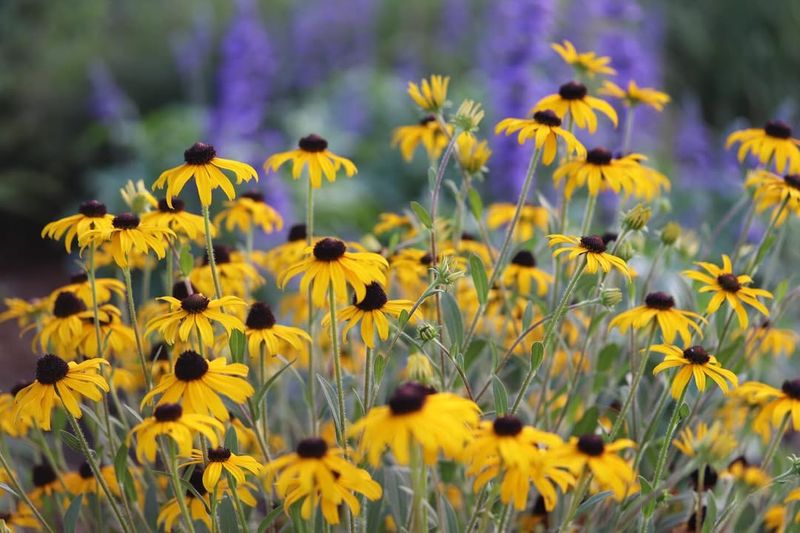
Ask any experienced Oregon gardener which perennial they would never want to be without, and Black Eyed Susan is likely near the top of the list.
These bright golden-yellow flowers with their bold dark centers bloom from midsummer through fall, filling gardens with warm, sunny color exactly when many other plants start to fade.
Rudbeckia, the botanical name, is incredibly easy to grow. It adapts well to Oregon’s varied climates, from the wet western valleys to the drier eastern regions.
It tolerates both heat and some moisture, making it one of the most flexible perennials available. It self-seeds gently, so your planting will naturally spread over time to fill more space.
Black Eyed Susan grows about two to three feet tall and looks spectacular when planted in large groups or drifts.
It pairs brilliantly with purple coneflowers and ornamental grasses for a naturalistic, meadow-style planting that feels right at home in Oregon’s wild, scenic landscape.
Goldfinches love the seed heads in fall and winter, so leave a few standing after the blooms fade. It is a plant that truly gives back to the whole garden ecosystem.
9. Coneflower
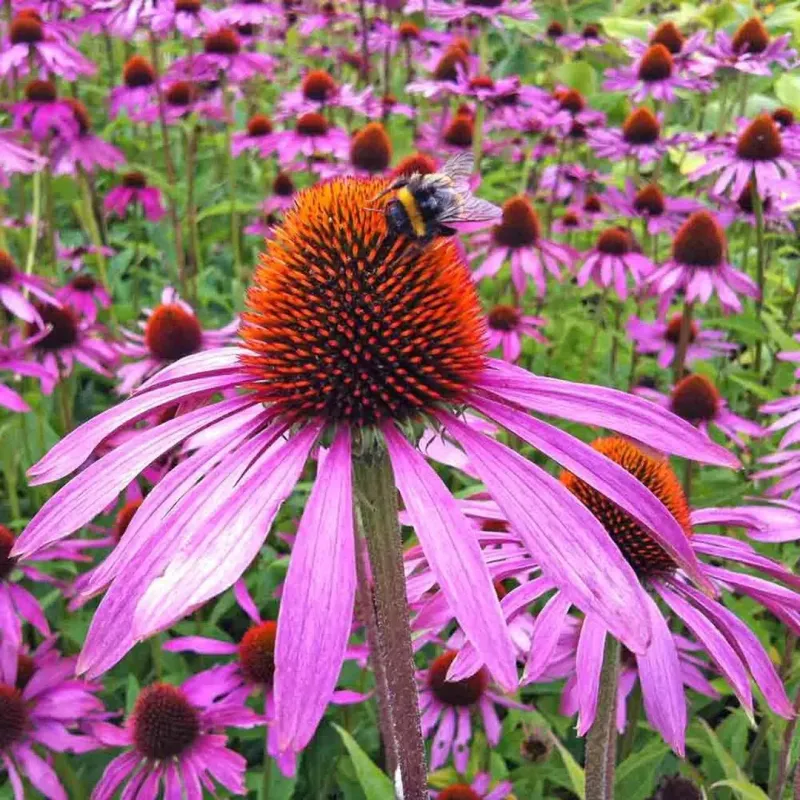
Tough, beautiful, and loved by every pollinator in the neighborhood, Echinacea, or coneflower, is a must-have for any Oregon garden. The spiky, raised center cone is surrounded by petals that come in purple, pink, white, orange, and yellow.
Blooms appear in midsummer and last well into fall, giving you months of gorgeous color.
Native to North American prairies, coneflower is perfectly adapted to handle summer heat and occasional drought. In Oregon, it performs beautifully in both the Willamette Valley and the drier regions east of the Cascades.
It is also one of the most deer-resistant perennials you can plant, which is great news for gardeners in areas where deer pressure is high.
Beyond its beauty, coneflower has a long history as an herbal plant used for immune support. Many people grow it for both its looks and its traditional uses.
Leave the seed heads standing through winter because birds, especially goldfinches and chickadees, will visit constantly to feed on them. Pair coneflower with Black Eyed Susan or ornamental grasses for a stunning, natural-looking combination that feels perfectly at home in Oregon’s diverse and beautiful garden landscape.
10. Yarrow
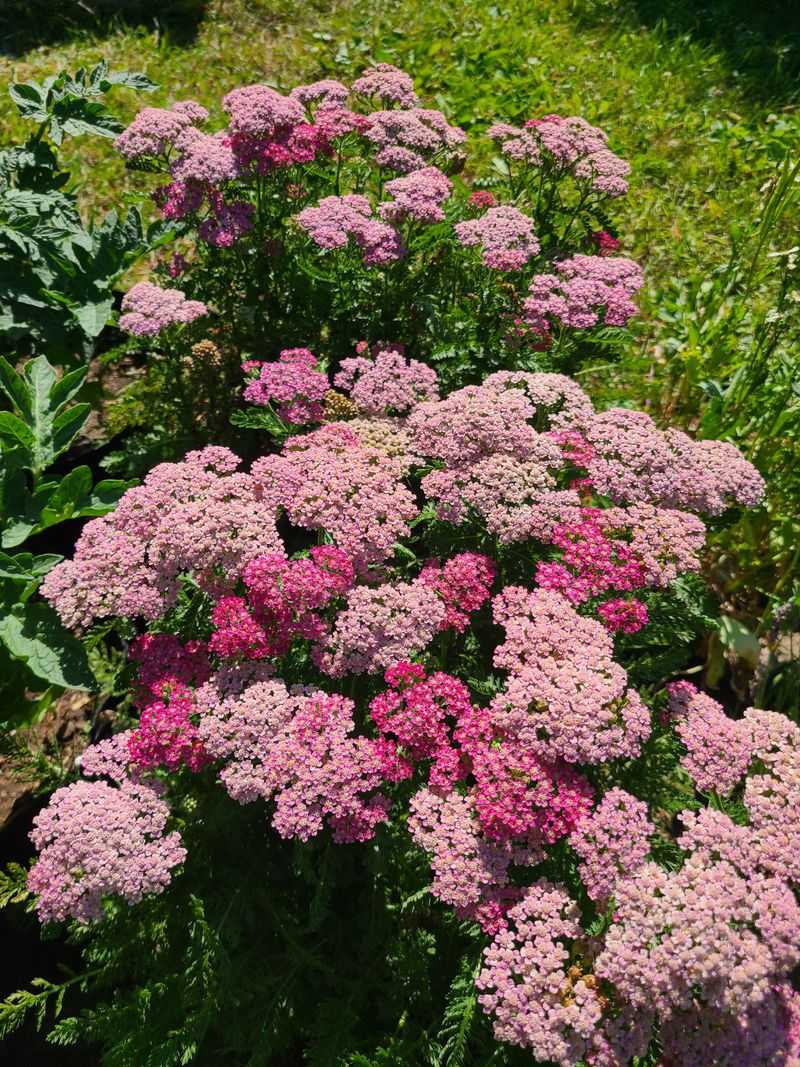
Yarrow has been growing in gardens for thousands of years, and once you plant it, you will quickly understand why it has stuck around so long. Flat-topped clusters of tiny flowers bloom in shades of yellow, white, pink, and red from early summer through fall.
The feathery, fern-like foliage is attractive even when the plant is not in bloom.
Few perennials are as tough and adaptable as Yarrow. It thrives in poor, dry soil and full sun, making it a fantastic choice for the hotter, drier parts of Oregon.
It is also a pollinator magnet, attracting bees, butterflies, and beneficial insects that help keep the rest of your garden healthy and balanced.
Yarrow spreads steadily over time, filling in bare spots and creating a lush, full look in garden beds. Divide clumps every few years to keep plants vigorous and well-shaped.
It dries beautifully for use in floral arrangements, holding its color for months after cutting. In Oregon gardens, Yarrow pairs well with Salvia, Gaillardia, and ornamental grasses.
It is one of those reliable, no-fuss plants that makes every gardener look like they know exactly what they are doing.
11. Penstemon
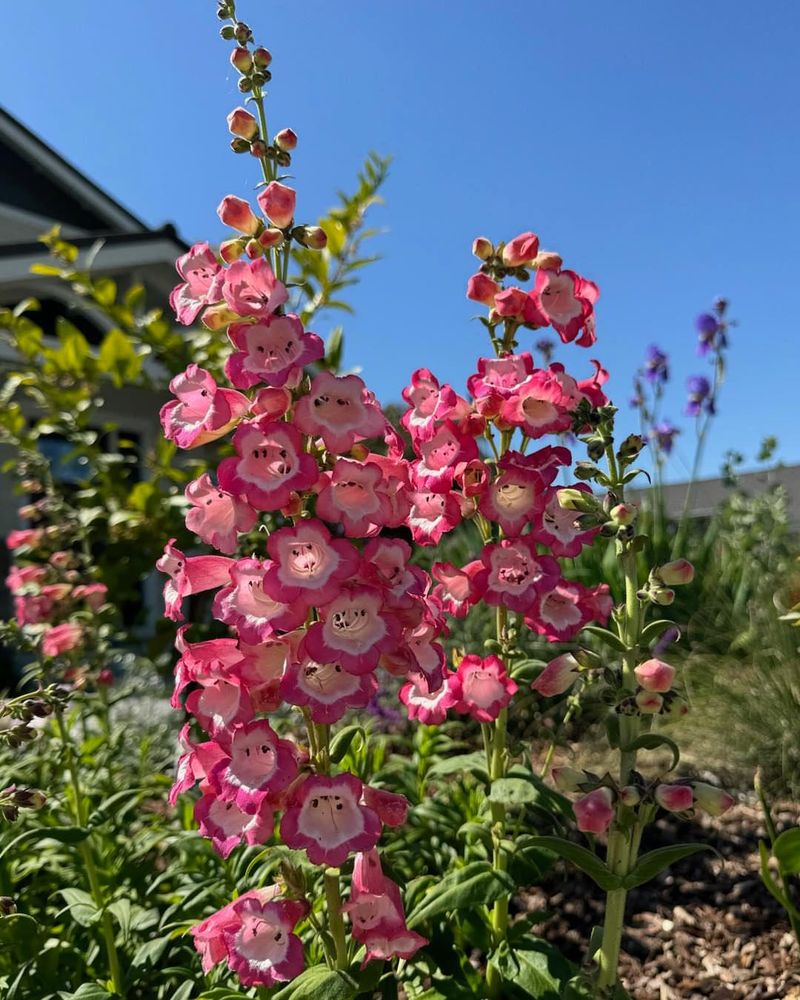
Here is a fun fact: Penstemon is one of the largest genera of flowering plants native to North America, and Oregon is home to dozens of wild species.
Also called beardtongue, this stunning perennial produces tall spikes of tubular flowers in shades of red, pink, purple, and white. Hummingbirds absolutely cannot resist them.
Penstemon is perfectly suited to Oregon’s climate because many varieties are actually native to the Pacific Northwest. They handle Oregon’s wet winters and dry summers with ease.
Once established, most varieties need very little supplemental watering, making them a smart, eco-friendly choice for water-conscious gardeners across the state.
Blooms typically appear in late spring and early summer, with some varieties reblooming later in the season. The upright, elegant flower spikes add great vertical interest to garden beds and borders.
Plant Penstemon in well-drained soil and full sun for best results. It pairs beautifully with Yarrow, Coneflower, and ornamental grasses for a naturalistic, Pacific Northwest-inspired planting style.
If you want a perennial that celebrates Oregon’s native plant heritage while delivering serious garden beauty, Penstemon is an absolutely perfect choice for your outdoor space.