5 Plants To Prune In Early March In California (And 4 To Leave Alone)
Early March in California feels like a green light. The days are stretching out, buds are swelling, and everything in the garden looks ready for a fresh start.
It is tempting to grab the pruners and go to town. Sometimes that works in your favor. Other times it can cost you a full season of blooms.
Timing is everything, especially in a state with wildly different microclimates. What is perfect in a mild coastal garden might be risky in a frost prone inland valley.
Some plants respond to an early March trim with vigorous new growth and better flowering. Others are quietly setting buds and will not forgive a well meaning snip.
The key is knowing who appreciates a haircut right now and who needs you to step away slowly. A few smart cuts can shape, refresh, and energize your garden for spring.
A few wrong ones can leave you staring at empty branches and wondering what happened. Let’s make sure you prune with confidence.
1. Roses
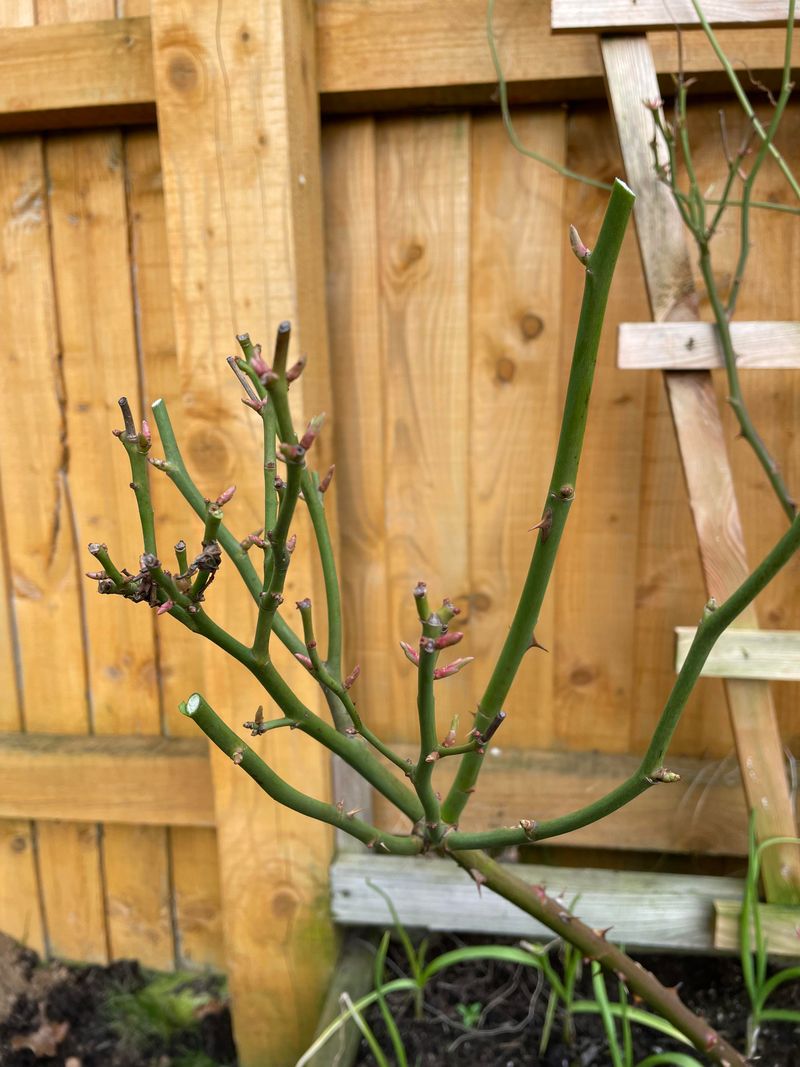
Few plants reward a good pruning quite like roses do. In California, early March is the sweet spot for cutting them back, just as the first tiny red buds start swelling on the canes.
If you wait too long, the plant will already be spending energy on new shoots you are about to remove.
Start by cutting out any canes that look gray, shriveled, or hollow in the center. Healthy canes are green and firm.
Aim to cut each cane at a 45-degree angle, about a quarter inch above an outward-facing bud. This encourages the new growth to spread outward, giving the plant a nice open shape with good air circulation.
For most rose varieties grown across California, cutting the plant back by about one third to one half of its total height works well. Hybrid teas and grandifloras tend to like a harder prune.
Climbing roses need a lighter touch, mostly removing damaged wood and crossing branches rather than cutting back the main canes.
After pruning, clean up all the fallen leaves and clippings around the base of the plant. Old rose debris can harbor fungal spores.
A fresh layer of mulch after pruning helps keep moisture in and weeds out as the season heats up.
2. Crepe Myrtle
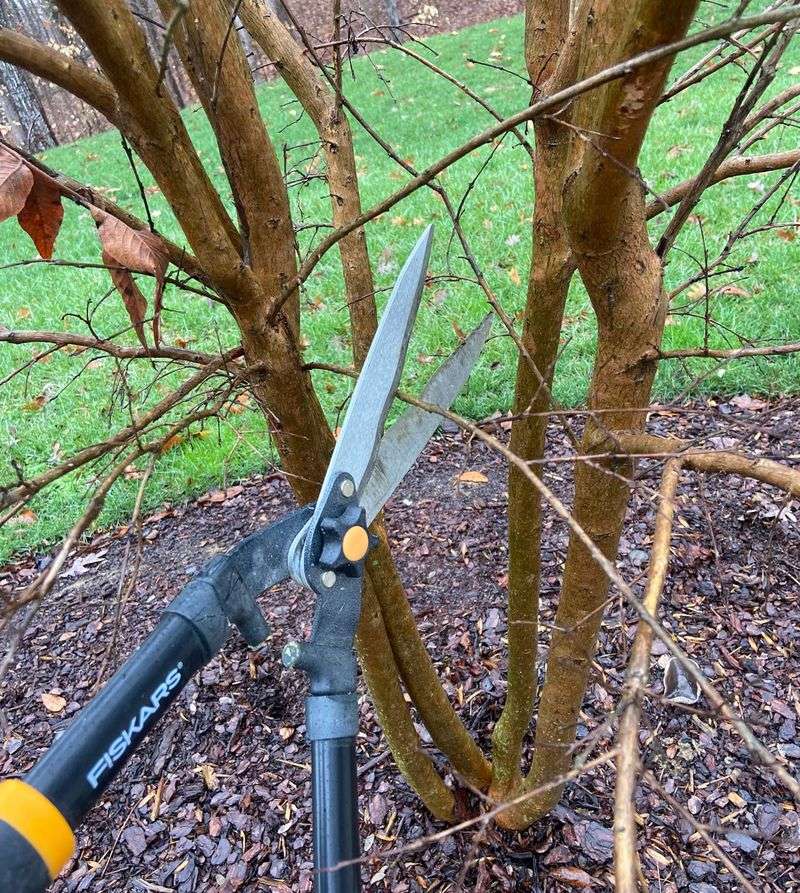
Crepe myrtles are everywhere in California, lining driveways, filling front yards, and adding bright summer color to neighborhoods up and down the state. But there is one thing many gardeners get wrong with these trees: over-pruning, sometimes called crepe destroyer.
Cutting them back to ugly stubs every year weakens the tree and ruins its natural shape.
The good news is that early March is the right time to prune crepe myrtles properly. At this point, the tree is still dormant enough that you can see its branch structure clearly.
Look for branches that cross each other, grow inward, or rub against other branches. Those are the ones to remove.
You can also remove any small twiggy growth at the base of the trunk, called suckers. These steal energy from the main tree without adding anything useful. Trim them off cleanly at the base.
Your California Garden Changes Every Week. Your Plan Should Too.
Gardening in California changes quickly throughout the season. Every Friday you’ll receive a simple weekly plan showing exactly what to plant, prune, fertilize, harvest, and protect so you never miss the right timing.
If your crepe myrtle has gotten too tall for its space, you can reduce the height by cutting back to a strong side branch rather than just chopping the top off. This keeps the tree looking natural and healthy.
With the right pruning in early March, your crepe myrtle will reward you with an amazing show of blooms come summer all across California gardens.
3. Fruit Trees Like Peach And Plum
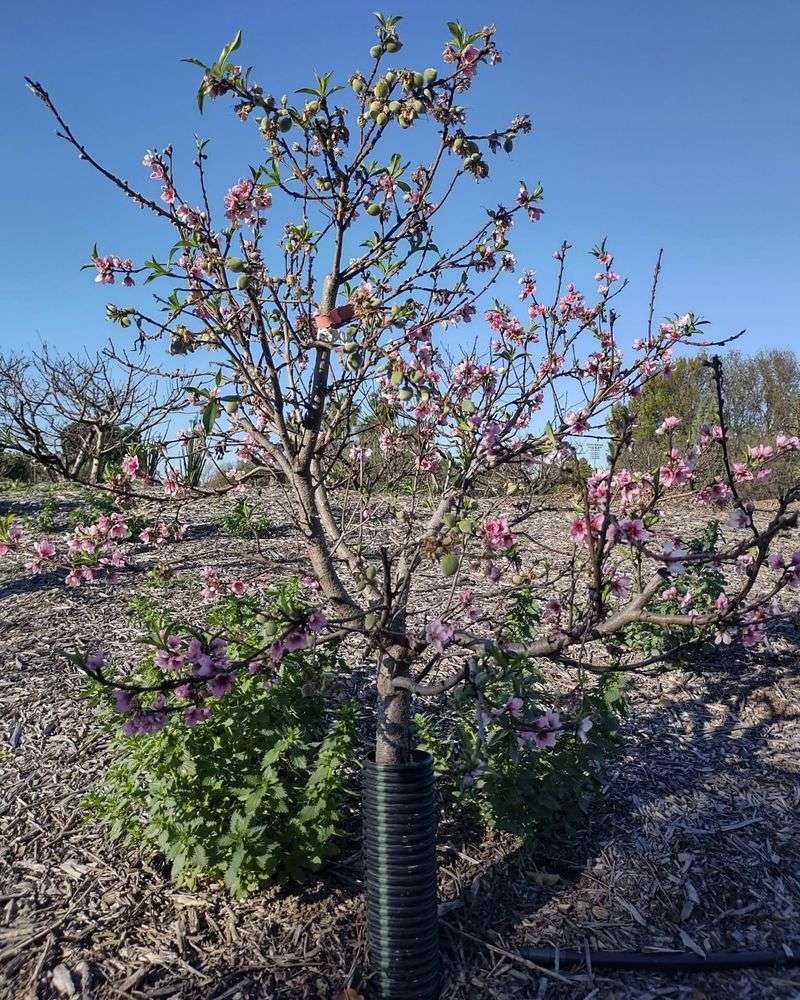
Stone fruit trees like peach and plum are among the most satisfying plants to grow in California. They produce gorgeous spring blossoms and, later, delicious fruit.
But they need regular pruning to stay productive and healthy year after year.
Early March is the ideal window to prune these trees in most parts of California. The trees are just coming out of dormancy, and some may already be showing early flower buds.
Pruning now helps open up the canopy, letting sunlight reach the interior branches where fruit will eventually develop.
For peach trees, a fairly aggressive prune is actually recommended. Peaches produce fruit on last year’s growth, so you want to encourage plenty of new shoots each season.
Cut back long branches by about half and remove any that are crossing, crowded, or growing straight up. The goal is a wide, open shape sometimes called a vase or bowl shape.
Plum trees are a bit less demanding but still benefit from a good thinning in early March. Remove damaged wood first, then look for branches that are too close together.
Good airflow through the canopy reduces the risk of fungal diseases, which can be a real issue in California’s coastal and valley regions. A well-pruned fruit tree is simply a more productive one.
4. Salvias That Bloom In Summer
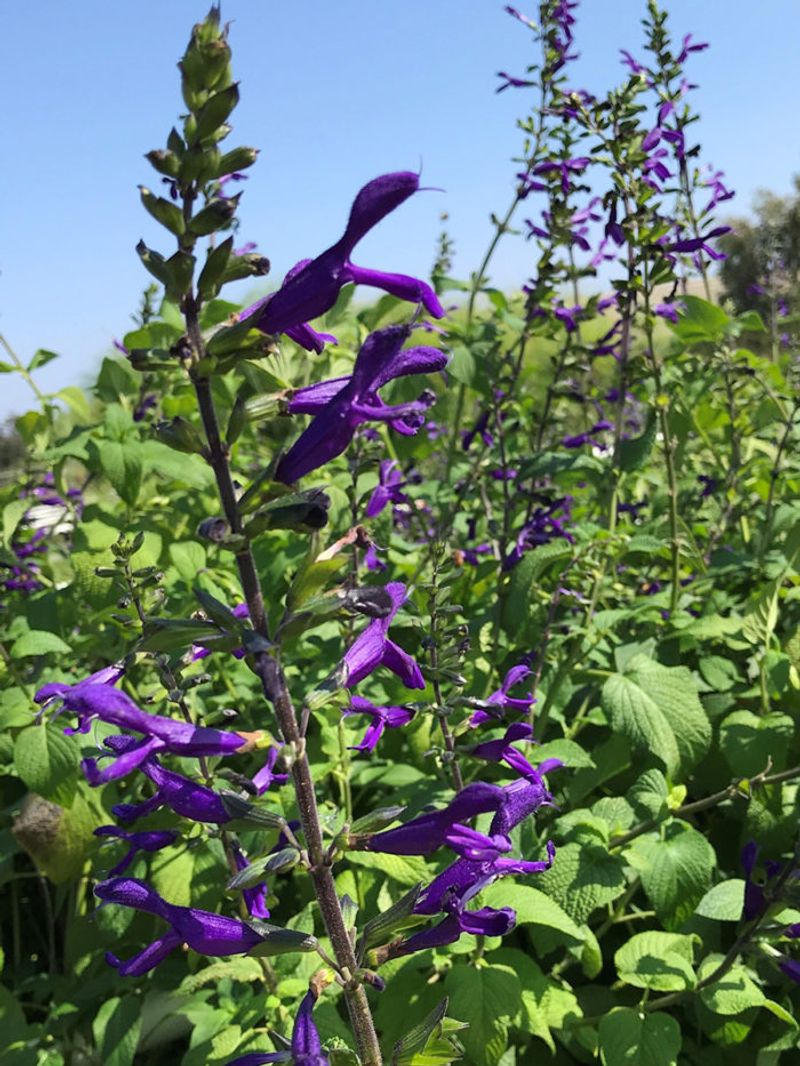
These tall beauties are workhorses of the California garden. They handle heat, drought, and full sun like champions, and they put on a brilliant show of color from late spring all the way through fall.
But after a long growing season, they can get leggy, woody, and a little tired-looking by late winter.
Early March is the perfect time to cut summer-blooming salvias back hard. Look for the new green growth sprouting near the base of the plant.
That fresh growth is your guide. Cut the old woody stems back to just above where that new growth is emerging, usually about six to twelve inches from the ground depending on the size of the plant.
Do not be nervous about cutting too much. Salvias are tough and respond really well to a hard prune.
Within just a few weeks, you will see the plant filling back in with lush new growth. By late spring, it will look better than ever.
Across California, popular varieties like Salvia greggii, Salvia leucantha, and Salvia clevelandii all benefit from this early March trim. Just make sure you are only cutting summer bloomers right now.
Salvias that bloom in spring or winter should be left alone until after their flowering period wraps up. Timing really does matter here.
5. Ornamental Grasses
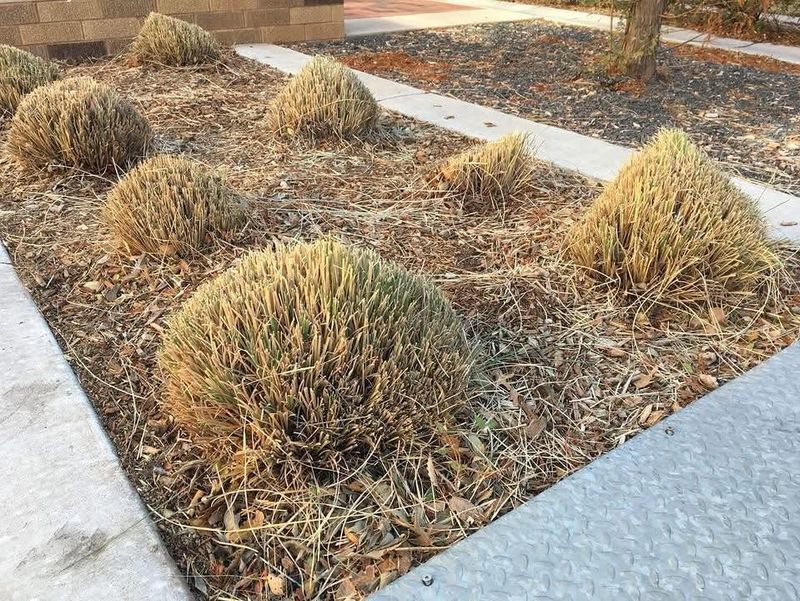
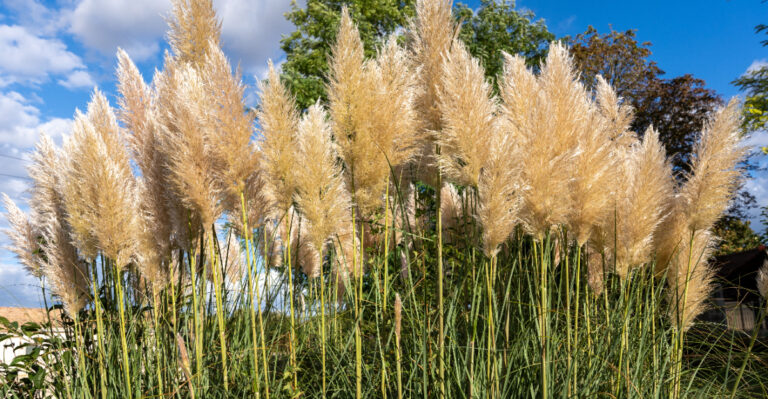
Ornamental grasses add incredible texture and movement to California gardens. Varieties like Mexican feather grass, deer grass, and blue oat grass thrive in the state’s warm, dry climate.
But by late winter, most of them are looking pretty ragged, full of dry brown blades from the previous season.
Early March is exactly when you want to cut them back. Before the new growth really takes off, grab a pair of hedge shears or strong scissors and cut the clump down to about four to six inches from the ground.
Some gardeners like to tie the grass into a bundle first to make cleanup easier. Either way, the result is a tidy little mound that will explode with fresh green growth within a few weeks.
One important note: not all ornamental grasses should be cut back this hard. Evergreen grasses like New Zealand flax or some sedges do not respond well to a heavy prune.
For those, just comb out the withered blades with your fingers or a wide-toothed rake instead of cutting.
For the true clumping grasses that go dormant in winter, though, that early March haircut is genuinely transformative.
It removes the old withered material, gives the plant room to breathe, and sets the stage for a full, beautiful season of growth all across California landscapes.
6. Camellias
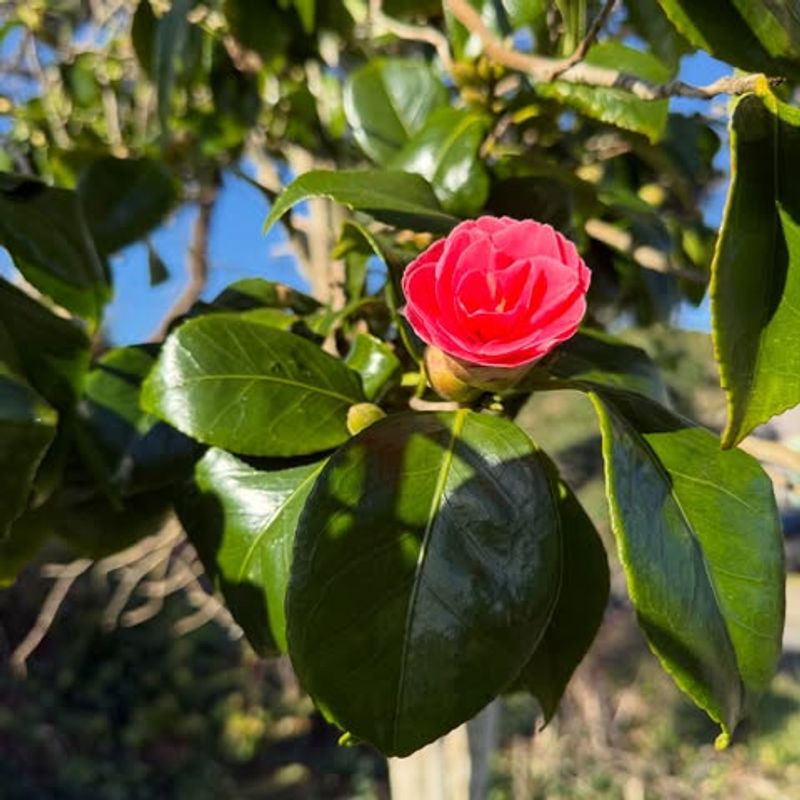
Walk through almost any California neighborhood in late winter, and you will likely spot camellias in full, glorious bloom. These elegant shrubs produce some of the most beautiful flowers of the entire year, often in shades of pink, red, white, and everything in between.
And they do it right in the middle of winter and early spring, which makes them even more special.
Pruning a camellia in March is a mistake many gardeners make only once. Those blooms you would be cutting off took an entire year to develop.
Camellias set their flower buds on old wood during the previous summer, so any branch you remove in early March is a branch full of potential flowers you will never see.
The right time to prune camellias in California is right after they finish blooming, usually sometime in late March or April depending on the variety and your location.
At that point, you can shape the shrub, remove any withered or crossing branches, and reduce the overall size if needed without sacrificing a single flower.
Between pruning sessions, camellias actually need very little maintenance. They prefer a little shade, consistent moisture, and acidic soil.
If your camellia looks healthy and is blooming well, the best thing you can do for it this March is simply enjoy it from a distance and put the pruning shears away.
7. Azaleas
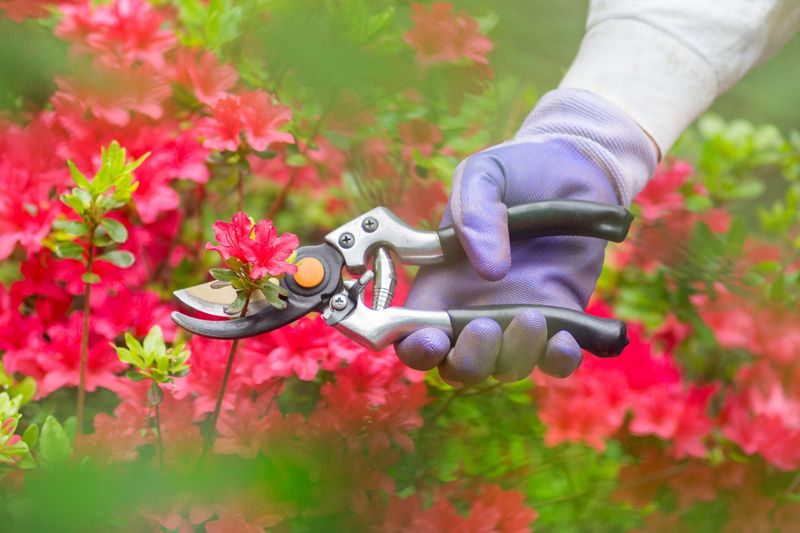
A well-established azalea in full flower is a stunning sight, especially in the shaded garden beds found throughout Northern California and the Bay Area. These shrubs can live for decades and grow into impressive, rounded mounds of color every spring.
Like camellias, azaleas bloom on old wood. That means the flower buds are already formed and sitting on last year’s branches right now in early March.
Pruning at this point removes those buds before they ever open, leaving you with a green but flowerless shrub for the rest of the season.
Hold off on any pruning until the flowers have fully faded, usually sometime in April or May. After blooming, you have a short window of about four to six weeks to prune before the plant starts setting next year’s buds.
That post-bloom window is the sweet spot for shaping azaleas in California gardens.
Light, selective pruning works best for azaleas. Remove any damaged branches, shape the outer edges if the shrub is getting too wide, and cut back any awkward branches that are disrupting the plant’s natural rounded form.
Avoid cutting back into thick, bare wood, as azaleas can be slow to recover from overly aggressive pruning. A gentle hand goes a long way with these beauties.
8. Lilacs
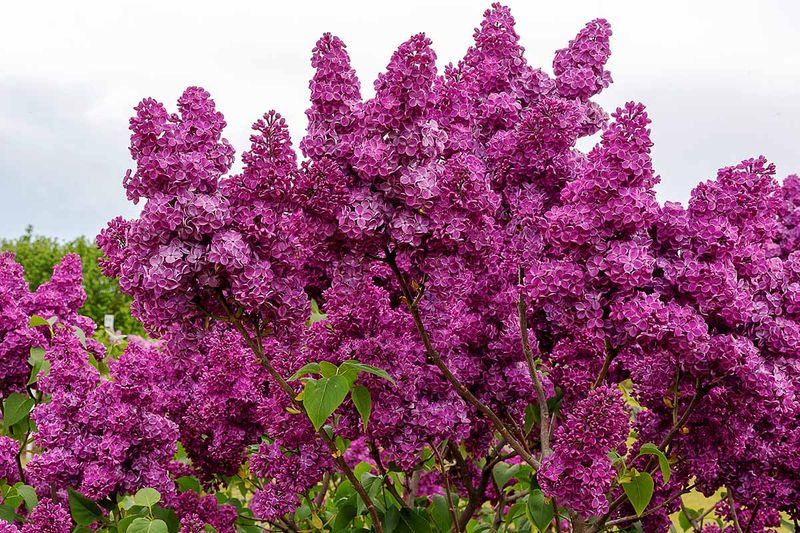
Lilacs have a devoted fan base in California, and for good reason. That sweet, unmistakable fragrance is one of the great pleasures of spring gardening.
While lilacs do best in areas with cooler winters, like the foothills of the Sierra Nevada or inland valleys where temperatures actually drop, they can thrive in many parts of California with the right care and variety selection.
Pruning lilacs in early March is a common mistake that leaves gardeners disappointed. Lilacs bloom on old wood, just like azaleas and camellias.
By March, the flower buds are already fully formed and ready to open. Cut those branches now, and you are saying goodbye to the blooms before they even arrive.
The best time to prune lilacs in California is immediately after the flowers fade, which usually happens in late April or May. Prune within a few weeks of the blooms dropping, and the plant will have plenty of time to grow new wood and set flower buds for the following spring.
For older lilacs that have gotten very large and woody, a gradual renewal approach works well. Remove about one third of the oldest, thickest stems each year over three years.
This refreshes the plant without shocking it. Never remove more than one third of the total growth at once, and always wait until after blooming to start.
Patience really pays off with lilacs.
9. Hydrangeas That Bloom On Old Wood
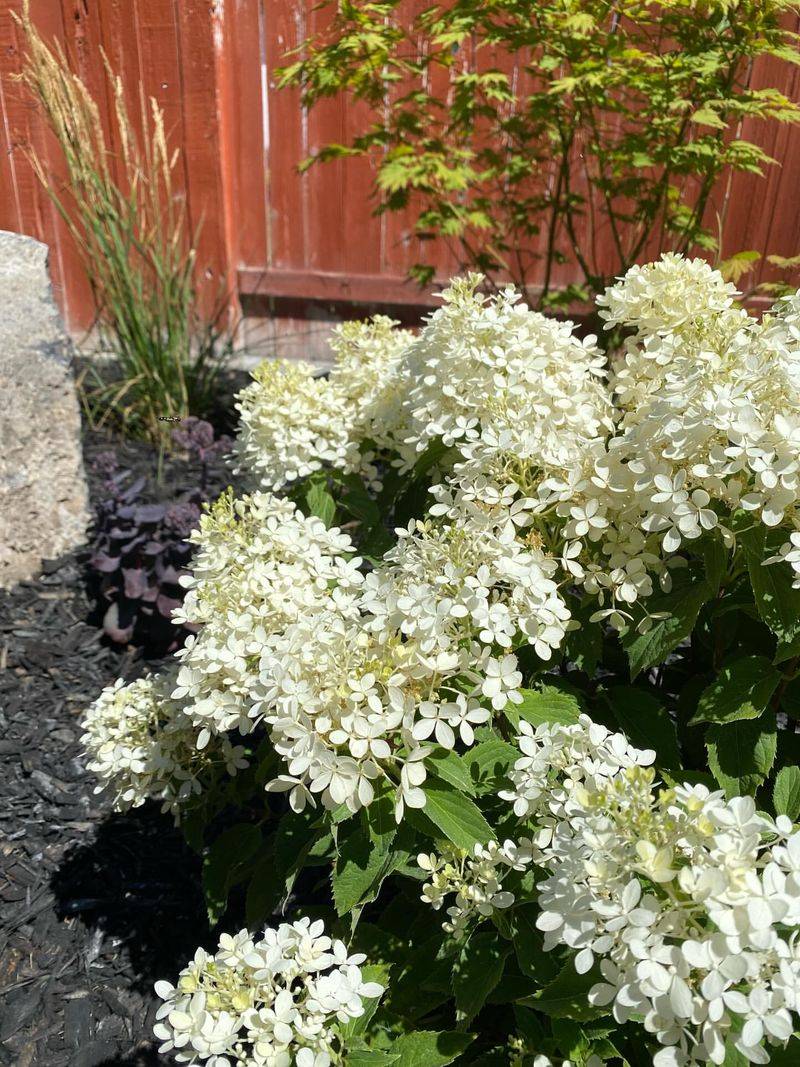
These shrubs are a topic that confuses even experienced gardeners, and honestly, it makes sense why. There are so many different types, and they do not all follow the same pruning rules.
The key question to ask is simple: does your hydrangea bloom on old wood or new wood? The answer changes everything about when and how you prune.
Bigleaf hydrangeas, also called mophead or lacecap hydrangeas, are among the most popular types grown in California.
These bloom on old wood, meaning the flower buds are already present on last year’s stems right now in early March. Cutting them back this month means no flowers this summer, full stop.
Leave these hydrangeas completely alone until after they bloom, usually in June or July. After flowering, you can remove the spent flower heads and cut back any stems that did not produce blooms.
That is really all the pruning most bigleaf hydrangeas need in a given year.
One helpful tip for California gardeners: if your hydrangea bloomed well last year but is not blooming this year, over-pruning at the wrong time is often the cause. Going forward, just remove the old flower heads in late summer and skip the hard prune entirely.
You will likely see a much better bloom the following season. Simple changes like this make a real difference over time.