8 Materials To Put In The Bottom Of Raised Beds In Georgia For Healthier Plants
Raised beds in Georgia can look rich on the surface and still underperform if the bottom layer is ignored.
With heavy clay soil beneath and frequent rain during parts of the year, what sits under your main growing mix affects drainage, root depth, and long-term soil health more than most gardeners expect.
The base of a raised bed helps regulate moisture, reduce compaction, and create airflow where roots need it most. When that lower layer is built thoughtfully, plants establish faster and handle wet periods without suffocating.
When it is not, water can linger and weaken growth from below.
The difference often shows up midseason, long after planting day, when healthier root systems translate into stronger stems, better foliage, and more consistent performance across the entire bed.
1. Layer Cardboard First To Block Weeds Without Chemicals
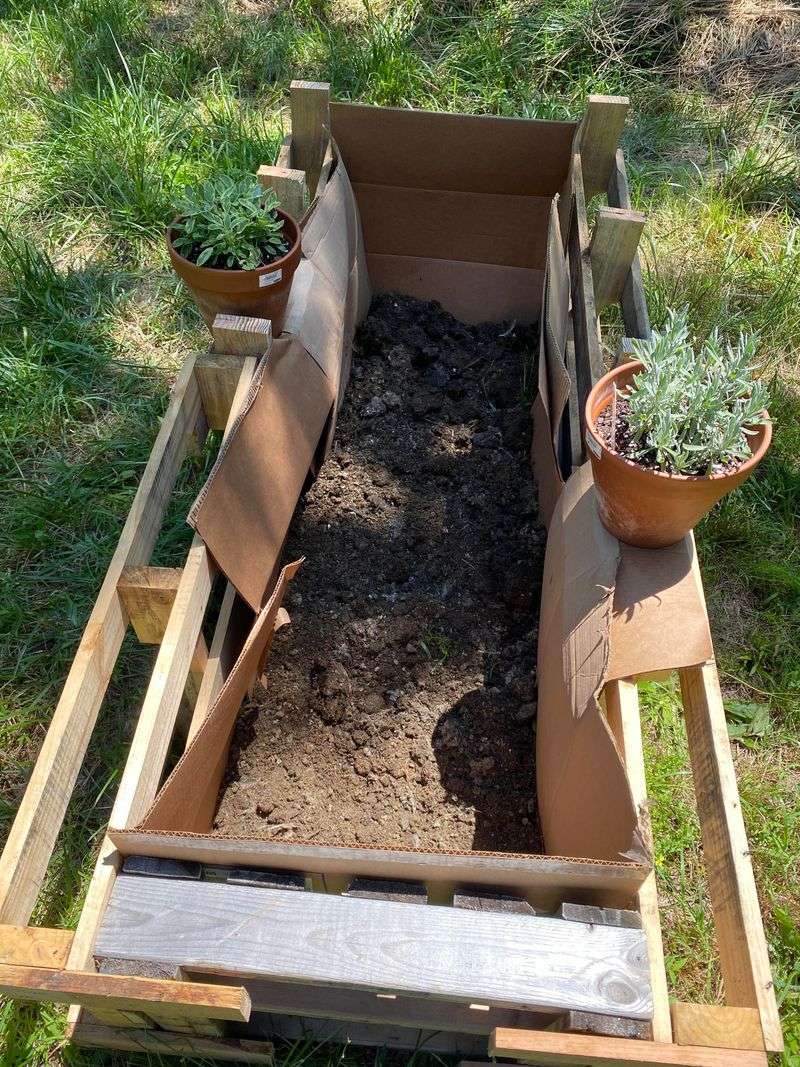
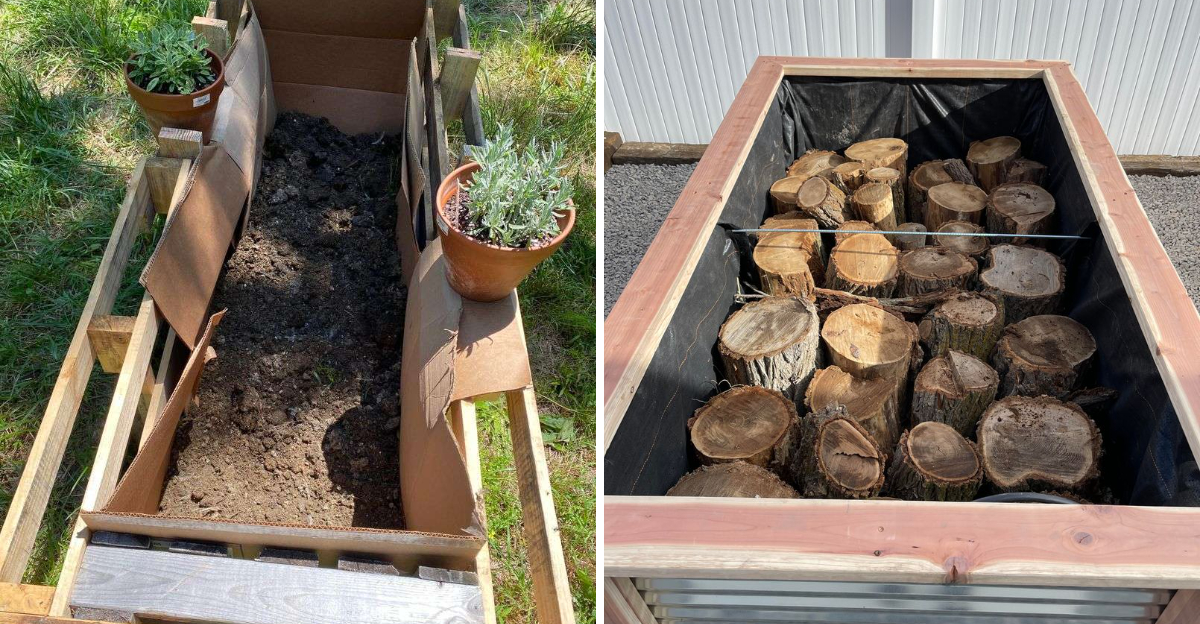
Cardboard creates a strong temporary barrier that suppresses most weeds without a single drop of herbicide. Flattened boxes from your recycling bin work perfectly as the foundation layer in any raised bed across Georgia.
Remove tape and staples, then overlap the edges by at least six inches to prevent sneaky weeds from finding gaps.
Water breaks down cardboard over several months, turning it into soil-enriching organic matter. During that time, it blocks sunlight completely, preventing weed seeds in the ground below from ever germinating.
This method works especially well in Georgia where aggressive weeds like nutsedge and Bermuda grass try to invade garden spaces.
Plain brown cardboard decomposes faster than glossy printed materials, though both work fine. Lay it directly on the ground before adding other materials on top.
The cardboard layer also helps retain moisture during Georgia’s hot summers, keeping the soil beneath your plants consistently damp.
Worms and beneficial insects eventually consume the cardboard, leaving behind rich castings. This simple step costs nothing if you save boxes from deliveries.
Most gardeners find cardboard lasts one full growing season before breaking down completely, giving plants time to establish strong root systems above it.
In areas where Bermuda grass is especially aggressive, extending the cardboard slightly beyond the bed edges adds extra protection. Over time, the softened layer improves soil structure beneath the bed instead of creating a hard barrier.
As it decomposes, it also supports microbial activity that benefits plant growth above. This simple foundation step makes long-term weed control in Georgia gardens far easier to manage.
2. Add Untreated Logs To Reduce Soil Cost And Retain Moisture
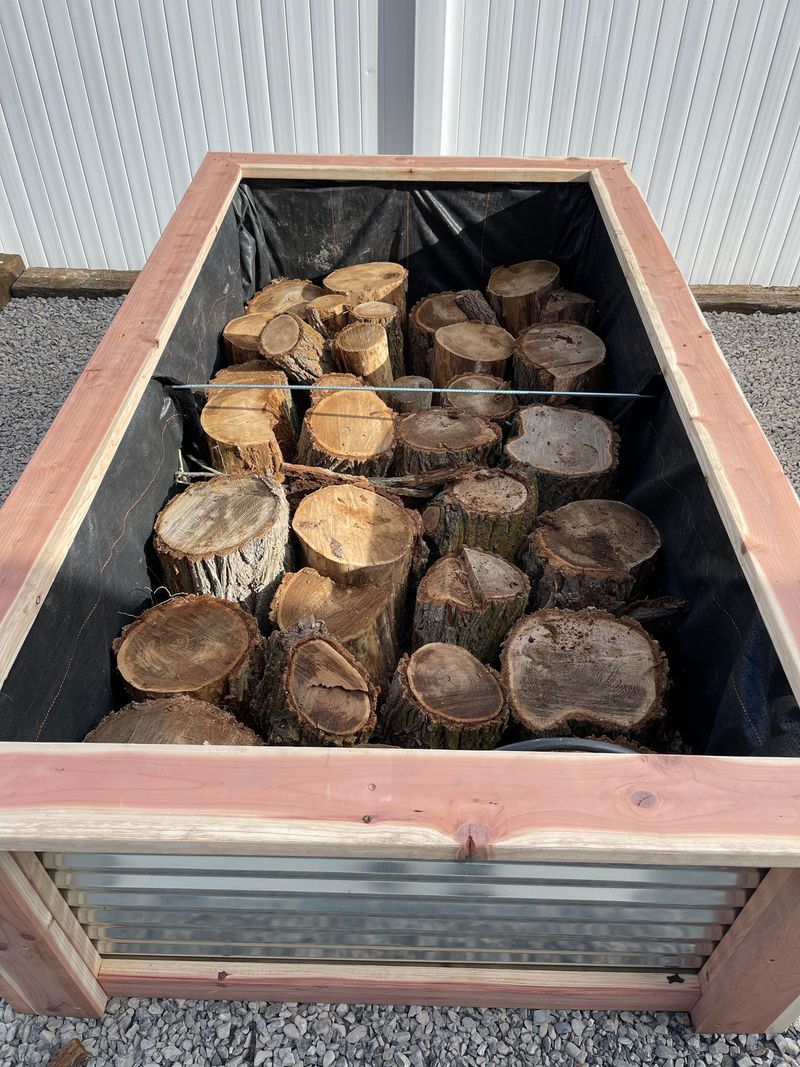
Filling deep raised beds with nothing but purchased soil feels like burning money. Logs placed at the very bottom take up serious space while providing long-term benefits as they slowly decay.
Choose wood from fallen trees or pruned branches, but avoid treated lumber that leaches chemicals into your growing area.
Rotting wood acts like a sponge, soaking up water during Georgia’s frequent thunderstorms and releasing it gradually during dry spells. This natural reservoir system keeps plant roots hydrated without constant watering.
Pine, oak, and hardwood logs all work well, though softer woods decompose faster and feed the soil sooner.
Your Georgia Garden Changes Every Week. Your Plan Should Too.
Gardening in Georgia changes quickly throughout the season. Every Friday you’ll receive a simple weekly plan showing exactly what to plant, prune, fertilize, harvest, and protect so you never miss the right timing.
Larger logs work best at the very bottom of beds that are at least 18 inches deep. Smaller branches and twigs can fill gaps between bigger pieces.
As decomposition progresses over months and years, the wood becomes a rich habitat for beneficial fungi that form partnerships with plant roots.
Georgia’s warm, humid climate speeds up the breakdown process compared to drier regions. Within two to three years, those logs transform into dark, crumbly humus that plants absolutely love.
This technique, called hugelkultur, has been used by European gardeners for centuries and adapts perfectly to Southern growing conditions.
As the wood breaks down, it also improves drainage in heavy Georgia clay by creating air pockets beneath the soil layer. That added airflow helps prevent root rot during periods of excessive rain.
Over time, the gradual settling of the logs naturally lowers the bed height slightly, so topping off with compost each season keeps levels consistent. This method reduces soil costs upfront while building long-term fertility right inside the bed.
3. Use Small Branches To Fill Space And Improve Soil Structure
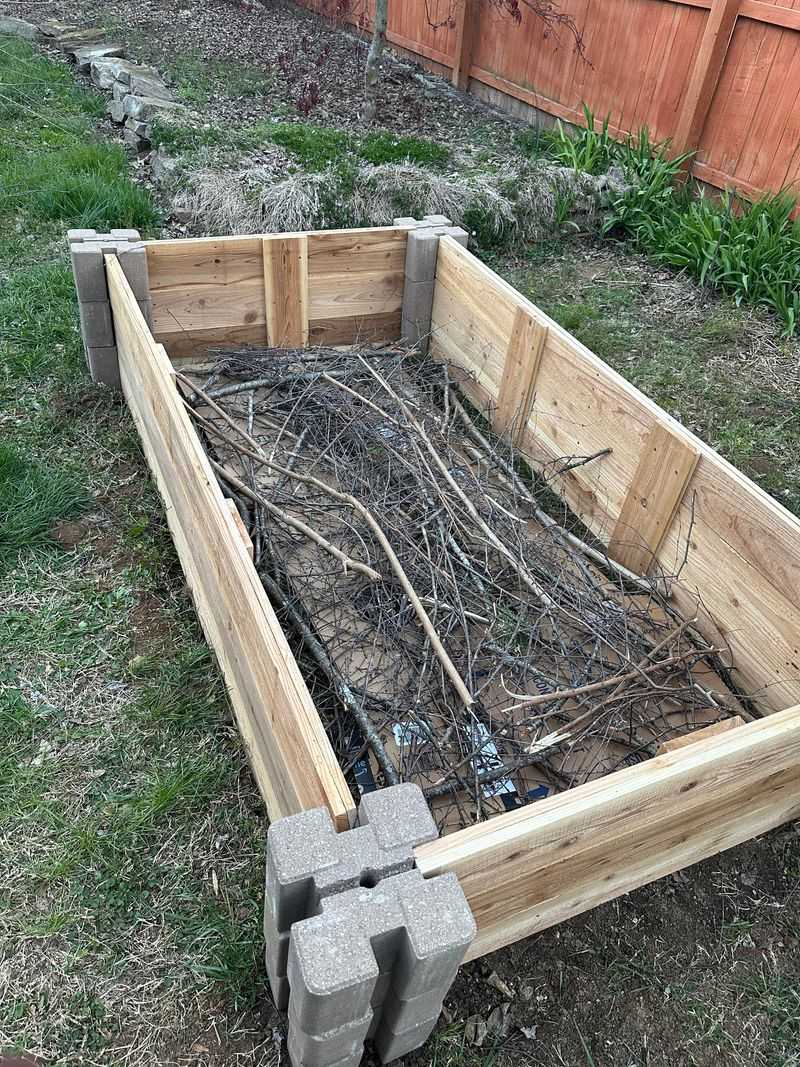
Pruning season leaves you with piles of branches that most people haul to the curb. Those twigs represent free raised bed filler that improves drainage while slowly feeding your soil.
Break or cut branches into lengths that fit your bed dimensions, aiming for pieces between six inches and two feet long.
Smaller branches decompose faster than chunky logs, releasing nutrients within one to two growing seasons. Layer them loosely rather than packing them tight, creating air pockets that prevent waterlogging in Georgia’s heavy rainfall.
Roots appreciate the oxygen-rich environment this loose structure provides.
Mix branch sizes to fill space efficiently while maintaining good drainage. Pencil-thick twigs work alongside thumb-sized branches, settling into a stable base layer.
Leave the bark on since it contains nutrients and harbors beneficial microorganisms that eventually colonize your soil.
Position branches in the lower third of beds that are 12 inches deep or more. Top them with lighter materials like leaves or straw before adding your final soil layer.
As decomposition advances, the wood develops a spongy texture that holds moisture beautifully during Georgia’s summer heat. Fungi colonize the branches, creating networks that help plants absorb nutrients more efficiently throughout the growing season.
Over time, this buried wood layer also reduces compaction by keeping the soil profile more open and breathable. In Georgia’s humid climate, that extra airflow is especially helpful during stretches of heavy rain.
As the branches soften, they blend into the surrounding soil instead of forming a hard barrier. What starts as yard waste quietly turns into a long-term soil improvement strategy built right into the foundation of your raised bed.
4. Spread Shredded Leaves To Build Organic Matter From Below
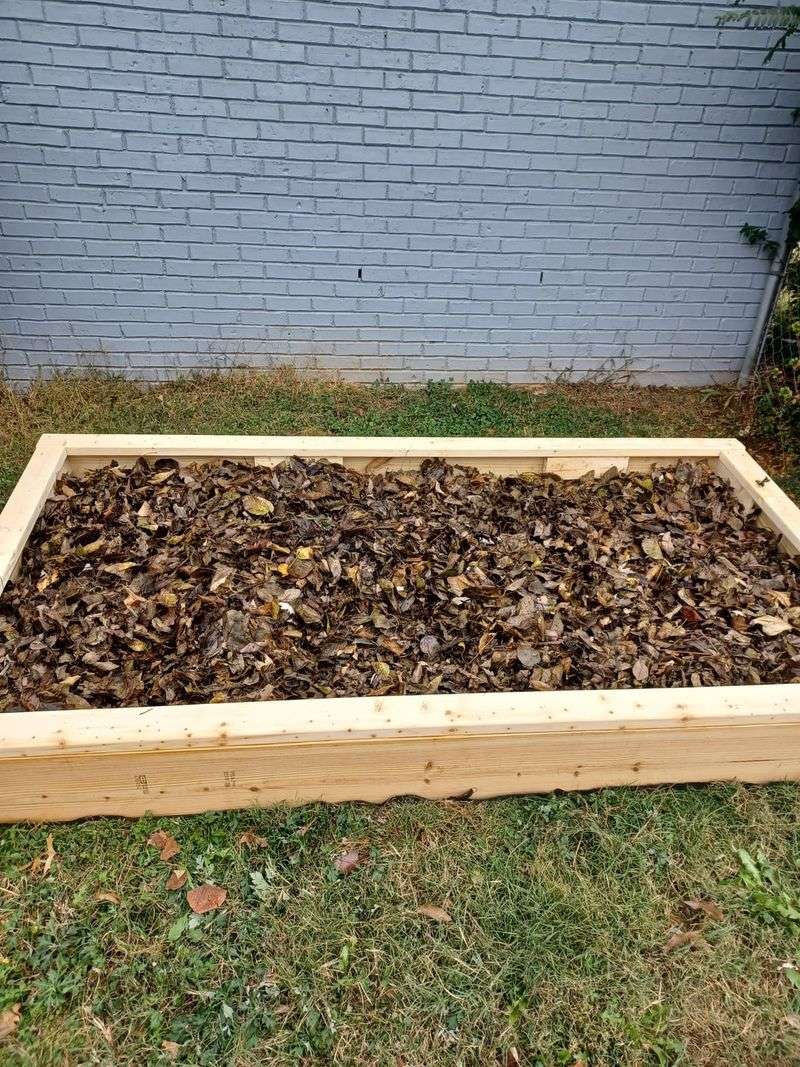
Autumn delivers free fertilizer right to your yard every year. Shredded leaves pack incredible value as a raised bed base layer, breaking down into rich leaf mold that plants crave.
Run leaves through a mower or shredder before adding them to beds, since whole leaves mat together and block water flow.
Georgia’s warm soil temperatures accelerate leaf decomposition, turning them into black gold within six to eight months.
Oak, maple, and pecan leaves work wonderfully, though avoid using large amounts of pine needles, since heavy use over time can slightly lower soil pH.
Mix different leaf types for balanced nutrition.
Spread a layer four to six inches thick over your cardboard or wood base. Wet the leaves thoroughly as you add them, helping them settle and kickstarting decomposition.
Beneficial bacteria and fungi immediately begin breaking down the material, releasing nitrogen and other nutrients gradually.
Leaf mold improves soil structure dramatically, creating a crumbly texture that roots penetrate easily. It holds moisture without becoming soggy, perfect for Georgia’s variable rainfall patterns.
Worms migrate upward into the leaf layer, mixing it with surrounding soil and leaving behind nutrient-rich castings. This free material transforms your raised bed into a self-fertilizing system that gets better each season.
5. Mix In Straw To Encourage Gradual Soil Improvement
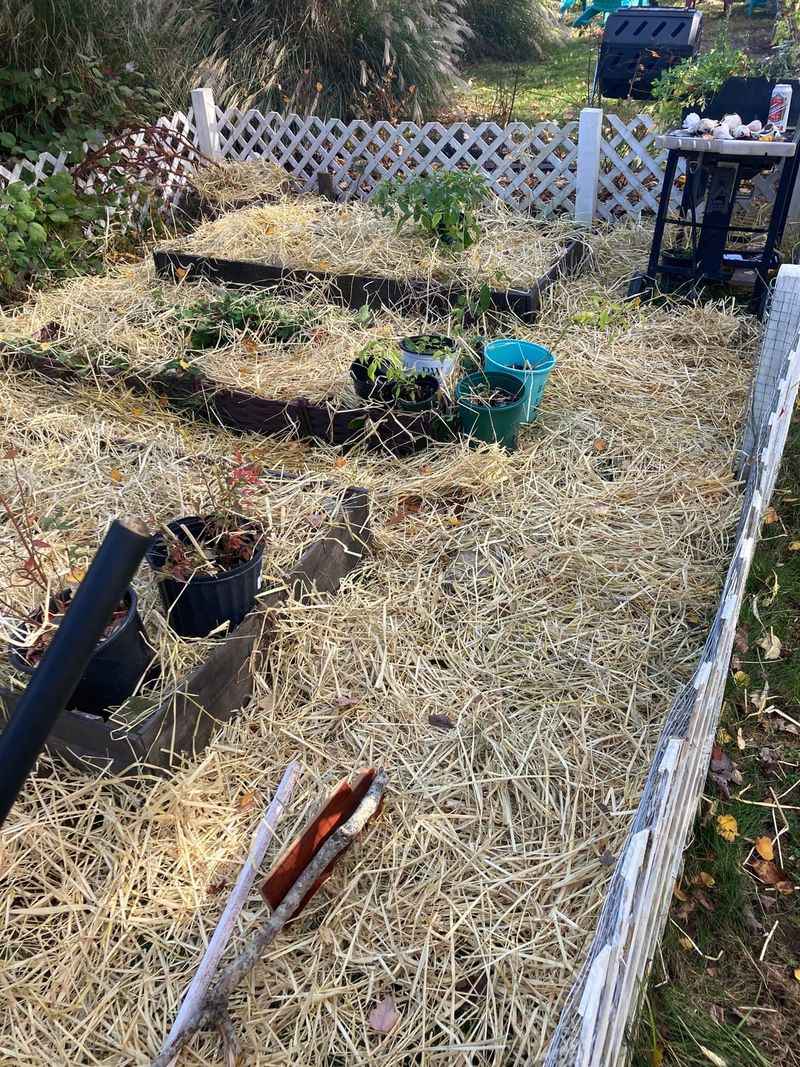
Straw brings lightweight bulk to raised beds without the weight of soil. Agricultural straw from wheat, oats, or rice works differently than hay, containing fewer weed seeds while providing excellent drainage.
Georgia garden centers stock straw year-round, and one bale covers significant bed space at minimal cost.
Break apart compressed bales and spread straw in a loose layer over your base materials. It decomposes more slowly than leaves, maintaining soil structure for an entire growing season.
As it breaks down, straw releases carbon that feeds soil microbes, creating a thriving underground ecosystem.
Avoid using hay instead of straw, since hay contains seed heads that sprout into unwanted plants. Pine straw works too, though it acidifies soil gradually, making it better suited for acid-loving plants like blueberries.
Regular agricultural straw maintains neutral pH levels suitable for most vegetables and flowers.
Moisture penetrates straw easily, preventing water from pooling on the surface during Georgia’s heavy rains. Air circulates through the loose material, keeping the root zone well-oxygenated.
By season’s end, much of the straw will have decomposed into the soil, improving texture and fertility. Add fresh straw each year to maintain the benefits, building richer soil with each growing season.
6. Add A Thin Layer Of Grass Clippings For Nitrogen Boost
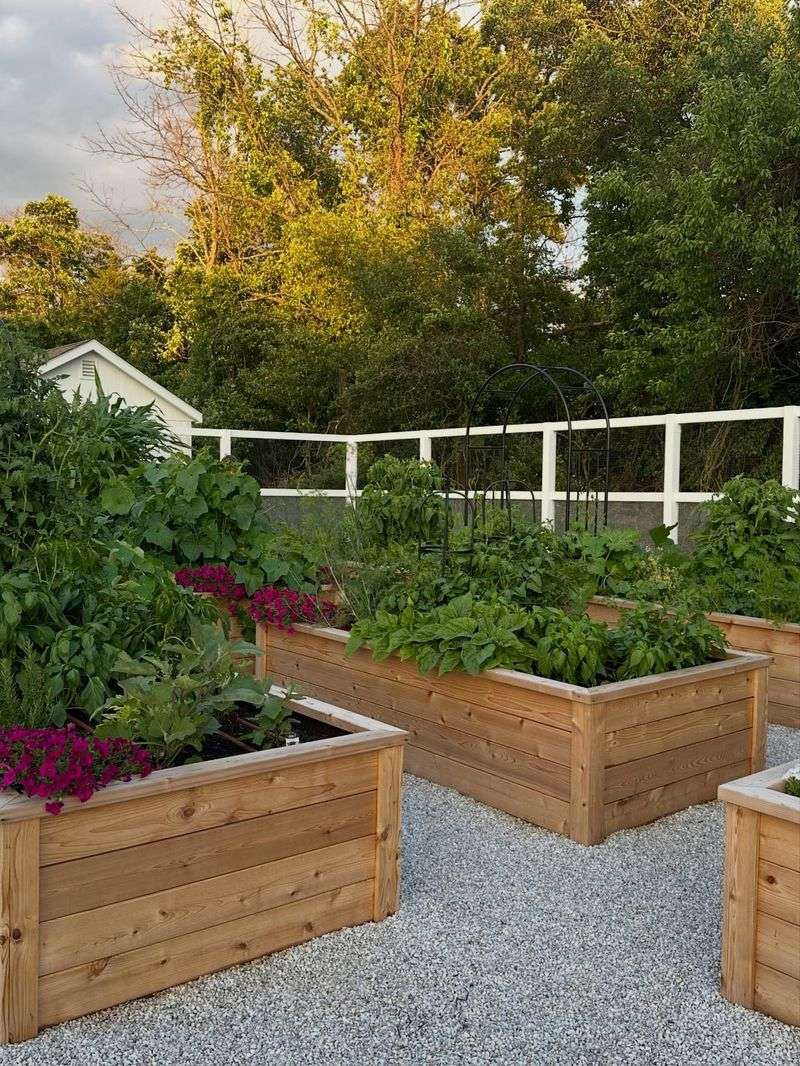
Your lawn produces valuable fertilizer every time you mow. Fresh grass clippings deliver quick nitrogen to raised beds, feeding both plants and decomposer organisms.
Spread them in thin layers only, since thick piles turn slimy and smelly as they break down without oxygen.
Clippings from untreated lawns work best, avoiding herbicides or pesticides that might harm vegetables. Georgia’s long growing season means frequent mowing and steady supplies of this free resource.
Mix clippings with drier materials like straw or leaves to prevent matting and maintain airflow.
Green grass decomposes rapidly in warm conditions, often disappearing within two to three weeks. This fast breakdown releases nitrogen that plants absorb immediately, giving seedlings and transplants a growth boost.
Layer clippings no more than two inches thick, adding more once the previous layer breaks down.
Time your applications carefully since decomposing grass generates heat. Add clippings several weeks before planting to avoid burning tender roots.
Alternate grass layers with carbon-rich materials like shredded leaves to balance nitrogen and carbon ratios. Georgia’s humid climate speeds decomposition, so clippings vanish faster here than in drier regions.
This technique turns lawn maintenance waste into garden gold, closing the loop in your yard’s nutrient cycle.
7. Incorporate Compost To Jumpstart Microbial Activity
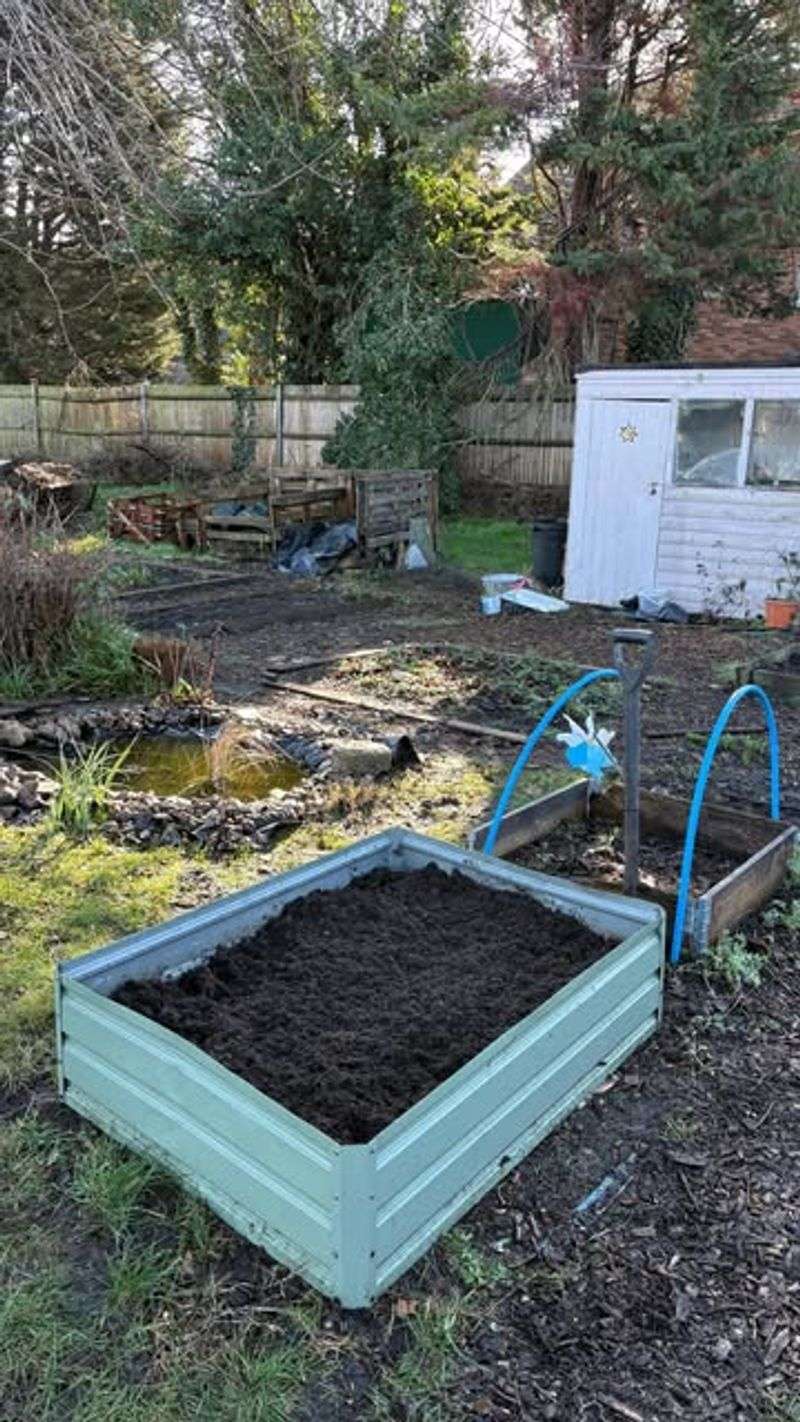
Finished compost works magic when mixed into your raised bed’s lower layers. It introduces billions of beneficial microorganisms that kickstart the decomposition of other materials you’ve added.
Even a thin layer of compost transforms inert wood and leaves into active, living soil.
Homemade or purchased compost both work perfectly for this purpose. Spread two to three inches over your base layers before adding final topsoil.
The microbes from compost quickly colonize surrounding materials, speeding their breakdown and nutrient release.
Georgia’s warm temperatures keep these organisms active nearly year-round, unlike northern gardens where cold winters slow everything down. Bacteria, fungi, and other decomposers multiply rapidly in the favorable conditions inside raised beds.
They form complex food webs that cycle nutrients efficiently, making them available exactly when plants need them.
Compost also improves moisture retention throughout your bed’s profile. It acts like a sponge, holding water during dry periods while preventing saturation during heavy rains.
The organic matter feeds earthworms that tunnel through all your layers, mixing materials naturally and creating channels for air and water. Adding compost to the base layer, not just the top, builds fertility from the ground up.
Your plants develop stronger, deeper root systems that access nutrients and moisture throughout the entire bed depth.
8. Use Pine Bark Fines To Improve Drainage In Heavy Georgia Soil
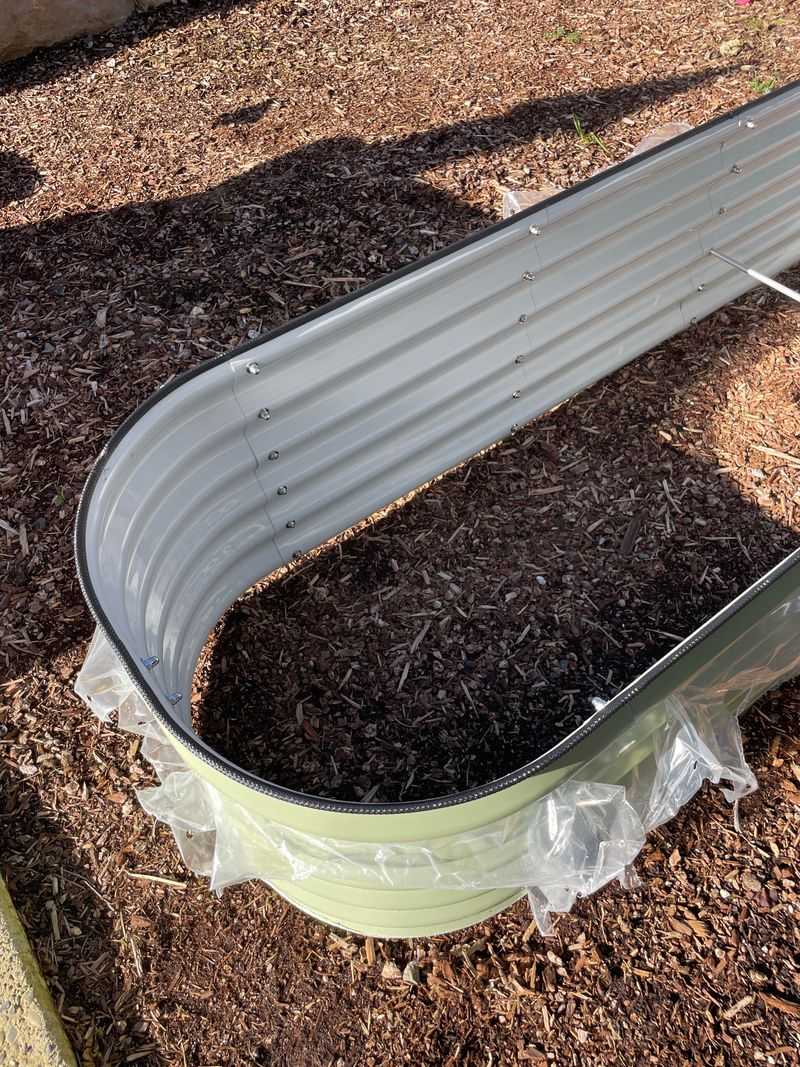
Georgia’s natural clay soil can turn raised beds into swamps during rainy periods. Pine bark fines solve this problem by creating permanent drainage channels that water flows through easily.
These small, partially decomposed bark pieces resist compaction while slowly enriching soil over several years.
Look for fines rather than large nuggets, since smaller pieces integrate better with surrounding materials. Spread a two to three inch layer over your base materials before adding topsoil.
The bark pieces create air pockets that prevent waterlogging while maintaining consistent moisture levels.
Pine bark naturally resists decay, lasting two to three years before breaking down completely. During that time, it maintains excellent drainage while releasing small amounts of nutrients.
The slightly acidic nature of pine bark benefits acid-loving plants but has minimal effect when used as a base layer under neutral topsoil.
Mix bark fines with compost for even better results, combining drainage improvement with microbial activity. Georgia garden centers stock pine bark year-round at reasonable prices.
Beds with good drainage produce healthier plants with stronger root systems that resist stress during both wet and dry periods.
The bark layer also prevents soil from washing through gaps in raised bed walls during heavy thunderstorms, keeping your growing medium where it belongs.