A Simple Test To Know When Ohio Soil Is Warm Enough For Planting

Spring in Ohio can feel ready for planting one day and freeze your hopes the next. Warm sunlight and soft breezes might tempt you to start seeds, but soil that stays cold beneath the surface can hold them back.
Planting too soon often leads to slow growth, uneven sprouts, and seeds that rot before they get a chance.
Knowing when the soil has truly warmed removes all the guesswork. Simple observations and easy tools give a clear signal for planting cool- and warm-season crops, letting gardeners act with confidence instead of relying on the calendar.
Focusing on soil temperature instead of air temperature or dates creates stronger seedlings, healthier roots, and a more productive garden.
Understanding soil warmth means Ohio gardeners can start seeds, transplant seedlings, and take full advantage of the early season without rushing or risking disappointment.
1. Why Soil Temperature Matters More Than Calendar Dates In Ohio
Many Ohio gardeners are tempted by an unseasonably warm week in March. The air feels inviting, the sun is shining, and it seems like the perfect time to get seeds in the ground.
However, planting based on air temperature alone often leads to disappointing results. Soil holds cold far longer than air does, and even after several sunny days, the soil a few inches below the surface may remain too cold for seeds to germinate efficiently.
Cold soil slows root development and increases the risk of rot or fungal infections – particularly in vegetables and herbs that require steady warmth to thrive. Observing the soil itself provides a much more reliable planting indicator than any calendar estimate.
Different regions in Ohio experience spring warmth differently – while southern counties may see soil warming by mid-April, northern areas along Lake Erie can lag behind for several weeks. Microclimates within a single garden also create variations – shaded corners, low-lying areas, or plots near water can stay cooler than open, sun-exposed beds.
By taking a few simple measurements, gardeners can avoid the guesswork entirely. Soil temperature readings provide localized, precise data that reflects these microclimates and allows for smarter planting decisions.
This method helps gardeners time planting more accurately, reduce seed loss, and set crops up for stronger germination and early growth. Combining temperature monitoring with observation of soil moisture and texture ensures seedlings are entering optimal conditions – giving them a solid start for the season and improving the likelihood of a productive garden.
2. Understanding The Ideal Soil Temperature Range For Planting
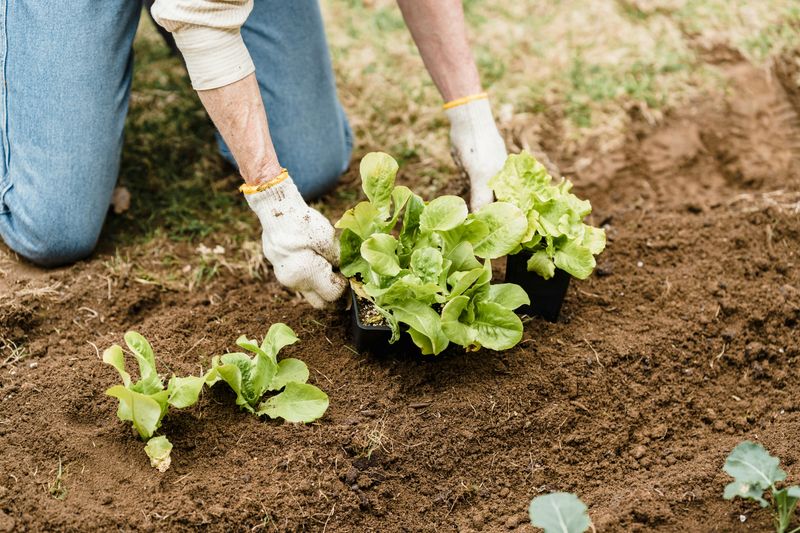
Not all crops respond the same way to soil warmth, and knowing the correct range for each plant is essential for successful growth. Cool-season vegetables like lettuce, spinach, peas, and radishes can germinate in soils as low as 40 to 45 degrees Fahrenheit, making them suitable for early spring planting in Ohio as the ground begins to thaw.
Warm-season vegetables, including tomatoes, peppers, corn, and melons, require much warmer soils before they perform optimally. Tomatoes generally prefer soil temperatures around 60 to 65 degrees, while sweet corn germinates reliably once the soil reaches at least 50 degrees and grows best near 60.
Your Ohio Garden Changes Every Week. Your Plan Should Too.
Gardening in Ohio changes quickly throughout the season. Every Friday you’ll receive a simple weekly plan showing exactly what to plant, prune, fertilize, harvest, and protect so you never miss the right timing.
Peppers and melons often need even higher temperatures, 65 degrees or warmer, to avoid stunted roots or delayed growth. Planting seeds too early in colder soil slows development and can create uneven germination, extending the growing season unnecessarily and potentially reducing overall yield.
Accurate soil temperature monitoring allows Ohio gardeners to match crops to local conditions rather than relying on generalized planting calendars. Using a soil thermometer ensures that each crop enters the ground under conditions that promote healthy roots, consistent emergence, and strong early development, which sets the stage for a successful harvest later in the season.
3. Using A Basic Thermometer For Accurate Soil Readings
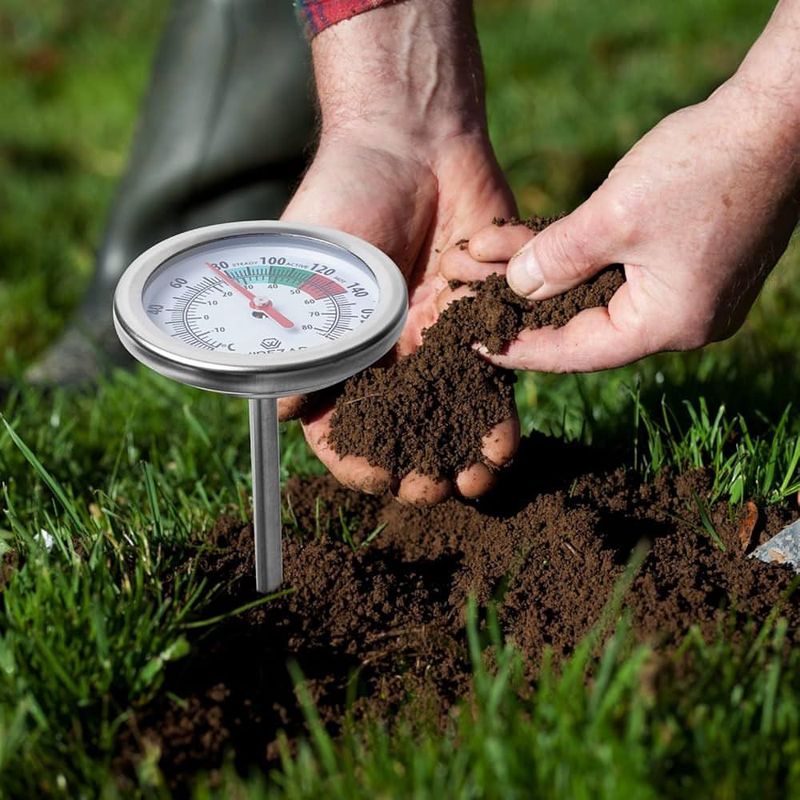
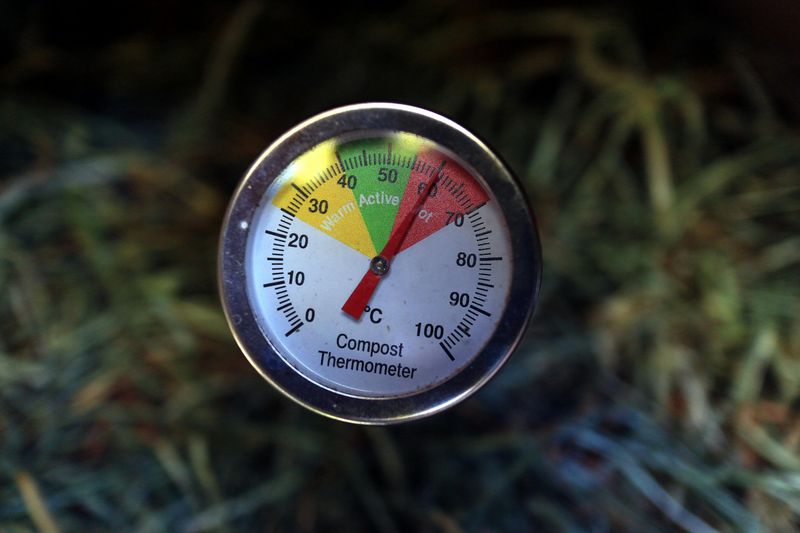
Measuring soil temperature accurately is easier than most gardeners expect. A simple analog soil thermometer with a long stem provides reliable readings and costs very little at garden centers or online.
Digital thermometers are also effective, but an analog probe works well for repeated checks throughout the season. To obtain a meaningful measurement, push the thermometer two to three inches into the soil—the depth where seeds are typically planted and root development begins.
Take readings in the morning before the sun has warmed the topsoil, as a single sunny afternoon can temporarily raise surface temperatures without reflecting the conditions a seed experiences below. For best results, monitor soil temperatures over several consecutive days.
Temperature fluctuations caused by cold rain, cloudy days, or unseasonable warmth can mislead gardeners if only a single reading is taken. Observing trends provides a more accurate picture.
Ohio State University Extension emphasizes checking soil stability over time, particularly before planting warm-season crops. Regular thermometer use eliminates guesswork, allows for precise timing, and gives gardeners confidence that their seeds and transplants are entering an environment conducive to strong germination and steady growth.
4. The Simple Hand Test Gardeners Use As A Quick Guide
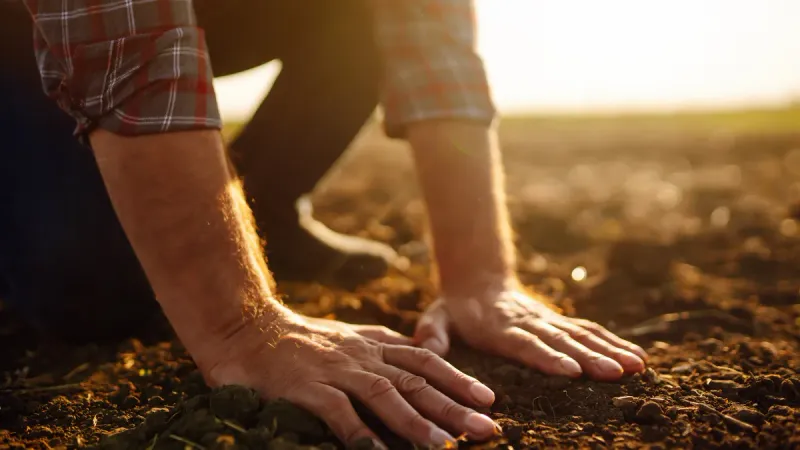
Long before soil thermometers were widely available, gardeners relied on touch to gauge readiness. The hand test offers a fast, cost-free assessment when a thermometer isn’t handy.
Press a bare hand firmly against the soil for ten seconds. If it feels uncomfortably cold, the ground is likely too cold for warm-season planting.
If it feels cool but not unpleasant, the soil may suit cool-season crops like lettuce or spinach. Neutral to slightly warm soil suggests favorable conditions for tomatoes, peppers, and other warm-season vegetables.
The hand test provides a first impression, which can be confirmed with a thermometer for greater precision. Many Ohio gardeners combine instinct with measurement to reduce errors.
This simple check encourages awareness of subtle differences in microclimates, particularly in shaded areas, low-lying plots, or raised beds. While it cannot replace precise temperature readings, it remains a practical, quick method for everyday springtime gardening decisions in Ohio, helping growers respond promptly to soil conditions without overcomplicating the process.
Additionally, the hand test encourages gardeners to observe moisture content and soil texture at the same time. Feeling for how soft or compact the soil is can provide hints about drainage and potential compaction issues.
Over time, using this tactile approach alongside thermometer readings helps build a more intuitive sense of the garden’s readiness, which can save time and reduce planting errors during the busy spring season.
5. How Sun Exposure And Soil Type Affect Warm-Up Time
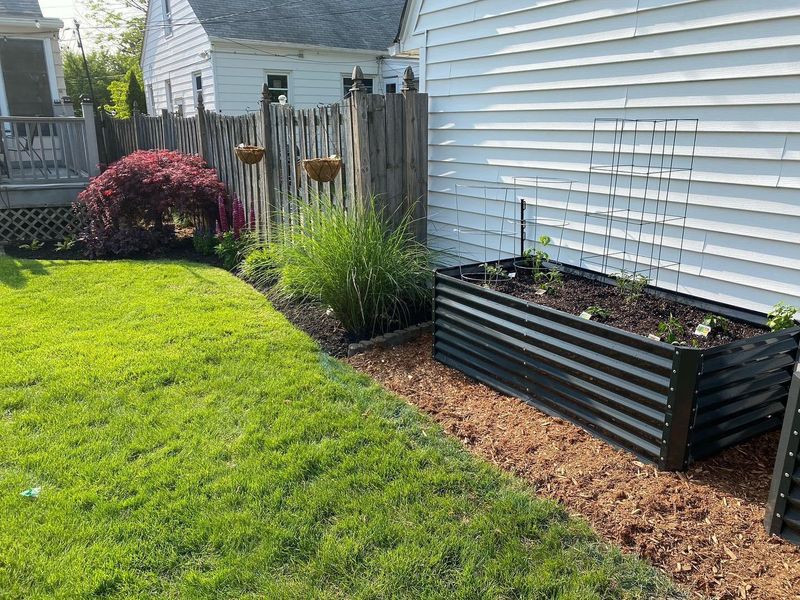
Even gardens located just a few miles apart in Ohio can experience different soil temperatures at the same time. Sun exposure and soil composition are two key factors influencing how quickly soil warms in spring.
Sandy soils warm more rapidly than clay-heavy soils because they drain efficiently and retain less moisture, while wet or dense soils require more energy to heat. Raised beds also warm faster due to better drainage and greater exposure to sun and air.
South-facing areas receive the most sunlight and reach planting temperatures sooner than north-facing beds shaded by fences or trees. Low-lying or shaded plots can remain cooler longer, delaying seed germination if planting decisions rely only on calendar dates.
Understanding these nuances helps Ohio gardeners make precise decisions for each plot. By measuring soil temperature directly, gardeners can account for local variations and optimize planting timing.
This awareness prevents premature planting and supports stronger early growth for both cool- and warm-season crops.
Other factors, such as mulch or cover crops, can also influence how quickly soil warms. Darker mulches absorb heat faster, helping soil reach optimal planting temperatures sooner, while organic layers like straw or leaves can insulate and slow warming.
Paying attention to both sun exposure and these soil management practices allows gardeners to plan planting schedules more accurately and take full advantage of short spring windows.
6. Timing Planting For Stronger Germination And Early Growth
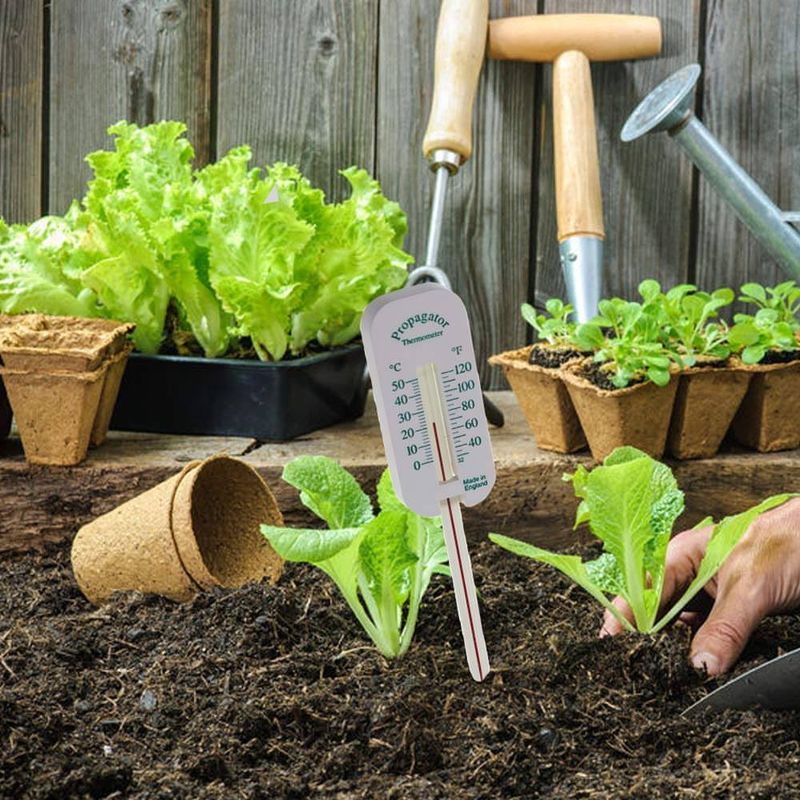
Planting at the right soil temperature promotes faster, more uniform germination and encourages robust root development. Seeds that sprout in properly warmed soil establish strong roots early, which improves their ability to handle summer heat, occasional drought, and pest pressure.
Corn, for example, germinates more evenly when soil temperatures reach or exceed 50 degrees Fahrenheit, while tomatoes thrive when transplanted into soil at or above 60 degrees. Cold soil slows growth, produces uneven seedlings, and can reduce total yields.
Proper timing also helps crops mature consistently, allowing gardeners to plan harvests effectively. Thinking of soil readiness as a green light rather than a calendar date is a practical shift that increases success rates.
In Ohio, where the frost-free window varies widely, observing soil temperature rather than relying on general planting dates gives gardeners a clear advantage. Monitoring, patience, and understanding microclimates ensure seedlings start strong, leading to healthier plants and more productive gardens.
Careful timing also reduces stress on seedlings during the crucial first weeks after germination, helping them compete more effectively with weeds and resist early pest issues. Combining temperature monitoring with knowledge of local frost history allows gardeners to sequence plantings for successive harvests, particularly for crops like beans, corn, and tomatoes.
Over multiple seasons, this approach builds more predictable yields and maximizes the growing potential of each garden space.