California Gardeners Are Swapping Out Hydrangeas For These 8 Gorgeous Shrubs
Hydrangeas have had a long, glorious run in California gardens. Those big, cloud-like blooms know how to steal the spotlight.
But with water restrictions, heat waves, and wildly different microclimates across the state, many gardeners are starting to rethink their go-to shrubs. The good news?
There are so many stunning options that deliver color, texture, and serious curb appeal without all the fuss.
Across coastal yards, suburban landscapes, and drought-prone hillsides, plant lovers are trading thirsty hydrangeas for shrubs that can handle the heat and still look fabulous.
Think vibrant flowers, bold foliage, and plants that attract pollinators while standing up to California’s sunshine.
If your hydrangeas are looking tired or you are simply ready for something fresh and exciting, you are going to love these gorgeous alternatives. Your garden is about to get a serious upgrade.
1. Viburnum
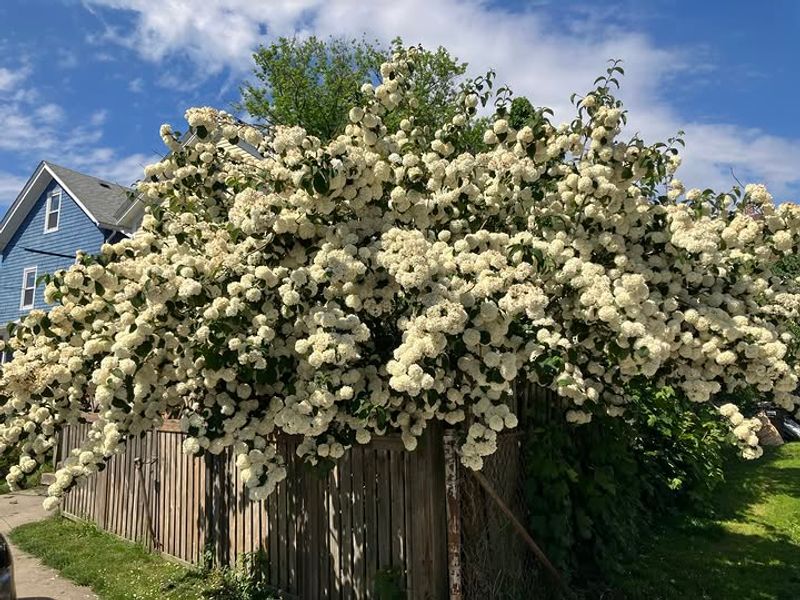
Few shrubs can match the all-around charm of Viburnum. It bursts into bloom with clusters of white or blush-pink flowers in spring, filling the air with a light, sweet fragrance.
As the seasons shift, glossy green leaves set the stage for a gorgeous show of red and deep purple berries by fall. That is a lot of visual interest packed into one hardworking plant.
California gardeners love Viburnum because it handles heat and drought far better than hydrangeas. Once it is established in your yard, it needs very little extra watering, even during long dry stretches.
That is a huge win in a state where water bills can skyrocket during summer months.
Viburnum also attracts birds and pollinators, bringing movement and sound into your space. There are dozens of varieties to choose from, so you can find one that fits your layout perfectly.
Compact types are ideal for smaller California yards or foundation plantings. Larger varieties create lush privacy screens along fences or property lines, adding beauty and function at the same time.
Viburnum is low-maintenance, adaptable, and stunning through every season, making it a smart and stylish swap.
2. American Beautyberry
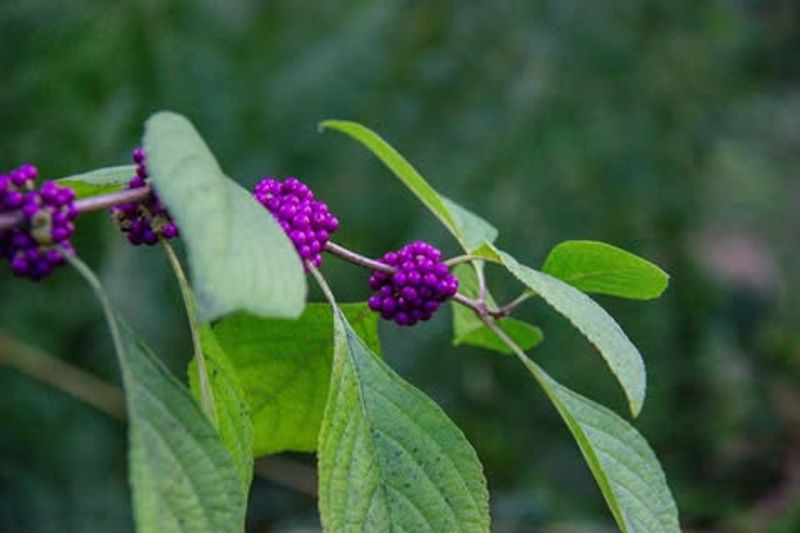
Imagine a shrub so electric it stops people in their tracks. American Beautyberry does exactly that with its jaw-dropping clusters of vivid purple berries that line every branch in fall.
It looks almost too colorful to be real.
What makes it even better for California gardens is its toughness. It handles heat, humidity, and even occasional drought without throwing a fit.
Once established, it grows quickly and fills in space beautifully without needing constant attention from you.
Birds absolutely love the berries, so expect feathered visitors all season long. American Beautyberry also works well as a background shrub or a bold focal point in mixed garden beds.
Cut it back hard in late winter and it bounces back with enthusiasm every spring. For California gardeners who want serious wow factor with minimal effort, this shrub delivers on every level.
It is one of those plants that earns compliments without asking for much in return.
3. Ninebark
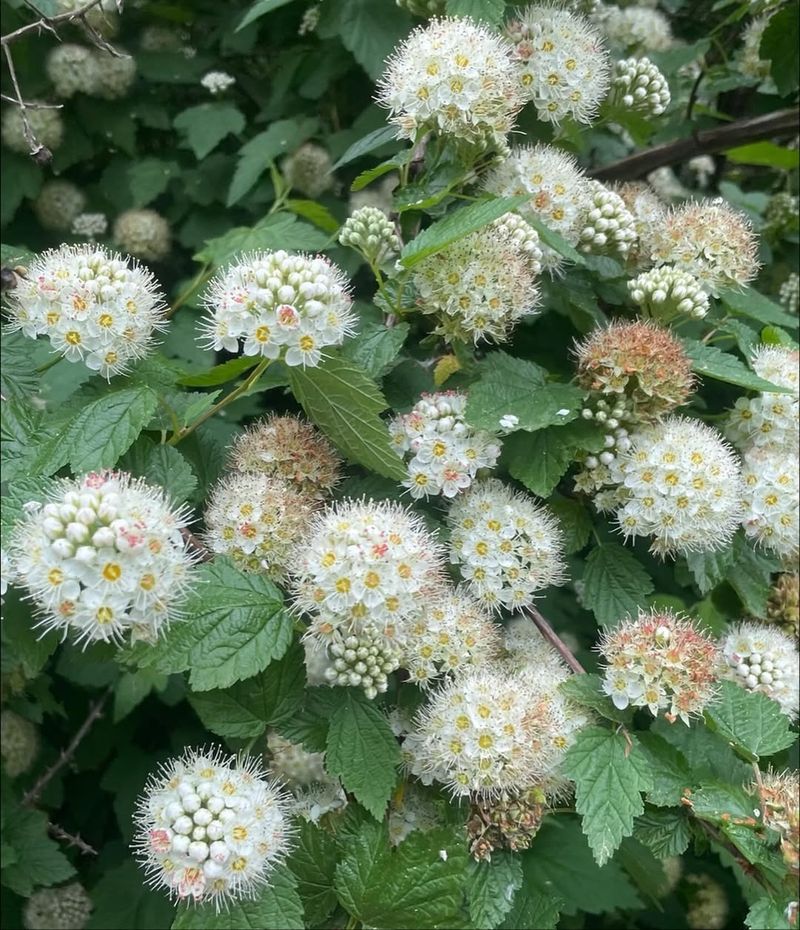
Bold foliage is Ninebark’s calling card. Depending on the variety, leaves come in deep burgundy, golden yellow, or rich copper tones that make the plant stand out even when it is not in bloom.
Your California Garden Changes Every Week. Your Plan Should Too.
Gardening in California changes quickly throughout the season. Every Friday you’ll receive a simple weekly plan showing exactly what to plant, prune, fertilize, harvest, and protect so you never miss the right timing.
It adds color to your California garden from the moment new growth appears in spring.
Ninebark is also incredibly tough. It handles full sun, poor soil, and dry conditions like a champ.
That makes it a fantastic swap for hydrangeas, which often struggle in California’s hotter inland regions. You get the drama without the drama.
The small clusters of white or pink flowers that appear in late spring are a bonus. They attract butterflies and bees, which is always a good thing for your garden ecosystem.
Ninebark grows at a moderate pace and can be shaped into a tidy form or left to grow naturally. Either way, it looks great.
California gardeners who want year-round color without constant babysitting will find Ninebark to be a genuinely rewarding choice.
4. Encore Azaleas
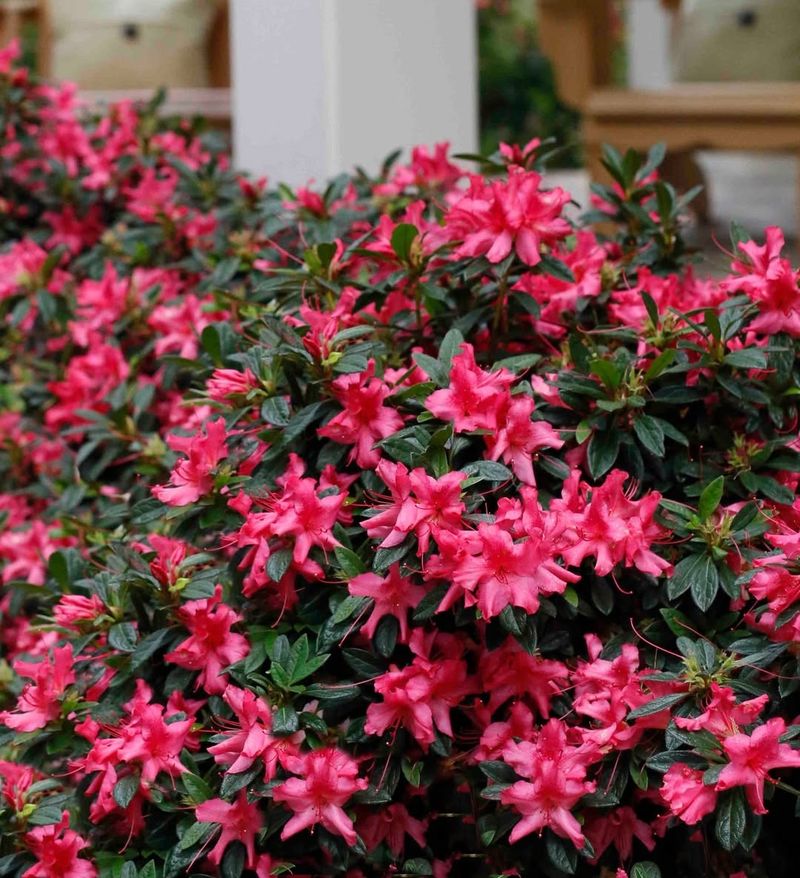
Regular azaleas bloom once and call it a year. Encore Azaleas, on the other hand, bloom in spring, take a short break, then come back again in summer and fall.
That kind of repeat performance is hard to beat in any garden.
California gardeners have been quietly falling in love with Encore Azaleas for years. They thrive in the mild coastal climates and can handle warmer inland areas with a little afternoon shade.
Compared to hydrangeas, they are far more forgiving when temperatures climb.
Colors range from soft white and pale pink to deep coral and lavender purple. There is truly something for every garden style.
Encore Azaleas stay compact and tidy, which makes them ideal for borders, containers, or foundation plantings. They prefer slightly acidic, well-draining soil and a good layer of mulch to keep roots cool.
Plant them in a spot with morning sun and some afternoon shade and watch them reward you with blooms for months on end.
5. Red Twig Dogwood
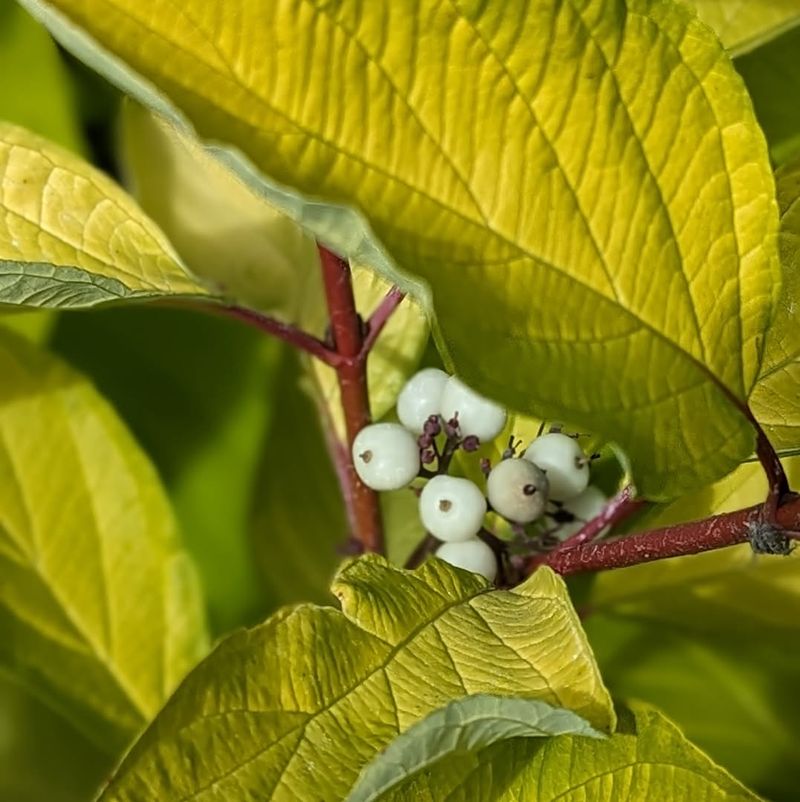
Most shrubs go quiet in winter, but Red Twig Dogwood is just getting started. Its brilliant red stems practically glow against a backdrop of bare soil or faded grass, giving California gardens a striking pop of color during the coldest months of the year.
During spring and summer, the plant looks lush and leafy with clusters of small white flowers that pollinators adore. By fall, the foliage turns beautiful shades of red and orange before dropping to reveal those famous crimson stems again.
It is a four-season plant in the truest sense.
Red Twig Dogwood grows happily in moist areas, making it a smart choice for low spots in California yards where water tends to collect. It also does well near streams or rain gardens.
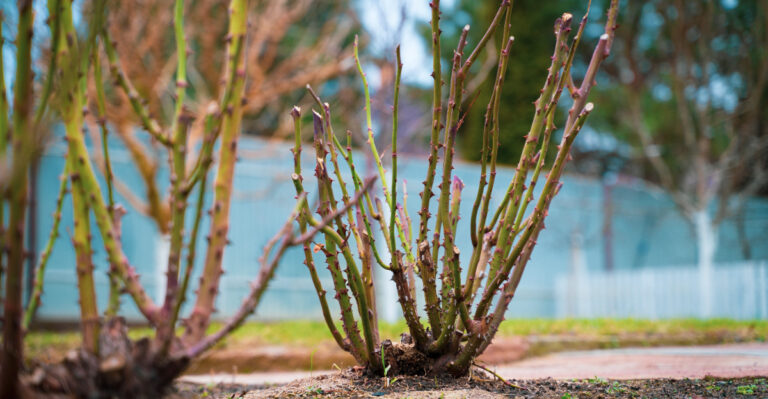
Prune out the oldest stems each spring to keep the color vivid and the plant looking fresh. If you want a shrub that earns its spot in your yard every single month of the year, this one is worth every inch of space.
6. Bush Anemone (Carpenteria californica)
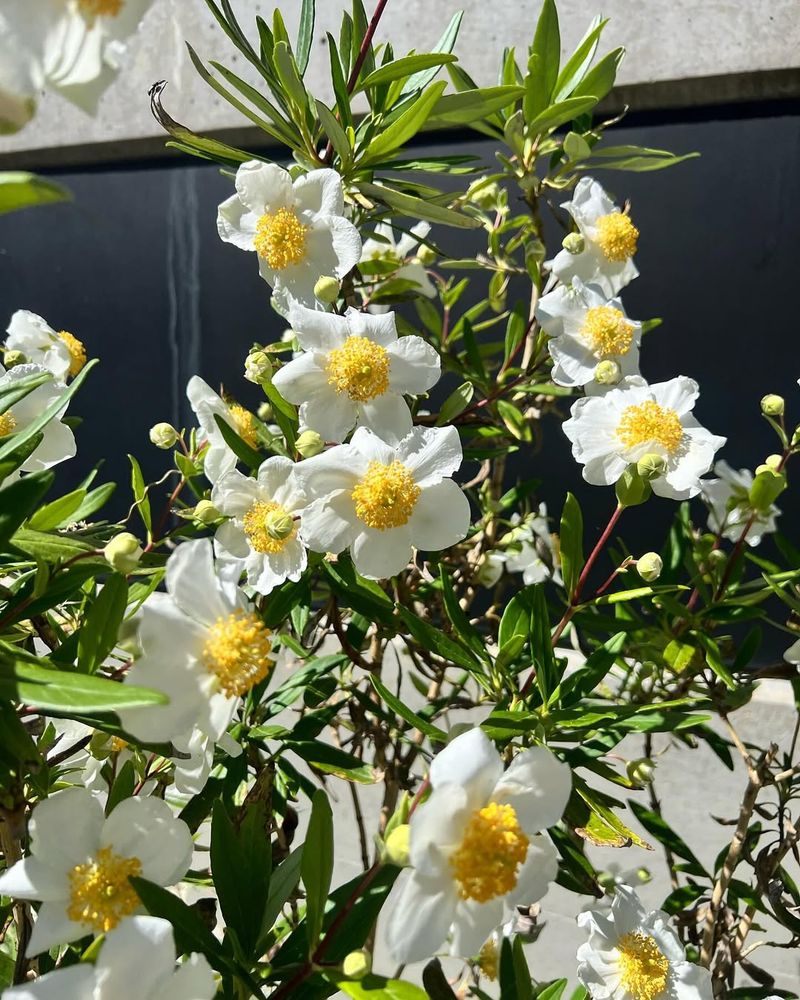
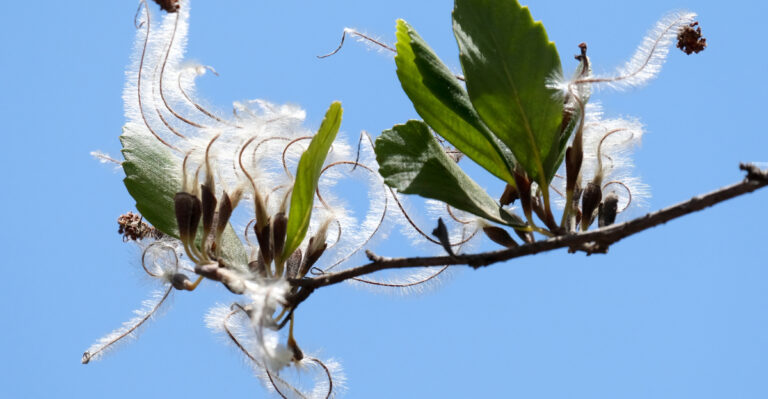
Here is a fun fact: Carpenteria californica, commonly called Bush Anemone, is native to California and grows wild in only a small part of Fresno County. That makes it such a rare gem!
The flowers are absolutely gorgeous. Large, white blooms with bright yellow centers appear in late spring and early summer.
They look almost like white roses from a distance and have a light, sweet fragrance that drifts through the garden on warm afternoons. It is the kind of shrub that makes visitors stop and ask what it is.
Bush Anemone thrives in full sun to partial shade and prefers well-drained soil. Once established, it is quite drought-tolerant, which makes it a natural fit for California’s dry summers.
It grows to about four to eight feet tall and pairs beautifully with other California native plants. If you want a shrub that celebrates the spirit of California gardening and looks spectacular doing it, Bush Anemone belongs in your yard.
7. Buttonbush
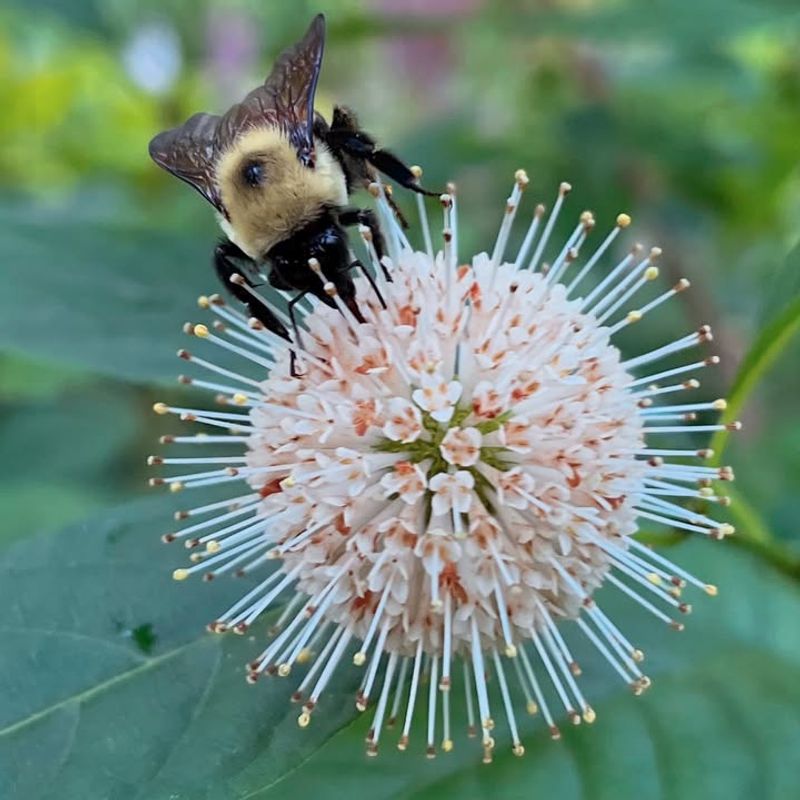
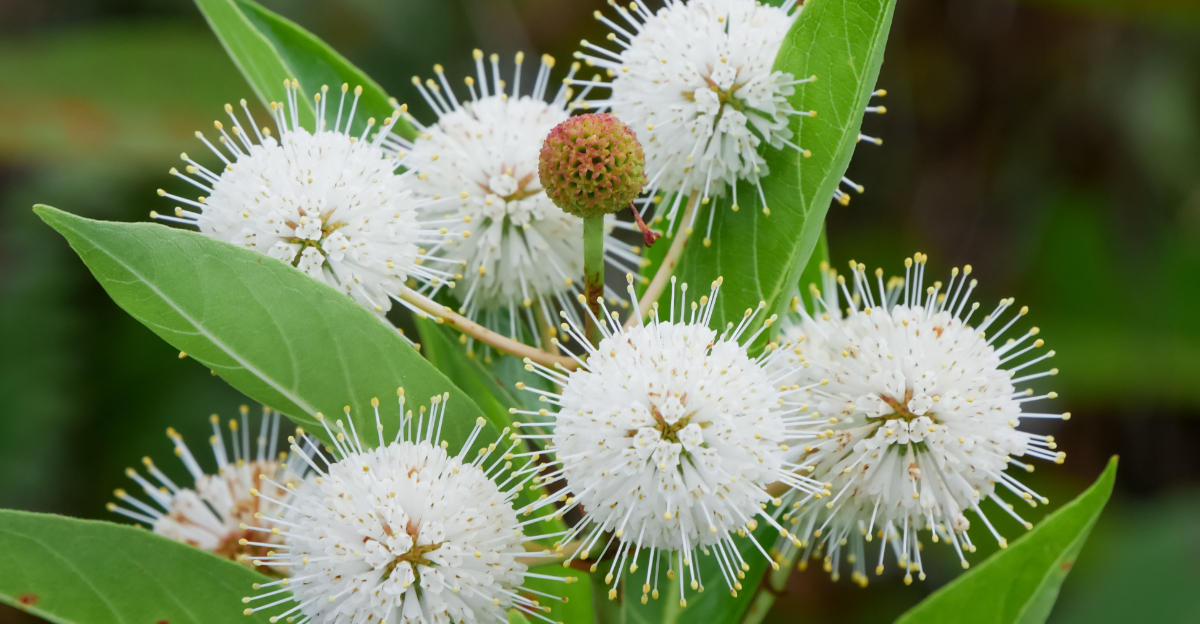
Buttonbush gets its name from those quirky, round white flower clusters that look like tiny pincushions or buttons scattered across the branches. They are unlike anything else in the garden, and that uniqueness is a big part of the appeal for California gardeners who want something truly different.
This shrub loves moisture and thrives near water features, rain gardens, or low-lying areas of the yard where other plants might struggle. It is native to North America and incredibly wildlife-friendly.
Bees go wild for the flowers, and ducks, songbirds, and waterfowl feast on the seeds in fall and winter.
Buttonbush grows well in full sun to partial shade and can reach six to twelve feet tall if left unpruned. It handles California’s warmer regions well, especially in spots that stay a little wetter.
The foliage is a clean, glossy green that looks attractive even when the plant is not in bloom. For gardeners near ponds, creeks, or water-wise rain gardens in California, Buttonbush is a surprisingly elegant and ecologically valuable addition to the landscape.
8. Hardy Hibiscus
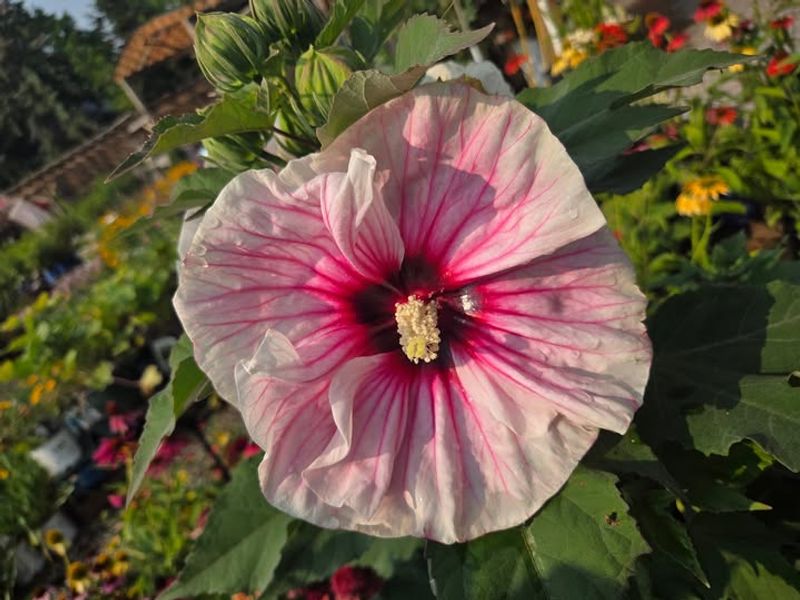
When a flower is big enough to be called a dinner-plate bloom, you know it means business. Hardy Hibiscus produces flowers that can stretch up to twelve inches across in shades of red, pink, white, and bicolor.
It is the kind of plant that turns a plain backyard into something that looks professionally designed.
Unlike its tropical cousin, Hardy Hibiscus can handle cooler winters and bounces back reliably each spring. It loves full sun and warm temperatures, which makes it a natural match for California’s long, hot summers.
Give it consistent moisture and good drainage and it will reward you with an explosion of blooms from midsummer through early fall.
California gardeners who once relied on hydrangeas for big, showy color will find Hardy Hibiscus to be a bold and satisfying upgrade. It grows quickly and can reach four to seven feet tall in a single season.
Pair it with ornamental grasses or lower-growing perennials for a layered, lush look. It is a showstopper that earns every bit of the attention it gets from neighbors and passersby.