Why Oregon Gardens Look So Different From The Rest Of The Country
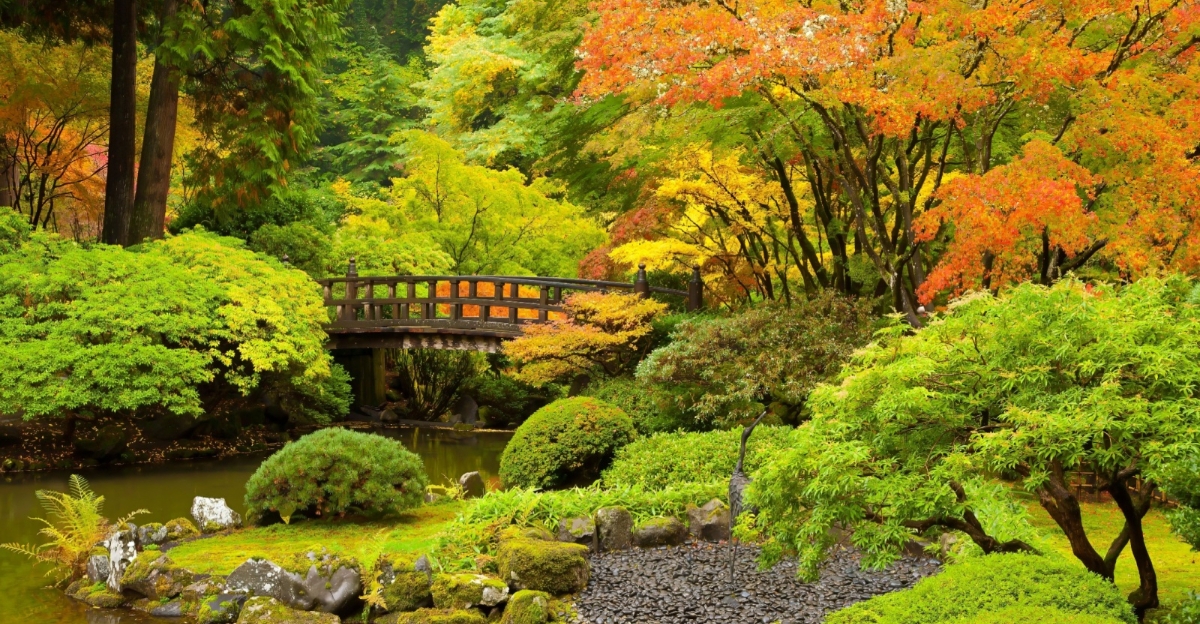
Oregon gardens have a way of making you stop and stare. While much of the country battles snow or scorching heat, the state offers growing conditions that let plants shine in ways you rarely see elsewhere.
Walk through a yard in Portland, Bend, or Eugene, and layers of moss, ferns, and unexpected bursts of color seem almost alive.
What makes them so distinctive?
Sun, rain, soil, and a touch of local creativity all play a part, but the story doesn’t end there. Gardening here blends patience, artistry, and a connection to the environment that sets Oregon apart.
Every corner feels thoughtfully placed, every plant seems to tell a story, and by the time you notice the details, it’s clear Oregon gardens aren’t just planted – they’re orchestrated.
1. Rainy Winters Create Lush, Evergreen Landscapes
Winter in Oregon tells a very different story than much of the country. While many states are blanketed in snow or brown and dormant grass, the mild, wet winters west of the Cascades create gardens that are alive and verdant.
The Willamette Valley, Portland, and surrounding areas receive around 36 inches of rain annually, with November through March accounting for the bulk.
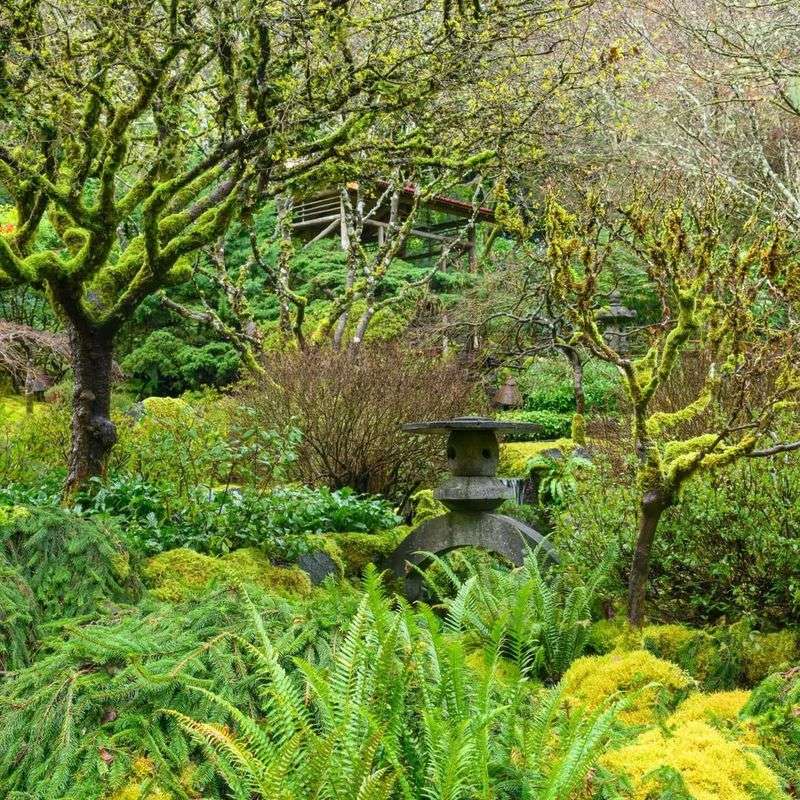
This consistent moisture sustains evergreen shrubs, mosses, and ferns, giving gardens a rich, forest-like quality even in the coldest months.
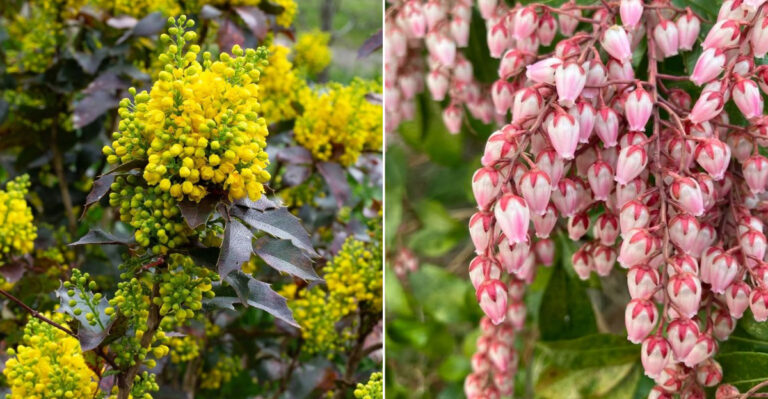
Rhododendrons, camellias, and Oregon grape retain foliage year-round, providing layered textures that are strikingly green while other regions remain barren.
The damp climate also encourages moss growth on rocks, tree trunks, and shaded garden beds, enhancing the woodland aesthetic that visitors often associate with the Pacific Northwest.
Lawns typically remain green without supplemental watering, and the overall effect is a garden palette dominated by deep, vibrant greens that contrast sharply with the harsh winters seen elsewhere.
Gardeners choose plants that tolerate wet soils and low light rather than drought-hardy varieties favored in sunnier climates, creating a distinct look that feels both wild and carefully cultivated.
This extended rainy season not only shapes plant selection but also influences garden layout and microclimate management, making winter gardens visually alive and uniquely Oregon.
2. Mild Summers Encourage Year-Round Planting
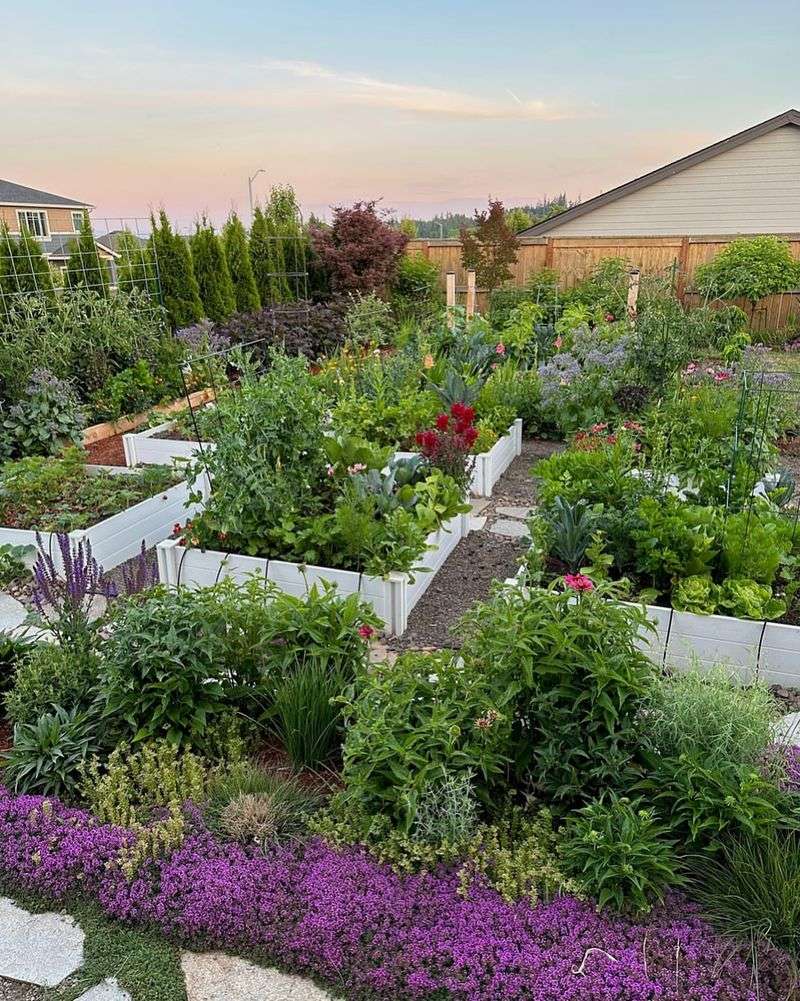
Oregon summers, particularly west of the Cascades, are remarkably gentle. Daytime temperatures typically range from 70 to 85 degrees Fahrenheit, and humidity remains low, creating near-perfect conditions for a wide variety of plants.
This moderate warmth allows gardeners to grow crops that might struggle in hotter regions, from tomatoes, peppers, and basil to corn and summer flowers.
The mildness of the season also extends the growing window for cool-season vegetables like lettuce, kale, and peas, particularly along the fog-influenced coast.
Many Oregon residents start seeds indoors in February, extend outdoor planting through October, and maintain multiple harvests throughout the season. This extended growing rhythm contributes to a culture where gardening is not merely seasonal but an ongoing lifestyle.
Because summer is not harsh, plants can thrive without suffering heat stress, and soil remains workable for longer periods, allowing continuous sowing and succession planting.
Gardeners can experiment with both ornamental and edible landscapes simultaneously, integrating vegetable beds with flowering shrubs, perennials, and pollinator-friendly plantings.
Your Oregon Garden Changes Every Week. Your Plan Should Too.
Gardening in Oregon changes quickly throughout the season. Every Friday you’ll receive a simple weekly plan showing exactly what to plant, prune, fertilize, harvest, and protect so you never miss the right timing.
This climate flexibility allows Oregon gardens to be both productive and visually diverse, supporting year-round greenery and a blend of temperate-season plantings that create distinctive landscapes compared with other regions of the country.
3. Soil Richness Shapes Unique Plant Choices
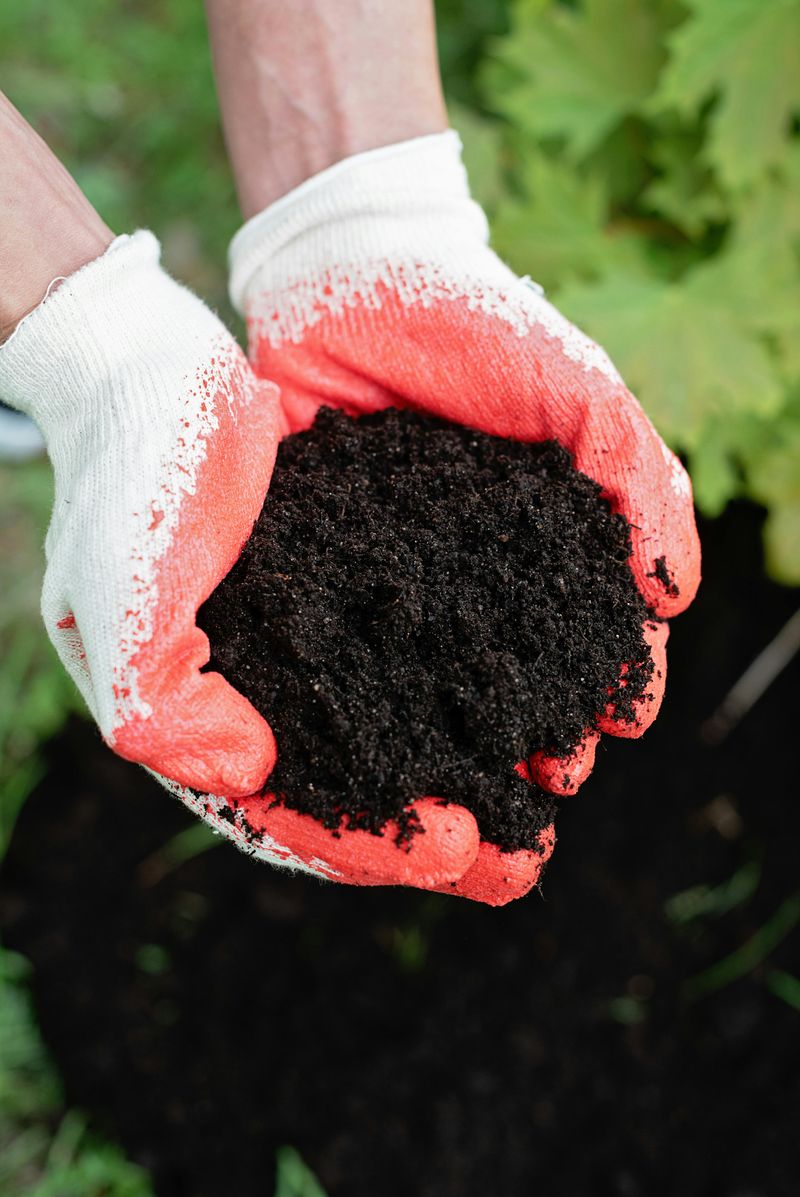
Oregon’s soils are among the most fertile in the United States, especially in the Willamette Valley. Topsoil here is rich in organic matter and nutrients, a legacy of ancient volcanic activity and glacial lake sediments.
Gardeners quickly recognize the advantage this provides: plants that demand nutrient-rich or slightly acidic conditions, such as blueberries, hazelnuts, wine grapes, rhododendrons, and azaleas, thrive naturally without extensive supplementation.
This contrasts with many areas of eastern Oregon, where soils tend to be alkaline, sandy, or clay-heavy, requiring different strategies and promoting drought-tolerant natives.
Fertile valley soils allow for diverse planting, encouraging gardeners to mix ornamental flowers, shrubs, vegetables, and trees in ways that produce layered, visually compelling landscapes.
The richness of the soil contributes not only to plant health but also to the aesthetic appeal of Oregon gardens.
Fertile ground supports larger leaves, more robust blooms, and longer flowering periods, creating gardens that feel lush and abundant throughout the growing season.
This diversity of soil types and natural fertility fosters two distinct garden cultures within the state: lush, temperate gardens in the west and drought-adapted, resilient landscapes in the east.
4. Native Plants Thrive In Oregon’s Varied Microclimates
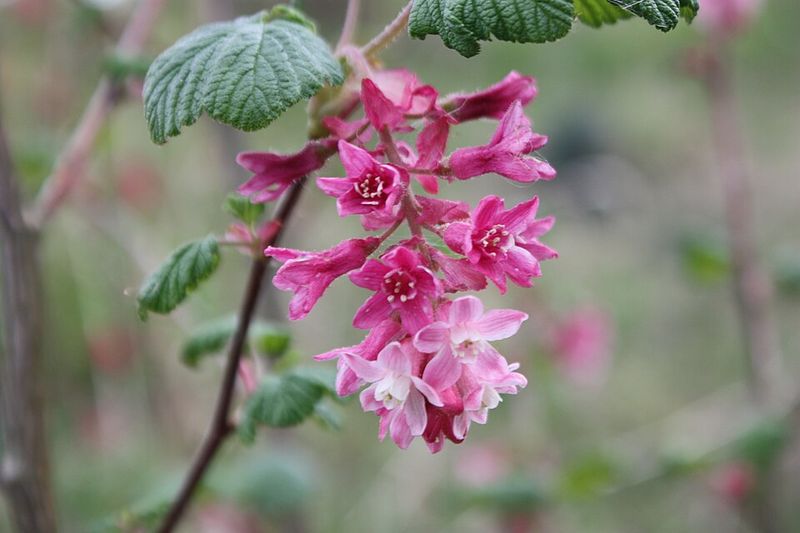
Oregon hosts a remarkable variety of native plants, supported by its distinct microclimates. Coastal areas, valleys, high deserts, and mountain ranges each nurture different species.
Plants that flourish in Portland may struggle a few hundred miles east in Bend, reflecting the state’s dramatic environmental diversity.
Native species like red flowering currant, vine maple, Pacific wax myrtle, Oregon white oak, camas lily, and silver-leafed rabbitbrush perform well with minimal intervention once established.
Gardeners who use native plants benefit from reduced water use, lower fertilizer needs, and lower maintenance, while also creating wildlife habitats. This results in landscapes that feel naturalistic, wild, and ecologically supportive.
Lawns give way to grasses, flowering shrubs, and berries, producing spaces that appear less cultivated yet remain deliberate and visually rich.
By leveraging native species, Oregon gardeners shape resilient gardens that adapt to local rainfall patterns, soil types, and seasonal temperature shifts, creating landscapes that look distinctive compared with imported ornamentals common in other parts of the country.
Additionally, incorporating native plants often encourages pollinators and beneficial insects, strengthening the ecological balance within residential gardens.
Visitors to Oregon may notice this blend of natural beauty and functionality immediately, as gardens reflect a harmonious integration of plants with the surrounding environment.
5. Garden Design Blends Nature And Creativity Like Nowhere Else
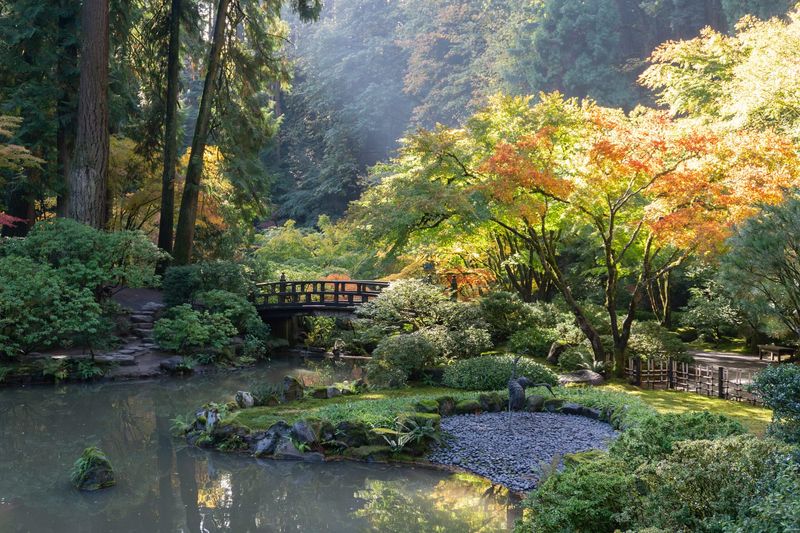
Oregon gardeners approach design with a unique blend of artistry and ecological awareness.
Celebrated public gardens, like Oregon Garden in Silverton or Lan Su Chinese Garden in Portland, showcase how flowing paths, layered plantings, water features, and naturalistic arrangements create calm, immersive experiences.
This philosophy carries into private gardens, where designers combine native plants, salvaged materials, rain gardens, edible beds, and ornamental grasses. The emphasis is on flow, texture, and a sense of discovery rather than rigid symmetry.
Japanese garden principles have influenced many Portland gardens, with curved paths, carefully placed stones, and layered plantings that cultivate quiet, reflective spaces.
The result is a garden aesthetic that feels both organic and intentional, where creativity is balanced with ecological awareness.
Oregon gardeners’ willingness to mix function, beauty, and sustainability gives the state’s gardens a signature character, differentiating them from the more uniform or traditional styles common in other regions.
Homeowners often integrate seating areas, whimsical focal points, and seasonal color rotation to encourage engagement and reflection, creating spaces that feel alive, dynamic, and uniquely personal while maintaining a deep connection to the natural environment.
6. Pest And Disease Patterns Influence Plant Selection
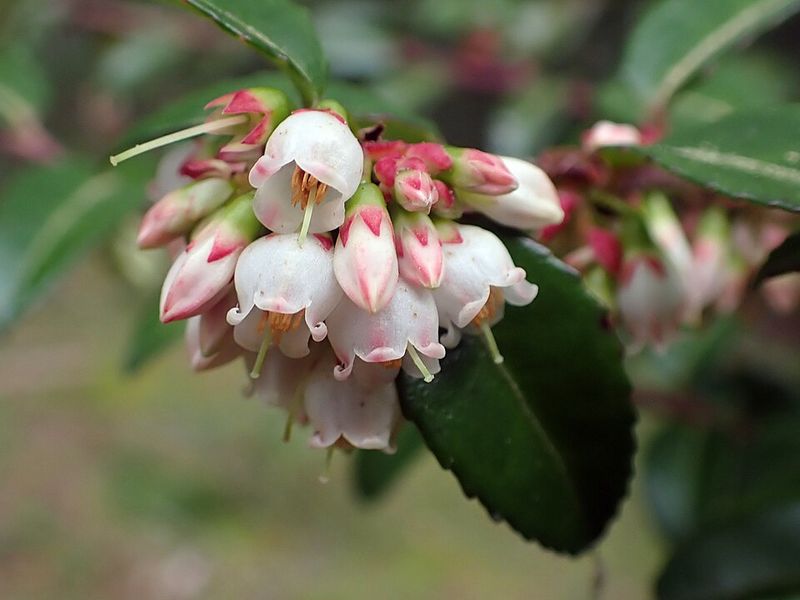
Oregon’s wet winters and cool springs create conditions favorable for fungal diseases and common pests, shaping plant selection in subtle but important ways. Powdery mildew, black spot on roses, late blight on tomatoes, and slug infestations are widespread concerns.
Gardeners mitigate these issues by choosing disease-resistant rose varieties, replacing susceptible hedges with native options like Oregon grape or evergreen huckleberry, and using raised beds, copper barriers, or careful watering techniques.
Slugs are particularly problematic in western Oregon, where moisture creates ideal habitat.
Awareness of pests and diseases leads gardeners to favor resilient, regionally adapted plants, which ultimately gives gardens a distinctive, local appearance.
These choices not only preserve plant health but influence texture, foliage density, and layout, contributing to the overall signature look of Oregon gardens. Gardeners often monitor plants closely throughout the spring and fall, adjusting care routines as needed.
This proactive approach creates a more stable, thriving garden environment and allows plantings to flourish while maintaining the visual richness that defines Oregon landscapes.
7. Urban And Rural Gardens Reflect Lifestyle And Space
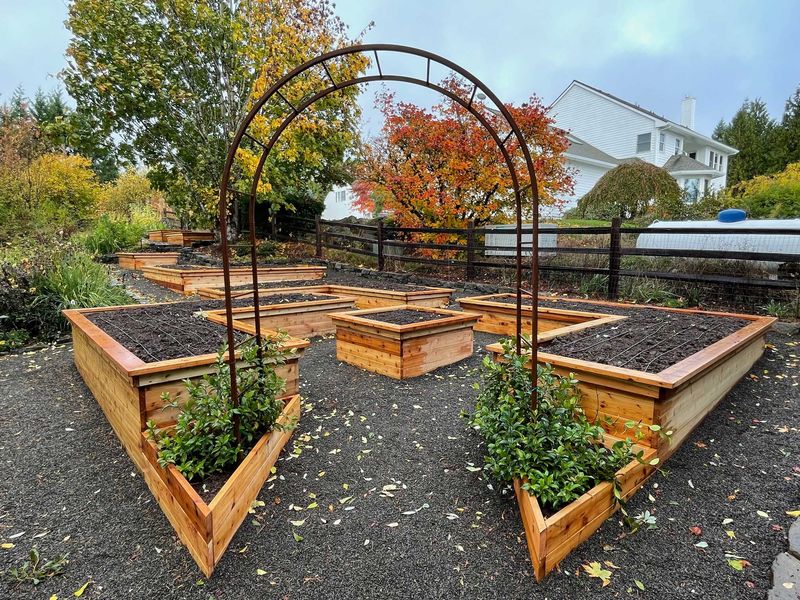
Oregon gardens reflect the lifestyle and space available to residents. In urban areas like Portland, small yards and community plots encourage creative, compact gardening with pollinator meadows, edible landscapes, and rain gardens.
Community gardens foster social interaction and collaboration, turning limited spaces into productive, lively hubs. Rural properties often feature sprawling vegetable plots, orchards, berry patches, and cut flower fields, showcasing a more production-focused approach.
This urban-rural contrast contributes to the state’s diverse garden culture.
Each approach balances aesthetic, functional, and ecological goals, resulting in a rich variety of garden styles that differ significantly from other states where space and lifestyle factors may constrain creativity.
Urban gardeners frequently incorporate vertical planters, container beds, and multifunctional garden areas to maximize small spaces, while rural gardeners can explore larger scale landscape design and crop rotations.
The diversity of space utilization reinforces Oregon’s reputation for inventive gardening, showing how climate, culture, and available land interact to produce visually striking, productive, and uniquely local gardens.
8. Environmental Awareness Drives Sustainable Gardening Practices

Sustainability is central to Oregon gardening culture. Residents commonly practice composting, water conservation, and reduced chemical use.
Rain barrels, drip irrigation, native plantings, and no-mow lawn alternatives are widespread. Organic fertilizers and beneficial insects are preferred over synthetic solutions, and backyard wildlife habitats support local ecosystems.
These practices are deeply ingrained across urban and rural areas, reflecting a community value for environmental stewardship. Rain gardens and sustainable water management reduce runoff, while native plantings lower maintenance and irrigation needs.
This culture of environmental responsibility creates gardens that are not only visually distinct but functionally sustainable, reflecting the Pacific Northwest’s dedication to harmony between people, plants, and place.
Many homeowners integrate pollinator-friendly species, perennial borders, and mulched pathways to further enhance ecological impact.
The result is a landscape that simultaneously nurtures the environment, supports wildlife, and provides a serene, living space for human enjoyment.