How To Make North Carolina Yards Wildlife-Friendly This Spring
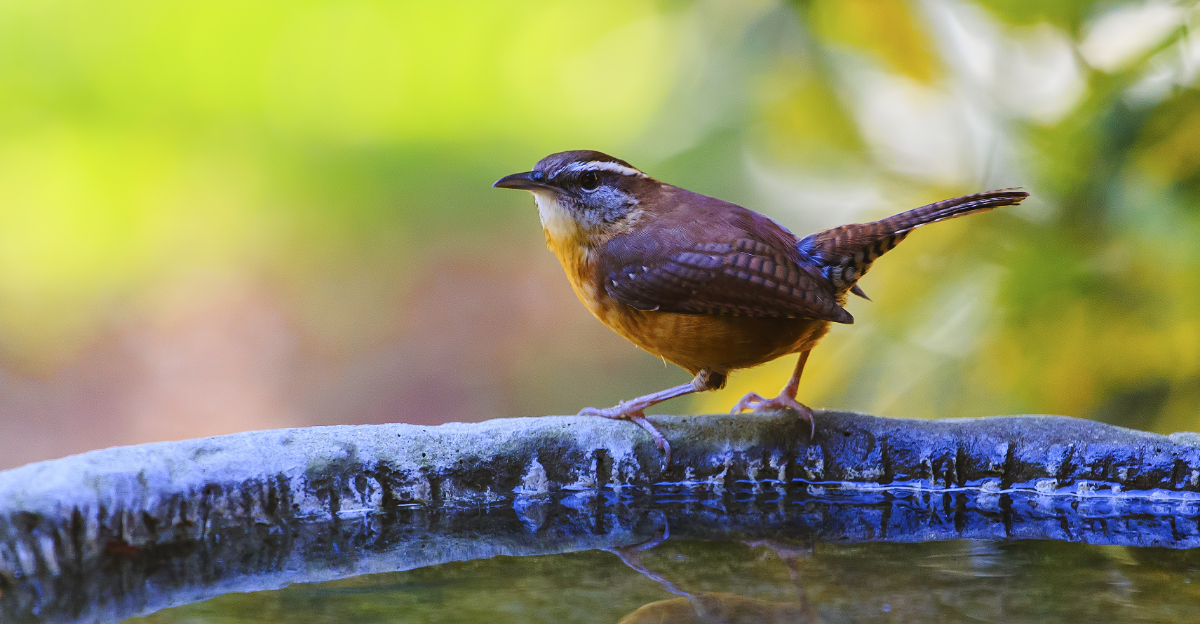
There’s something comforting about stepping outside in North Carolina and hearing birds already at work while the garden slowly wakes up. A rabbit might pause near the edge of the yard, and if you’re lucky, a deer wanders through like it’s part of the morning routine.
Moments like that don’t feel staged, they just happen when a yard feels alive.
Turning your space into something wildlife-friendly doesn’t require a full redesign. A few thoughtful changes with plants, shelter, and water can make your yard more inviting to the animals already passing through your neighborhood.
It often starts with one small change, and once you notice what shows up, it’s hard not to keep going just a little further.
1. Plant Native Blooms For A Spring Pollinator Kickstart
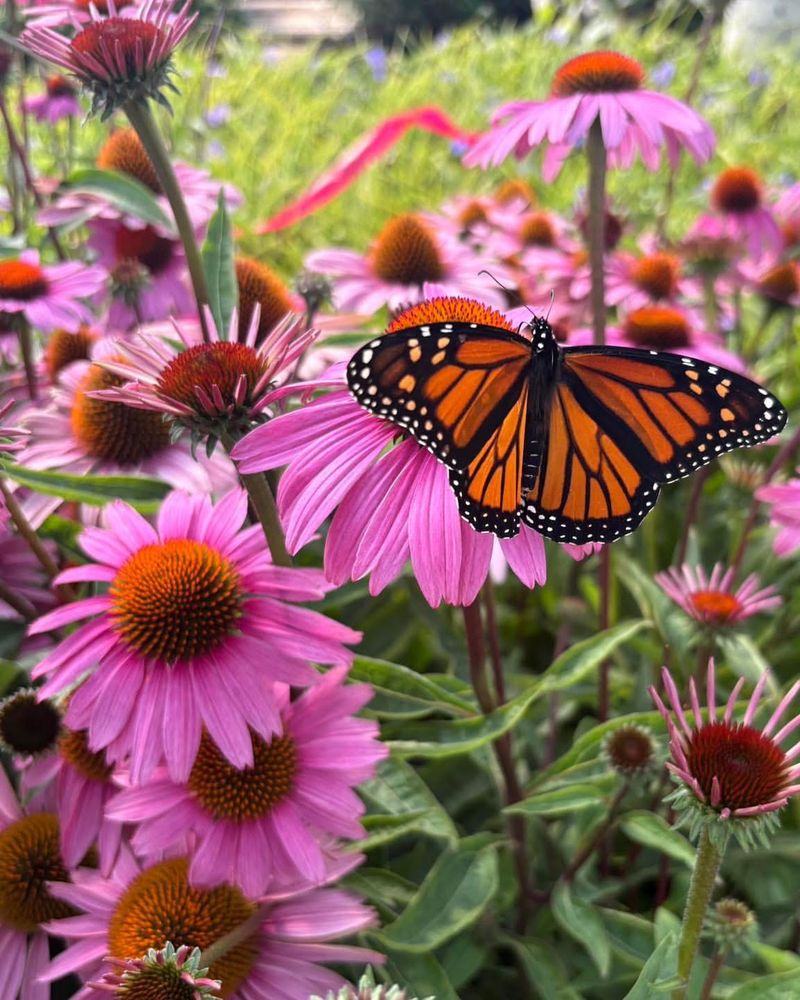
Walking outside on a warm April morning in North Carolina and spotting a bumblebee buzzing through a patch of wild blue indigo is one of those simple joys that never gets old. Native plants are the secret to making that happen consistently.
Unlike exotic ornamentals, native blooms have co-evolved with local pollinators, offering the exact nectar and pollen that bees, butterflies, and hummingbirds actually need.
Purple coneflower, black-eyed Susan, Carolina phlox, and native azaleas are all excellent choices for spring color and pollinator support. These plants are also adapted to North Carolina’s soil and climate, which means less watering, fewer fertilizers, and lower maintenance overall.
Planting in clusters rather than scattering individual plants helps pollinators find blooms more easily.
Local nurseries that specialize in native plants are a fantastic starting point. The North Carolina Native Plant Society also offers regional plant lists by county, so you can choose species that truly belong where you live.
Even a few square feet of native blooms can create a meaningful pollinator corridor in your neighborhood. Starting small and expanding each season is a smart, sustainable approach that rewards both wildlife and gardeners alike.
2. Grow A Layered Yard That Feels Like Real Habitat
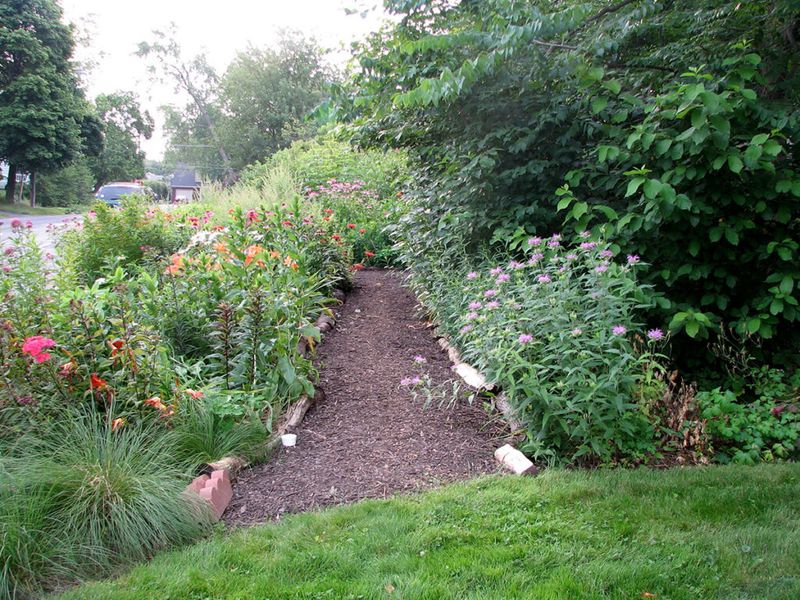
Real wildlife habitat is not flat. In nature, forests have tall canopy trees, mid-level shrubs, low groundcovers, and leaf litter all working together.
Recreating that layered structure in a North Carolina yard gives birds, insects, and small mammals the variety of spaces they need to feed, shelter, and raise young.
Start by thinking vertically. If you have space, an oak or native cherry tree provides canopy and supports hundreds of insect species.
Below that, shrubs like beautyberry, buttonbush, or native viburnums offer berries and nesting spots. At ground level, ferns, wild ginger, and native grasses fill in the gaps and protect soil from erosion.
You do not need to completely redesign your yard to get results. Adding one or two native shrubs along a fence line or tucking a patch of groundcover under an existing tree can make a noticeable difference.
The goal is to reduce the amount of bare lawn and replace it with plant diversity that mimics the natural ecosystems found throughout North Carolina. Over time, that layered structure becomes self-sustaining, requiring less intervention while consistently drawing in more wildlife each season.
Your North Carolina Garden Changes Every Week. Your Plan Should Too.
Gardening in North Carolina changes quickly throughout the season. Every Friday you’ll receive a simple weekly plan showing exactly what to plant, prune, fertilize, harvest, and protect so you never miss the right timing.
3. Add Clean, Reliable Water Without Creating Mosquito Trouble
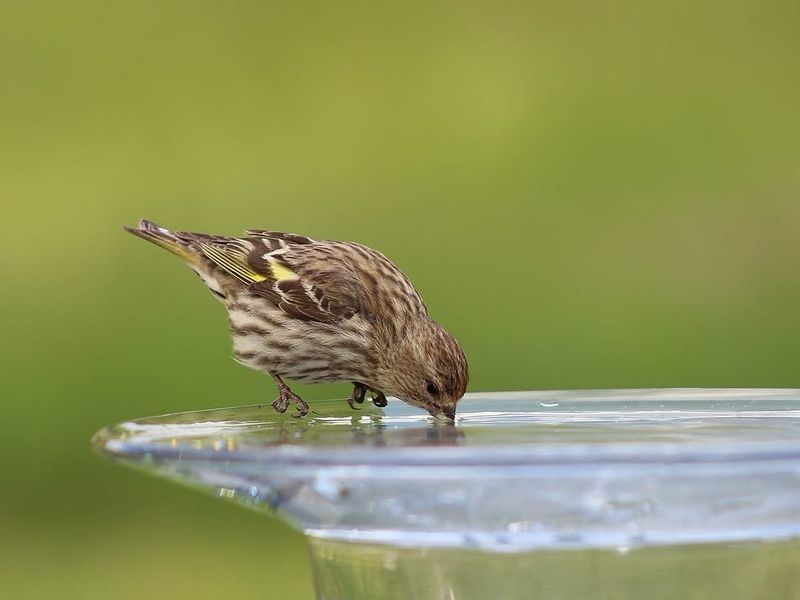
Water is one of the most overlooked elements in a wildlife-friendly yard. Birds need it for drinking and bathing, and many insects depend on it for reproduction.
In North Carolina’s spring and summer heat, a clean and reliable water source can attract more wildlife than almost any other feature you add to your yard.
The key word here is clean. Standing water that sits still for more than a day or two can become a mosquito breeding ground, which is the last thing anyone wants.
The fix is simple: add movement. A solar-powered water wiggler or a small recirculating pump keeps the surface agitated and prevents mosquito larvae from settling in.
Changing the water every two to three days also helps.
Birdbaths work well, but shallow dishes, terracotta saucers, or even a small garden pond with a fountain feature are all effective options. Place water sources near shrubs or trees so birds feel safe while bathing, but keep them visible enough that cats cannot sneak up undetected.
Ground-level water sources attract different species than elevated ones, so offering both levels gives North Carolina wildlife even more reasons to visit your yard regularly throughout the spring season.
4. Skip Broad-Spectrum Sprays And Let Beneficial Bugs Do The Work
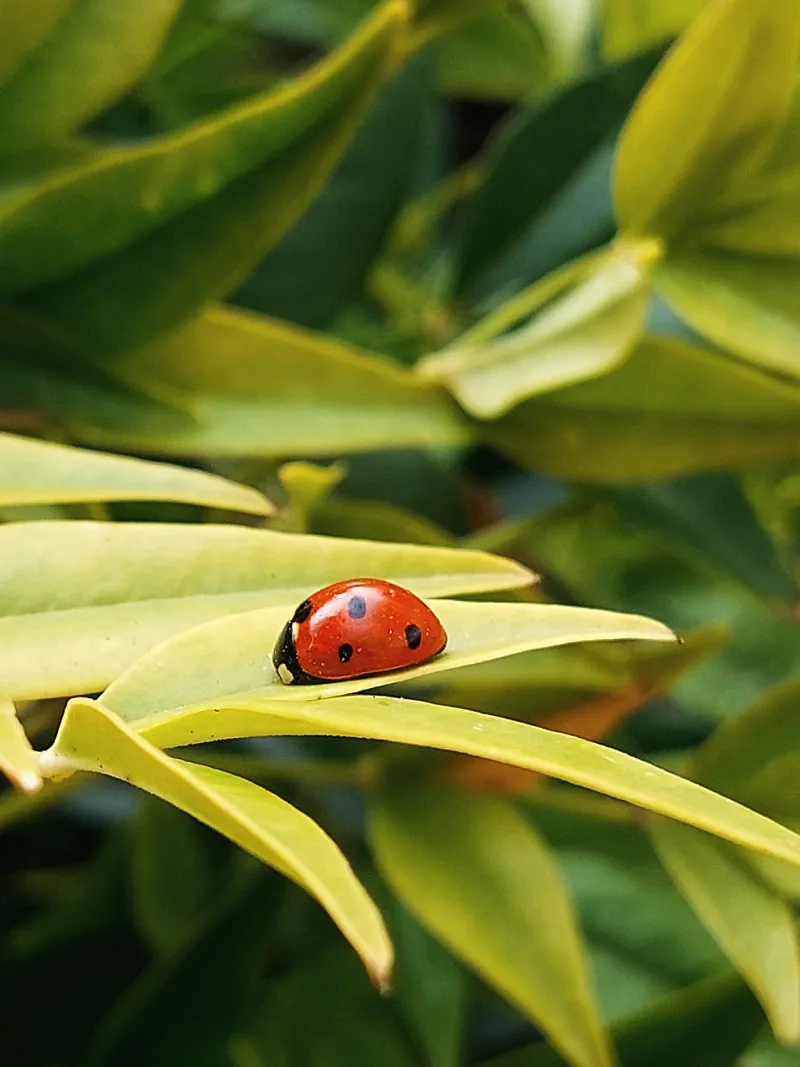
Here is something that surprises many North Carolina homeowners: most insects in your yard are not pests. In fact, researchers estimate that less than one percent of insect species cause any harm to gardens or crops.
The other ninety-nine percent are pollinators, decomposers, or predators that keep actual pest populations in check naturally.
Broad-spectrum insecticide sprays cannot tell the difference between a harmful aphid and a helpful ground beetle. When these products are applied, they wipe out the beneficial insect community that was doing free pest control work.
That leaves a vacuum that pest species, which tend to bounce back faster, are quick to fill. The result is often more pest pressure, not less.
Switching to targeted, organic options when a real problem arises is a smarter approach. Neem oil, insecticidal soap, and manual removal work well for specific issues without collateral damage to the broader insect community.
Planting a diverse mix of native species also naturally attracts predatory insects like lacewings, parasitic wasps, and ladybugs that manage pest populations on their own. Across North Carolina, gardeners who reduce or eliminate broad-spectrum sprays consistently report healthier, more balanced yards that require less intervention over time.
5. Leave Some Leaves And Stems For Fireflies, Butterflies, And Birds
Every fall, millions of North Carolina homeowners bag up their leaves and haul away their dead plant stems, not realizing they are removing some of the most valuable wildlife habitat in their yards. Firefly larvae spend the winter just beneath the leaf litter.
Native bee species overwinter inside hollow stems. Butterfly chrysalises cling to dried stalks waiting for spring warmth to trigger their emergence.
Leaving leaves in garden beds rather than raking them to the curb provides insulation for overwintering insects and adds organic matter that improves soil health over time. It does not have to look messy.
Corralling leaves into naturalistic piles near shrubs or along fence lines keeps things tidy while still offering the habitat benefits wildlife depend on.
Cutting back perennials in spring rather than fall gives stem-nesting bees a full winter inside their hollow refuges. Leaving stems at least twelve inches tall provides enough structure for insects to complete their life cycles safely.
North Carolina’s firefly populations, which draw visitors from across the country to places like Grandfather Mountain, are directly tied to the quality of leaf litter habitat in local yards. Small choices made in your own backyard genuinely add up to something bigger across the region.
6. Make Nesting And Shelter Spots That Stay Safe And Quiet
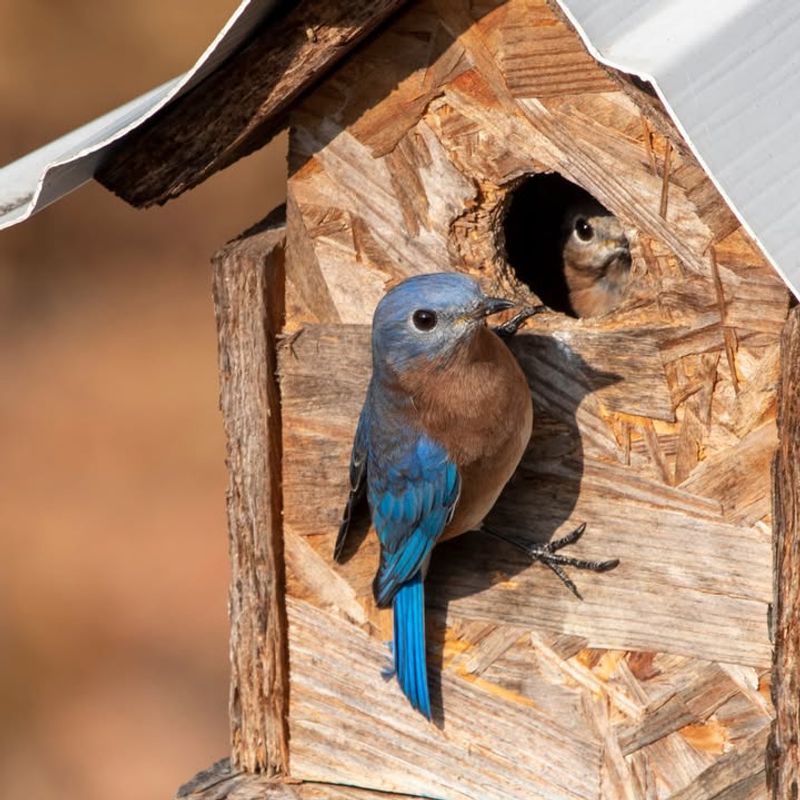
North Carolina is home to an impressive variety of nesting birds, from Eastern bluebirds and Carolina wrens to great crested flycatchers and wood ducks. All of them need safe, quiet places to raise their young, and the shrinking availability of natural cavities in suburban areas makes nest boxes and thoughtful landscaping more important than ever.
Putting up a nest box is a great starting point, but placement matters enormously. Bluebird boxes do best on open poles in sunny spots away from dense shrubs where predators can hide.
Wren boxes can be hung closer to the house. Always use boxes with proper entrance hole sizes for your target species, and check them periodically to remove non-native species nests like European starlings or house sparrows.
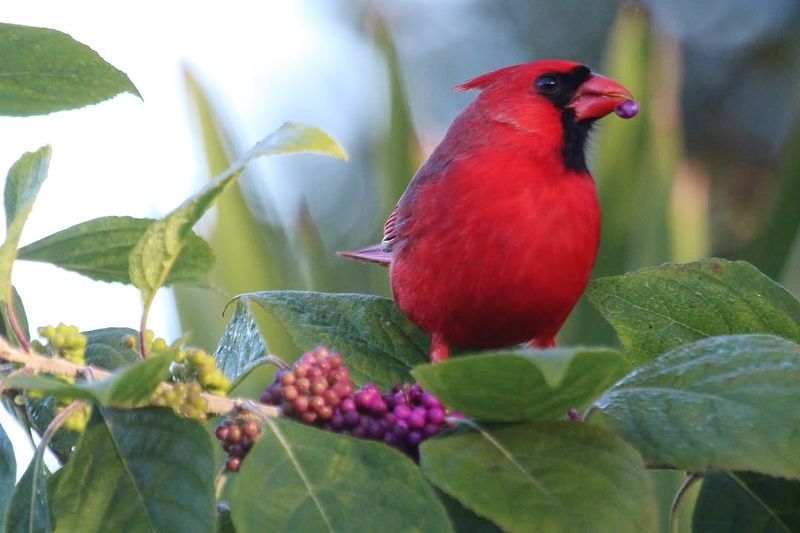
Dense native shrubs like wax myrtle, American beautyberry, and yaupon holly also provide excellent shelter and nesting cover without any installation required. Brush piles made from fallen branches offer refuge for rabbits, toads, and many bird species that prefer ground-level cover.
Keeping pets indoors or supervised during nesting season, particularly from April through July in North Carolina, dramatically improves the survival rate for young birds and helps your yard become a genuinely productive wildlife sanctuary season after season.
7. Feed Birds Responsibly And Keep The Setup Squirrel-Smart
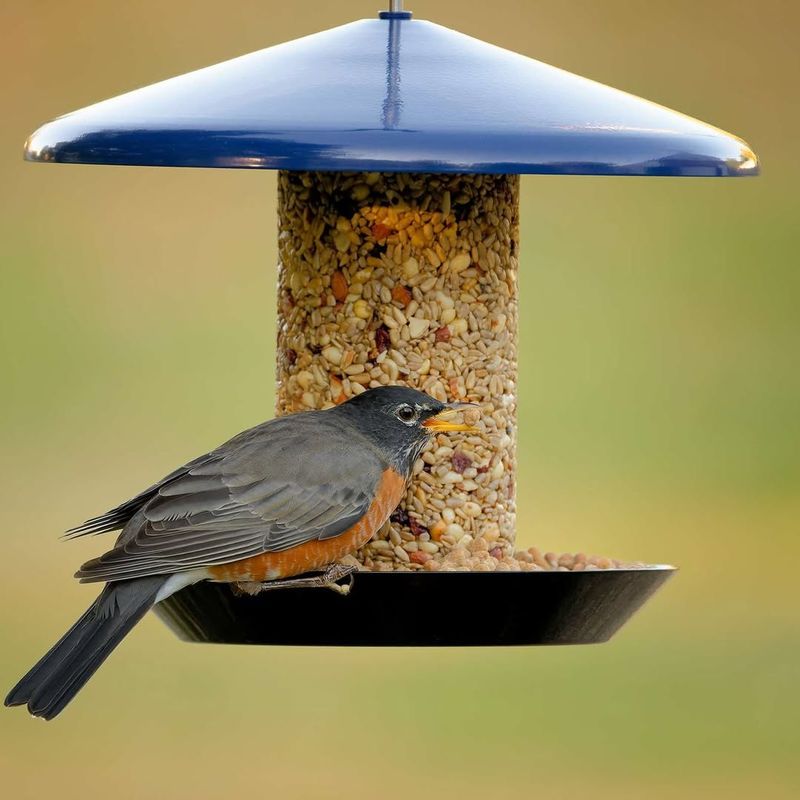
Bird feeding is one of the most popular wildlife activities across North Carolina, and for good reason. Feeders bring birds close enough to observe and enjoy, and they provide supplemental nutrition during the lean early weeks of spring before natural food sources fully return.
Done right, a feeding station becomes a lively backyard attraction that rewards patience with incredible variety.
Choosing the right seed matters more than most people realize. Black oil sunflower seed attracts the widest range of species, including cardinals, chickadees, finches, and nuthatches.
Avoid cheap mixed seed blends loaded with milo or millet, which many birds toss aside and which can attract unwanted guests. Nyjer seed in a tube feeder is perfect for goldfinches, which are a North Carolina spring highlight as their plumage shifts to bright yellow.
Squirrel-proofing your setup saves seed, money, and frustration. Baffles mounted below pole-hung feeders are highly effective when the pole is placed at least five feet from any jumping-off point.
Caged feeders also work well and allow smaller birds to feed freely. Cleaning feeders every one to two weeks with a mild soap solution prevents mold and bacteria buildup that can harm birds.
A responsible, well-maintained feeding station is one of the most rewarding investments a North Carolina yard can offer.