9 Shrubs California Gardeners Need To Trim Before Spring Arrives
If your California garden is looking a little wild after winter, you are not alone. Cooler months have a way of leaving shrubs leggy, overgrown, or packed with tired growth that is just waiting for a fresh start.
The good news? Late winter is prime time to grab your pruners and set the stage for a spectacular spring show.
A strategic trim now can mean fuller blooms, healthier plants, and way less chaos once everything starts growing like crazy.
In a state with so many microclimates, timing matters, but most shrubs benefit from a little cleanup before temperatures rise and new growth takes off.
Think of it as a reset button for your yard. A few smart cuts can boost airflow, shape unruly branches, and encourage vibrant new shoots.
1. Butterfly Bush
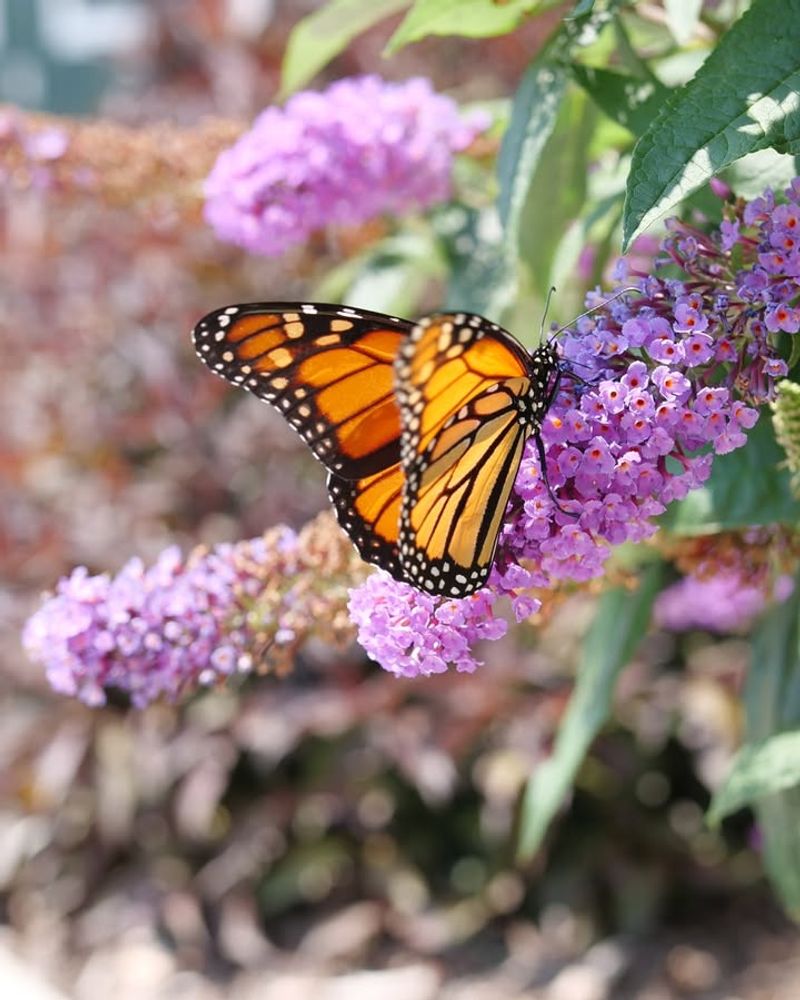
Few shrubs put on a show quite like the butterfly bush. Known for its long, colorful flower spikes that attract butterflies and hummingbirds, this plant is a favorite in gardens across California.
But here is the thing: it needs a hard cut before spring to really perform.
Late winter is the best time to trim butterfly bush down to about 12 inches from the ground. This might feel dramatic, but do not worry.
The plant bounces back quickly and produces much stronger, fuller growth when cut back hard each year.
Skipping the pruning often leads to a leggy, woody plant with fewer blooms. California gardeners in warmer zones like Los Angeles or Riverside may notice their butterfly bush growing year-round, which makes that late-winter trim even more important.
Use clean, sharp loppers and remove all the old stems. Within a few weeks, you will see fresh green shoots pushing up from the base, and by summer, those gorgeous blooms will be back in full force, bringing the butterflies right along with them.
2. Smooth Hydrangea
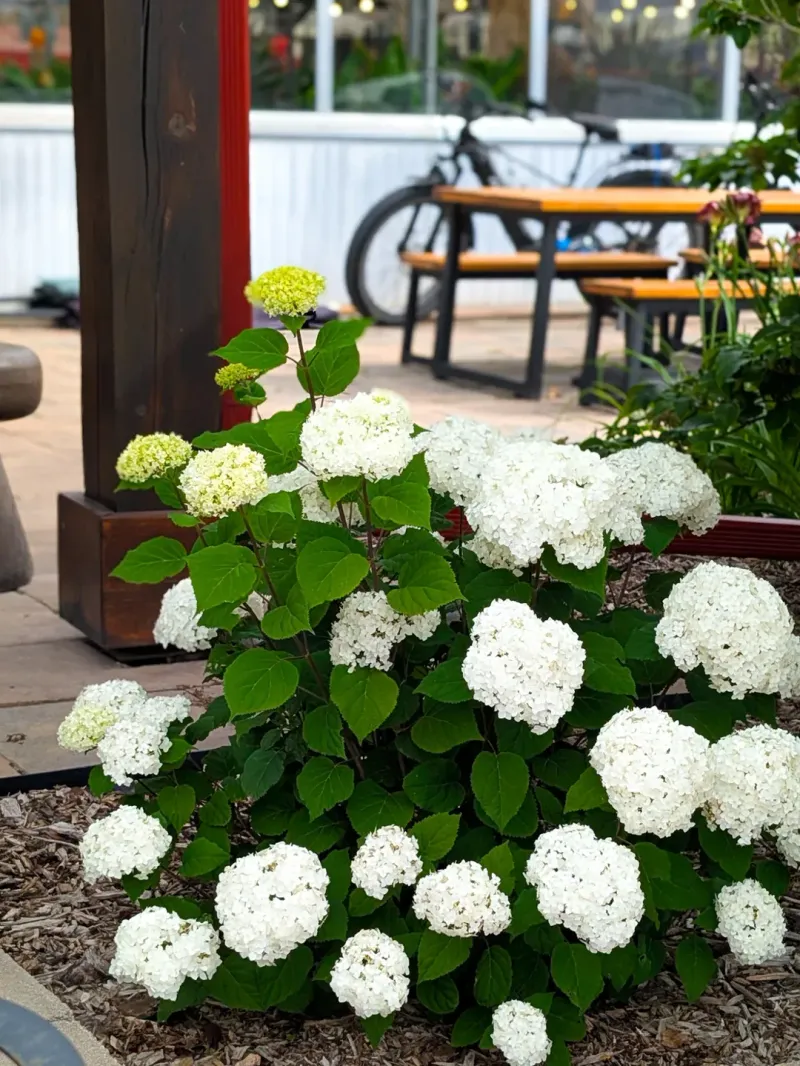
Smooth hydrangea is one of those plants that rewards boldness. Varieties like Annabelle are beloved by California gardeners for their enormous white flower heads that look stunning from summer through fall.
But once winter arrives and those blooms turn brown and papery, it is time to act.
Unlike some hydrangeas that bloom on old wood, smooth hydrangea blooms on new growth. That means you can cut it back hard in late winter without worrying about losing next season’s flowers.
Most gardeners trim these plants down to about 12 to 18 inches above the ground.
Pruning smooth hydrangea at this stage encourages the plant to push out strong new stems that can support those famously large flower heads without flopping over.
In California’s mild climate, especially in coastal areas like Santa Barbara or Monterey, these plants can hold onto their old stems longer than expected.
Removing dead wood and crossing branches also improves airflow, which keeps the plant healthier overall. It is a simple task that takes maybe 20 minutes and pays off with a much more spectacular display come summer.
3. Panicle Hydrangea
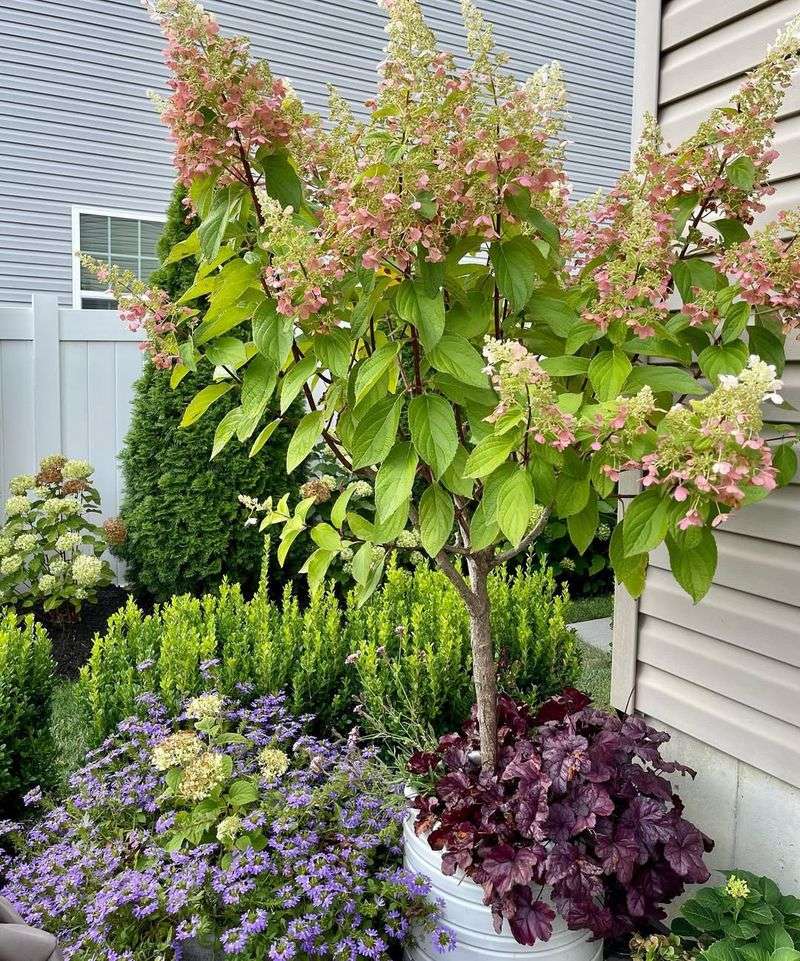
Panicle hydrangea is the toughest member of the hydrangea family, and California gardeners absolutely love it for that reason. It handles heat, drought, and full sun better than most other hydrangeas.
Your California Garden Changes Every Week. Your Plan Should Too.
Gardening in California changes quickly throughout the season. Every Friday you’ll receive a simple weekly plan showing exactly what to plant, prune, fertilize, harvest, and protect so you never miss the right timing.
With cone-shaped flower clusters that can turn from white to pink as the season progresses, it is a real showstopper.
Like smooth hydrangea, panicle hydrangea blooms on new wood. That makes late winter the ideal window to shape and trim it before spring growth kicks in.
You do not need to cut it all the way to the ground. Instead, trim back each stem by about one-third to one-half, and remove any thin, twiggy growth that will not support heavy blooms.
Gardeners in inland California regions like the Central Valley or the Inland Empire will appreciate how well panicle hydrangea handles the summer heat after a good late-winter pruning.
Cutting it back also helps control its size, since these shrubs can get quite large if left unchecked.
The result is a more compact, upright plant with stronger stems and bigger, bolder flower clusters when bloom time arrives. It is one of the most satisfying pruning jobs in the garden.
4. Russian Sage
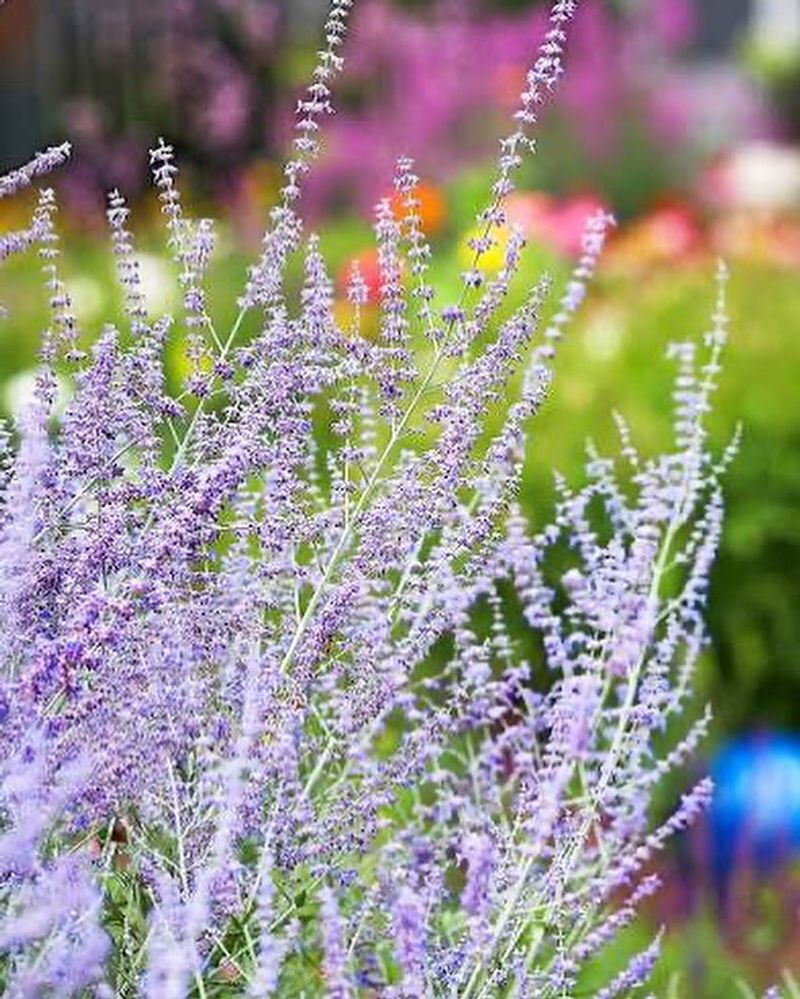
Walk past a Russian sage in full bloom and you will never forget it. The hazy purple-blue flower spikes and silvery stems create a soft, dreamy look that works beautifully in California’s dry, sunny landscapes.
It is also incredibly drought-tolerant once established, making it a smart choice for water-conscious gardeners.
By late winter, Russian sage usually looks pretty rough. The stems turn woody and gray, and the plant can look more dead than dormant.
But that is exactly when you should cut it back. Trim the entire plant down to about 6 to 12 inches above the ground, leaving just the woody base intact.
Cutting too low into old wood can be risky, so leave a few sets of buds on each stem as a guide. In California gardens from Sacramento down to San Diego, Russian sage thrives in well-drained soil and full sun.
After a good late-winter trim, it pushes out fresh, aromatic foliage quickly. By midsummer, those signature lavender-blue flower spikes will be swaying in the breeze and drawing in bees and butterflies.
It is one of the most low-maintenance shrubs you can grow in the state.
5. Rose Of Sharon
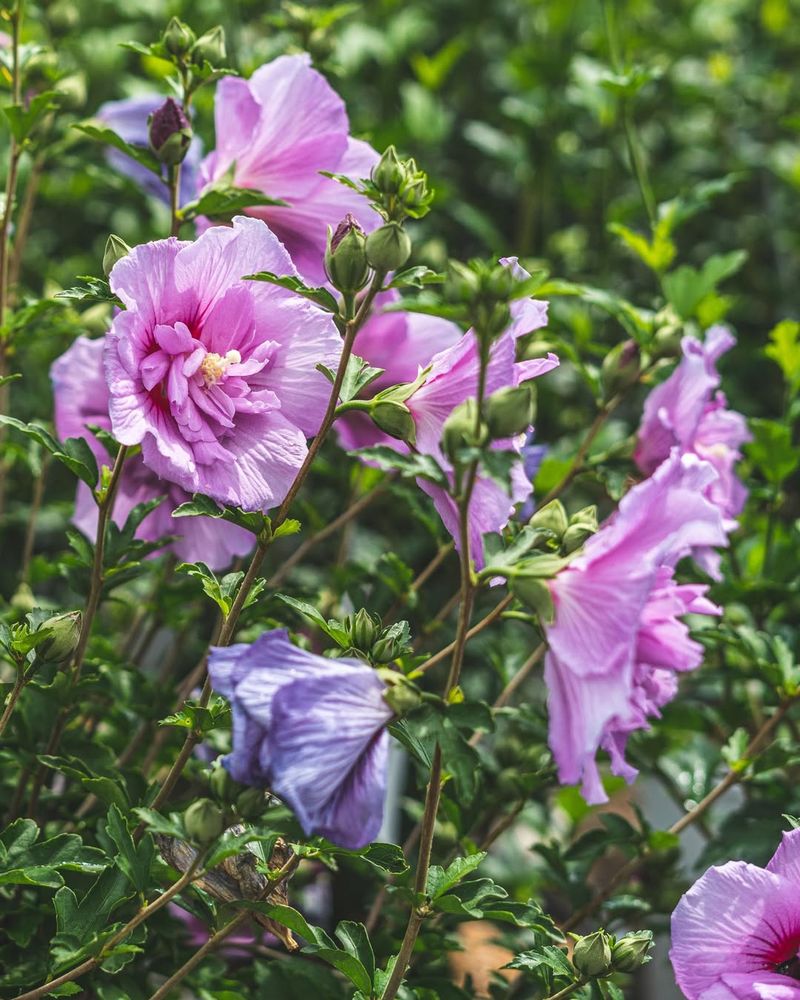
Rose of Sharon has a long history in American gardens, and it remains a popular choice in California for good reason.
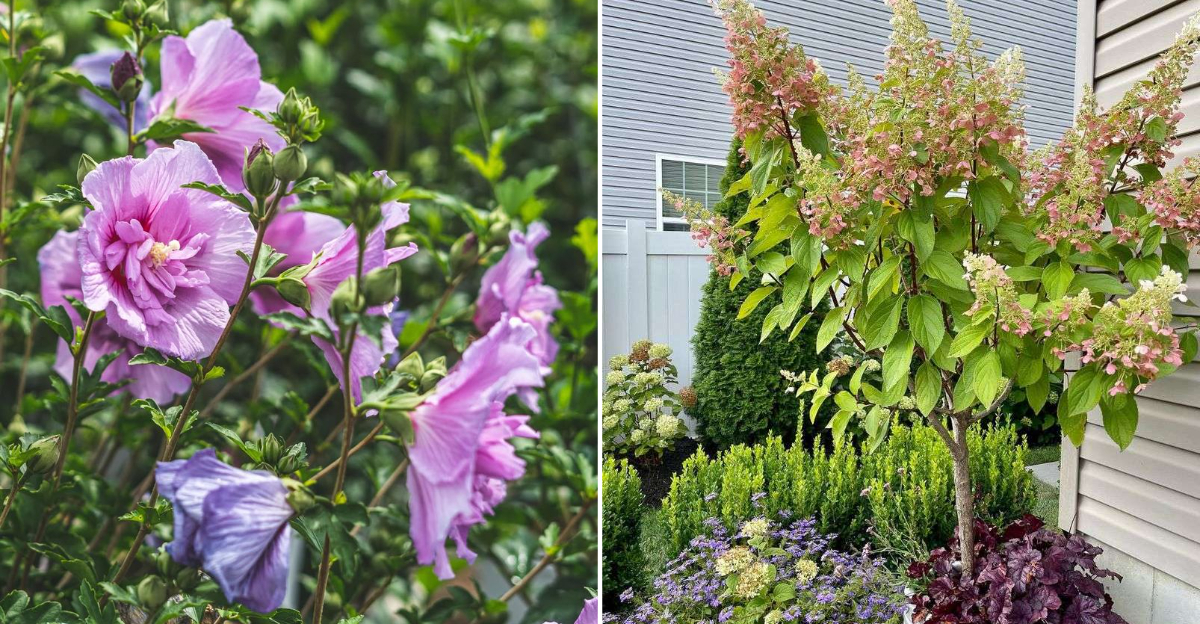
This late-blooming shrub produces beautiful hibiscus-like flowers in shades of white, pink, purple, and blue from midsummer through fall, long after many other plants have finished blooming.
Pruning in late winter, before new buds appear, is the key to keeping Rose of Sharon healthy and productive. Cut back each branch by about one-third, and remove any dead, weak, or crossing stems.
If you want fewer seedlings popping up around your yard, also remove any seed pods that formed the previous season before they get a chance to drop.
In California, Rose of Sharon grows especially well in the warmer inland regions like the Central Valley or Southern California foothills, where it gets the heat it loves. Hard pruning every year keeps the plant from getting too large and encourages bigger, more vibrant blooms.
Some gardeners even prune it quite aggressively to keep it compact. Either way, a good late-winter trim sets this classic shrub up for a strong, colorful performance once the warm months roll around again.
6. Spirea
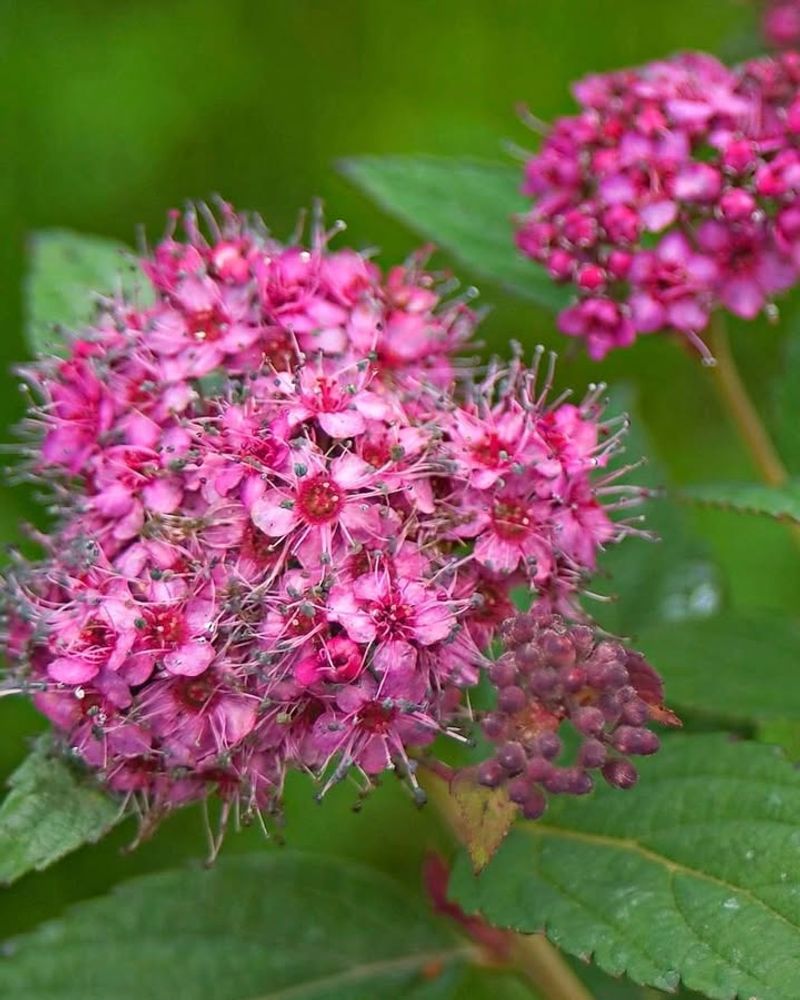
Spirea is one of those shrubs that almost takes care of itself, but a little pruning attention in late winter goes a long way. There are two main types to know about: spring-blooming spirea and summer-blooming spirea.
The type you have determines exactly when and how you should prune it.
Summer-blooming varieties like Anthony Waterer and Goldflame bloom on new growth, so cutting them back hard in late winter is perfectly safe and actually encouraged. Trim these types down to about 6 to 12 inches from the ground.
Spring-blooming varieties like Bridal Wreath bloom on old wood, so for those, wait until after they flower before cutting.
California gardeners in regions from the Bay Area to San Diego often grow summer-blooming spirea in mixed borders and foundation plantings.
A hard late-winter pruning keeps these plants tidy, promotes dense new growth, and leads to more abundant flower clusters in summer.
Even if you are not sure which type you have, removing dead wood and shaping the plant in late winter will still benefit it. Spirea is forgiving and resilient, making it an excellent choice for gardeners who are just starting out with pruning.
7. Potentilla
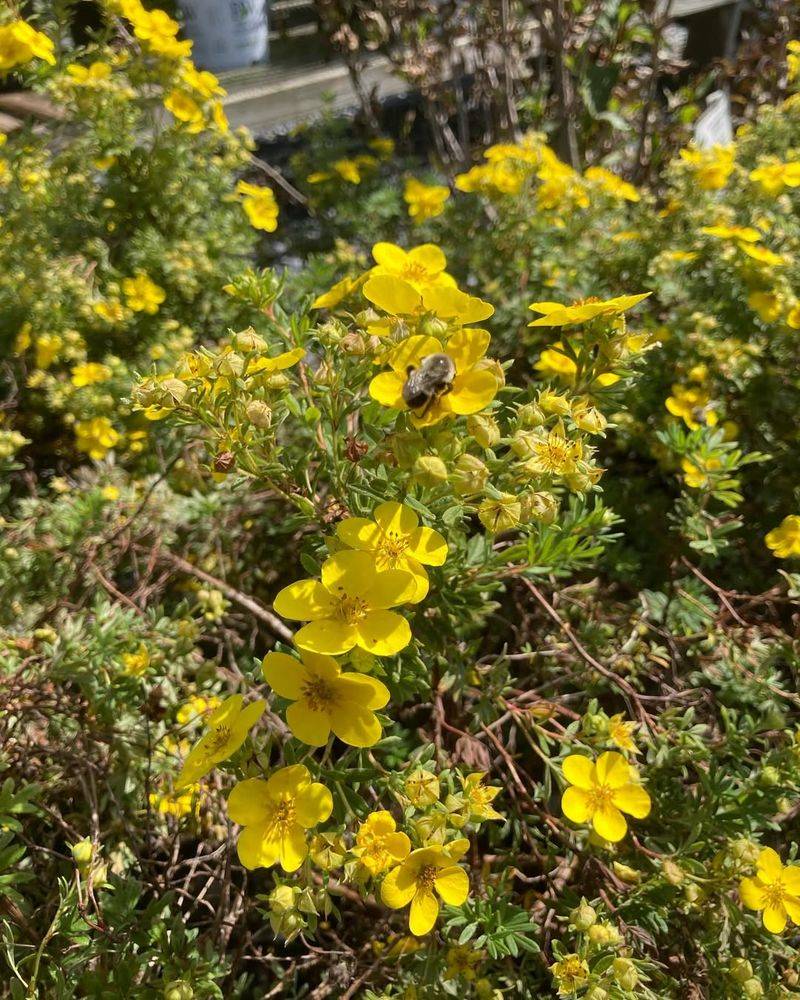
Cheerful and reliable, potentilla is the kind of shrub that asks for very little but gives back a lot.
Also called cinquefoil, it produces small, cheerful flowers in yellow, white, pink, or orange from late spring all the way through fall. It handles dry conditions well, which makes it a solid fit for many California gardens.
Pruning potentilla in late winter helps refresh the plant and prevent it from becoming too woody at the base. Use hand pruners to cut back about one-third of the oldest, thickest stems all the way to the ground.
Then lightly trim the remaining stems to shape the shrub and remove any dead or damaged wood.
This approach, sometimes called renewal pruning, keeps potentilla looking youthful and encourages a steady supply of new flowering stems.
In California’s Northern regions and higher elevation gardens, where winters are a bit cooler, potentilla may go fully dormant, making it easy to spot the dead wood.
In milder coastal areas, it might stay semi-evergreen year-round. Either way, that late-winter tidy-up is worth the effort.
Come spring and summer, your potentilla will be covered in bright, cheerful blooms that light up the garden from across the yard.
8. Bluebeard
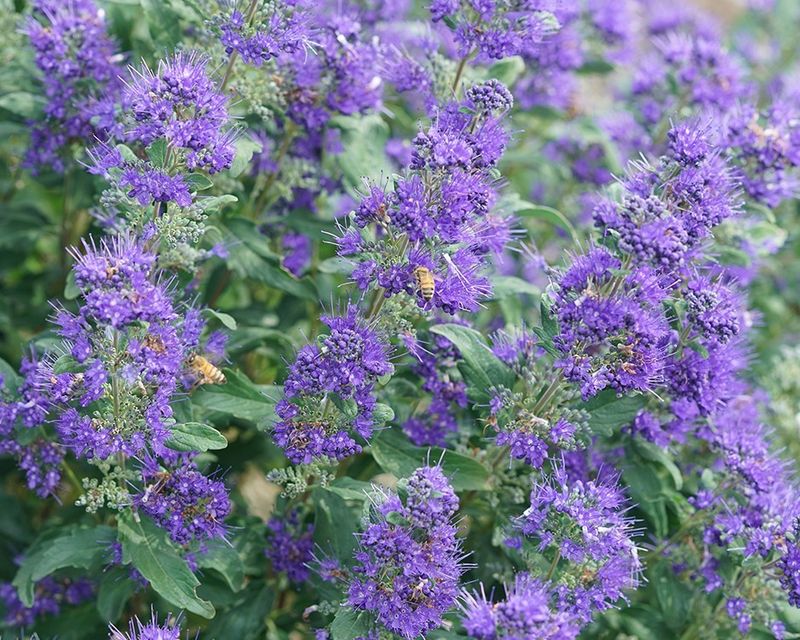
If you have never grown bluebeard, also known as Caryopteris, you are missing out on one of the most underrated shrubs for California gardens.
It produces clusters of brilliant blue flowers in late summer and fall, right when many other plants are starting to wind down. Bees absolutely love it.
Bluebeard blooms on new wood, so cutting it back hard in late winter is exactly what it needs. Most gardeners trim it down to about 6 to 12 inches from the ground, removing all of the old gray stems.
The plant looks bare and stubby afterward, but that is completely normal and expected. Within a few weeks of late-winter pruning, fresh green growth will start pushing up from the base.
By midsummer, the plant will be full and lush, and by late summer, those electric blue flower spikes will be attracting pollinators from all over the neighborhood.
Bluebeard thrives in the hot, dry conditions found across much of California, from the Sacramento Valley to the inland areas of Southern California. It is drought-tolerant, low-maintenance, and absolutely stunning when it blooms.
A hard annual pruning is the one simple habit that keeps it performing at its best every single year.
9. Dogwood
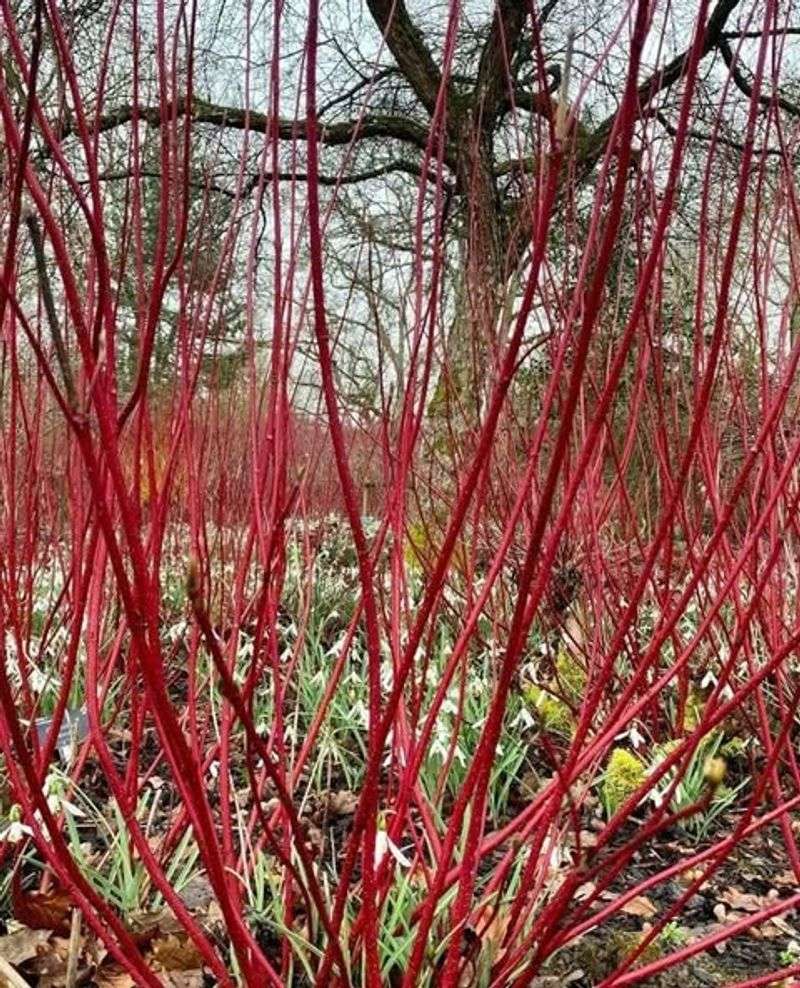
Red-twig dogwood is famous for its fiery red stems that light up the winter garden when everything else looks dull and gray.
It is a popular choice in California landscapes, especially in areas that get cooler winters like the foothills of the Sierra Nevada or the northern parts of the state.
Here is something many gardeners do not realize: the brightest stem color comes from young, new growth. Older stems gradually turn a duller brownish-green.
That is why pruning in late winter is so important for this shrub. Cutting back about one-third of the oldest stems each year, right down to the ground, encourages the plant to push out fresh new stems that will glow with that signature red color next winter.
You can also do a full renovation pruning every few years, cutting the entire shrub down to about 6 inches from the ground. It grows back quickly and looks spectacular.
In California, red-twig dogwood does best in moist areas or spots near water features, since it naturally grows along streams and riverbanks. It is also a fantastic choice for rain gardens and areas with heavier soil.
A good late-winter trim keeps this shrub vibrant, healthy, and ready to deliver that stunning winter color show all over again.