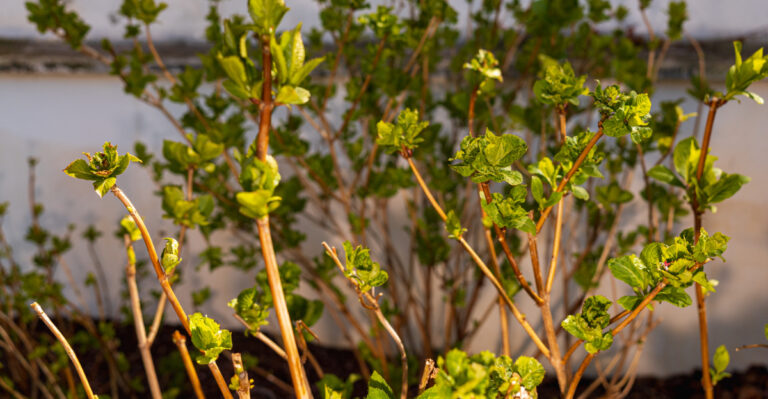
What Heavy Michigan Snow Is Really Doing To Your Shrubs And Small Trees
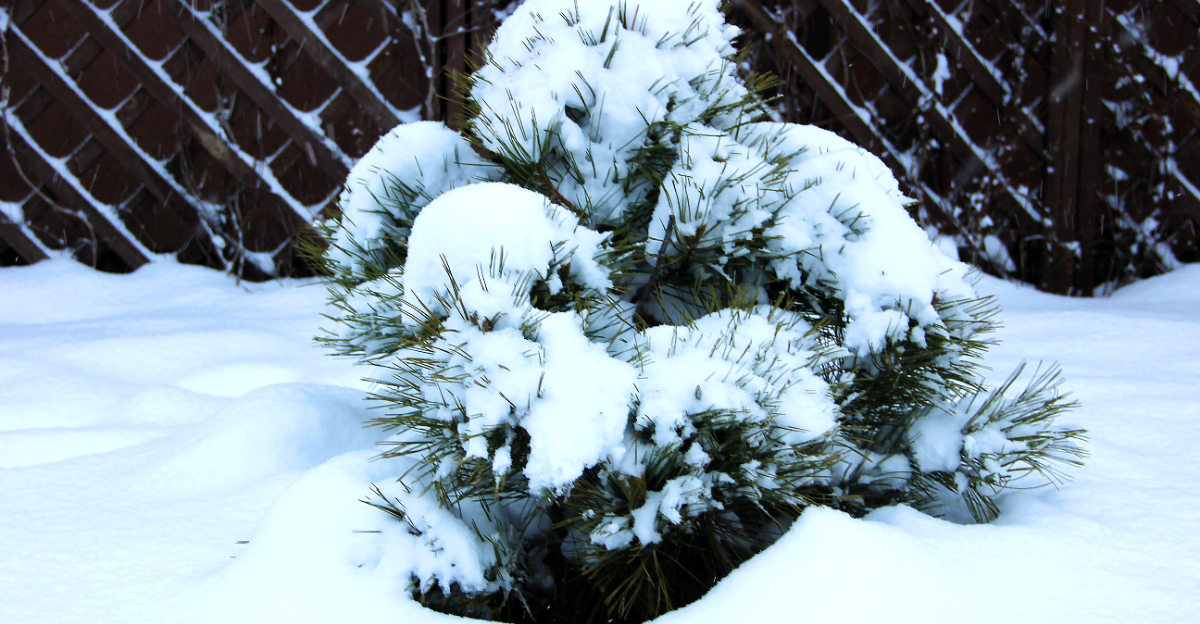
A fresh blanket of snow can turn any Michigan yard into a postcard scene, but beneath that quiet beauty, your shrubs and small trees are feeling the weight of winter. Heavy snowfall does more than decorate branches.
It adds pressure, bends limbs, and sometimes forces plants to endure weeks under dense, moisture packed layers.
In Michigan, repeated snowstorms and shifting temperatures can strain bark, split stems, and leave evergreens vulnerable to dehydration when cold winds follow.
At the same time, snow can also provide insulation at the root level, protecting soil from extreme temperature swings. The key is understanding when snow is helping and when it becomes a burden.
Knowing how to gently remove excess buildup, support flexible branches, and avoid accidental damage makes a real difference.
With a little awareness and timely action, you can protect your landscape through the harshest months and step into spring with Michigan greenery that looks strong, balanced, and ready to thrive.
1. Heavy Snow Adds Significant Weight To Branches
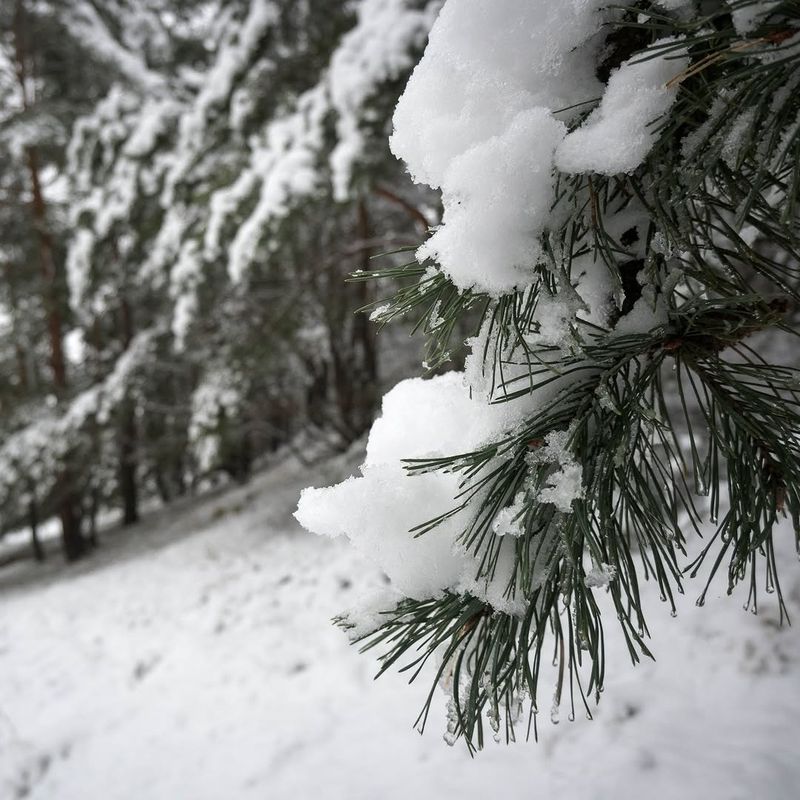
Picture your favorite arborvitae standing tall in the yard, then imagine it slowly bending under a thick, wet blanket of Michigan snow. Wet snow is surprisingly heavy, weighing up to 20 pounds per cubic foot in extreme cases.
That kind of weight puts serious stress on the branches of shrubs and small trees. Plants like boxwood, young maples, and arborvitae are especially at risk because their branch structures are not always designed to handle that kind of load.
When snow accumulates quickly after a storm, branches can bend sharply or even snap near the base. The damage often looks minor at first but can weaken the plant significantly over the season.
One of the best things you can do during a heavy Michigan snowfall is gently brush snow off branches using a broom, always sweeping upward from underneath rather than pressing down. This simple step can prevent a lot of unnecessary bending and breakage.
Wrapping vulnerable shrubs loosely with burlap before winter arrives also helps reduce the amount of snow that settles directly on branches. Staying proactive during storm season keeps your plants looking great when the warmer months roll back around.
2. Flexible Branches Often Bend Rather Than Break
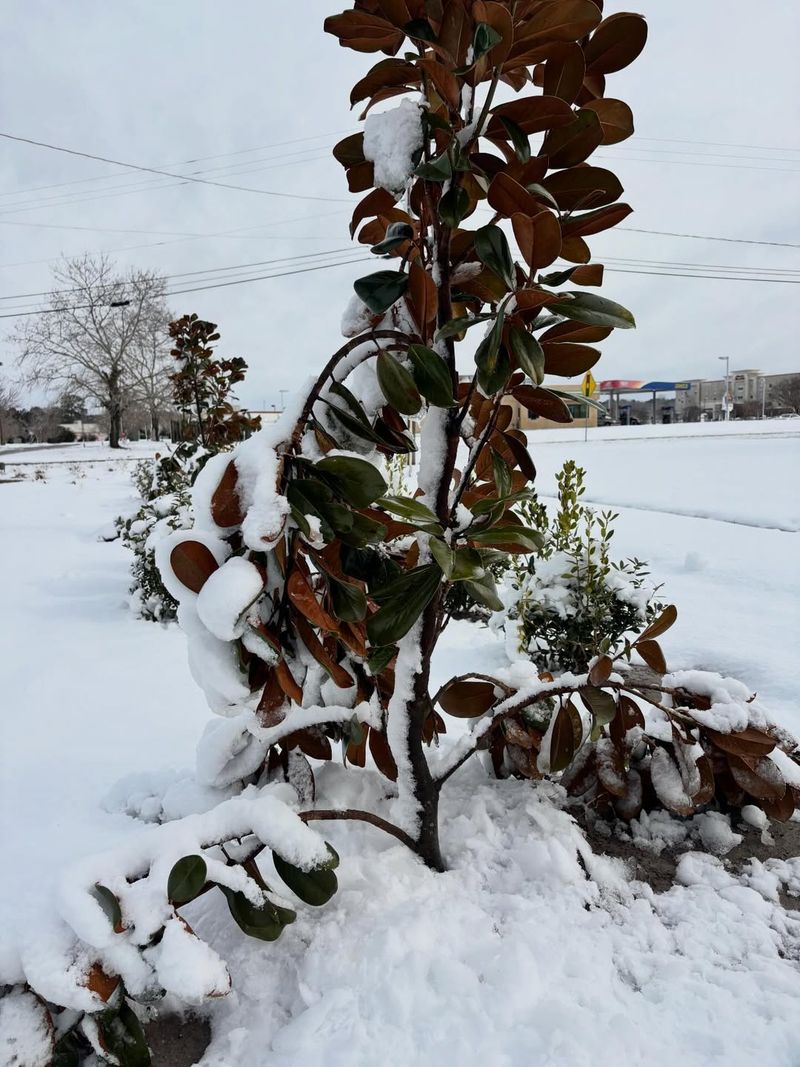
Not every plant panics under pressure. Deciduous shrubs like hydrangea, spirea, and dogwood have a natural flexibility built right into their branch structure, and that flexibility is genuinely impressive to watch in action.
When snow piles up on these plants, the branches arc downward in a slow, graceful curve rather than snapping under the load.
This ability to bend without breaking comes from the way wood cells are arranged inside younger, more pliable stems. These plants evolved in climates with cold, snowy winters, so bending is actually a built-in survival response.
Once the snow melts or slides off, the branches spring back upward, often returning very close to their original position.
In Michigan, where heavy snowfall is common from November through March, this trait makes hydrangeas and spirea particularly reliable landscape plants.
You might step outside after a storm and feel alarmed seeing your shrubs nearly flattened, but give them a day or two after a thaw and watch what happens.
Your Michigan Garden Changes Every Week. Your Plan Should Too.
Gardening in Michigan changes quickly throughout the season. Every Friday you’ll receive a simple weekly plan showing exactly what to plant, prune, fertilize, harvest, and protect so you never miss the right timing.
Most of the time, they bounce back beautifully without any help from you. If a branch does stay bent after the snow clears, gently tying it upright for a few weeks can encourage it to recover its natural shape. Patience and observation are your best tools here.
3. Evergreen Shrubs Are More Vulnerable To Snow Load
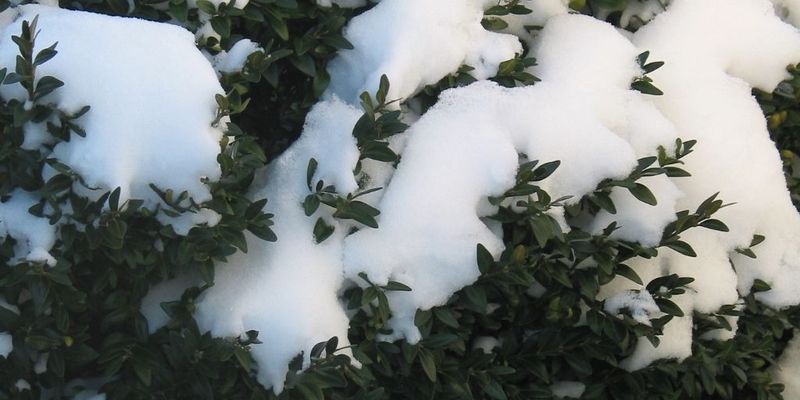
Evergreens hold onto their foliage all year long, and while that makes them gorgeous in every season, it also turns them into snow catchers during Michigan winters.
Unlike bare deciduous shrubs, plants like arborvitae, juniper, and spruce present a full surface area for snow to land on and pile up.
That extra surface area dramatically increases the weight each branch has to support.
A branch holding a thick clump of needles can collect two to three times more snow than a bare twig of the same size. Over the course of a long storm, that difference adds up fast.
Arborvitae are especially well-known for splitting apart at the center when snow load pushes their multiple leaders outward at awkward angles.
The good news is that a little preparation goes a long way. Before winter arrives, loosely tie the leaders of your arborvitae together with soft twine or burlap strips to help them stay upright under pressure.
Avoid using wire or anything that could cut into the bark. For junipers and spruce, shaking branches gently after a storm helps release accumulated snow before it becomes a problem.
Michigan gardeners who take these small steps in autumn tend to see far less damage when spring finally arrives. Your evergreens will reward that extra care with strong, healthy growth.
4. Snow Can Protect Lower Branches From Extreme Cold
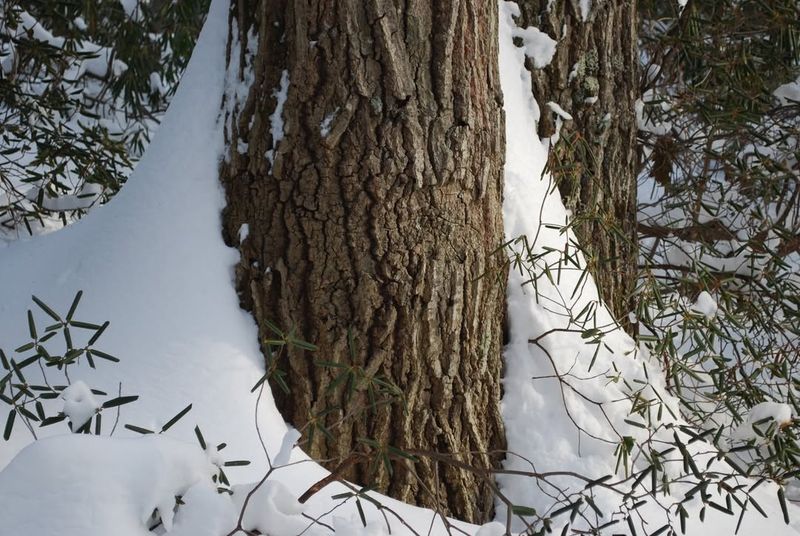
Snow gets a bad reputation in the gardening world, but it actually has a hidden talent that most people overlook entirely.
When snow piles up around the base of shrubs, it creates a natural insulating layer that keeps lower branches and stems warmer than the frigid air above.
Think of it like a cozy blanket wrapped around the bottom of your plants. Roses are a perfect example of plants that benefit from this effect.
Gardeners in Michigan often mound soil or mulch around rose canes before winter, and when snow covers that mound, the insulation becomes even more effective.
Dwarf conifers and boxwood also benefit from having their lower portions tucked under snow during the coldest nights of the season.
The science behind this is straightforward. Snow is actually a poor conductor of heat, which means it slows the transfer of cold air to whatever is underneath.
Ground-level temperatures beneath a foot of snow can remain around 32 degrees Fahrenheit even when air temperatures drop well below zero.
For tender lower stems and buds, that difference can be the deciding factor in whether a plant emerges healthy in spring or struggles to recover.
Instead of always rushing to remove snow from around your shrubs, consider leaving the lower accumulation in place during the coldest stretches of a Michigan winter.
5. Deep Snow Insulates Root Zones From Severe Cold
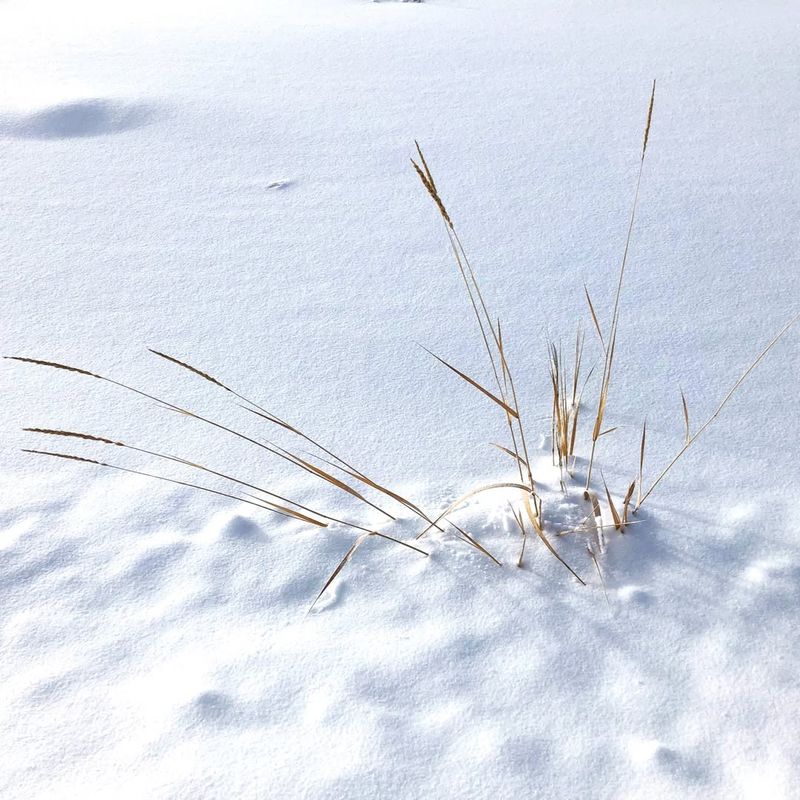
Roots are the engine of every plant, and keeping them safe through a Michigan winter is one of the most important things a gardener can do.
Deep snow cover acts like a thick insulating blanket over the soil, slowing the penetration of freezing temperatures into the ground below.
This effect is well-documented in soil science and makes a real difference for plants with shallow root systems.
Hostas, peonies, and azaleas all benefit from this natural protection. Without snow cover, a sudden sharp cold snap can push frost deeper into the soil, reaching root zones that would otherwise stay safely above the critical damage threshold.
With a solid layer of snow on top, soil temperatures tend to stay more stable and moderate even when air temperatures plunge dramatically.
Research from university extension programs in the Great Lakes region confirms that snow cover can keep soil temperatures 10 to 15 degrees warmer than bare, exposed ground during the same cold event.
For gardeners across Michigan who grow borderline-hardy plants like azaleas or certain ornamental grasses, that margin can mean everything.
If your yard tends to be snow-free during cold snaps due to wind exposure, adding a thick layer of mulch around root zones before winter arrives provides a similar benefit. Straw, shredded bark, and wood chips all work well for this purpose.
6. Ice Storms Cause More Damage Than Dry Snow
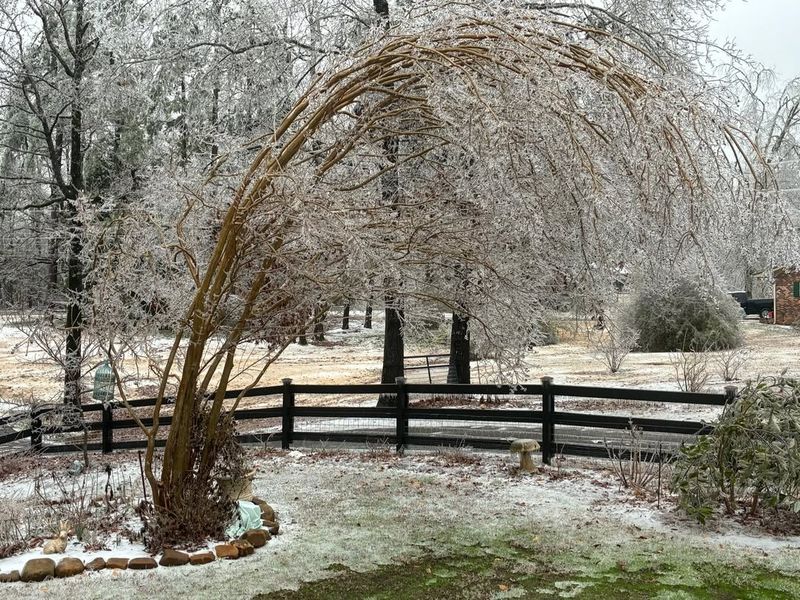
Fluffy, powdery snow is actually one of the gentler things Michigan weather throws at your trees and shrubs. Ice storms are a completely different story.
When freezing rain coats every branch, twig, and stem in a layer of ice, the weight becomes extraordinary fast. A single inch of ice can add up to 500 pounds of extra weight to a medium-sized tree.
Ornamental trees like crabapple, birch, and Bradford pear are particularly vulnerable during ice events. Their branch structures are often wide and spreading, which gives ice more surface area to coat and more leverage to work with.
Birch trees, with their slender, elegant trunks, are especially prone to bending or snapping when ice accumulates heavily across their canopies.
Unlike snow, which you can gently brush away, ice should never be forcibly removed from branches. Trying to knock ice off frozen wood can cause more harm than the ice itself because brittle, frozen branches snap far more easily when struck or shaken.
The best approach during an ice storm in Michigan is simply to wait for natural warming to release the ice on its own.
After the storm passes, inspect your trees carefully for cracked branch unions or splits in the bark, and contact a certified arborist if you spot structural damage that looks serious. Early attention prevents bigger problems later.
7. Repeated Snow Melt And Refreeze Can Stress Bark
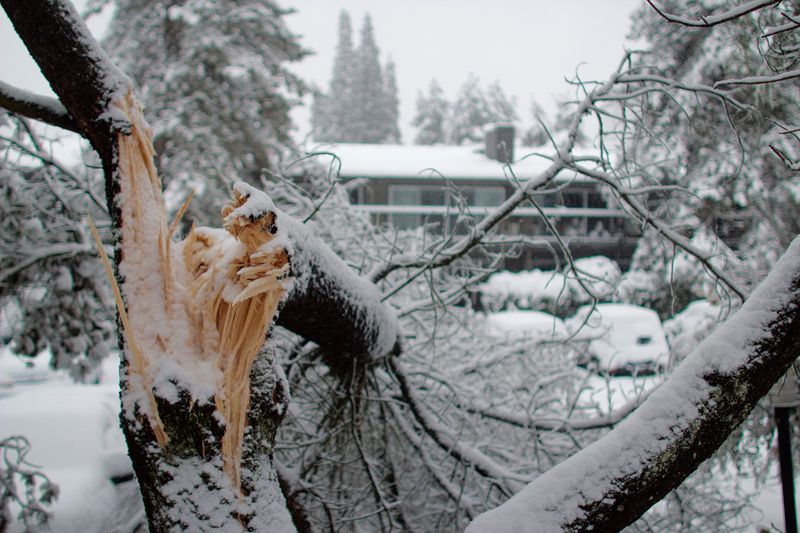
One of the sneakiest forms of winter plant stress in Michigan has nothing to do with a single dramatic snowstorm. The real trouble often comes from the repeated cycle of melting and refreezing that happens throughout the season.
When daytime temperatures climb above freezing and then plunge again at night, the bark of young trees takes a serious beating.
Young maples and fruit trees are especially prone to a condition called frost cracking, where the outer layers of bark contract and expand at different rates than the wood underneath.
This uneven movement can cause visible vertical splits along the trunk, sometimes accompanied by a loud cracking sound on very cold nights.
The cracks usually appear on the south or southwest side of the trunk, where sun exposure causes the most dramatic temperature swings during the day.
Wrapping young tree trunks with commercial tree wrap or light-colored burlap before winter is a widely recommended practice among Michigan arborists.
The wrapping reflects sunlight, moderates temperature swings, and reduces the stress placed on the bark through the freeze-thaw cycle. Remove the wrap in early spring to prevent moisture buildup and pest issues.
Newly planted trees are far more susceptible than established ones, so focus your protection efforts on trees that are less than five years old. A small investment of time in autumn can protect years of growth.
8. Snow Can Shield Plants From Winter Wind Desiccation
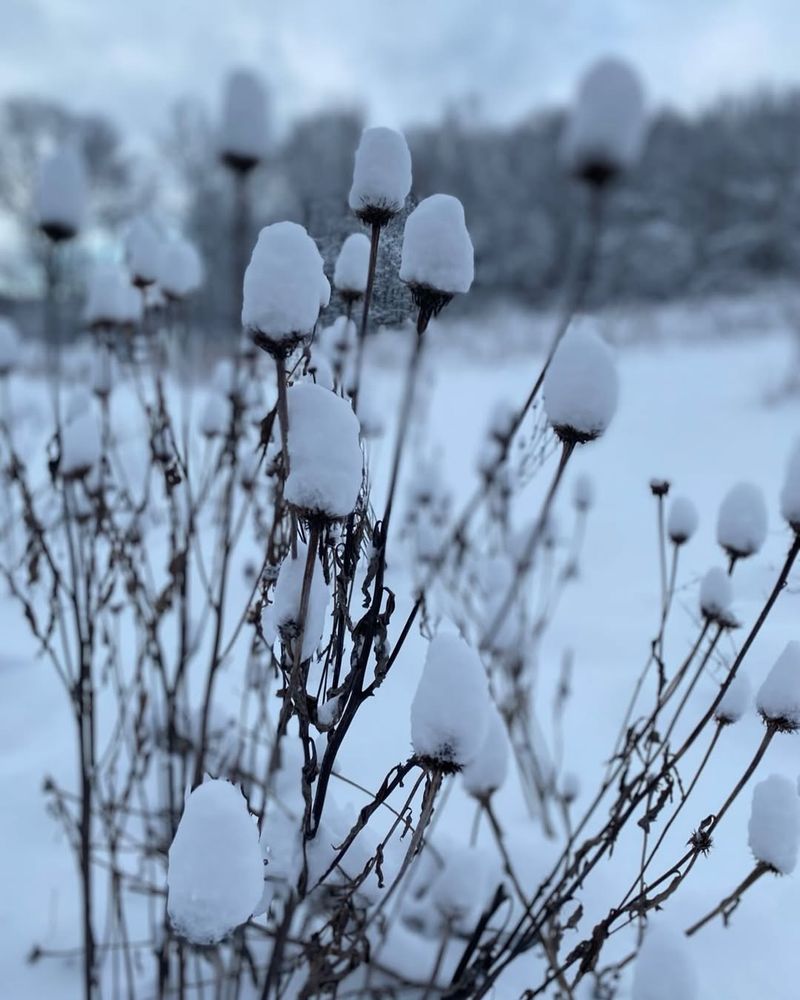
Winter wind in Michigan is relentless, and for evergreen shrubs, it creates a specific problem called desiccation. Desiccation happens when wind pulls moisture out of leaves faster than the plant can replace it from frozen soil.
The result is browning, crisping, and sometimes severe damage to foliage that looked perfectly healthy going into winter.
Rhododendrons and boxwood are two of the most commonly affected plants in Michigan landscapes.
Their broad or dense leaves present a large surface area for wind to work against, and because the ground is frozen, the roots simply cannot supply enough water to keep up with the moisture loss.
Plants growing in exposed, windy spots suffer far more than those tucked against a fence, wall, or other windbreak.
Here is where snow actually works in your favor. When snow accumulates around the base of these shrubs and covers the lower foliage, it creates a physical barrier against the wind.
The buried portion of the plant loses far less moisture than the exposed upper sections. Some Michigan gardeners deliberately mound loose snow around their rhododendrons during cold stretches to maximize this protective effect.
You can also install burlap screens on the windward side of vulnerable evergreens before the first hard freeze arrives.
Combining physical windbreaks with anti-desiccant sprays applied in late autumn gives your evergreens the strongest possible protection through the harshest months.
9. Small Trees With Weak Branch Angles Are More Likely To Split
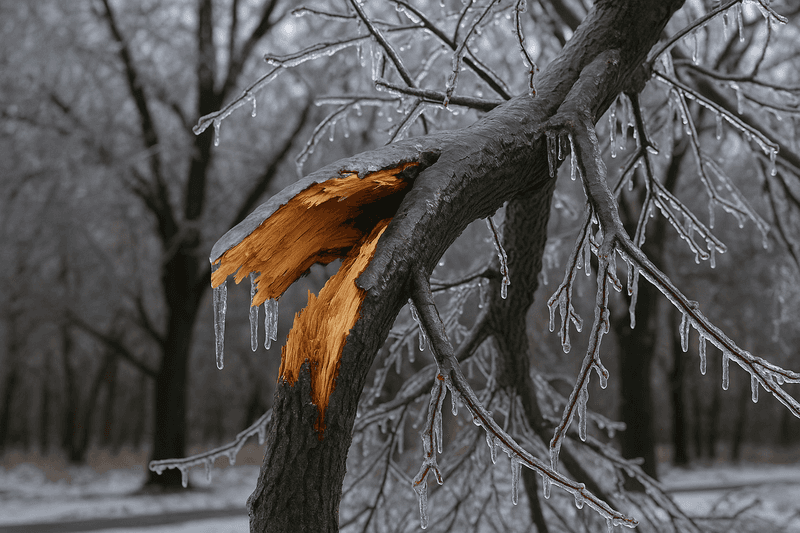
Not all trees are built equally, and when Michigan snow arrives, structural weaknesses that were invisible all summer suddenly become very obvious. Branch angle is one of the most important factors in how well a small tree handles snow load.
Branches that grow at narrow, upright angles create what arborists call included bark, a weak point where two stems press tightly against each other.
Bradford pear trees are the classic example of this problem. They are popular in Michigan landscapes for their spring blooms, but their tightly clustered, upright branch structure makes them structurally fragile under any significant snow or ice load.
Young maples grown from seed or poorly pruned in their early years can develop similar weaknesses that become apparent during their first few heavy winters.
The good news is that proper pruning during the early years of a tree’s life can dramatically improve its long-term strength. Removing competing leaders and encouraging wide branch angles while a tree is still young reduces the risk of splitting significantly.
Aim for branch angles of 45 degrees or greater when selecting which branches to keep during formative pruning sessions.
If you are unsure about the structural health of a small tree in your Michigan yard, a certified arborist can evaluate it and recommend corrective pruning before the next winter season arrives. Prevention is always easier than repair.
10. Most Healthy Established Shrubs Recover In Spring
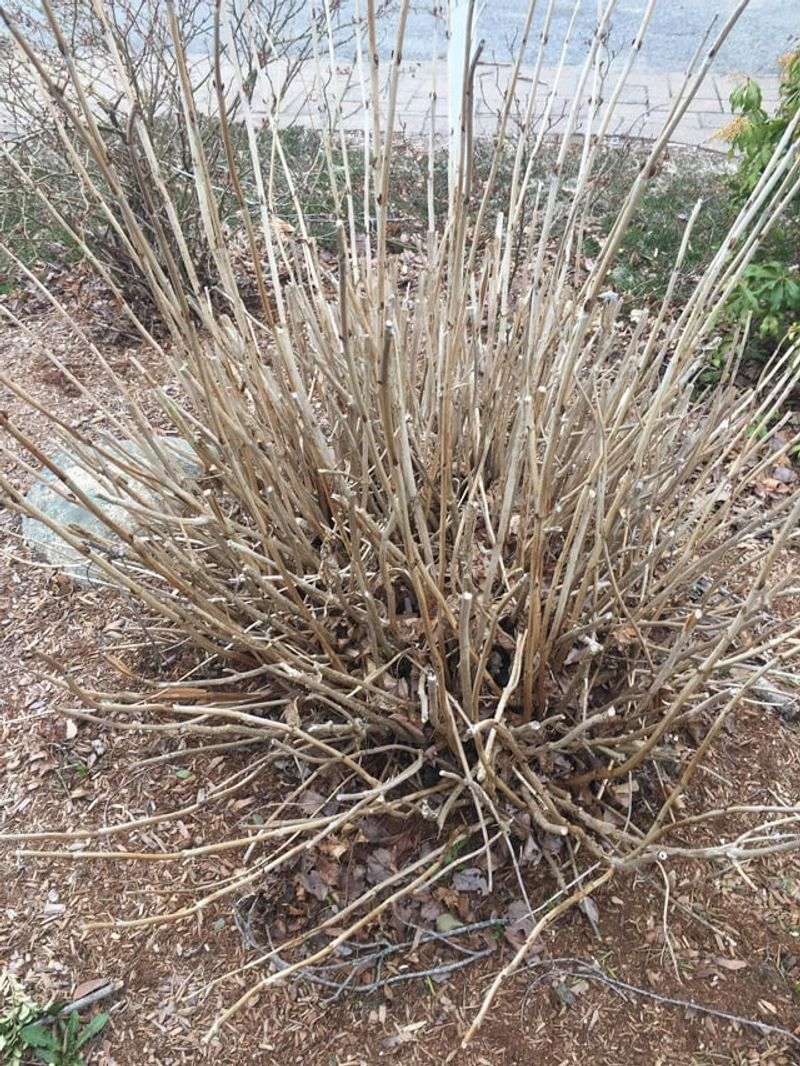
After a long Michigan winter, stepping outside to check on your shrubs can feel a little nerve-wracking. Branches might look bent, foliage could appear brown or flattened, and the whole yard might seem worse for wear.
But here is the encouraging truth that experienced Michigan gardeners know well: most healthy, established shrubs bounce back remarkably well once the snow melts and temperatures rise.
Lilac, viburnum, and hydrangea are three of the most resilient shrubs in Michigan landscapes. Even after a brutal winter with heavy snowfall and multiple ice events, these plants tend to push out fresh, healthy growth as soon as conditions improve in spring.
The key word in that sentence is established. Shrubs that have been growing in place for three or more years have developed strong root systems and stored enough energy to recover from winter stress with relatively little trouble.
Newly planted shrubs are more vulnerable and may need extra support, including additional mulch, protective wrapping, and careful watering in autumn to help them store energy before the cold sets in.
For established plants, the best thing you can do in spring is resist the urge to prune too aggressively too early.
Wait until you can clearly see which stems are producing new buds and which ones are not before making cuts. A little patience in April goes a long way toward helping your Michigan shrubs look their absolute best by summer.