March Is Peak Rabbit Season In Michigan And Your Early Plants Are At Risk
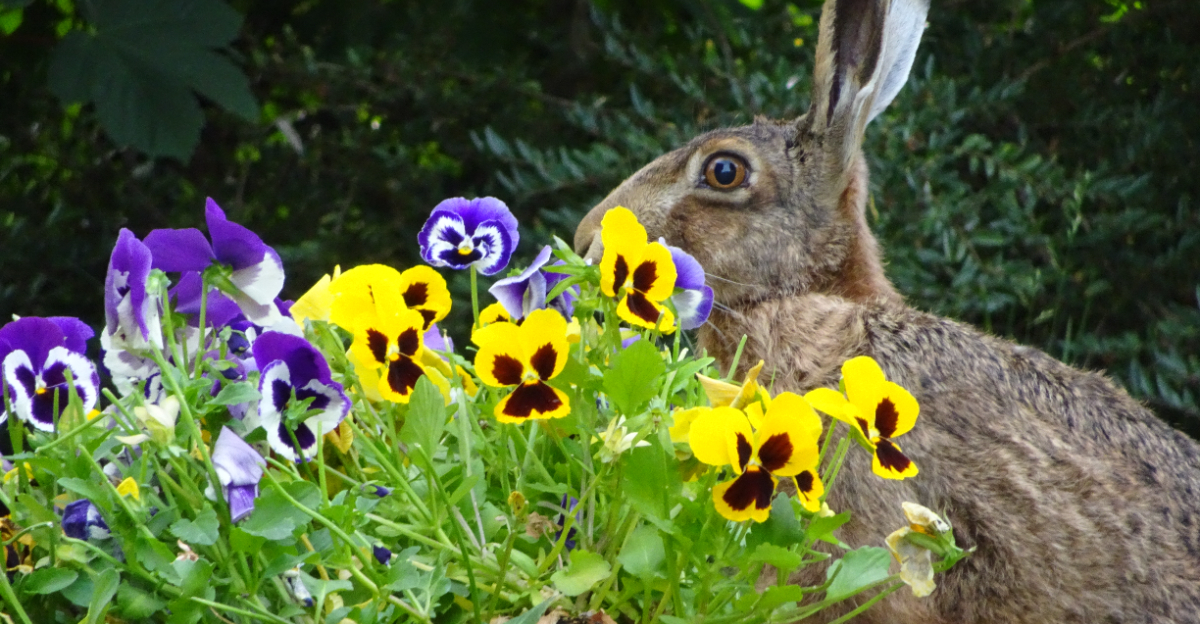
Just when your Michigan garden begins to show signs of life, another hungry presence is already on the move.
March brings melting snow, longer days, and the first tender shoots pushing through the soil, but it also marks peak activity for eastern cottontails searching for fresh food.
After a long winter of limited options, these rabbits are eager for young growth, and newly emerging plants become an easy target. Soft stems, fresh leaves, and early buds offer exactly the nutrition they need as breeding season begins.
Many gardeners are caught off guard, stepping outside to find neat, clipped stems where healthy growth stood just days before. Michigan’s early spring conditions make this a vulnerable time for gardens, especially before fences and deterrents are in place.
Understanding why rabbits become so active now helps you prepare before serious damage occurs, giving your plants a fighting chance to grow strong and undisturbed as the season unfolds.
1. Tulips Are A Favorite Early Spring Target
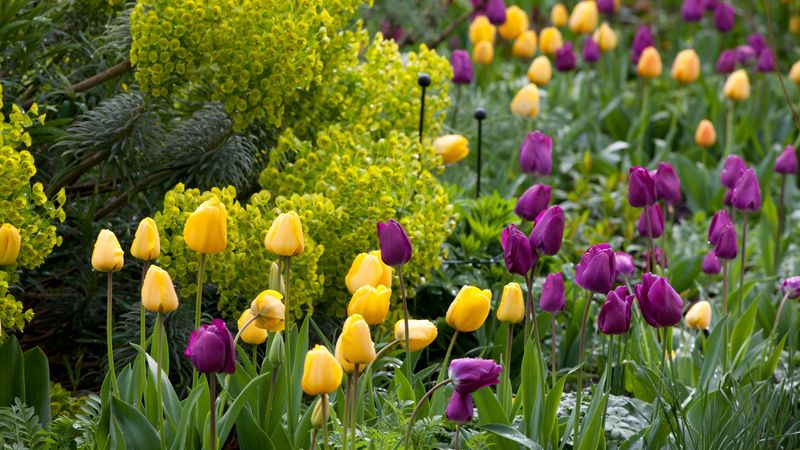
Few sights in a Michigan garden are more exciting than the first tulip shoots pushing through cold soil in March. Those bright green tips signal that warmer days are on the way, but unfortunately, rabbits notice them just as quickly as you do.
Eastern cottontails are drawn to tulip shoots because the foliage is soft, moisture-rich, and packed with nutrients that rabbits need after a long winter with limited food sources.
Tulips are especially vulnerable because they emerge early, often before other plants have leafed out enough to offer rabbits any real competition. That makes your tulip bed a prime dining spot.
Rabbits tend to clip shoots cleanly near the base, leaving behind a frustrating stub where a beautiful bloom should have been.
Protecting tulips in Michigan is very doable with the right approach. A simple wire mesh cylinder placed around each bulb cluster can keep rabbits from reaching the shoots.
Granular or spray repellents containing dried blood or predator urine are also effective options that work well in early spring conditions. Reapply repellents after rain for consistent results.
Planting tulips closer to your home or in raised beds with hardware cloth lining adds an extra layer of security that makes a noticeable difference each season.
2. Crocus Often Get Nipped As Soon As They Bloom
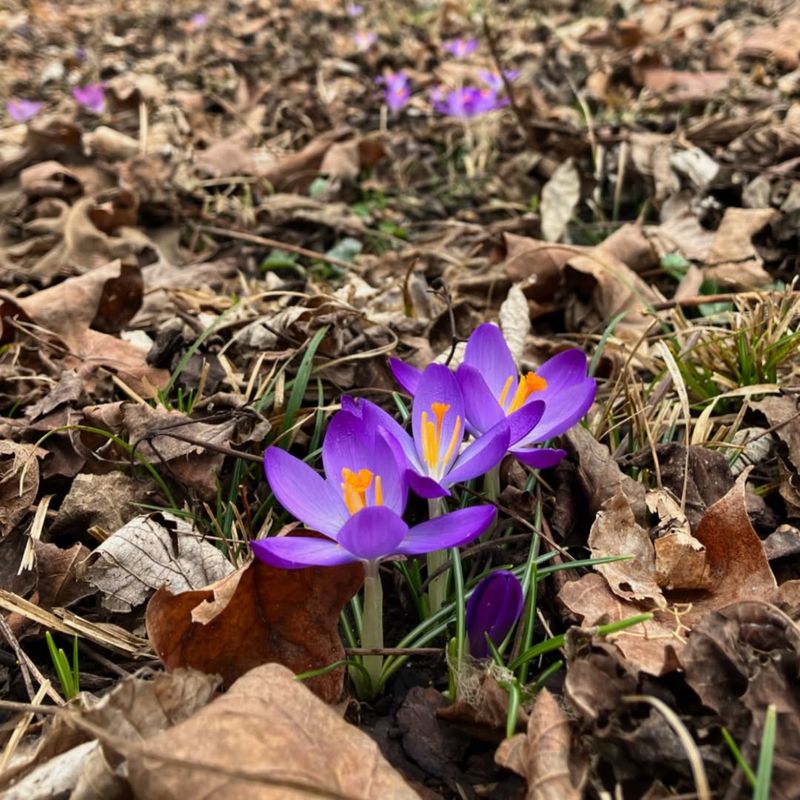
Crocus are the brave little flowers that bloom while snow is still on the ground, and that bold timing makes them one of the first food sources available to hungry rabbits in Michigan.
When March arrives and the soil begins to thaw, crocus push up fast and flower quickly. Rabbits spot them immediately because there is almost nothing else green available at that point in the season.
What makes this especially frustrating for gardeners is the timing. You step outside one morning to admire your first blooms, and by afternoon, they are gone.
Rabbits tend to eat both the flowers and the foliage, sometimes consuming the entire visible portion of the plant in a single feeding. Crocus planted in open areas of the yard are the most exposed since rabbits prefer locations where they can see predators approaching.
Your Michigan Garden Changes Every Week. Your Plan Should Too.
Gardening in Michigan changes quickly throughout the season. Every Friday you’ll receive a simple weekly plan showing exactly what to plant, prune, fertilize, harvest, and protect so you never miss the right timing.
Michigan gardeners can reduce crocus losses by planting bulbs in containers or raised beds protected with a wire cover.
A low fence of hardware cloth just a few inches tall placed around a crocus patch works surprisingly well since rabbits prefer easy access over obstacles.
Applying a commercial repellent around the perimeter of the planting area before blooms appear gives you a head start. Planting crocus near thorny shrubs or in tight clusters along foundation plantings can also reduce how often rabbits visit those spots.
3. Pansies Provide Easy Cold Season Greens
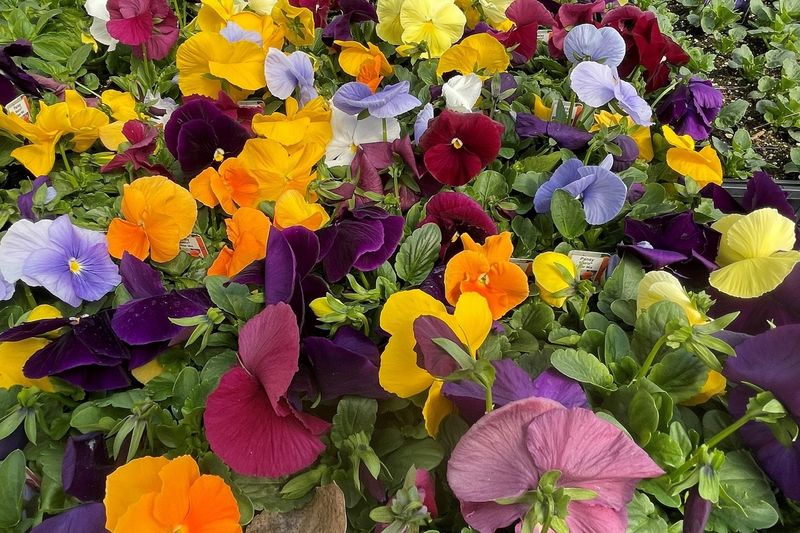
Pansies are one of the most popular cool-weather plants in Michigan, and they go into the ground early in spring precisely because they can handle the cold. That cold tolerance is also what puts them directly in a rabbit’s path.
While most plants are still dormant in March, pansies sit in garden beds looking lush, green, and completely irresistible to a hungry cottontail searching for fresh greens.
Rabbits eat pansy leaves and flowers with enthusiasm. The foliage stays tender and palatable even in near-freezing temperatures, making pansies one of the most reliable food sources rabbits can find in a Michigan garden during the early weeks of spring.
A rabbit can clear a flat of newly planted pansies overnight, leaving behind only bare stems and a very disappointed gardener.
The good news is that pansies respond well to protection strategies. Covering newly planted pansies with a floating row cover at night, when rabbits are most active, can prevent most feeding damage.
Motion-activated sprinklers are another clever option that startles rabbits without causing them any harm. Surrounding pansy beds with a low wire border is a practical solution for larger planting areas.
Some Michigan gardeners also report success using strong-smelling deterrents like diluted hot pepper spray applied directly to the foliage, reapplied every few days during peak rabbit activity in March and early April.
4. Lettuce And Spinach Seedlings Are Highly Vulnerable
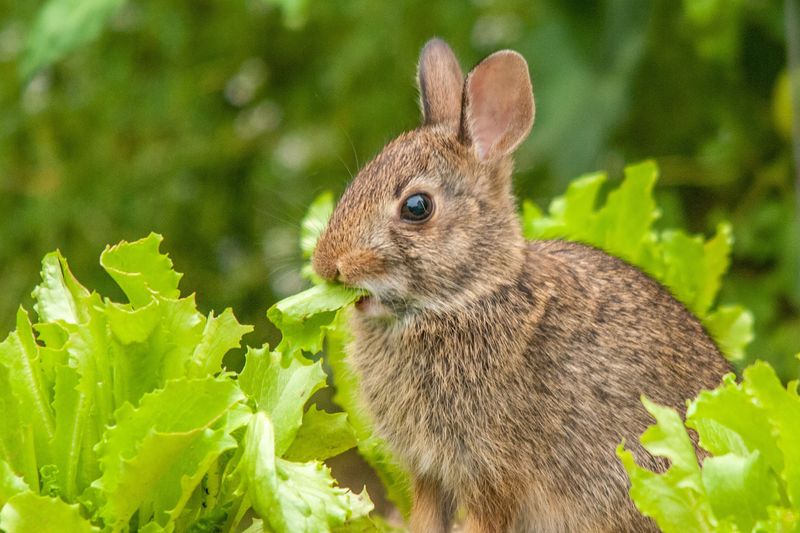
Every Michigan gardener who plants cool-season vegetables knows the thrill of getting seeds in the ground as early as possible. Lettuce and spinach can handle cold temperatures surprisingly well, which is exactly why they go in the garden in late March.
But those same conditions that allow early planting also mean rabbits are still actively foraging and have very little else to eat.
Seedlings at the earliest stages of growth are the most vulnerable because their root systems are shallow and the plants have no real ability to recover from heavy feeding damage.
A rabbit does not need to eat much to completely remove a row of newly sprouted lettuce. The tender, water-filled leaves are exactly what cottontails prefer, and they can locate seedlings even under light frost cloth if the scent is strong enough.
Row covers made from lightweight floating fabric are one of the most effective tools available to Michigan vegetable gardeners dealing with early spring rabbit pressure.
These covers protect seedlings from both cold temperatures and animal feeding at the same time, making them an excellent investment.
Hardware cloth hoops placed over garden rows offer a more rigid option. Raised beds with hardware cloth stapled to the bottom frame sides also provide reliable long-term protection.
Starting lettuce and spinach in a cold frame or greenhouse before transplanting gives seedlings more size and resilience before they face outdoor rabbit pressure directly.
5. Pea Shoots Are Especially Attractive In Early Spring
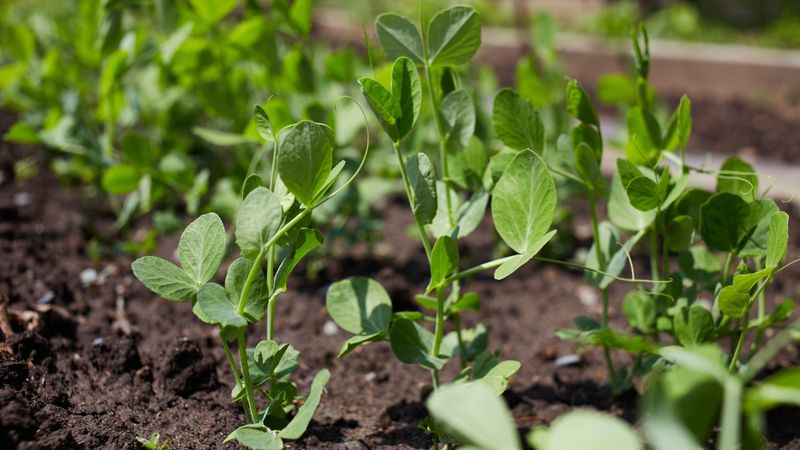
There is something almost magical about planting peas in March, watching those little shoots curl upward out of cold Michigan soil within just a couple of weeks.
Pea seedlings are soft, sweet, and loaded with nutrients, which makes them one of the most attractive targets for cottontail rabbits during early spring.
The timing could not be worse from a gardening perspective since peas go in just when rabbit feeding activity peaks.
Pea shoots are particularly appealing because they are easy to reach and simple to eat. Rabbits clip them right at soil level, and because pea seeds store a lot of energy, the shoots regrow quickly, which can actually encourage repeated feeding visits.
One rabbit returning to the same pea row several nights in a row can set your planting back by weeks, which is a real problem when you are trying to maximize Michigan’s short growing season.
Fencing is the most reliable protection strategy for pea plantings. A two-foot-tall wire fence with openings no larger than one inch works well and can be staked into place quickly along a garden row.
Chicken wire bent into a low tunnel over the row is another simple solution. Repellents applied to the soil around the planting area can reduce rabbit interest, but they need consistent reapplication especially after rain or irrigation.
Starting peas in a cold frame for the first few weeks before moving them outside also gives shoots a better chance of surviving their first days in the open garden.
6. Hostas Can Be Damaged As Soon As They Emerge
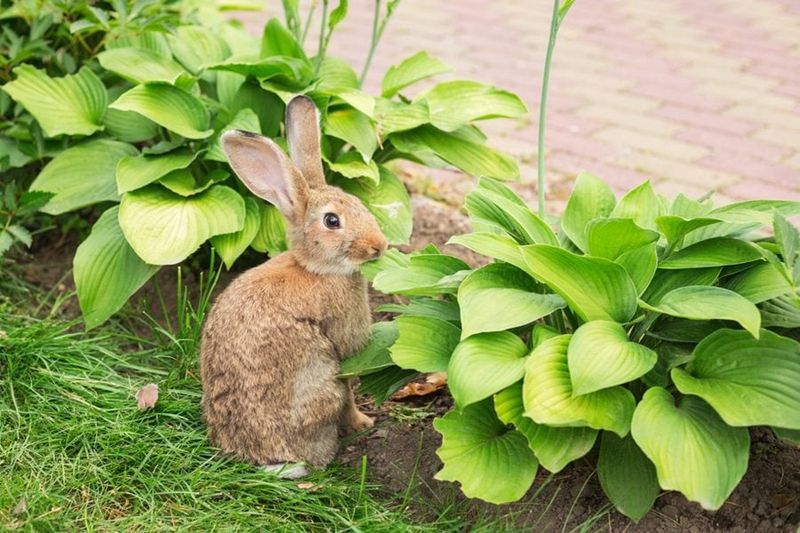
Hostas are beloved by Michigan gardeners for their bold foliage and easy-care personality, but that beautiful new growth comes with a catch every spring. As soon as hosta crowns begin pushing up their tightly rolled shoots in March and April, rabbits take notice.
Those young shoots are remarkably tender and have a mild flavor that makes them appealing to cottontails looking for early season greens in neighborhoods and suburban yards across Michigan.
The damage often happens before most gardeners even realize their hostas have started emerging. You might walk past a bed one day and see the first nubs of growth, then return two days later to find them clipped off cleanly.
Rabbits tend to eat the entire emerging shoot, which slows the plant’s development significantly. Repeated feeding on the same crown over several weeks can weaken hostas and reduce their overall size and vigor for the entire growing season.
Protecting hostas early is the most effective approach. Placing a simple wire cage around each crown before shoots appear gives rabbits no opportunity to start feeding.
Granular repellents scattered around the perimeter of a hosta bed create a scent barrier that many rabbits avoid. Some Michigan gardeners use motion-activated lights or sprinklers near hosta plantings to discourage nighttime visitors.
Mulching heavily around the base of the plants does not stop rabbit feeding directly, but it can make the area less appealing as a resting spot for rabbits during the day.
7. Young Shrub Bark Gets Gnawed During Food Shortages
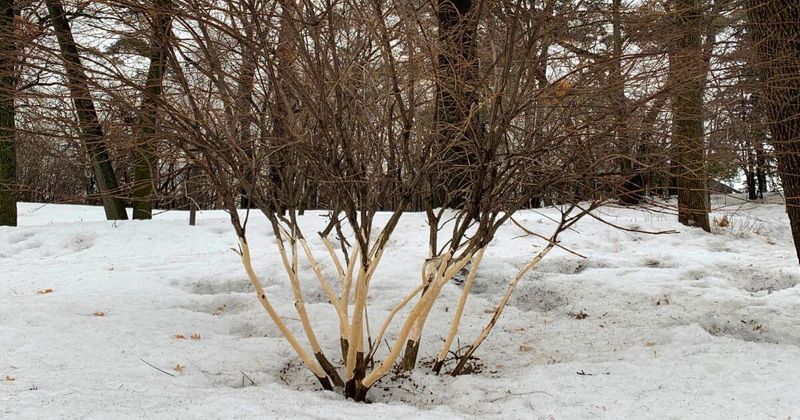
When snow covers the ground in late winter and early March, rabbits in Michigan face a real shortage of accessible food. That is when they turn to something most gardeners do not expect: the bark of young shrubs.
Cottontails gnaw the thin outer bark from shrubs like burning bush, young viburnums, and newly planted ornamental varieties, stripping away the protective layer and exposing the tender wood underneath.
The gnawing typically happens from ground level up to about eighteen inches, which corresponds to the height a rabbit can comfortably reach while sitting.
On young shrubs with thin bark, this feeding can girdle the stem entirely, cutting off the flow of water and nutrients between roots and branches.
Older, thicker-barked shrubs are generally less affected, but any shrub planted within the past two or three years in a Michigan garden is at real risk during late winter and early spring food shortages.
Tree wrap or spiral plastic guards placed around the lower trunk and main stems of young shrubs before winter arrives is the most reliable prevention method. Hardware cloth cylinders that extend several inches above typical snow depth offer even better protection.
Repellent sprays applied directly to the bark can deter chewing but require reapplication throughout the season.
Checking your shrubs in early March for fresh gnaw marks lets you catch problems early and take action before significant structural damage occurs on prized landscape plants throughout Michigan yards and gardens.
8. Newly Planted Perennials Are Easy Targets
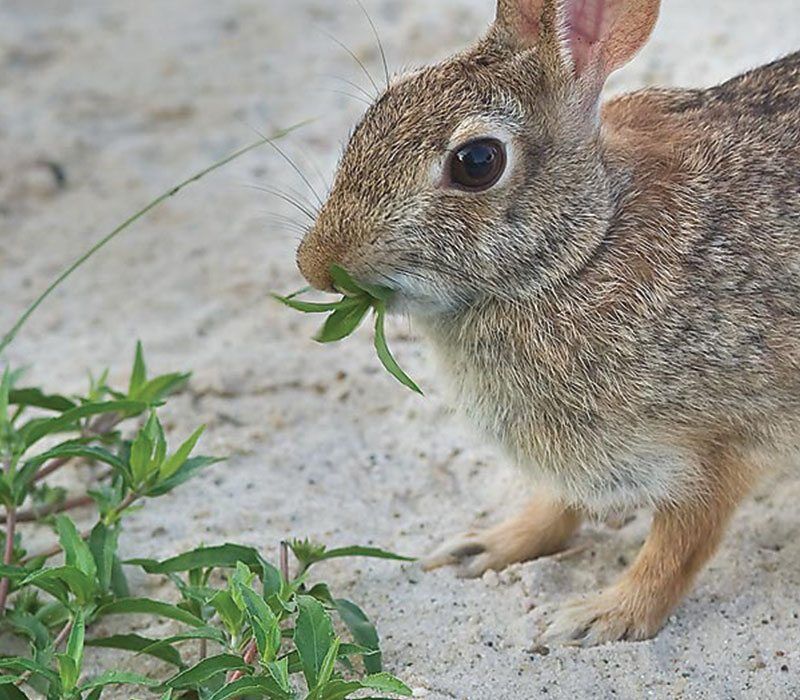
Spring is the season when Michigan gardeners head to the nursery and come home with armloads of perennials ready to transform their garden beds. The excitement of new plants is real, but so is the risk.
Perennials that have just been placed in the ground have shallow root systems, minimal established growth, and zero defenses against the hungry rabbits that are actively patrolling yards and garden spaces throughout Michigan in March.
Unlike established perennials that can push out new growth after rabbit feeding, newly planted specimens are still working to anchor themselves in the soil.
When a rabbit clips the foliage from a brand-new plant, the stress can slow establishment significantly and sometimes prevent the plant from returning at all the following year.
Soft-leaved varieties like coral bells, catmint, and salvia are particularly tempting during the early weeks after planting.
Giving new perennials some temporary protection during their first few weeks in the ground makes a huge difference. Small wire cages made from hardware cloth are inexpensive and easy to place around individual plants.
Repellent granules scattered around the planting area create a scent barrier that many rabbits will avoid. Grouping new perennials together in a protected raised bed or near the house foundation reduces rabbit access and makes it easier to monitor for feeding activity.
Checking on newly planted perennials every morning in March and April allows Michigan gardeners to spot and address rabbit pressure before it becomes a serious problem.
9. Early Emerging Daylilies Can Be Clipped Down
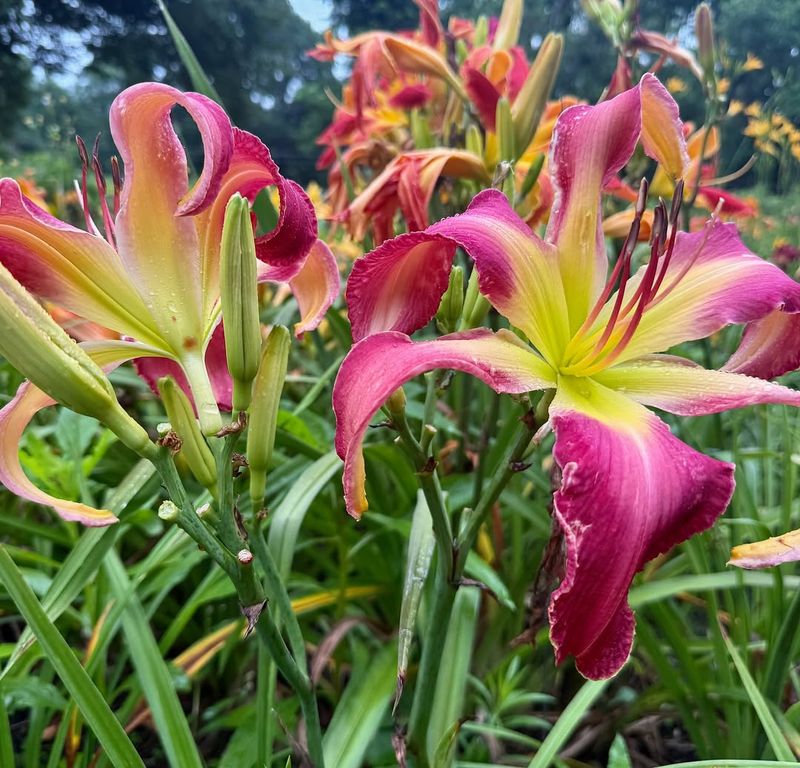
Daylilies are tough, reliable perennials that Michigan gardeners count on season after season, but their early spring growth is surprisingly tender and attractive to rabbits.
Long before daylilies develop the thick, mature foliage that makes them so resilient later in the season, the young shoots that push up in March are soft, sweet-tasting, and easy for cottontails to clip.
Rabbits tend to eat daylily foliage right down to the crown, leaving behind a ragged cluster of short stubs.
The timing of this feeding matters because daylily foliage plays a critical role in photosynthesis and energy storage during the early growing season.
When rabbits repeatedly clip the emerging leaves, the plant must draw on its root reserves to push out replacement growth, which can reduce blooming later in summer.
In Michigan, where the growing season is already compressed, losing those early weeks of growth to rabbit feeding has a real impact on plant performance.
Fortunately, daylilies are resilient enough that most established clumps recover well if feeding is limited to early in the season. Using a wire cage or row cover over daylily crowns during March and early April protects the most vulnerable growth period.
Repellent sprays applied to emerging foliage can reduce rabbit interest but need regular reapplication after rain.
Planting daylilies near areas with foot traffic or close to the home tends to reduce rabbit visits since cottontails prefer quieter, undisturbed feeding locations in Michigan landscapes.
10. Fruit Tree Buds May Be Eaten Before Bloom
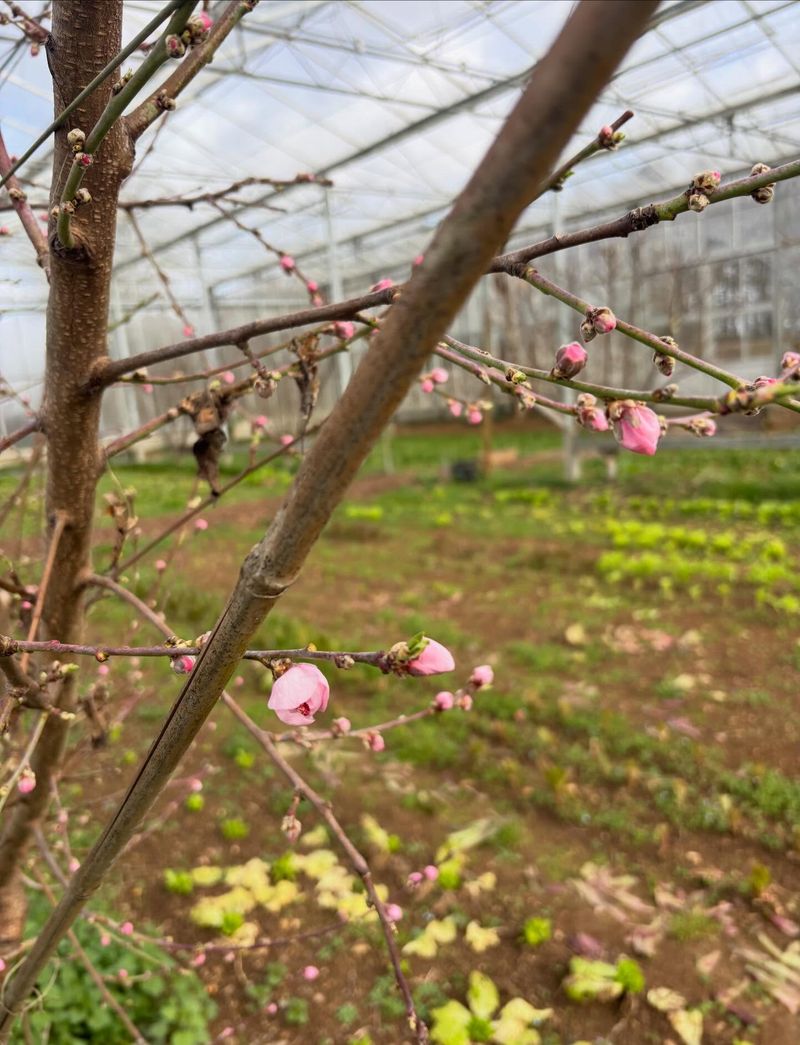
Apple trees and other fruit trees in Michigan go through a critical stage in late winter and early spring when their buds begin to swell and prepare for bloom.
Those swelling buds are packed with sugars and moisture, making them surprisingly attractive to rabbits searching for food during March when ground vegetation is still scarce.
Cottontails stand on their hind legs to reach the lowest branches, nibbling away buds that represent an entire season of future fruit.
The damage is most severe on young trees that have not yet grown tall enough to put their lower branches out of rabbit reach.
Dwarf and semi-dwarf fruit tree varieties, which are popular choices in Michigan home orchards precisely because of their compact size, are especially exposed since their fruiting branches grow close to the ground.
Losing a significant number of buds on a young tree can noticeably reduce that year’s fruit production and stress the tree heading into the growing season.
Hardware cloth cylinders placed around the trunk and lower branches before winter is the gold standard protection method for fruit trees in Michigan.
The cylinder should extend at least two feet above the typical snow depth in your area since rabbits can reach higher when standing on packed snow.
Removing brush piles and tall grass near the orchard reduces the habitat that attracts rabbits in the first place.
Checking trees regularly through March and applying repellent spray to lower branches gives fruit tree growers the best chance of protecting a full and healthy spring bloom.