These Native Plants Come Back Even Stronger After Brutal Michigan Winters
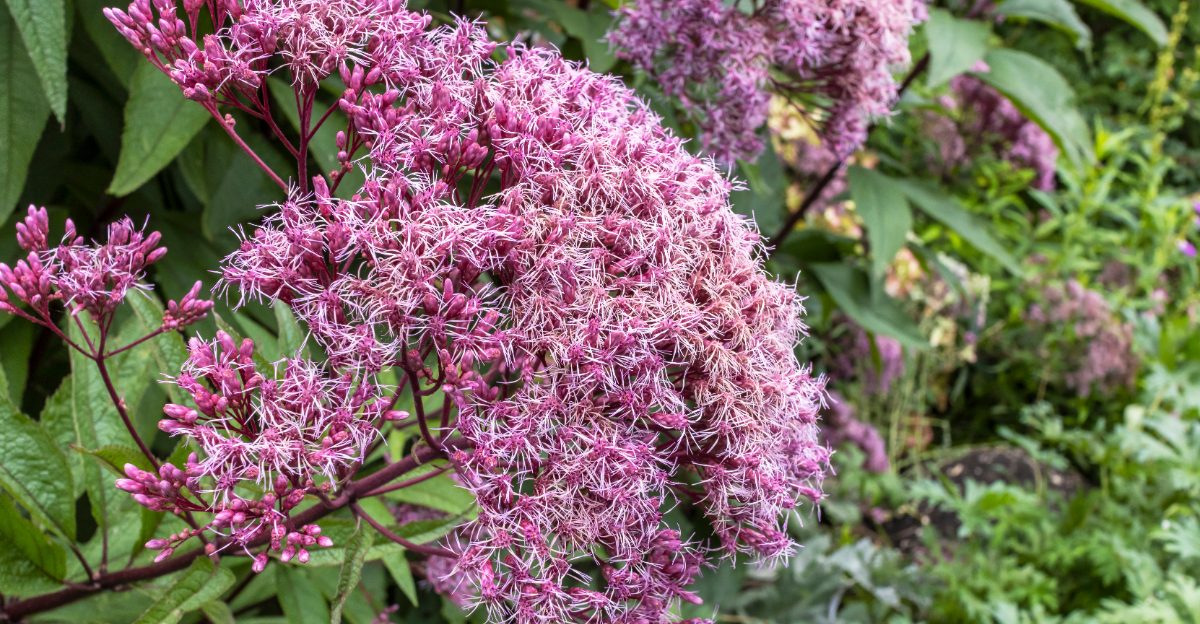
Winter in Michigan tests everything in its path. Bitter winds sweep across open fields, snow settles deep, and the soil locks up under months of freezing temperatures.
Yet while many plants struggle, some seem almost built for the challenge. Each spring, as the thaw begins, certain native species rise from the cold with renewed strength, often returning fuller and more vibrant than the year before.
Their resilience is not luck. It is the result of deep root systems, flexible growth habits, and survival strategies developed over centuries in the Great Lakes climate.
These plants understand Michigan’s rhythms, from heavy snowfall to sudden temperature swings, and respond with steady, dependable growth. Choosing natives that are naturally adapted to these conditions means less worry and more reward for gardeners.
These Michigan born plants prove that toughness and beauty can thrive together, creating landscapes that endure winter and shine brilliantly every single spring.
1. Purple Coneflower Expands With Age And Deep Roots
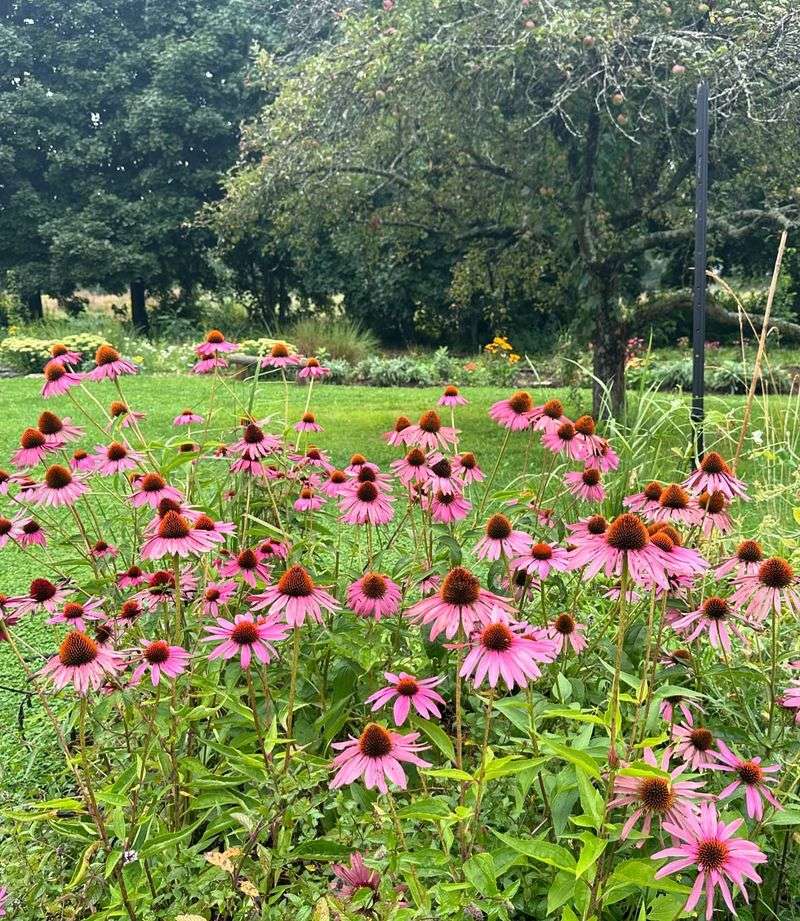
Few plants earn their place in a Michigan garden quite like Purple Coneflower, known botanically as Echinacea purpurea. What makes this plant truly exciting is that it gets better with every passing year.
As the root system matures and pushes deeper into the soil, the plant becomes noticeably more vigorous and produces more blooms each summer.
Native to Michigan, this hardy perennial thrives in USDA hardiness zones 3 through 9, which means our tough Great Lakes winters are no problem at all.
The roots go dormant underground during the cold months, storing energy and nutrients that fuel an even stronger return in spring.
Gardeners often notice a significant increase in flower count and plant size after the second or third growing season.
Purple Coneflower also attracts pollinators like bees and butterflies, making it a powerhouse plant for any Michigan landscape. Plant it in well-drained soil with full sun for the best results.
Leaving the seed heads standing through winter gives birds a food source and allows natural self-seeding to occur.
Over time, one small plant can become a stunning, spreading clump that anchors a garden bed beautifully. This plant rewards patience in the most spectacular way possible.
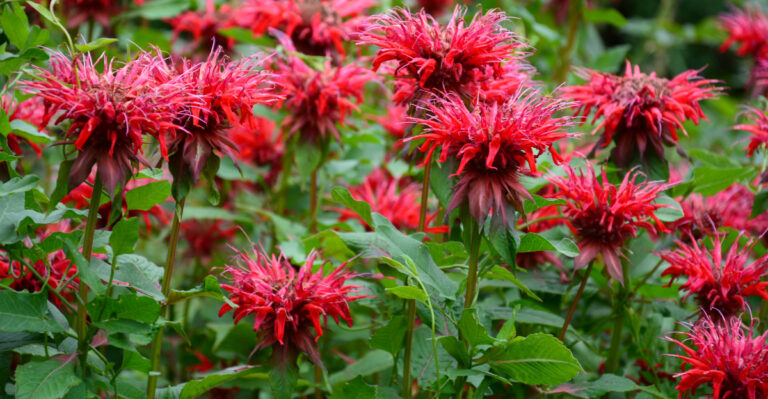
2. Wild Bergamot Forms Expanding Colonies
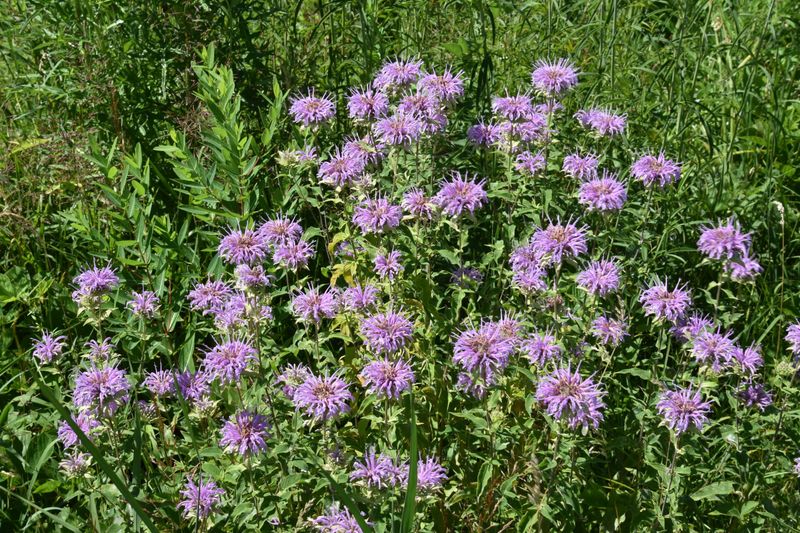
Wild Bergamot has a secret weapon hidden just below the soil surface, and that weapon is its rhizome system.
Monarda fistulosa spreads steadily underground, sending up new shoots each spring and gradually forming expanding colonies that get more impressive with every passing year.
In Michigan, where winters are long and cold, this spreading habit actually works in the plant’s favor by keeping the root mass insulated and protected.
Native across much of Michigan, Wild Bergamot thrives in dry to medium moisture soils and full sun to light shade.
Its lavender-purple flowers are irresistible to native bees, hummingbirds, and butterflies, making it one of the most ecologically valuable plants you can add to a garden.
The aromatic foliage also helps deter deer, which is a practical bonus for anyone gardening in rural areas of the state.
After a brutal Michigan winter, established colonies of Wild Bergamot bounce back with impressive speed. The rhizomes store energy through the dormant season, and once soil temperatures rise in spring, new growth emerges quickly and vigorously.
Your Michigan Garden Changes Every Week. Your Plan Should Too.
Gardening in Michigan changes quickly throughout the season. Every Friday you’ll receive a simple weekly plan showing exactly what to plant, prune, fertilize, harvest, and protect so you never miss the right timing.
Dividing clumps every few years helps keep the plant healthy and gives you free starts to spread around your yard. Plant it alongside native grasses or coneflowers for a pollinator garden that looks wilder and more beautiful each summer.
3. Black Eyed Susan Reseeds And Thickens Naturally
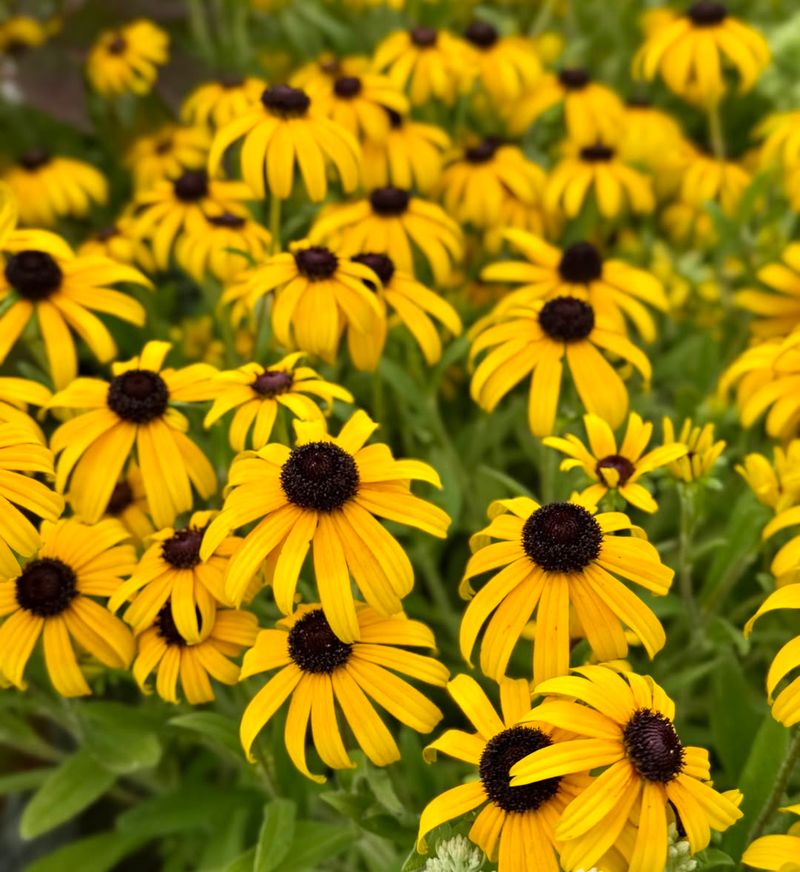
There is something almost magical about watching a single Black Eyed Susan plant turn into a whole patch of golden blooms over just a few seasons.
Rudbeckia hirta is a Michigan native that takes full advantage of winter by dropping seeds before the cold arrives, then letting those seeds germinate naturally come spring. The result is a thicker, more vibrant display every single year.
This cheerful wildflower is a short-lived perennial that behaves much like a biennial in some conditions, but its reliable reseeding habit keeps it coming back strong without any extra effort from you.
In Michigan gardens, it performs beautifully in open sunny spots with average, well-drained soil. It handles clay soils better than many other flowering plants, which is a real bonus for gardeners across the state.
Black Eyed Susan blooms from midsummer through early fall, offering a long season of color when many other plants have already finished.
Leaving the seed heads intact after the first frost is key to encouraging natural reseeding. Birds enjoy the seeds too, which adds even more wildlife value to your yard.
Over time, the naturalized patch grows fuller and more impressive, rewarding low-maintenance gardeners with a stunning wildflower display that feels effortless and completely at home in the Michigan landscape.
4. Butterfly Weed Develops A Deep Taproot System
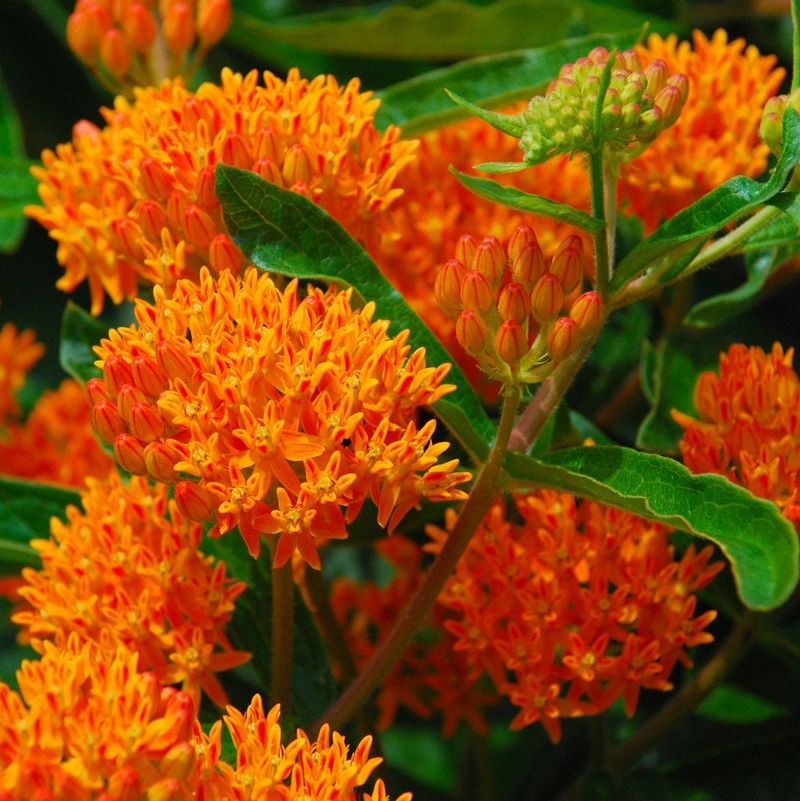
Butterfly Weed might be slow to show up in spring, but when it finally emerges, it means business. Asclepias tuberosa is native to Michigan and develops one of the most impressive taproots in the plant world, sometimes reaching several feet deep into the ground.
That taproot is the plant’s survival strategy, storing water and nutrients through long, freezing Michigan winters so it can return bigger and stronger the following year.
Because the taproot goes so deep, Butterfly Weed becomes increasingly drought tolerant and cold resilient as it matures. Young plants can take a season or two to fully establish, but patience pays off enormously.
By the third or fourth year, the plant produces thick clusters of brilliant orange flowers that practically glow in the summer sun. It is one of the best milkweed species for supporting monarch butterflies during their migration through Michigan.
Plant Butterfly Weed in sandy or well-drained soil and full sun for the best performance. Avoid moving it once established because disturbing the taproot sets the plant back significantly.
Mark its location in fall so you don’t accidentally dig it up in spring before it emerges. The late emergence is completely normal and not a sign of trouble.
Once this plant locks into a spot it loves, it becomes one of the most reliable and rewarding natives in any Michigan garden.
5. Swamp Milkweed Strengthens In Moist Conditions
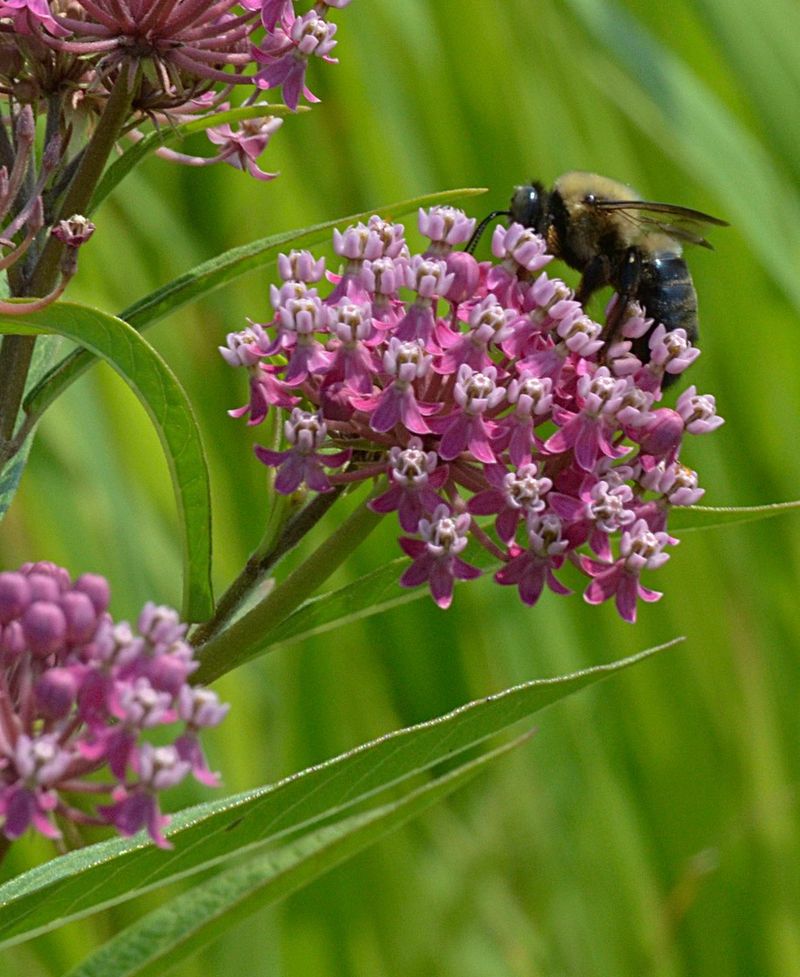
Not every Michigan garden is dry and well-drained, and that is exactly where Swamp Milkweed steps in and shines.
Asclepias incarnata is a native Michigan plant that absolutely thrives in moist to wet soils, making it ideal for rain gardens, pond edges, and low-lying areas that stay damp throughout the growing season.
After each Michigan winter, established plants return from their crown with remarkable reliability.
The crown of the plant, which sits just at or slightly below the soil surface, survives even the harshest freezes Michigan can throw at it.
Each spring, multiple new stems emerge from that crown, and with each passing year, the crown grows larger and produces more stems.
A mature Swamp Milkweed plant can send up a dozen or more stalks, creating a full and lush presence in the garden from midsummer through fall.
The rosy pink flowers are a magnet for monarch butterflies, native bees, and other pollinators. Swamp Milkweed is actually considered one of the top milkweed species for monarch conservation, which makes growing it in Michigan both beautiful and meaningful.
It pairs wonderfully with other moisture-loving natives like Joe Pye Weed and native irises. Leave the seed pods on the plant through winter so seeds can disperse naturally and new seedlings can fill in around the established clumps next spring.
6. New England Aster Produces Larger Clumps Over Time
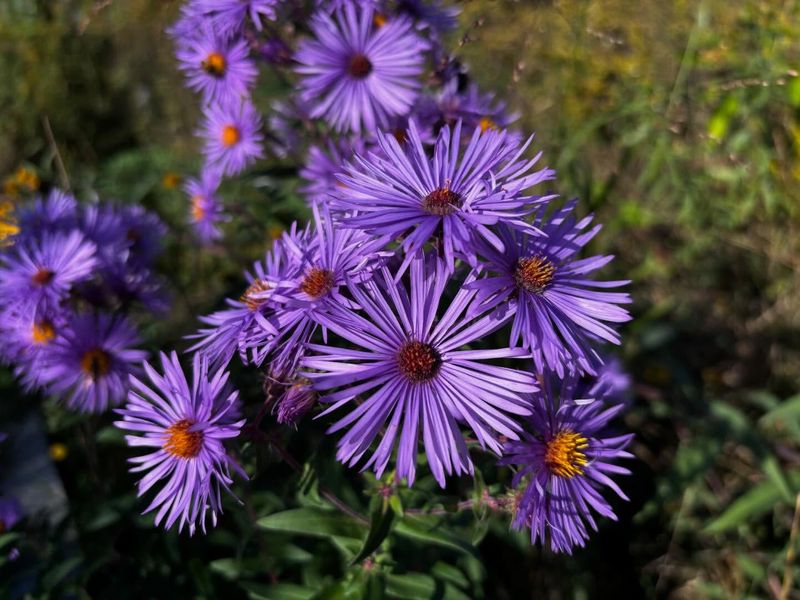
When most of the garden is winding down for the season, New England Aster puts on one of its most spectacular shows. Symphyotrichum novae-angliae is native to Michigan and blooms from late summer well into fall, often still flowering when the first light frosts arrive.
What really sets this plant apart is how dramatically it expands season after season, forming ever-larger clumps that become true garden focal points.
Each winter, the top growth of New England Aster withers back to the ground, but the root crown continues to grow and spread. By spring, new shoots emerge from a wider base than the year before, and by midsummer the plant has grown into a tall, bushy structure covered in buds.
Mature clumps in Michigan gardens can reach four to six feet tall and spread just as wide, creating a stunning late-season display of purple, pink, or white flowers.
Dividing clumps every three to four years keeps the plant vigorous and prevents the center from becoming woody. Early spring is the best time to divide, just as new growth appears at the base.
Replant the divisions immediately and water them in well. New England Aster thrives in full sun with average moisture and is remarkably adaptable to Michigan’s varied soil types.
It is one of the most important late-season nectar sources for migrating monarchs and native bees across the state.
7. Little Bluestem Becomes More Established Each Year
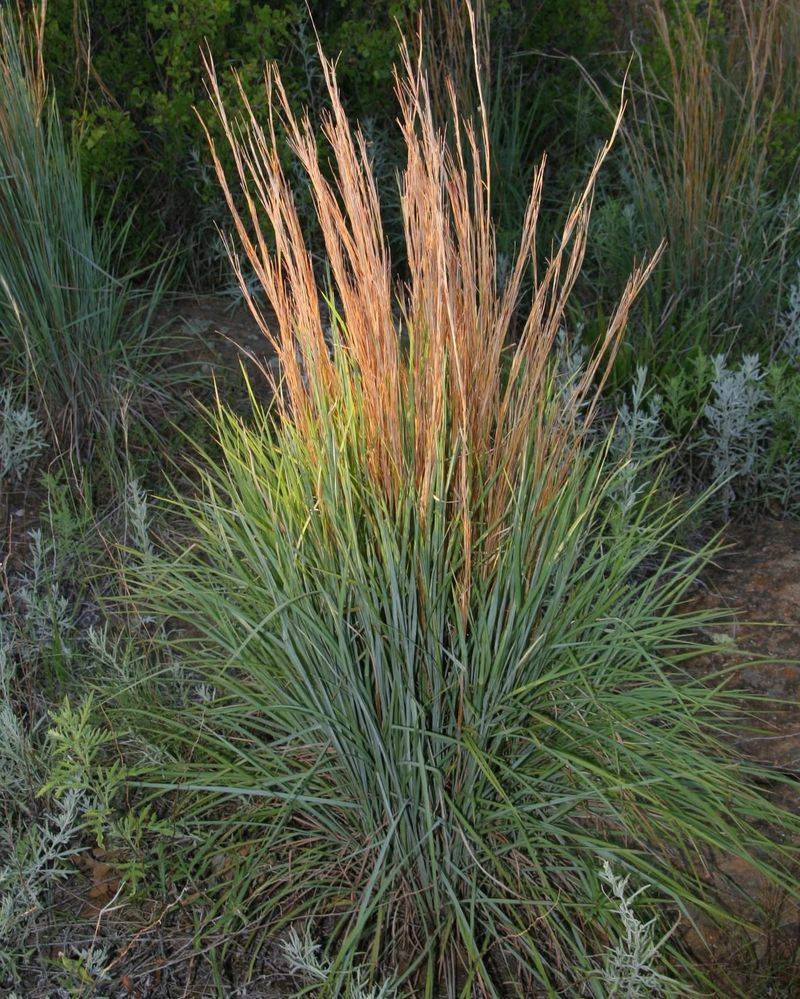
Little Bluestem is one of those plants that looks better in winter than almost anything else in the garden.
Schizachyrium scoparium is a native Michigan grass that turns a stunning bronze, copper, and rust color as temperatures drop, holding that warm color through snow and ice.
But the real story with this grass is what happens underground during those cold months, because each winter, the root system grows a little deeper and a little stronger.
Native to the prairies and open woodlands of Michigan, Little Bluestem is exceptionally well adapted to the state’s climate and soil conditions.
Its deep, fibrous root system anchors it firmly through freeze-thaw cycles that would heave less established plants right out of the ground.
By the second and third year, the grass forms a noticeably denser and more upright clump, with better drought tolerance and a more striking visual presence in the landscape.
Plant Little Bluestem in full sun and well-drained to dry soil for the very best performance. Avoid overwatering or fertilizing, as this grass actually performs better in lean soils where it can develop naturally.
Cut it back to about four to six inches in late winter or early spring before new growth begins. The seeds that form in fall provide food for sparrows and finches through the cold Michigan winter, making this native grass as functional as it is beautiful.
8. Wild Columbine Reseeds In Protected Garden Areas
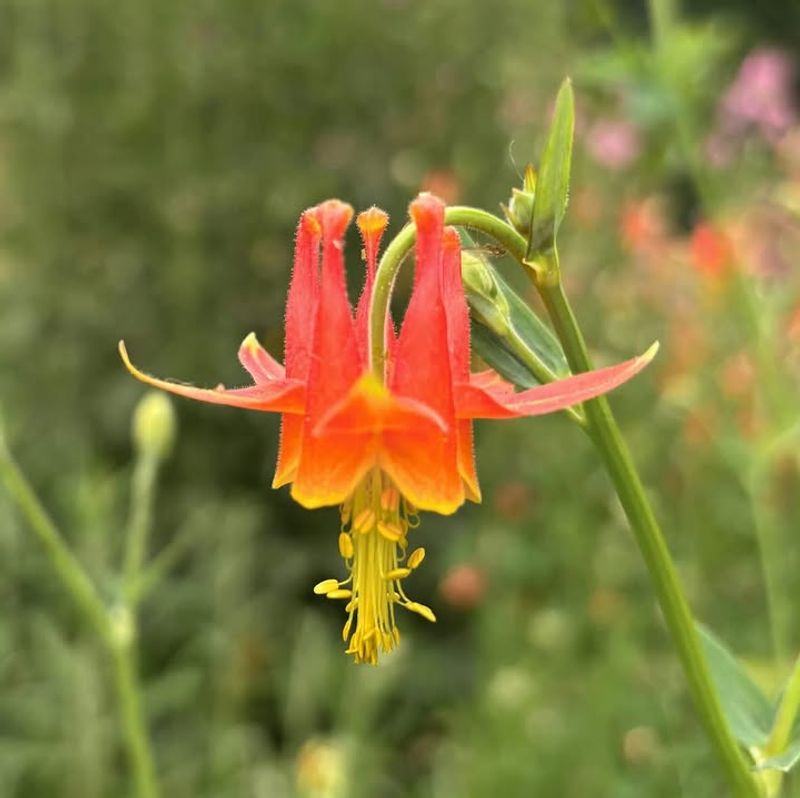
Wild Columbine has a playful, nodding flower that looks like it belongs in a fairy tale, and it brings that same sense of wonder to Michigan gardens every spring.
Aquilegia canadensis is native to Michigan’s woodlands and rocky slopes, and it has a clever way of maintaining its presence in the garden, by reseeding itself into sheltered spots where conditions are just right for germination.
After Michigan winters, established Wild Columbine plants send up fresh rosettes of blue-green foliage early in the season, often while snow is still melting nearby.
The plant produces seed pods by early summer, and those seeds fall and find their way into cracks between rocks, along garden edges, and beneath shrubs where leaf litter keeps the soil moist and protected.
Over several seasons, a single plant can populate a whole shaded garden corner without any help from the gardener.
Wild Columbine thrives in partial to full shade with moist, well-drained soil, making it a natural fit for the woodland edges so common across Michigan.
The red and yellow tubular flowers are perfectly shaped for ruby-throated hummingbirds, which begin arriving in Michigan just as the plant blooms in late April and May.
Avoid deadheading the flowers if you want self-seeding to occur. This plant is wonderfully low maintenance once established and adds genuine charm to any shaded Michigan garden space.
9. Joe Pye Weed Forms Larger Crown Systems Each Season
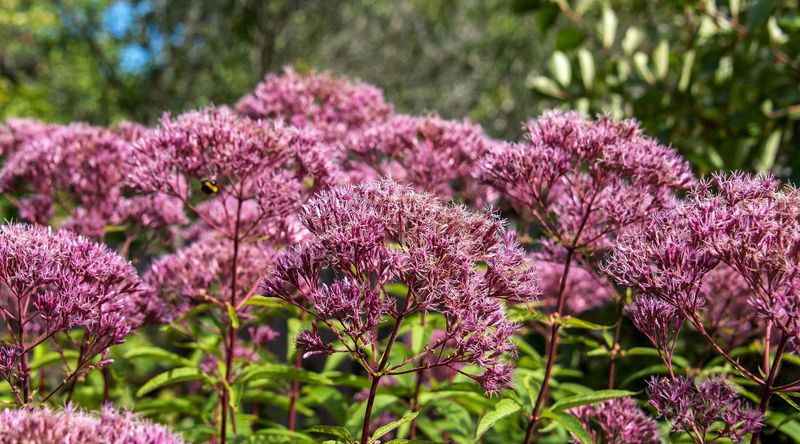
Standing tall at six to eight feet, Joe Pye Weed is one of the most commanding native plants in any Michigan garden. Eutrochium maculatum is native to Michigan’s wetlands and moist meadows, and it grows more robust and impressive with every passing season.
The crown of the plant, which sits at the soil surface, expands steadily over time, producing more and thicker stems each year as the root mass below it increases in size and density.
After Michigan’s long winters, Joe Pye Weed crowns wake up reliably in mid to late spring and grow with surprising speed once temperatures warm up.
By midsummer, the plant reaches its full towering height, topped with large, domed clusters of dusty pink to mauve flowers that absolutely buzz with native bees, bumble bees, and butterflies.
Few plants in the Michigan native plant palette draw this level of pollinator activity during the late summer months.
Joe Pye Weed performs best in full sun to light shade with consistently moist soil, though established plants show good drought tolerance once their root systems are fully developed.
It pairs beautifully with Swamp Milkweed, New England Aster, and native grasses in a rain garden or along a pond edge.
Cut stems back to the ground in late winter before new growth begins. Each spring, the returning plant will be noticeably more powerful than the season before.
10. Goldenrod Expands Through Rhizomes And Seed
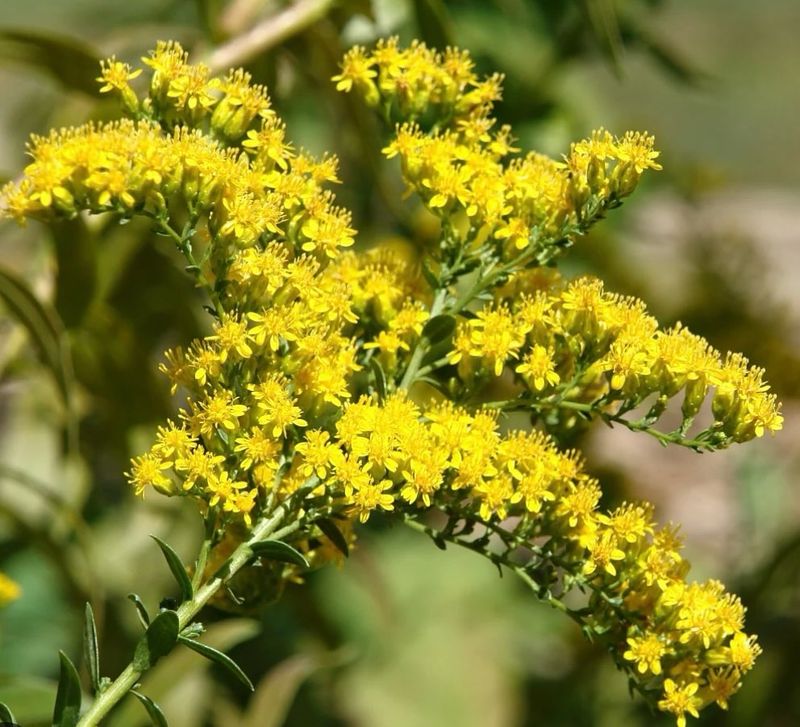
Goldenrod gets a bad reputation it does not deserve. Many people blame it for fall allergies, but the real culprit is ragweed, which blooms at the same time.
Goldenrod pollen is too heavy to travel through the air and cause reactions. In reality, several Solidago species native to Michigan are among the most ecologically valuable plants in the entire region, supporting hundreds of native bee species and providing critical late-season nectar.
What makes Goldenrod especially exciting for Michigan gardeners is how aggressively it expands once established.
It spreads through both underground rhizomes and wind-dispersed seeds, which means a small planting can gradually colonize a larger area over several seasons.
Each year after winter, the returning colony is noticeably wider and more densely packed, producing more flower plumes and supporting even more wildlife than the year before.
Native species like Solidago rugosa, Solidago nemoralis, and Solidago speciosa are all found in Michigan and offer slightly different heights and bloom times. Plant Goldenrod in full sun with average to dry soil and minimal maintenance for the best naturalistic effect.
It is an excellent choice for meadow plantings, rain garden edges, and naturalized areas where spreading is welcome. To keep it contained in smaller beds, simply cut back the outer edges of the colony each spring before new growth gets established.
11. Prairie Dropseed Develops Dense Long Lived Clumps
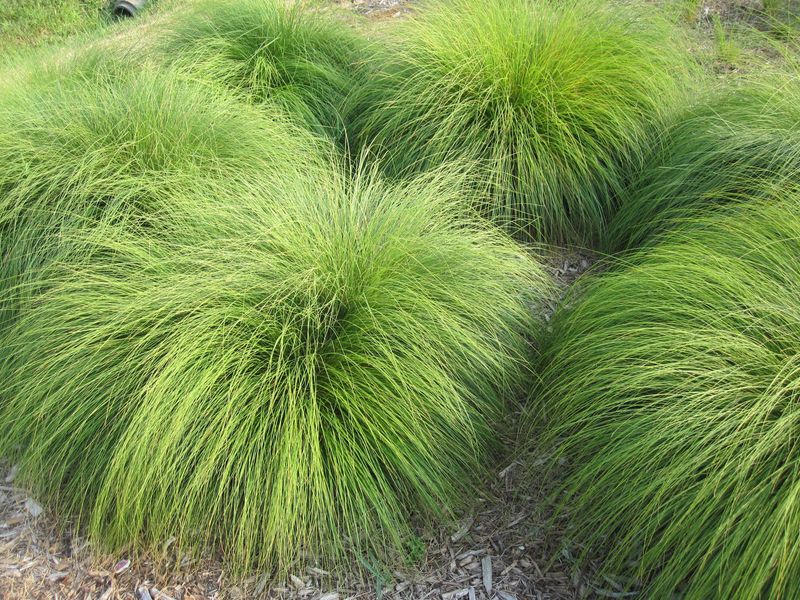
Prairie Dropseed is the kind of plant that landscape designers get genuinely excited about, and for good reason. Sporobolus heterolepis is a native Michigan grass that forms perfectly rounded, fountain-like clumps of incredibly fine-textured foliage.
Unlike many ornamental grasses that need frequent division to stay healthy, Prairie Dropseed actually improves and strengthens with age, developing denser and more impressive clumps with every growing season.
In Michigan, this grass is remarkably well adapted to the climate, surviving even the harshest winters without any protection or special care. The clumps go dormant and turn a warm golden tan through the cold months, adding subtle winter interest to the garden.
Come spring, fresh green growth emerges from within the clump, and by midsummer, delicate airy seed heads appear above the foliage, releasing a fragrance that many gardeners describe as buttery or popcorn-like.
Prairie Dropseed thrives in full sun and well-drained to dry soils, making it an excellent choice for challenging spots in Michigan gardens where other plants struggle.
It is slow to establish in the first year or two, but once its root system locks in, it becomes virtually self-sufficient.
Use it as an edging plant, a groundcover alternative, or a texture contrast alongside broader-leaved natives like coneflowers and asters. This grass is truly a long-term investment that pays off more generously with every passing Michigan winter.