Southeast Michigan Gardeners With Clay Soil Will Love These Native Plants
Southeast Michigan gardeners know the moment you press a shovel into the ground, you are dealing with the real boss of the landscape. Heavy clay soil drains slowly, compacts easily, and can make even simple planting feel like hard work.
Still, clay is not all bad news. It holds nutrients well, keeps moisture available longer, and rewards the right plant choices with strong, steady growth.
That is where native plants shine. After thousands of years in Michigan’s soils and weather patterns, many local species are naturally built for dense, clay rich ground, so they establish faster and need less pampering once settled.
Instead of amending endlessly or fighting poor drainage, you can design a garden that works with the conditions you already have. The payoff is a landscape that looks lush and intentional, yet demands far less effort.
These eight standout natives are perfectly suited for Southeast Michigan clay and bring beauty that lasts season after season.
1. Swamp Milkweed Thrives In Moist Clay Soil
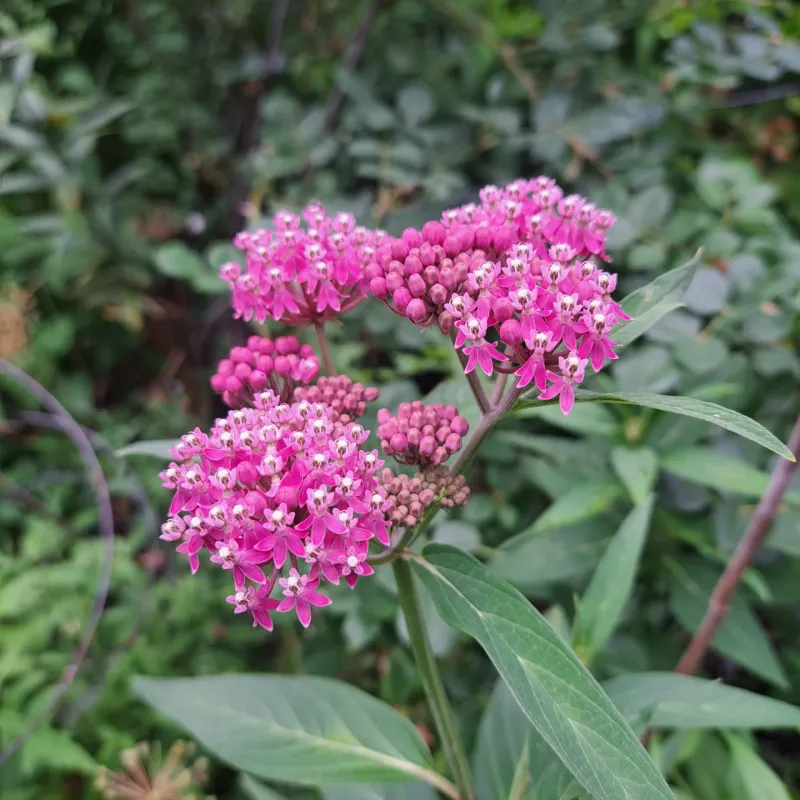
Few plants carry as much ecological power as Asclepias incarnata, commonly known as Swamp Milkweed. Native to Michigan, this striking perennial has evolved to flourish in the wet, clay-heavy soils that frustrate so many Southeast Michigan gardeners.
It naturally grows along wet meadows, pond edges, and low-lying areas where water tends to linger after heavy rain.
Swamp Milkweed reaches heights of three to five feet, producing clusters of rosy-pink flowers from mid to late summer. Those blooms are absolutely irresistible to monarch butterflies, which depend on milkweed as the sole host plant for their caterpillars.
Planting it in your yard helps support a butterfly population that has seen serious decline across North America.
In Southeast Michigan gardens, Swamp Milkweed performs best in full sun with consistently moist soil. Clay actually works in its favor here, holding moisture longer than sandy or loamy ground.
You can plant it near rain gardens, downspouts, or low spots in your yard where water collects. Once established, it spreads slowly by rhizomes and self-seeds, gradually filling an area with lush, wildlife-friendly growth.
It is one of the most rewarding native plants you can grow in this region, offering beauty, ecological value, and zero fuss once it settles in.
2. Blue Flag Iris Handles Heavy Soil With Ease
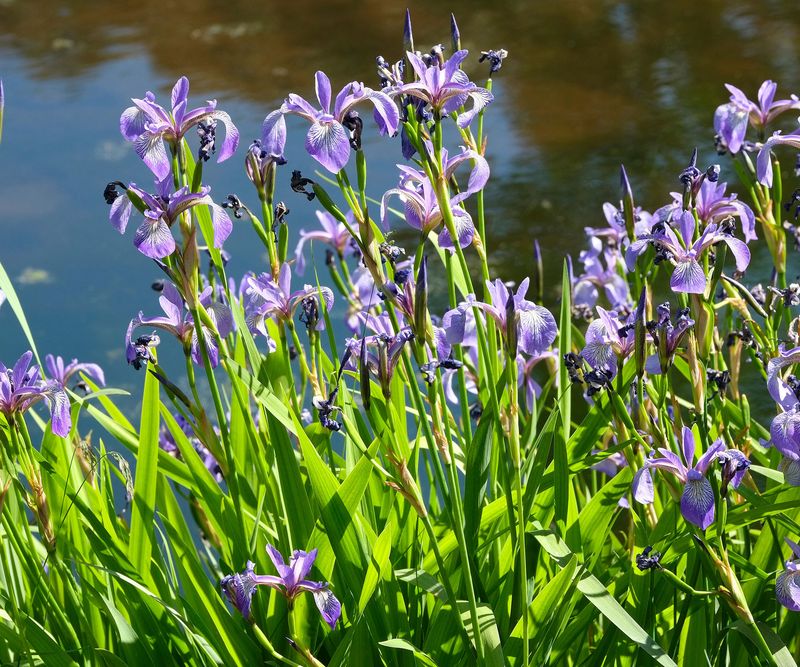
There is something almost magical about watching Blue Flag Iris burst into bloom in late spring.
Iris versicolor is a true Michigan native, and unlike many ornamental irises that demand well-drained conditions, this one actually prefers the kind of wet, heavy clay that Southeast Michigan yards often deliver.
It naturally colonizes streambanks, marsh edges, and low meadows across the state.
The flowers are stunning, showcasing rich violet-blue petals with delicate yellow and white markings at their base. Plants typically grow two to three feet tall and spread gradually through thick rhizomes, forming impressive clumps over time.
Bloom time runs from late May through June, making it one of the showiest early-season natives you can grow in this region.
Blue Flag Iris performs best in full sun to partial shade, and it genuinely loves having wet feet. Planting it along a rain garden border, near a pond, or in a low-lying area of your Southeast Michigan yard will give it exactly what it needs.
Your Michigan Garden Changes Every Week. Your Plan Should Too.
Gardening in Michigan changes quickly throughout the season. Every Friday you’ll receive a simple weekly plan showing exactly what to plant, prune, fertilize, harvest, and protect so you never miss the right timing.
Once established, it requires almost no maintenance, spreading naturally and returning faithfully every spring. Pollinators including native bees visit the blooms regularly, adding even more life to your garden.
For heavy clay spots that feel like a problem, Blue Flag Iris turns that challenge into a genuine garden highlight worth showing off to every neighbor.
3. Joe Pye Weed Performs Well In Clay And Moist Ground
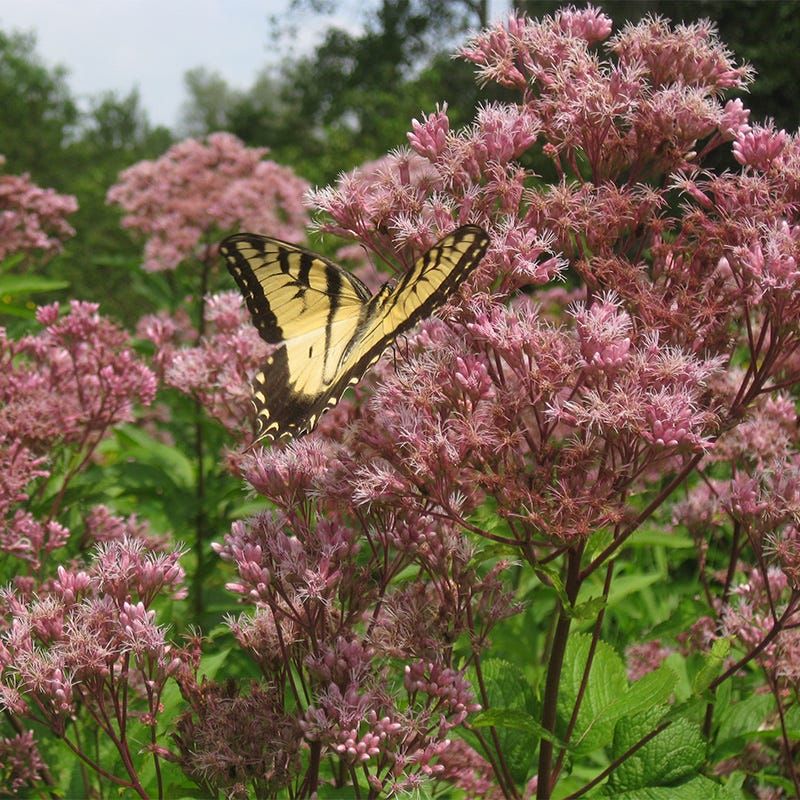
Bold, tall, and buzzing with pollinators by late summer, Joe Pye Weed is one of Southeast Michigan’s most impressive native perennials.
Eutrochium maculatum grows naturally in moist meadows, streambanks, and low woodlands across Michigan, making it perfectly comfortable in the clay-rich soils that define so many local gardens.
When other plants are wilting under summer heat, Joe Pye Weed stands strong. This plant can reach five to seven feet in height, with large domed clusters of dusty-pink to mauve flowers that attract dozens of butterfly species, especially swallowtails.
The blooms appear from July through September, providing critical late-season nectar when many other flowers have already faded. Its sheer size makes it a natural focal point at the back of a border or along a fence line.
Consistent moisture is the key to getting the best performance from Joe Pye Weed in clay soil. Because clay holds water well, it naturally supports this plant through dry spells without much extra irrigation.
Plant it in full sun to light shade, and give it room to grow since mature clumps can spread two to four feet wide. Southeast Michigan gardeners who have struggled to fill large, wet, clay-heavy spaces will find this native plant an absolute game-changer.
Its towering presence and wildlife value make it one of the most satisfying additions to any native garden in the region.
4. New England Aster Adapts To Clay Based Gardens
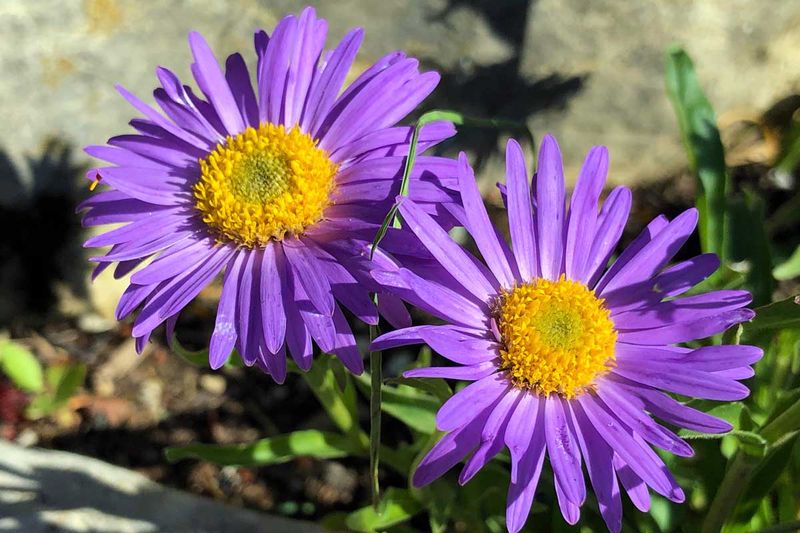
When autumn arrives in Southeast Michigan, New England Aster puts on a show that is hard to beat. Symphyotrichum novae-angliae is a true Michigan native, found growing naturally in moist meadows, roadsides, and open fields across the state.
What makes it especially valuable for local gardeners is its impressive ability to adapt to heavier, clay-based soils without complaint.
The flowers are vivid, ranging from deep purple to lavender and occasionally pink, each with a bright yellow center that glows in the low autumn sun.
Plants grow three to six feet tall and bloom from late August through October, providing one of the last major nectar sources of the season for monarch butterflies migrating south and native bees building winter reserves.
That ecological timing makes New England Aster genuinely important, not just pretty.
In clay soil, this plant benefits from a spot with full sun and moderate moisture. It handles the compaction and drainage challenges of clay better than most non-native alternatives, making it a smart, low-maintenance choice for Southeast Michigan yards.
Cutting plants back by half in early June encourages bushier growth and more flowers come fall.
New England Aster also works beautifully in mixed native plantings alongside Joe Pye Weed and Swamp Milkweed, creating a layered, wildlife-rich garden that looks professionally designed but requires surprisingly little effort to maintain throughout the growing season.
5. Culver’s Root Grows Strongly In Clay Soil
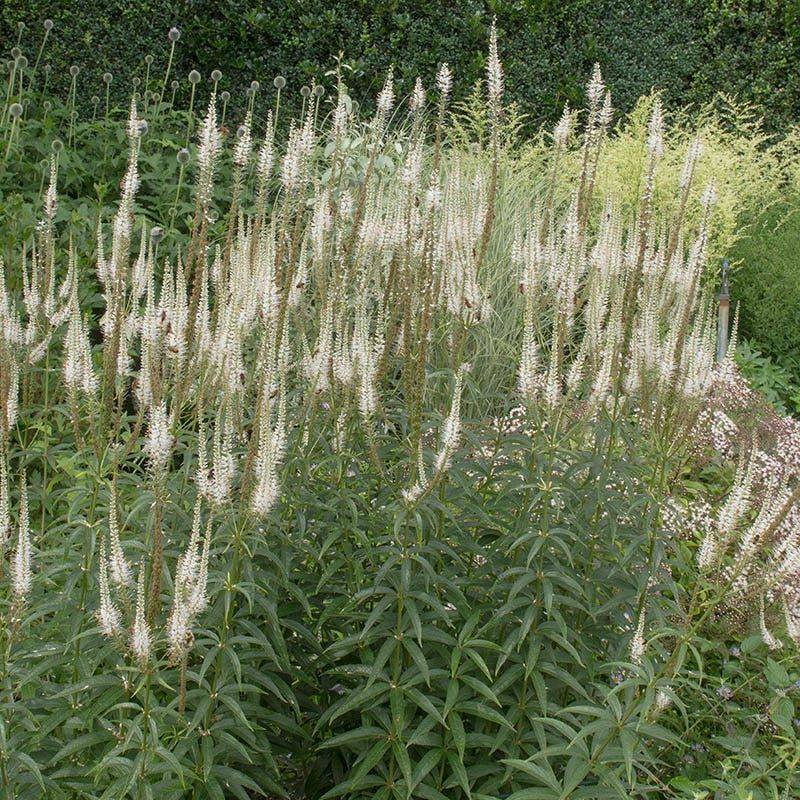
Elegant and architectural, Culver’s Root is the kind of plant that makes garden visitors stop and ask questions. Veronicastrum virginicum is native to Michigan, found naturally in moist prairies, open woodlands, and meadow edges across the state.
Its ability to handle moist clay conditions makes it a reliable performer in the kinds of heavy soils Southeast Michigan gardeners deal with every season.
The plant produces tall, candle-like spikes of tiny white or pale lavender flowers that rise dramatically above the foliage, reaching four to six feet in height.
Bloom time runs from late June through August, and the flowers attract a wide range of pollinators including native bees, wasps, and butterflies.
Even after the blooms fade, the upright seedheads provide winter structure and food for birds, extending the plant’s value well beyond the growing season.
Culver’s Root thrives in full sun to light shade with consistently moist soil, which clay naturally provides in Southeast Michigan. It is a slow starter in its first year, but by year two it establishes confidently and begins spreading into a full, impressive clump.
Patience pays off enormously with this plant. Pair it with New England Aster or Joe Pye Weed for a bold, tall native border that looks stunning from midsummer through fall.
Southeast Michigan gardeners who want vertical drama without fighting their soil will find Culver’s Root an incredibly satisfying and reliable native perennial to grow.
6. Cardinal Flower Prefers Moist Clay Conditions
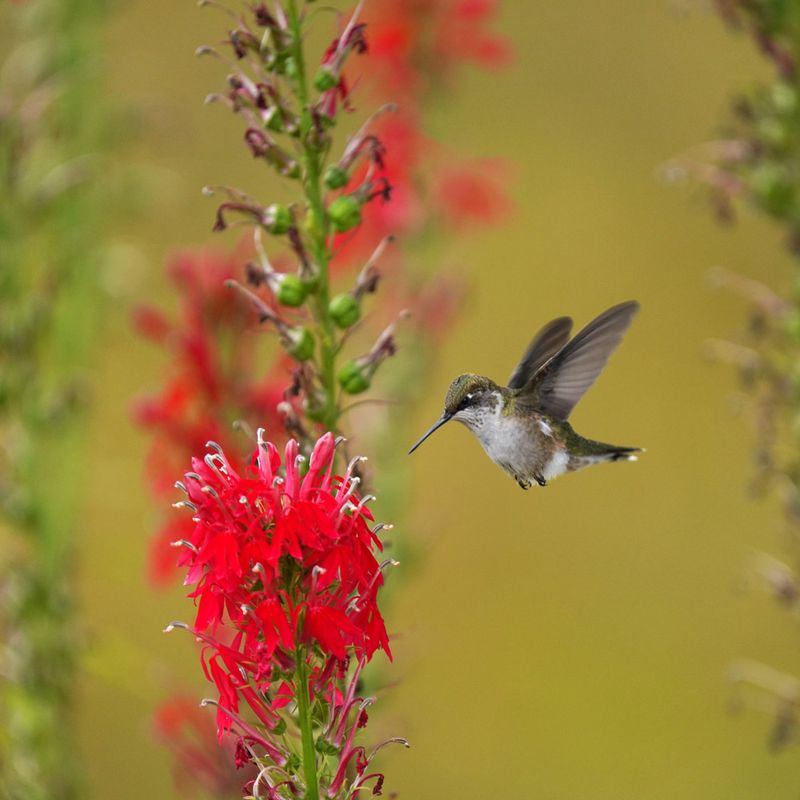
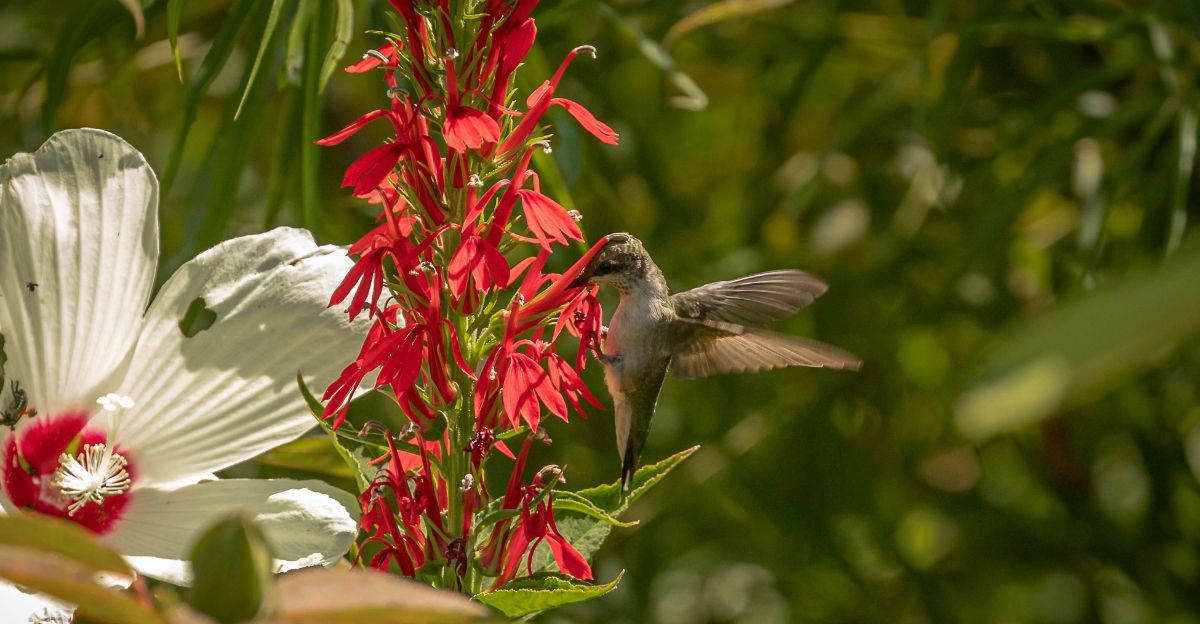
If you want to attract hummingbirds to your Southeast Michigan yard, Cardinal Flower is your single best move. Lobelia cardinalis produces some of the most intensely red flowers in the native plant world, and hummingbirds are practically built to pollinate them.
Native to Michigan, this perennial grows naturally along clay-rich streambanks, wet ditches, and moist woodland edges throughout the state.
Plants grow two to four feet tall and bloom from July through September, with tall spikes of brilliant scarlet flowers that absolutely glow in summer light. Beyond hummingbirds, swallowtail butterflies and native bumblebees also visit the blooms regularly.
The combination of striking color and wildlife magnetism makes Cardinal Flower one of the most exciting native plants you can add to a Southeast Michigan garden.
Cardinal Flower performs best in partial shade to full sun with consistently moist soil. Clay soil suits it well because it retains moisture effectively, mimicking the streambank conditions where this plant naturally thrives.
Avoid letting the soil dry out completely during summer heat, especially in the first year after planting. Mulching around the base helps retain moisture and keeps roots cool.
Cardinal Flower tends to be short-lived on its own, but it self-seeds reliably, so new plants appear each season to replace older ones.
Plant it in groups of three or more for the biggest visual impact and to create a reliable hummingbird hotspot right outside your window every summer.
7. Wild Bergamot Tolerates Clay With Good Drainage
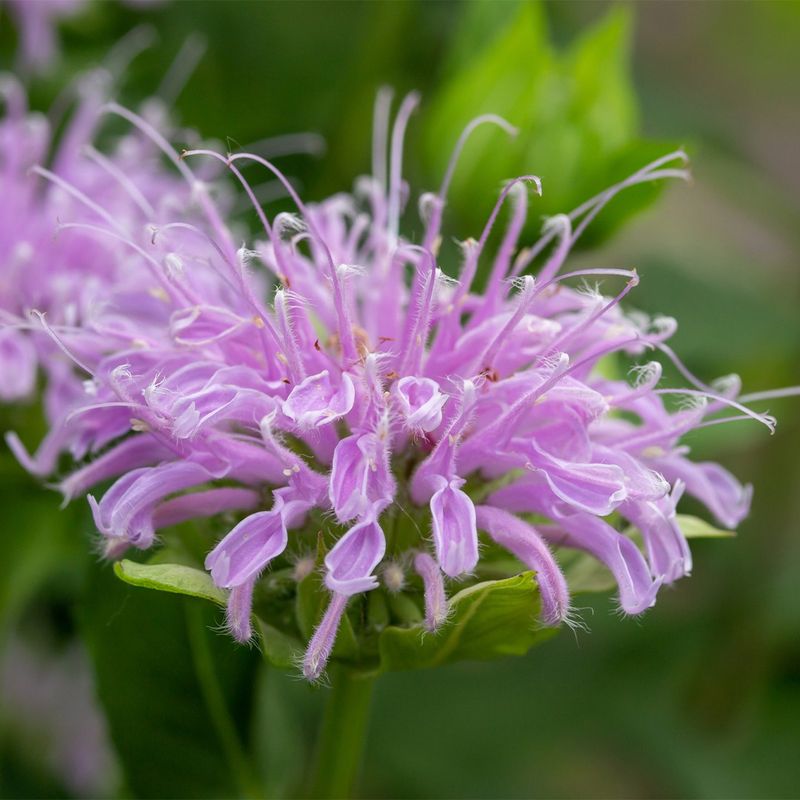
Wild Bergamot brings a relaxed, prairie-meadow energy to any garden, and the scent alone is worth growing it.
Monarda fistulosa is a Michigan native with a long history in the region, thriving naturally in dry to moderately moist prairies, open woodlands, and roadsides across the state.
Unlike some of the wetter-soil natives on this list, Wild Bergamot adapts to clay as long as the ground does not stay waterlogged for extended periods.
The flowers are soft lavender to lilac, arranged in fluffy rounded heads atop stems that reach two to four feet tall.
Bloom time runs from late June through August, and the nectar-rich flowers attract an extraordinary diversity of pollinators, including native bees, bumblebees, hummingbird moths, and butterflies.
Few native plants deliver this level of pollinator activity in a Southeast Michigan garden.
For success in clay soil, choose a spot with full sun and avoid areas where water pools after rain. Raised beds or slightly elevated planting spots within a clay garden work well to improve drainage around the roots.
Wild Bergamot is quite drought-tolerant once established, making it a lower-maintenance option compared to the moisture-loving plants on this list. It spreads by rhizomes over time, gradually forming a fragrant, wildlife-rich colony.
Dividing clumps every few years keeps growth tidy and vigorous. Southeast Michigan gardeners looking for a tough, beautiful, and pollinator-friendly native will find Wild Bergamot an outstanding and rewarding choice for the landscape.
8. Black Eyed Susan Handles Compact Soil Well
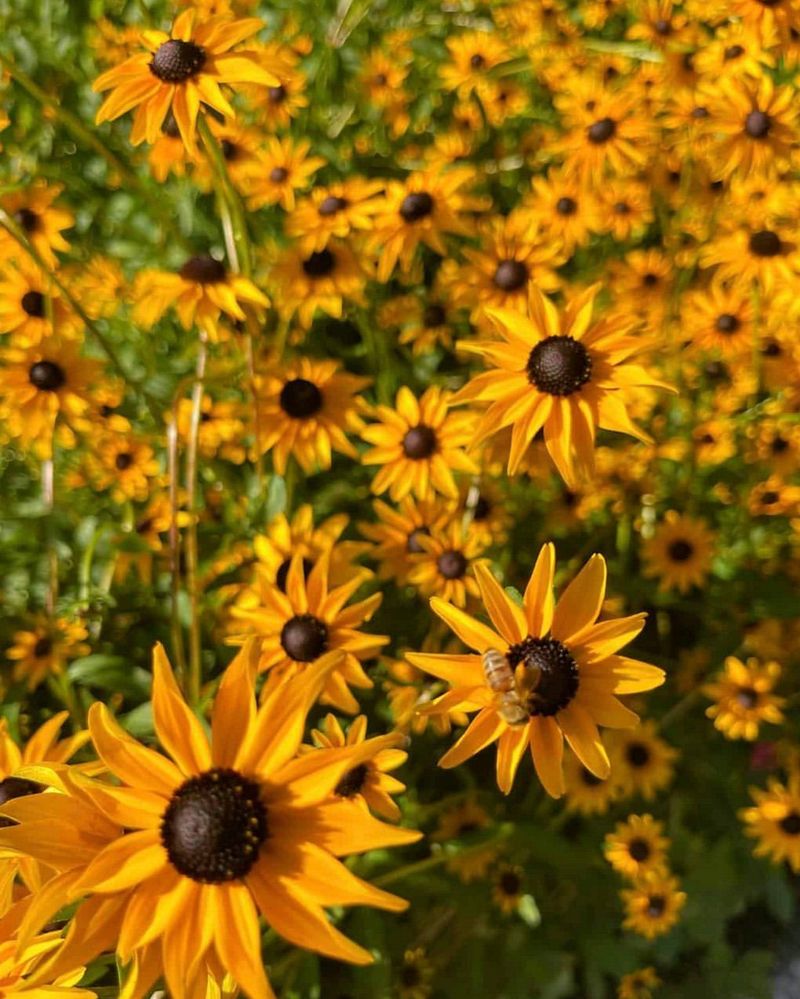
Cheerful, tough, and unmistakably golden, Black Eyed Susan is one of the most recognizable wildflowers in Southeast Michigan.
Rudbeckia hirta grows naturally across Michigan in a wide range of habitats, from open meadows and roadsides to forest edges and disturbed ground.
Its adaptability to compact soils, including clay, makes it one of the most forgiving and rewarding native plants a gardener can choose.
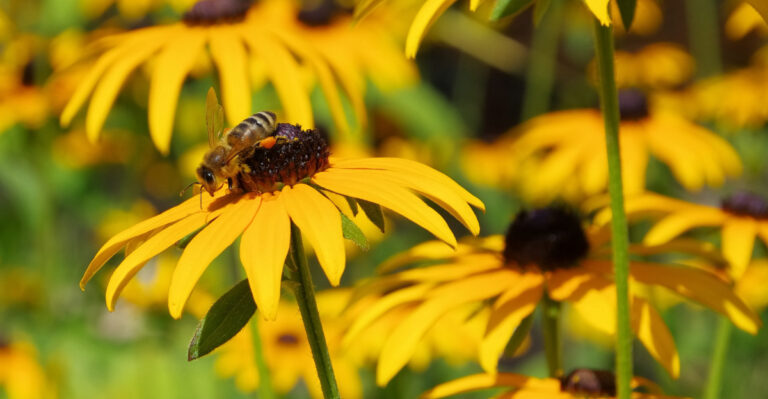
The flowers are classic, bright yellow petals surrounding a dark brown domed center, blooming abundantly from June through September. Plants grow one to three feet tall and produce dozens of blooms per plant over a long season.
Goldfinches absolutely love the seedheads in late summer and fall, so leaving plants standing after bloom provides important food for wildlife well into winter.
Black Eyed Susan handles clay soil better than almost any other native on this list, tolerating compaction and variable moisture without much complaint. It performs best in full sun and establishes quickly, often blooming in its very first season from transplant.
While it is technically a short-lived perennial, it self-seeds generously, meaning once you plant it, your Southeast Michigan garden will likely have Black Eyed Susans returning year after year on their own.
Mix it with New England Aster and Wild Bergamot for a colorful, season-spanning native planting that looks incredible, supports local wildlife, and requires very little ongoing effort to maintain beautifully.