9 Native Ohio Plants You Should Prune In Early Spring
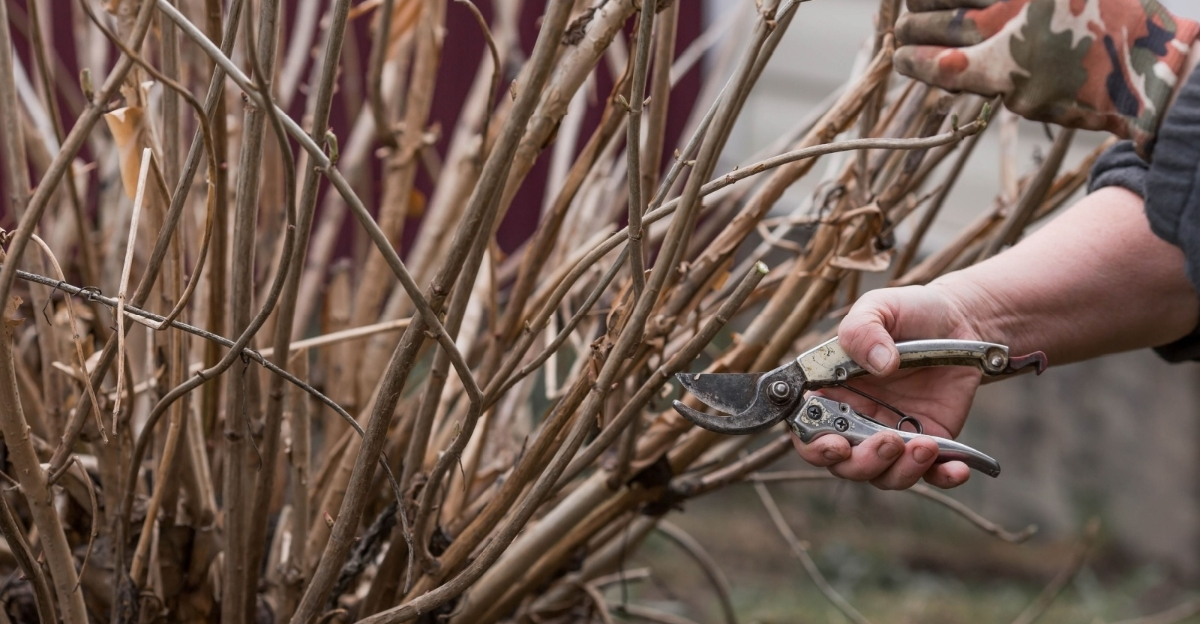
Ohio winters can feel endless, so when the first hints of spring show up, it is hard not to rush outside and start trimming everything in sight. Hold that excitement for a second.
Some native plants actually count on an early spring haircut to look their best, bloom bigger, and stay strong all season long. Catch the timing right, and your yard rewards you with fuller growth, brighter flowers, and a healthier landscape that practically takes care of itself.
Early spring is a sweet spot. Plants wake up, energy moves back into the stems, and a smart prune sets the tone for months of color and texture.
Skip it, and a few favorites may look leggy, sparse, or underwhelming. The good news is that many Ohio natives respond beautifully to this simple step.
Once you know which ones to trim, you will feel far more confident stepping into the season with pruners in hand.
1. Bring Smooth Hydrangea Back To Life
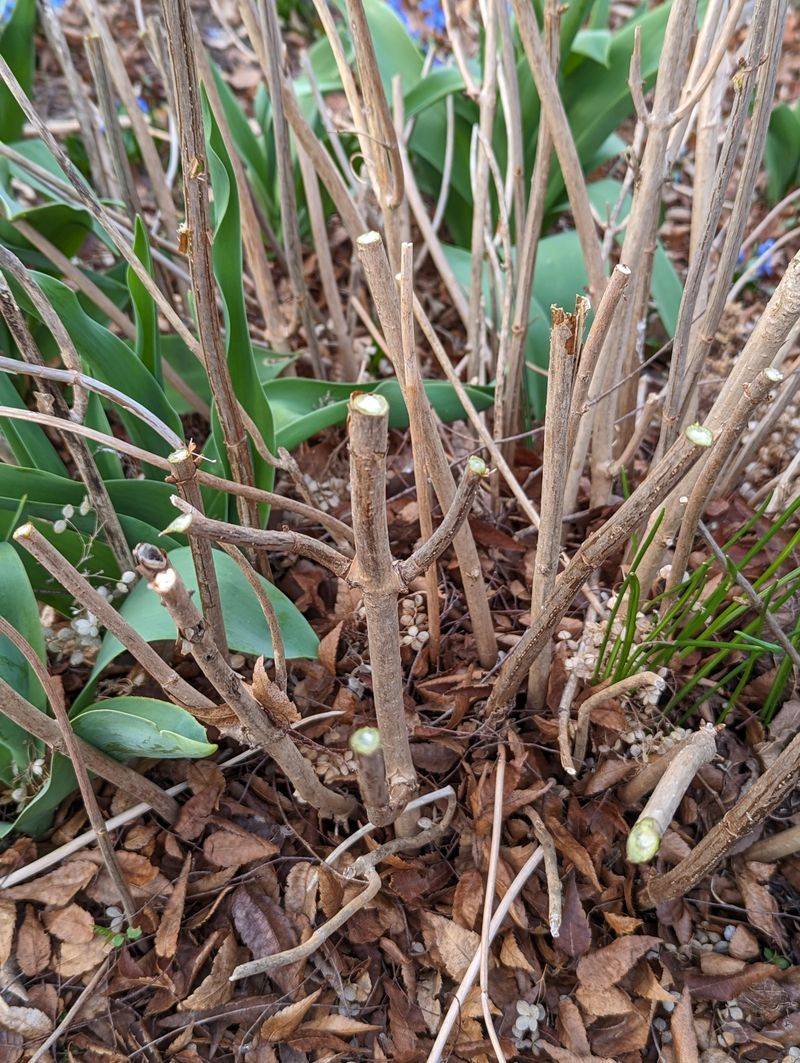
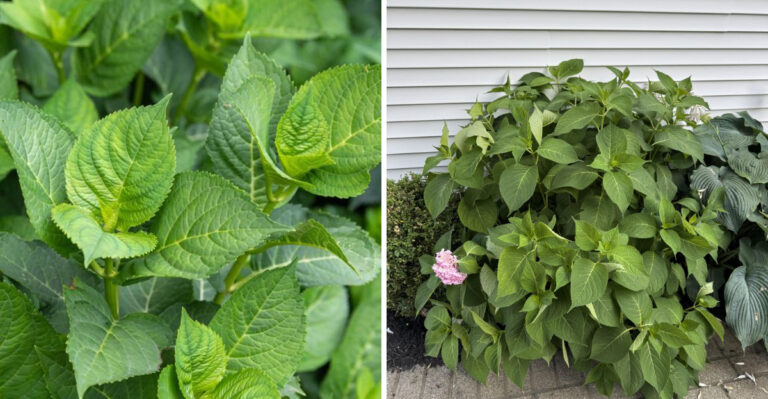
Smooth Hydrangea, known scientifically as Hydrangea arborescens, rewards Ohio gardeners who give it attention in late February through early March. Cutting back the previous year’s stems to about 12-18 inches from the ground encourages the plant to produce robust new shoots.
These fresh stems will carry the season’s spectacular white blooms that can reach dinner-plate size.
Ohio’s clay-heavy soils need amendment with organic matter to help Smooth Hydrangea establish strong roots. Mix compost or aged leaf mold into the planting area, and consider a 2-3 inch mulch layer to retain moisture through summer.
This native thrives in partial shade, making it ideal for those tricky spots under mature trees where other flowering shrubs struggle.
Watering consistently during the first growing season after rejuvenation pruning helps the plant recover quickly. Once established, Smooth Hydrangea tolerates Ohio’s summer heat reasonably well, though supplemental watering during drought periods keeps blooms looking fresh.
According to Ohio State University Extension, this species blooms on new wood, so aggressive early spring pruning won’t sacrifice flowers.
Watch for fresh green buds swelling along the stems in April as confirmation your pruning worked. By June, you’ll enjoy clusters of creamy white flowers that brighten shaded garden areas and attract beneficial pollinators throughout summer.
2. Shape Buttonbush For Full Growth
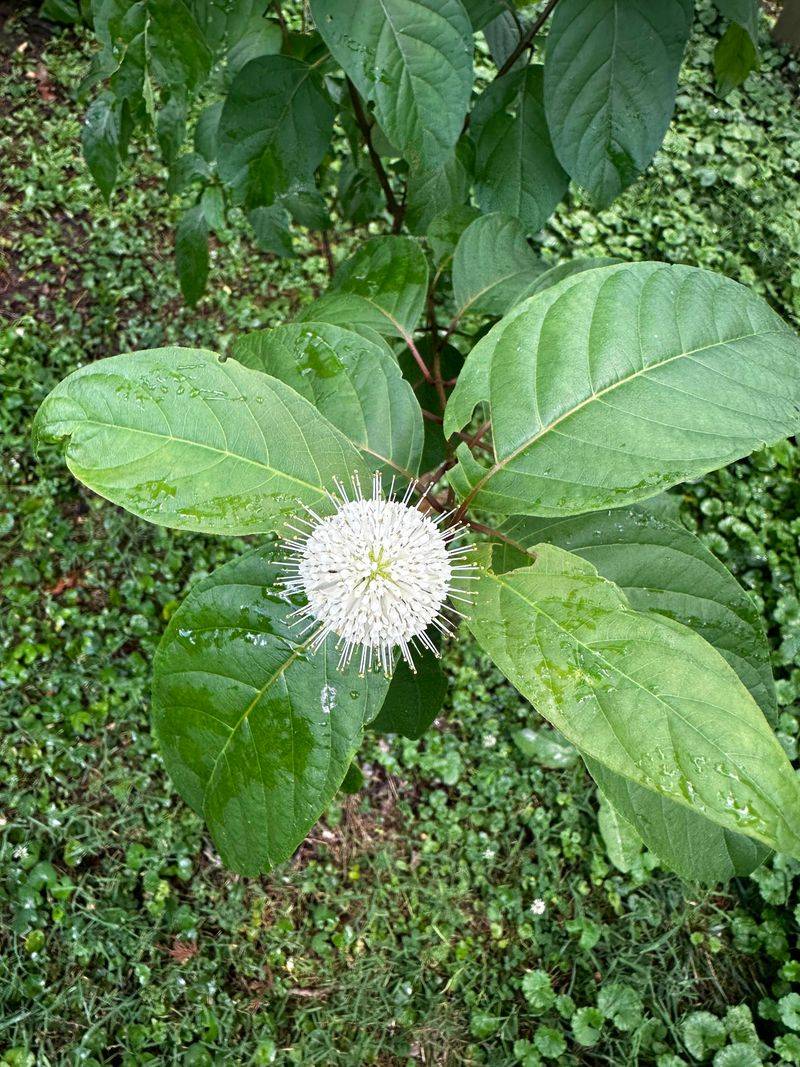
Buttonbush grows wild along Ohio’s streams and pond edges, producing distinctive spherical white flowers that look like pincushions. In garden settings, this native shrub sometimes becomes leggy or lopsided without proper shaping.
Early spring offers the chance to correct growth patterns before leaves emerge and obscure the branch structure you’re working with.
Focus on removing crossing branches and any stems damaged by winter ice or wind. Buttonbush responds well to selective thinning that opens up the center, allowing air circulation that reduces disease pressure.
This plant naturally wants to grow 6-12 feet tall with an equally wide spread, so give it room or plan to prune annually to maintain a smaller size.
The key to encouraging fuller growth lies in cutting back the longest stems by about one-third their length. Make cuts just above outward-facing buds to promote horizontal branching rather than vertical shoots.
Your Ohio Garden Changes Every Week. Your Plan Should Too.
Gardening in Ohio changes quickly throughout the season. Every Friday you’ll receive a simple weekly plan showing exactly what to plant, prune, fertilize, harvest, and protect so you never miss the right timing.
This technique creates a bushier, more attractive specimen that produces more of those unique summer blooms beloved by butterflies and hummingbirds.
Buttonbush tolerates wet feet better than most Ohio natives, making it perfect for rain gardens or low spots where water collects. After shaping, apply a balanced slow-release fertilizer to support the flush of new growth.
By midsummer, you’ll see the payoff in abundant spherical flowers that persist into fall.
3. Open Up American Elderberry
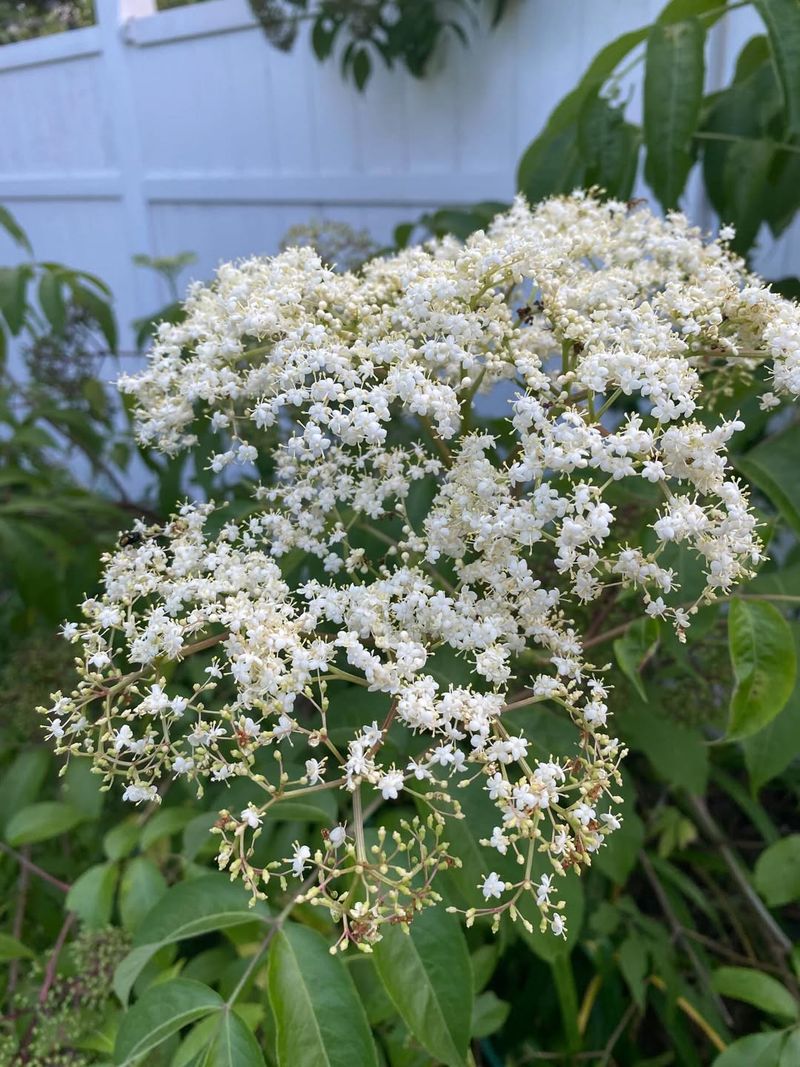
American Elderberry produces both beautiful cream-colored flower clusters and edible dark purple berries, but only when properly maintained. Older stems become woody and unproductive, so early spring thinning removes these spent canes and directs energy toward vigorous young growth.
Aim to keep 5-7 of the healthiest stems, cutting others completely to ground level.
This aggressive pruning might seem extreme, but Elderberry bounces back enthusiastically. The plant naturally sends up new shoots from the roots each year, and removing congested growth prevents the shrub from becoming an impenetrable thicket.
Better air movement through an opened-up plant also reduces problems with powdery mildew, which can plague Elderberry in Ohio’s humid summers.
Space between stems matters for flower and fruit production. When branches crowd together, interior sections don’t receive enough sunlight to form the flat-topped flower clusters that eventually become berry-laden umbels.
Proper spacing ensures each remaining stem gets adequate light exposure for maximum bloom potential.
Always wear gloves when handling Elderberry, as raw stems and leaves contain compounds that irritate skin for some people. The berries require cooking before consumption to eliminate similar compounds.
According to horticultural research, only the flowers and properly cooked berries should be used. After pruning, you’ll notice stronger, straighter canes emerging by late spring, setting up an abundant harvest for late summer.
4. Boost New Jersey Tea Blooms
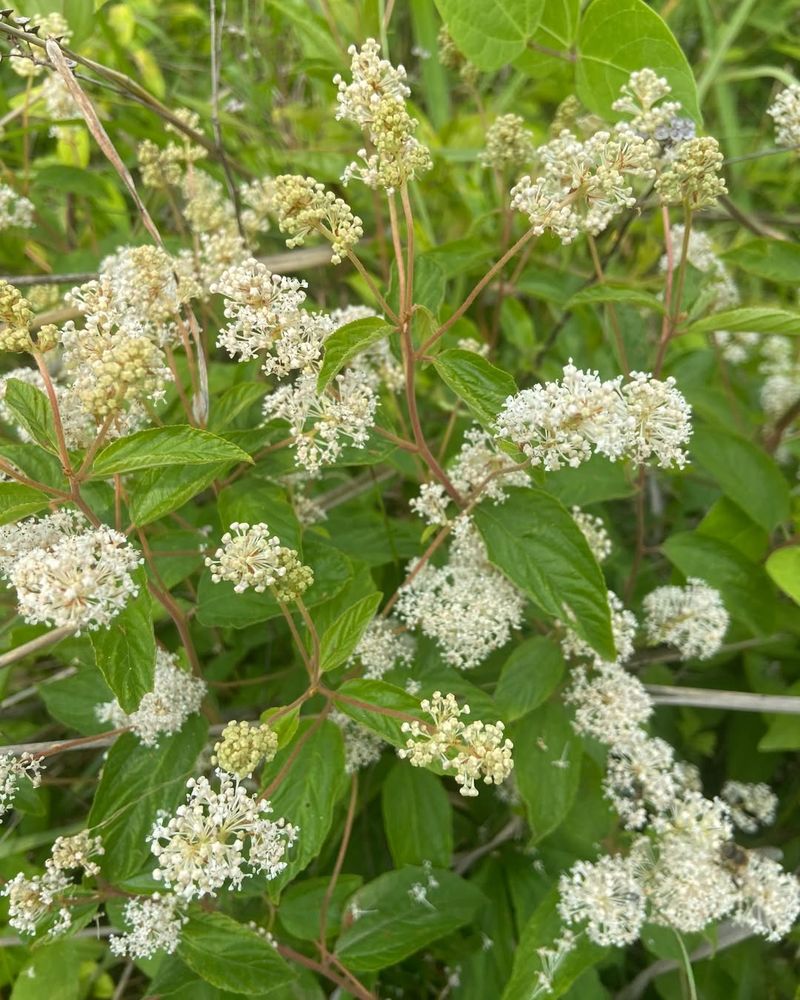
New Jersey Tea might have a misleading name for Ohio gardeners, but this compact native shrub thrives throughout the Buckeye State. Its delicate white flower clusters appear in late spring and early summer, providing nectar for countless butterflies and native bees.
Getting the most blooms requires strategic pruning combined with appropriate fertilization and site selection.
Cut back the previous year’s growth by about half in early March, before buds break dormancy. New Jersey Tea blooms on current season’s wood, so this hard pruning stimulates fresh shoots that will carry abundant flowers.
The plant naturally stays relatively small, typically 2-4 feet tall, making it suitable for front-of-border placements or foundation plantings.
Full sun exposure maximizes bloom production, though New Jersey Tea tolerates light shade in southern Ohio where summer heat intensifies. This species has deep roots that fix nitrogen, actually improving soil quality over time.
Avoid heavy fertilization, which promotes leafy growth at the expense of flowers. A light application of compost in early spring provides sufficient nutrients without overwhelming the plant.
Ohio State University research notes that New Jersey Tea tolerates drought once established, thanks to those deep roots. After pruning and as growth begins, water regularly for the first month to support the flush of new stems.
By June, you’ll see why this underutilized native deserves more attention in Ohio gardens.
5. Red Osier Dogwood Shows Its Best Color
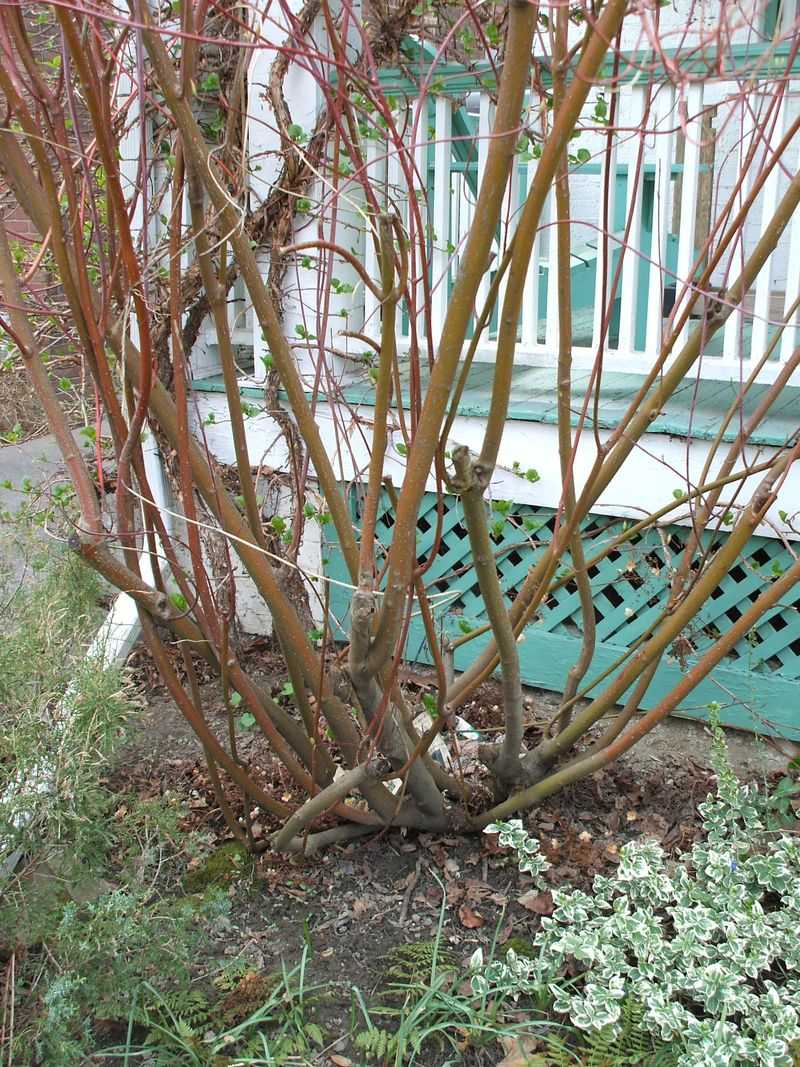
Winter landscapes in Ohio can look dreary, but Red Osier Dogwood provides brilliant crimson stems that practically glow against snow or gray skies. Maintaining that eye-catching color requires understanding which stems produce the best pigmentation.
Young growth, typically one to three years old, displays the most vibrant red, while older wood fades to dull gray-brown.
Early spring pruning focuses on removing the oldest, least colorful stems completely at ground level. This selective thinning encourages the plant to generate fresh shoots that will mature into next winter’s color display.
Some gardeners remove one-third of the oldest canes annually, while others practice more aggressive renewal by cutting the entire shrub to 6 inches every few years.
Site conditions influence stem color intensity. Red Osier Dogwood produces the deepest reds when grown in full sun with consistent moisture.
This species naturally inhabits wetland edges throughout Ohio, so it excels in rain gardens, beside ponds, or in areas with poor drainage that challenges other shrubs. Clay soils pose no problem for this adaptable native.
After pruning, consider applying a thin layer of compost around the base, keeping it a few inches away from the stems. As new shoots emerge and elongate through spring and summer, they’ll develop the red pigmentation that intensifies with fall’s arrival and peaks during winter dormancy.
The payoff for early spring work comes months later when your landscape sparkles with natural color.
6. Renew Native Spireas
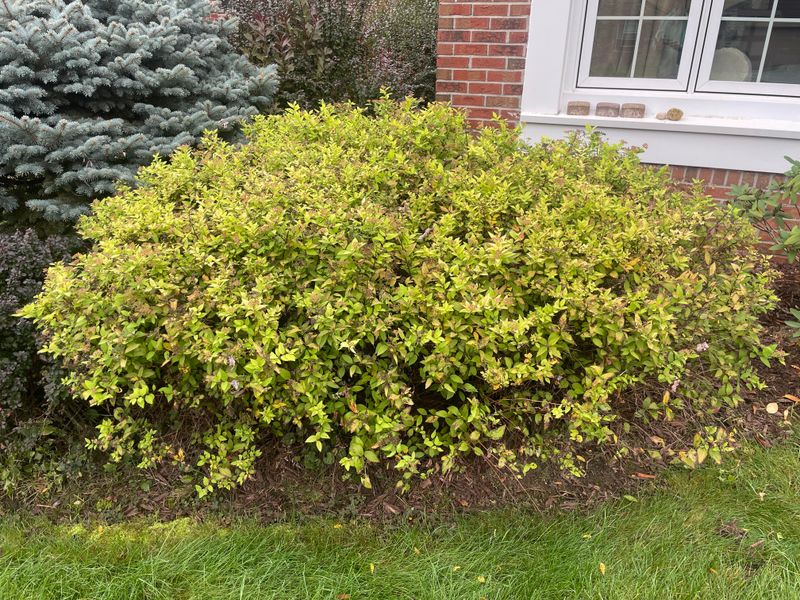
Several Spirea species native to Ohio or adapted to local conditions benefit from rejuvenation pruning in early spring. These deciduous shrubs sometimes become overgrown, with dense interiors that harbor few flowers and collect withered leaves.
Renewal pruning transforms tired specimens into vigorous, bloom-covered plants within a single growing season.
For severely overgrown Spireas, cutting the entire plant to 4-6 inches above ground level shocks it into producing numerous fresh shoots. This drastic approach works best on plants that have gone years without proper maintenance.
If your Spirea still has reasonable form, selective removal of the oldest one-third of stems provides gentler renewal while maintaining some structure.
Native Spireas typically bloom on new wood, meaning current season’s growth carries the flowers. This growth pattern makes them forgiving of aggressive pruning, unlike some spring-blooming shrubs that set buds the previous year.
Time your pruning for late February through early March in most of Ohio, or slightly later in northern counties where spring arrives more slowly.
After cutting, Spireas respond enthusiastically to a light feeding with balanced fertilizer. These tough shrubs tolerate various soil types common across Ohio, from heavy clay to sandy loam.
Adequate moisture during the first few weeks after pruning supports rapid regrowth. By late May or June, renewed Spireas will be covered in pink or white flower clusters that attract butterflies and add cheerful color to the landscape.
7. Switchgrass Comes Alive With Cuts
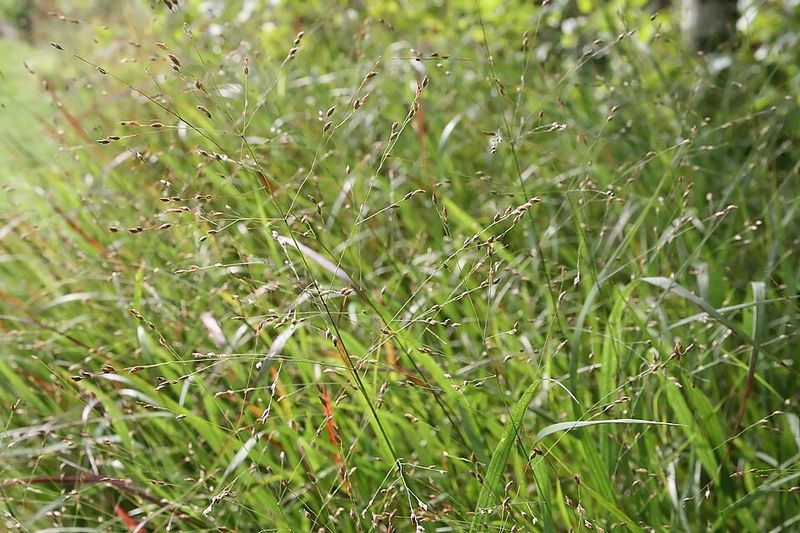
Switchgrass stands as one of Ohio’s most versatile native grasses, offering vertical interest, graceful movement, and habitat value. Old growth from the previous season needs removal before new shoots emerge in spring.
Unlike shrubs, ornamental grasses like Switchgrass should be cut back to about 4-6 inches from the ground, clearing away all the tan, dried foliage.
Timing matters with warm-season grasses. Cut too early while soil remains cold, and you expose emerging shoots to potential frost damage.
Wait for consistent soil temperatures above 50 degrees Fahrenheit, typically mid-March through early April across most of Ohio. Northern counties may need to wait until mid-April for safe cutting weather.
Use sharp hedge shears or even a chainsaw for large clumps, cutting straight across the top of the grass bundle. Some gardeners gather the foliage with rope or bungee cords before cutting to make cleanup easier.
The dried material makes excellent mulch when shredded or can be added to compost piles for organic matter.
After cutting, Switchgrass quickly sends up fresh green blades that develop into an upright, fountain-like form by early summer. This grass tolerates various soil conditions throughout Ohio and requires no fertilization in most situations.
By midsummer, airy seed heads appear above the foliage, creating beautiful backlit displays when caught by low-angle sunlight. The plant’s fall color ranges from gold to burgundy, providing season-long interest.
8. Little Bluestem Stays Vibrant
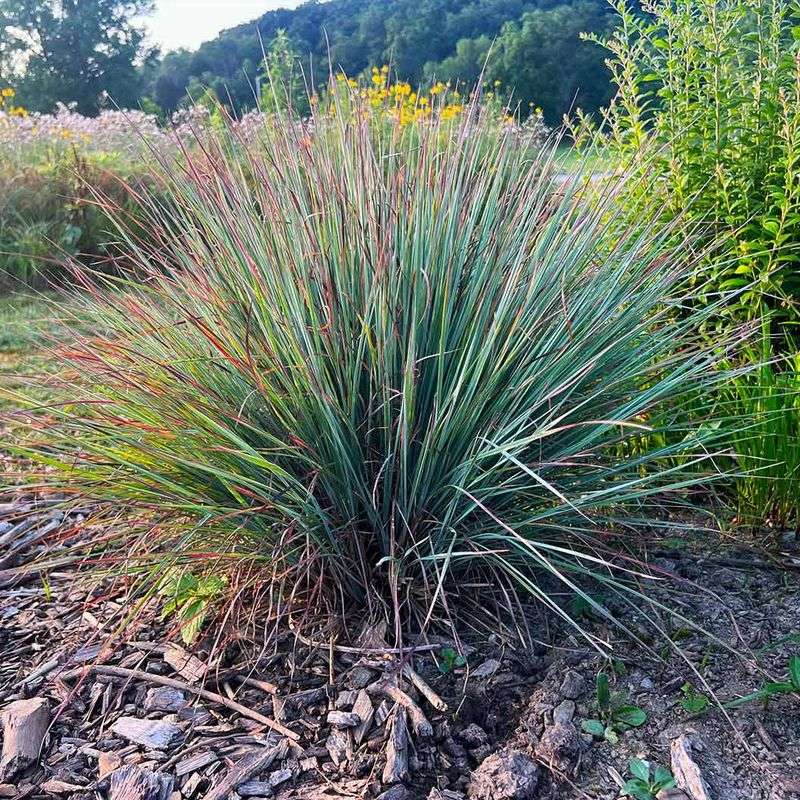
Little Bluestem earned its common name from the blue-green cast of its summer foliage, but many Ohio gardeners treasure it most for spectacular fall color. This clump-forming native grass transforms to shades of copper, burgundy, and orange as temperatures drop, holding that color well into winter.
Maintaining health and vibrant seasonal display requires annual trimming.
Cut Little Bluestem back to 3-4 inches in early spring, removing all the previous year’s growth. This grass qualifies as a warm-season species, meaning it begins active growth later than cool-season types.
Cutting too early provides no benefit and may expose tender new shoots to late frost. Mid-March through early April works well for most Ohio locations.
Little Bluestem thrives in lean soils and actually performs poorly with excessive fertilization or rich garden soil. This prairie native evolved in nutrient-poor conditions, developing deep roots that access water and minerals beyond the reach of shallow-rooted plants.
In Ohio gardens, it tolerates drought exceptionally well once established, making it ideal for challenging sites.
After trimming, watch for new blue-green blades emerging from the crown in late April or May. The grass slowly develops into an upright clump 2-3 feet tall, with fluffy seed heads appearing in late summer.
Those seeds provide food for songbirds through fall and winter. The plant’s compact size and seasonal color progression make it valuable for mixed borders, prairie plantings, or mass plantings throughout Ohio landscapes.
9. Wild Bergamot Thrives After Pruning
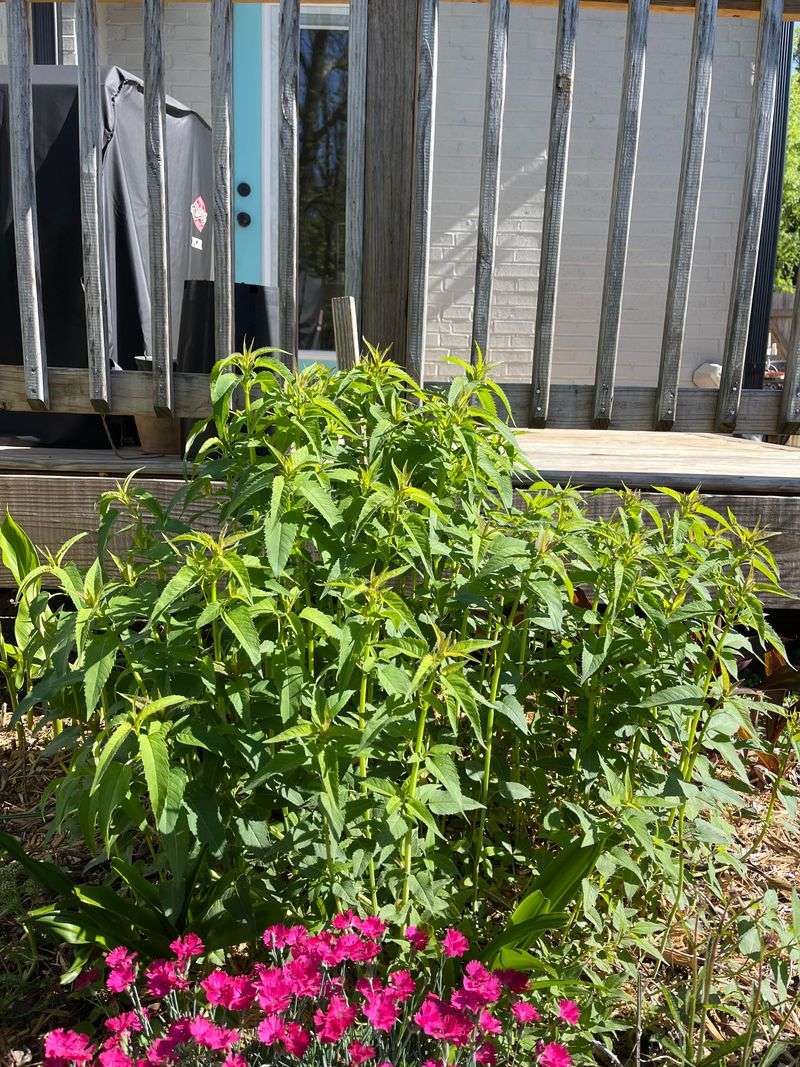
Wild Bergamot, also called Bee Balm, stands among Ohio’s most valuable native perennials for pollinator support. Its lavender-pink flowers attract butterflies, native bees, and hummingbirds throughout summer.
This member of the mint family spreads through underground rhizomes and self-seeding, sometimes becoming more enthusiastic than gardeners prefer. Strategic pruning helps maintain plant health while controlling spread.
Cut back all withered stems to ground level in early spring, removing the dried flower heads and foliage that harbored the previous year’s blooms. Wild Bergamot goes dormant completely over winter, with new growth emerging from the crown and spreading rhizomes as soil warms.
Clearing old growth reduces disease pressure and prevents powdery mildew spores from overwintering.
Consider dividing overgrown clumps every 3-4 years during this early spring cleanup. Dig up the entire plant, separate it into smaller sections with roots attached, and replant divisions with improved spacing.
This rejuvenation prevents the center of the clump from becoming woody and unproductive. Better air circulation between plants also minimizes mildew problems that sometimes affect Wild Bergamot in humid Ohio summers.
As new growth appears in late April, pinching back stem tips when plants reach 12 inches tall encourages bushier, more compact growth with additional flower production. Wild Bergamot prefers full sun and well-drained soil but tolerates various conditions across Ohio.
The aromatic foliage releases a pleasant scent when brushed, and leaves can be harvested for tea, adding practical value to this beautiful native.