The Plants That Truly Grow Well In Michigan’s Upper Peninsula
Gardening in Michigan’s Upper Peninsula is not for the faint of heart, yet that is exactly what makes it so rewarding. Long winters, brisk winds, and a short growing season can challenge even experienced gardeners, but the UP has a quiet advantage.
Certain plants are perfectly adapted to these northern conditions and respond with impressive strength and beauty when given the chance.
Instead of struggling against the climate, these hardy selections embrace it, returning each year with reliable growth and vibrant displays.
Choosing plants built for the Upper Peninsula means fewer setbacks, stronger roots, and a garden that feels confident rather than delicate. The key is knowing which varieties truly thrive in cooler soils and shorter summers.
With the right lineup, even a northern Michigan landscape can burst with color and life. These eleven resilient plants are ready to show just how spectacular an Upper Peninsula garden can be.
1. Serviceberry Native Hardy And Reliable
Few plants earn the loyalty of UP gardeners quite like the serviceberry. Amelanchier species are native to Michigan’s Upper Peninsula, which means they evolved right alongside the region’s punishing winters, heavy snowfall, and short summers.
That kind of natural toughness is hard to beat in a landscape plant.
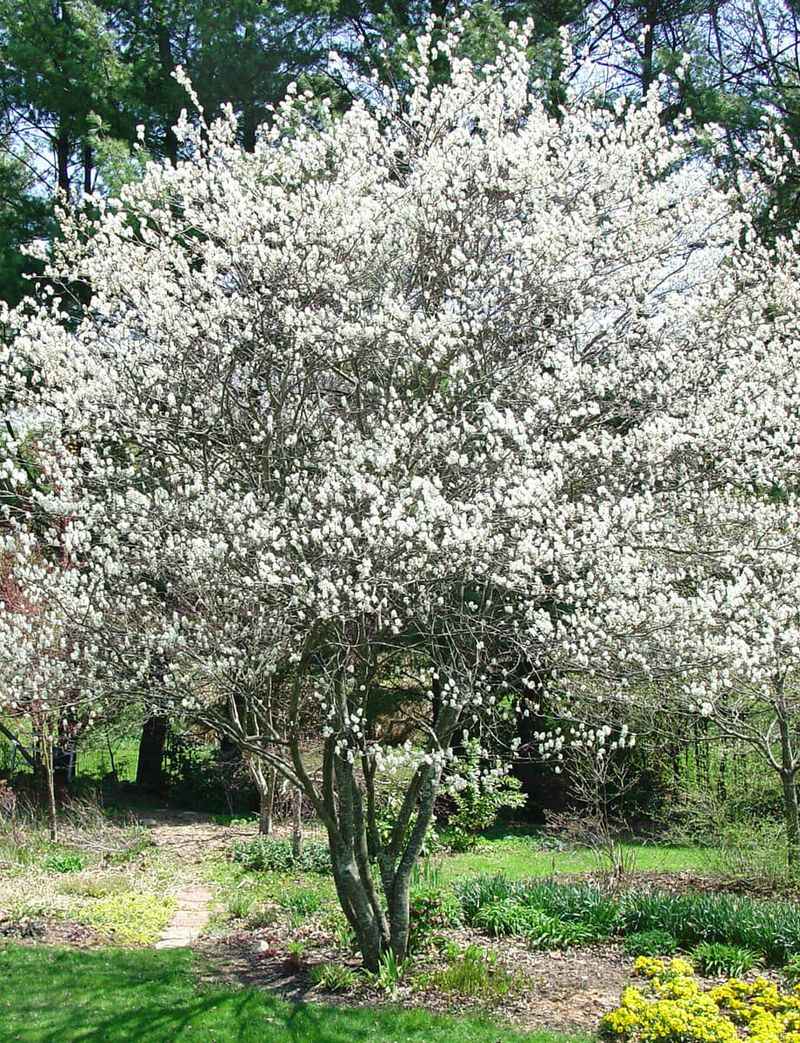
Serviceberries grow as either large shrubs or small trees, typically reaching between 6 and 25 feet tall depending on the species. In early spring, they burst into clouds of delicate white flowers before most other plants even wake up.
Those blooms are followed by sweet, blueberry-like fruits that birds and wildlife absolutely go crazy for throughout the summer months.
Beyond their beauty, serviceberries offer four-season interest. Spring brings flowers, summer delivers fruit, fall lights up the garden with orange and red foliage, and winter reveals smooth gray bark against the snow.
They perform reliably in both full sun and partial shade, and they adapt well to a wide range of soil types found across the UP. Planting one near a window means you get a front-row seat to the wildlife activity they attract.
For gardeners who want a dependable, low-maintenance native plant that earns its place in the landscape every single year, the serviceberry is an easy and rewarding choice worth making.
2. Red Osier Dogwood Thrives In Cold And Wet Soil
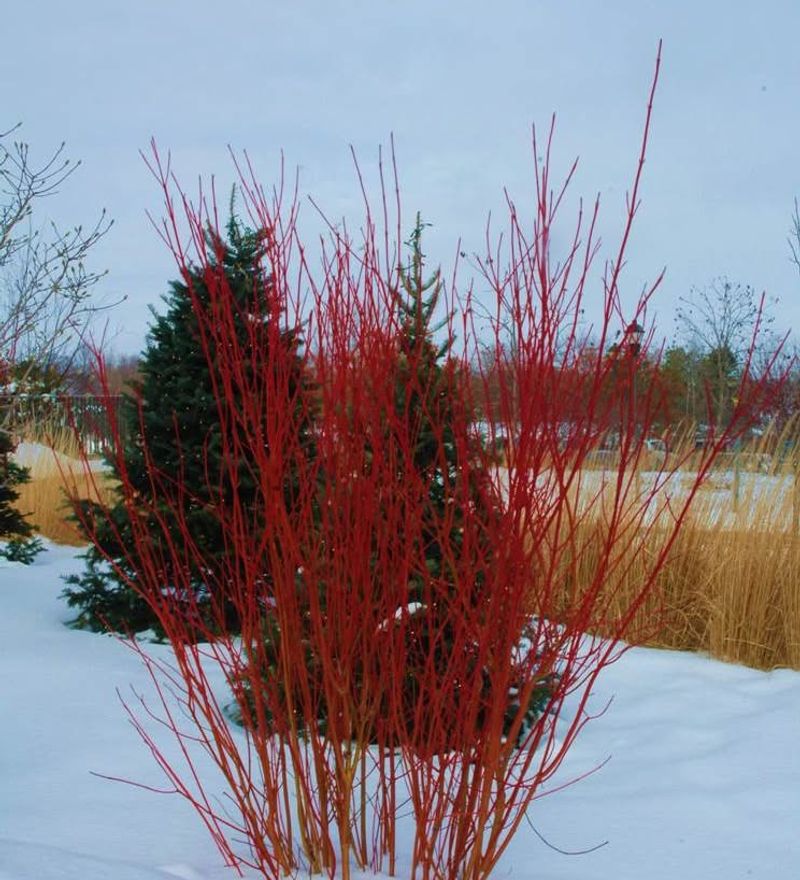
Walk past a red osier dogwood in January and you will immediately understand why UP gardeners love it so much. Cornus sericea is famous for its vivid, fire-engine red stems that absolutely glow against a backdrop of fresh white snow.
When most of the garden looks dormant and grey, this shrub puts on a show that feels almost theatrical.
Native to northern Michigan, red osier dogwood is perfectly suited to the UP’s challenging conditions. It thrives in wet or heavy soils that would stress out many other landscape plants, making it ideal for low-lying areas, stream banks, or spots in the yard that tend to stay soggy after rain or snowmelt.
That kind of versatility is genuinely valuable in a region where drainage can be unpredictable.
Your Michigan Garden Changes Every Week. Your Plan Should Too.
Gardening in Michigan changes quickly throughout the season. Every Friday you’ll receive a simple weekly plan showing exactly what to plant, prune, fertilize, harvest, and protect so you never miss the right timing.
During the growing season, the shrub produces clusters of small white flowers in late spring and early summer, followed by white or bluish berries that attract songbirds and other wildlife.
The foliage turns a lovely reddish-purple in fall before dropping to reveal those brilliant stems once more.
Red osier dogwood spreads naturally through suckering, so it works beautifully as a mass planting for erosion control along slopes or streambanks.
Pruning a few older stems each year keeps the new growth the brightest red possible, giving you the most dramatic winter display year after year.
3. White Spruce Handles Extreme Cold
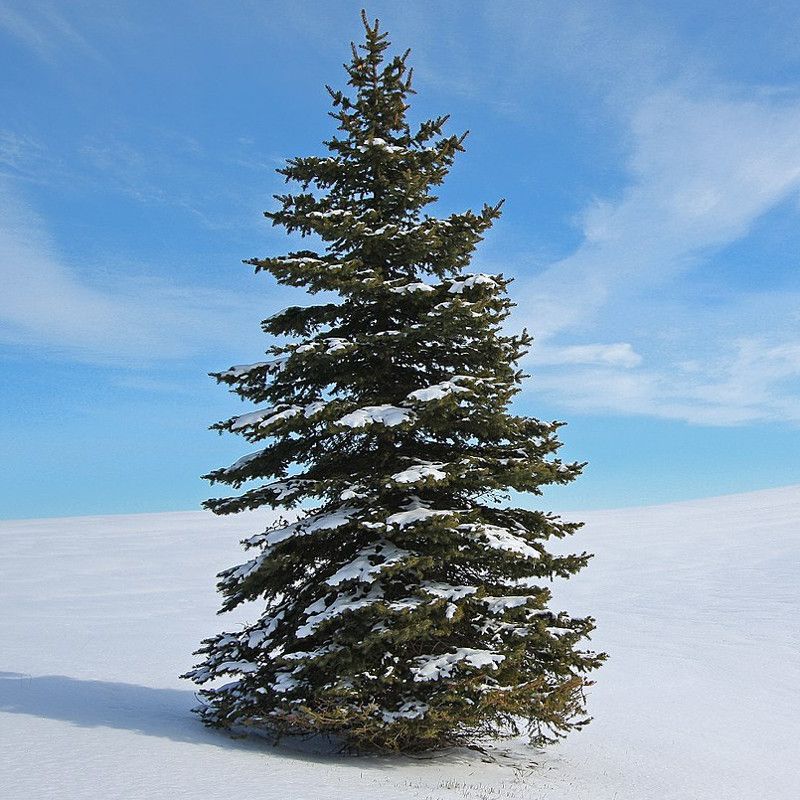
If there is one tree that feels like it was made for Michigan’s Upper Peninsula, the white spruce is it.
Picea glauca is native to the UP and has spent thousands of years adapting to exactly the kind of extreme cold, deep snow, and short growing seasons that define life in northern Michigan.
It does not just survive these conditions; it genuinely thrives in them. White spruce is a medium to large evergreen conifer that can grow 40 to 60 feet tall at maturity, with a classic pyramidal shape that holds up beautifully under heavy snow loads.
The branches are naturally flexible and angled to shed snow rather than break under its weight, which is a smart evolutionary adaptation for a tree that spends months under winter conditions.
The dense, blue-green needles stay on the tree year-round, providing structure and color even in the depths of February.
From a practical standpoint, white spruce is an excellent windbreak tree for UP properties exposed to harsh north winds. Planting a row along the northern or western edge of a property can dramatically reduce wind exposure for the rest of the garden.
The tree also provides year-round shelter for birds and small wildlife, making it a living habitat as much as a landscape plant.
Hardy to Zone 2, white spruce handles temperatures that would challenge nearly any other landscape tree, making it a cornerstone planting for Upper Peninsula gardens.
4. Little Bluestem Survives Harsh Winters With Deep Roots
There is something quietly impressive about a grass that can anchor itself through a Zone 3 winter and come back stronger every spring.
Little bluestem, known botanically as Schizachyrium scoparium, does exactly that, thanks to a deep and extensive root system that can reach several feet into the soil.
Those roots lock in moisture, prevent erosion, and keep the plant firmly grounded through even the harshest Michigan winters.
Native to North American prairies, little bluestem is well adapted to the poor, sandy, or rocky soils found in many parts of the Upper Peninsula. It does not need rich garden soil or heavy fertilization to perform well.
In fact, overly fertile soil tends to make it flop rather than stand upright. Lean conditions suit it perfectly, which makes it a natural fit for challenging UP garden spots where other plants struggle.
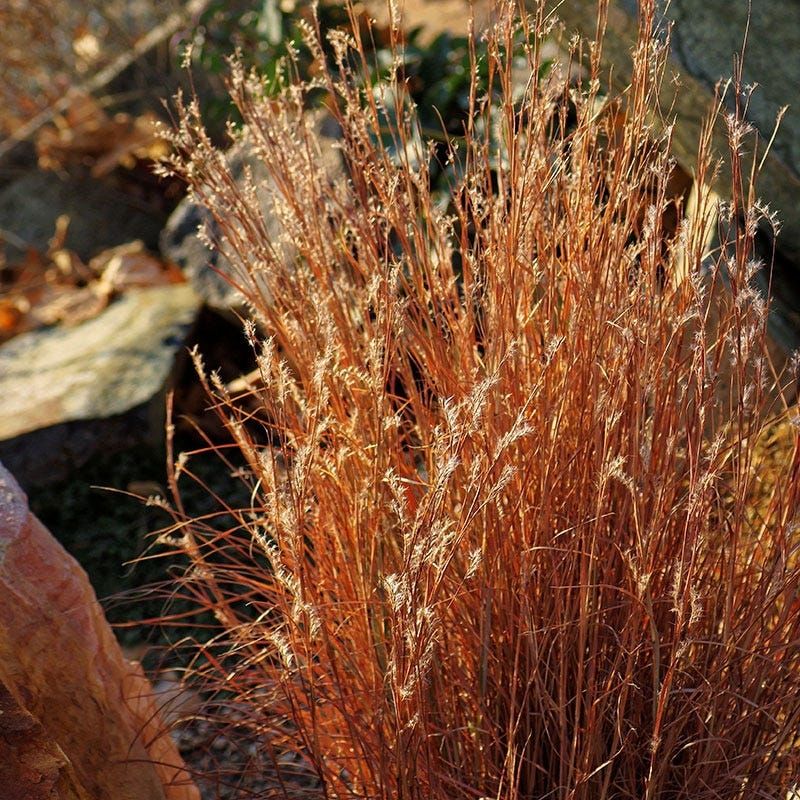
The real visual payoff comes in late summer and fall, when the foliage transforms into a warm blend of copper, orange, and reddish-bronze tones that catch the light beautifully. Fluffy white seed heads add texture and attract birds through the winter months.
Little bluestem grows 2 to 4 feet tall and works wonderfully in naturalistic plantings, rain gardens, or mixed perennial borders. Cutting it back to about 4 inches in early spring keeps it tidy and encourages fresh growth.
For UP gardeners looking for a tough, low-maintenance native grass, this one truly delivers season after season.
5. Siberian Iris Performs Well In Northern Climates
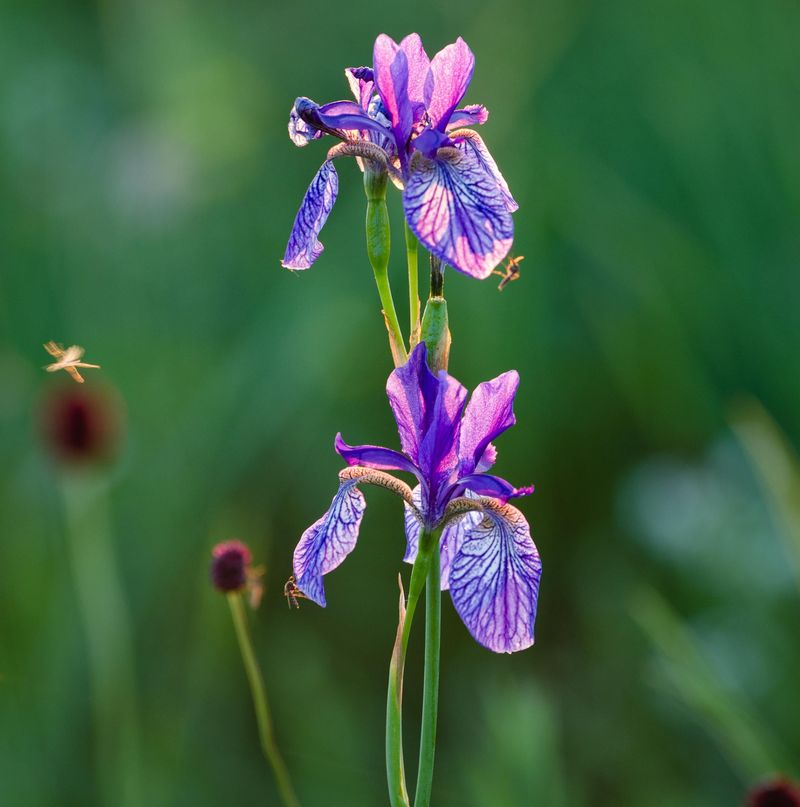
Bold, elegant, and impressively cold-tough, the Siberian iris has been winning over northern gardeners for generations.
Unlike some of its more delicate iris cousins, Siberian iris is built for cold climates and performs reliably in Upper Peninsula gardens year after year without a lot of fussing or babying.
That combination of beauty and resilience is exactly what UP gardeners need. Iris sibirica is fully hardy in Zones 3 and 4, which covers most of the Upper Peninsula’s growing conditions.
It produces stunning blooms in shades of purple, blue, violet, white, and yellow in late spring to early summer, rising gracefully on slender stems above neat, upright foliage.
Even after the flowers fade, the grass-like leaves remain attractive throughout the entire growing season, adding texture and structure to the garden bed.
One thing that makes Siberian iris especially practical for UP gardens is its adaptability to moisture.
It handles both average garden soil and slightly wetter conditions without complaint, which is useful in a region where spring snowmelt can leave garden areas saturated for weeks.
Established clumps grow larger over time and can be divided every few years to create more plants for other spots in the garden. Full sun to light shade suits it well.
Minimal pest pressure and strong weather resistance make Siberian iris one of the most rewarding perennials you can grow in northern Michigan, and once you plant it, you will wonder why you waited so long.
6. Peonies Thrive In Long Cold Winters
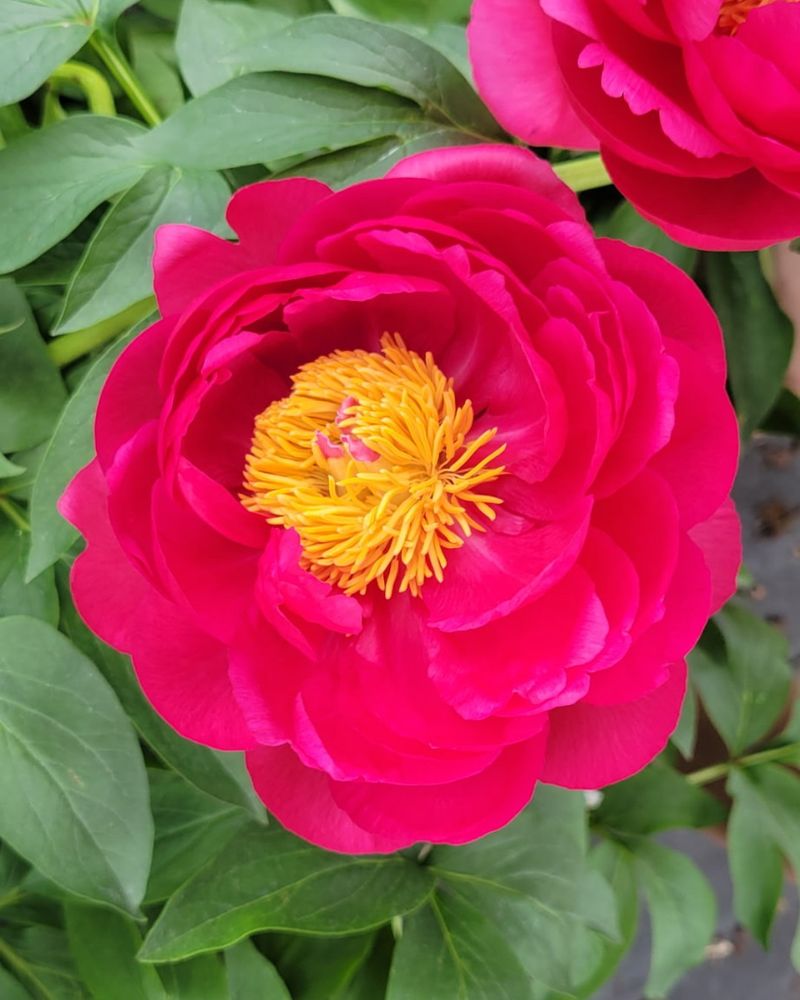
Peonies and the Upper Peninsula were practically made for each other. These lush, fragrant perennials actually require a period of winter cold to produce their best blooms, and the UP delivers that chilling requirement with absolute reliability every single year.
Gardeners in warmer climates often struggle to get peonies to bloom consistently, but UP gardeners rarely face that problem.
Herbaceous peonies, the most common type grown in home gardens, are hardy to Zone 3 and perform beautifully across northern Michigan.
They produce large, showy blooms in shades of white, pink, red, and coral, often with a rich fragrance that fills the garden in early summer.
The blooms typically appear in late May through June in the Upper Peninsula, creating a spectacular display that lasts for several weeks when different varieties are chosen thoughtfully.
Planting depth matters a lot with peonies. The eyes, which are the pink buds visible on the roots, should be planted no more than 1 to 2 inches below the soil surface.
Too deep and the plant may produce only foliage without any flowers. Beyond that, peonies are remarkably self-sufficient.
They do not need dividing for many years, and established clumps can bloom reliably for decades with minimal care. A sunny location with well-drained soil and a little compost worked in at planting time is really all they ask for.
In the UP, peonies are genuinely one of the most dependable and rewarding perennials you can grow.
7. Daylilies Are Durable And Cold Tolerant
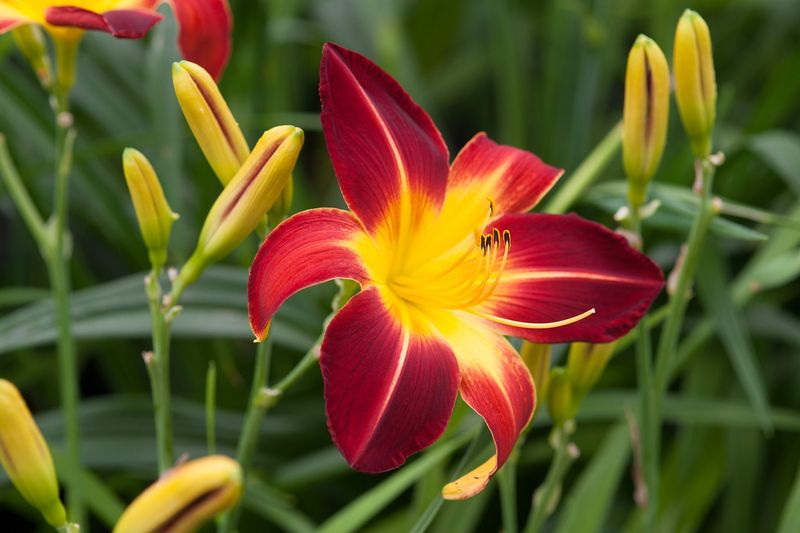
Ask any experienced UP gardener which perennial they trust the most, and daylilies will come up in the conversation almost every time. Hardy varieties of Hemerocallis are rated for Zones 3 and 4, putting them squarely within the Upper Peninsula’s growing range.
They come back reliably every spring, spread steadily to fill garden space, and bloom prolifically through the summer with minimal effort from the gardener.
Daylilies come in an enormous range of colors, from bright orange and yellow classics to deep burgundy, lavender, and bicolor varieties.
Each individual flower lasts only one day, but a healthy plant produces dozens of buds over a bloom period that can stretch several weeks.
Choosing early, mid-season, and late-blooming varieties extends the color show from June through August in northern Michigan, keeping the garden looking lively through much of the short growing season.
One of the best things about daylilies is their adaptability to different soil and light conditions. They perform best in full sun with well-drained soil, but they tolerate partial shade and handle the heavier clay soils found in parts of the UP without too much protest.
They are also notably drought-tolerant once established, which is helpful during dry spells. Dividing clumps every four to five years keeps them blooming at their peak and gives you extra plants to spread around the garden or share with neighbors.
For reliable summer color in UP gardens, daylilies are genuinely hard to beat.
8. Hosta Grow Well In Cool Summers
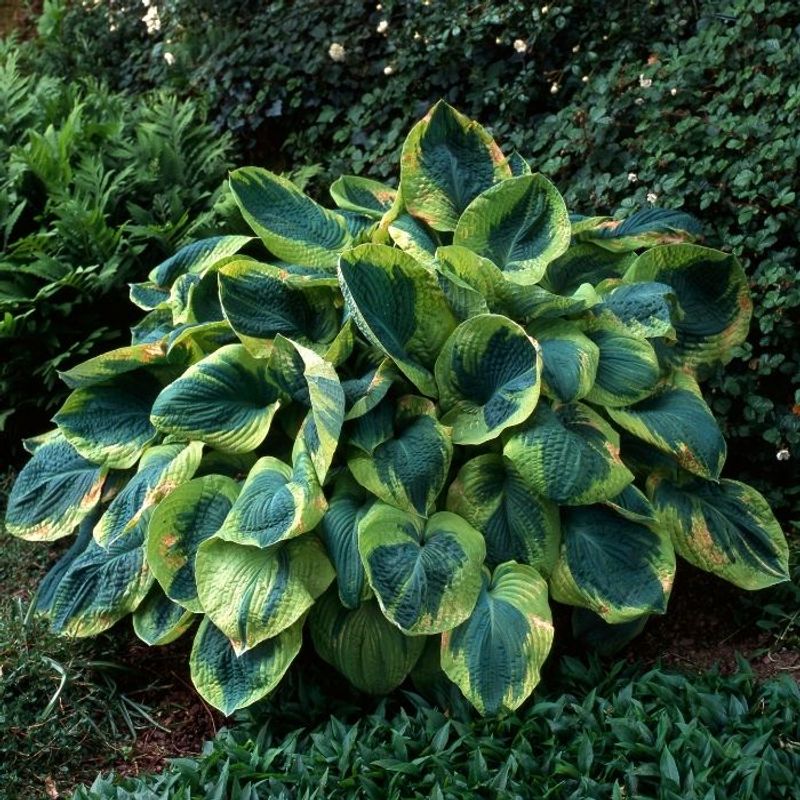
Hostas have a well-earned reputation as the workhorses of the shade garden, but in Michigan’s Upper Peninsula, they enjoy an extra advantage that gardeners in warmer regions simply cannot offer.
The UP’s naturally cool summer temperatures slow down the leaf-scorching and slug pressure that often trouble hostas grown farther south.
Up here, hostas often look fresher and more vibrant well into late summer than they do almost anywhere else in the Midwest.
Hardy to Zone 3, hostas are fully capable of handling the UP’s winters when given a bit of mulch protection in their first year. After that, established plants come back reliably year after year, gradually expanding into impressive clumps of bold, textured foliage.
Varieties range from miniature types just a few inches tall to giant specimens that reach 3 to 4 feet in height with leaves as large as dinner plates. Foliage colors span blue-green, chartreuse, gold, white, and countless variegated combinations.
The ideal spot for hostas in a UP garden is under deciduous trees, where they receive dappled light and benefit from the leaf litter that enriches the soil over time. Morning sun with afternoon shade also works beautifully.
Hostas produce tall flower spikes in mid to late summer, typically in lavender or white, which add a pleasant vertical element to the shade garden.
Pair them with ferns, astilbe, or bleeding heart for a layered, lush look that thrives naturally in northern Michigan’s cool, moist conditions.
9. Black Eyed Susan Native And Adaptable
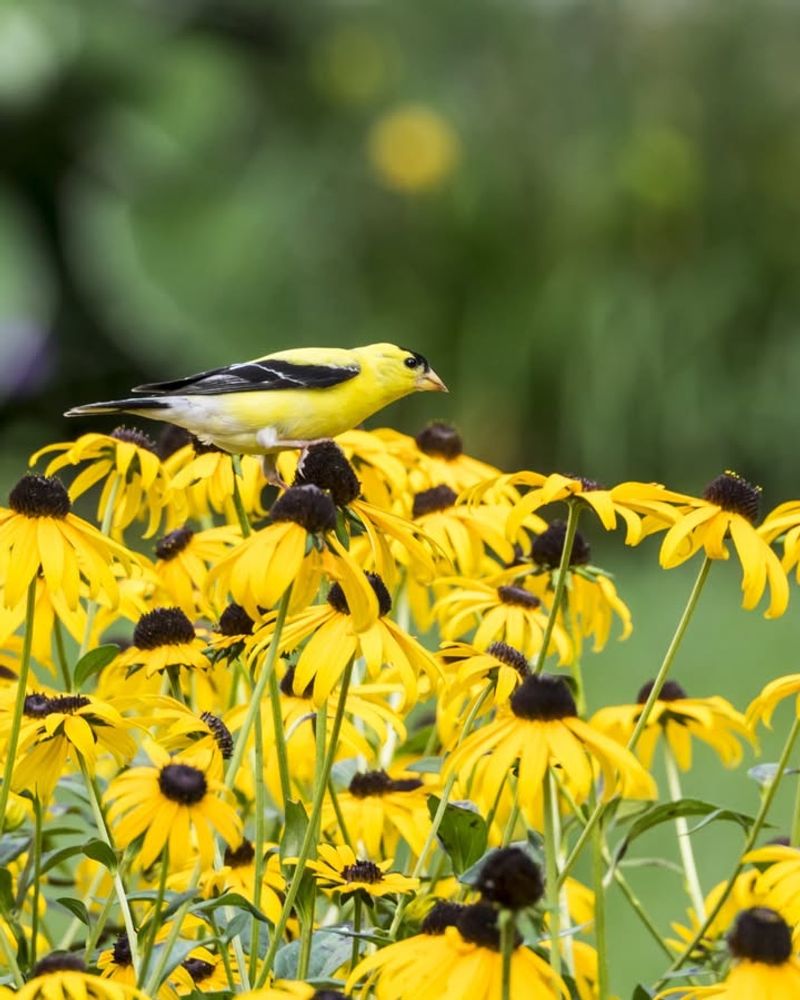
Cheerful, tough, and completely at home in Michigan’s Upper Peninsula, black-eyed Susan is one of those native wildflowers that makes gardening feel effortless.
Rudbeckia hirta is native to Michigan, which means it evolved under the same conditions UP gardeners deal with every season, including cold winters, variable spring weather, and sometimes dry summer spells.
That native toughness translates directly into strong garden performance without a lot of intervention.
The flowers are hard to miss. Bright golden-yellow petals surround a dark brown center cone, creating a bold, sunny display from midsummer through early fall.
In the Upper Peninsula, where the growing season is relatively short, black-eyed Susan’s long bloom time is especially valuable. It keeps the garden looking colorful and alive during the weeks when earlier perennials have already finished and fall has not quite arrived yet.
Black-eyed Susan thrives in full sun and adapts to a wide range of soil conditions, including the sandy or rocky soils common in many parts of the UP.
It handles dry conditions well once established, making it a smart choice for areas of the garden that do not receive regular watering.
The seed heads that form after blooming are a favorite food source for goldfinches and other small birds through the fall and winter. Allowing the plants to self-seed naturally creates a gradually expanding colony of flowers over time.
For a native plant that delivers real seasonal value in northern Michigan, black-eyed Susan is a standout choice.
10. Rugosa Roses Handle Cold And Wind
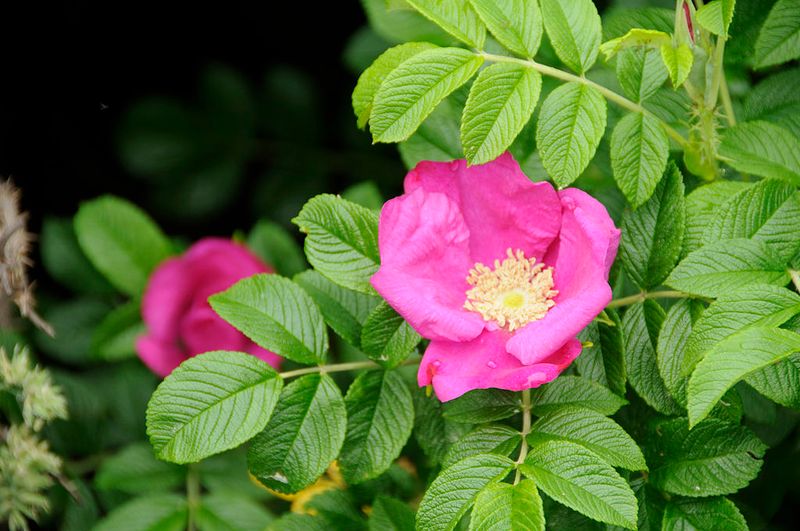
Most roses require coddling, winter wrapping, and careful protection to survive northern winters. Rugosa roses are a completely different story.
Rosa rugosa is one of the toughest roses in existence, fully hardy to Zone 2, and perfectly capable of handling the brutal cold, wind, and heavy snowfall that Michigan’s Upper Peninsula delivers every winter. No wrapping, no mounding, no special protection needed.
Rugosa roses produce large, fragrant flowers in shades of pink, white, magenta, and deep red throughout the summer, often blooming in repeated flushes from June through September.
After the petals drop, the plants develop large, tomato-red rose hips that are not only ornamentally beautiful but also rich in Vitamin C and edible.
Those hips persist on the plant well into winter, providing food for birds and visual interest against the snow.
The foliage of rugosa roses is distinctively wrinkled and leathery, giving the plant a rugged, textured look that suits the UP landscape beautifully.
The shrubs typically grow 4 to 6 feet tall and wide, forming dense, thorny thickets that work well as informal hedges or windbreaks.
They thrive in sandy, well-drained soils and tolerate salt spray, which makes them a popular choice along Michigan’s Great Lakes shorelines. Rugosa roses need very little pruning and almost no fertilizing to perform well.
For UP gardeners who want roses without the high-maintenance headache, rugosa is the clear and obvious answer.
11. Highbush Cranberry Tolerates Cold And Wet Soil
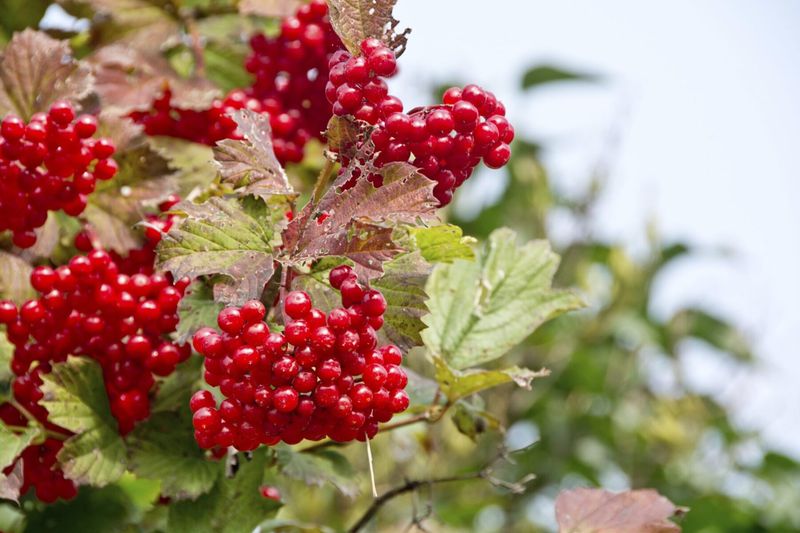
Native to Michigan and perfectly calibrated for the Upper Peninsula’s climate, highbush cranberry is a shrub that earns admiration in every season.
Viburnum trilobum, also known as American cranberrybush viburnum, is cold hardy to Zone 2 and handles the UP’s wet, heavy soils with ease.
Few ornamental shrubs offer this combination of toughness, adaptability, and genuine four-season beauty.
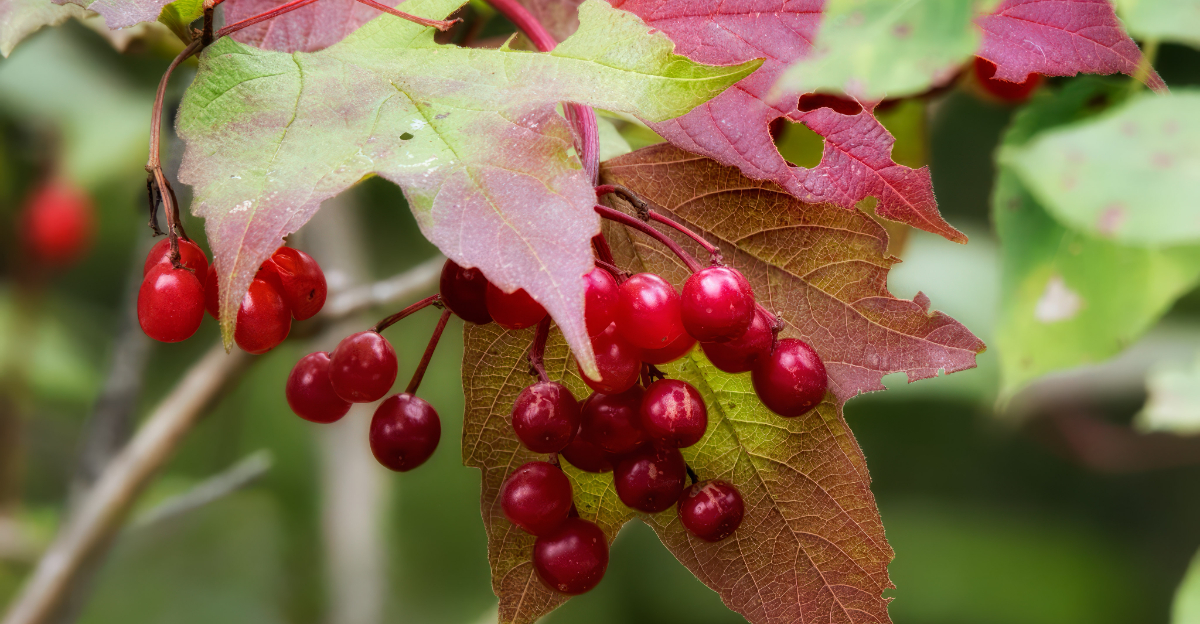
Spring brings clusters of white, lace-cap-style flowers that attract pollinators and add soft elegance to the garden. By late summer, those flowers transform into clusters of brilliant red berries that look almost jewel-like hanging from the branches.
The berries persist well into winter, providing a critical food source for cedar waxwings, robins, and other birds that overwinter in northern Michigan.
In fall, the foliage turns a rich red to orange before dropping, creating a fiery display that rivals almost any other shrub in the UP landscape.
Highbush cranberry typically grows 8 to 12 feet tall and wide, making it a substantial presence in the garden. It performs well in full sun to partial shade and genuinely thrives in moist or occasionally wet soil conditions, which are common in many parts of the Upper Peninsula.
Planting it along a stream, pond edge, or low-lying area of the yard puts it exactly where it wants to be. The berries are tart but edible and have traditionally been used to make jams and jellies.
For a native shrub that looks beautiful, feeds wildlife, and needs very little care, highbush cranberry is an outstanding choice for any UP garden.