These 10 Flowers Outperform Petunias In Ohio Summers
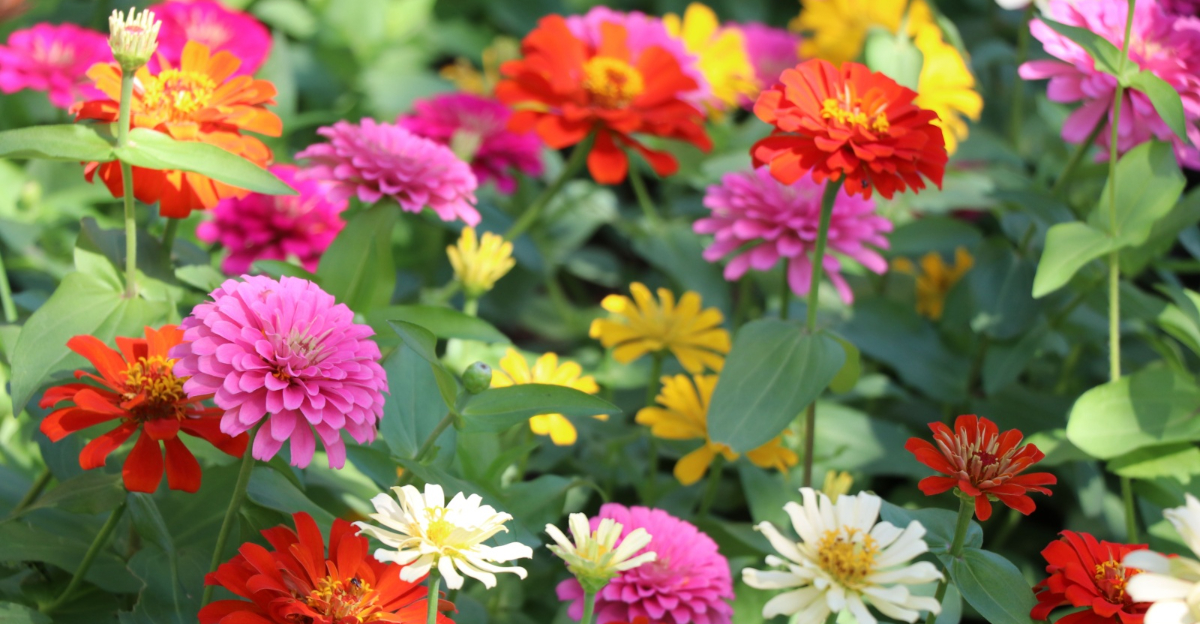
Petunias show up everywhere in Ohio each summer, spilling out of hanging baskets, lining walkways, and filling garden beds with reliable color. They are familiar, affordable, and easy to find at every garden center.
Yet once the real heat and humidity settle in, many gardeners start to notice the same problems: faded blooms, leggy stems, and constant maintenance just to keep them looking decent. Ohio summers can be intense.
High humidity, sudden downpours, and stretches of scorching sun push plants to their limits. While petunias often struggle to stay fresh, other flowers thrive in those exact conditions.
Some bloom more boldly. Some handle heat with ease.
Some keep going strong long after petunias begin to decline. If you want containers and beds that look vibrant deep into August without nonstop upkeep, it may be time to rethink your go to summer flower.
These standout performers bring stronger color, better resilience, and serious staying power to Ohio gardens.
1. Zinnia Bursts With Color All Summer
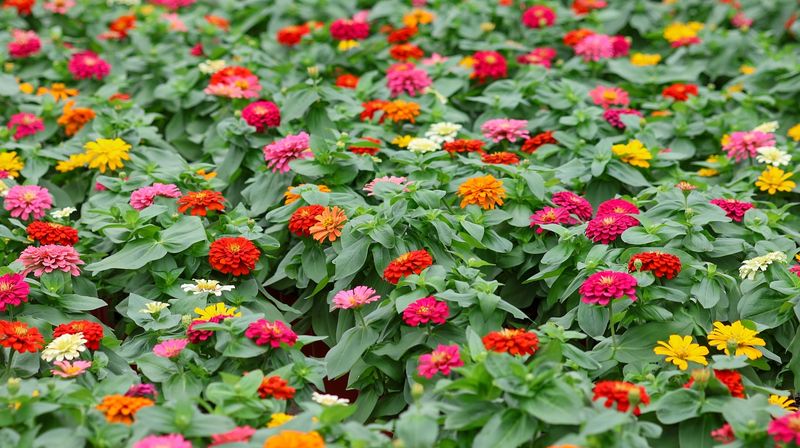
Gardeners who want non-stop color from June through frost will find their perfect match in zinnias. These cheerful annuals produce an endless parade of blooms in nearly every color imaginable, from soft pastels to electric brights.
Unlike petunias that sulk in extreme heat, zinnias actually perform better as temperatures rise, making them ideal for Ohio’s steamy July and August weather.
The secret to zinnia success lies in proper spacing and smart watering practices. Plant them 6 to 12 inches apart depending on variety, allowing air circulation that prevents powdery mildew in humid conditions.
Water at the base rather than overhead to keep foliage dry. Ohio State University Extension recommends well-drained soil enriched with compost for best results.
Zinnias thrive in full sun, needing at least six hours of direct light daily. Deadheading spent blooms encourages continuous flowering, though newer varieties keep producing even without this maintenance.
Taller varieties may need staking in windy locations, while compact types work beautifully in containers.
These flowers attract butterflies and hummingbirds throughout summer, adding movement and life to your garden. Their long stems make excellent cut flowers that last a week or more in vases.
From dwarf varieties reaching just 8 inches to giants towering at 4 feet, there’s a zinnia perfect for every Ohio garden spot.
2. Lantana Shines In The Sunniest Spots
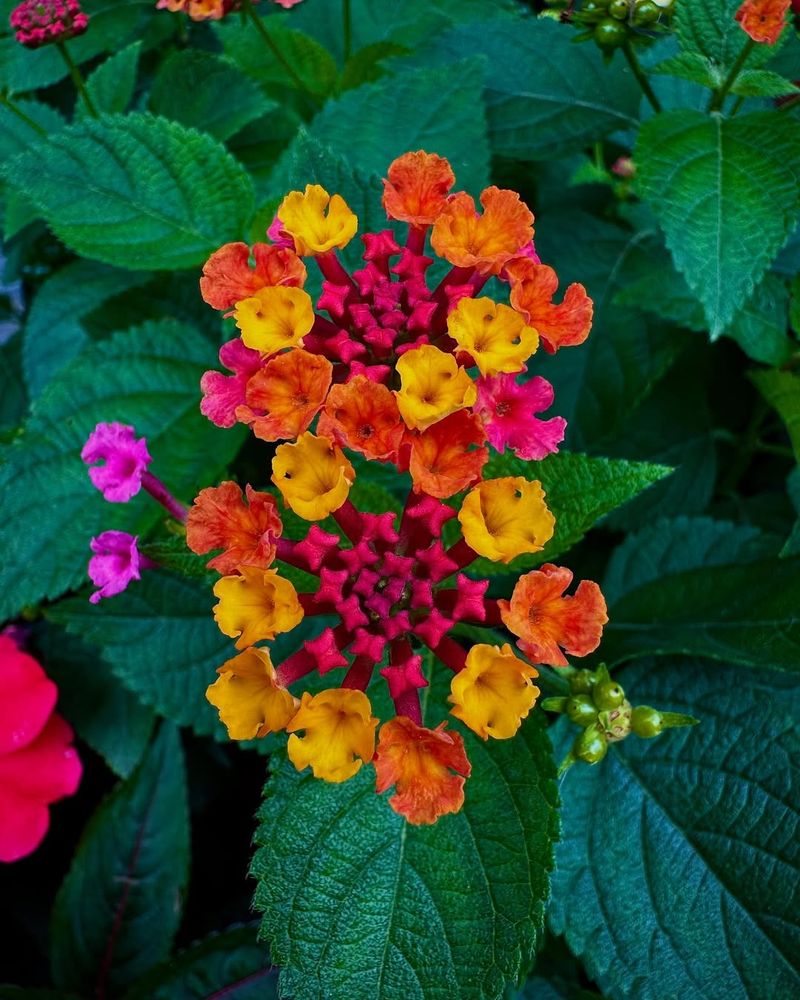
If your garden has that one spot where nothing seems to survive the blazing afternoon sun, lantana will change your mind about what’s possible. This tropical beauty laughs at heat that would wilt petunias, producing clusters of tiny flowers that shift colors as they mature.
A single plant might display yellow, orange, pink, and red blooms simultaneously, creating a stunning multicolored effect.
Lantana’s secret weapon is its exceptional drought tolerance once established. While new plantings need regular watering, mature plants handle dry spells remarkably well, making them perfect for busy gardeners.
The slightly rough-textured leaves actually help the plant conserve moisture during hot Ohio summers.
For continuous blooming, remove spent flower clusters regularly and trim back leggy growth mid-summer. This encourages bushier growth and more flower production.
Your Ohio Garden Changes Every Week. Your Plan Should Too.
Gardening in Ohio changes quickly throughout the season. Every Friday you’ll receive a simple weekly plan showing exactly what to plant, prune, fertilize, harvest, and protect so you never miss the right timing.
Plant lantana in well-drained soil with full sun exposure for best performance. Ohio gardeners should treat it as an annual, though container plants can overwinter indoors in bright locations.
Butterflies find lantana absolutely irresistible, visiting throughout the day to sip nectar from the tubular flowers. Trailing varieties work wonderfully in hanging baskets or as spillers in mixed containers, while upright types create bold statements in garden beds.
Just remember that all lantana parts are toxic if ingested, so plant away from areas where children or pets play frequently.
3. Black-Eyed Susan Stands Strong In Heat
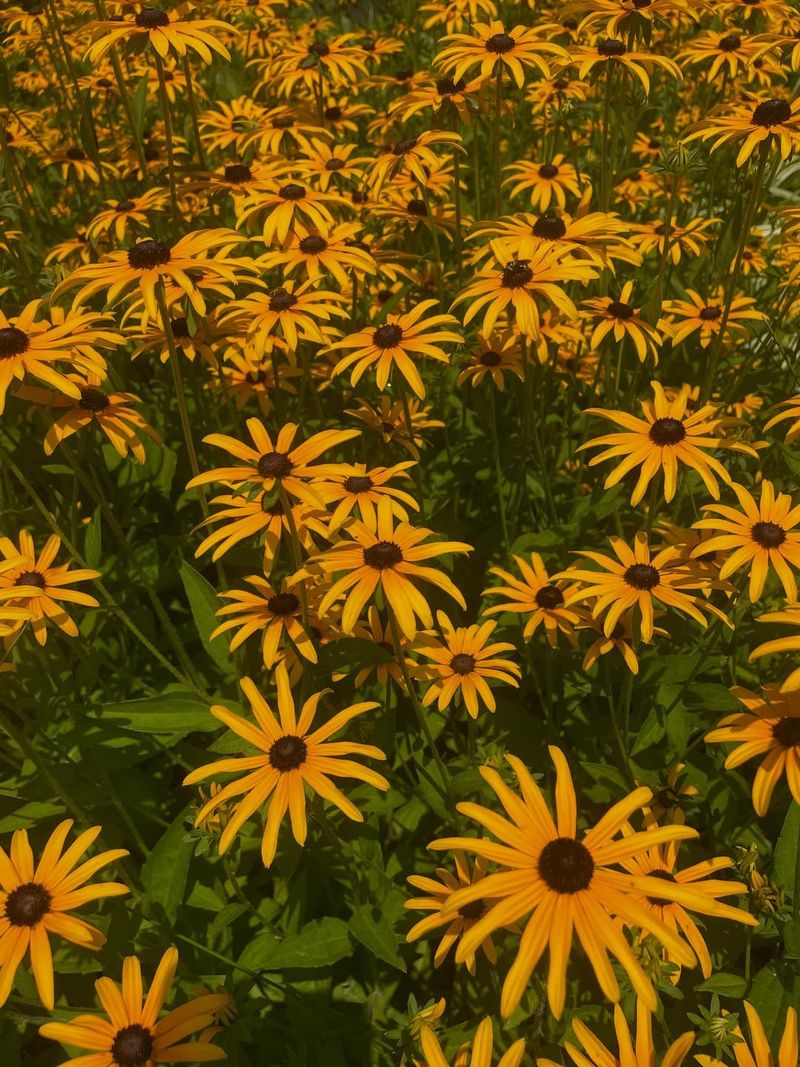
Native to Ohio’s prairies and meadows, black-eyed Susans have evolved to handle everything the state’s summer weather throws at them. These golden beauties with their distinctive dark centers bloom from mid-summer through fall, providing reliable color when many other flowers fade.
Their deep root systems tap into moisture that shallow-rooted petunias can’t reach, giving them remarkable staying power during dry spells.
Butterflies, bees, and other pollinators flock to black-eyed Susans throughout their long blooming season. The flowers produce abundant nectar and pollen, making them essential for supporting beneficial insects.
Goldfinches particularly enjoy the seedheads in fall, providing entertainment and natural bird feeding.
These tough perennials prefer full sun but tolerate partial shade better than many summer bloomers. Plant them in average to poor soil—they actually perform better without excessive fertilization.
Ohio’s clay soils work fine as long as drainage is adequate. Space plants 12 to 18 inches apart and water regularly the first season to establish strong roots.
Deadheading extends the blooming period, though many gardeners leave later flowers to set seed for wildlife and self-sowing. Black-eyed Susans spread gradually to fill spaces, creating natural-looking drifts over time.
They resist deer browsing and handle roadside salt spray, making them versatile choices for various Ohio landscapes.
Once established, these natives require virtually no maintenance while delivering months of cheerful yellow blooms.
4. Coreopsis Keeps Blooms Coming
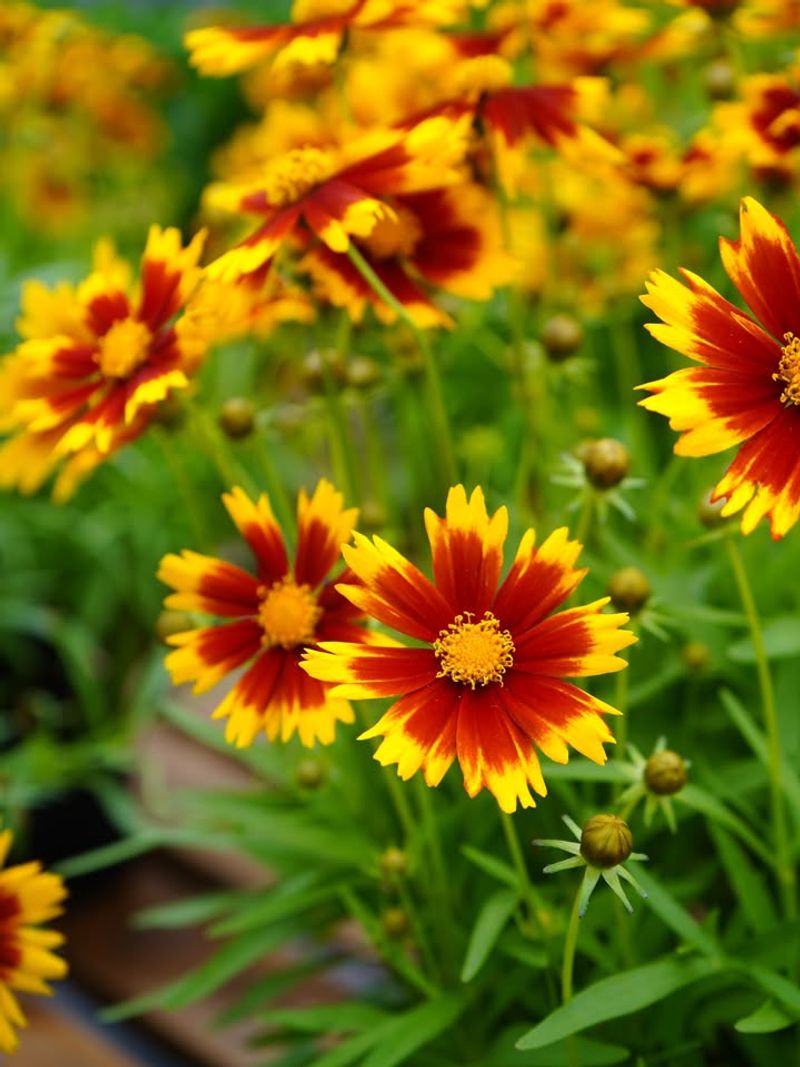
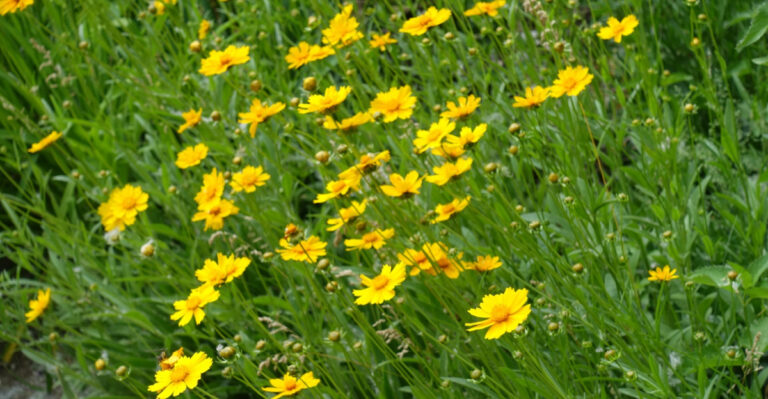
Few flowers match coreopsis for sheer flower power and extended blooming periods. These sunny yellow bloomers produce waves of daisy-like flowers from early summer well into fall with minimal effort from gardeners.
The key to their impressive performance lies in their response to deadheading—remove spent flowers regularly, and the plant responds by producing even more buds.
Ohio gardeners appreciate coreopsis for its low-maintenance nature and heat tolerance. Unlike petunias that need constant deadheading and feeding, coreopsis thrives on benign neglect.
Plant in full sun with average, well-drained soil and step back to watch the show. These tough perennials handle drought, humidity, and heat without missing a beat.
For maximum bloom production, shear plants back by one-third in mid-summer if flowering slows. This rejuvenation pruning triggers fresh growth and a second flush of flowers that continues until frost.
Water during extended dry periods, but avoid overwatering, which can lead to root issues in Ohio’s clay soils.
Threadleaf varieties offer fine, ferny foliage that adds texture even when plants aren’t blooming. These compact types work beautifully in containers or as edging plants.
Larger cultivars create bold masses of color in perennial borders. Butterflies visit throughout the day, and the seeds attract small songbirds in fall.
Coreopsis self-sows moderately, filling gaps naturally without becoming invasive.
Divide clumps every three years to maintain vigor and share plants with fellow gardeners.
5. Coneflower Attracts Pollinators Effortlessly
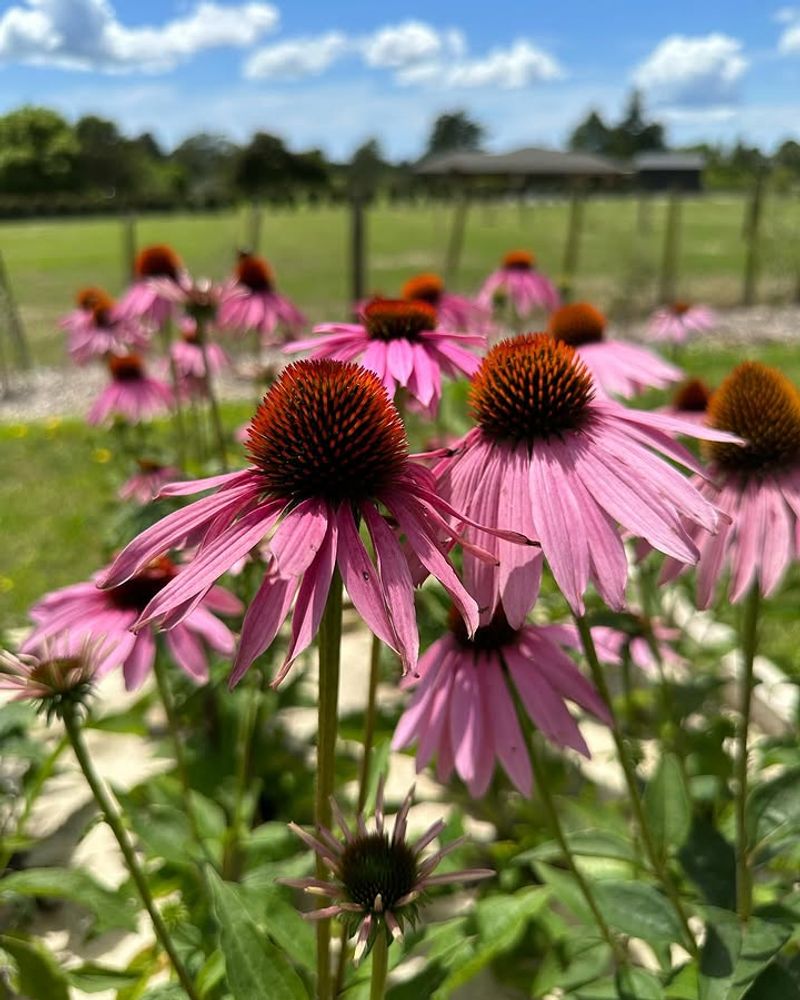
Watch any coneflower planting during summer and you’ll witness a constant parade of butterflies, bees, and hummingbirds working the blooms. These native perennials have evolved alongside Ohio’s pollinators, offering exactly what these beneficial insects need.
The prominent central cones provide easy landing platforms, while abundant nectar and pollen fuel visitors throughout their long blooming season.
Coneflowers handle heat and humidity with remarkable grace, never wilting or sulking like petunias do during hot spells. Their deep taproots access moisture far below the surface, allowing established plants to sail through dry periods.
Purple is the classic color, but modern breeding has introduced varieties in orange, yellow, white, pink, and red.
Plant coneflowers in full sun with well-drained soil for best results. They tolerate partial shade but produce fewer flowers with less sunlight.
Space plants 18 to 24 inches apart, giving them room to develop their full, bushy form. Water regularly the first season, then step back and let nature take over.
Deadheading encourages more blooms, but leave some seedheads for winter interest and goldfinch feeding. The architectural seed cones look beautiful frosted with snow and provide food when birds need it most.
Coneflowers rarely need dividing and actually resent being moved once established. They resist deer browsing, making them perfect for rural Ohio gardens where wildlife pressure is high.
These reliable perennials return stronger each year, eventually forming impressive clumps that anchor summer borders with color and pollinator activity.
6. Vinca Glows Without A Fuss
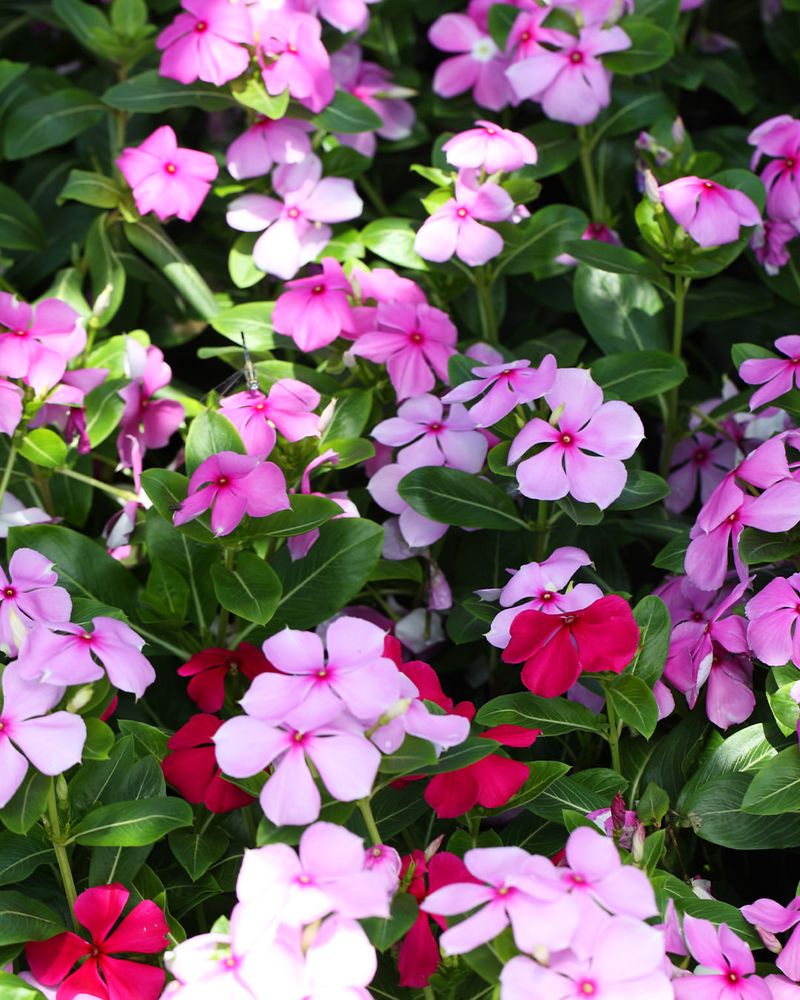
Busy gardeners seeking maximum color with minimum effort will find their ideal plant in annual vinca. These glossy-leaved beauties bloom continuously from planting through frost without deadheading, fertilizing, or constant attention.
Their waxy foliage shrugs off heat, drought, and humidity that would devastate petunias, making them perfect for Ohio’s unpredictable summers.
Vinca’s drought tolerance becomes apparent once roots establish, typically within two to three weeks of planting. After that initial period, they handle dry spells remarkably well, though occasional deep watering during extended droughts keeps them looking their best.
The secret lies in their ability to close leaf pores during heat stress, conserving moisture while continuing to bloom.
Plant vinca in full sun for maximum flowering, though they tolerate light shade better than many sun-lovers. Well-drained soil is essential—standing water quickly damages roots.
Space plants 8 to 12 inches apart in beds or use as thriller plants in container combinations. They work beautifully as groundcovers in hot, dry areas where grass struggles.
Colors range from pure white through various pinks to deep rose and burgundy, many with contrasting eye zones. Modern varieties stay compact and mounding rather than sprawling.
Vinca resists most pests and diseases, rarely requiring any intervention. These reliable bloomers look fresh throughout summer, maintaining their glossy appearance even during the hottest August days.
Their low, spreading habit makes them excellent choices for edging walkways or filling gaps between larger perennials in mixed borders.
7. Salvia Draws Hummingbirds And Bees
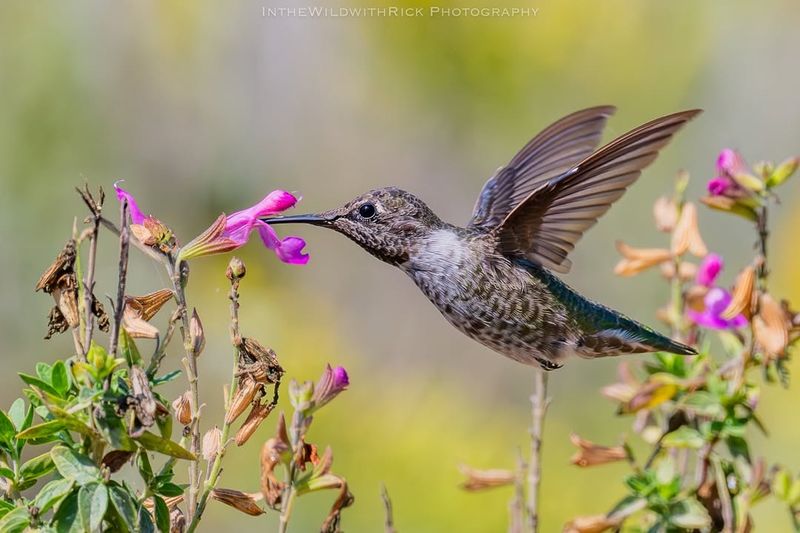
Hummingbirds zoom straight to salvia’s tubular flowers, hovering expertly to sip nectar from the densely packed blooms. These vertical flower spikes rise above the foliage from early summer through fall, providing reliable food sources for pollinators when they need it most.
Bees work the flowers methodically from bottom to top, while butterflies pause on convenient perches to feed.
Heat and sun bring out salvia’s best performance, making it ideal for Ohio’s warmest months. Unlike petunias that often pause blooming during extreme heat, salvia accelerates flower production as temperatures rise.
The slightly fuzzy leaves resist moisture loss, allowing plants to maintain their appearance even during dry spells. Water deeply but infrequently to encourage strong root development.
Most salvias prefer full sun, needing at least six hours of direct light for optimal flowering. Plant in well-drained soil amended with compost for best results.
Spacing depends on variety—compact types need 12 inches while larger cultivars require 18 to 24 inches. Deadhead spent flower spikes to encourage continuous blooming, or let later flowers set seed for self-sowing and bird feeding.
Blue and purple varieties are most common, but red, pink, white, and bicolor options expand design possibilities. Annual salvias provide season-long color, while perennial types return year after year in Ohio gardens with proper winter mulching.
The aromatic foliage deters deer and rabbits, making salvia useful in areas with browsing pressure.
Pair with yellow coreopsis or black-eyed Susans for stunning complementary color combinations that pollinators adore.
8. Marigolds Brighten Even The Hottest Days
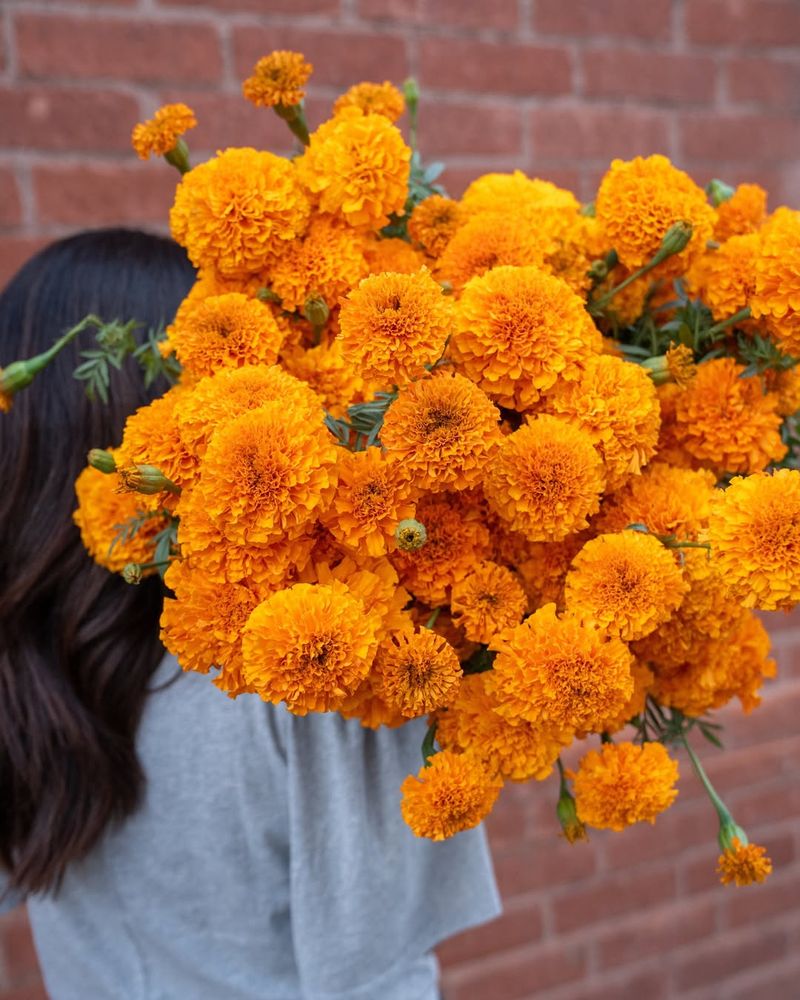
Generations of Ohio gardeners have relied on marigolds for foolproof summer color, and for good reason. These cheerful annuals handle heat, humidity, and neglect while producing non-stop blooms in shades of gold, orange, yellow, and mahogany.
Their pungent foliage naturally deters some garden pests, making them useful companion plants throughout vegetable and flower gardens.
Marigolds actually prefer hot weather, blooming most prolifically when temperatures soar. Plant them in full sun with average, well-drained soil for best results.
They tolerate poor soil better than most annuals, though adding compost at planting time encourages stronger growth. Space French marigolds 6 to 9 inches apart, while larger African types need 10 to 12 inches.
Deadheading keeps plants looking tidy and encourages more flowers, though modern varieties bloom heavily without this maintenance. Water at the base rather than overhead to prevent foliar diseases during humid Ohio summers.
Marigolds rarely need fertilizing—too much nitrogen produces lush foliage at the expense of flowers.
French marigolds offer compact, bushy growth perfect for edging and containers. African marigolds produce large, pompom-like blooms on taller plants suitable for cutting gardens and back-of-border placements.
Signet marigolds feature delicate, edible flowers with citrus flavor. All types attract beneficial insects while their scent may help confuse pests searching for host plants.
These reliable bloomers self-sow moderately, often returning in the same spots year after year.
Their bright faces never fail to lift spirits during the hottest summer days.
9. Sunflowers Tower Over Summer Heat
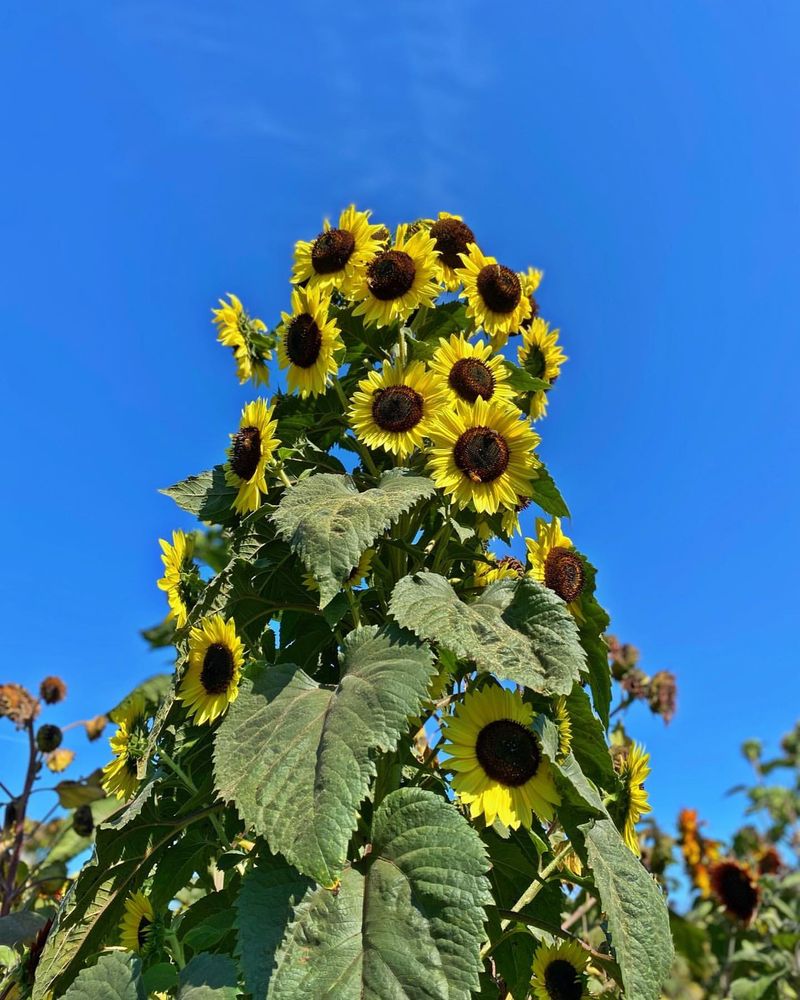
Nothing announces summer’s arrival quite like sunflowers stretching skyward, their massive faces tracking the sun across Ohio skies. These heat-loving giants thrive in the same conditions that stress petunias, using their deep roots to access moisture and their large leaves to manufacture energy efficiently.
From dwarf varieties topping out at 2 feet to giants reaching 12 feet or more, sunflowers make bold statements in any landscape.
Plant sunflower seeds directly in the garden after frost danger passes, typically mid-May in most Ohio locations. They germinate quickly in warm soil and grow rapidly once established.
Choose a spot with full sun and well-drained soil, spacing seeds 6 to 24 inches apart depending on mature size. Taller varieties may need staking in windy locations to prevent toppling.
Water regularly until plants reach 2 feet tall, then reduce frequency to encourage deep rooting. Sunflowers handle dry spells well once established, though irrigation during extreme drought maintains flower quality.
Avoid overhead watering to prevent foliar diseases in humid conditions. Most varieties don’t require fertilizing in average garden soil.
Pollinators work sunflower blooms throughout the day, while goldfinches and other songbirds eagerly await ripening seeds. Leave some seedheads on plants for wildlife feeding, or harvest and dry them for winter bird food.
Branching varieties produce multiple smaller flowers perfect for cutting, while single-stem types create dramatic focal points. Plant successive crops every two weeks for continuous blooms.
These cheerful giants bring vertical interest and sunny dispositions to Ohio gardens all summer long.
10. Phlox Delivers Endless Color
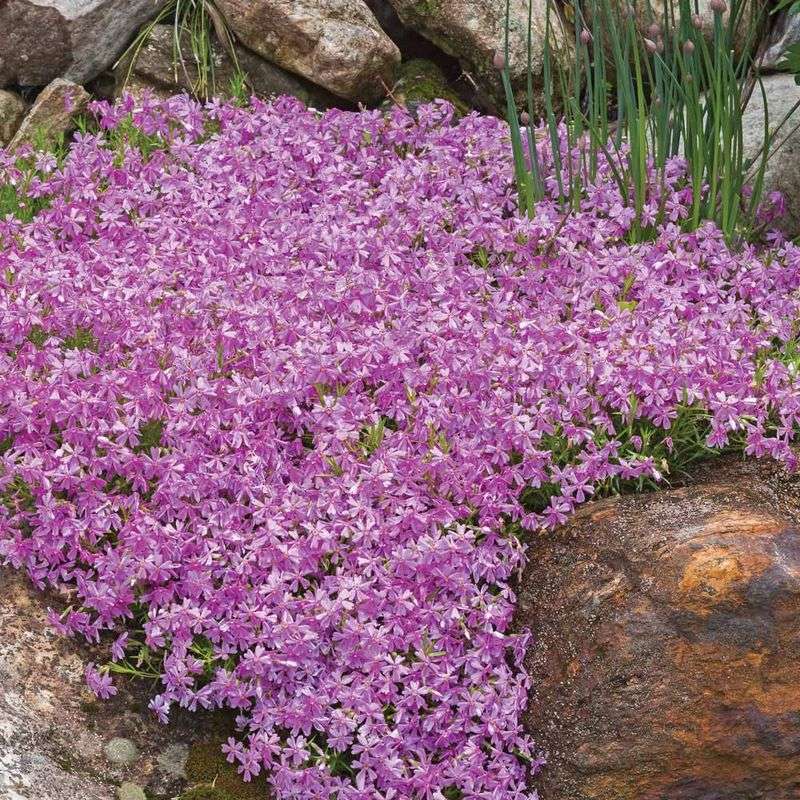
Annual phlox creates dense mounds of color that bloom relentlessly from planting through frost without any deadheading required. These low-growing beauties produce masses of star-shaped flowers in vibrant shades that never seem to quit, even during Ohio’s hottest weeks.
Their compact, spreading habit makes them perfect for edging beds, filling containers, or carpeting sunny slopes with continuous color.
Heat tolerance sets annual phlox apart from many summer bloomers. While petunias often struggle and pause flowering during extreme temperatures, phlox accelerates bloom production as mercury rises.
The slightly sticky foliage resists moisture loss, helping plants maintain their appearance even during dry spells. Water deeply once or twice weekly rather than frequent shallow watering to encourage strong roots.
Plant annual phlox in full sun with well-drained soil for optimal performance. They tolerate light shade but produce fewer flowers with reduced sunlight.
Space plants 6 to 9 inches apart, allowing room for their spreading growth habit. Mix colors for rainbow effects or plant single hues for bold impact in landscape beds.
Modern varieties resist powdery mildew better than older types, maintaining clean foliage throughout summer. The fragrant flowers attract butterflies and hummingbirds, adding movement and life to plantings.
Phlox works beautifully in combination containers, spilling over edges while providing non-stop color. These reliable annuals self-clean, dropping spent flowers naturally while continuously producing fresh blooms.
Their mounding form creates textural contrast when paired with upright salvias or spiky ornamental grasses in mixed borders that celebrate summer’s heat.