9 Plants You Must Prune During March In Pennsylvania For Stronger Growth
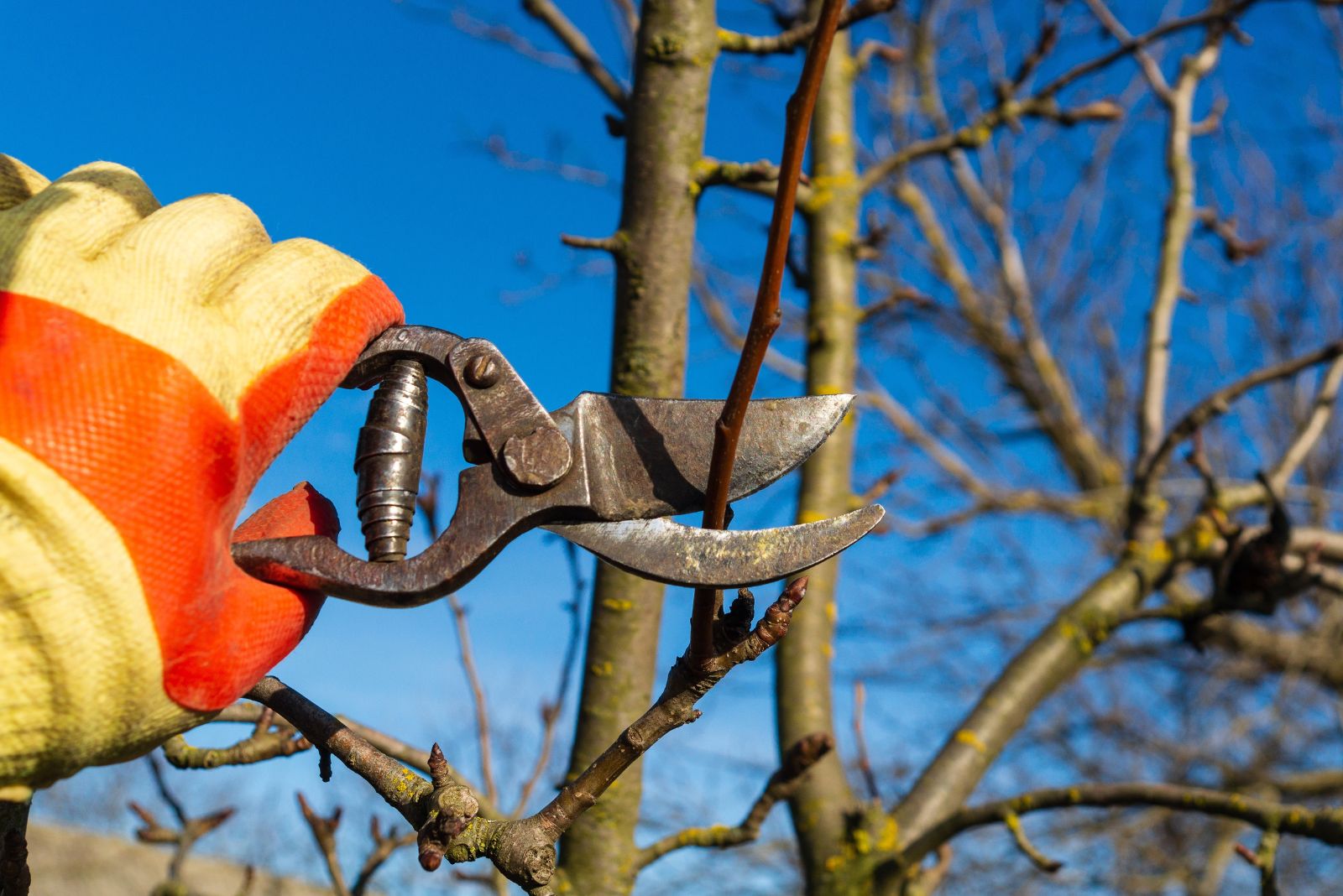
March in Pennsylvania is that in between season when winter starts to loosen its grip and signs of spring slowly show up. The days stretch a little longer, the air feels lighter, and your yard begins to look alive again.
It is also the perfect window to grab your pruning shears and give certain plants the attention they have been waiting for.
Pruning at the right time can completely change how your garden performs in the months ahead. Cutting back specific trees and shrubs now encourages stronger branches, fuller blooms, and healthier growth overall.
When done properly, it helps shape plants, remove damaged wood, and direct energy where it matters most.
Skipping this step can lead to crowded growth, fewer flowers, and plants that look uneven once the season is in full swing. A few careful trims in March can set the tone for a lush and vibrant yard all spring and summer across Pennsylvania.
1. Roses
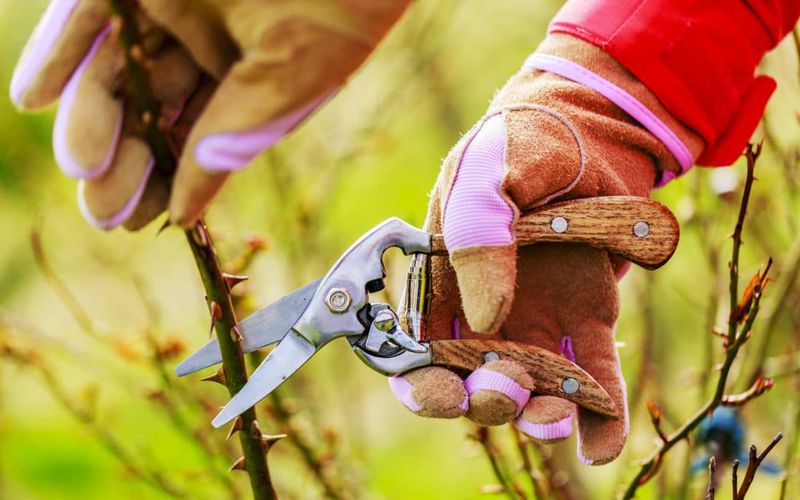
Few plants reward a gardener’s effort quite like roses do. After a long Pennsylvania winter, your rose bushes are ready for a fresh start, and March is the ideal month to give them one.
Once the worst of the cold has passed but before new growth really kicks in, it is time to get your shears out.
Start by removing any dry or damaged wood first. These canes will look brown, shriveled, or hollow inside.
Cutting them away clears space for strong, healthy new stems to grow. Make your cuts at a 45-degree angle, about a quarter inch above an outward-facing bud.
This helps water run off the cut and encourages the plant to grow outward rather than inward.
Removing crossing or rubbing branches is also a smart move. When canes rub together, they create wounds that invite pests and disease.
In Pennsylvania, where summers can get humid, good airflow inside the plant matters a lot. After pruning, your roses will push out vigorous new flowering stems that bloom beautifully by late spring and early summer.
A little effort in March pays off with armloads of flowers later in the season.
2. Panicle Hydrangea (Hydrangea Paniculata)
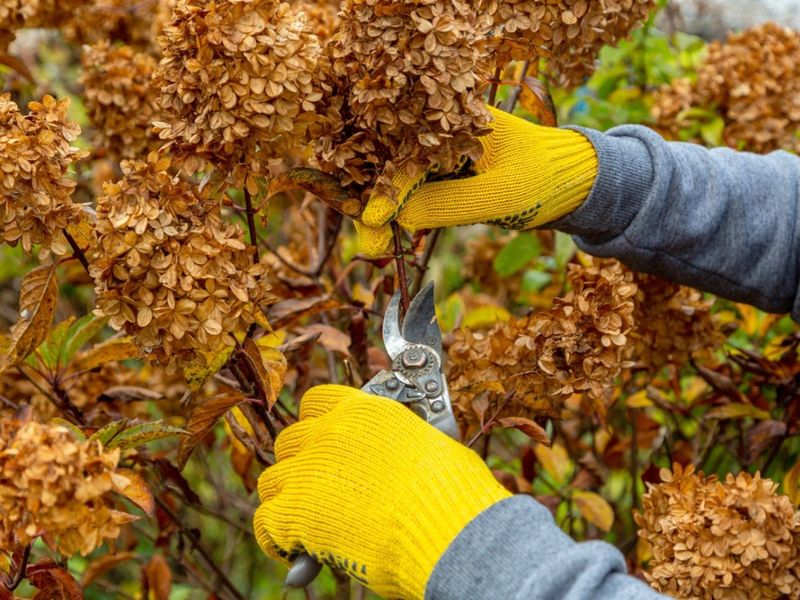
Panicle hydrangeas are one of the toughest flowering shrubs you can grow in Pennsylvania, and they absolutely love a good March pruning. Unlike some hydrangea types, this one blooms on new wood, meaning the flowers grow on stems that develop in the current season.
That is great news because it means you can prune without worrying about cutting off this year’s blooms.
In March, before new shoots begin pushing out, cut the shrub back by about one-third of its total height. If you want larger, showier flower clusters, prune more aggressively.
Cutting back harder encourages the plant to put its energy into fewer, bigger blooms rather than many small ones. Use clean, sharp pruners and make cuts just above a healthy bud or side branch.
Panicle hydrangeas can grow quite large if left unpruned, sometimes reaching 10 to 15 feet. Regular March pruning keeps them at a manageable size and looking tidy in your Pennsylvania landscape.
Your Pennsylvania Garden Changes Every Week. Your Plan Should Too.
Gardening in Pennsylvania changes quickly throughout the season. Every Friday you’ll receive a simple weekly plan showing exactly what to plant, prune, fertilize, harvest, and protect so you never miss the right timing.
These shrubs are also very forgiving, so even beginner gardeners can prune them with confidence. With just a bit of attention each spring, they reward you with stunning cone-shaped flower clusters from summer all the way into fall.
3. Smooth Hydrangea (Hydrangea Arborescens)
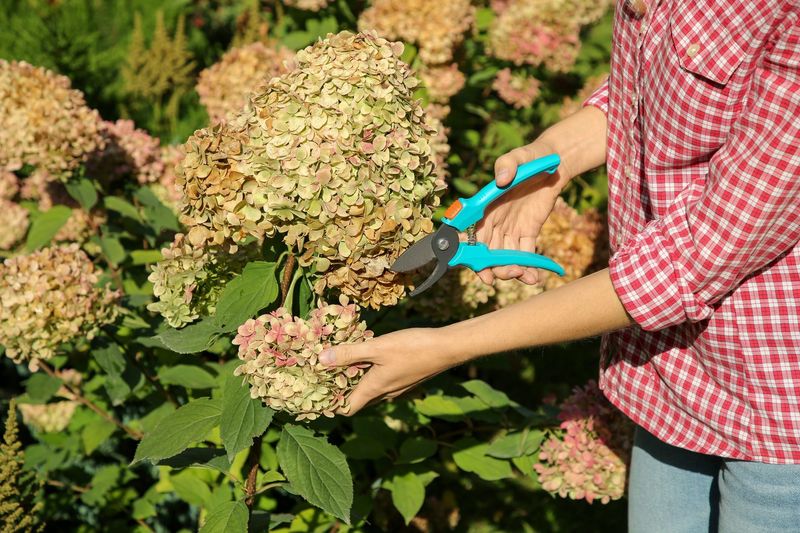
Smooth hydrangeas, especially the popular Annabelle variety, are a Pennsylvania garden favorite. These tough, reliable shrubs bloom on new wood just like panicle hydrangeas, which makes March the perfect time to cut them back.
Many gardeners are surprised to learn just how hard you can prune these plants without harming them.
Go ahead and cut smooth hydrangeas back to about 12 to 18 inches from the ground. Some gardeners even cut them lower, and the plants bounce right back.
This kind of hard pruning encourages the plant to send up strong, sturdy new stems that can actually support the large flower heads without flopping over. Unpruned plants tend to get floppy and produce smaller blooms on weak stems.
In Pennsylvania, smooth hydrangeas often look ragged by late winter, with old brown seed heads still clinging to the stems. Cutting them back in March cleans up the plant and sets it up for a spectacular summer show.
The flowers on freshly pruned plants tend to be noticeably larger and more impressive. Pair this shrub with ornamental grasses or spirea for a low-maintenance planting that looks stunning from June through September across Pennsylvania yards and gardens.
4. Butterfly Bush (Buddleja Davidii)
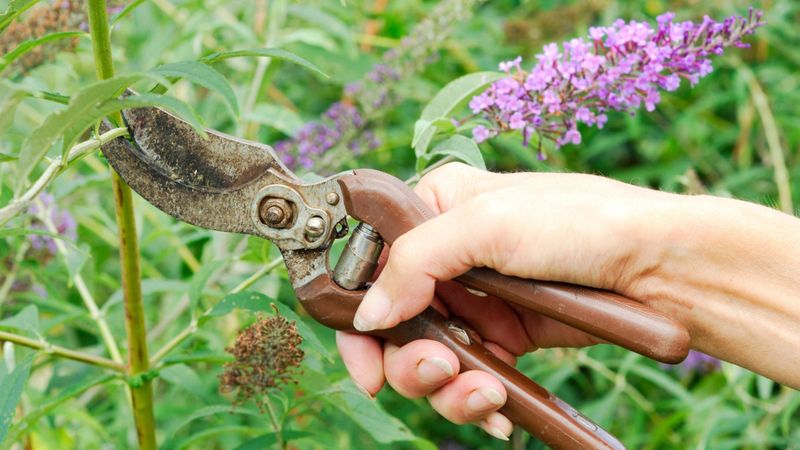
Ask any Pennsylvania gardener about butterfly bush and they will tell you it is one of the most rewarding plants to grow. Its long, fragrant flower spikes attract butterflies, bees, and hummingbirds all summer long.
But here is something many beginners do not realize: in Pennsylvania winters, butterfly bush often dies back significantly, sometimes all the way to the ground.
Do not panic when you see those brown, dried-out stems in early spring. That is completely normal.
In March, take your loppers and cut the entire plant back hard, leaving just 6 to 12 inches of stem above the ground. This might feel drastic, but it is exactly what the plant needs.
Cutting it back this aggressively pushes the plant to send up vigorous new growth from the base.
By midsummer, your butterfly bush will have bounced back beautifully, growing several feet tall and covered in blooms. Skipping the March pruning leads to a scraggly, weak plant with fewer flowers.
Butterfly bush grows quickly in Pennsylvania’s warm summers, so do not worry about cutting it back hard. In fact, the harder you prune, the more energy the plant directs into producing those gorgeous flower spikes that pollinators absolutely love.
5. Crape Myrtle (Only In Warmer Parts Of PA)
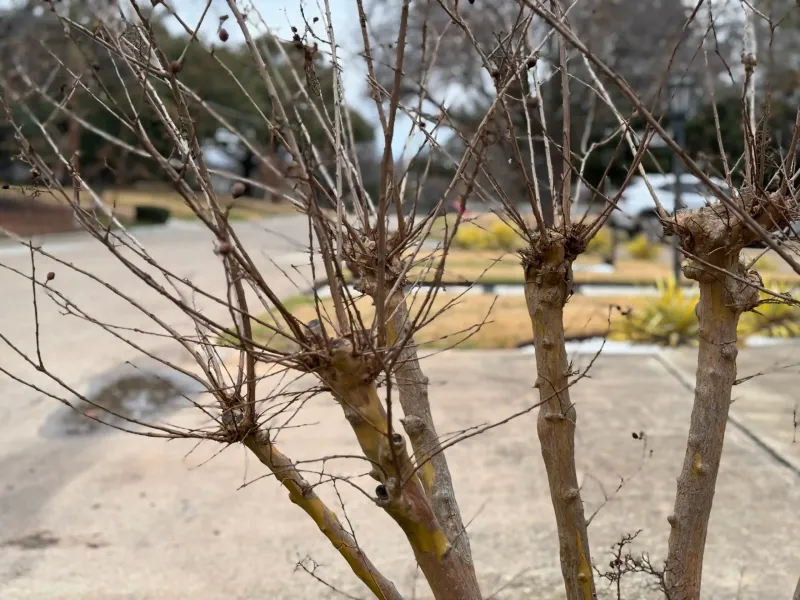
Crape myrtles are not common throughout all of Pennsylvania, but if you live in the southern part of the state, especially in Zone 7 areas, you may have one of these beautiful trees in your yard.
They are known for their stunning summer blooms and attractive peeling bark. March is the right time to give them a light pruning before new growth starts.
Keep the pruning gentle on crape myrtles. The biggest mistake Pennsylvania gardeners make is over-pruning, a practice sometimes called crape murder.
Topping the tree by cutting all the branches back to stubs ruins the natural shape and leads to weak, congested new growth. Instead, focus on removing crossing branches, dry wood, and any suckers growing from the base of the tree.
Thinning out the interior of the canopy improves airflow and lets more sunlight reach the branches, which helps the tree bloom better. If your crape myrtle looks crowded, remove entire small branches rather than shortening all the tips.
In southern Pennsylvania, crape myrtles can thrive with the right care. A thoughtful, light pruning in March keeps the tree looking elegant and encourages a full, colorful display of blooms from midsummer through early fall.
6. Ornamental Grasses (Miscanthus, Panicum)
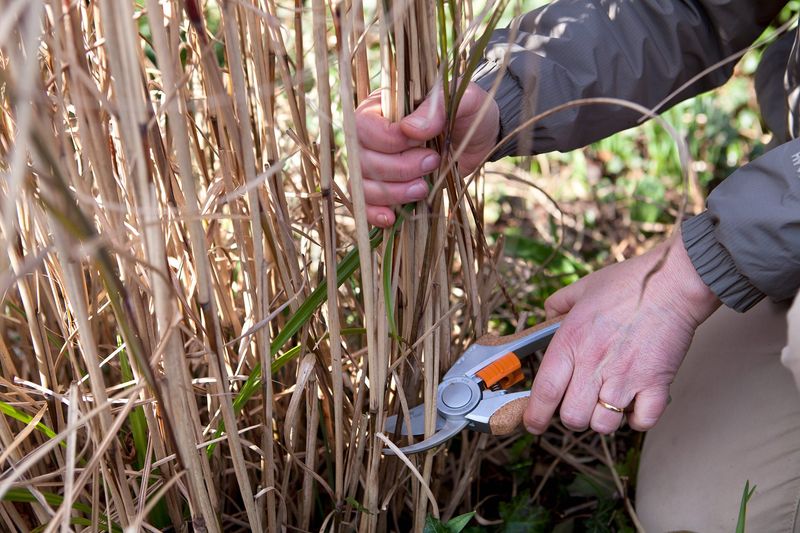
Ornamental grasses are dramatic, low-maintenance plants that add incredible texture and movement to any Pennsylvania garden. Varieties like Miscanthus and Panicum grow tall and feathery through summer and fall, then fade to golden brown over winter.
Those dried stalks actually look beautiful through the cold months, but by March, it is time to cut them down.
The goal is to trim the grasses back before new green shoots start emerging from the base. If you wait too long, you risk cutting off the fresh new growth, which slows the plant down significantly.
Use sharp hedge shears or a reciprocating saw for large clumps, and cut the grass down to about 4 to 6 inches from the ground. Tie the grass into a bundle before cutting to make cleanup much easier.
Cutting back ornamental grasses in March also improves airflow around the base of the plant, which helps prevent rot and fungal issues during Pennsylvania’s sometimes humid spring weather. After cutting, the clumps green up quickly and look lush and full by early summer.
If your grasses have gotten very large and crowded, March is also a good time to divide them. Dividing promotes healthier growth and gives you new plants to spread around your Pennsylvania yard.
7. Summer-Blooming Spirea (Spiraea Japonica)
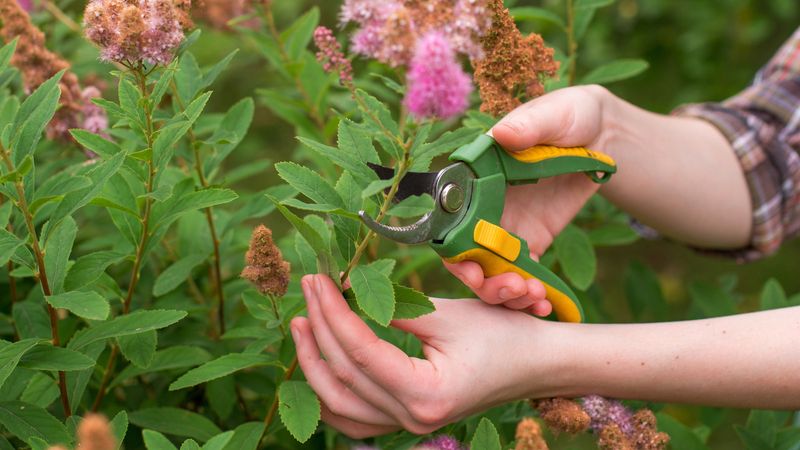
Japanese spirea is one of those workhouse shrubs that Pennsylvania gardeners rely on for reliable summer color. With its pink, red, or white flower clusters, it adds cheerful color to borders and foundation plantings.
The good news is that this spirea blooms on new wood, so pruning it in March sets the stage for a fantastic flower show later in the season.
Cut summer-blooming spirea back by about one-half to two-thirds in early March. You can also remove any old, woody stems right at the base to rejuvenate the plant.
This kind of renewal pruning keeps the shrub from getting too leggy and encourages dense, bushy new growth. Use sharp bypass pruners for clean cuts that heal quickly.
One thing many Pennsylvania gardeners notice is that unpruned spirea becomes woody and sparse over time, producing fewer flowers and looking a bit tired. A good March pruning completely transforms the plant, giving it a fresh start each year.
Within a few weeks of pruning, you will see bright green new shoots emerging from the base and along the stems.
By summer, the shrub will be full, compact, and covered in blooms. It is one of the easiest and most rewarding pruning jobs in the Pennsylvania spring garden.
8. Bluebeard (Caryopteris)
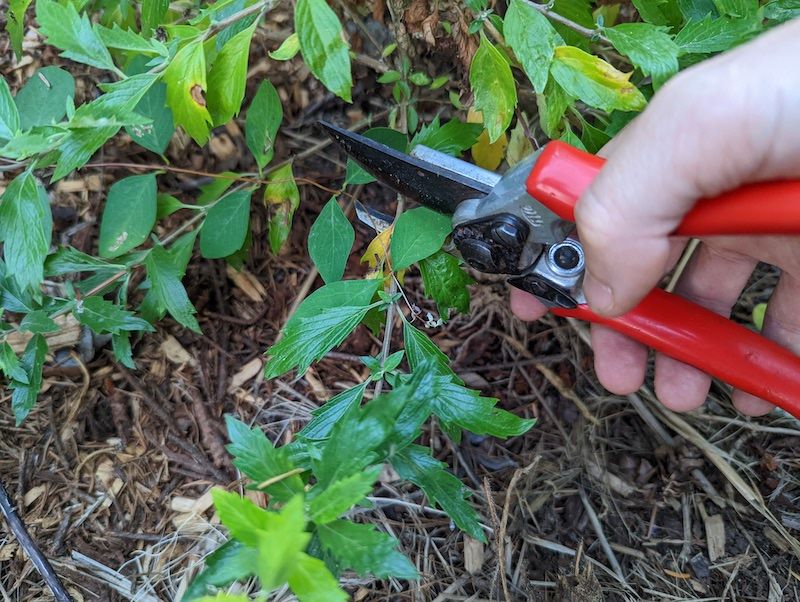
Bluebeard, known botanically as Caryopteris, is a late-summer bloomer that brings striking blue-purple flowers to Pennsylvania gardens at a time when most other shrubs have finished blooming.
It is a fantastic plant for pollinators, especially bees, and it has a lovely aromatic scent when you brush against the leaves. But it does need a bit of attention in March to perform at its best.
In Pennsylvania winters, bluebeard often dies back significantly, sometimes all the way to the ground. By March, the remaining stems look dry and brittle.
Cut the entire plant back to just 6 to 12 inches from the ground. This encourages strong, vigorous new growth from the base and produces a full, bushy plant that blooms heavily in late summer.
Skipping the March pruning leads to a scraggly plant with weak stems and fewer flowers. Bluebeard blooms on new wood, so there is absolutely no risk of cutting off this year’s flowers when you prune in early spring.
After cutting back, top-dress the base with a little compost to give the plant a nutrient boost. By August, your Pennsylvania garden will be filled with the gorgeous blue blooms that give this charming shrub its memorable name.
9. Fruit Trees (Apple And Pear)
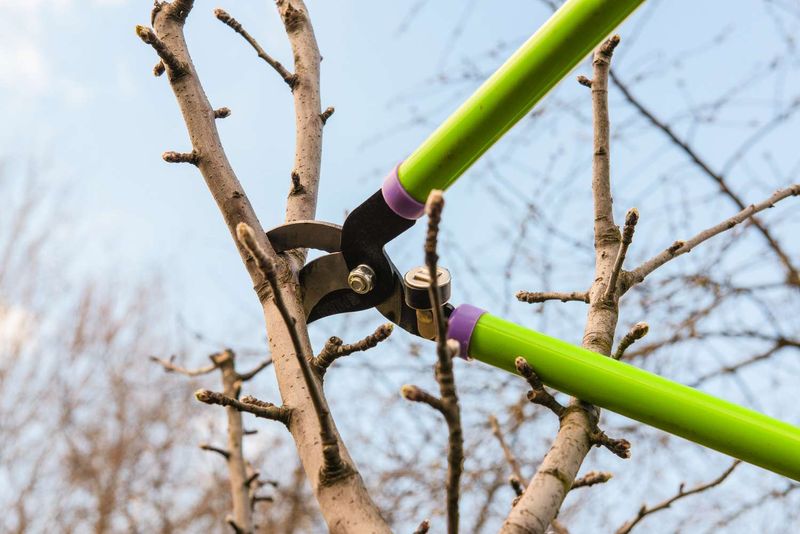
Pruning apple and pear trees is one of the most important things a Pennsylvania gardener can do to set up a productive growing season. March is ideal because the trees are still dormant but the worst cold has passed.
Pruning while the tree is dormant reduces stress on the tree and makes it much easier to see the branch structure clearly without leaves in the way.
Start by removing any dry, damaged, or diseased branches. Then look for branches that cross or rub against each other and remove one of them.
The goal is to create an open canopy that allows sunlight and air to reach all parts of the tree. Good airflow is especially important in Pennsylvania, where humid summers can encourage fungal diseases like apple scab and fire blight.
Also remove any water sprouts, which are the fast-growing vertical shoots that pop up along main branches. These sprouts rarely produce fruit and just crowd the tree.
Step back regularly as you prune to check the overall shape and balance. A well-pruned apple or pear tree in Pennsylvania will produce better quality fruit, stay healthier through the season, and be much easier to manage at harvest time.
It is a job that truly pays for itself.