This Is The Most Widely Planted Flowering Plant Across Pennsylvania
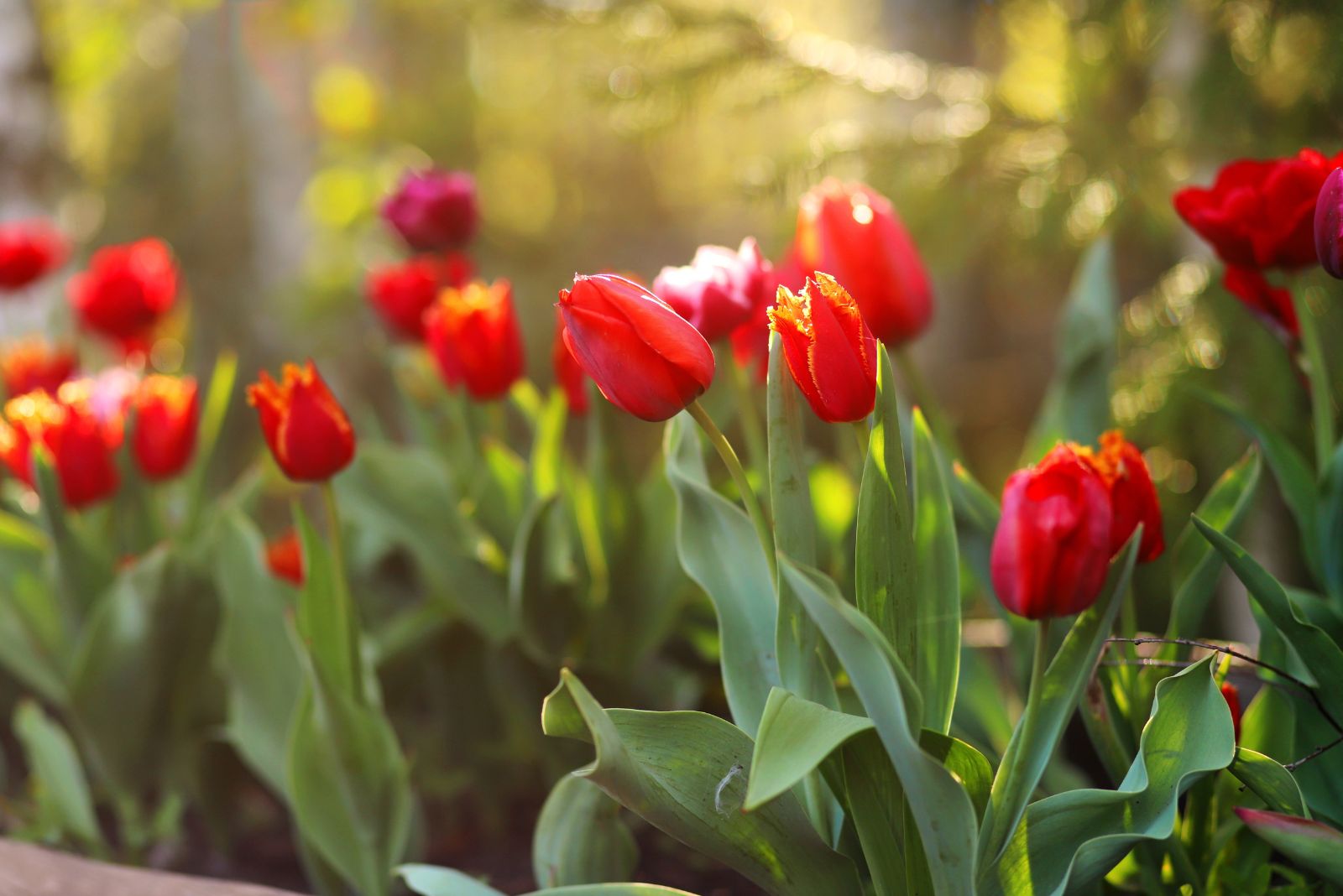
Every spring, neighborhoods across Pennsylvania burst into color almost overnight. Front yards, public parks, and small town squares all seem to share the same cheerful bloom, creating a scene that feels straight out of a postcard.
There is one flowering plant that shows up more than any other, quietly earning the title of the most widely planted across the state.
Gardeners love it for its clean shape, bold shades, and reliable performance year after year. It handles Pennsylvania’s cold winters with ease, then pops up as soon as the soil begins to warm.
With just a little planning in the fall, this classic bulb delivers a stunning display that signals the true arrival of spring.
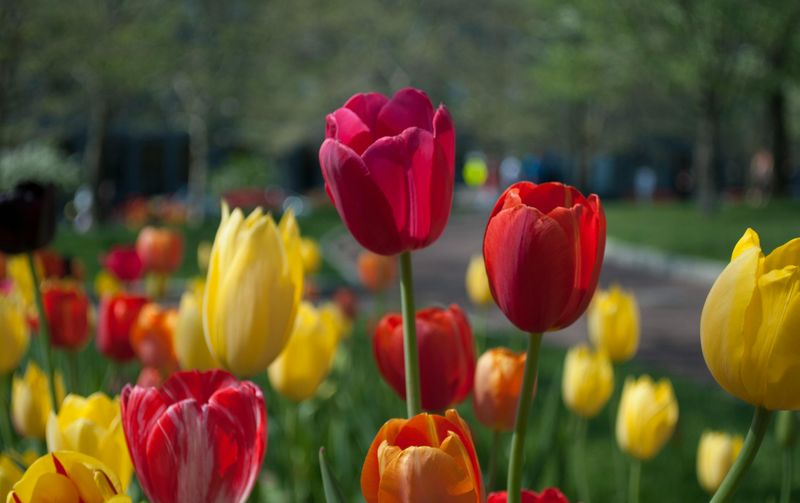
Tulips have become a seasonal staple for good reason. They are simple to grow, easy to mix with other flowers, and instantly recognizable.
When they bloom, they turn ordinary yards into bright, welcoming spaces that celebrate the change of seasons.
1. Why Tulips Are So Popular In Pennsylvania?
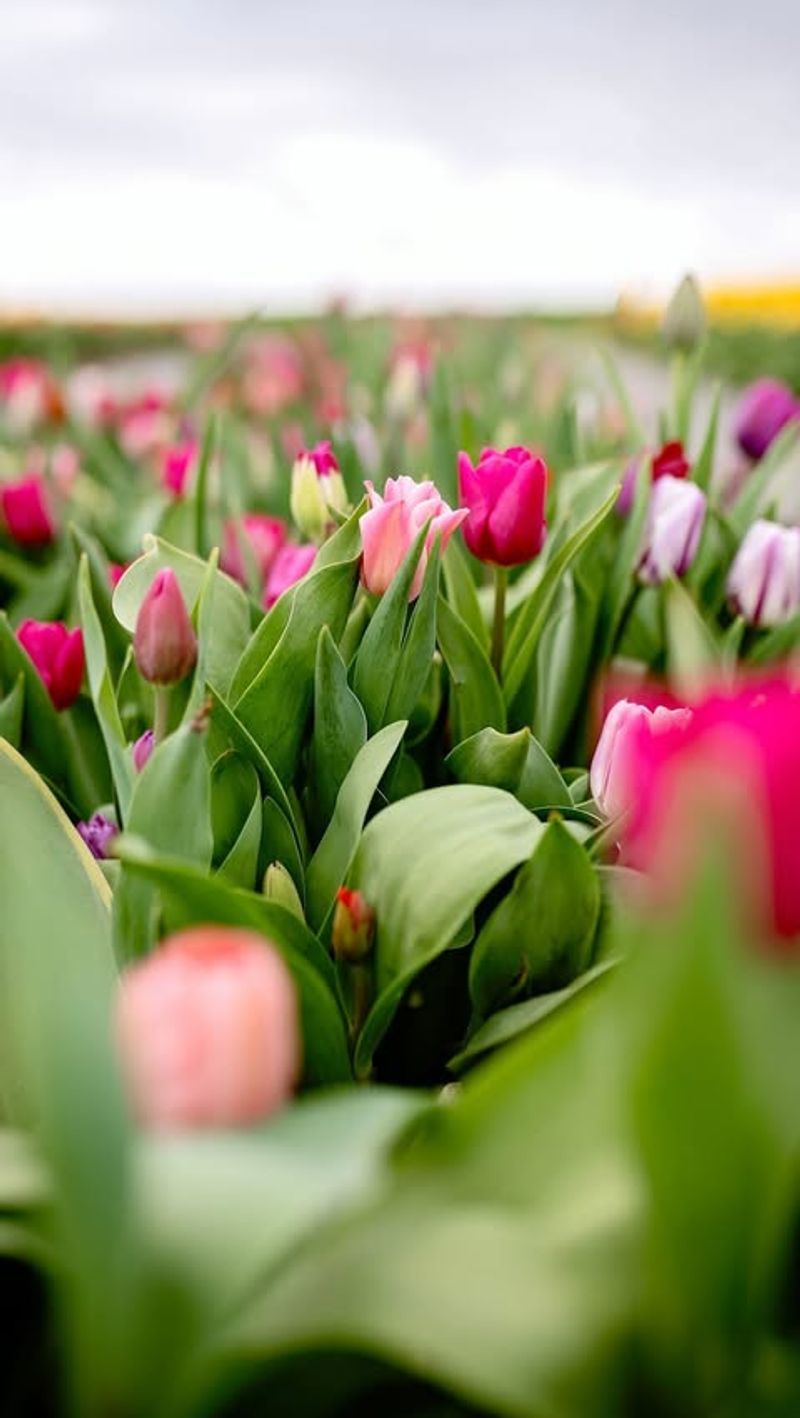
Walk through almost any Pennsylvania neighborhood in April, and you will spot them immediately. Tulips line driveways, fill front garden beds, and brighten up public parks from one end of the state to the other.
No other flowering plant comes close to matching the tulip’s popularity here, and there are very good reasons for that.
Pennsylvania sits in USDA Hardiness Zones 5 through 7, which is just about perfect for tulips. These zones offer the cold winters that tulip bulbs absolutely need in order to bloom.
Without that chill period, the bulbs simply will not perform. Pennsylvania’s winters deliver exactly what tulips are looking for.
Tulips also bloom at just the right time. Most varieties open up between April and May, right when people are eager to see color again after a long, gray winter.
That timing makes them feel extra special. They are available in hundreds of colors, from deep burgundy to pure white to bright orange, so gardeners never run out of options.
Beyond home landscapes, tulips are widely planted in Pennsylvania’s public spaces too. City parks, botanical gardens, and even roadside plantings use tulips to welcome spring visitors.
They are easy to find at garden centers every fall, affordable to buy in bulk, and simple enough for beginner gardeners to handle.
That combination of beauty, timing, and ease is exactly why tulips have become the most widely planted flowering plant across Pennsylvania year after year.
2. Tulips Love Pennsylvania’s Climate
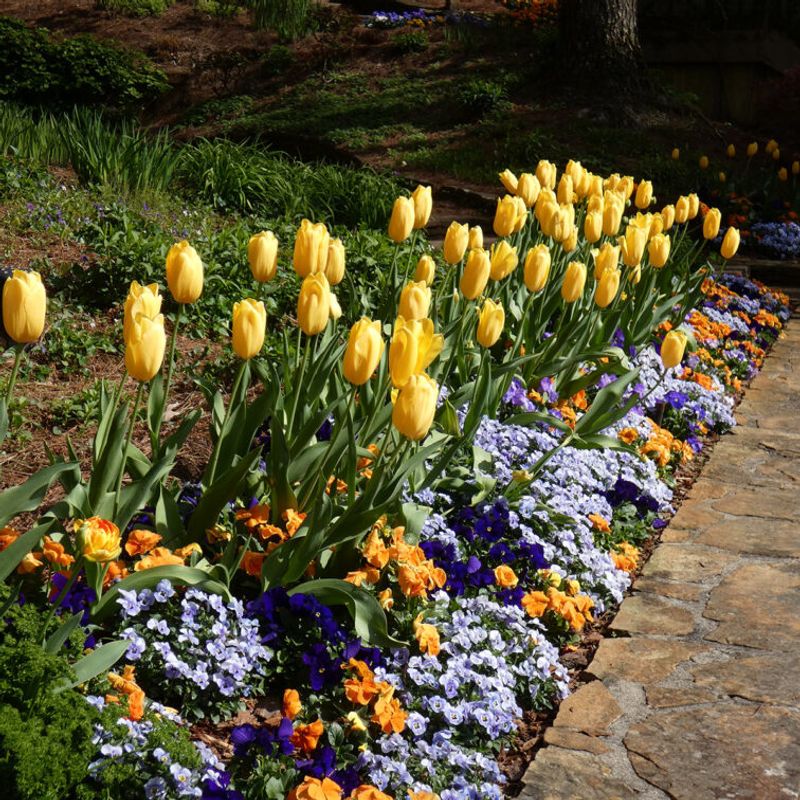
Here is something that surprises many new gardeners: tulips actually need cold weather to bloom properly. It is not just something they tolerate.
Cold is something they genuinely require. Tulip bulbs need between 12 and 14 weeks of chilling temperatures, typically below 45 degrees Fahrenheit, before they can send up their spring flowers.
Pennsylvania winters are almost perfectly designed for this. Across most of the state, temperatures drop reliably in November and stay cold well into February or March.
That long stretch of cold gives tulip bulbs all the dormancy time they need. When spring warmth finally arrives, the bulbs are fully charged and ready to push up strong stems and big blooms.
Your Pennsylvania Garden Changes Every Week. Your Plan Should Too.
Gardening in Pennsylvania changes quickly throughout the season. Every Friday you’ll receive a simple weekly plan showing exactly what to plant, prune, fertilize, harvest, and protect so you never miss the right timing.
Tulips also love cool springs, which Pennsylvania tends to deliver. A slow, gradual warm-up after winter helps the flowers last longer and look their best.
Hot, sudden spring weather can shorten bloom time significantly, but Pennsylvania’s typical April temperatures are usually just right.
Compare that to warmer southern states where gardeners often struggle to grow tulips at all. In places like Georgia or Florida, gardeners actually have to pre-chill their bulbs in the refrigerator for weeks just to fake a winter.
Pennsylvania gardeners do not have that problem. The climate here does all the heavy lifting naturally.
That is a big reason why tulips thrive so effortlessly across the state, from the Pocono Mountains in the northeast to the rolling hills of Lancaster County in the southeast.
3. The Best Time To Plant Tulips In Pennsylvania
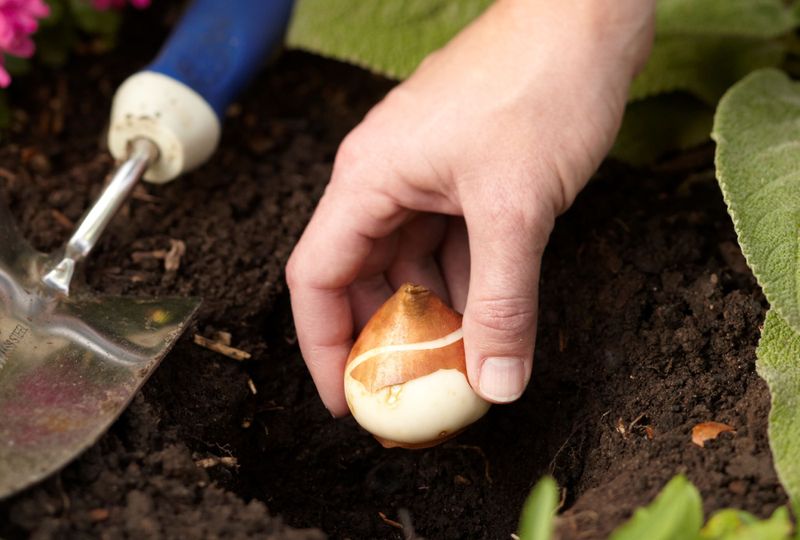
Timing is everything when it comes to planting tulips, and getting it right in Pennsylvania is not complicated once you know the basics. The ideal planting window runs from late September through November.
Most experienced Pennsylvania gardeners aim for mid-October as a sweet spot, especially in central and eastern parts of the state.
The key is soil temperature. You want the ground to be below 55 degrees Fahrenheit before you drop your bulbs in.
Planting too early, when the soil is still warm from summer, can cause bulbs to start growing too soon. That early growth gets damaged when real cold arrives.
A simple soil thermometer from any garden center can help you check the temperature before you start digging.
You also want to plant before the ground freezes solid. Once frost locks the soil, planting becomes nearly impossible.
In northern Pennsylvania, near Erie or the Poconos, that freeze can come earlier than in Philadelphia or Chester County, so adjust your schedule based on where you live in the state.
Soil drainage matters a lot too. Tulip bulbs sitting in soggy, waterlogged soil over winter are likely to rot before spring ever arrives.
Choose a spot with well-drained soil, or build up raised beds if your yard tends to hold water. Adding coarse sand or compost to heavy clay soil can also improve drainage dramatically.
Plant bulbs about 6 to 8 inches deep and space them roughly 4 to 6 inches apart for the most natural, full-looking display come spring.
4. Why Tulips Do Not Always Come Back?
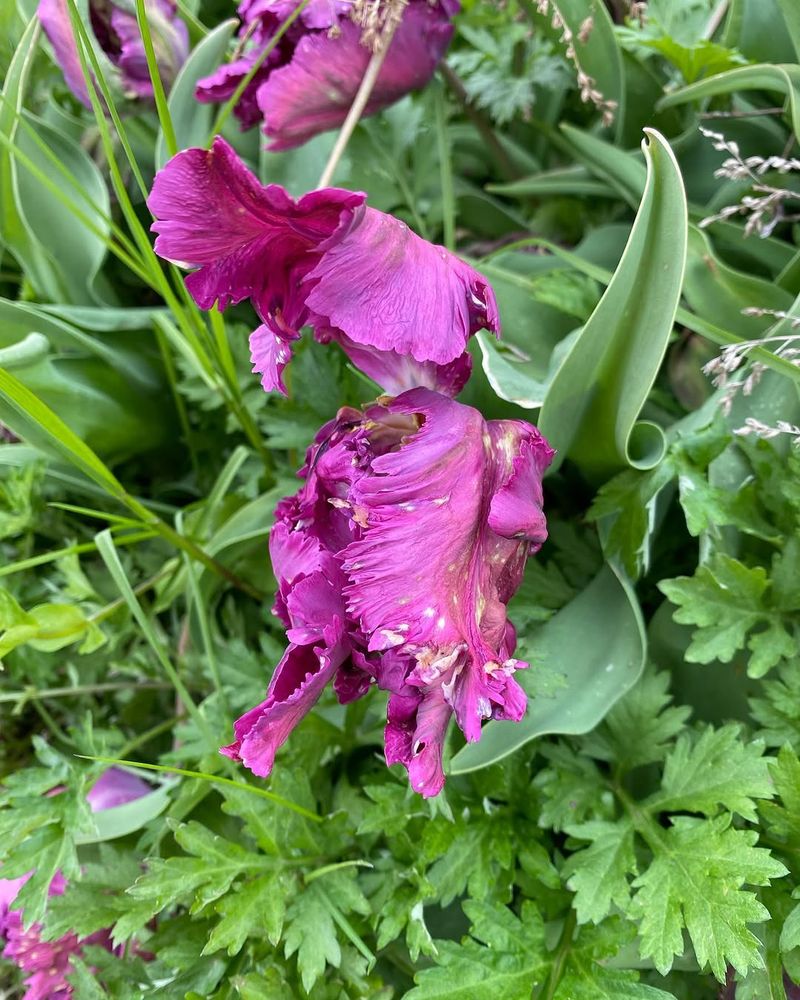
One of the most common frustrations Pennsylvania gardeners run into is planting tulips one fall, enjoying a gorgeous spring bloom, and then getting almost nothing the following year.
It feels like something went wrong, but the truth is that many modern tulip varieties are simply not built to come back reliably year after year.
Most of the big, showy hybrid tulips sold at garden centers are bred for dramatic first-year blooms. After that first season, their energy reserves are often spent.
The bulb may produce a smaller flower the second year, or no flower at all. Many Pennsylvania gardeners have started treating these hybrid varieties as annuals, planting fresh bulbs each fall and expecting a one-time spectacular show rather than a repeat performance.
Wet spring soil is another culprit. Pennsylvania can see heavy spring rains, and bulbs sitting in damp ground for too long can develop rot.
Once rot sets in, the bulb is finished. Improving drainage before planting helps prevent this problem from the start.
Wildlife is also a real challenge across Pennsylvania. Deer love to browse on tulip foliage and flowers, sometimes overnight before you even get to enjoy the blooms.
Squirrels are notorious for digging up freshly planted bulbs in fall, treating them like buried treasure. Planting bulbs under a layer of wire mesh or using repellent sprays can help protect your investment.
Understanding the difference between short-lived hybrids and more reliable perennializing varieties helps set realistic expectations from the start.
5. The Best Tulip Types For Pennsylvania Gardens
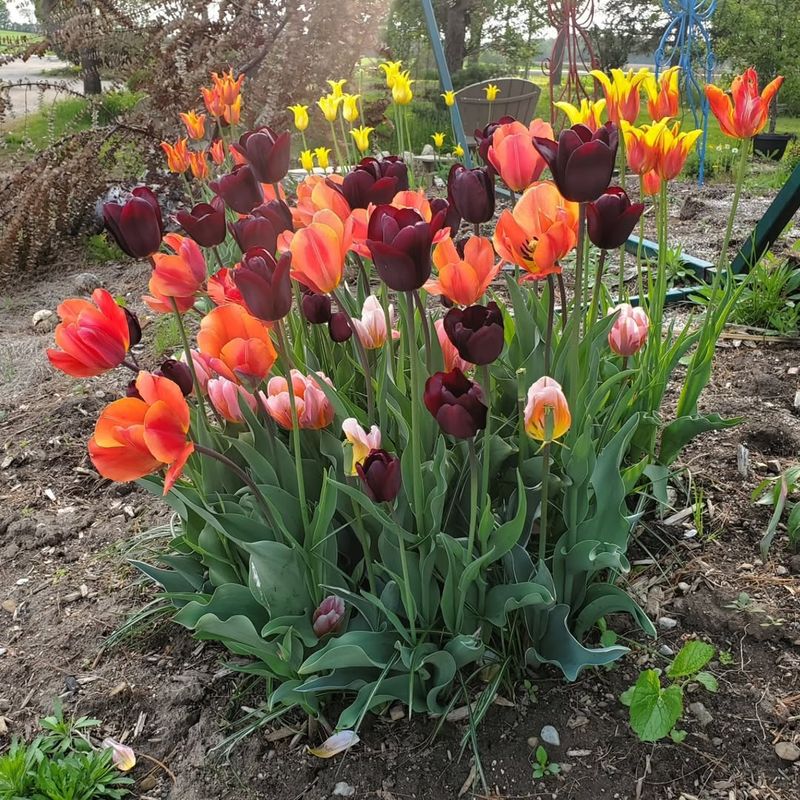
Not all tulips behave the same way in the ground, and choosing the right type for your Pennsylvania garden can make a huge difference in how satisfied you are with the results.
Some varieties are much more likely to return and bloom again in future seasons, while others are spectacular once and then fade away.
Darwin Hybrid tulips are widely considered the best choice for Pennsylvania gardeners who want repeat blooms. These large, sturdy flowers are known for coming back reliably for three to five years when given good drainage and full sun.
They produce some of the biggest blooms of any tulip type and stand up well to spring wind and rain.
Species tulips are another excellent option for long-term reliability. These are smaller and more delicate-looking than the big hybrids, but they perennialize beautifully.
Once planted, species tulips can come back for many years with very little fuss. They are especially well-suited to naturalistic garden styles and rock gardens.
Triumph tulips are strong mid-season bloomers that offer a nice balance between size and durability. They are widely available, come in a huge range of colors, and perform consistently across Pennsylvania’s varied growing zones.
Early Single tulips are worth mentioning too. They open up during the cooler early weeks of spring, often before other varieties, and their blooms tend to last longer because of the still-cool temperatures.
Mixing several tulip types in one bed creates a longer, more layered bloom season that stretches the show from early April well into May.
6. Common Problems Pennsylvania Gardeners Face
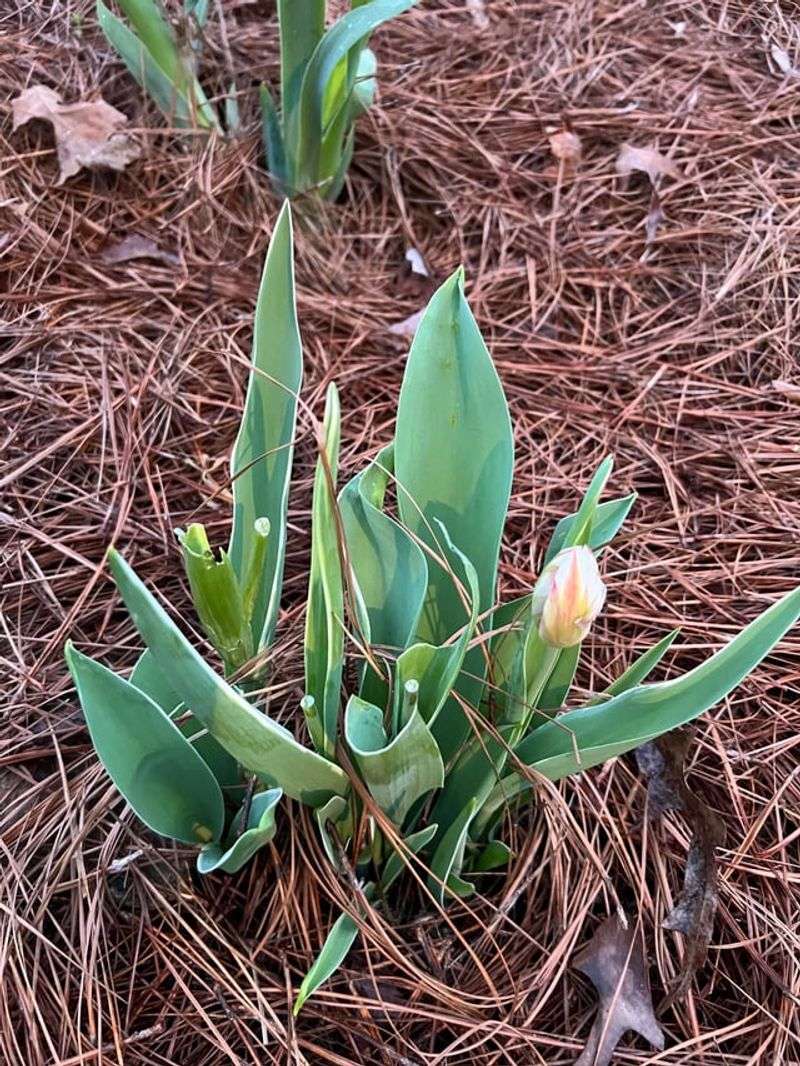
Growing tulips in Pennsylvania is mostly straightforward, but a few common challenges can trip up even experienced gardeners. Knowing what to watch for ahead of time makes it much easier to protect your bulbs and enjoy a full, healthy bloom season.
Deer are probably the biggest headache for tulip growers across the state. Pennsylvania has one of the highest white-tailed deer populations in the country, and tulips are like candy to them.
Deer can wipe out an entire bed of blooms in a single night. Spraying plants regularly with deer repellent, especially right as buds begin to form, is one of the most effective ways to keep them away.
Physical barriers like netting or fencing work well for smaller garden areas.
Squirrels are a close second when it comes to frustrating tulip problems. They have an impressive ability to sniff out freshly planted bulbs and dig them up within days of planting.
Laying a piece of hardware cloth or chicken wire flat over the planting area right after you finish, then removing it in early spring, is a proven strategy that many Pennsylvania gardeners swear by.
Heavy clay soil is common in parts of Pennsylvania, particularly in the western and central regions of the state. Clay holds too much moisture and can cause bulb rot over winter.
Amending soil with compost or coarse grit before planting improves drainage considerably. Late spring frosts are also a risk, especially in the northern parts of Pennsylvania.
Covering emerging tulip shoots with lightweight frost cloth on cold nights can protect tender new growth from unexpected freezes.
7. How To Make Tulips Bloom Better Every Year?
Getting tulips to come back and bloom strong in Pennsylvania takes a little planning, but the effort is absolutely worth it. A few smart habits at planting time and through the growing season can dramatically improve your results year after year.
Start by planting your bulbs at the right depth. Six to eight inches deep is the sweet spot for most tulip varieties.
Planting too shallow leaves bulbs vulnerable to temperature swings and wildlife. Deeper planting also encourages stronger root systems that support bigger, more robust blooms the following spring.
Full sun is non-negotiable. Tulips need at least six hours of direct sunlight each day to perform their best.
Shady spots under trees or along north-facing walls will produce weak, floppy stems and small flowers. Choose the sunniest spot in your Pennsylvania yard for the most impressive display.
After your tulips finish blooming, resist the urge to cut down the foliage right away. The leaves are still feeding the bulb underground, storing energy for next year’s flowers.
Let the foliage turn yellow and flop over naturally before removing it. This usually takes about six weeks after blooming ends.
Avoid overwatering in spring. Pennsylvania springs can already be wet, and tulip bulbs do not need extra moisture once they are actively growing.
Adding a layer of compost at planting time gives bulbs a slow, steady supply of nutrients over the season. These simple steps, done consistently, give Pennsylvania tulips the best possible chance of returning with beautiful blooms season after season.