The One Plant Pennsylvania Gardeners Always Plant Too Early
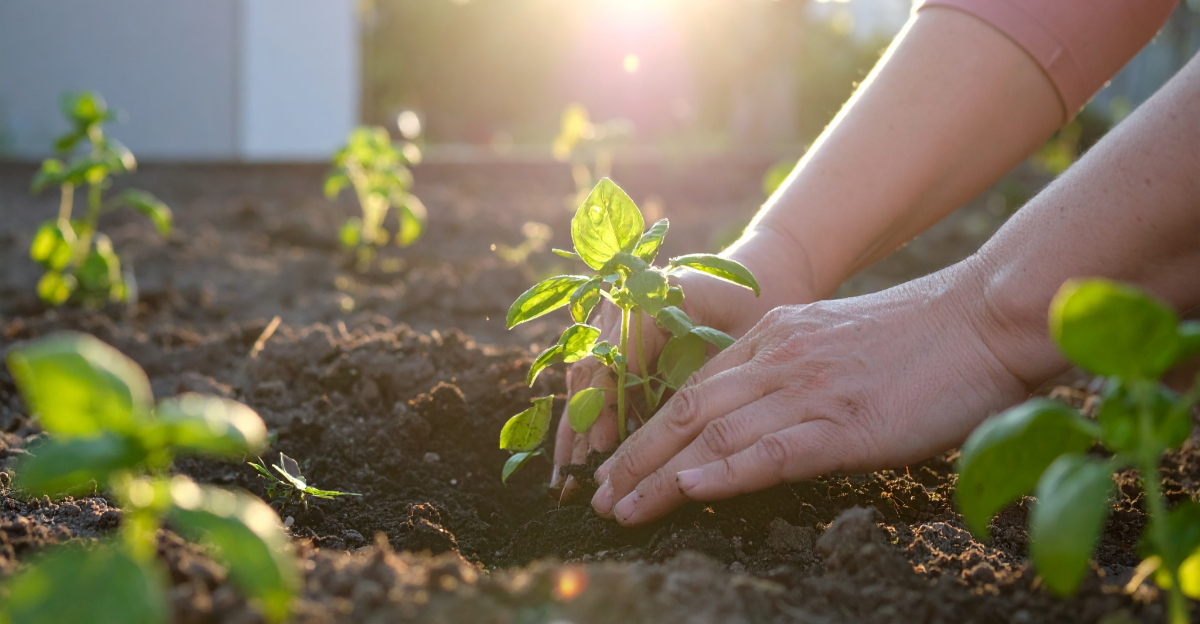
If you have gardened in Pennsylvania long enough, you know how tempting those first warm days can be.
The snow finally melts, the sun feels stronger, and suddenly the garden center trips begin. After a long winter, patience runs thin.
Every spring, there is one plant many gardeners rush to put in the ground. It looks sturdy, it seems ready, and it promises early color or harvest.
But our unpredictable cold snaps and chilly soil often tell a different story. What seems safe in now can struggle quietly once temperatures dip again.
Before you make that early planting decision this year, there is one specific favorite worth pausing on first.
1. Basil And Pennsylvania Frost Do Not Get Along
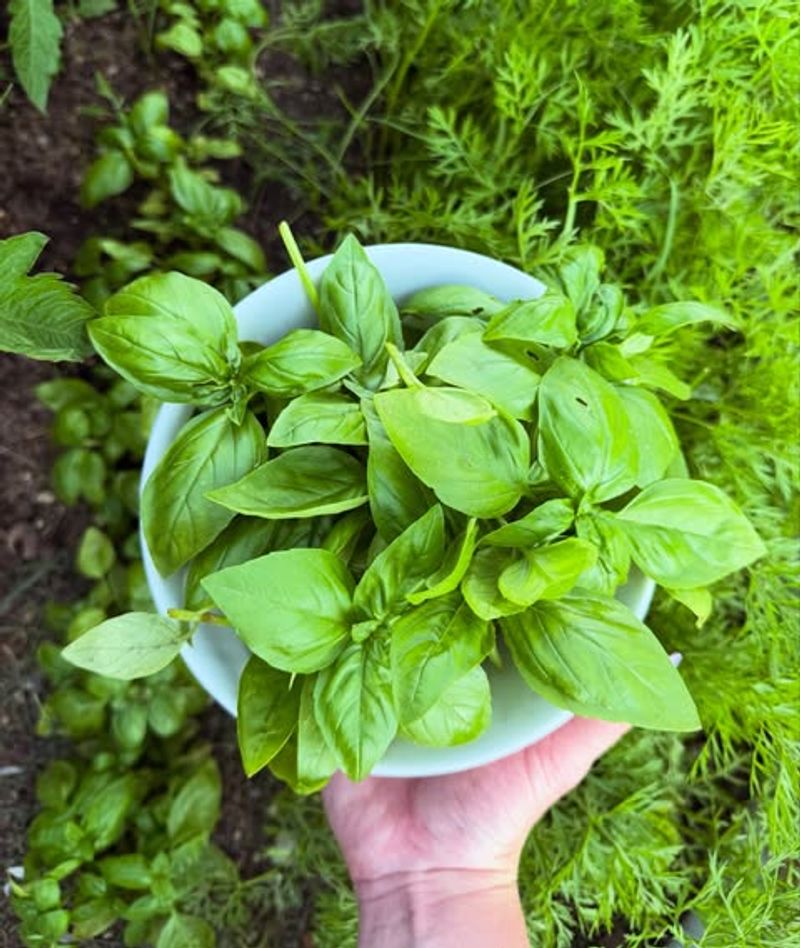
Frost and basil have about as friendly a relationship as ice cream and a hot sidewalk. Basil is a tropical herb that originated in warm regions of Asia and Africa, and it simply was not built to handle freezing temperatures.
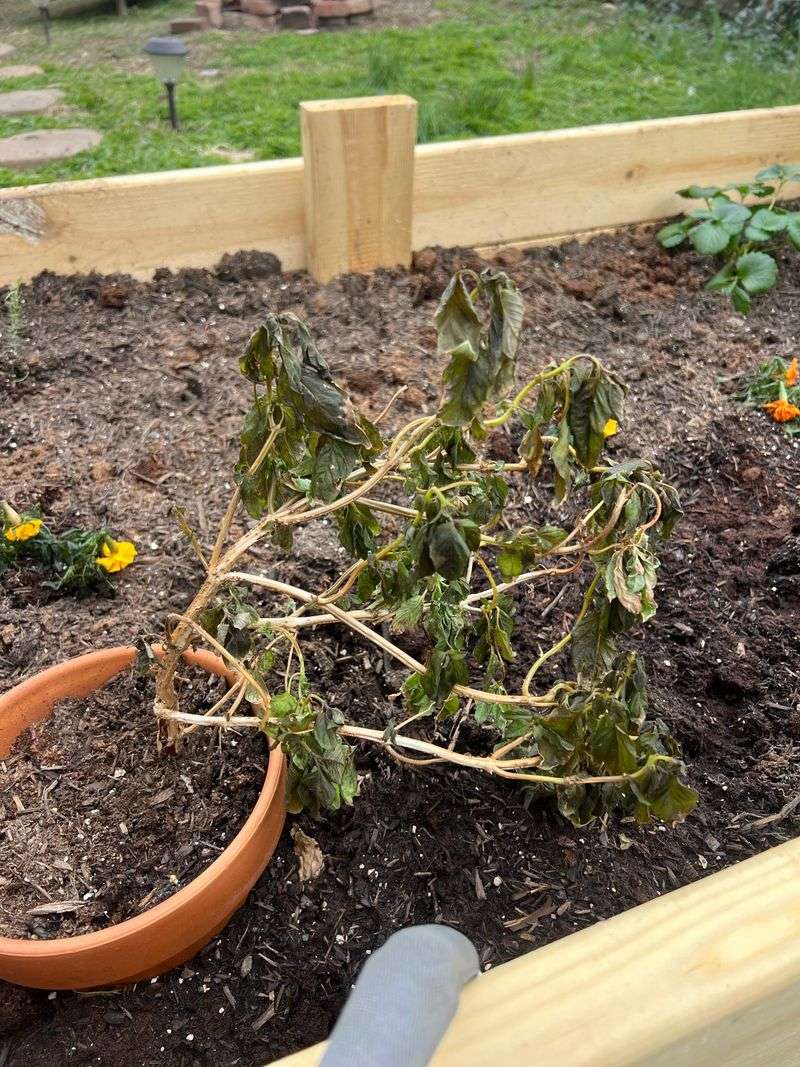
Even a light frost can damage basil leaves quickly, often causing them to turn dark and collapse within hours.
In Pennsylvania, late frosts are more common than most gardeners expect. The state’s weather is famously unpredictable in March, April, and even early May.
A stretch of 70-degree days can make everything feel like summer, but then a cold front rolls in and temperatures drop below freezing without much warning.
When frost touches basil, the water inside the plant’s cells freezes and expands, breaking down the cell walls. Once that damage happens, there is no coming back.
The plant may look okay for a few hours in the morning, but as the day warms up, those blackened, collapsed leaves make the damage very clear.
Gardeners in places like Harrisburg, Allentown, and Erie have all experienced this heartbreak. The smartest move is to wait until frost is truly off the table before putting basil in the ground.
Patience really does pay off when it comes to this sensitive, sun-loving herb.
2. Warm Days Fool Gardeners But Cold Nights Hurt Basil
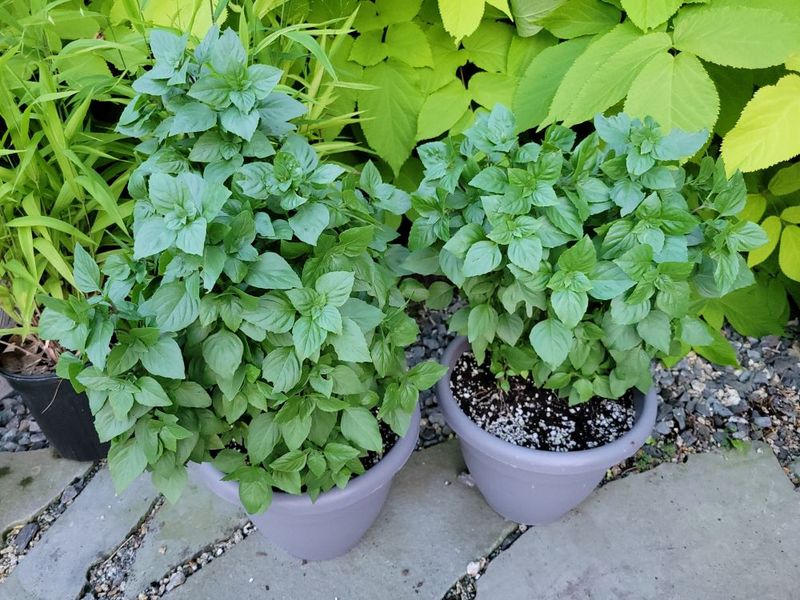
Spring in Pennsylvania can be incredibly convincing. A week of sunny, 65-degree afternoons makes it feel like winter is completely done, and that feeling is hard to argue with when you are standing outside in a t-shirt.
But basil pays attention to the nights, not just the days.
Nighttime temperatures in Pennsylvania can stay dangerously low well into May, even when daytime highs feel comfortable. Basil starts to struggle when temperatures drop below 50 degrees Fahrenheit.
At that point, the plant slows its growth, loses color, and becomes much more vulnerable to disease and pests.
This is one of the most common traps Pennsylvania gardeners fall into every single year. The warm afternoons feel like a green light, but the cold nights are quietly stressing the basil out.
Even without frost, repeated exposure to chilly nights causes what gardeners call chilling injury, which stunts growth and reduces the plant’s ability to produce those fragrant, flavorful leaves everyone loves.
Your Pennsylvania Garden Changes Every Week. Your Plan Should Too.
Gardening in Pennsylvania changes quickly throughout the season. Every Friday you’ll receive a simple weekly plan showing exactly what to plant, prune, fertilize, harvest, and protect so you never miss the right timing.
Checking both the daytime high and the overnight low before planting is a simple habit that makes a huge difference. Weather apps make this easier than ever.
If nights are still dipping into the 40s anywhere in Pennsylvania, give your basil a little more time indoors before moving it outside permanently.
3. Cold Soil Is The Real Reason Basil Struggles Early
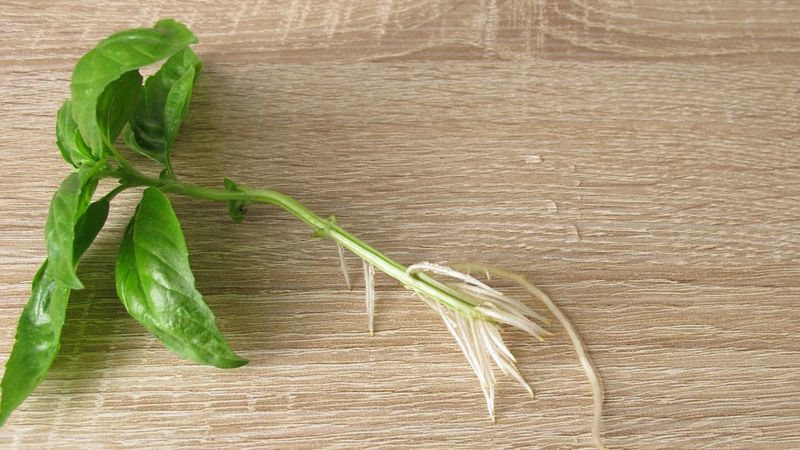
Most gardeners focus on air temperature when deciding when to plant, but soil temperature is actually the more important factor for basil. Air can warm up quickly on a sunny day, but the soil takes much longer to catch up, especially in Pennsylvania where winters are long and cold.
Basil roots need soil that is at least 60 degrees Fahrenheit, and ideally closer to 70 degrees, to grow actively and absorb nutrients properly. When basil is planted in cold soil, the roots essentially shut down.
The plant just sits there, not growing, not thriving, and slowly becoming more stressed with each passing day.
Cold soil also encourages fungal problems. Damping off, a condition caused by soilborne fungi, loves cool and moist conditions.
Basil seedlings planted too early in Pennsylvania’s cold spring soil are prime targets for this kind of root rot, which can wipe out young plants before they ever get a real start.
A simple soil thermometer, available at most garden centers, takes the guesswork out of timing. Stick it a few inches into the ground in the morning before the sun warms the surface.
Once the reading consistently hits 60 degrees or above, your Pennsylvania garden bed is truly ready for basil. That small tool can save you from a season of disappointment.
4. Pennsylvania’s Last Frost Date Is Not Just A Suggestion
Every region has a last frost date, and Pennsylvania has several depending on where you live. The state stretches across different climate zones, and that means the last frost date in Philadelphia is not the same as it is in State College or Erie.
Treating these dates as rough guidelines rather than hard rules is one of the biggest mistakes Pennsylvania gardeners make.
In the southeastern corner of Pennsylvania, the average last frost date falls around mid-April. But in the northern and central parts of the state, that date can push all the way into mid-May.
Planting basil even a week before the last frost date significantly raises the risk of losing your plants to an unexpected cold snap.
The last frost date is an average, which means there is still a real chance of frost happening after that date in any given year. Pennsylvania weather has a habit of throwing surprises at gardeners, especially in April and early May.
A frost after your average last frost date is not unusual, it just happens less often than before that date.
Local extension services through Penn State are a great resource for finding the most accurate last frost date for your specific county. Knowing your exact zone gives you a much clearer picture of when it is truly safe to put basil in the ground and expect it to grow strong.
5. One Chilly Night Can Set Basil Back Fast
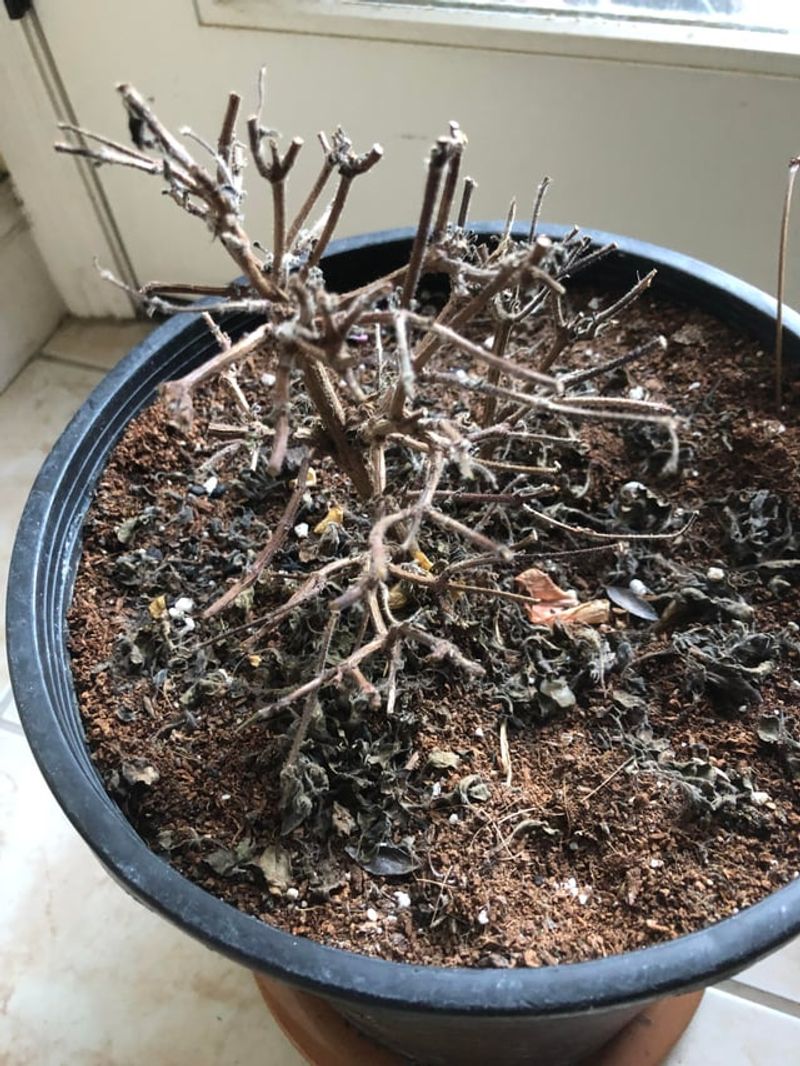
Basil does not bounce back from cold stress the way some other plants do. One single chilly night can set a basil plant back by a week or more, and repeated cold exposure compounds the damage quickly.
What starts as slightly purple-tinged leaves can turn into a plant that never quite reaches its full potential for the rest of the season.
Purple or bronze discoloration on basil leaves is a classic sign of cold stress. When temperatures drop below 50 degrees, basil produces extra anthocyanin pigments as a stress response, giving the leaves that off-color look.
While the plant might survive, its growth rate slows dramatically and the flavor of the leaves can become less vibrant.
Pennsylvania gardeners who plant basil in late April often find themselves babying their plants for weeks, covering them at night, bringing pots indoors, and worrying every time the forecast dips. That extra effort takes a lot of the joy out of gardening.
Waiting a little longer means your basil goes in the ground strong and stays strong.
Think of it this way: a basil plant set out in late May in Pennsylvania will often catch up to and surpass a plant set out in early April that suffered through cold nights. Strong, happy starts in warm conditions beat early, stressed starts every single time.
6. Basil Wants Warm Soil Not Spring Guesswork
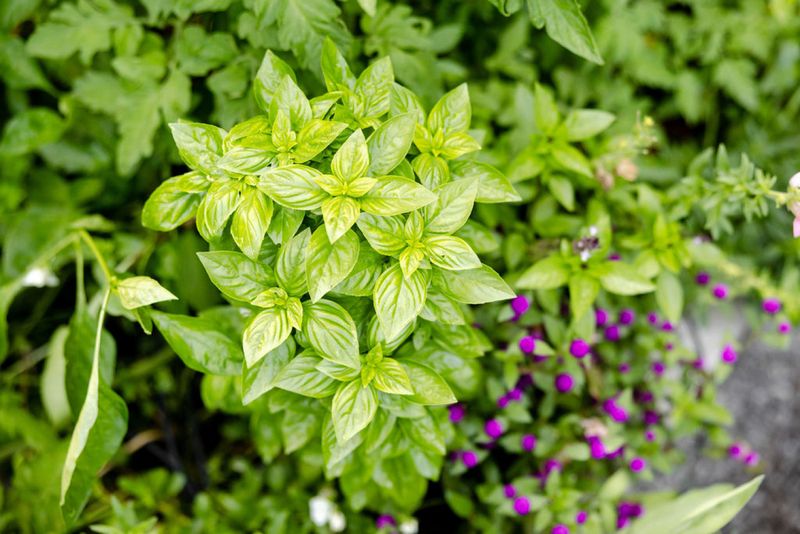
Guesswork rarely ends well in the spring garden, especially when it comes to warm-loving herbs. Cool-season crops like lettuce, spinach, and kale can handle Pennsylvania’s chilly starts and even seem to enjoy them.
In contrast, basil is built for steady warmth, thriving only when both soil and air temperatures truly settle in. Giving it anything less than truly warm conditions is setting it up for a rough start.
The best way to think about basil is to imagine it as a houseguest from a tropical island. It wants sunshine, warmth, and humidity.
Pennsylvania’s spring offers sunshine on some days, but the warmth and stable temperatures that basil craves do not usually arrive until late May or even early June in many parts of the state.
Gardeners who start basil indoors under grow lights around six to eight weeks before their target outdoor planting date have the best results. By the time the soil has warmed up and nights are consistently above 55 degrees, those indoor-started plants are ready to go outside and hit the ground running.
They establish quickly and reward gardeners with lush, fragrant growth almost immediately.
Raised garden beds warm up faster than in-ground beds, making them a smart option for Pennsylvania basil growers who want to get a slightly earlier start. Dark-colored raised beds absorb more heat from the sun, pushing soil temperatures up faster than traditional garden plots sitting on cold ground.
7. Waiting A Few Weeks Can Make All The Difference For Basil
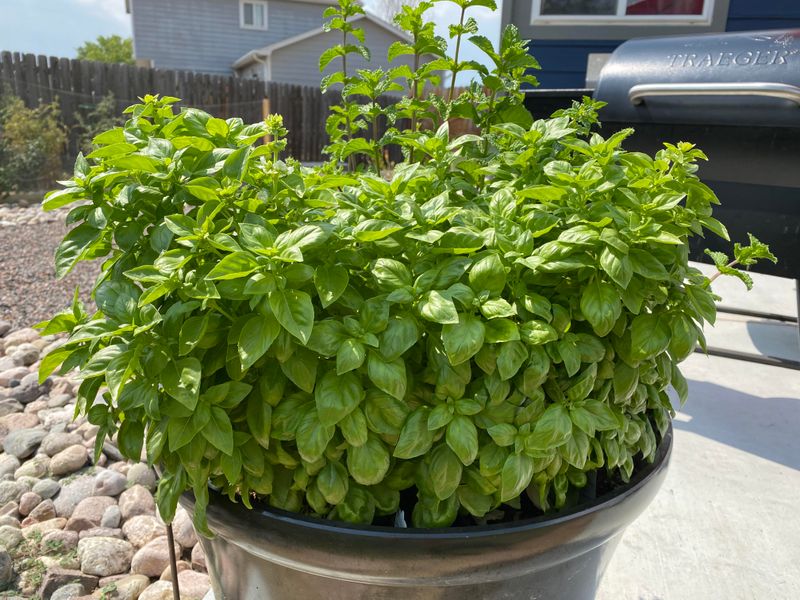
Patience is genuinely one of the most powerful tools a Pennsylvania gardener has when it comes to basil. Waiting just two or three extra weeks past that tempting first warm spell can completely transform the outcome of your growing season.
Plants that go in the ground when conditions are truly right establish faster, grow bigger, and produce more leaves with better flavor.
A basil plant placed in warm soil with warm nights does not waste energy trying to survive. Instead, all of its energy goes straight into growing.
Root systems expand quickly, stems thicken up, and leaves unfurl in that beautiful, glossy green that every cook and gardener loves to see. That kind of explosive growth just does not happen when basil is fighting cold stress.
Across Pennsylvania, from the suburbs of Philadelphia to the rural farmlands of York County, experienced gardeners will tell you the same thing: the basil they planted in late May always outperformed the basil they tried to sneak in during April. Experience teaches lessons that no amount of optimism can override.
So next spring, when that first warm week hits and the garden center fills up with basil plants, take a breath. Check your soil temperature, look at the overnight forecast, and remember that a few more weeks of waiting will reward you with the best basil harvest you have ever had in your Pennsylvania garden.