These Native Flowers Attract Pollinators In Pennsylvania
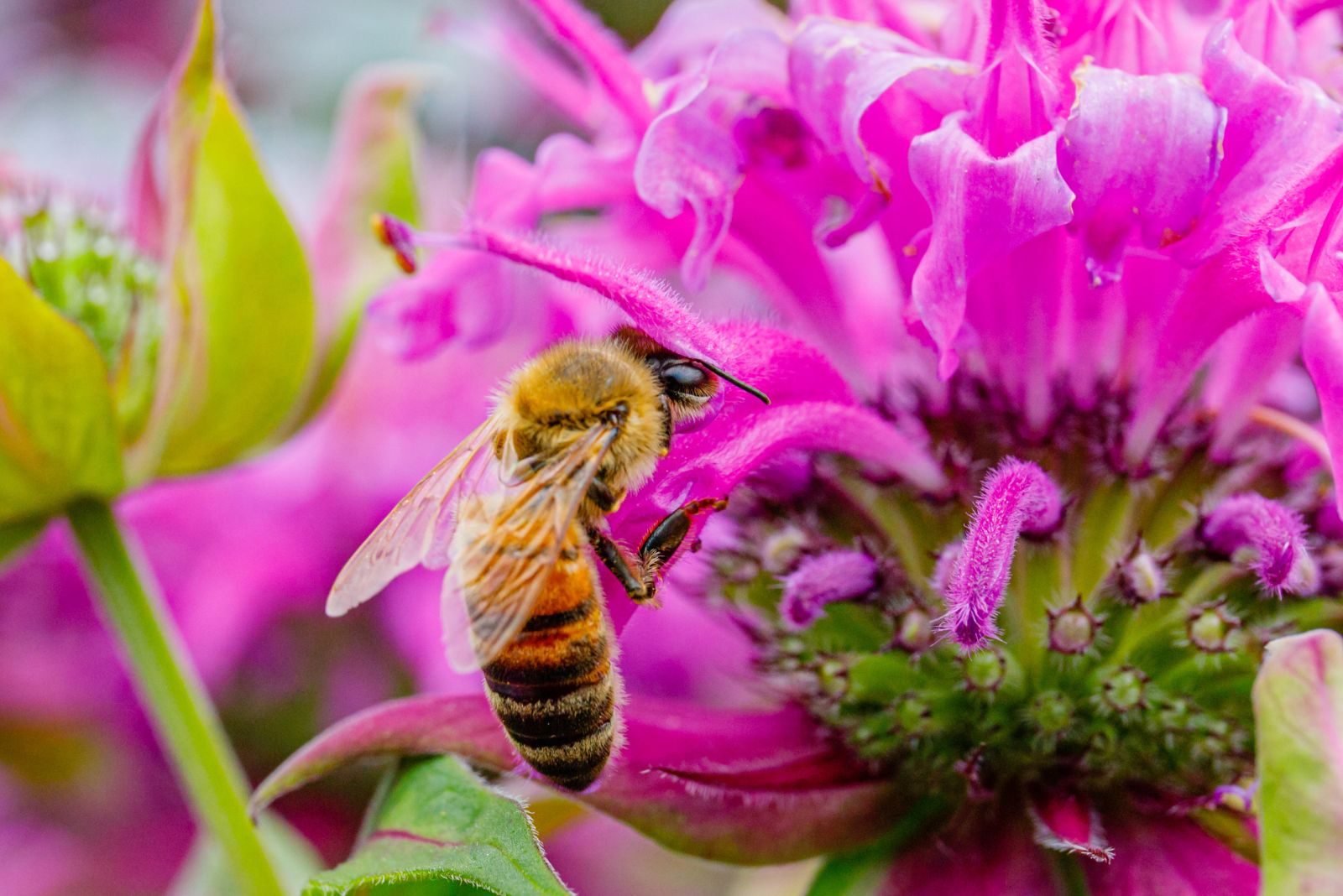
A garden feels different when it is buzzing with life. In Pennsylvania, native flowers have a special way of turning quiet yards into lively spaces filled with butterflies, bees, and other helpful pollinators.
As soon as these blooms open, they become natural gathering spots for the tiny visitors that keep local ecosystems thriving.
Native plants and pollinators have grown side by side for generations. That connection means the flowers provide exactly what local insects need, from nectar to shelter.
In return, pollinators help plants reproduce and keep gardens healthy. It is a simple partnership, but it makes a big impact.
Choosing native flowers also means picking plants that are already suited to Pennsylvania’s soil and climate. They handle changing seasons with less fuss and often require less maintenance once established.
Adding them to your yard is not just about color. It is about creating a space that supports wildlife while still looking beautiful throughout the growing season.
1. Purple Coneflower (Echinacea Purpurea)
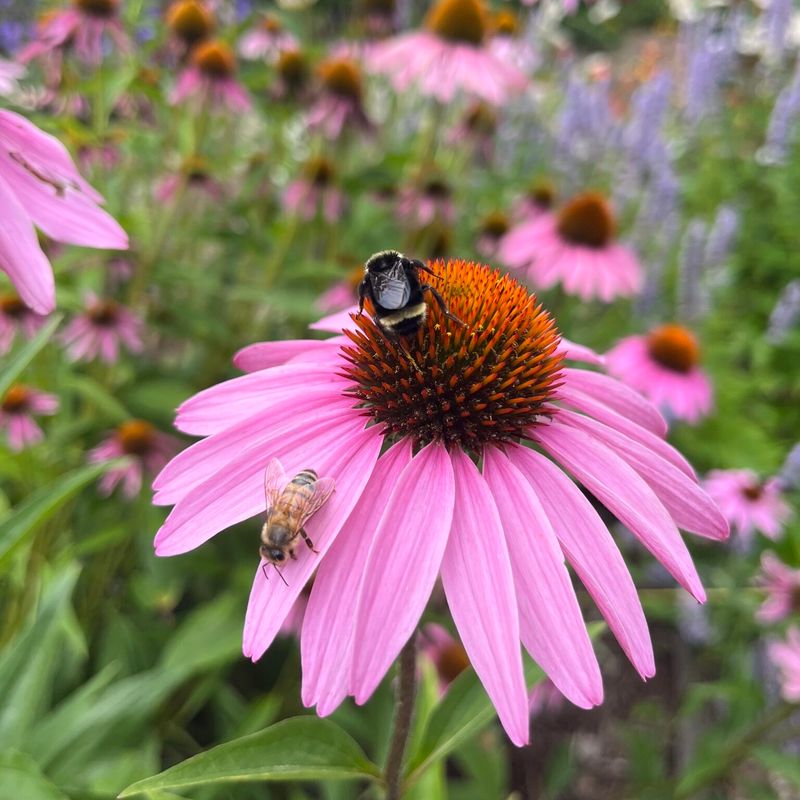
Few flowers are as instantly recognizable as the Purple Coneflower. Its bold, daisy-like blooms with drooping purple petals and a spiky orange-brown center make it a standout in any garden.
Native to Pennsylvania, this plant has been a favorite of both gardeners and pollinators for generations.
Purple Coneflower blooms from June through August, right when bees and butterflies are most active. Bumblebees, honeybees, and painted lady butterflies absolutely love visiting these flowers for nectar and pollen.
Goldfinches also stop by in late summer to snack on the seed heads, so the plant keeps giving even after the blooms fade.
One of the best things about this plant is how low-maintenance it is. It tolerates heat well and grows happily in average Pennsylvania garden soil without needing extra fertilizer.
Plant it in a sunny spot and water it occasionally while it gets established. After that, it mostly takes care of itself.
Purple Coneflower also has a long history in herbal medicine. Many Native American tribes used the plant for its healing properties long before European settlers arrived.
Today, Echinacea supplements made from this plant are still sold in stores across Pennsylvania and the country.
If you want a flower that looks beautiful, supports wildlife, and practically grows itself, Purple Coneflower deserves a spot in your garden right now.
2. Wild Bergamot (Monarda Fistulosa)
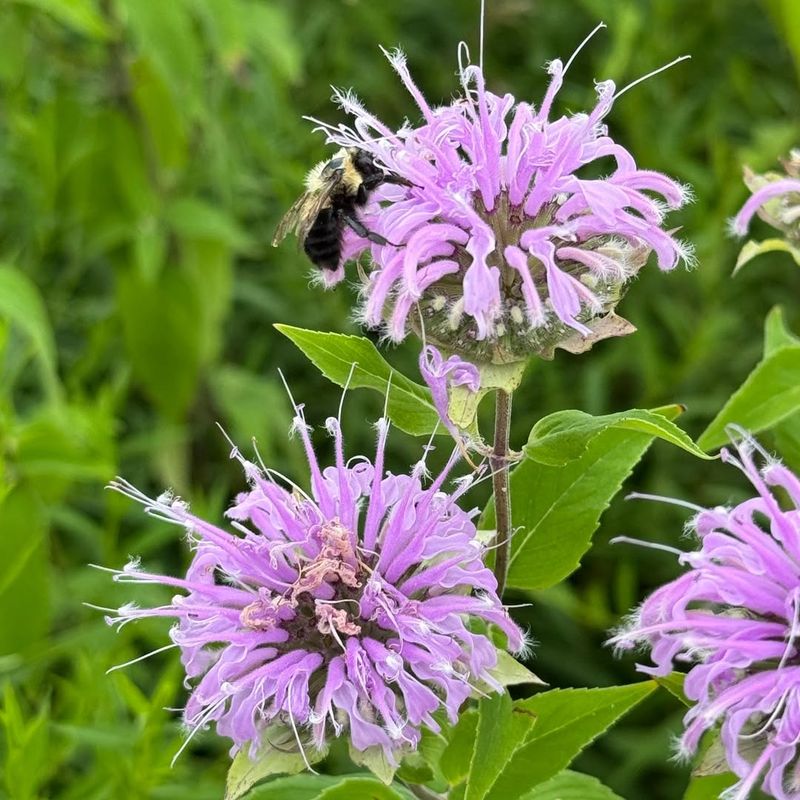
There is something almost magical about Wild Bergamot on a warm summer afternoon. The lavender-pink blooms release a gentle, minty fragrance that drifts through the air and draws pollinators from a surprising distance.
Native statewide across Pennsylvania, this plant feels right at home in meadows, roadsides, and backyard gardens alike.
Blooming from June through August, Wild Bergamot is a powerhouse for native bees. Bumblebees, sweat bees, and leafcutter bees all visit regularly.
Hummingbirds are also big fans, hovering near the tubular flowers to sip nectar. Watching that kind of wildlife activity in your own yard never gets old.
This plant prefers full sun to light shade and handles Pennsylvania summers without much fuss. It spreads slowly over time, forming beautiful clumps that fill in bare spots naturally. Just give it well-drained soil and a sunny location, and it will reward you year after year.
Your Pennsylvania Garden Changes Every Week. Your Plan Should Too.
Gardening in Pennsylvania changes quickly throughout the season. Every Friday you’ll receive a simple weekly plan showing exactly what to plant, prune, fertilize, harvest, and protect so you never miss the right timing.
Wild Bergamot belongs to the mint family, which explains that pleasant herbal scent. Early American settlers used the leaves to brew tea and treat minor ailments.
The dried flower heads also hold their shape well, making them a lovely addition to dried flower arrangements.
For a plant that smells great, feeds pollinators, and thrives across Pennsylvania with minimal effort, Wild Bergamot is a genuinely smart addition to any native garden or wildflower planting.
3. Black-Eyed Susan (Rudbeckia Hirta)
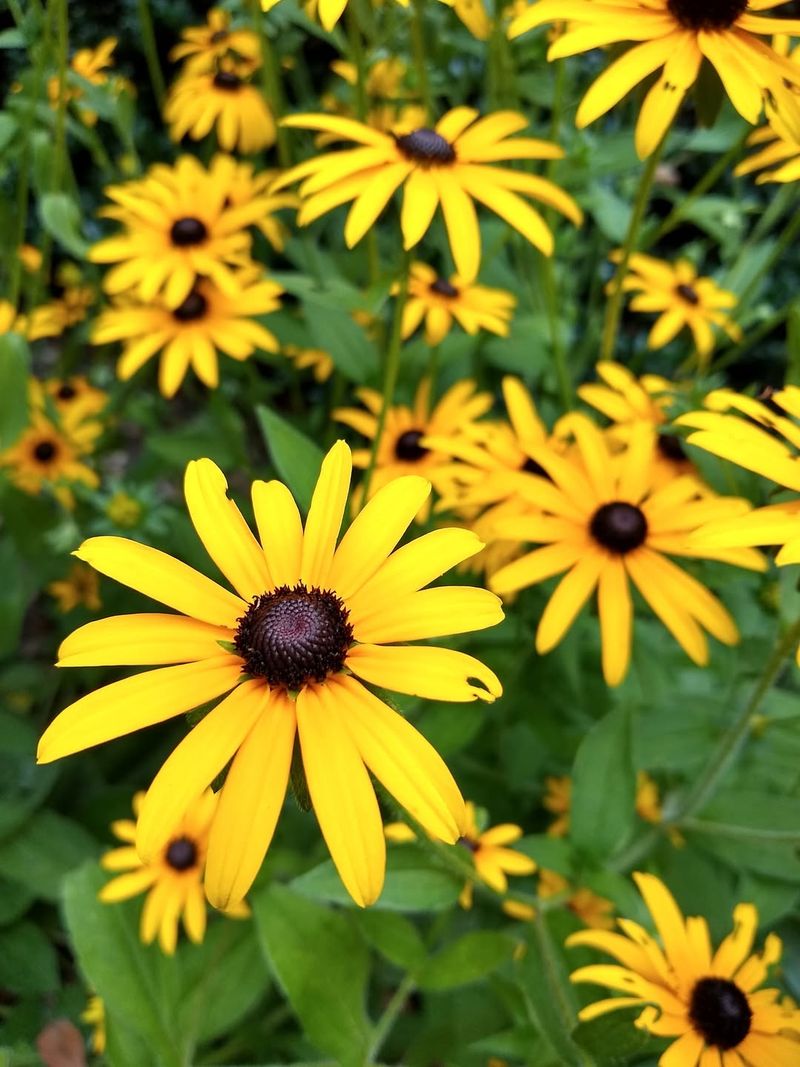
Ask any Pennsylvania gardener which native flower is the easiest to grow, and Black-Eyed Susan is almost always near the top of the list.
Its cheerful golden-yellow petals surrounding a dark brown center have made it one of the most beloved wildflowers in the state. And pollinators feel exactly the same way about it.
Blooming from June all the way through September, Black-Eyed Susan provides nectar and pollen over a long stretch of the growing season.
Bees and butterflies flock to the flowers consistently, and the seed heads feed birds like goldfinches and chickadees well into fall and winter. Planting this flower is basically setting up a free buffet for local wildlife.
What makes Black-Eyed Susan especially appealing for gardeners is its adaptability. It grows well in clay, sandy, or loamy soil and handles both dry spells and occasional wet periods without complaint.
Whether your Pennsylvania yard gets full sun or partial shade, this plant will likely do just fine.
Fun fact: Black-Eyed Susan is actually a short-lived perennial that often behaves like a biennial, meaning it self-seeds freely and comes back year after year without any help from you. Once you plant it, it tends to naturalize and spread on its own.
For beginners and experienced gardeners alike, Black-Eyed Susan is one of those reliable, no-fuss native flowers that earns its place in any Pennsylvania pollinator garden season after season.
4. Butterfly Weed (Asclepias Tuberosa)
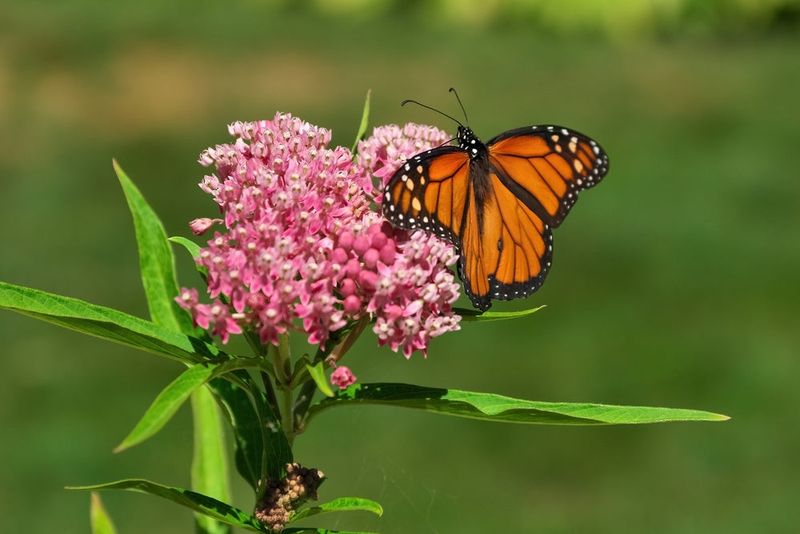
Bright orange and bold, Butterfly Weed is the kind of plant that stops people in their tracks. This native milkweed species is one of the most important plants you can grow in Pennsylvania if you care about monarch butterflies.
Monarchs do not just visit this plant for nectar. They actually need it to complete their life cycle.
Female monarch butterflies lay their eggs exclusively on milkweed plants, and Butterfly Weed is one of the best native options in Pennsylvania. When the eggs hatch, the caterpillars feed on the leaves.
Without milkweed, monarch populations cannot survive. Planting even a small patch of Butterfly Weed in your yard makes a real difference for this iconic species.
Beyond monarchs, this plant attracts a wide range of other pollinators. Native bees, swallowtail butterflies, and even hummingbirds visit the clusters of vivid orange flowers from June through August.
The blooms are long-lasting and incredibly eye-catching against Pennsylvania’s summer landscape.
Butterfly Weed thrives in dry, sunny spots and actually prefers poor, well-drained soil. Unlike many plants, it does not want rich, amended garden soil.
Once established, it is extremely drought-tolerant and needs almost no care at all. It also has a deep taproot, so it is best planted where you want it to stay permanently.
For any Pennsylvania gardener who wants to make a meaningful contribution to monarch conservation, Butterfly Weed is simply non-negotiable.
5. New England Aster (Symphyotrichum Novae-Angliae)
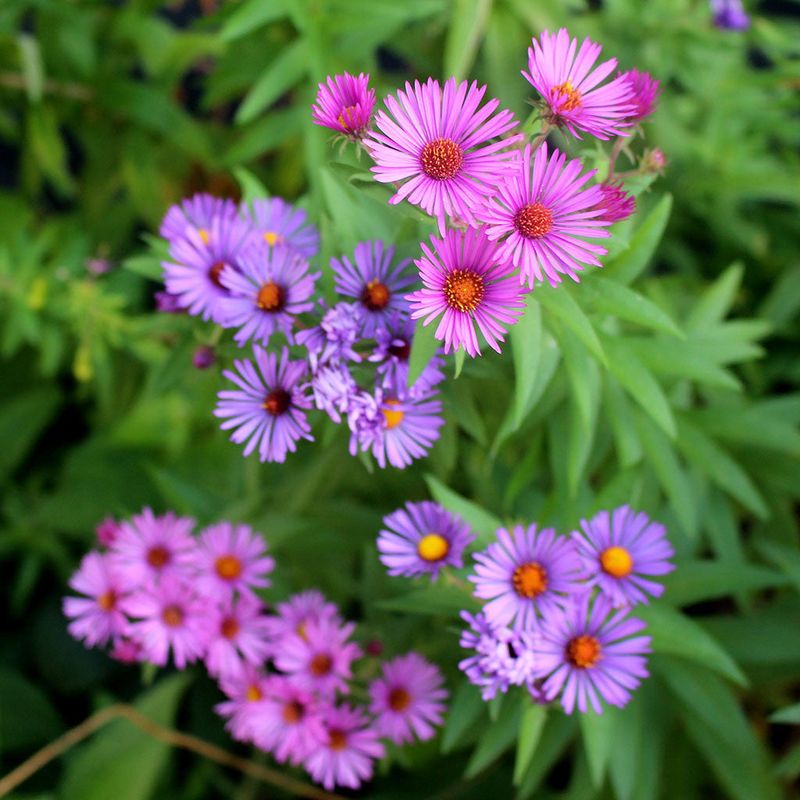
When most flowers are winding down for the year, New England Aster is just getting started.
This native Pennsylvania beauty bursts into bloom from August through October, painting gardens in shades of deep purple and violet right when pollinators need fuel the most. It is one of those plants that truly earns its place in any yard.
Late-season nectar is incredibly valuable for migrating insects. Monarch butterflies passing through Pennsylvania on their way south depend on flowers like New England Aster to build up the energy reserves they need for the long journey ahead.
Native bees also rely heavily on this plant in fall, stocking up before colder weather arrives. New England Aster grows tall, sometimes reaching four to six feet in height, creating a dramatic display in the back of a garden border.
The vibrant purple flowers with yellow centers attract attention from both pollinators and people.
Bumblebees are especially enthusiastic visitors, often covering the blooms in impressive numbers on warm fall days.
This plant grows naturally in moist meadows and along stream banks across Pennsylvania, but it adapts well to average garden conditions too. It prefers full sun and benefits from being cut back by about half in early summer to keep it compact and bushy.
If your Pennsylvania garden feels empty in September and October, New England Aster is exactly the solution you have been looking for. It closes the season beautifully.
6. Woodland Phlox (Phlox Divaricata)
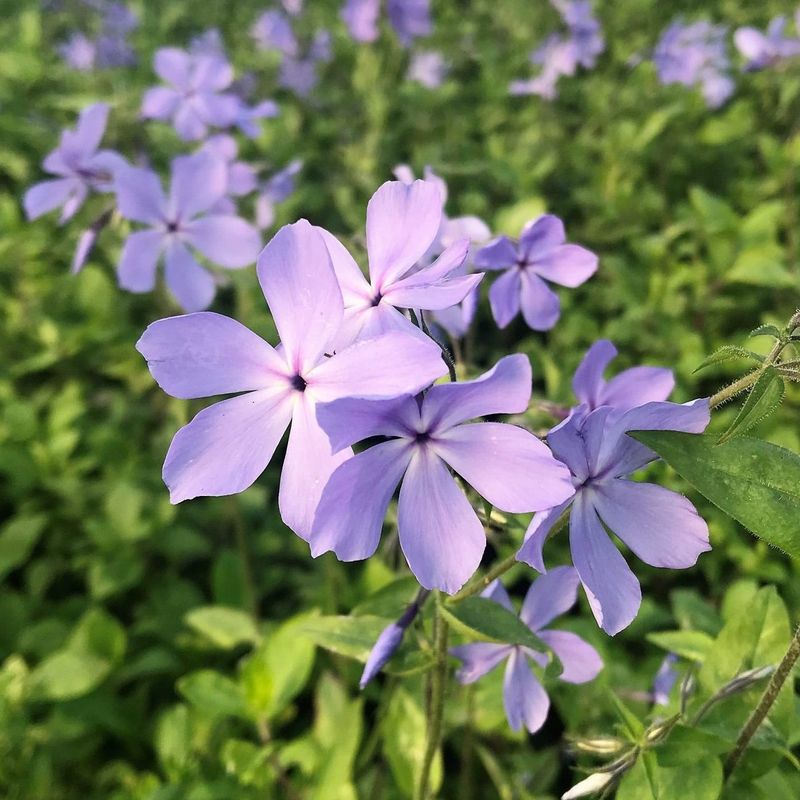
Not every pollinator garden gets full sun, and that is where Woodland Phlox shines. This soft, delicate native flower is perfectly suited to shaded and partly shaded Pennsylvania gardens, blooming in April and May when early spring pollinators are desperately searching for food after a long winter.
The pale blue to lavender flowers have a sweet, light fragrance that carries beautifully through the cool spring air. Early bumblebee queens, which emerge from overwintering before most other bees, are especially drawn to Woodland Phlox.
Hummingbirds returning to Pennsylvania in spring also visit the tubular flowers for a quick nectar boost after their long migration north.
Woodland Phlox grows naturally in Pennsylvania’s forest understory, spreading gently to form soft, carpet-like mats of foliage.
It pairs wonderfully with other shade-loving native plants like wild ginger and trillium, creating a layered woodland garden that looks beautiful and functions as a habitat all at once.
Growing this plant is straightforward. Give it moist, well-drained soil with plenty of organic matter and a spot that gets dappled shade or morning sun.
It does not handle drought well, so consistent moisture is helpful, especially during dry Pennsylvania summers.
Here is a fun detail: Woodland Phlox spreads by both seeds and trailing stems, so over time it fills in empty shady spots on its own. For anyone with a wooded yard in Pennsylvania, this is one of the most rewarding native plants you can grow.
7. Goldenrod (Solidago Canadensis)
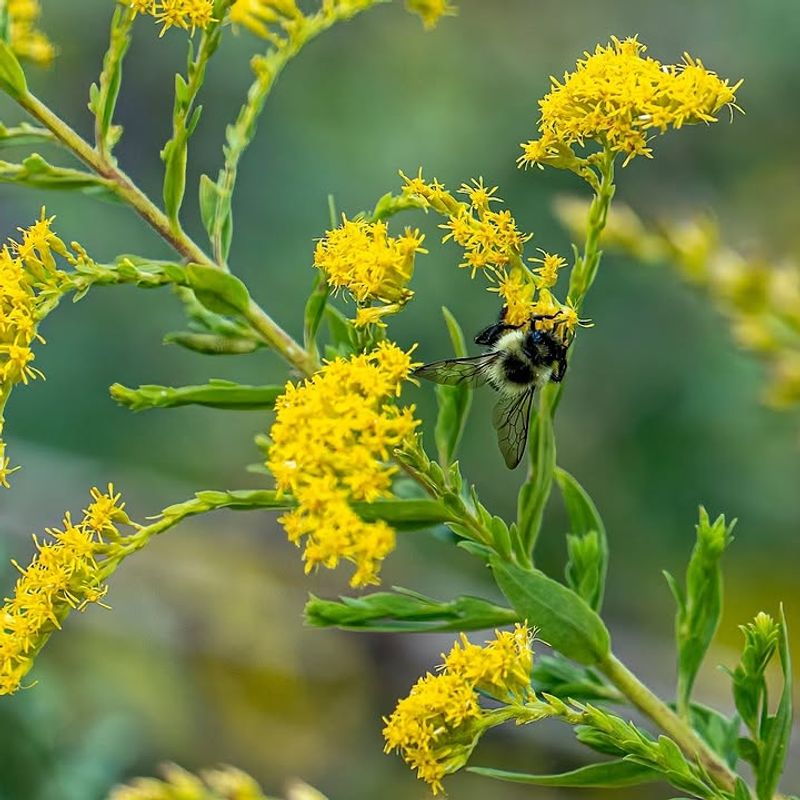
Goldenrod gets a bad reputation it absolutely does not deserve. Many people blame it for fall allergies, but the real culprit is ragweed, which blooms at the same time.
Goldenrod’s pollen is too heavy and sticky to travel through the air. It relies on insects to carry pollen from flower to flower, which is exactly why pollinators love it so much.
Native and widespread across Pennsylvania, Solidago canadensis is one of the single most important nectar sources for bees in the entire state. In late summer and fall, goldenrod fields practically vibrate with insect activity.
Dozens of native bee species, wasps, beetles, and butterflies all visit the cheerful yellow flower clusters. Some researchers estimate that a single goldenrod plant can support over 100 different insect species.
Beyond pollinators, goldenrod supports the broader food web. Birds eat the insects attracted to the plant, and some species use the fluffy seed heads as nesting material. It is a native plant that works overtime for Pennsylvania’s ecosystem.
Goldenrod spreads vigorously through rhizomes, so it works best in larger garden spaces, meadows, or naturalized areas where it has room to roam. If space is limited, look for clump-forming goldenrod varieties that stay more contained.
Giving goldenrod a spot in your Pennsylvania yard is one of the most impactful things you can do for local pollinators. Its reputation may be unfair, but its value to wildlife is completely real and well-documented by scientists.
8. Blue False Indigo (Baptisia Australis)
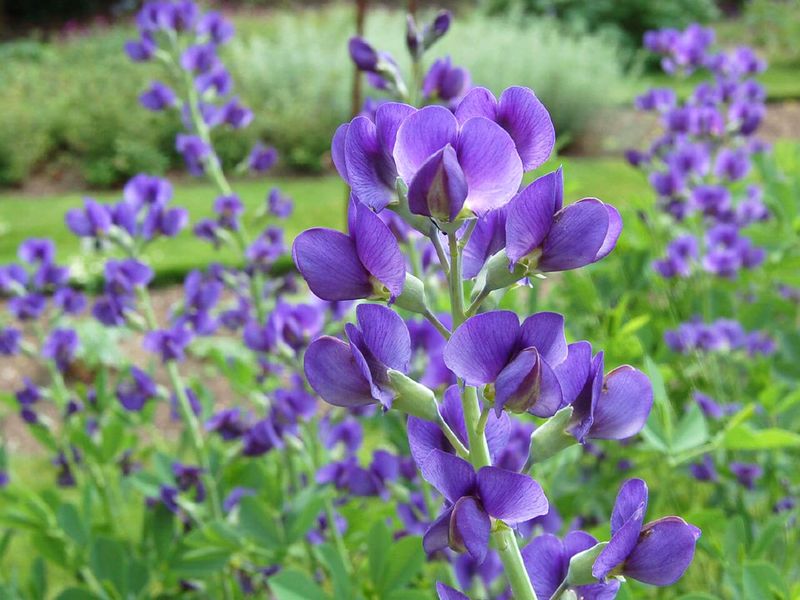
Blue False Indigo is the kind of plant that makes experienced gardeners stop and stare. Tall spikes of deep blue-purple flowers rise dramatically above blue-green foliage in May and June, creating one of the most striking displays of any native plant in Pennsylvania.
It looks like something from a botanical garden, but it grows with almost no effort at all. Native to parts of Pennsylvania, Baptisia australis is a long-lived perennial that actually improves with age.
Unlike many plants that need dividing or replacing every few years, Blue False Indigo grows bigger and more impressive over time.
A well-established clump can last for decades, making it one of the best investments you can make in a native garden.
Native bees are the primary pollinators of this plant. Bumblebees are especially effective because their large size allows them to pry open the tightly closed flowers and access the pollen inside.
This relationship between bumblebees and Baptisia is a perfect example of how native plants and native insects evolve together over thousands of years.
After the flowers fade, inflated dark seed pods form and rattle in the breeze, adding fall and winter interest to the garden. The plant also fixes nitrogen in the soil, which benefits nearby plants naturally.
Plant Blue False Indigo in full sun to light shade with well-drained soil. It is drought-tolerant once established and requires almost no maintenance, making it ideal for busy Pennsylvania gardeners who want big results with minimal effort.