8 Reasons Trees Struggle In Arizona Heat And How To Prevent It
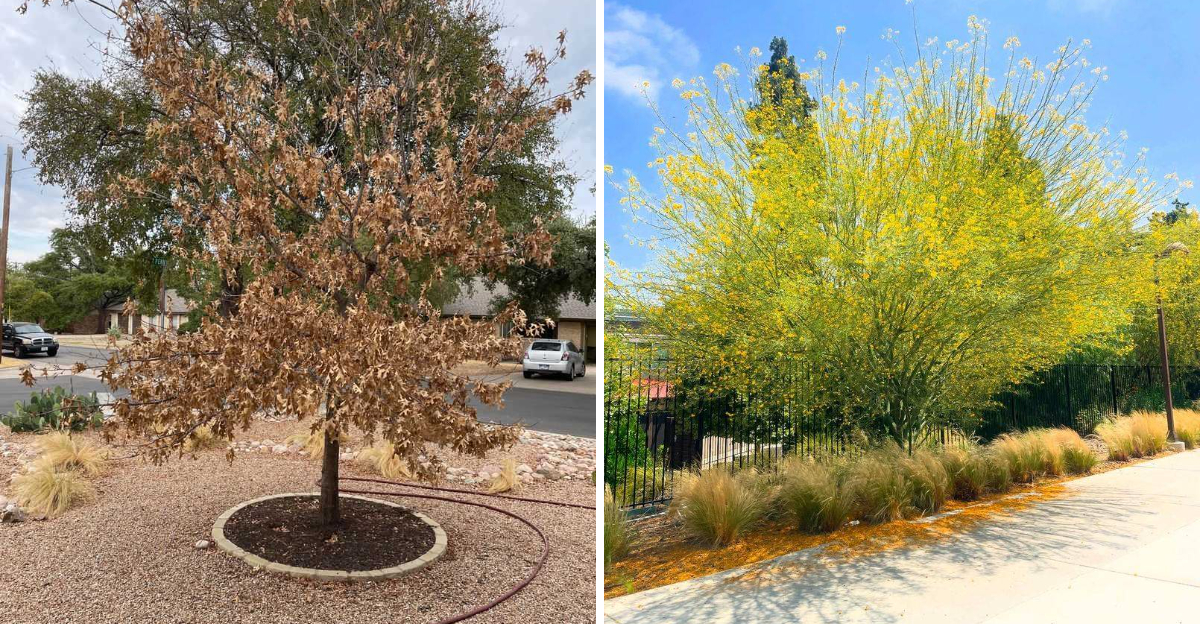
Arizona heat does not slowly test a tree, it pushes it hard and fast. One stretch of triple digit days can expose weaknesses that stayed hidden all spring.
Leaves scorch along the edges, growth slows, and shade that once felt reliable starts thinning out. In Arizona, reflected heat from gravel, shallow watering habits, compacted soil, and even planting depth all play a role in how well a tree holds up.
What looks like simple drought stress is often several small problems building pressure at the same time. Understanding why trees struggle in Arizona heat is the first step toward protecting them.
Once you recognize the common stress triggers, you can correct them early and help your trees stay stronger through the most intense months.
1. Shallow Watering Leads To Weak Surface Roots
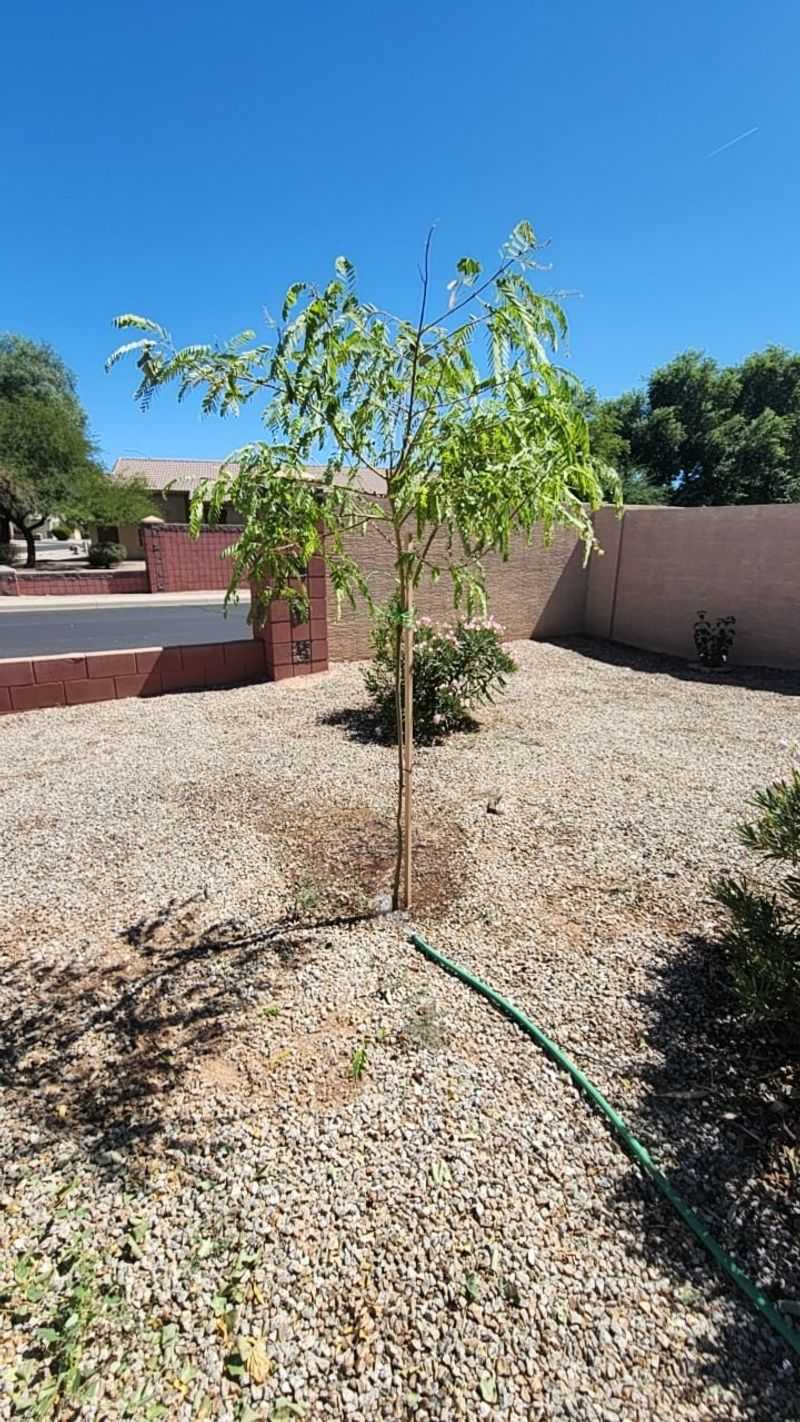
Roots go where the water is, and if you are only wetting the top few inches of soil, the roots follow right up to the surface. Surface roots are fragile.
They overheat fast in Arizona summers, and they give the tree almost no stability against wind or drought.
Deep watering changes everything. You want moisture reaching 18 to 24 inches below the surface so roots grow downward where the soil stays cooler and holds moisture longer.
A slow trickle for 45 minutes to an hour beats a quick spray any day of the week.
Watering deeply two or three times a week during peak heat is far better than a light sprinkle every day. Use a long screwdriver or soil probe after watering to check how far down the moisture actually reached.
If it stops at 6 inches, you are not watering enough.
Drip emitters placed 18 to 24 inches from the trunk work well for most trees in the Phoenix and Tucson areas. Move them outward as the tree grows so water reaches the active root zone.
Consistent deep watering is one of the simplest and most powerful things you can do for your trees in Arizona.
Deep roots also help stabilize trees during monsoon winds, which are common across much of Arizona in late summer. Trees with shallow root systems are far more likely to lean or uproot when sudden storms hit dry, compacted soil.
2. Gravel And Rock Landscaping Reflect Excess Heat
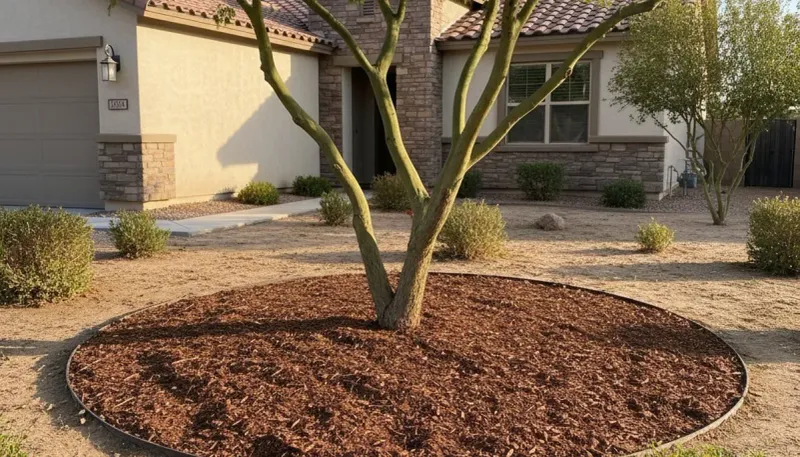
Walk barefoot across Arizona gravel at 2 p.m. in July and you will understand the problem immediately.
Gravel and decorative rock absorb heat during the day and radiate it back up through the night, creating a zone around your tree that stays dangerously hot for hours longer than it should.
Soil temperatures under rock mulch can hit 150 degrees or more. That kind of heat cooks fine feeder roots and pushes stress levels in your tree through the roof.
A lot of Arizona homeowners do not connect their struggling trees to the rock mulch surrounding them.
Swapping out at least a portion of that gravel for organic mulch makes a real difference. A 2 to 3 inch layer of wood chips or shredded bark around the root zone can lower soil temperatures by 20 degrees or more.
Your Arizona Garden Changes Every Week. Your Plan Should Too.
Gardening in Arizona changes quickly throughout the season. Every Friday you’ll receive a simple weekly plan showing exactly what to plant, prune, fertilize, harvest, and protect so you never miss the right timing.
It also holds moisture longer so you water less often.
Keep mulch pulled back a few inches from the trunk to avoid trapping moisture against the bark. Spread it out to the drip line if possible.
You do not need to rip out every rock in your yard, but protecting the root zone under your trees with organic material is one of the easiest wins for tree health in Arizona.
That constant heat reflection also increases water demand because the soil dries faster than many homeowners realize. Over time, this repeated stress can reduce canopy density and make trees more vulnerable to pests.
3. Thin Bark Burns In Direct Afternoon Sun
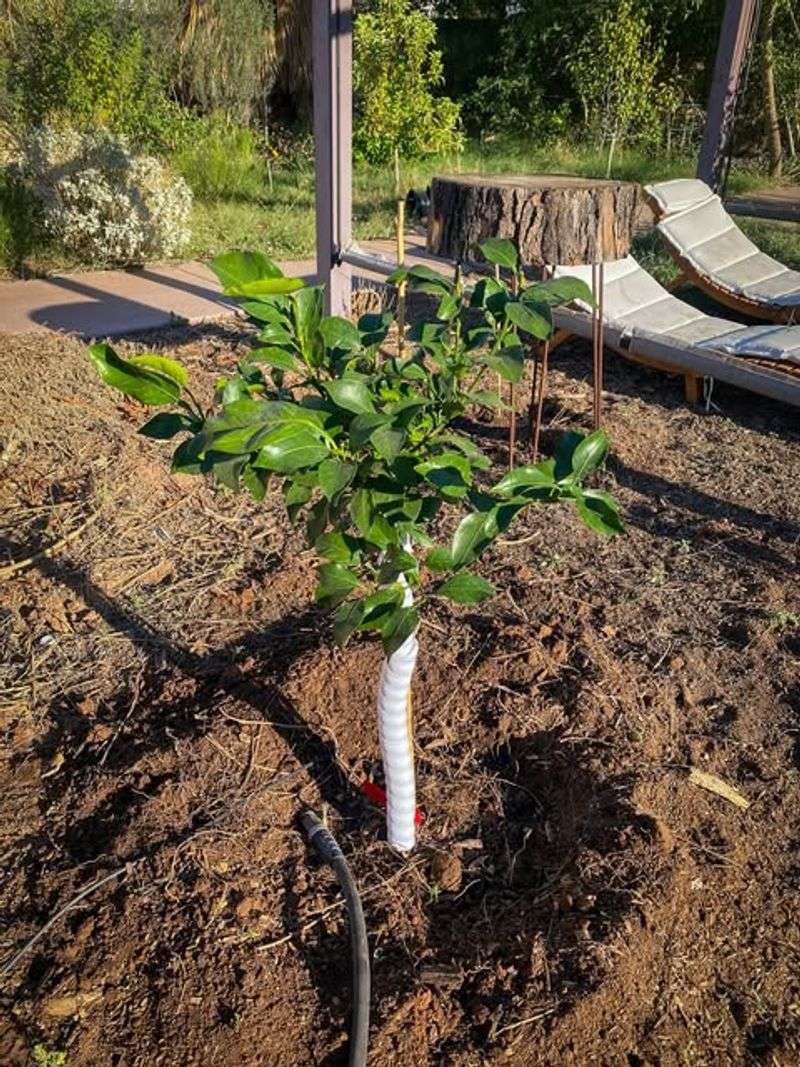
Sunscald is real, and it hits young trees hard. In Arizona, the southwest side of a tree trunk takes the worst of the afternoon sun, and thin-barked species simply are not built to handle that kind of direct heat exposure without some help.
When bark heats up rapidly and then cools down fast, it cracks. Those cracks open the tree up to pests and disease, and the damage can girdle the trunk over time.
Citrus, young ash, and newly planted shade trees are especially vulnerable in the Phoenix area.
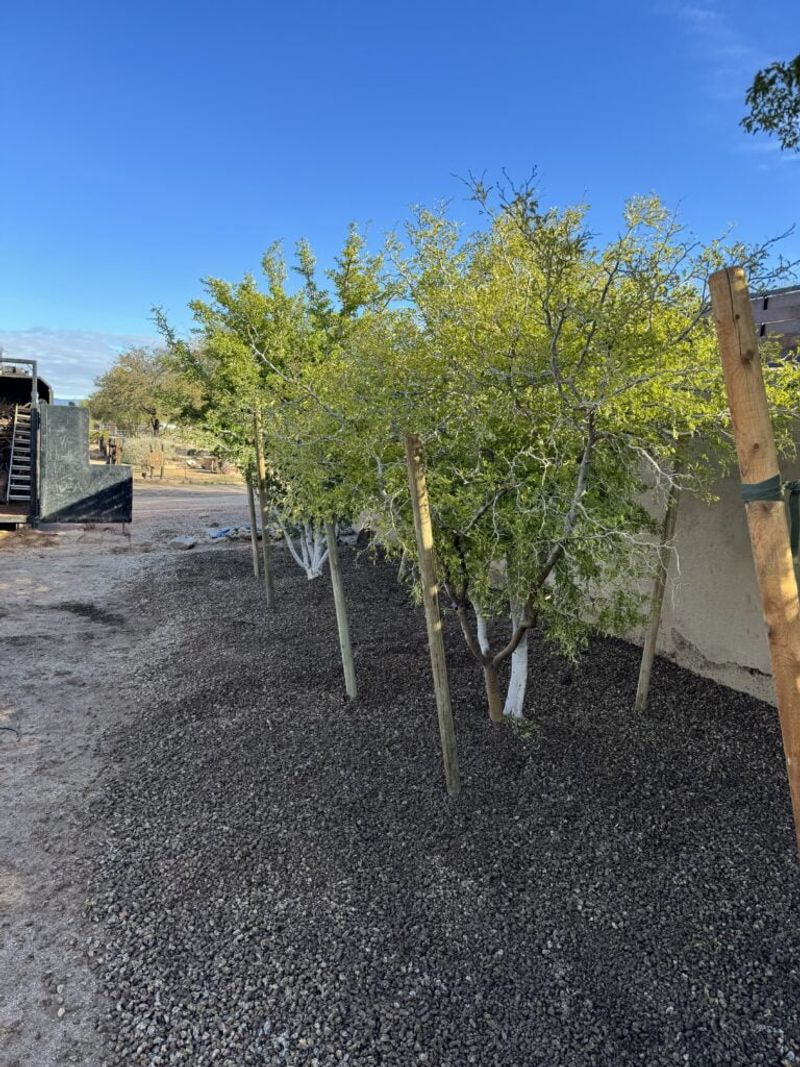
Wrapping the trunk with commercial tree wrap or burlap from the base up to the first major branch gives solid protection during the first two or three years. Remove the wrap in cooler months so moisture does not build up underneath it.
Another option is diluted white interior latex paint, mixed half and half with water, brushed onto the southwest side of the trunk. It reflects sunlight without sealing the bark.
This trick has been used by Arizona growers for decades and works surprisingly well. Newly planted trees especially need this kind of protection while they get settled in and start putting on thicker bark naturally over time.
Sun damage often does not show up immediately and may take months before cracks or peeling bark become visible. By the time symptoms appear, internal tissue damage has already occurred beneath the surface.
4. Poor Soil Drainage Suffocates Roots
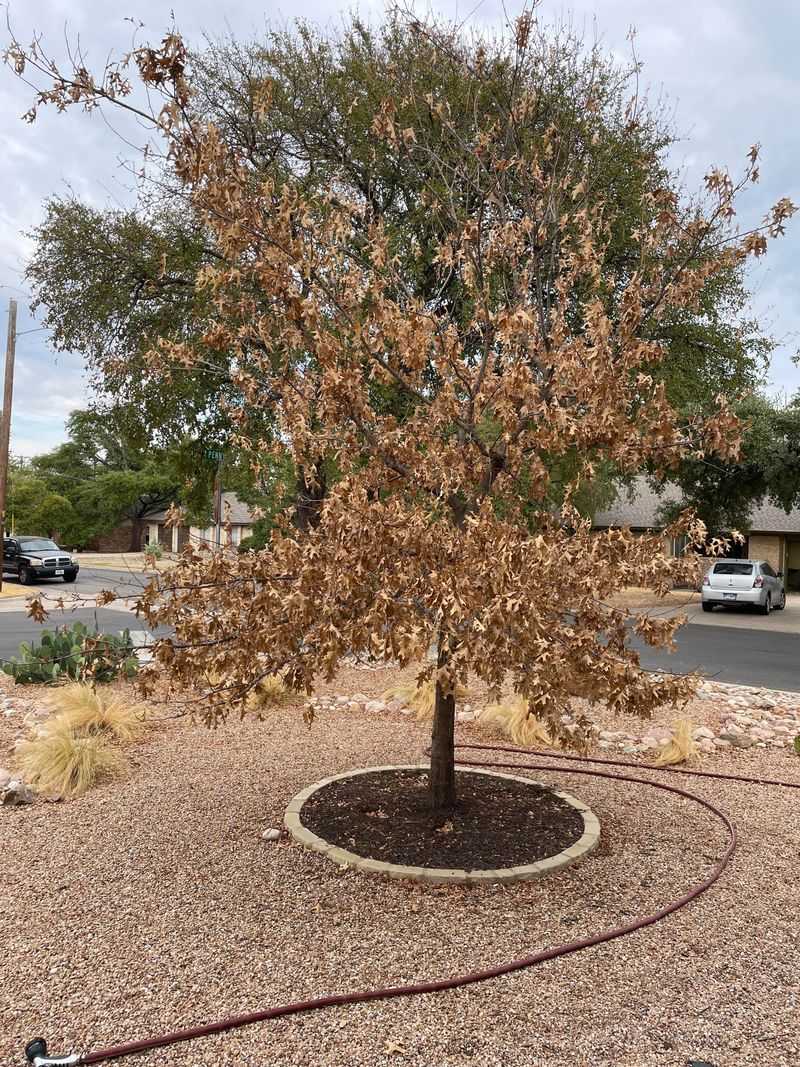
Caliche is the silent enemy of trees all across Arizona. That hard, cement-like layer sits just below the surface in many yards and stops water from draining anywhere.
Roots hit that layer and have nowhere to go, which means water pools and oxygen disappears fast.
Roots need air just as much as water. When soil stays waterlogged because drainage is blocked, roots suffocate.
You might water your tree perfectly and still watch it decline because the water has nowhere to drain and sits stagnant around the roots.
Before planting any tree, dig a hole and fill it with water. If it drains slowly or not at all within a few hours, you have a drainage problem that needs fixing first.
Breaking through caliche with a rebar bar or renting a jackhammer is sometimes necessary in Tucson and Phoenix area yards.
Mixing compost into the native soil at planting time improves structure and encourages better drainage over time. Raised planting mounds also help in areas with particularly poor drainage.
Getting this right before the tree goes in saves a tremendous amount of frustration later, because fixing drainage around an established tree is much harder than addressing it at the start.
In heavy desert soils, drainage problems often worsen after monsoon rains when water collects quickly and has nowhere to escape. Persistent saturation weakens roots and limits their ability to absorb nutrients efficiently.
5. Overwatering Causes Root Rot In Hot Weather
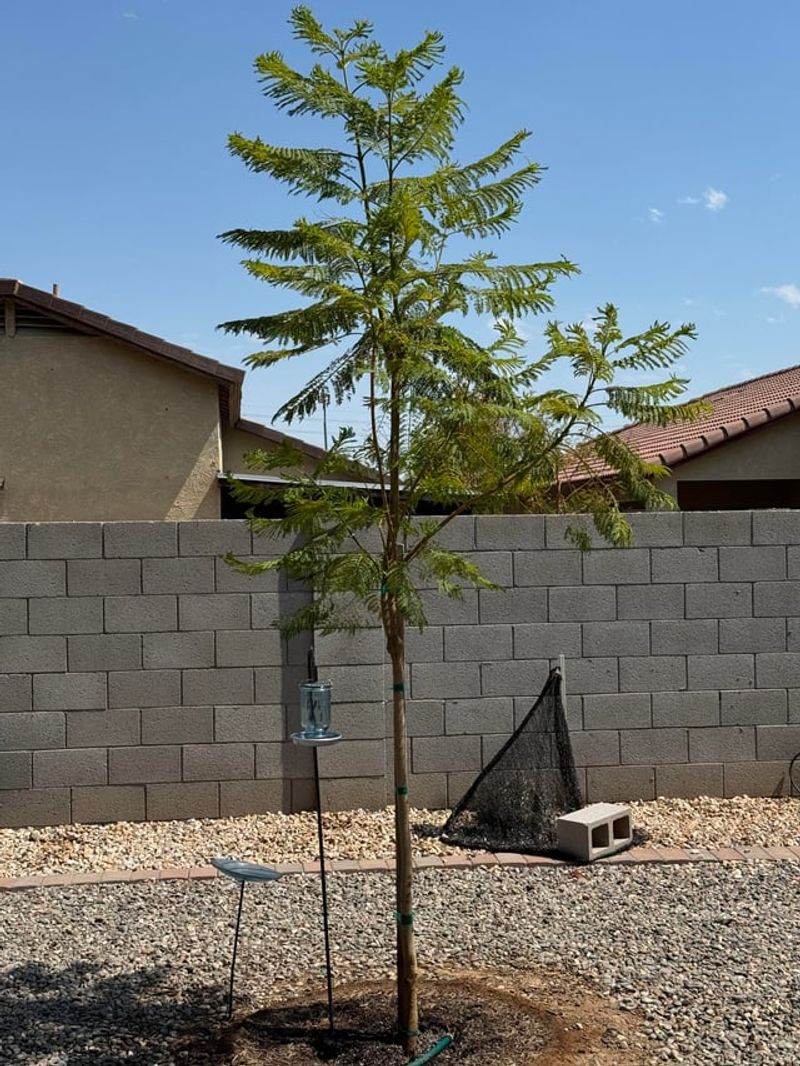
More water does not always mean a healthier tree. During Arizona summers, overwatering is one of the most common mistakes homeowners make, especially when the heat makes them feel like they need to water constantly to keep things alive.
Root rot sets in when roots sit in saturated soil for too long. Fungal pathogens thrive in warm, wet conditions, and Arizona’s summer heat combined with overwatered soil creates exactly the right environment for them.
Yellowing leaves, soft mushy roots, and a tree that looks stressed despite regular watering are all warning signs.
Letting the soil dry out slightly between watering cycles is key. Stick your finger or a screwdriver 4 to 6 inches into the soil near the root zone.
If it still feels damp, hold off on watering for another day or two.
Adjusting your drip irrigation schedule based on the season matters a lot in Arizona. Summer schedules need more frequency, but they should still allow some drying between cycles.
Checking your soil moisture regularly rather than running on a fixed timer year-round is one of the better habits you can build for long-term tree health in the Sonoran Desert region.
Many Arizona landscapes rely on automatic irrigation systems, and small timing errors can quietly create chronic overwatering. Monitoring soil moisture manually during peak summer months prevents long-term root damage.
6. Planting Too Deep Stresses The Trunk Base
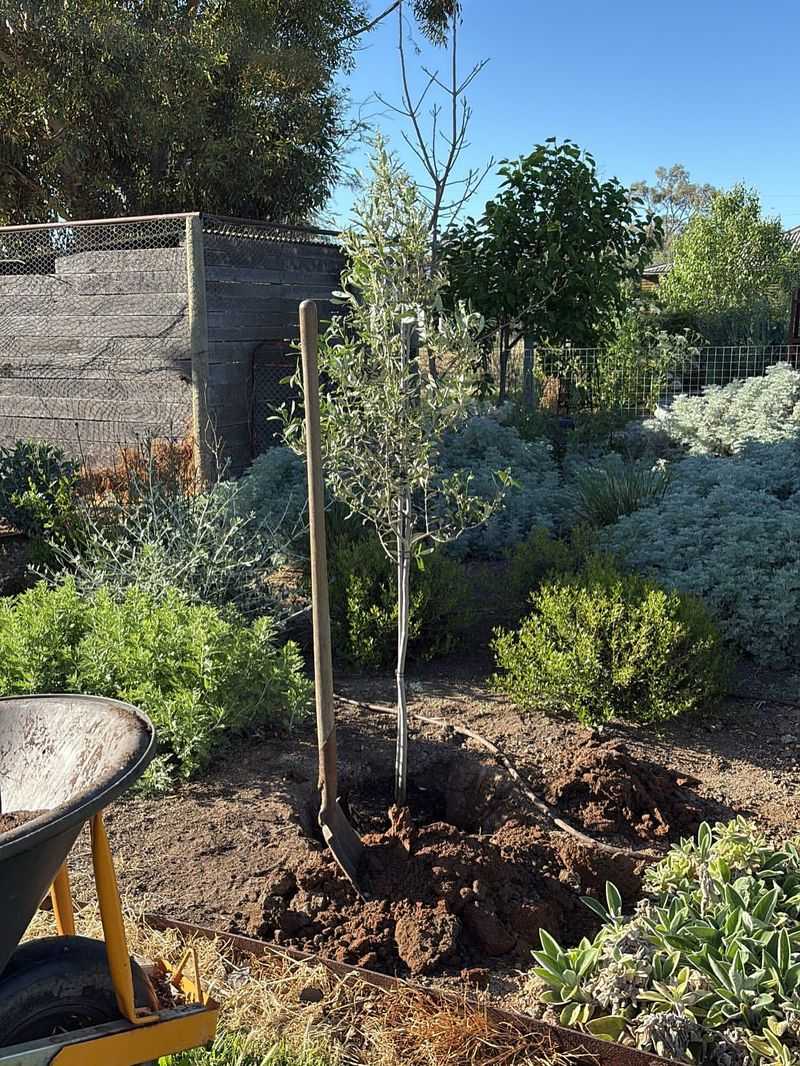
Burying the root flare is one of those mistakes that looks fine at first and causes serious trouble months or years later. Many trees sold in Arizona nurseries come in containers where the root flare is already partially buried, so you have to know what to look for before you plant.
Root flare is the visible widening at the base of the trunk where it transitions to roots. That area needs to be at or just slightly above soil level.
When it gets buried, bark stays moist, oxygen cannot reach the base, and the trunk begins to weaken from the inside out over time.
Girdling roots are another problem that develops when trees are planted too deep. Roots that cannot spread outward start wrapping around the trunk instead, slowly cutting off the flow of water and nutrients.
By the time it becomes visible, the damage is already significant.
When planting in Arizona, set the tree so the root flare sits about an inch above the surrounding soil. Soil naturally settles, so planting slightly high accounts for that shift.
If you are transplanting an existing tree that was buried too deep, carefully remove soil from around the base to expose the flare without disturbing the roots themselves.
Improper planting depth can also slow overall growth, even if the tree appears healthy in its early years. Over time, hidden stress at the base weakens structure and shortens the tree’s lifespan.
7. Wrong Tree Selection Fails In Extreme Heat
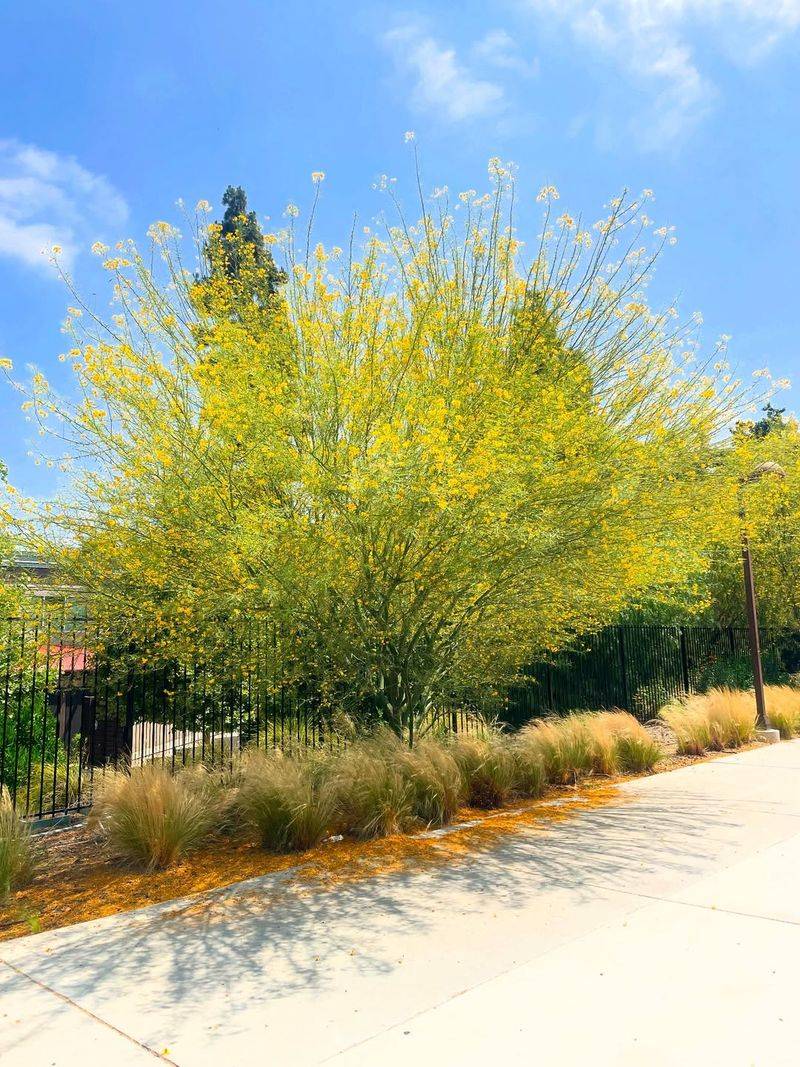
Planting a tree that was not meant for the Sonoran Desert is setting yourself up for years of frustration. Arizona’s climate is extreme, and not every tree sold at a big box store is actually suited for what Phoenix or Tucson summers throw at them.
Species like weeping willows, silver maples, and certain flowering cherries need far more water and far milder temperatures than Arizona provides.
They may look beautiful for a season, but they wear out fast under the relentless heat and low humidity that define an Arizona summer.
Desert-adapted trees are built differently. Palo verde, desert willow, ironwood, and Texas ebony handle heat without constant intervention.
Their root systems, bark structure, and leaf behavior are all adapted to conserve moisture and tolerate temperature extremes that would wilt non-native species quickly.
Before buying any tree, check with your local Arizona cooperative extension office or a reputable local nursery about heat tolerance ratings. Ask specifically about performance during peak summer, not just average conditions.
Choosing the right tree from the start saves water, reduces stress, and gives you a tree that actually thrives in Arizona rather than one you are constantly trying to rescue from the heat.
Even trees labeled as drought tolerant may struggle if they are not adapted to Arizona’s intense reflected heat and low humidity. Local performance matters more than general climate descriptions found on plant tags.
8. Summer Fertilizing Pushes Weak, Heat-Sensitive Growth
Fertilizing a stressed tree in the middle of an Arizona summer is like asking someone to run a marathon when they are already exhausted.
Fertilizer pushes new growth, and new growth during peak heat is soft, tender, and burns easily in temperatures above 105 degrees.
That fresh growth also demands more water at exactly the time when your tree is already working hard just to stay hydrated. Instead of helping, summer fertilizing puts the tree in a difficult position where it cannot meet the demands being placed on it.
Leaf scorch and tip burn often follow within weeks.
Fall is the right time to fertilize most trees in Arizona. Temperatures drop, the tree is coming out of summer stress, and new growth has time to harden off before the next summer arrives.
Early spring is also a solid window before temperatures climb again.
Slow-release granular fertilizers work well for desert trees and reduce the risk of pushing too much growth at once. Have your soil tested before fertilizing at all since many Arizona soils are already high in certain minerals.
Feeding your tree based on actual soil needs rather than a generic schedule is always the smarter approach for long-term health in this climate.
High soil temperatures in Arizona can also increase salt concentration around roots, making fertilization during extreme heat even riskier. Waiting for cooler conditions allows nutrients to be absorbed more efficiently and safely.