These Simple Steps Prepare Containers For Spring Blooms In Georgia
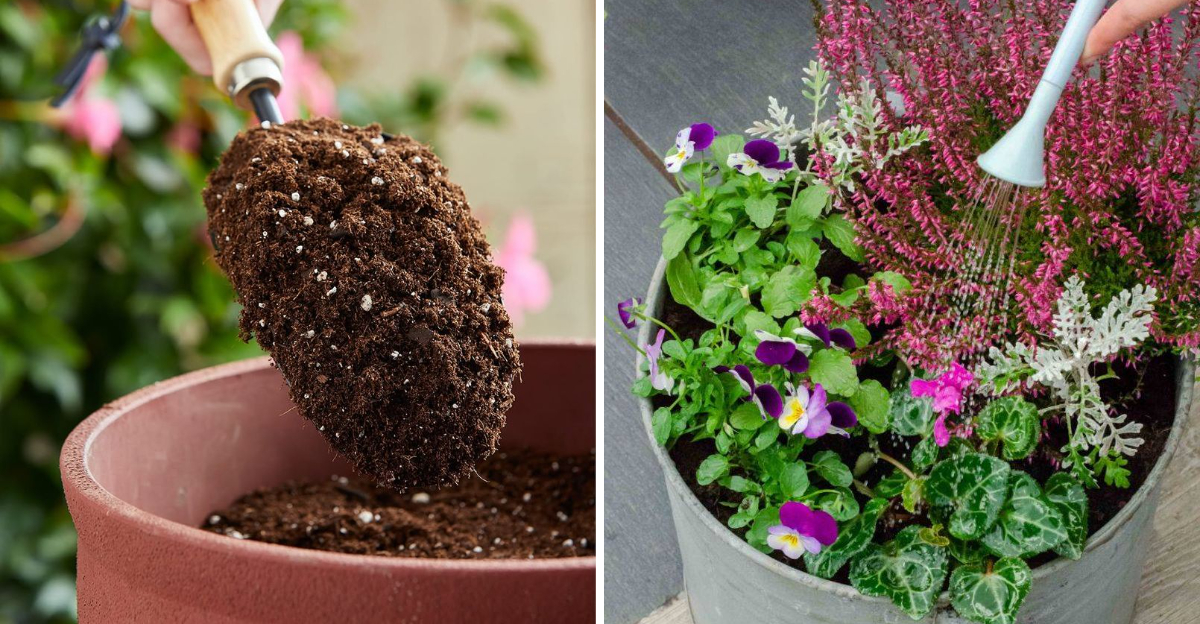
Spring in Georgia does not ease in slowly. One warm week and everything seems ready to grow at once, especially flowers in containers.
Pots that looked fine at the end of winter can quickly become a problem if the soil is compacted, drainage is blocked, or roots from last season are still crowding the space. When that happens, blooms never reach their full potential.
The good news is that strong, colorful containers are not complicated to create. They start with simple preparation and a little attention before planting begins.
Fresh soil, clear drainage, and smart plant choices give roots the space and support they need to grow steadily.
Take the time to prepare containers properly now, and spring blooms will reward you with fuller growth and longer-lasting color.
1. Empty Old Soil And Remove Winter Root Debris
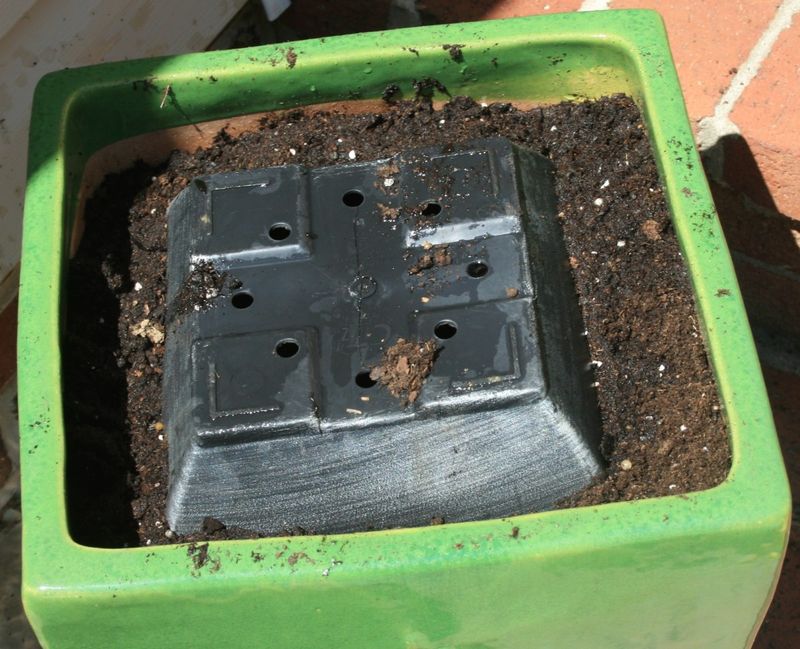
Last season’s potting mix looks harmless sitting in those containers all winter, but underneath the surface it’s usually a tangled mess of old roots and compacted dirt.
Dumping out every bit of that spent soil gives your spring flowers a clean slate instead of forcing them to push through a root mat that blocks water and nutrients.
Georgia winters might be mild, but even our cool months break down organic matter in potting mix, leaving behind material that drains poorly and holds too much moisture against tender new roots.
Turn each container upside down and bang out all the old contents rather than trying to scoop it out with a trowel. Stubborn root balls sometimes need a good whack or a few pokes with a stick to break them loose from the pot sides.
Check the bottom carefully because roots love to wrap around drainage holes and create plugs that you won’t notice until your new plants start drowning.
Toss that old soil onto garden beds or into a compost pile instead of trying to reuse it in containers.
Some gardeners think they can save money by mixing old potting soil with new, but that depleted mix just dilutes the good stuff and creates uneven growing conditions.
Roots from last year’s petunias or pansies might look dry and harmless, but they can harbor fungal spores that attack fresh plantings in Georgia’s humid spring weather.
Scrub out any crusty white mineral deposits on the inside of terracotta pots with a stiff brush and plain water. Those salt buildups from fertilizer and hard water interfere with moisture movement through clay pot walls.
A completely empty, clean container lets you start spring planting with the best possible foundation for healthy root development and vigorous flower production throughout the growing season.
2. Refresh Potting Mix Instead Of Reusing Compacted Soil
Buying new potting mix every spring feels like an unnecessary expense until you see how much better flowers perform in fresh material. Compacted soil from previous seasons loses the air pockets that roots need to spread and absorb nutrients efficiently.
What looks like perfectly good dirt in February turns into a brick-hard mass by May when Georgia heat and frequent watering compress it further.
Your Georgia Garden Changes Every Week. Your Plan Should Too.
Gardening in Georgia changes quickly throughout the season. Every Friday you’ll receive a simple weekly plan showing exactly what to plant, prune, fertilize, harvest, and protect so you never miss the right timing.
Quality potting mix costs more upfront but pays off in stronger plants that don’t need constant troubleshooting. Cheap bags from discount stores often contain mostly wood chips and sawdust that break down too fast and turn into muck.
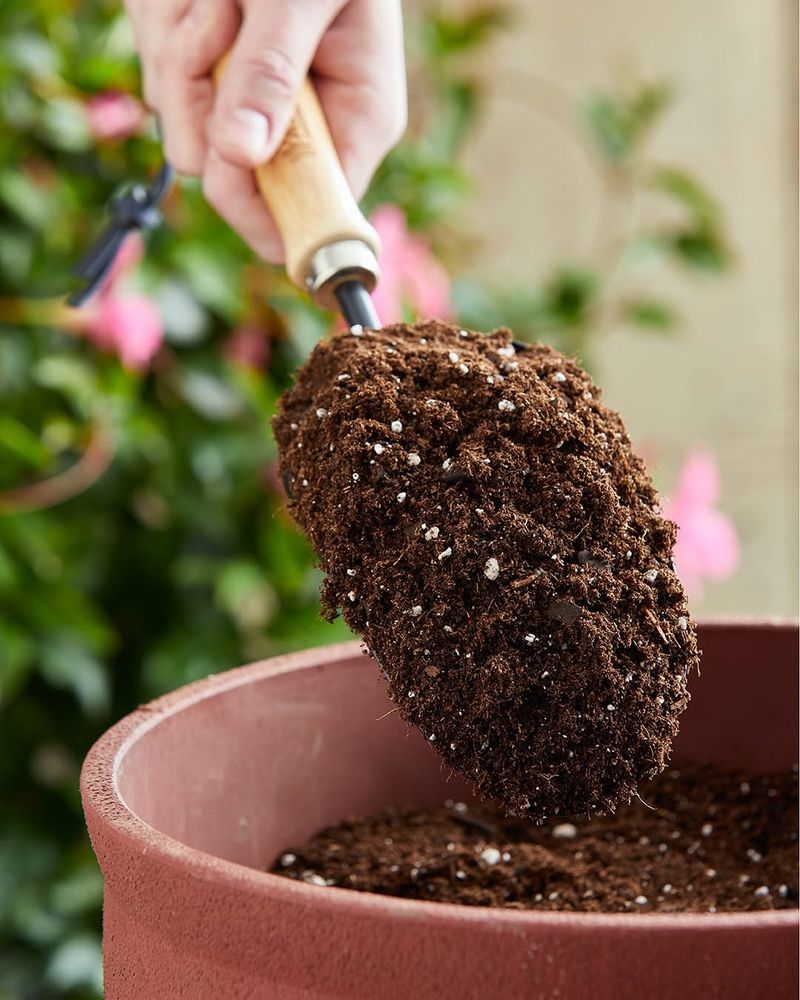
Look for mixes that feel light and springy when you squeeze a handful, with visible pieces of perlite or vermiculite mixed throughout the brown peat or coir base.
Fill containers all the way to within an inch of the rim rather than skimping on soil to save money. Shallow soil depth means roots hit bottom fast and circle around instead of spreading outward, which weakens the whole plant structure.
Georgia’s spring rains can wash soil out of containers if you don’t leave that top inch of space, but anything more creates a root zone that’s too shallow for proper establishment.
Skip the garden soil or topsoil for containers no matter how good your yard dirt looks. Ground soil turns into cement in pots because it lacks the drainage amendments that keep potting mix fluffy.
Even mixing half garden soil with half potting mix creates problems because the two materials settle at different rates and form layers that trap water.
Stick with bagged potting mix formulated specifically for containers, and your spring flowers in Georgia will reward you with fuller growth and more blooms from the start.
3. Check Drainage Holes Before Adding New Plants
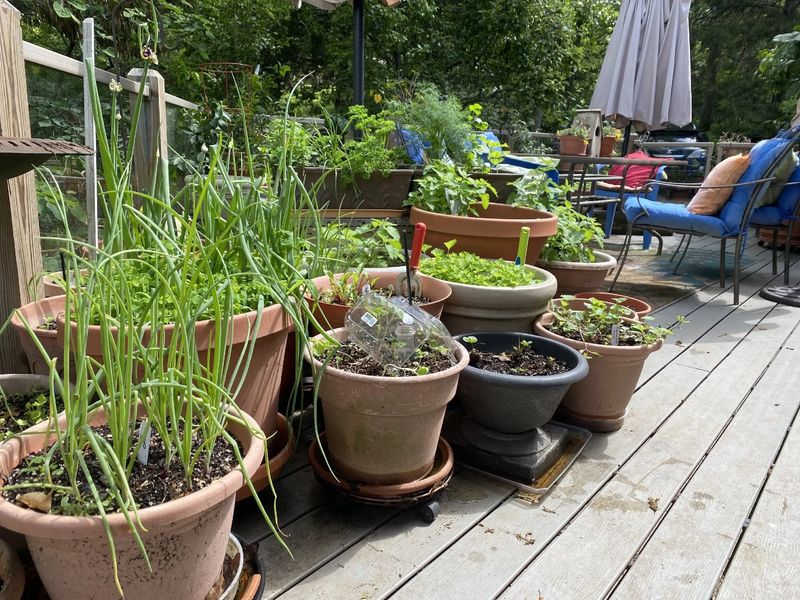
Drainage holes seem like a minor detail until you lose an entire container of flowers to root rot in one rainy Georgia week.
Water sitting in the bottom of a pot with blocked or inadequate drainage creates conditions where roots literally suffocate from lack of oxygen.
Even drought-tolerant plants need excess water to drain away freely rather than pooling around their root systems.
Flip each container over before you fill it and make sure every drainage hole is completely clear and open. Roots from last season often snake through holes and dry into hard plugs that block water flow.
Old potting soil can cake up and seal holes partially, leaving openings that look fine but drain too slowly to prevent problems.
Containers without any drainage holes need holes drilled before you can use them safely for spring planting. A masonry bit works for ceramic or concrete pots, while a regular drill bit handles plastic containers easily.
Aim for at least three holes spread across the bottom of medium-sized pots, with larger containers needing five or more holes to handle Georgia’s heavy spring thunderstorms.
Coffee filters or newspaper laid over drainage holes prevent soil from washing out but still allow water through freely.
Some gardeners use gravel or pot shards at the bottom of containers, but that actually reduces the soil volume available for roots without improving drainage much.
Modern potting mixes drain well enough on their own when holes are properly sized and positioned.
Containers sitting directly on solid surfaces like concrete patios need risers or pot feet to lift them slightly. That air gap underneath lets water escape freely instead of creating a seal that keeps the bottom of the pot constantly wet.
Georgia humidity already challenges container plants, so maximizing airflow around drainage areas helps roots stay healthy throughout the growing season.
4. Add Slow Release Fertilizer Before Active Growth Begins
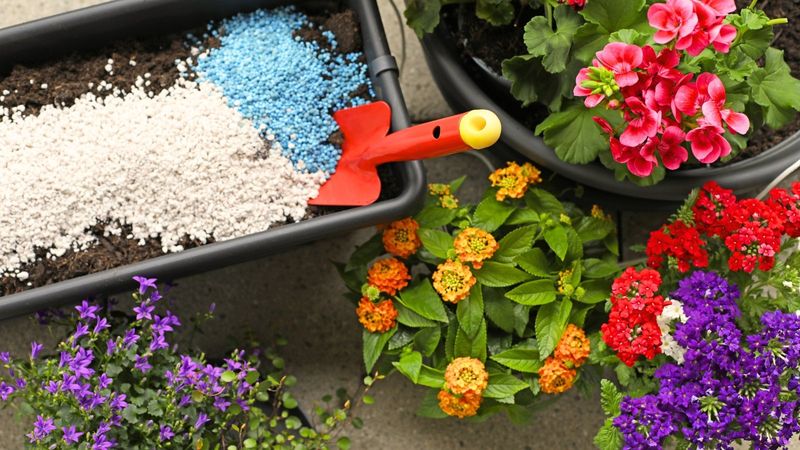
Timing fertilizer application before you plant gives spring flowers immediate access to nutrients as soon as their roots start exploring the new potting mix.
Slow release products break down gradually over weeks or months, which matches the way container plants actually feed throughout the growing season.
Georgia’s warm spring weather activates these fertilizers quickly, so getting them mixed into fresh soil now prevents the nutrient deficiencies that show up as pale leaves and weak stems by April.
Granular slow release formulas work better in containers than liquid fertilizers for spring prep because they don’t wash out with the first few waterings.
Look for products labeled for three to four month feeding rather than the six month versions, since container soil gets depleted faster than garden beds.
The numbers on fertilizer bags indicate nitrogen, phosphorus, and potassium ratios, with balanced formulas like 14-14-14 or 10-10-10 working well for most flowering annuals.
Mix fertilizer through the entire soil volume instead of sprinkling it on top. Follow the recommended amount for the container size to avoid burning tender roots.
Too little just wastes your effort since underfed flowers in Georgia’s intense spring sunlight grow leggy and produce fewer blooms.
Organic slow release options like compost or worm castings release nutrients more slowly than synthetic fertilizers but still provide steady feeding.
These natural products also improve soil structure and water retention, which helps during Georgia’s transition from wet spring weather to drier early summer conditions.
Whatever fertilizer type you choose, incorporating it before planting eliminates the need for constant feeding through April and May when you’d rather be enjoying flowers instead of maintaining them.
5. Choose Cool Season Flowers That Handle Late Cold Snaps
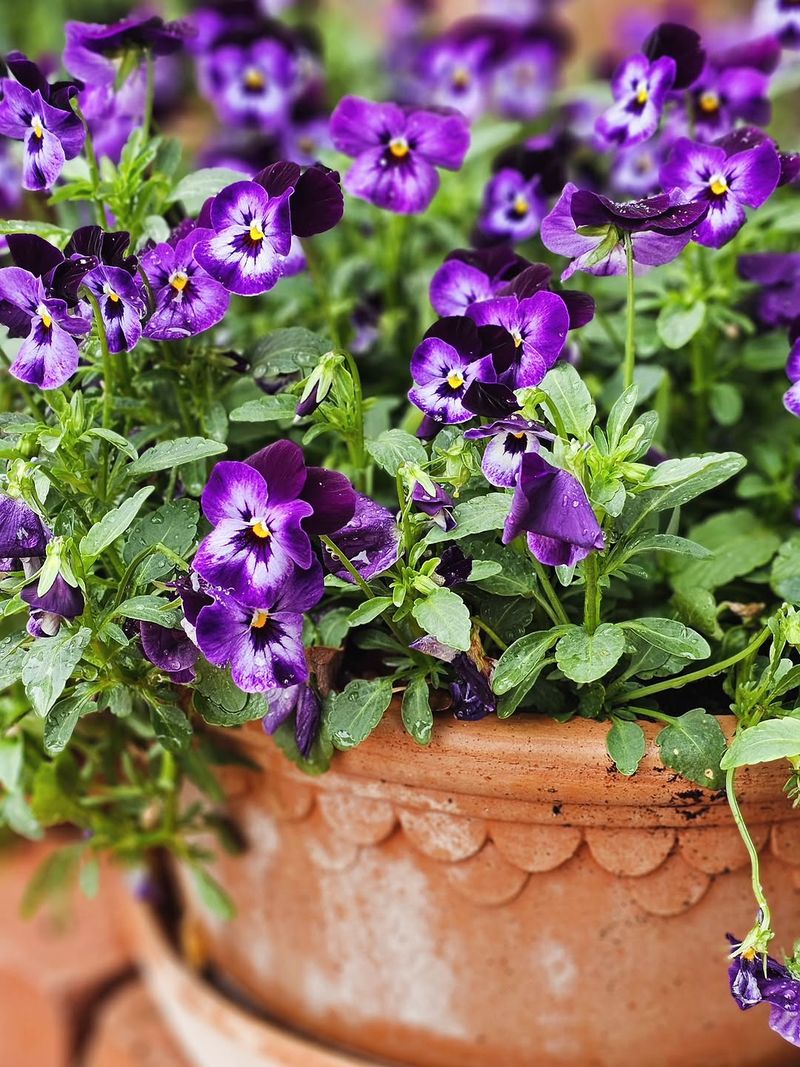
Pansies and violas laugh at Georgia’s occasional late freezes, bouncing back from temperatures in the low twenties without missing a beat.
These cold-hardy annuals actually prefer cool weather and put on their best show before summer heat arrives.
Planting them in containers during late winter or early spring means you get color immediately instead of waiting for warm-season flowers that sulk through March and April.
Snapdragons stand tall in spring containers and handle frost better than their delicate-looking flowers suggest. Sweet alyssum spills over pot edges with honey-scented blooms that keep coming even when nighttime temperatures dip into the thirties.
Dianthus brings spicy fragrance and tough constitutions that shrug off the temperature swings common in Georgia during March and early April.
Warm-season annuals like impatiens and begonias turn to mush when exposed to even light frost, which makes them poor choices for early spring containers.
Waiting until Georgia’s last frost date passes means sacrificing six to eight weeks of potential bloom time.
Cool-season flowers fill that gap perfectly while also providing options that actually look better in spring’s softer light than under summer’s harsh sun.
Local garden centers stock cool season annuals in late winter because Georgia gardeners can plant them safely in February or early March. Buying blooming plants gives containers instant color without waiting for seeds or small transplants to grow.
These cold-tolerant flowers establish strong root systems during cool weather, which helps them last longer even when temperatures start climbing in May.
Combining several cool-season varieties in one container creates fuller displays than single-plant pots. Mix upright snapdragons with trailing alyssum and mounding pansies for varied heights and textures.
These spring bloomers keep containers looking fresh through Georgia’s unpredictable early season weather without requiring protective measures every time the forecast mentions frost.
6. Position Containers Where They Get Enough Morning Sun
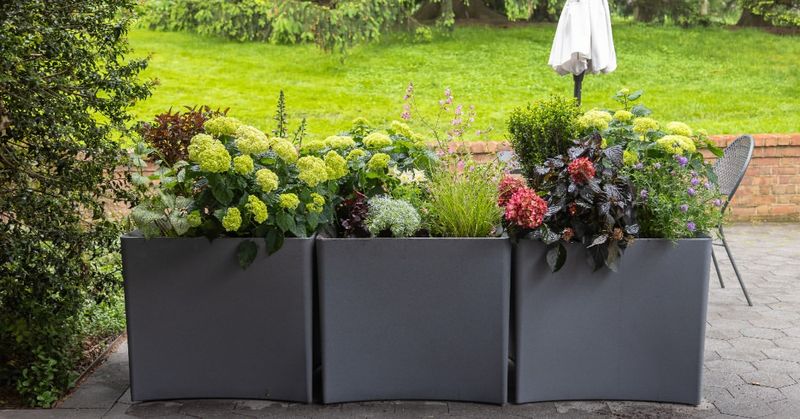
Morning sun gives spring flowers in containers the gentle light they need without the scorching intensity that comes with afternoon rays.
Georgia’s spring sunshine feels mild in March but turns surprisingly strong by late April, especially on west-facing patios and south-facing walls.
Containers placed where they catch sunrise to mid-morning light get four to six hours of quality sun that promotes compact growth and heavy flowering without stressing plants.
East facing spots work well for spring containers because morning sun dries dew quickly, reducing fungal problems in Georgia’s humid climate. Afternoon shade helps prevent heat stress on warm spring days.
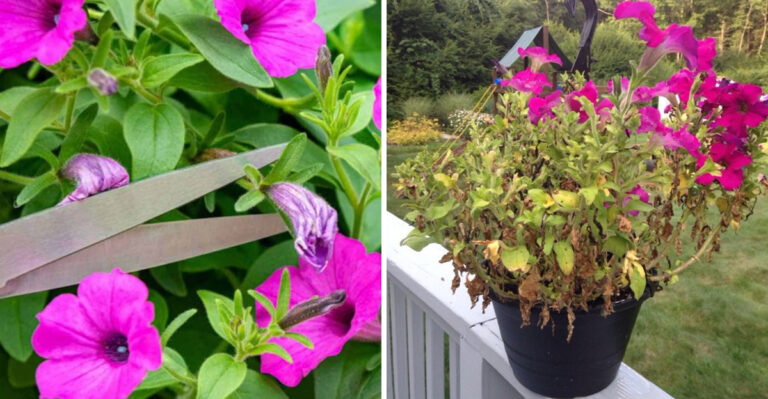
Petunias and other sun-lovers still bloom abundantly with just morning exposure, while shade-preferring plants like begonias appreciate the filtered light that comes through in the afternoon.
Watch how sun moves across your patio or porch throughout the day before committing containers to permanent spots. That sunny corner in February might be in full blazing sun by May when trees haven’t leafed out yet and the sun angle shifts higher.
Moving heavy containers later is a hassle, so getting placement right initially saves your back and prevents transplant shock to established flowers.
South facing spots in Georgia get strong sun all day, which works in February and March but becomes too intense for many spring flowers by late April. North facing areas stay too shady for most blooming plants.
East and southeast exposures offer the best compromise for spring containers that need enough light to flower well without getting cooked.
Group containers together in areas with ideal light rather than scattering them around the yard where conditions vary wildly. Clustered pots create better visual impact and make watering more efficient.
If your only sunny spot gets afternoon sun, choose heat-tolerant spring flowers like trailing verbena or calibrachoa that can handle the intensity better than delicate pansies.
7. Water Deeply But Avoid Soggy Soil In Early Spring
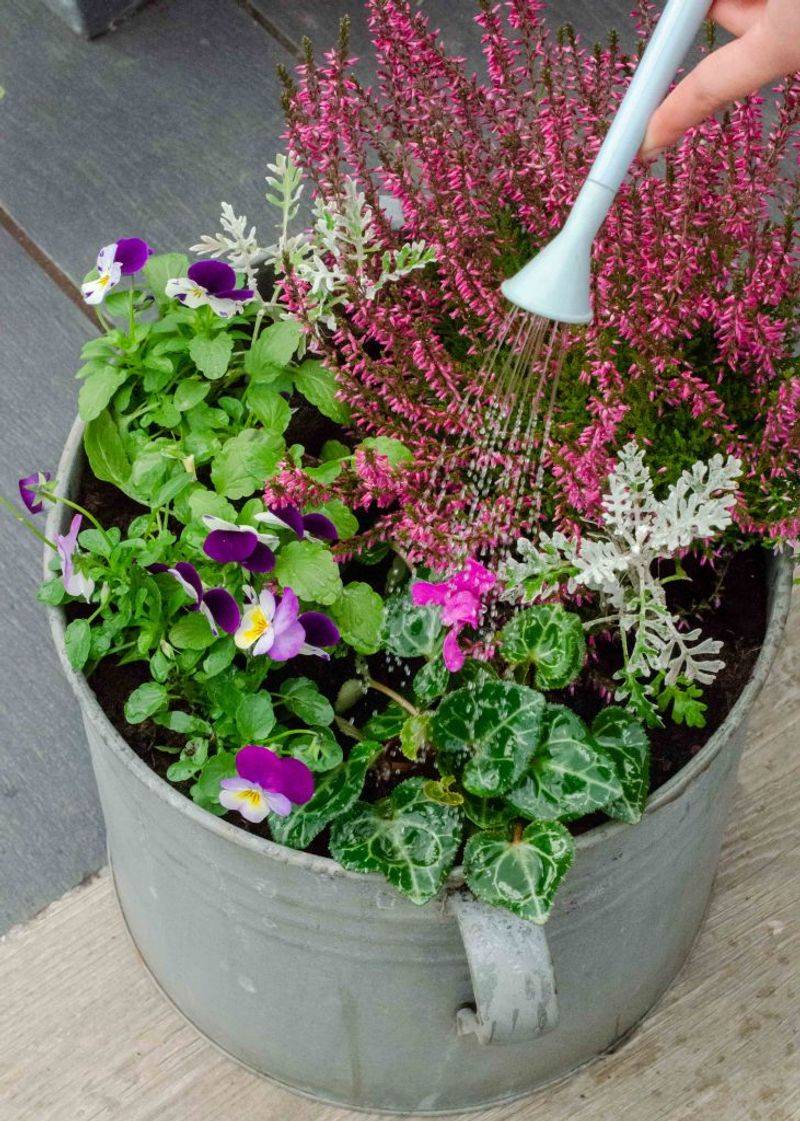
Watering spring containers properly means finding the balance between keeping soil moist enough for active root growth and avoiding the waterlogged conditions that lead to root problems.
Newly planted flowers need consistent moisture to establish, but Georgia’s cool spring temperatures mean soil doesn’t dry out as fast as it will in summer.
Checking soil moisture with your finger an inch below the surface tells you more than any watering schedule can.
Deep watering that soaks the entire root zone encourages roots to grow down through the container instead of staying shallow and weak. Light sprinkles that only wet the top inch of soil create plants with poor root systems that can’t handle stress later.
When you water, keep going until you see water running freely from the drainage holes at the bottom, which confirms that the whole soil mass got moistened evenly.
Morning watering gives foliage time to dry before evening, which helps prevent fungal diseases in Georgia’s humid climate. Afternoon watering can leave soil wet overnight, increasing the risk of root rot in containers with poor drainage.
Watering frequency depends more on weather conditions and pot size than any fixed schedule, with smaller containers drying faster than large planters.
Spring rains in Georgia can keep containers saturated for days, especially when plants are small and using little water. Skip watering after heavy rain instead of adding more out of habit.
Soggy soil suffocates roots by displacing the air pockets they need for respiration and nutrient uptake.
Potting mix that stays constantly wet feels heavy and looks dark even at the surface, while properly moist soil has some weight but isn’t dripping or muddy. Let containers dry slightly between waterings rather than keeping them perpetually damp.
This wet-dry cycle promotes stronger root development and healthier plants that transition smoothly into Georgia’s warmer late spring weather.