9 Perennial Ground Covers That Return Year After Year In Georgia
Bare patches in a Georgia yard rarely stay bare for long, especially once weeds notice the open space. Perennial ground covers solve that problem in a way that feels natural and lasting.
Instead of replanting every season, these low-growing plants settle in, spread steadily, and return year after year with very little fuss.
In Georgia’s mix of heat, humidity, and occasional cold snaps, the right ground cover needs to be tough as well as attractive.
Once established, dependable varieties help suppress weeds, reduce erosion, and soften the look of borders, slopes, and open areas under trees.
Choose wisely, and these perennials will quietly do their job season after season, filling in gaps and giving the landscape a finished, cared-for look without constant replanting.
1. Creeping Phlox Fills Slopes With Spring Color
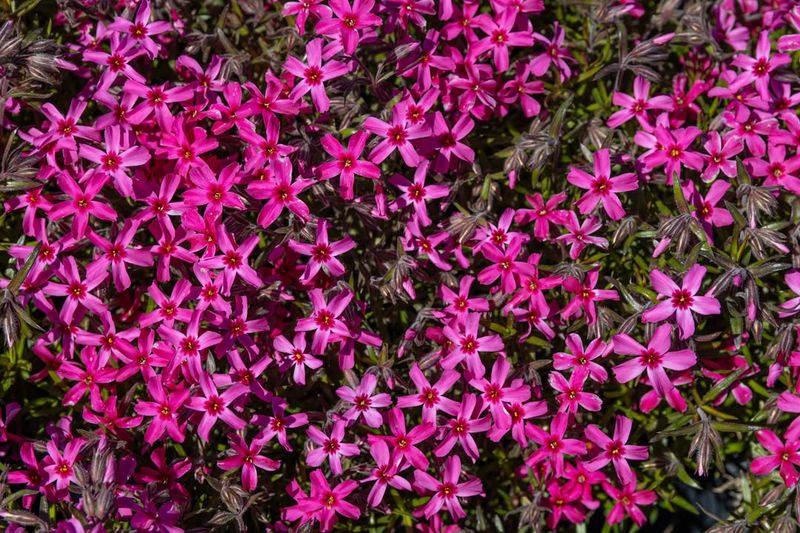
Few plants put on a show quite like creeping phlox does in early spring across Georgia. When everything else is barely waking up, this plant explodes into a carpet of pink, purple, lavender, or white flowers that can stop you in your tracks.
Plant it along a slope or a retaining wall and watch it spill over the edge like a waterfall of color.
Creeping phlox handles Georgia’s red clay better than most people expect, especially if you loosen the soil and mix in some compost before planting. It spreads slowly but steadily, filling in gaps without becoming invasive.
Full sun is where it really shines, though it can handle a bit of afternoon shade without much complaint.
After blooming, the evergreen foliage stays low and neat all year long, which helps suppress weeds between flowering seasons. Trim it back lightly right after the flowers fade to encourage a denser mat and more blooms the following year.
In Georgia, it typically blooms from late March through April, right when you want something cheerful in the garden.
Good drainage matters more than rich soil, so avoid spots where water tends to sit after heavy spring rain.
Once established, creeping phlox tolerates short dry spells well, making it a reliable choice for Georgia gardeners who want strong spring color without constant maintenance.
2. Ajuga Spreads Fast And Handles Georgia Shade
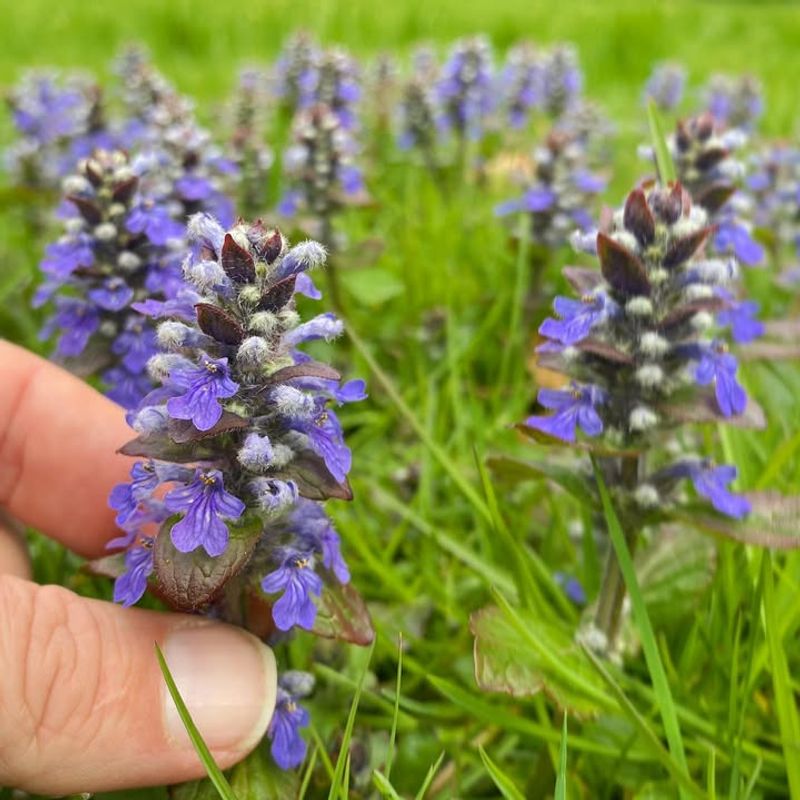
Ajuga, also called bugleweed, is the kind of plant that solves problems fast. Got a shady spot under your oak trees where nothing seems to grow?
Ajuga will move right in and cover it without any fuss. It spreads by sending out runners along the soil surface, filling in bare areas in a single growing season.
Georgia’s warm springs and mild winters actually suit ajuga very well. It stays semi-evergreen through most of the state, meaning you get year-round coverage without replanting.
The dark bronze or burgundy foliage varieties add color even when the plant is not in bloom, which is a bonus in any shaded landscape.
Blue flower spikes shoot up in mid-spring and attract pollinators before most other plants even get started. Plant ajuga in moist, well-drained soil and give it at least partial shade for best results.
Your Georgia Garden Changes Every Week. Your Plan Should Too.
Gardening in Georgia changes quickly throughout the season. Every Friday you’ll receive a simple weekly plan showing exactly what to plant, prune, fertilize, harvest, and protect so you never miss the right timing.
In full sun, it can stress out during Georgia’s July and August heat waves, so keep it tucked under trees or along north-facing beds where it will perform at its best year after year.
Space plants about eight to twelve inches apart and they will knit together quickly, forming a dense mat that helps crowd out weeds. Divide clumps every few years if the center thins out, and you will keep the patch looking full and healthy without starting over.
3. Liriope Stays Neat Through Heat And Humidity
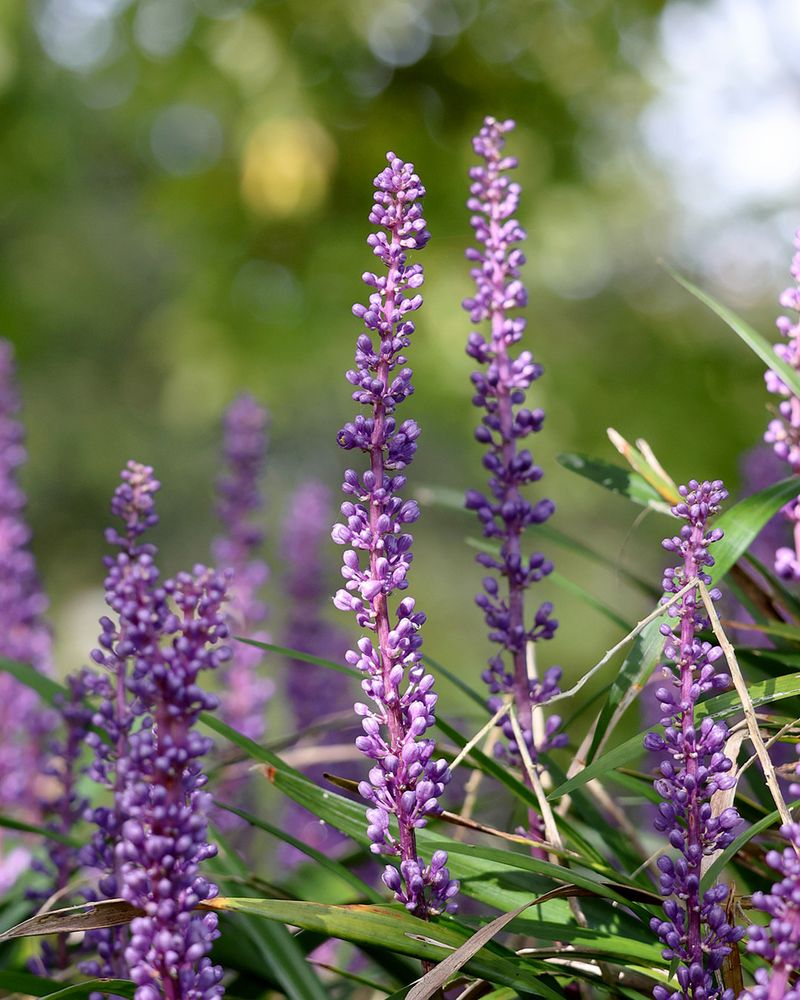
Walk through almost any established Georgia neighborhood and you will spot liriope lining walkways, garden beds, and tree rings. It has earned its place in Southern landscapes for good reason.
Liriope shrugs off Georgia’s suffocating summer humidity without skipping a beat, staying green and tidy when other plants look beaten down.
Purple flower spikes emerge in late summer and add a nice pop of color right when many other perennials are winding down for the season. After the flowers fade, dark berries form along the stalks and provide food for birds through fall and winter.
Cut liriope back hard in late winter, around February in most parts of Georgia, and fresh new growth will emerge clean and bright in spring.
Liriope works equally well in sun or shade, which makes it incredibly flexible for different spots around the yard. It tolerates drought once it gets going and handles Georgia’s occasional ice storms without looking ragged afterward.
Variegated varieties with white-striped leaves add extra brightness under dense tree canopies where light is limited. For edging, mass planting, or slope coverage, liriope is about as reliable as a ground cover gets in Georgia.
4. Creeping Jenny Brightens Damp Or Part Shade Spots
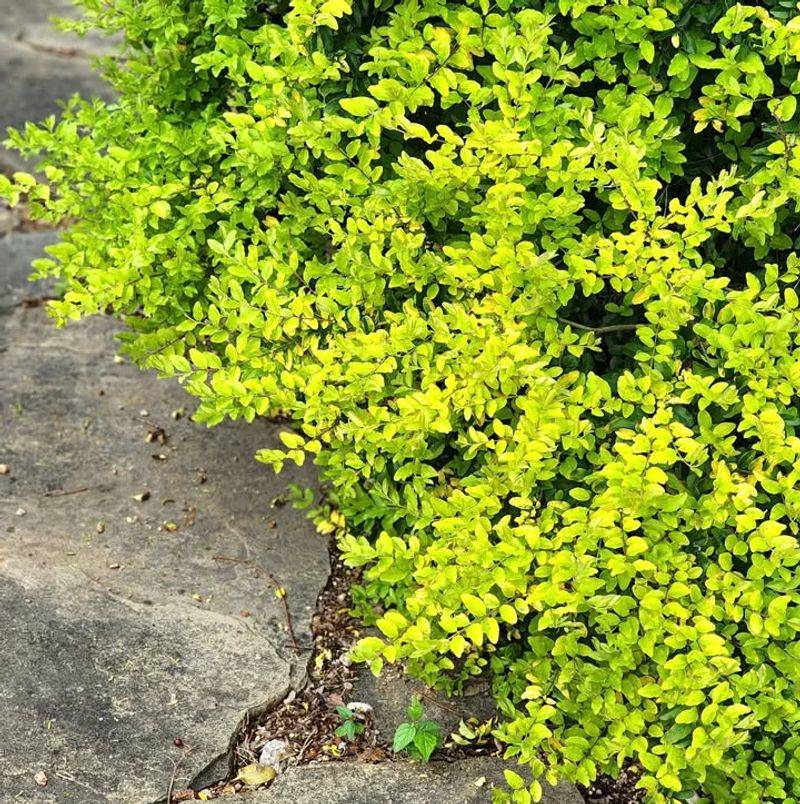
Bright chartreuse foliage that almost glows in shaded spots — that is what creeping Jenny brings to the table. If you have a low area in your Georgia yard that stays damp after rain, this plant will claim it happily and look great doing it.
Most ground covers struggle in wet conditions, but creeping Jenny actually prefers them.
It spreads quickly along the ground, rooting as it goes, and can cover a surprisingly large area within one growing season. The round, coin-shaped leaves stay vibrant from spring through fall, and small yellow flowers appear in early summer.
In Georgia’s mild winters, creeping Jenny often stays semi-evergreen, especially in the warmer southern parts of the state.
Part shade is its sweet spot, though it can handle more sun if the soil stays consistently moist. Pair it with hostas, ferns, or astilbe for a layered shade garden that looks intentional and polished.
Along stream edges, rain gardens, or shaded slopes where water tends to collect, creeping Jenny fills in beautifully without requiring much attention.
Just give it room to roam and it will reward you with season after season of cheerful golden-green color across your Georgia landscape.
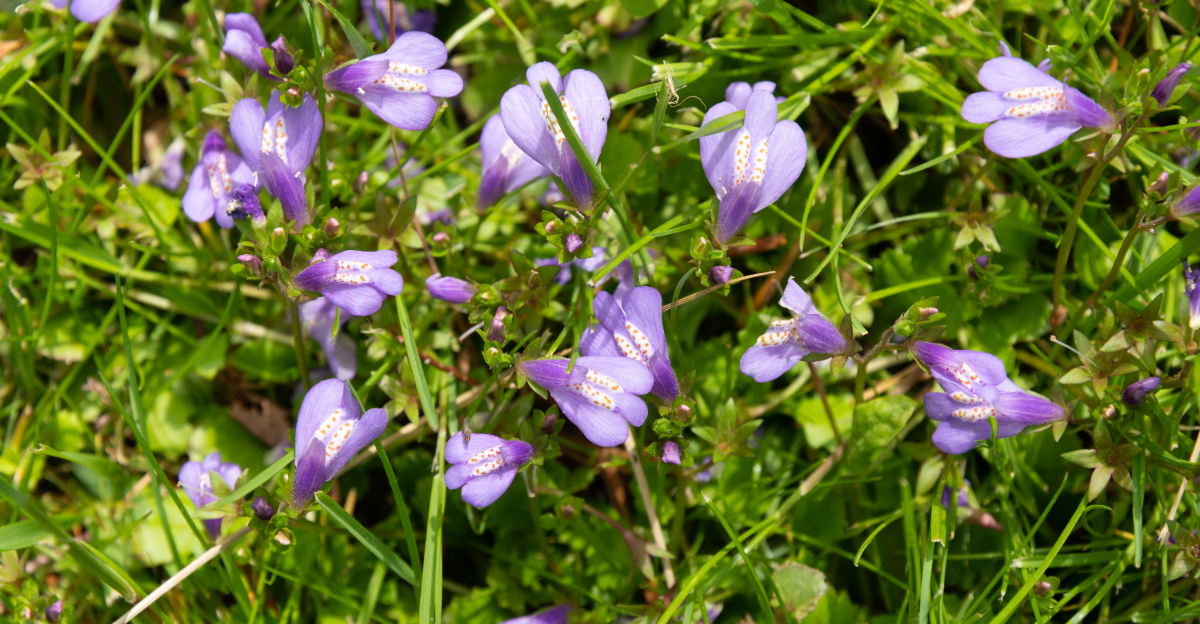
5. Mazus Spreads Quickly In Moist, Part Shade Areas
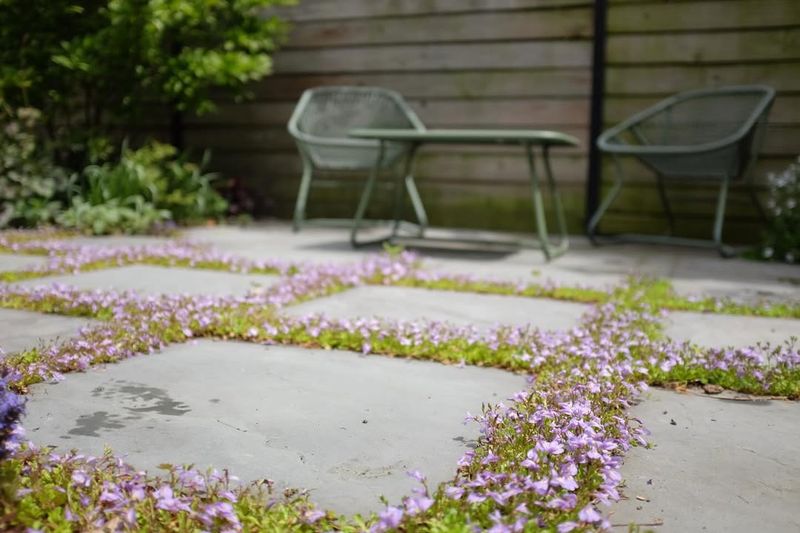
Mazus is a dependable, low-growing ground cover that performs beautifully in Georgia when given the right conditions.
It thrives in part shade and evenly moist soil, making it a smart choice for areas where rain tends to collect or irrigation keeps the ground slightly damp.
If you have a low spot near a walkway, along a shaded border, or beside a patio where other plants struggle to fill in, mazus settles in quickly and spreads into a dense mat.
In mid to late spring, small purple-blue flowers appear just above the foliage, creating a soft carpet of color that stands out against fresh green leaves. While the blooms are delicate, they are abundant enough to make a noticeable impact across the landscape.
Mazus grows only a few inches tall and spreads by creeping stems that root as they touch the soil. It fills gaps efficiently without becoming aggressive or difficult to control.
In much of Georgia, it stays semi-evergreen through mild winters, though it may thin slightly in colder north Georgia areas before rebounding in spring.
With consistent moisture and decent drainage, mazus returns reliably year after year and provides neat, attractive coverage without demanding constant upkeep.
6. Sweet Woodruff Covers Shady Areas With Delicate Blooms
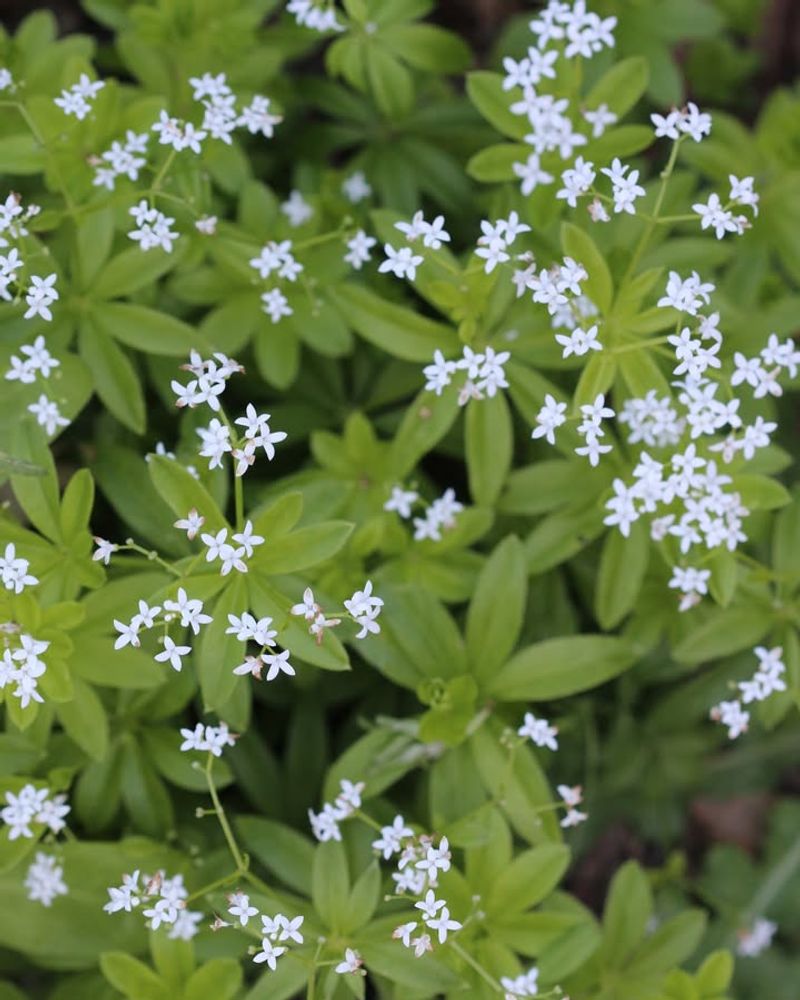
Shady woodland gardens in Georgia can be tricky to fill, but sweet woodruff handles them with a quiet grace that is hard to match. Star-shaped white flowers float above whorled green foliage in mid-spring, creating a soft, almost fairy-tale look under tall trees.
It is not flashy, but it is genuinely charming.
Sweet woodruff spreads at a moderate pace by underground rhizomes, gradually filling in gaps without bulldozing neighboring plants. It works especially well paired with spring bulbs because it fills in just as the bulb foliage starts to fade, hiding the mess naturally.
In Georgia’s Piedmont region and mountain foothills, it performs particularly well where summers stay slightly cooler under dense tree cover.
When you brush against the foliage, it releases a sweet, hay-like scent that many people find pleasant and distinctive. The plant goes dormant in the heat of summer in hotter parts of Georgia, but returns reliably each spring.
Keep the soil consistently moist and rich in organic matter for the best results. Avoid planting it in direct afternoon sun, which will scorch the delicate leaves quickly.
With the right shady spot, sweet woodruff rewards you with years of reliable, low-effort coverage that looks naturally beautiful.
7. Sedum Handles Dry Summers With Little Fuss
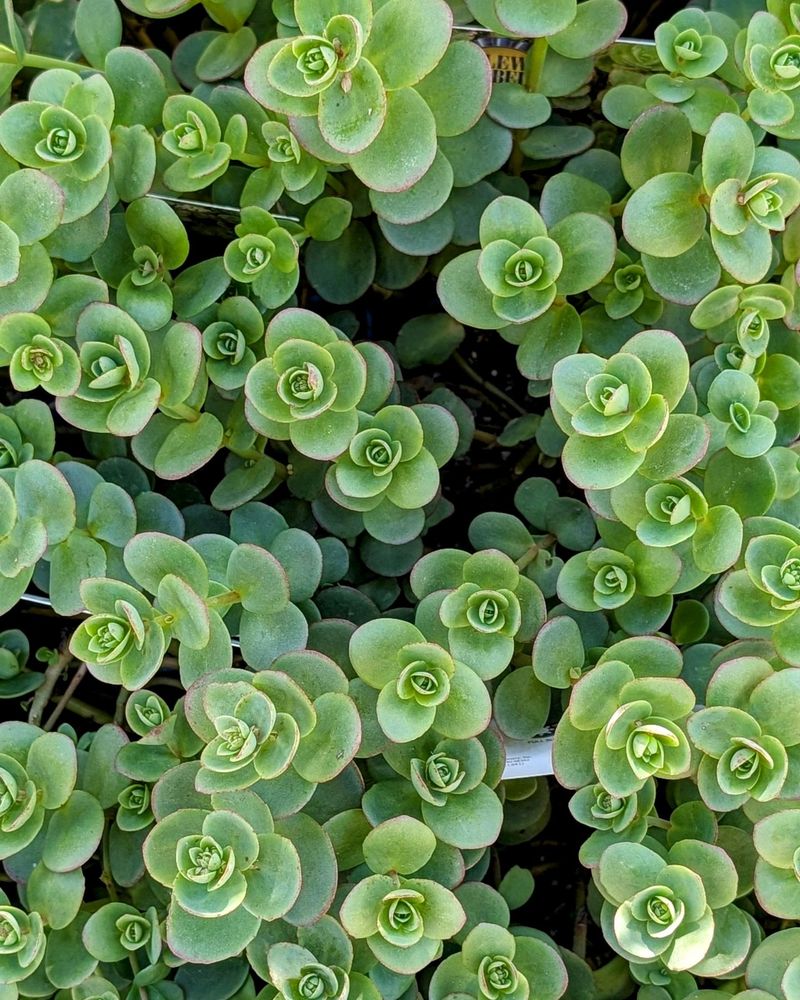
Georgia summers can be brutal, with weeks of scorching heat and stretches of almost no rain. Thick, succulent leaves store water so efficiently that sedum keeps looking good when everything around it is stressed and struggling.
For sunny, dry spots where irrigation is minimal, nothing beats it.
Low-growing varieties like Sedum acre or Sedum rupestre spread into a dense mat that blocks weeds and holds soil on slopes. Star-shaped flowers appear in late spring or early summer and attract bees and butterflies, adding ecological value beyond just filling space.
After the flowers fade, the foliage often shifts to shades of bronze or red in fall, giving you a second round of visual interest.
Plant sedum in sandy or well-drained soil and avoid overwatering it — soggy roots are really the only thing that will set it back significantly. In Georgia’s heavy clay areas, raise the planting bed slightly or work in plenty of grit to improve drainage before planting.
Full sun is ideal, though light afternoon shade in the hottest parts of south Georgia can prevent excessive heat stress during peak summer. Divide clumps every few years to keep the planting vigorous and spreading the way you want it.
8. Blue Star Creeper Forms A Low, Dense Carpet
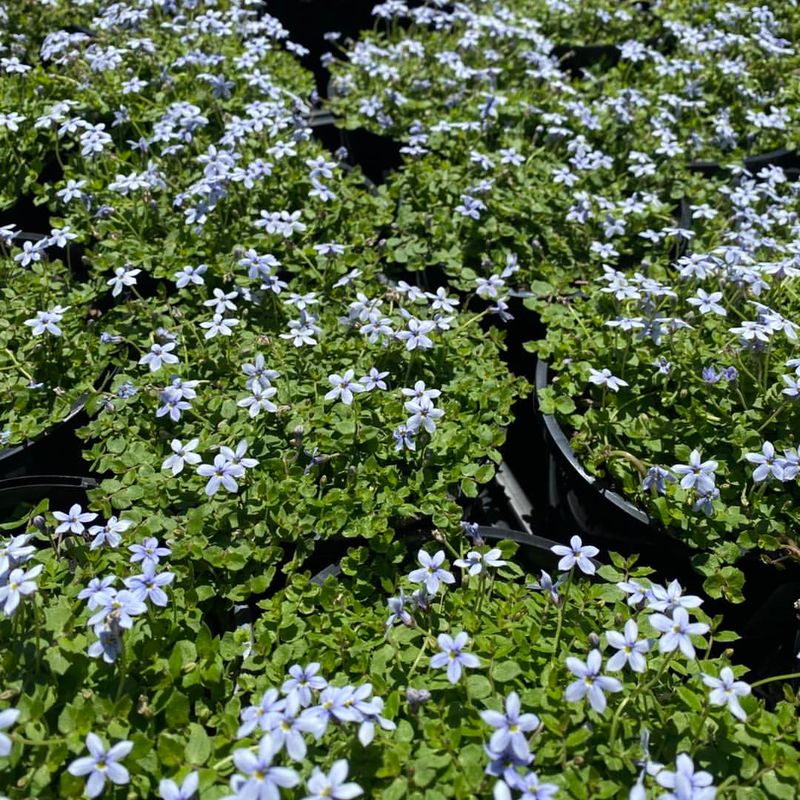
Tiny blue flowers scattered across a dense, grass-like carpet — blue star creeper might be small in stature, but it makes a big visual impact.
It grows only an inch or two tall, making it perfect for planting between stepping stones or in spots where you need a ground cover that will not crowd out other plantings nearby.
In Georgia, blue star creeper blooms in spring and often pushes out a second flush of flowers in fall when temperatures cool back down.
The fine-textured foliage stays green through most of the year, and the plant handles light foot traffic reasonably well, which makes it a practical choice for pathways and patio edges.
Plant it in moist, well-drained soil with partial shade to full sun exposure. In the hotter parts of Georgia, afternoon shade helps it stay looking fresh through July and August rather than scorching out.
It spreads steadily but is not aggressive, so it plays nicely with neighboring plants without taking over. Divide clumps in early spring every few years to refresh the planting and encourage new growth.
For a refined, carpet-like look between pavers or along garden borders in Georgia, blue star creeper is a genuinely satisfying choice.
9. Asiatic Jasmine Creates A Tough Evergreen Layer
If you need to cover a large area and want something that holds up through Georgia’s heat, humidity, drought, and occasional cold snaps, Asiatic jasmine is one of the most dependable choices available.
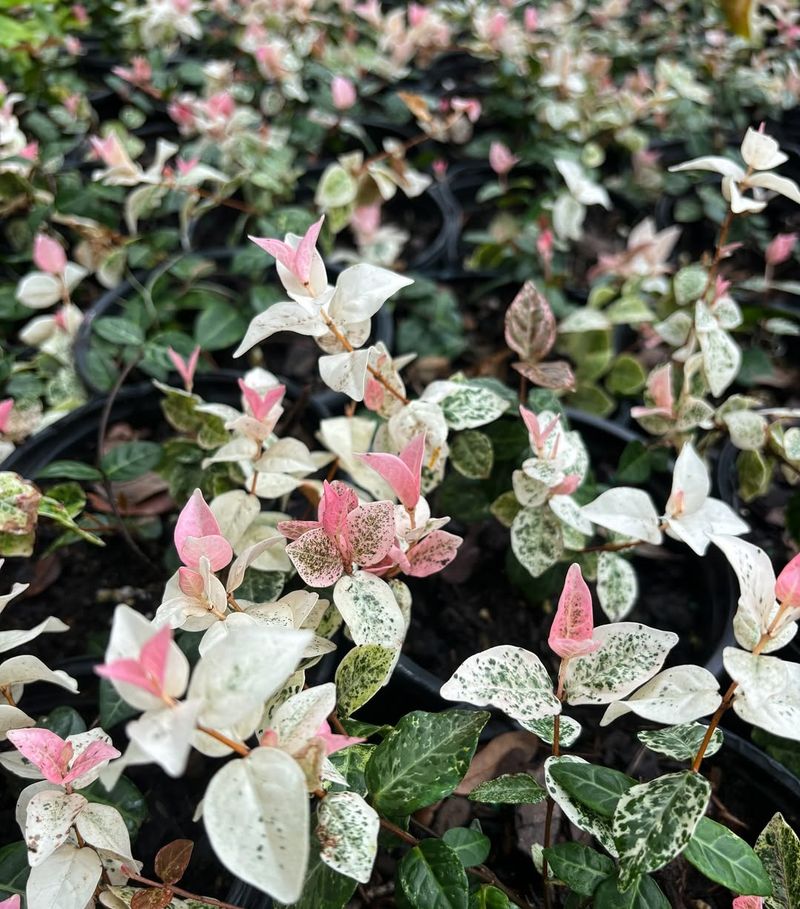
It forms a thick, woven mat of small, glossy leaves that stays evergreen nearly year-round across most of Georgia, even when temperatures briefly dip below freezing.
Unlike its fragrant relative Confederate jasmine, Asiatic jasmine rarely blooms, but what it lacks in flowers it more than makes up for in toughness and coverage.
Once it gets rooted in and starts spreading, it shades out weeds effectively and holds slopes against erosion.
It grows in sun or shade, handles poor soil, and bounces back from dry spells that would set back less resilient plants.
Mow or string-trim it back hard in late winter to remove old woody stems and encourage fresh, lush growth in spring. New growth flushes in a reddish-bronze color before turning deep green, which adds a brief but attractive seasonal display.
In north Georgia, it may look a bit ragged after harsh winters, but recovery is fast once warm weather returns. For covering large, difficult areas with minimal ongoing effort, Asiatic jasmine earns its reputation across Georgia landscapes every single year.