How To Prepare Your Soil For A Stronger Spring Garden In Georgia
If plants struggled last spring, the problem likely started below the surface. In Georgia, heavy clay soil, winter compaction, and nutrient loss can quietly limit how well a garden performs once temperatures rise.
You can plant the healthiest seedlings available, but without solid soil underneath, growth will never reach its full potential.
Early spring is the right time to fix that foundation. As the ground begins to warm and dry slightly, it becomes easier to improve structure, adjust nutrients, and create better drainage before roots start expanding.
Preparing soil is not complicated, but it does require intention. When you strengthen the soil first, everything planted afterward grows more evenly, handles stress better, and produces stronger results throughout the season.
1. Test Your Soil First To Understand pH And Nutrient Levels
Guessing what your soil needs is like cooking without tasting. You might get lucky, but you’ll probably waste money on amendments your ground doesn’t need while missing the ones it does.
Georgia soil typically runs acidic, but the exact pH varies from one yard to the next.
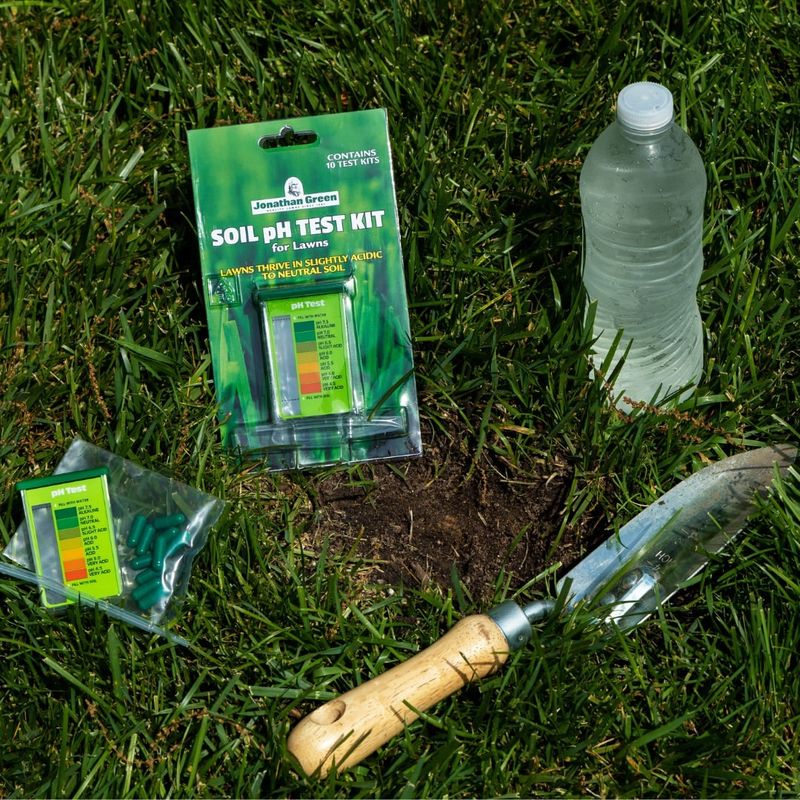
Grab a soil test kit from your local extension office for around fifteen dollars, or buy a basic one at any garden center. Dig samples from several spots in your garden, mix them together, and follow the instructions.
The results tell you the pH level and which nutrients are lacking.
Most vegetables prefer soil between 6.0 and 7.0 on the pH scale. Georgia’s red clay often sits around 5.5 or lower, which locks up nutrients even if they’re present.
Blueberries love that acidity, but tomatoes and peppers struggle in it.
The test also reveals nitrogen, phosphorus, and potassium levels. Adding fertilizer without knowing what’s missing just burns money and can harm plants.
Too much phosphorus prevents plants from absorbing other nutrients properly.
Testing saves you from buying lime if your soil doesn’t need it or from skipping it when you desperately do. Extension offices provide detailed recommendations based on what you plan to grow.
They’ll tell you exactly how much of what to add.
Plan to test every two or three years since soil chemistry changes over time. Fall is actually ideal for testing since you can amend the soil and let winter rains work everything in, but late winter works fine for Georgia gardeners preparing spring beds.
2. Adjust Georgia’s Often Acidic Soil With Lime If Needed
Red clay across Georgia holds onto acidity like a grudge. Your test results show you whether lime is necessary, and most times it is.
Don’t just throw lime around hoping for the best.
Pelletized lime spreads easier than powdered and won’t blow into your face on breezy days. The amount depends on your current pH and what you’re growing.
Raising pH by one full point in Georgia clay might take fifty pounds of lime per thousand square feet.
Broadcast the lime evenly across your garden beds in late winter. Work it into the top six inches of soil rather than leaving it on the surface.
Your Georgia Garden Changes Every Week. Your Plan Should Too.
Gardening in Georgia changes quickly throughout the season. Every Friday you’ll receive a simple weekly plan showing exactly what to plant, prune, fertilize, harvest, and protect so you never miss the right timing.
Lime takes weeks to months to change pH, so February application gives it time to work before April planting.
Don’t expect instant results or try to fix everything in one season. Raising pH too fast shocks plants and wastes lime.
If your soil is extremely acidic, plan to adjust gradually over two or three years.
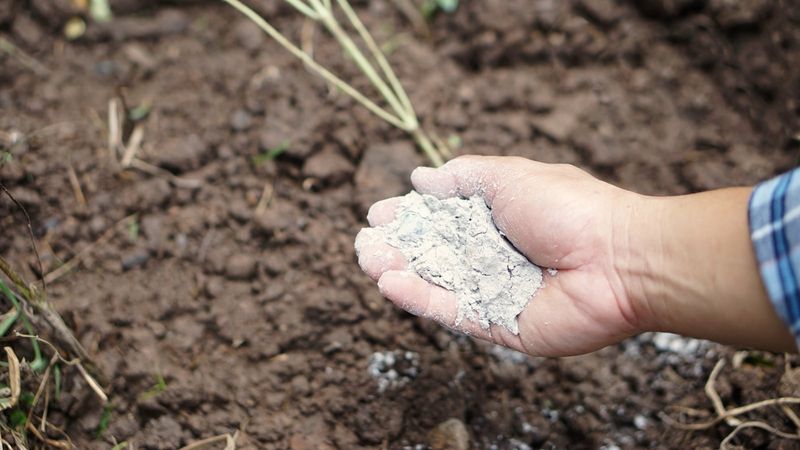
Wood ash from fireplaces also raises pH but works faster and can overshoot your target. Stick with agricultural lime for predictable results.
Dolomitic lime adds magnesium along with calcium, which Georgia soils sometimes lack.
Skip the lime entirely if you’re planting acid-loving crops like blueberries or azaleas. They’ll suffer in neutral soil.
Test again after a full growing season to see how much your pH changed and whether you need more.
3. Add Compost To Improve Clay Drainage And Soil Structure
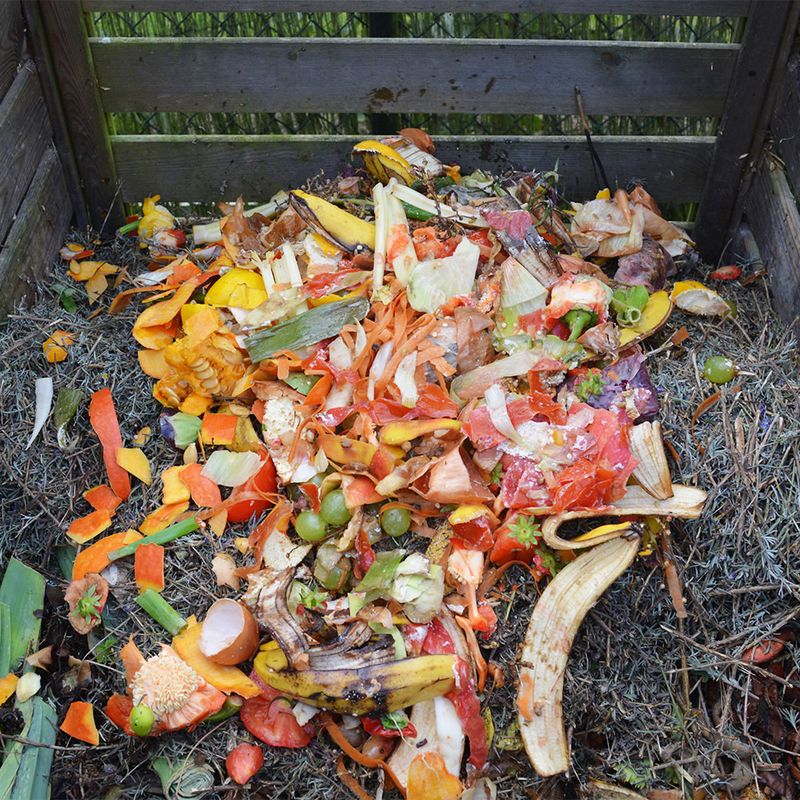
Clay soil in Georgia turns into concrete when dry and sticky muck when wet because the particles pack together tighter than sardines. Compost breaks up that density better than anything else you can add.
Organic matter creates air pockets and gives water somewhere to go besides pooling on top or running off.
Spread two to three inches of finished compost across your beds. Fresh compost that still smells strong or feels hot isn’t ready and can actually harm plants.
Good compost smells earthy and crumbles in your hand.
Mix the compost into the top eight inches of soil with a fork or tiller. Don’t just leave it sitting on top where it dries out and blows away.
The goal is to blend it thoroughly with the clay so water can move through instead of sitting.
Compost also feeds the soil organisms that do most of the real work in your garden. These microbes break down organic matter into nutrients plants can actually use.
You can’t add too much compost to Georgia clay. Some gardeners amend beds with equal parts compost and existing soil.
That’s not excessive for our heavy ground. The compost breaks down over time, so you’ll need to add more each year.
Bagged compost from stores works fine if you don’t have your own pile. Mushroom compost, composted cow manure, and leaf mold all improve clay structure.
Just avoid anything with added fertilizers until you know what your soil needs.
4. Loosen Compacted Soil Before Roots Begin Active Growth
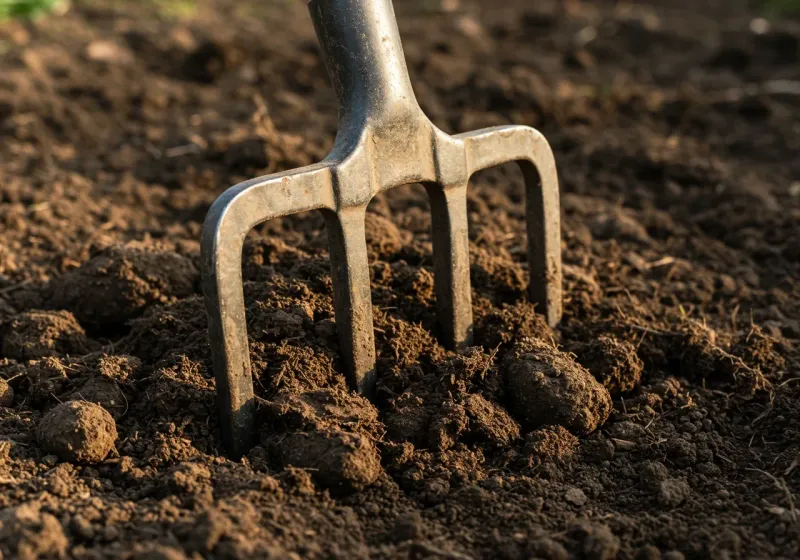
Roots can’t push through compacted Georgia clay any easier than you can drive a nail through a brick. Winter rains and foot traffic pack the soil down hard.
Plants send roots sideways instead of down when they hit that barrier, which limits their access to water and nutrients during summer heat.
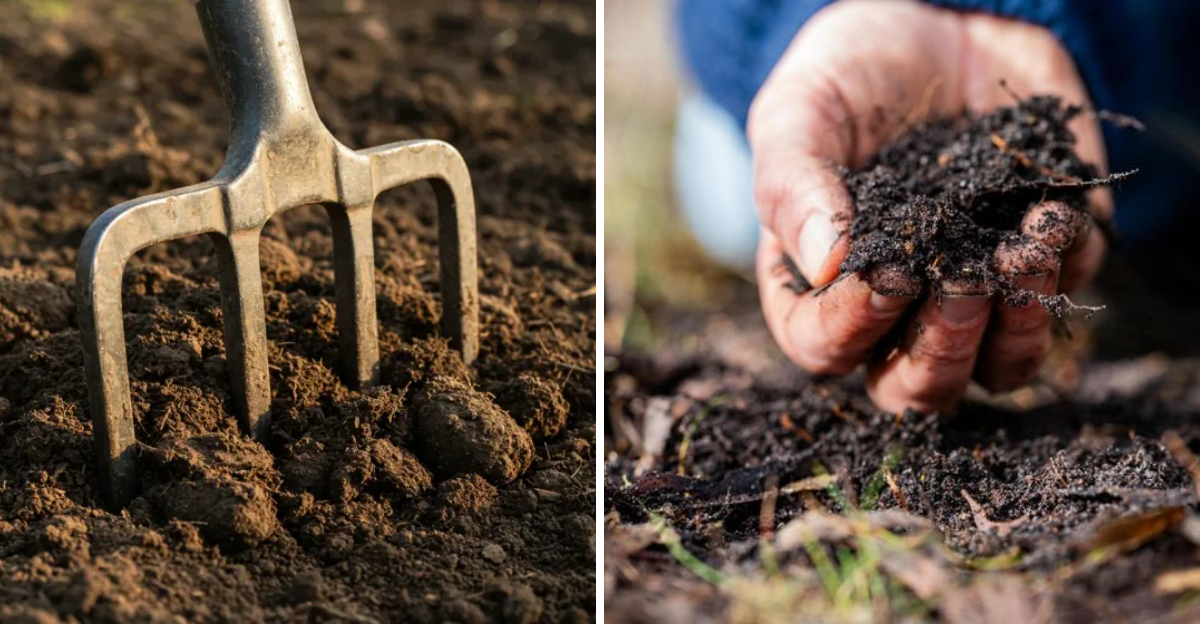
Use a garden fork rather than a shovel to break up compacted areas. Push the fork straight down, rock it back and forth, then move over six inches and repeat.
This creates cracks without completely turning the soil upside down and disturbing beneficial organisms.
Work the soil when it’s slightly moist but not wet. Squeeze a handful and it should crumble apart rather than forming a ball.
Digging wet clay makes compaction worse and creates clods that take months to break down.
Focus on areas where you walk regularly or where water pools after rain. These spots are packed tightest.
Permanent walking paths between beds prevent you from compacting the growing areas every time you weed or harvest.
Broadforks work great for loosening larger areas without destroying soil structure. These tools have long tines you step on to drive them deep, then pull back to lift and fracture the soil.
They’re easier on your back than digging.
Breaking up compaction in late winter gives the soil time to settle slightly before planting. Extremely loose soil can actually be a problem since seeds need contact with soil particles to germinate properly.
5. Remove Winter Weeds Before They Set Spring Seeds
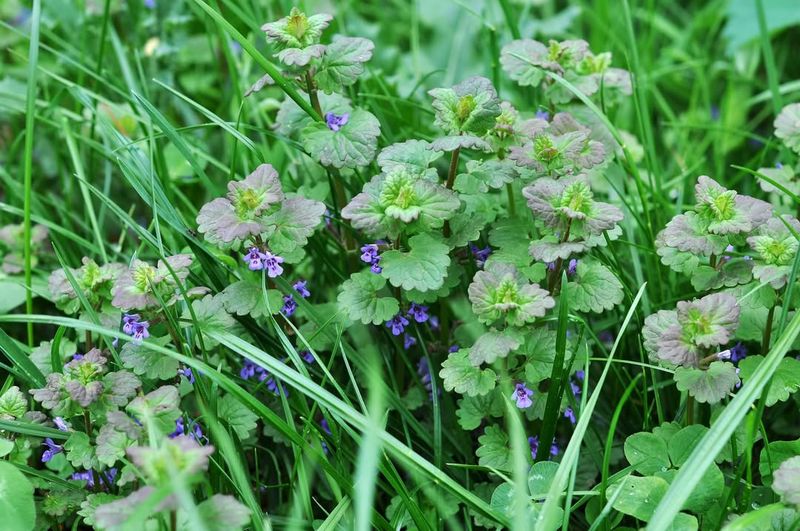
Chickweed, henbit, and purple nettle love Georgia winters. They grow when your garden plants are dormant, then explode with seeds in early spring.
One plant can drop thousands of seeds that haunt your garden for years.
Pull winter weeds in late February or early March before they flower. The roots come out easily now because winter rains have softened the soil.
Wait until April and you’re pulling weeds that have already scattered seeds everywhere.
Grab weeds at the base and pull straight up to get the whole root system. Leaving roots behind means they’ll just grow back.
Chickweed has shallow roots that pull easily, but some winter weeds develop taproots that need a digger to remove completely.
Toss pulled weeds into your compost pile only if they haven’t flowered yet. Seeds can survive the composting process and spread when you use that compost later.
Weeds with flowers or seed heads belong in the trash.
Mulching after you clear weeds prevents new ones from sprouting. Two inches of shredded leaves or straw blocks light that weed seeds need to germinate.
Don’t mulch until you’ve removed existing weeds or you’re just tucking them in for a nap.
Some winter weeds like henbit actually indicate compacted, poorly drained soil. They thrive where better plants struggle.
Seeing them pop up every year means your soil needs serious amendment work beyond just pulling weeds.
6. Mix In Organic Matter To Boost Microbial Activity
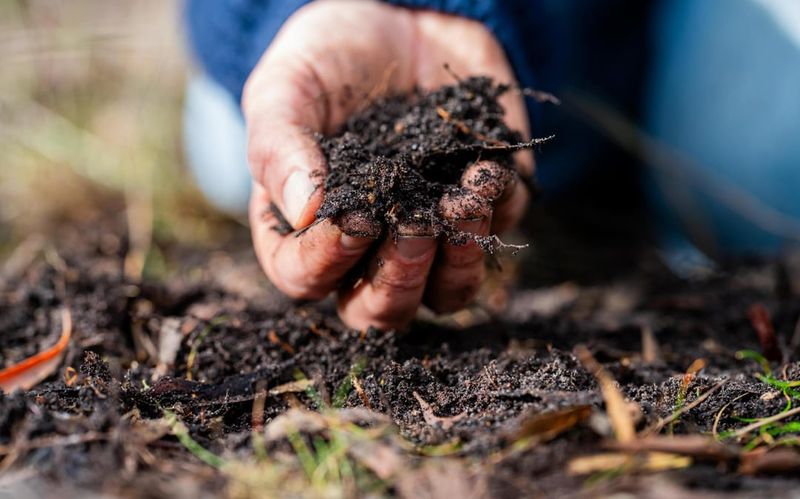
Living soil grows better plants than sterile dirt. Billions of bacteria, fungi, and other organisms break down organic matter into forms plants can absorb.
Georgia clay often lacks this biological activity, especially if it’s been treated with harsh chemicals or left bare.
Aged manure, leaf mold, and shredded leaves all feed soil microbes. These organisms need carbon and nitrogen to thrive, which organic matter provides.
As they eat and multiply, they create enzymes that help plant roots absorb nutrients.
Work organic matter into the top six inches where most beneficial organisms live. Going deeper is fine but not necessary since biological activity concentrates near the surface.
Mixing rather than layering ensures microbes spread throughout your beds.
Avoid tilling excessively since it disrupts fungal networks that help plants absorb phosphorus and water. Turn the soil once to incorporate amendments, then leave it alone.
Constant tilling destroys soil structure faster than you can rebuild it.
Organic matter disappears faster in Georgia than in cooler climates because our warm, humid conditions speed decomposition. Plan to add more every year.
This isn’t a one-time fix but an ongoing process of building soil health.
Cover crops like winter rye or crimson clover also boost microbial activity when you cut them down and work them into the soil in spring. The fresh green material feeds organisms quickly.
Let cut cover crops sit on the surface for a week before mixing them in so they start breaking down first.
7. Avoid Working Soil While It Is Still Too Wet
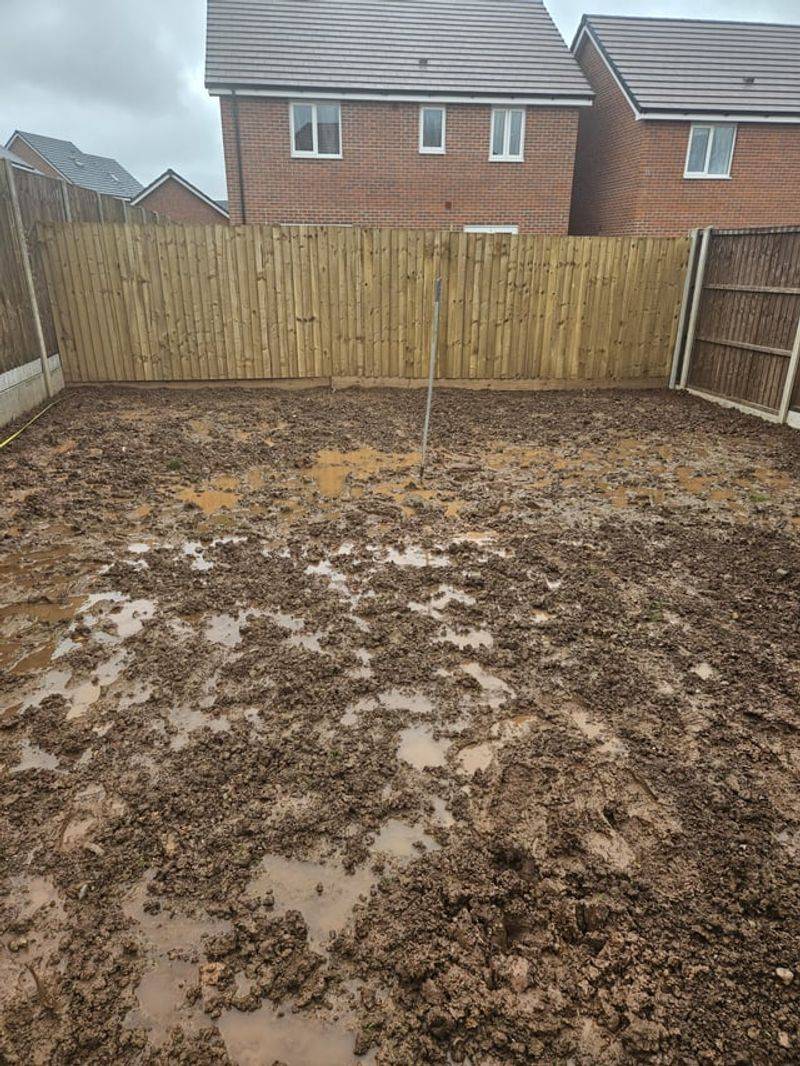
Patience saves you months of problems when preparing Georgia soil. Working wet clay destroys its structure and creates rock-hard clods that won’t break down all season.
The soil needs to dry enough that it crumbles instead of smearing.
Squeeze a handful of soil from six inches deep. If water drips out or the soil forms a tight ball that doesn’t break apart when you poke it, wait several more days.
Soil that’s ready will hold together briefly then fall apart with light pressure.
Walking on wet beds compacts them worse than any amount of rain. The weight squeezes out air pockets and presses clay particles together.
This compaction can go down a foot deep and takes serious work to reverse.
Raised beds and improved drainage help soil dry out faster after winter rains. Georgia gets plenty of rain through March, so beds that drain well let you start working sooner.
Adding sand to clay seems logical but actually makes concrete unless you add massive amounts.
Different parts of your garden dry at different rates. Low spots and shaded areas stay wet longer than high, sunny locations.
Start working the dry areas and leave wet spots alone until they’re ready.
Some years you can work soil in late February. Other years you’re waiting until mid-March because rain keeps coming.
Fighting the weather and working wet soil creates problems that last all season. Check the soil, not the calendar, to know when it’s ready.