If Your Ohio Tree Skips Blooming This Spring, This May Be The Reason
Spring arrives in Ohio with high expectations. Buds swell, lawns green up, and flowering trees usually steal the show with bursts of color that signal the season has truly begun.
So when your tree stands bare while others nearby explode in blooms, it is hard not to feel disappointed. You may wonder what went wrong or assume the worst.
A tree that skips blooming often sends a message, though the cause is not always obvious at first glance. Ohio’s shifting weather patterns, sudden temperature swings, and subtle changes in growing conditions can all influence flowering cycles.
Even a healthy looking tree may decide to hold back under certain circumstances. Before you panic or reach for drastic solutions, take a closer look.
The reason behind a bloomless spring is often more common and more manageable than most homeowners expect.
1. Late Frosts Can Delay Or Prevent Blooms
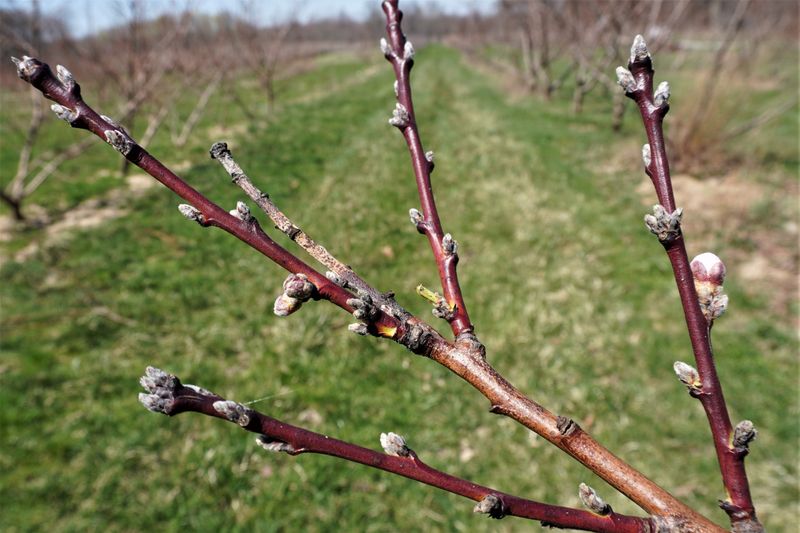
Ohio springs are beautiful, but they can be sneaky. One week it’s warm enough for a T-shirt, and the next, a hard frost rolls in overnight and catches your tree completely off guard.
When flower buds have already started to swell or open, even a brief dip below freezing can damage or destroy them before they ever get the chance to fully bloom.
Fruit trees like apples and pears, along with ornamentals such as magnolias and flowering cherries, are especially sensitive to late frosts. Their buds begin developing early in the season, making them vulnerable during Ohio’s notoriously unpredictable March and April weather.
A single frost event at the wrong moment can wipe out an entire season’s worth of flowers.
Monitoring local frost forecasts through resources like the National Weather Service or Ohio State University Extension is a smart habit for any gardener. Covering smaller trees with frost cloth or burlap when temperatures are expected to drop below 32°F can offer meaningful protection.
Planting frost-sensitive trees in slightly sheltered spots, away from low-lying frost pockets in your yard, is another practical strategy worth considering.
2. Pruning At The Wrong Time Impacts Flowering
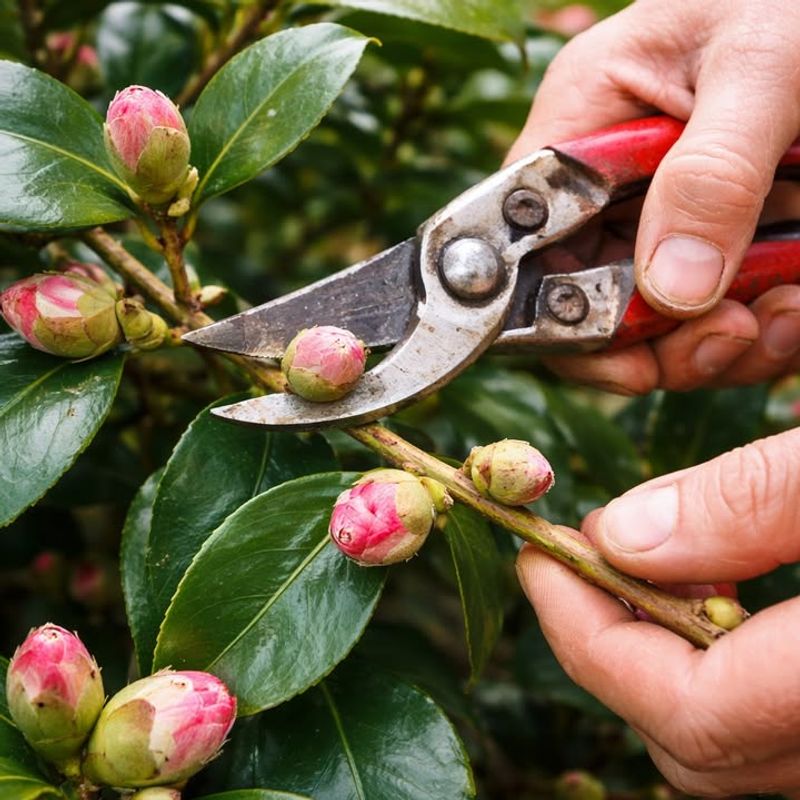
Grab those pruning shears at the wrong time of year, and you might accidentally cut away next spring’s entire flower show. Many Ohio trees bloom on what’s called “old wood” – meaning the flower buds were actually formed during the previous growing season.
Pruning too late in summer or during fall removes those buds before they ever get the chance to open.
Dogwoods, redbuds, lilacs, and forsythia are classic examples of trees and large shrubs that bloom on old wood. For these plants, the ideal window for pruning is right after they finish blooming in spring.
That way, the plant still has the full growing season ahead to develop new buds for the following year.
If you’re unsure about your specific tree’s blooming habits, Ohio State University Extension offers helpful resources on common ornamental trees. As a general rule, avoid heavy pruning in late summer or fall for any flowering tree unless there’s a safety concern.
Your Ohio Garden Changes Every Week. Your Plan Should Too.
Gardening in Ohio changes quickly throughout the season. Every Friday you’ll receive a simple weekly plan showing exactly what to plant, prune, fertilize, harvest, and protect so you never miss the right timing.
Even light trimming during the wrong window can reduce bloom counts noticeably. Keeping a simple garden journal to track when your tree blooms each year can help you time pruning decisions more confidently.
3. Insufficient Sunlight Limits Flower Production
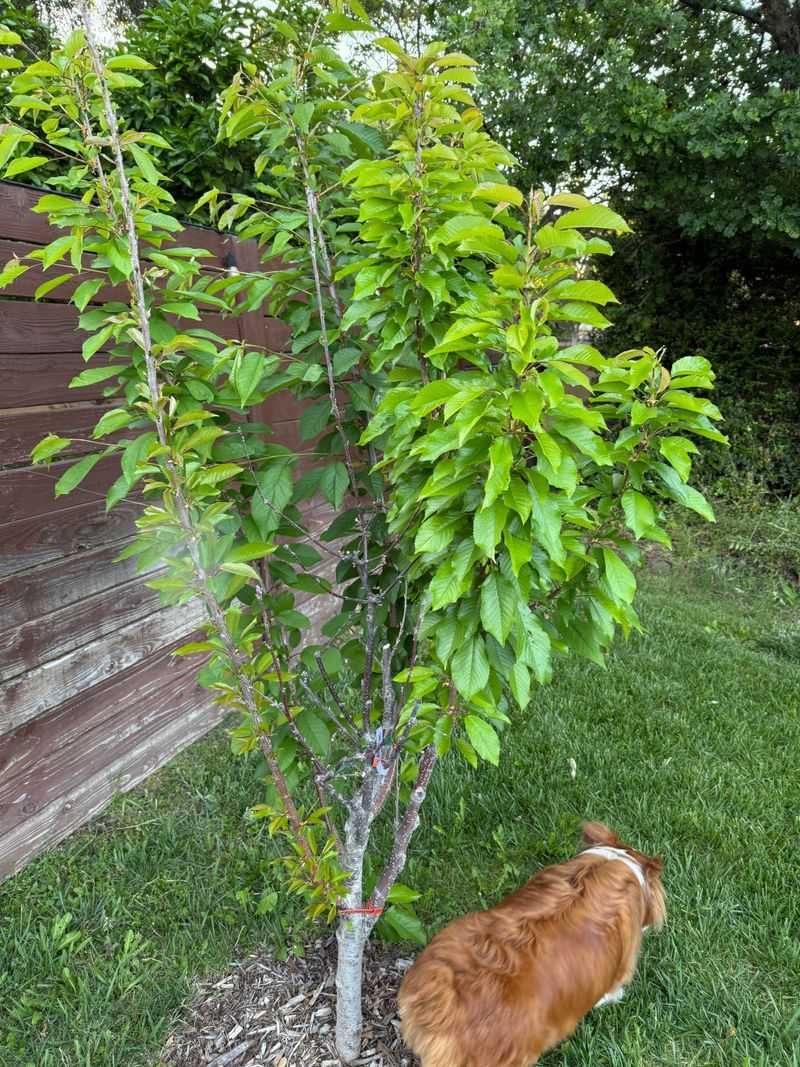
Sunlight is basically fuel for flowering. Without enough direct light, many trees simply don’t have the energy to produce a full flush of blooms each spring.
If your flowering tree is tucked under a canopy of larger trees or sandwiched between structures that block morning or afternoon sun, that reduced light exposure could be the main reason it’s not performing the way you’d expect.
Most flowering trees, including crabapples, redbuds, and serviceberries, prefer at least six hours of direct sunlight per day. In Ohio, where mature tree canopies can expand significantly over the years, it’s common for a tree that once had plenty of sun to gradually lose access to light as neighboring trees grow taller and wider.
The change happens slowly, making it easy to overlook.
If shading is the issue, selectively trimming competing trees or large branches overhead can make a real difference over time. In some cases, transplanting a young tree to a sunnier location while it’s still small enough to move is the most effective long-term solution.
When planting new flowering trees, always assess the full-day sun pattern of the site and account for how nearby trees might cast shade as they mature over the coming years.
4. Nutrient Deficiencies May Be Holding Flowers Back
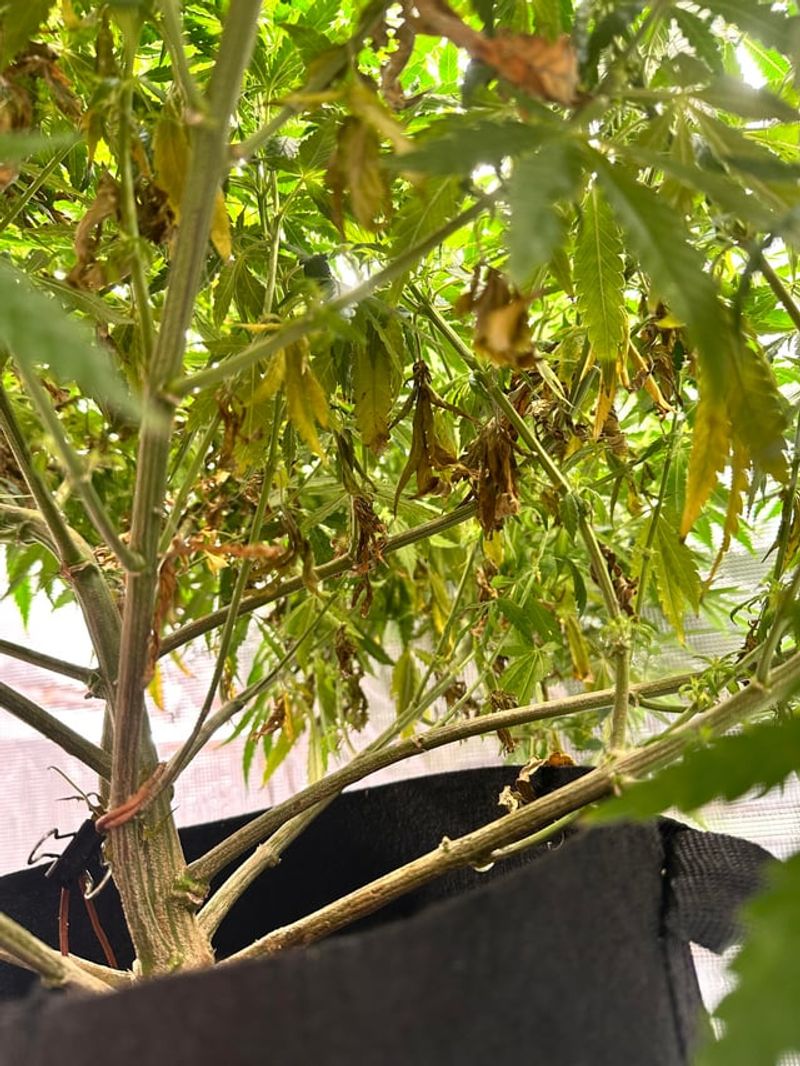
Soil health plays a bigger role in spring blooms than many gardeners realize. When a tree lacks key nutrients, especially phosphorus and potassium, its ability to produce flowers takes a serious hit.
Phosphorus supports root development and flowering, while potassium helps the tree manage stress and regulate overall growth. Without the right balance, your tree may put all its energy into leaves and stems rather than blooms.
Ohio soils vary quite a bit depending on your region. Heavy clay soils in central and western Ohio can lock up nutrients and make them unavailable to tree roots, even when the nutrients are technically present.
Sandy or compacted soils in other areas may drain too quickly, leaching nutrients before roots can absorb them effectively.
Getting a soil test through your local Ohio State University Extension office is one of the smartest things you can do before adding any amendments. The test results will tell you exactly what’s lacking and how much to add.
Avoid over-applying nitrogen, which tends to push leafy growth at the expense of flowers. Slow-release organic fertilizers or targeted amendments based on your soil test results are generally the most reliable approach for improving bloom production over time.
5. Water Stress Can Affect Blooming Patterns
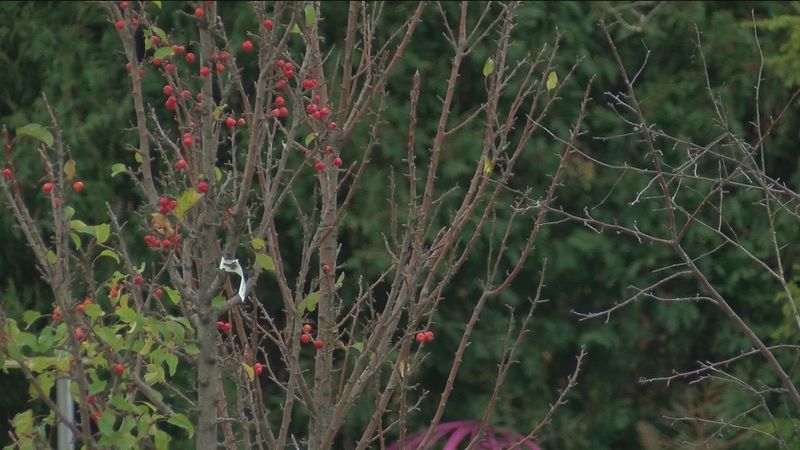
Water and flowers are deeply connected. A tree that experienced drought stress the previous summer or fall may simply not have had the energy reserves needed to set strong flower buds for the following spring.
Ohio summers can swing between soaking wet and surprisingly dry depending on the year, and those fluctuations leave a lasting mark on how trees bloom.
Both too little and too much water can cause problems. Drought conditions reduce a tree’s ability to develop and maintain healthy buds.
On the flip side, consistently waterlogged soil around the root zone can suffocate roots and limit nutrient uptake, which also suppresses flowering. Poor drainage is a common issue in Ohio’s clay-heavy soils, especially after a wet winter or heavy spring rains.
Deep, infrequent watering is generally more beneficial than frequent shallow watering for established trees. Watering slowly at the drip line – the outer edge of the canopy – encourages roots to grow deeper and access more consistent moisture.
Mulching around the base of the tree helps retain soil moisture and regulate temperature. During extended dry spells, supplemental watering every one to two weeks can help a tree maintain the energy it needs to bloom reliably each spring.
6. Tree Age And Maturity Play A Role
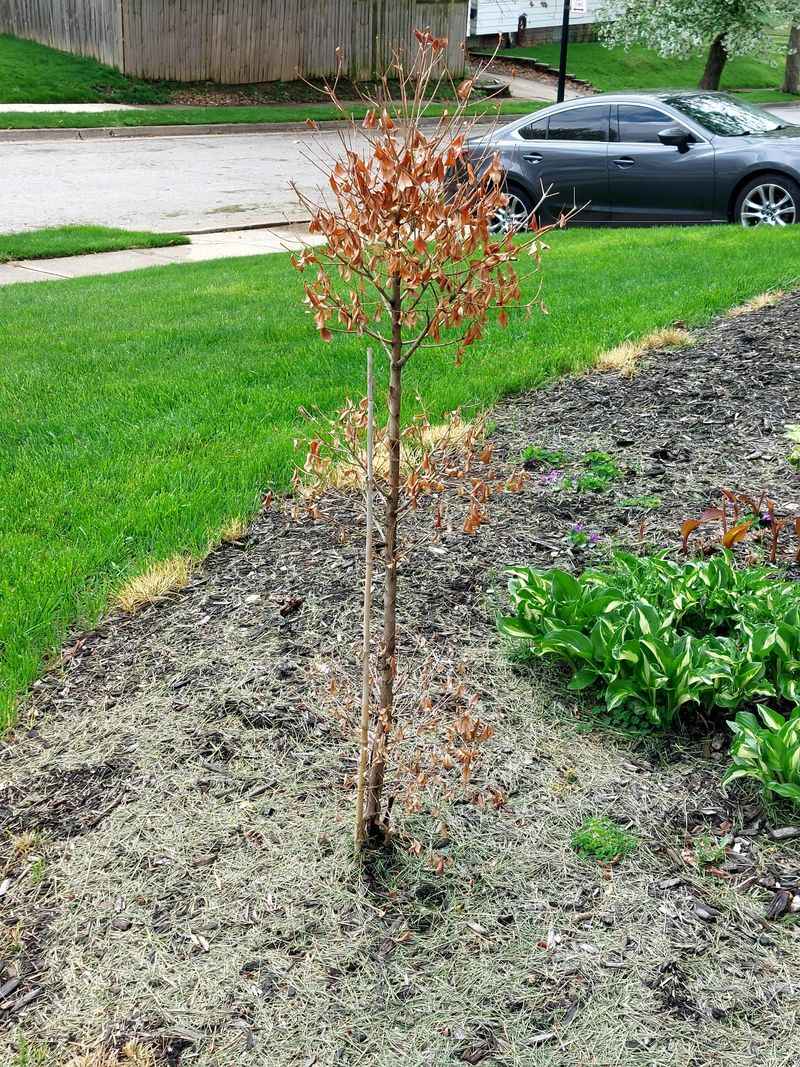
Patience is genuinely one of the most underrated tools in a gardener’s toolkit. Young trees simply aren’t ready to bloom yet, and that’s completely normal.
Most flowering trees need several years to establish a strong enough root system and store enough energy before they redirect resources toward producing flowers. Expecting a two-year-old tree to put on a full bloom display is a little like expecting a seedling to bear fruit.
The timeline varies by species. Flowering dogwoods and redbuds may begin blooming within three to five years after planting.
Ornamental pears and crabapples can sometimes take even longer, especially if the tree experienced transplant stress. On the other end of the spectrum, very old trees may produce fewer blooms as their overall vigor naturally slows down over time.
For young trees, the best thing you can do is focus on good establishment practices: consistent watering, appropriate mulching, and avoiding fertilizers heavy in nitrogen that push leafy growth instead of flowering. For older trees that seem to be slowing down, a light application of a balanced fertilizer in early spring, combined with proper pruning to remove crowded or crossing branches, can sometimes help reinvigorate bloom production and give the tree a fresh start.
7. Pests And Diseases Can Interfere With Flowers
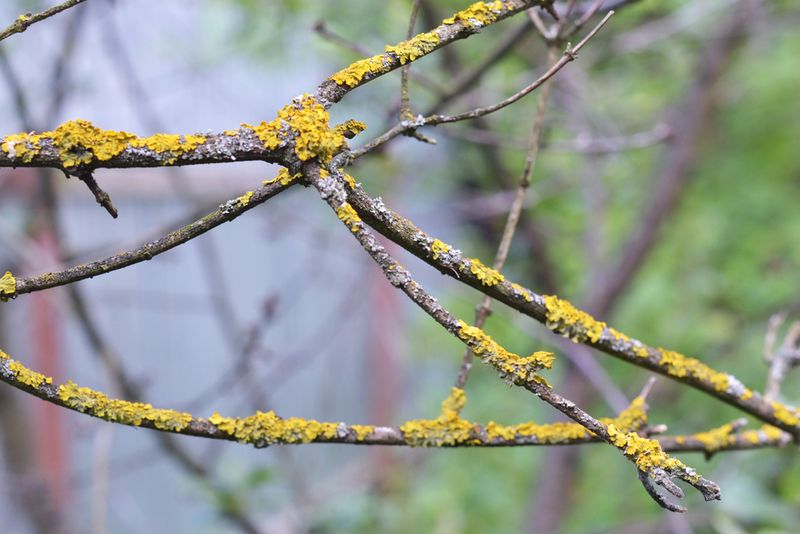
Sometimes the reason a tree skips blooming has nothing to do with weather or soil; it’s an unwanted visitor causing trouble from the inside out. Certain pests and diseases target buds, bark, and vascular tissue in ways that directly reduce or eliminate flowering.
Ohio trees face a range of these threats each season, and catching them early makes a big difference in how much damage they cause.
Scale insects, aphids, and borers are among the most common pests affecting Ohio flowering trees. They weaken branches, disrupt the flow of nutrients and water, and can prevent buds from developing properly.
Fungal diseases like powdery mildew, fire blight, and various leaf spot diseases also take a toll, especially during wet Ohio springs when conditions favor their spread.
Inspecting your tree regularly, especially in early spring when buds are just beginning to swell, helps you spot problems before they escalate. Look for unusual discoloration, sticky residue on leaves, swollen bark, or distorted buds.
Many issues can be managed with targeted treatments like horticultural oil sprays for insects or copper-based fungicides for certain diseases. Consulting your local OSU Extension office or a certified arborist can help you identify the specific issue and choose the most appropriate, responsible management approach.
8. Environmental Stressors And Weather Fluctuations
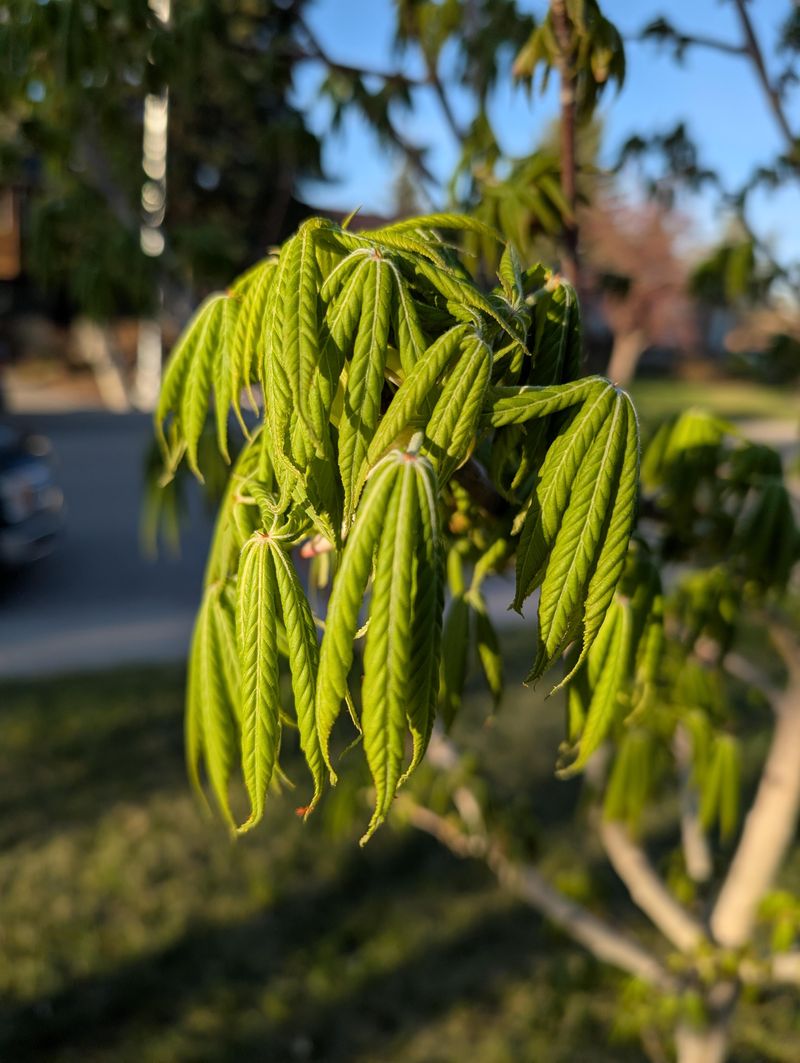
Ohio weather doesn’t always play nice, and trees feel every bit of it. Beyond frost, a whole range of environmental stressors can quietly chip away at a tree’s ability to bloom.
High winds during bud development can physically damage tender buds or dry them out. Heavy spring rains followed by a sudden warm spell can confuse a tree’s internal timing, causing it to break dormancy too early or too late.
Temperature swings are especially tricky. Ohio is known for dramatic shifts where temperatures rise well above normal in late winter, encouraging early bud development, only to crash back below freezing days later.
This kind of yo-yo weather is hard on flowering trees because they respond to warmth by beginning the bloom process, and then get caught unprepared when cold returns.
Prolonged cloud cover during spring can also reduce the light energy trees need to push blooms fully open. Construction activity near the root zone, soil compaction from heavy foot traffic, and even road salt spray along driveways or streets can add layers of stress that show up as reduced flowering.
Building good overall tree health through consistent care – proper watering, mulching, and avoiding unnecessary soil disturbance – gives your tree the resilience it needs to handle Ohio’s unpredictable conditions and still bloom beautifully each spring.