Why Some Oregon Plants Look Healthy But Never Bloom
You water them. You mulch them. The leaves look lush and green. Yet year after year, there are little to no flowers.
It is one of the most puzzling frustrations for Oregon gardeners. How can a plant look so healthy and still refuse to bloom?
Our climate plays a bigger role than many people realize. Cool springs, heavy winter rain, and even long stretches of gray skies can influence how and when certain plants set buds.
Sometimes the issue traces back to pruning at the wrong time. Other times it is tied to soil nutrients that encourage leafy growth but not blossoms.
The tricky part is that the plant often gives no obvious warning signs. It appears content, just not productive.
Once you uncover the subtle reason behind the missing blooms, though, the fix is usually straightforward. A small adjustment can be all it takes to turn that leafy green presence into a colorful, flower-filled highlight.
1. Not Enough Sunlight
Many gardeners assume their plants are getting enough light simply because they look green and healthy. Foliage can thrive in partial shade while flowers need much more energy to develop.
Most flowering plants require at least six hours of direct sunlight daily to produce blooms.
Oregon’s frequent cloud cover makes this challenge even trickier. What seems like a sunny spot in summer might be too shaded in spring when many plants set their flower buds.
Trees and buildings also shift shadow patterns throughout the growing season.
Check your garden at different times of day to track actual sun exposure. Morning sun tends to be gentler while afternoon light provides more intensity.
If your plants are tucked under trees or near structures, they might be getting only filtered light.
Moving plants to brighter locations can make a dramatic difference. Even shifting a pot a few feet can change light conditions enough to trigger blooming.
For permanently planted specimens, consider pruning nearby trees to allow more sunlight through. Some plants also bloom better when reflected light bounces off light-colored walls or fences in Oregon gardens.
2. Too Much Nitrogen
Fertilizer seems like the perfect solution when plants aren’t performing well. However, too much nitrogen creates the opposite problem for flowering.
Plants fed excessive nitrogen focus all their energy on leaf and stem growth instead of producing blooms.
Lawn fertilizer that drifts into garden beds often causes this issue. Those products are designed to make grass grow thick and green, not to encourage flowers.
Compost and manure can also be surprisingly high in nitrogen if not properly aged.
Look at your plant’s leaves, are they unusually dark green or growing rapidly? That’s a sign of nitrogen overload.
The plant is essentially too well-fed to bother with reproduction, which is what flowering represents.
Switch to a bloom-boosting fertilizer with higher phosphorus content. These products use numbers like 5-10-5 instead of 20-10-10.
Phosphorus supports root development and flower production rather than just leafy growth.
In Oregon, where soil tends to be naturally rich in some areas, less fertilizer is often better. Let plants experience a bit of stress, which actually encourages blooming as a survival response.
Your Oregon Garden Changes Every Week. Your Plan Should Too.
Gardening in Oregon changes quickly throughout the season. Every Friday you’ll receive a simple weekly plan showing exactly what to plant, prune, fertilize, harvest, and protect so you never miss the right timing.
3. Pruned At The Wrong Time
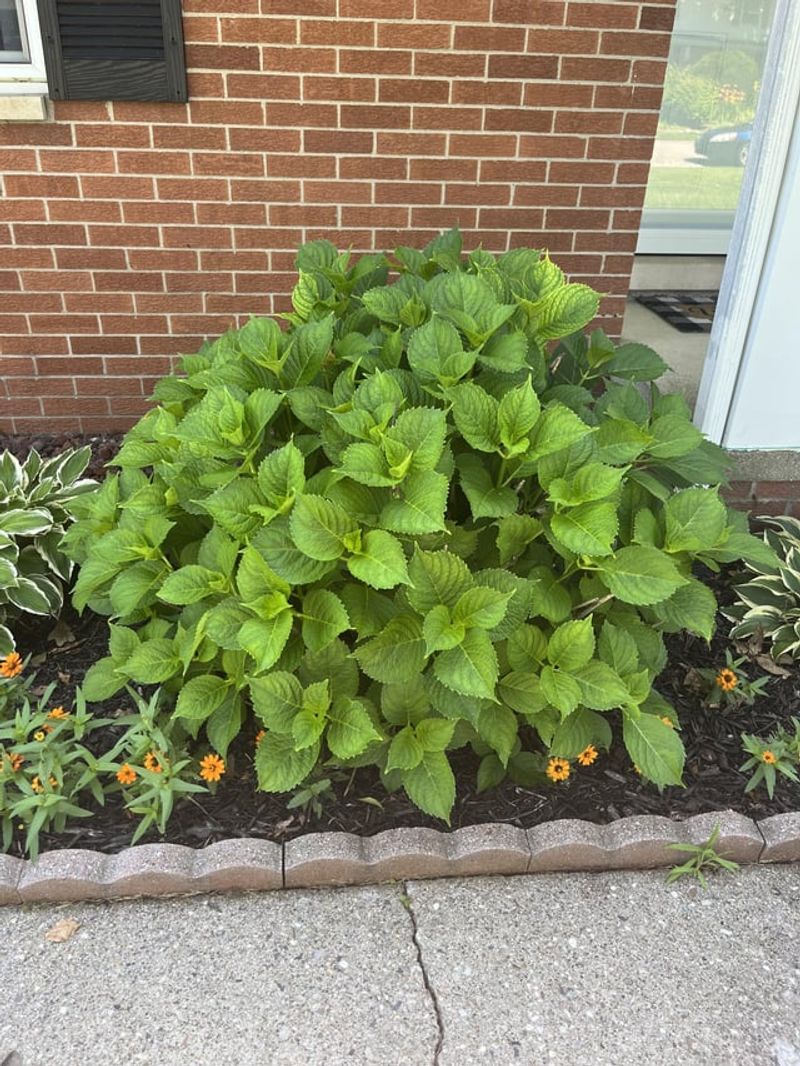
Timing makes all the difference when it comes to pruning flowering plants. Cutting branches at the wrong season removes next year’s flower buds before they even have a chance to develop.
This mistake is incredibly common and completely preventable with proper knowledge.
Spring-blooming plants like lilacs and rhododendrons set their flower buds in late summer and fall. Pruning them in early spring removes all those buds.
Meanwhile, summer bloomers form flowers on new growth, so they need pruning in late winter.
Oregon gardeners often prune in fall as part of cleanup, which is exactly the wrong time for many species. Those tidy cuts remove the structures that would have produced spring flowers.
The plant stays healthy and grows new leaves, but blooms never appear.
Learn the blooming schedule of each plant in your garden. Keep notes or tags to remember which ones bloom on old wood versus new growth.
A simple rule: prune spring bloomers right after they finish flowering, and prune summer bloomers in late winter before growth starts.
When in doubt, skip pruning for a year and observe when buds form.
4. Hidden Frost Damage
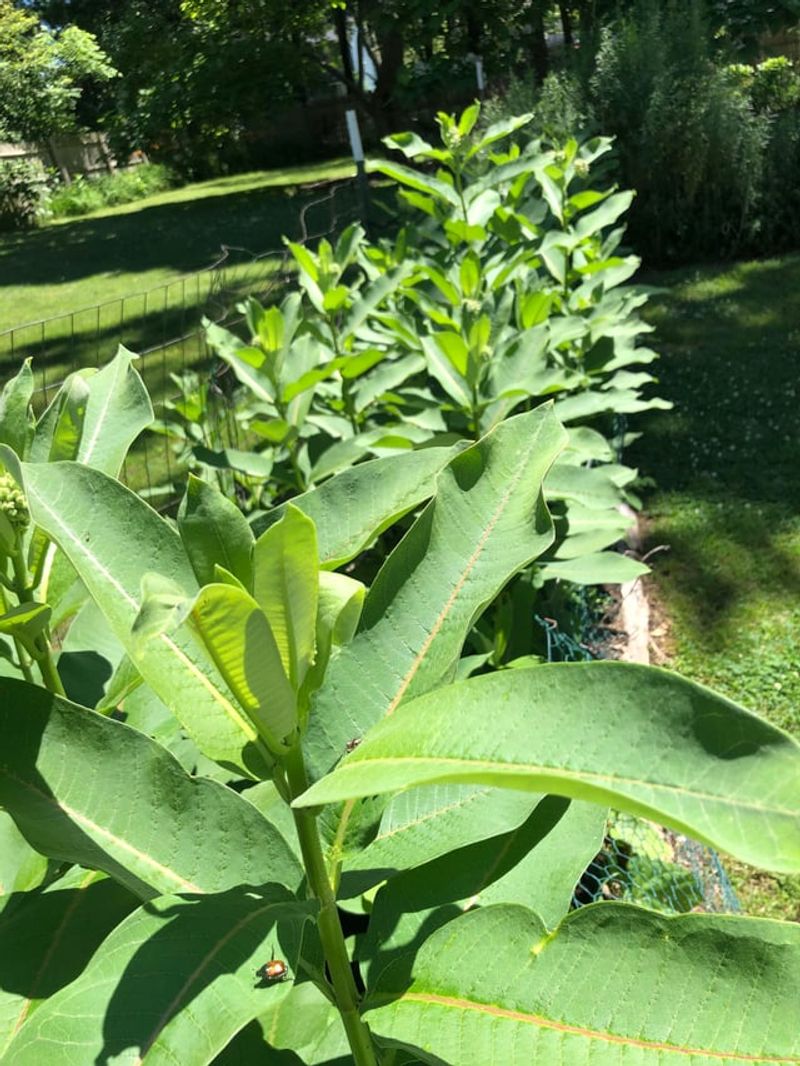
Frost damage doesn’t always show up as blackened, wilted leaves. Sometimes it targets just the delicate flower buds while leaving the rest of the plant looking perfectly fine.
Those tiny buds are much more vulnerable to cold than mature leaves or woody stems.
Oregon’s unpredictable spring weather creates perfect conditions for this sneaky problem. A warm February tricks plants into developing buds early, then a March freeze damages them.
The plant continues growing normally, but the flowers are already ruined.
Inspect buds closely after any cold snap. Damaged ones might look slightly brown or feel mushy when gently squeezed.
They won’t open even as temperatures warm up. The plant will focus energy on leaf growth instead of replacing the damaged buds.
Covering plants during unexpected freezes can prevent this heartbreak. Even a simple sheet draped over bushes provides several degrees of protection.
Location matters too, plants near south-facing walls or under eaves stay warmer than those in open areas.
Choose varieties known for their cold hardiness in Oregon. Late-blooming cultivars naturally avoid frost damage by waiting until temperatures stabilize before forming buds.
5. Cool, Rainy Spring Weather
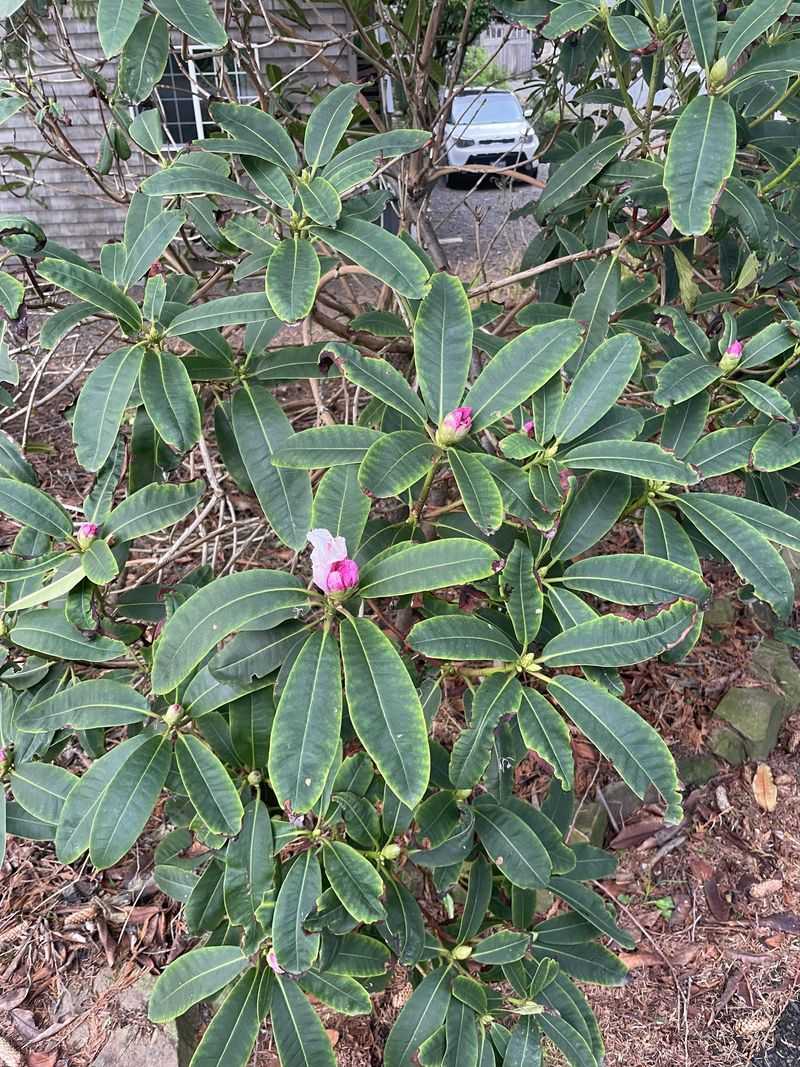
Oregon’s cool, wet springs can feel refreshing to people but confusing to plants. Many flowering species need a certain amount of warmth to trigger the chemical processes that open buds.
When temperatures stay cool for weeks, buds just sit there waiting for the right signal.
Rain also interferes with pollination for plants that have managed to open their flowers. Wet conditions prevent bees and other pollinators from flying efficiently.
Some delicate flowers get beaten down by heavy raindrops before they fully develop.
The combination of clouds and moisture keeps soil temperatures low too. Root activity slows down, which means less energy available for flowering.
Plants essentially go into a holding pattern, maintaining their leaves but postponing blooms.
Patience often solves this problem naturally. Once a warm, dry period arrives, many plants will suddenly burst into bloom.
Providing some overhead protection can help, a temporary cover or planting near overhangs shields flowers from damaging rain.
Selecting plants adapted to Oregon’s climate makes a huge difference. Native species and those from similar climates bloom reliably despite cool, wet conditions.
They’ve evolved to handle exactly these weather patterns.
6. Overcrowded Root Systems
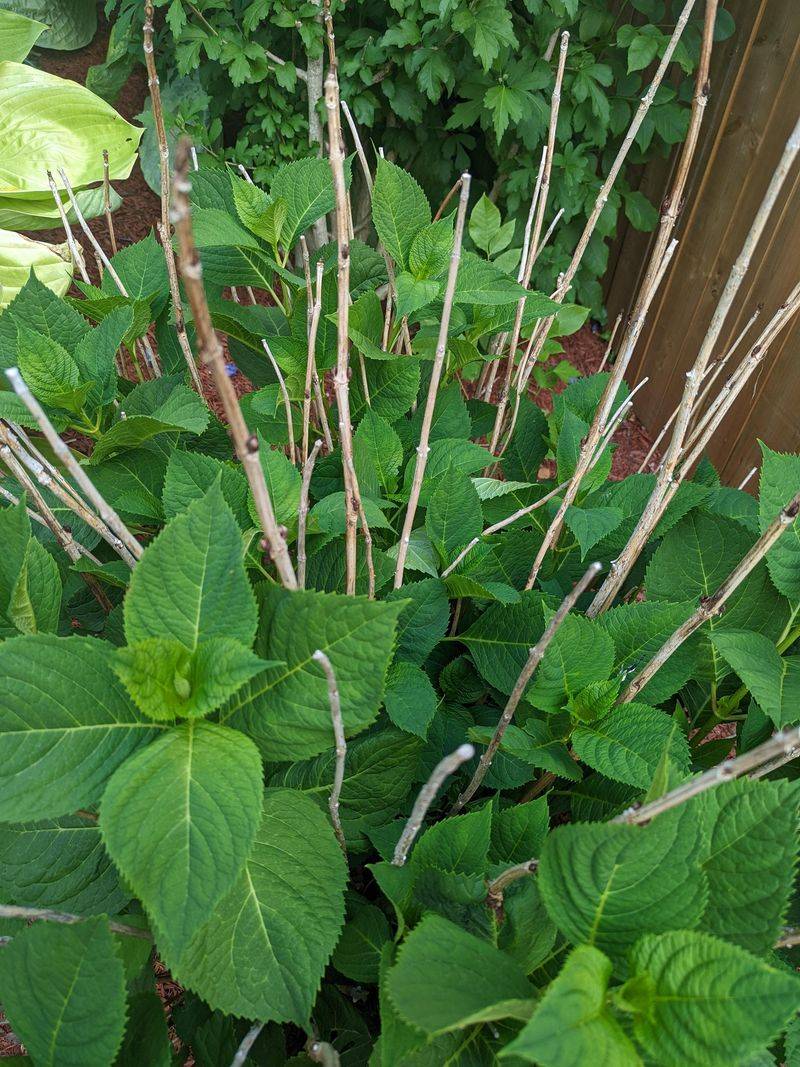
Roots tell a story that leaves often hide. When plants become rootbound or overcrowded, they struggle to gather enough nutrients and water to support flowering.
The visible parts might look healthy because they’re surviving, but there’s not enough resources for the extra effort of making blooms.
Container plants face this issue most frequently. Roots circle around and around, eventually forming a dense mat that can’t absorb much.
Even in-ground plants can become overcrowded when multiple specimens compete for the same space.
Gently tip a container plant out to check its roots. If you see more roots than soil, it’s time for a bigger pot.
For garden plants, notice if they seem stunted despite regular watering and feeding.
Dividing perennials every few years keeps them blooming vigorously. Most flowering perennials benefit from division every three to five years.
This gives each section room to develop a healthy root system capable of supporting flowers.
In Oregon’s rich soil, plants sometimes grow so enthusiastically that they outgrow their space quickly. Regular division and transplanting keeps them in the blooming stage rather than just the survival stage.
Proper spacing at planting time prevents many crowding problems.
7. Waterlogged Winter Soil
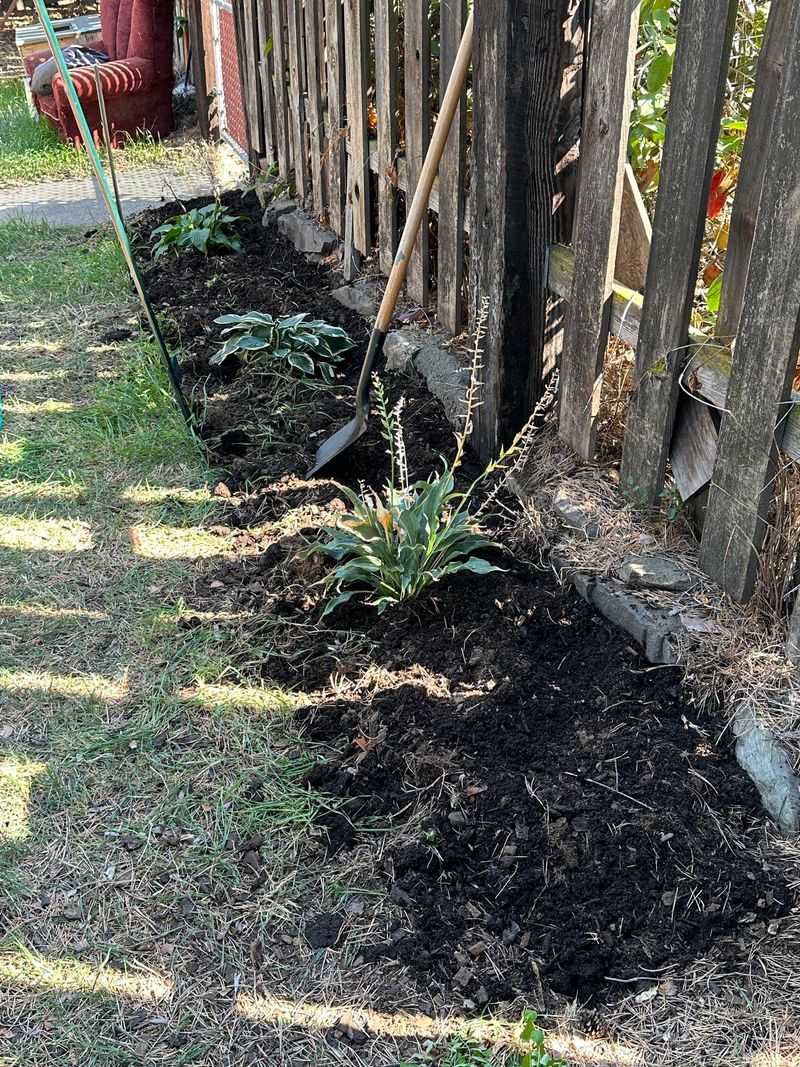
Oregon winters bring abundant rainfall that most plants handle well, but poor drainage creates serious problems. When soil stays saturated for months, roots can’t breathe properly.
This stress doesn’t always show up as wilting or yellowing, sometimes plants just refuse to bloom.
Root damage from waterlogging happens slowly underground where you can’t see it. Fine root hairs that absorb nutrients get damaged first.
The plant survives using its larger roots but lacks the vigorous root system needed for flowering.
Clay soils common in many Oregon areas make drainage issues worse. Water sits on top or moves through very slowly.
Even if your plant looks healthy in spring, winter damage has already affected its blooming potential.
Improving drainage solves many mysterious blooming problems. Adding compost, creating raised beds, or installing drainage tiles helps water move through soil faster.
Planting on slight slopes or mounds keeps roots above the water table.
Some plants tolerate wet conditions better than others. Choosing appropriate species for your soil type prevents frustration.
If you have heavy clay that stays wet, select plants naturally adapted to those conditions rather than fighting your soil type every year.
8. Planted In The Wrong Spot
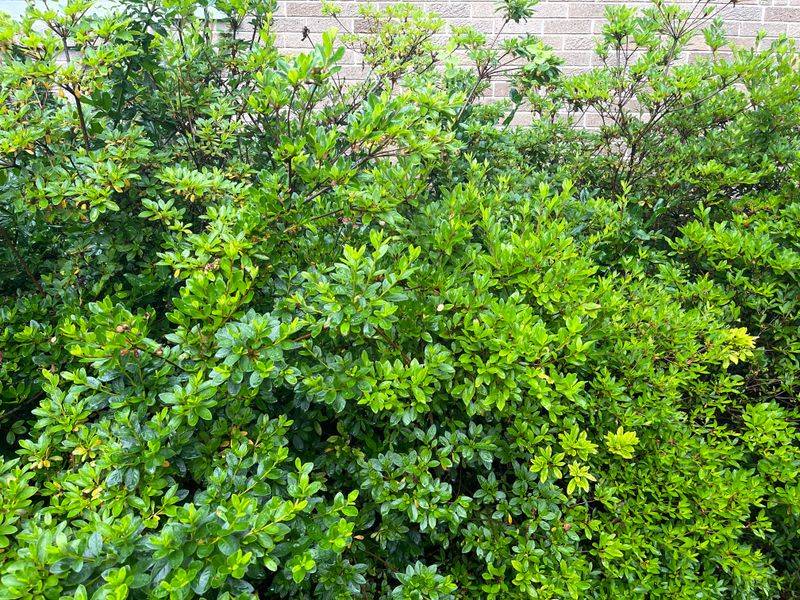
Every garden has microclimates, small areas with different growing conditions than the surrounding space. A plant might look healthy because it’s tough enough to survive, but it won’t bloom unless conditions match its specific needs.
Location affects everything from temperature to moisture to wind exposure.
That corner that gets blasted by wind might keep foliage looking acceptable but prevent delicate flower buds from forming. A low spot that collects cold air creates a frost pocket that damages blooms.
The area near your dryer vent stays too warm and dry for plants that need cool roots.
Oregon’s varied terrain creates dramatic differences even within a single yard. South-facing slopes warm up faster and dry out quicker than north-facing areas.
Spots near buildings have different moisture and temperature patterns than open garden beds.
Observe your garden carefully throughout the year. Notice where snow melts first, where puddles form, and where wind hits hardest.
Match plants to these specific conditions rather than treating your whole garden as uniform.
Sometimes moving a struggling plant just ten feet makes it bloom beautifully. The new spot provides the specific combination of light, moisture, and temperature that species needs for flowering.
Keep experimenting until you find each plant’s perfect location.