What To Plant In March In The North Carolina Piedmont Before The Heat Arrives
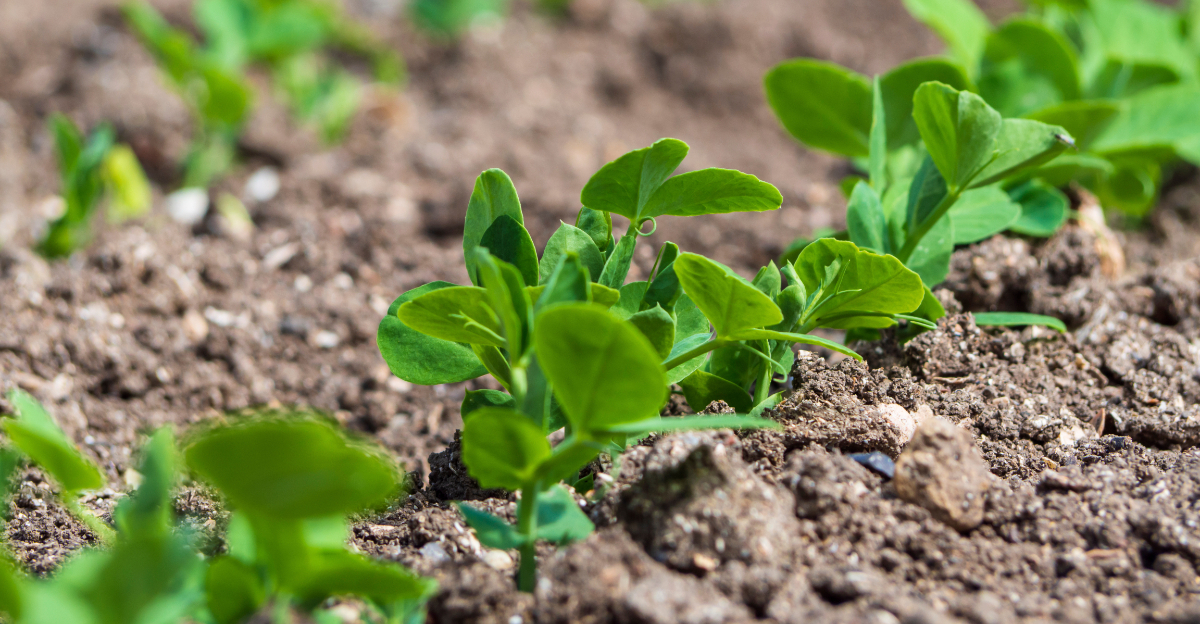
March is when Piedmont gardeners in North Carolina need to move fast. The soil is finally workable, daytime temperatures are climbing, and that narrow window for cool season crops is wide open, but not for long.
Wait a few weeks too late and rising heat can stall growth, reduce yields, and turn promising seedlings into stressed plants. Right now, conditions are nearly perfect.
There is enough lingering chill to help roots establish, yet plenty of warming sunlight to push steady top growth. In the Piedmont, this brief stretch between frost risk and early summer warmth is prime planting time.
Direct sowing this month gives vegetables a chance to mature before intense heat changes the game. Smart timing in March often means harvesting fresh produce while others are just getting started.
Plant these ten reliable crops now, and your North Carolina Piedmont garden will reward you with an early, abundant, and incredibly satisfying spring harvest.
1. Broccoli
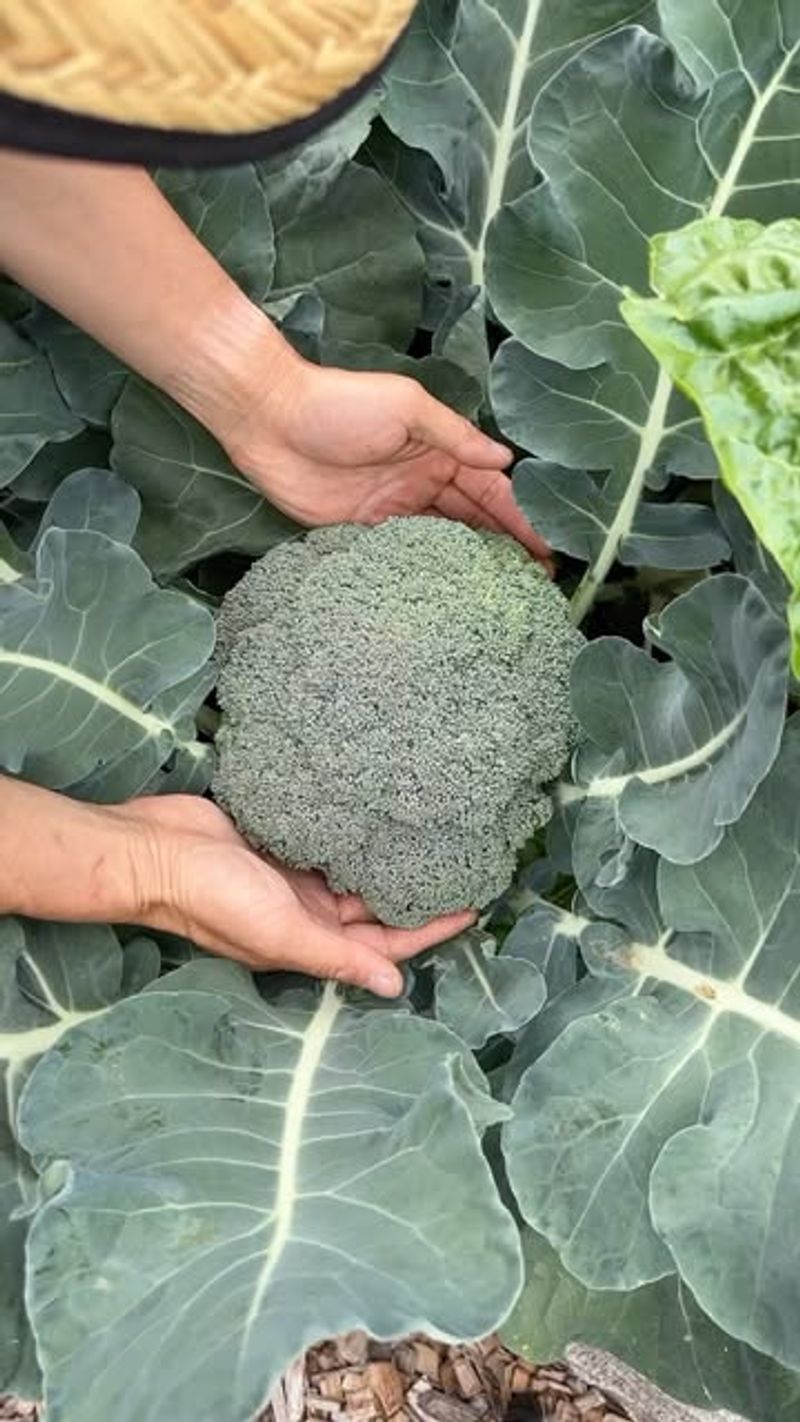
Few vegetables reward early spring gardeners in the Piedmont quite like broccoli. Plant transplants or direct-sow seeds in March, and you give this cool-season crop exactly what it needs to thrive.
Broccoli loves soil temperatures between 45 and 85 degrees Fahrenheit, and March in the North Carolina Piedmont delivers that window reliably.
Timing matters more than most beginners realize. Broccoli that matures in cool weather produces tight, flavorful heads.
Once late spring heat arrives and temperatures push past 80 degrees consistently, the plant bolts, meaning it rushes to flower and the heads become loose and bitter almost overnight. Planting in March keeps that from happening.
Choose a spot with full sun and well-drained soil amended with compost. Space transplants about 18 inches apart and water consistently, especially during dry spells.
A balanced vegetable fertilizer applied every few weeks will keep plants growing strong. Watch for cabbage worms, which are common in the Piedmont and love broccoli as much as you do.
Row covers can protect young plants early on. With the right timing and a little care, you can harvest full heads by late April or early May, well before the Piedmont summer turns brutal.
2. Cabbage
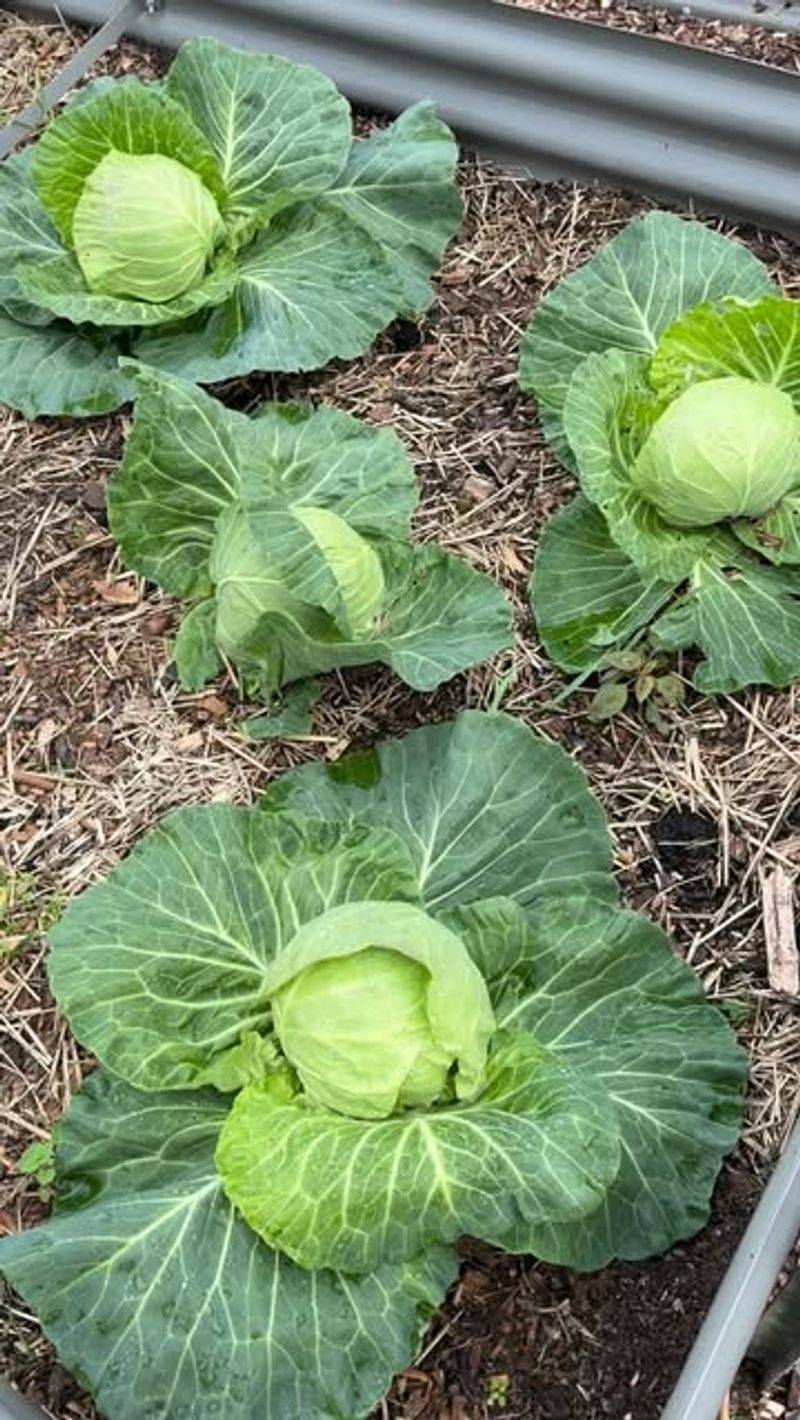
Cabbage has a reputation for being tough, and in the North Carolina Piedmont, that toughness is exactly what makes it a March gardening winner.
Transplanting cabbage in early to mid-March gives it time to establish roots and build solid heads while the weather is still cooperating. This is a vegetable that genuinely prefers cool conditions.
Summer heat is cabbage’s biggest challenge in the Piedmont. When temperatures rise consistently above 80 degrees, heads can crack, growth slows dramatically, and the flavor turns sharp and unpleasant.
Getting plants in the ground during March means they can finish forming heads before that heat stress sets in, usually giving you a harvest window in late April through May.
Pick a variety suited to spring planting, such as Early Jersey Wakefield or Stonehead, both of which handle Piedmont springs well. Amend your garden bed with plenty of compost and make sure the soil drains properly.
Cabbage is a heavy feeder, so side-dress plants with a nitrogen-rich fertilizer a few weeks after transplanting. Keep the soil evenly moist because inconsistent watering leads to head splitting.
Your North Carolina Garden Changes Every Week. Your Plan Should Too.
Gardening in North Carolina changes quickly throughout the season. Every Friday you’ll receive a simple weekly plan showing exactly what to plant, prune, fertilize, harvest, and protect so you never miss the right timing.
Cabbage loopers and imported cabbageworms are pests to watch for, but floating row covers handle them well. A March planting gives you crunchy, sweet heads right when you want them most.
3. Spinach
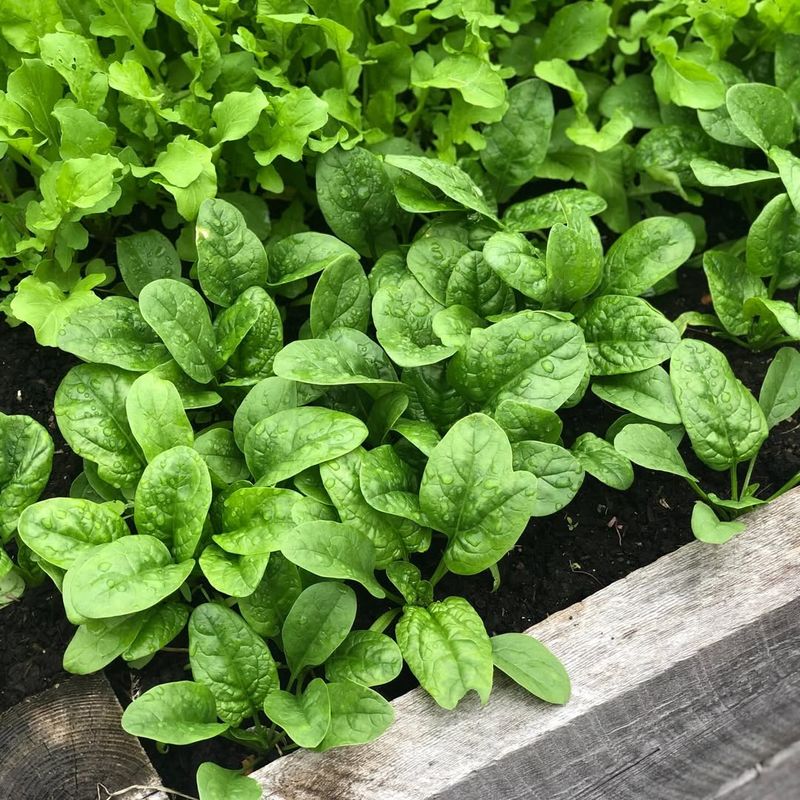
Spinach is one of those plants that practically begs to be grown in March in the North Carolina Piedmont. It germinates well in cool soil, grows quickly in mild temperatures, and produces tender, nutrient-packed leaves that taste nothing like the canned version.
If you have never grown your own spinach, this is the month to start. The challenge with spinach in the Piedmont is heat. Once temperatures consistently break 75 degrees Fahrenheit, spinach bolts fast.
The plant sends up a flower stalk, leaves turn bitter, and the harvest window closes. March planting in the Piedmont gives spinach roughly six to eight weeks of ideal growing conditions before that warm shift happens.
Direct sow seeds about half an inch deep in loose, fertile soil with plenty of organic matter mixed in. Spinach prefers a slightly neutral to slightly alkaline soil pH, so test your garden bed if you have not done so recently.
Water regularly and keep the soil moist but not waterlogged. Thin seedlings to about four to six inches apart once they sprout so each plant has room to fill out.
Varieties like Bloomsdale Long Standing and Tyee hold up well to mild temperature swings. Harvest outer leaves as soon as they are large enough and the plant will keep producing for weeks.
4. Lettuce
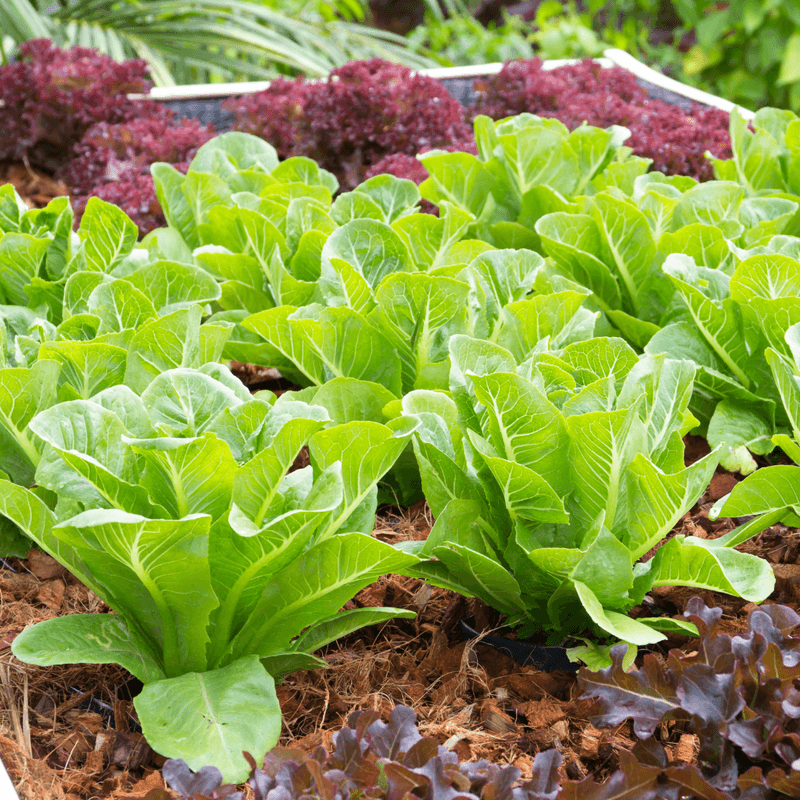
Walk through any garden center in the Piedmont in March and you will spot trays of lettuce seedlings ready to go. There is a very good reason for that.
Lettuce is one of the easiest and most rewarding crops to grow in early spring across the North Carolina Piedmont, and it thrives in exactly the kind of mild, slightly cool weather that March delivers.
Lettuce is not a fan of heat. Once daytime temperatures climb into the upper 70s and 80s consistently, lettuce bolts quickly, turning bitter and tough.
A March planting in the Piedmont lets you enjoy fresh salads for weeks before that happens. Loose-leaf varieties tend to mature faster and give you a longer harvest window than head lettuce types.
You can direct sow lettuce seeds or transplant starts, both work well in March. Scatter seeds lightly over prepared soil and cover with just a thin layer of fine compost or soil since lettuce needs light to germinate well.
Keep the bed consistently moist and thin plants to about eight inches apart. A light application of balanced fertilizer helps keep leaves lush and green.
Try a mix of varieties like Black Seeded Simpson, Buttercrunch, and Rouge d’Hiver for a colorful, flavorful salad bowl right from your own North Carolina Piedmont backyard garden.
5. Carrots
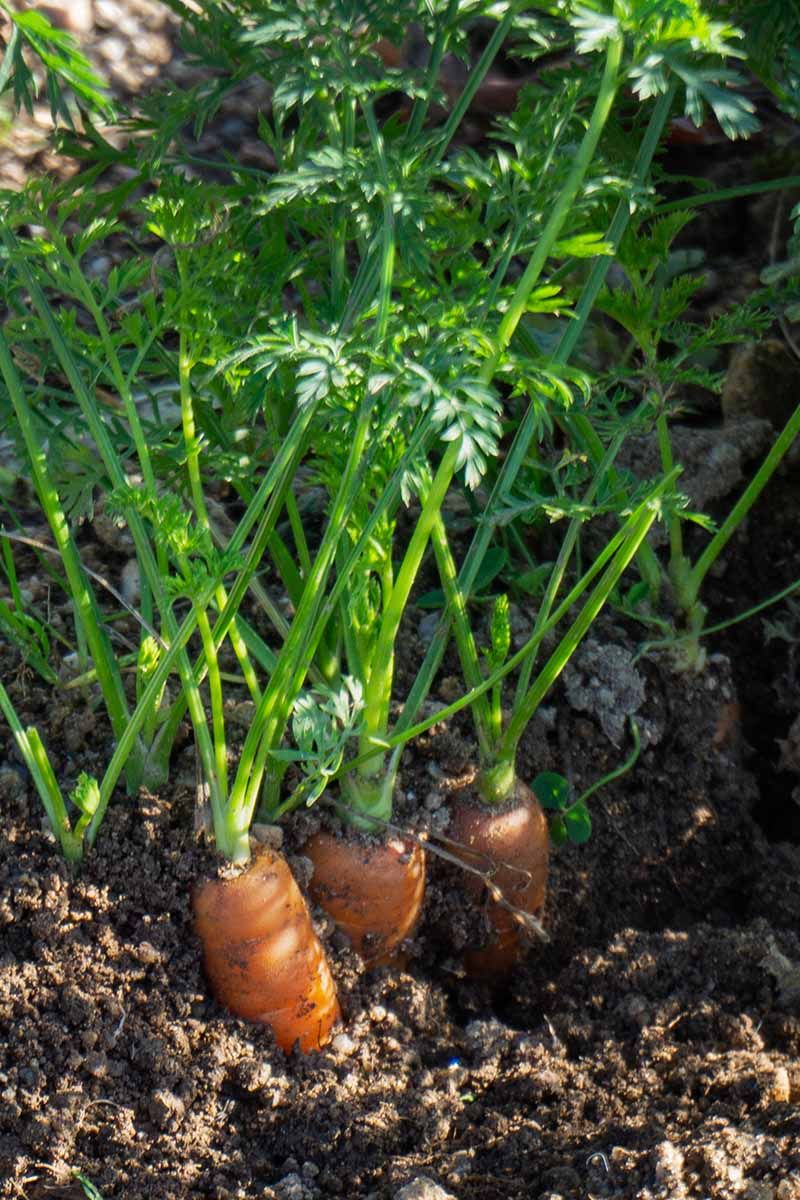
Carrots are one of those vegetables that reward patience, and planting them in March in the North Carolina Piedmont sets you up for a genuinely satisfying harvest.
Unlike transplants, carrots must be direct sown because they develop a taproot immediately and do not tolerate being moved.
Getting seeds in the ground in March means roots develop during the cooler weeks of spring.
Here is why timing matters so much for carrots in the Piedmont. As summer heat builds and soil temperatures rise above 80 degrees, carrot roots can become tough, woody, and oddly shaped.
Hot, hardened soil makes it physically difficult for the root to push downward and form properly. March soil is loose, cool, and perfect for that early root development stage.
Prepare your bed deeply, at least 12 inches, and remove any rocks or clumps that could cause roots to fork. Sandy loam soil is ideal for the Piedmont garden.
Sow seeds about a quarter inch deep and a half inch apart, then thin to two to three inches once seedlings are about two inches tall. Carrots are slow to germinate, sometimes taking two weeks, so do not give up on them.
Keep the soil consistently moist during germination. Varieties like Danvers 126 and Scarlet Nantes are well-suited to Piedmont growing conditions and produce sweet, smooth roots by late spring.
6. Peas
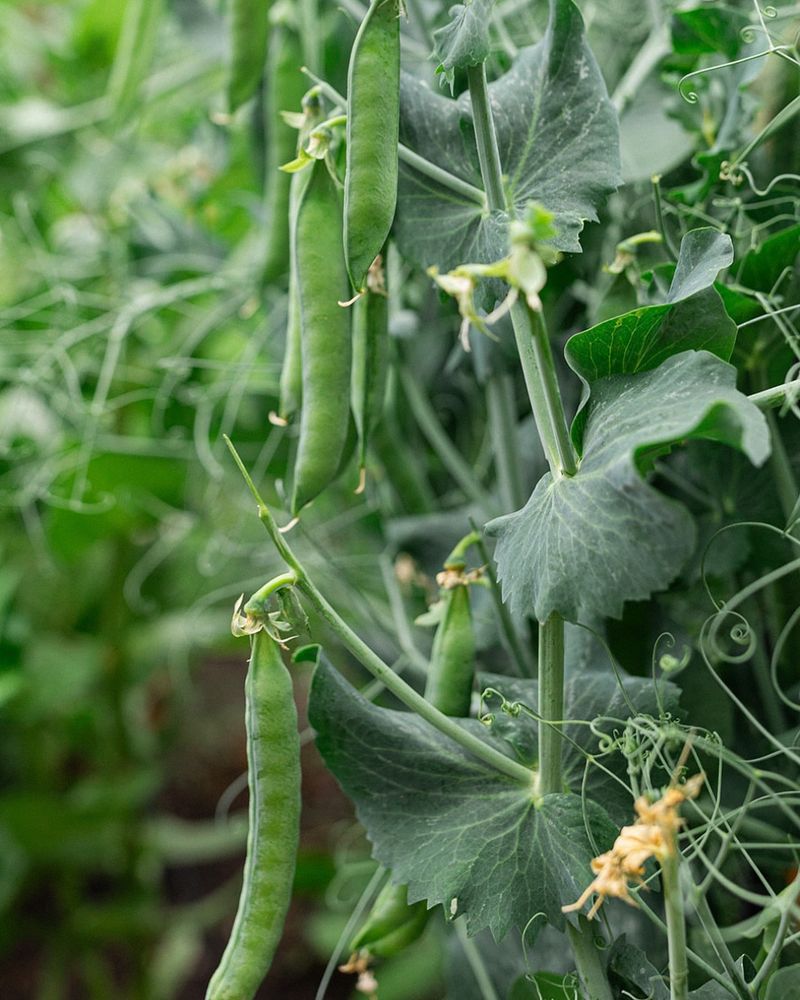
There is something almost magical about a pea vine climbing a trellis in the early spring garden. Peas are cool-season plants through and through, and in the North Carolina Piedmont, early to mid-March is the ideal planting window.
Get them in the ground while nights are still cool and you will be snacking on sweet pods before most summer crops even sprout.
English peas, snap peas, and snow peas all follow the same basic rule in the Piedmont: plant early or miss the window. Once daytime temperatures climb into the mid-80s, pea vines struggle, production drops sharply, and the plants begin to fade.
A March planting gives you roughly six to eight weeks of productive growing before that warm shift arrives.
Peas prefer well-drained soil with a near-neutral pH and do not need heavy fertilization since they fix their own nitrogen. Sow seeds about one inch deep and two to three inches apart along a trellis or support structure, because most varieties grow two to five feet tall.
Water consistently but avoid soggy soil. Inoculating seeds with rhizobium bacteria before planting can boost yields noticeably.
Sugar Snap, Oregon Sugar Pod, and Little Marvel are all excellent choices for Piedmont spring gardens. Harvest pods regularly to keep the plant producing as long as the cool weather lasts.
7. Beets
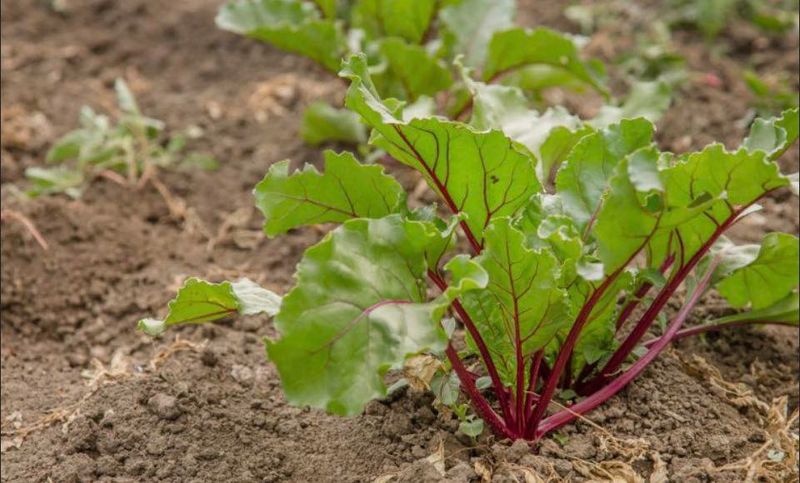
Beets are one of the most underrated vegetables you can grow in the North Carolina Piedmont, and March is their moment. Both the roots and the greens are edible, which means you get two harvests from one planting.
Beets prefer cool soil and mild temperatures, and March in the Piedmont delivers both with consistency.
Hot weather is a real problem for beet quality. When soil temperatures rise above 75 degrees consistently, beet roots can become woody, less sweet, and oddly shaped.
A March planting allows roots to develop during the cooler weeks of spring, giving you smooth, sweet beets that taste far better than anything from a can.
Beet seeds are actually clusters of multiple seeds, so thinning is important. Sow seeds about half an inch deep and one inch apart, then thin to three to four inches once seedlings reach two inches tall.
Use the thinnings as salad greens because they are tender and delicious. Beets prefer loose, well-drained soil with a slightly acidic to neutral pH.
A light application of balanced fertilizer at planting time supports healthy root development. Detroit Dark Red and Chioggia are both reliable varieties for Piedmont spring gardens.
Keep the soil evenly moist throughout the growing season and expect to harvest roots in about 55 to 70 days, putting you well ahead of the summer heat.
8. Kale
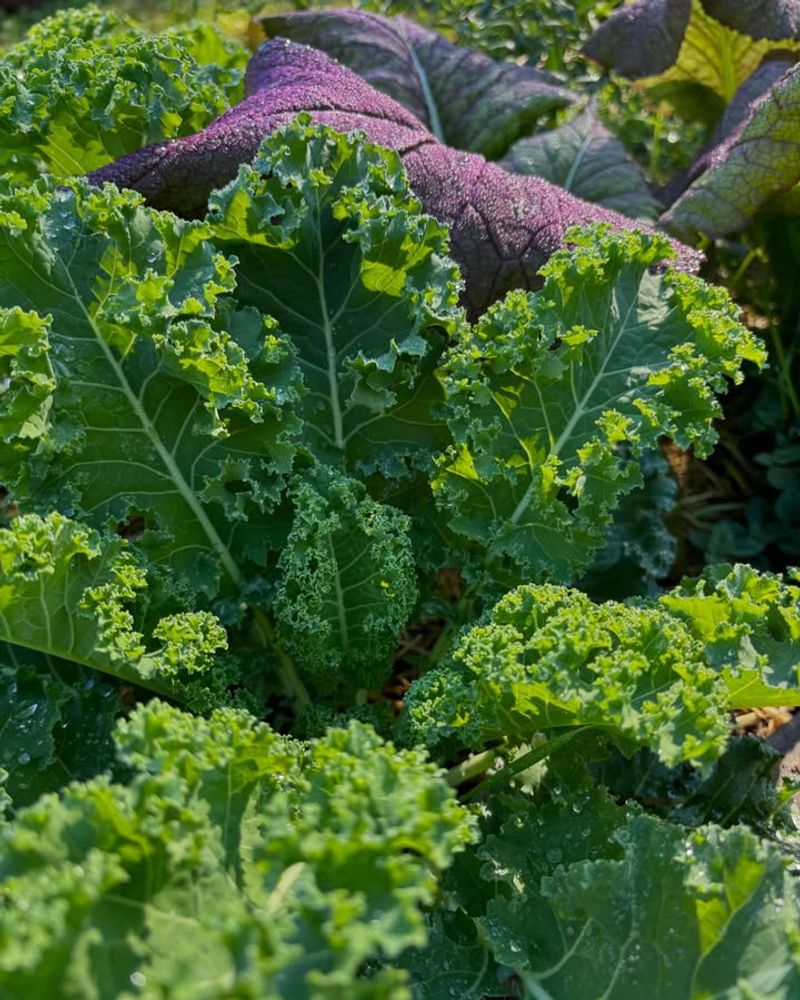
Kale has earned its reputation as a superfood, but in the North Carolina Piedmont, it also earns its place as one of the most reliable spring garden plants. Unlike some cool-season crops that need perfect conditions, kale is genuinely tough.
It tolerates light frosts, bounces back from chilly nights, and grows vigorously through March and April with very little fuss.
Planting kale in March in the Piedmont gives it a solid foundation before summer heat arrives.
While kale can handle warmer temperatures better than spinach or lettuce, prolonged heat above 85 degrees affects leaf quality and makes the plant more prone to pest pressure.
An early March planting means you can harvest for months before that becomes an issue.
Start with transplants or direct sow seeds about a quarter inch deep in rich, well-amended soil. Space plants 18 inches apart to allow good airflow, which helps reduce disease pressure.
Kale is a heavy feeder, so work compost into the bed before planting and side-dress with a nitrogen-rich fertilizer every few weeks. Aphids and cabbage worms are the main pests to watch in the Piedmont.
A blast of water from the hose handles aphids quickly. Lacinato, Red Russian, and Winterbor are all excellent kale varieties for Piedmont gardens.
Harvest outer leaves regularly and the plant will keep pushing out fresh growth for a long season.
9. Swiss Chard
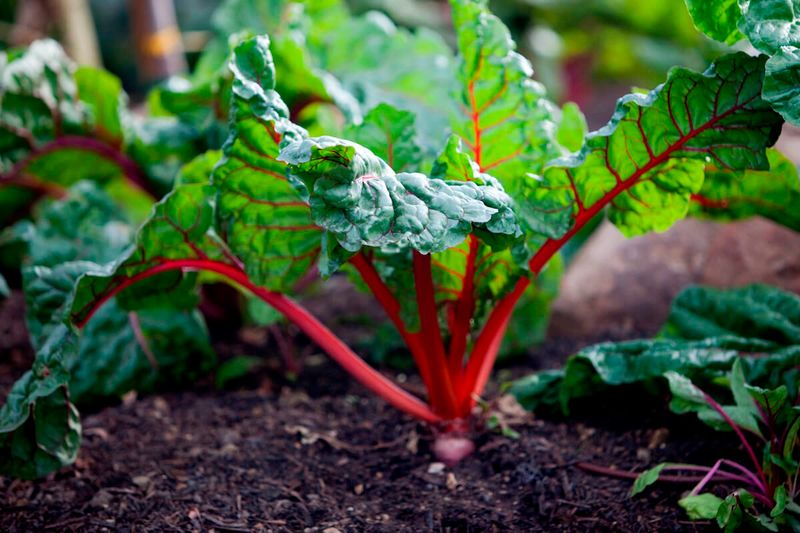
If you want a leafy green that pulls double duty as a garden showstopper and a kitchen staple, Swiss chard is your answer. With stems that come in brilliant shades of red, yellow, orange, and white, chard looks almost too pretty to eat.
Planting it in March in the North Carolina Piedmont gives it a head start and lets you enjoy harvests well into the warmer months.
One thing that sets Swiss chard apart from most other leafy greens in the Piedmont is its heat tolerance. While spinach and lettuce bolt quickly once temperatures climb, chard keeps on growing through warmer spring and even early summer conditions.
That said, starting it in March still gives you the best early yields and the most tender leaves before the real heat sets in.
Direct sow chard seeds about half an inch deep and four inches apart, then thin to about six to eight inches once seedlings establish. Like beet seeds, chard seeds are clusters, so thinning is essential.
Chard thrives in rich, well-drained soil with consistent moisture and responds well to regular feeding with a balanced fertilizer. Bright Lights and Rainbow Chard are popular Piedmont-friendly varieties that offer both beauty and productivity.
Harvest outer leaves when they reach six to eight inches long and the plant will keep regenerating. It is one of the most low-maintenance vegetables you can grow in the Piedmont.
10. Potatoes
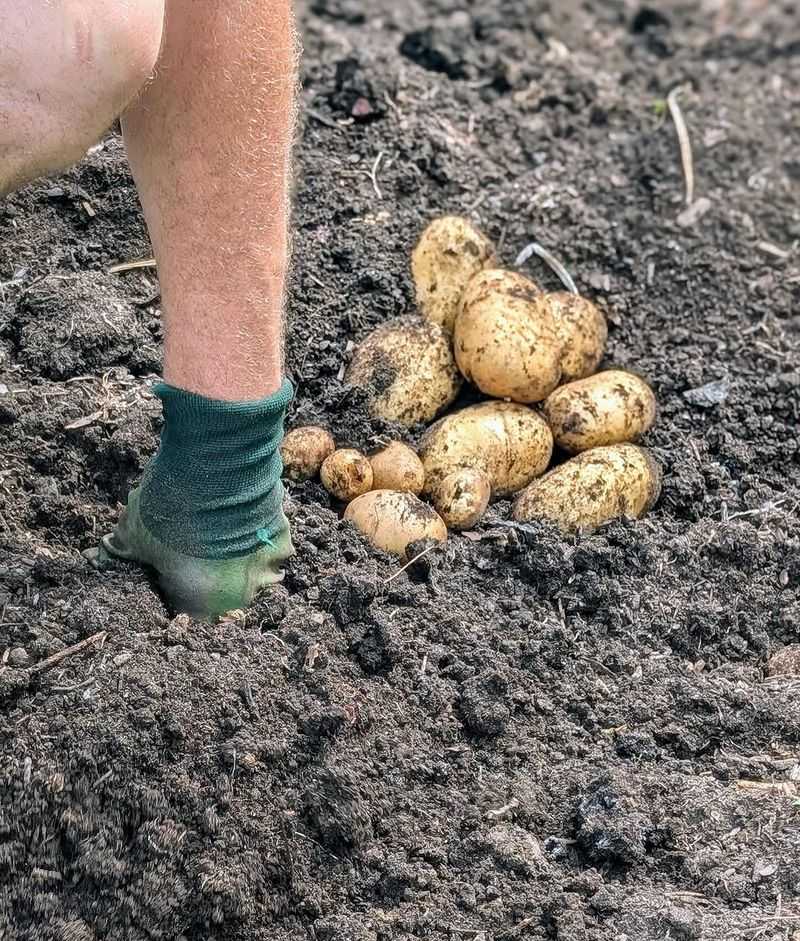
Planting potatoes in March feels a little like burying treasure, because that is essentially what you are doing.
Tuck seed potatoes into the ground across the North Carolina Piedmont this month and by early summer, you will be digging up a haul of fresh, homegrown tubers that taste completely different from anything at the grocery store.
Timing your potato planting for March in the Piedmont is important for a specific reason. Potato tubers develop best in soil temperatures between 60 and 70 degrees Fahrenheit.
Once summer heat pushes soil temperatures above 80 degrees consistently, tuber formation slows significantly and overall yield drops. A March planting puts tuber development squarely in the sweet spot of Piedmont spring weather.
Use certified seed potatoes rather than grocery store potatoes, which are often treated to prevent sprouting. Cut larger seed potatoes into chunks with at least two eyes each and let the cut surfaces dry for a day before planting.
Plant pieces about four inches deep and 12 inches apart in rows spaced 30 to 36 inches apart. Hill soil up around the base of plants as they grow to protect developing tubers from sunlight.
Yukon Gold, Red Pontiac, and Kennebec are all proven varieties for Piedmont spring gardens. Keep plants well-watered during dry spells and watch for Colorado potato beetles.
Harvest after tops begin to yellow, usually in June, right before the full heat of Piedmont summer sets in.