9 Flowers To Plant In North Carolina This March For Months Of Color
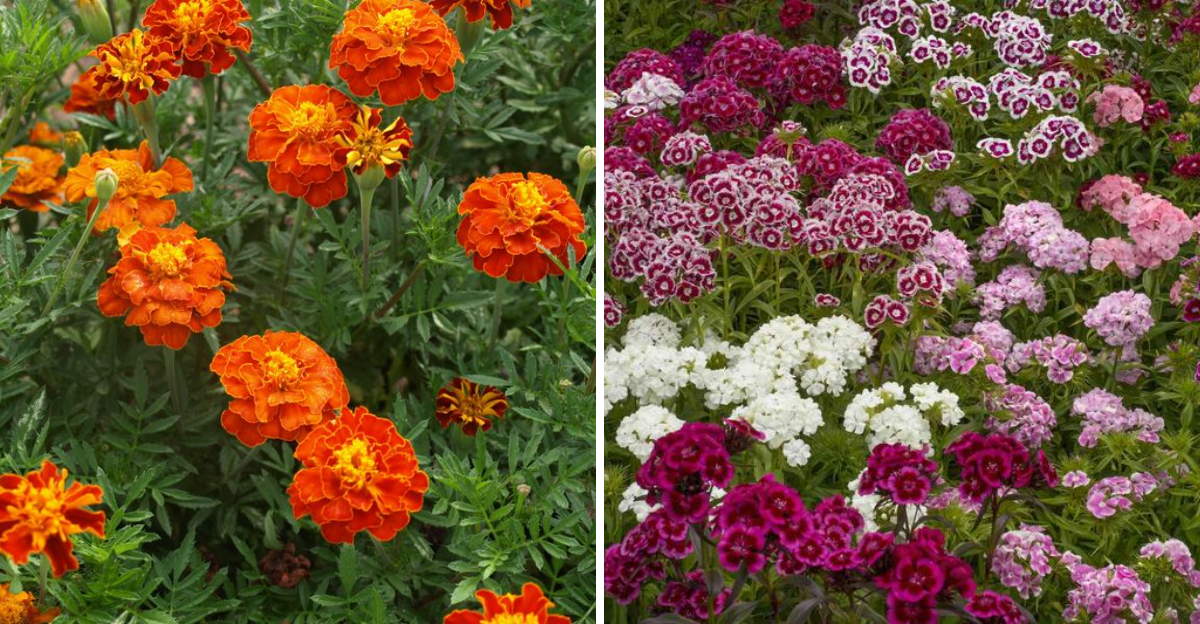
March flips a switch in North Carolina gardens. One week the beds look quiet and sleepy, the next the soil feels softer, the air milder, and the urge to plant almost impossible to ignore.
This is the moment when a little planning turns into months of breathtaking color. Choosing the right flowers now determines whether your yard will glow with steady blooms or struggle to catch up later.
Timing matters, especially in a state where the Coastal Plain warms quickly, the Piedmont sits in the middle, and the Mountains hold onto cool nights a bit longer.
Each region offers its own sweet spot for planting, and knowing how to work with those differences gives you a serious advantage.
Start smart in March and your garden can unfold in waves of color from early spring through summer. No matter where you live in North Carolina, the right picks this month set the stage for a spectacular season.
1. Pansies Deliver Reliable Spring Color Across The State
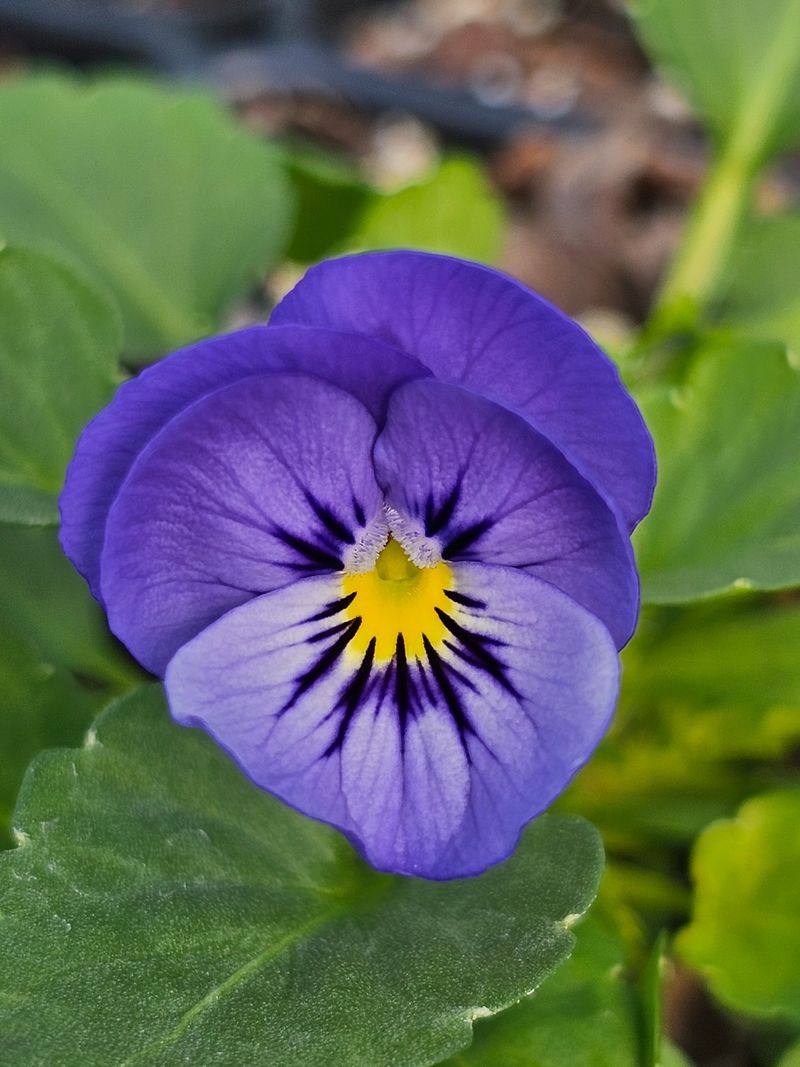
Few flowers bring as much cheerful energy to a March garden as pansies. These compact, cold-tolerant bloomers are one of the most reliable choices for North Carolina gardeners who want color right away.
Pansies can handle light frost without flinching, which makes them ideal for early spring planting across the entire state, including the cooler Mountain regions.
You can find pansies in nearly every color imaginable, from deep purple and bright yellow to soft lavender and bold orange. Planting them in full sun to partial shade gives them the best chance to thrive and produce nonstop blooms.
They actually prefer the cool temperatures that March in North Carolina offers, so timing your planting this month is a smart move.
For best results, work some compost into your soil before planting and water consistently but avoid soggy conditions. Deadheading spent blooms regularly encourages more flowers to open throughout the season.
Pansies typically perform beautifully from March through late spring before the summer heat arrives. Gardeners across North Carolina have trusted pansies for generations, and it is easy to understand why.
They are affordable, widely available, and absolutely stunning when planted in mass groupings along borders, in containers, or tucked into window boxes.
2. Snapdragons Thrive In Cool Spring Weather
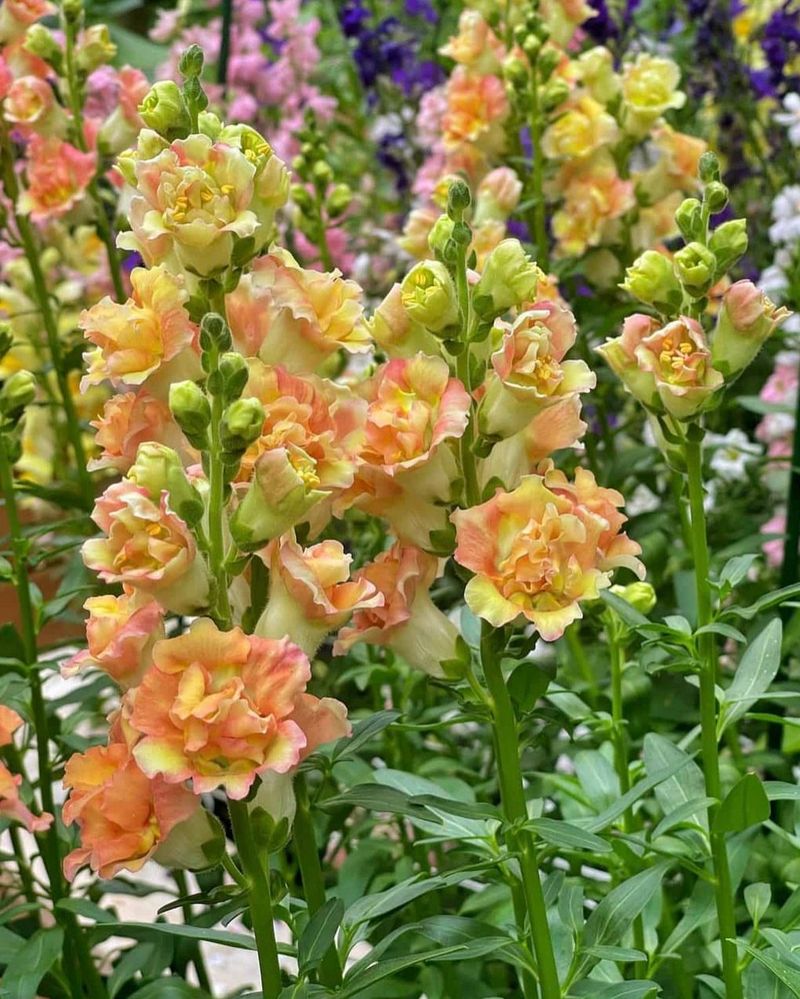
Snapdragons have a certain old-fashioned charm that never goes out of style. Their tall, colorful spikes bring vertical interest to garden beds, and they absolutely love the cool spring temperatures that North Carolina experiences in March.
Gardeners in the Coastal Plain and Piedmont can plant snapdragons outdoors this month without hesitation, while those in the Mountain region may want to wait a few more weeks until nighttime temperatures stabilize.
What makes snapdragons so appealing is their wide color range and long bloom season. From soft pinks and creamy whites to bold reds and vibrant oranges, there is a variety for every garden style.
They perform best in full sun with well-drained soil, and consistent moisture during their growing period keeps them looking their best throughout the season.
Your North Carolina Garden Changes Every Week. Your Plan Should Too.
Gardening in North Carolina changes quickly throughout the season. Every Friday you’ll receive a simple weekly plan showing exactly what to plant, prune, fertilize, harvest, and protect so you never miss the right timing.
One fun fact about snapdragons is that the flowers actually open and close when you gently squeeze the sides, which is a feature kids and adults both enjoy. Pinching back young plants encourages bushier growth and more flower spikes.
In North Carolina, snapdragons planted in March can bloom well into late spring and sometimes into early summer before temperatures climb too high.
They pair beautifully with pansies and dianthus for a coordinated cool-season display that transforms any yard into a showstopper.
3. Dianthus Handles Light Frost And Blooms For Weeks
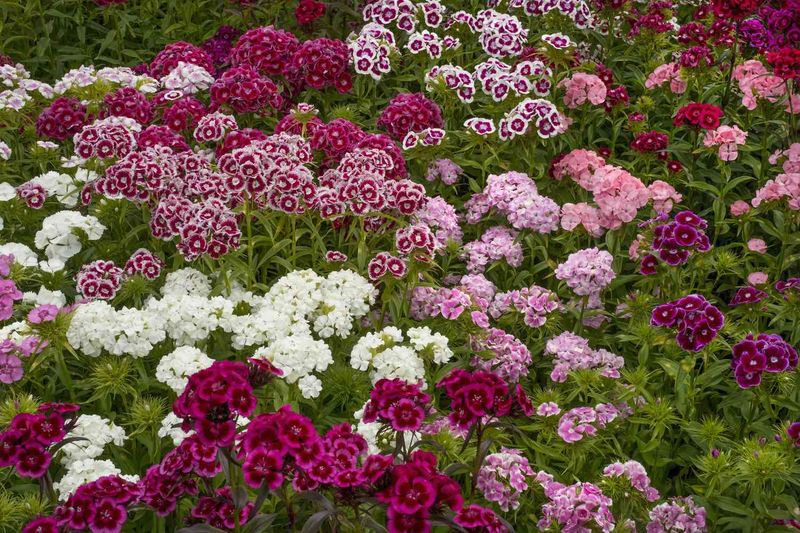
Dianthus is one of those underrated flowers that quietly steals the show every spring season. With its fringed, fragrant blooms and remarkable cold tolerance, it fits perfectly into a March planting plan across North Carolina.
Hardy dianthus varieties can handle light frost without much trouble, making them a dependable choice for gardeners who want color that lasts beyond a single weekend.
The blooms typically come in shades of pink, red, white, and bicolor combinations, often carrying a light, spicy fragrance that adds sensory appeal to garden spaces. Dianthus thrives in full sun and prefers well-drained soil with a slightly alkaline pH.
If your soil tends to be acidic, adding a little garden lime before planting can make a noticeable difference in how well the plants grow and flower.
One practical benefit of dianthus is its extended bloom window. When properly cared for, many varieties continue flowering for several weeks and sometimes stretch into summer.
Deadheading regularly and providing a light feeding with a balanced fertilizer every few weeks helps maintain steady flower production. Across North Carolina, dianthus works wonderfully in borders, rock gardens, and container arrangements.
It layers beautifully with taller spring bloomers and adds a soft, cottage-garden feel that is hard to replicate with any other cool-season flower. Plant it once and you will want it in your garden every year.
4. Calendula Grows Well In Early Spring Soil
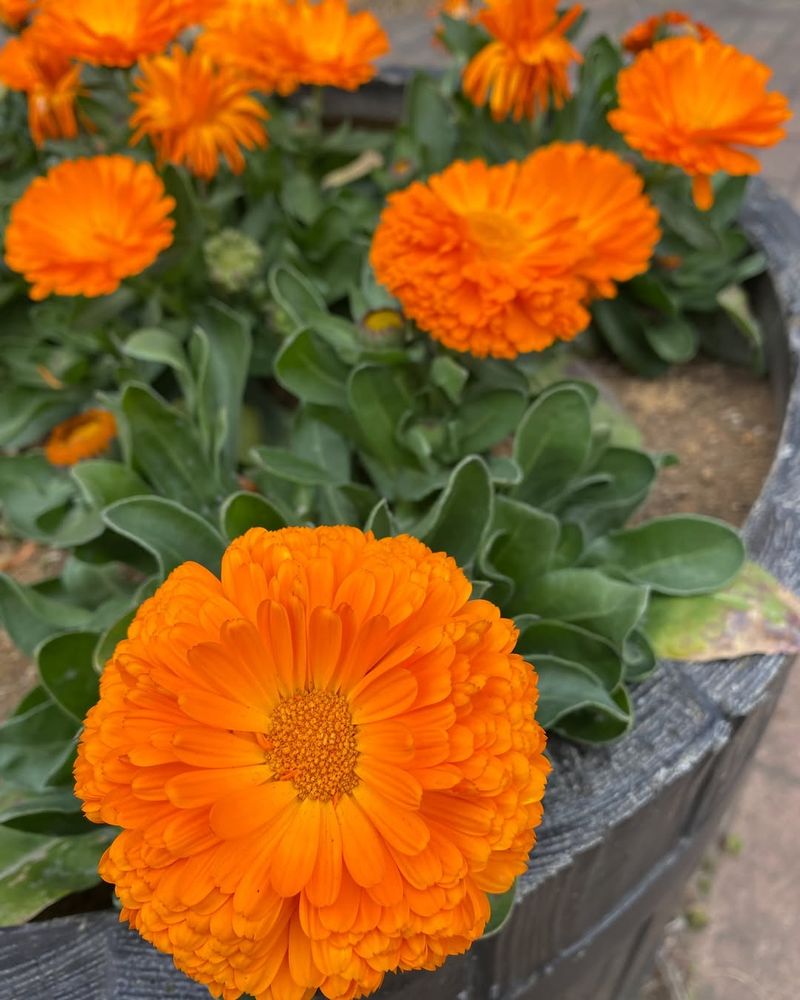
Calendula is one of the most cheerful flowers you can grow, and March in North Carolina is the perfect time to get seeds in the ground.
Also called pot marigold, calendula has been grown in gardens for centuries and brings a warm burst of orange and yellow to cool-season beds.
It tolerates light frost well, which means direct sowing in March is not just possible across much of the state, it is actually recommended.
The great thing about growing calendula from seed is how straightforward the process is. Simply scatter seeds over loosened, well-drained soil, press them lightly into the surface, and water gently.
Germination typically happens within one to two weeks when soil temperatures are around 50 to 70 degrees Fahrenheit. North Carolina’s March soil conditions fall right into that sweet spot across the Coastal Plain and Piedmont regions.
Beyond its beauty, calendula has a long history of use in herbal remedies and even cooking, with petals used to add color to salads and soups. In the garden, it attracts pollinators like bees and butterflies, which benefits every surrounding plant.
Calendula also thrives in average soil without needing heavy fertilization, making it a low-maintenance option for busy gardeners.
Deadhead consistently to keep blooms coming, and you can enjoy this bright, sunny flower from spring well into the warmer months across North Carolina.
5. Sweet Alyssum Can Be Direct Sown In March
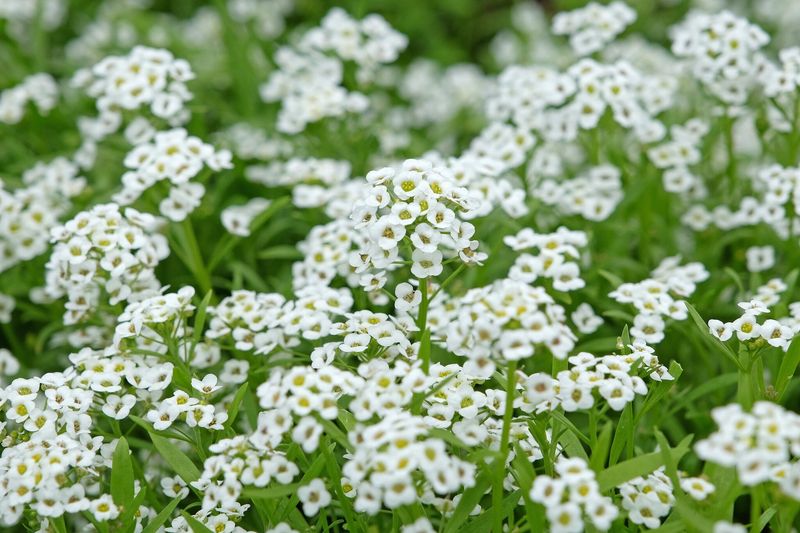
Sweet alyssum might be small, but it packs an impressive punch in the spring garden.
This low-growing, mounding flower produces clusters of tiny blooms in white, lavender, and soft purple, and it carries a light honey-like fragrance that drifts pleasantly through the yard on warm afternoons.
Alyssum prefers cool temperatures, which makes March in North Carolina the ideal time to scatter seeds directly into prepared garden beds.
Direct sowing is refreshingly simple with this flower. Sprinkle seeds over moist, well-drained soil in a sunny to partially shaded spot, and press them gently into the surface without covering them since they need light to germinate well.
In North Carolina’s mild spring conditions, seeds typically sprout within one to two weeks. The Coastal Plain and Piedmont regions are especially well-suited for March sowing, and Mountain gardeners can follow a few weeks later as temperatures warm up.
Sweet alyssum is a fantastic edging plant and looks stunning cascading over the sides of containers or window boxes. It also works as a living ground cover between taller plants, filling gaps and suppressing weeds naturally.
Pollinators absolutely love it, and the blooms attract beneficial insects that help the entire garden stay healthy.
If plants slow down during summer heat, a light shearing encourages fresh growth and renewed flowering when cooler temperatures return in fall. It is one of the most rewarding easy-care flowers in any North Carolina spring garden.
6. Larkspur Performs Best When Planted Early
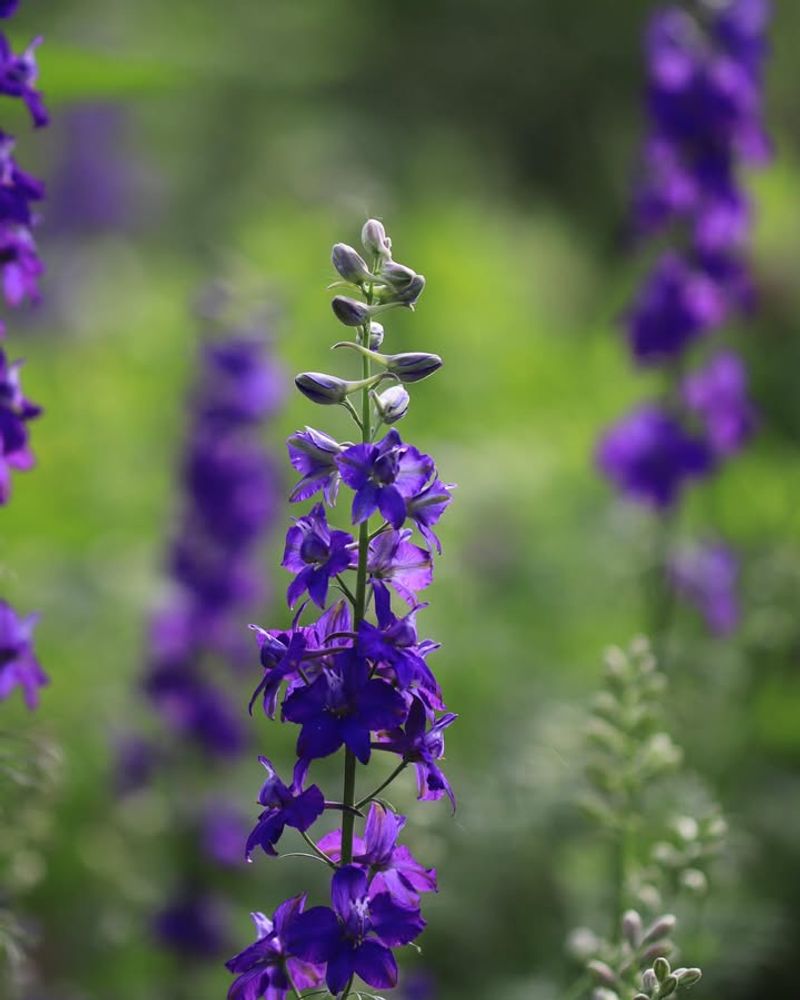
Timing is everything with larkspur, and March is exactly the right moment to act. This tall, graceful flower produces stunning spikes of blue, purple, pink, and white blooms that look straight out of a cottage garden painting.
Larkspur strongly prefers cool weather and actually needs cold soil to germinate properly, which is why planting in March across North Carolina lines up so perfectly with its natural growing requirements.
Direct sowing is the preferred method for larkspur since it does not transplant well once established. Choose a sunny location with well-drained soil, scatter seeds over the surface, and press them firmly into the ground.
A light covering of soil helps retain moisture during germination. Because larkspur germinates best with some cold exposure, the variable March temperatures across North Carolina actually work in your favor rather than against you.
In the Coastal Plain and Piedmont, seeds sown in March can produce plants that bloom beautifully in late spring. Mountain gardeners may see blooms push into early summer, extending the season in a wonderful way.
Larkspur reseeds readily, meaning once you plant it, it often returns year after year with minimal effort on your part. Thin seedlings to about six inches apart to encourage stronger stems and more impressive flower spikes.
Pair it with calendula or sweet alyssum for a wildly colorful spring display that neighbors will definitely notice and admire.
7. Petunias Can Be Planted Late March In Warmer Regions
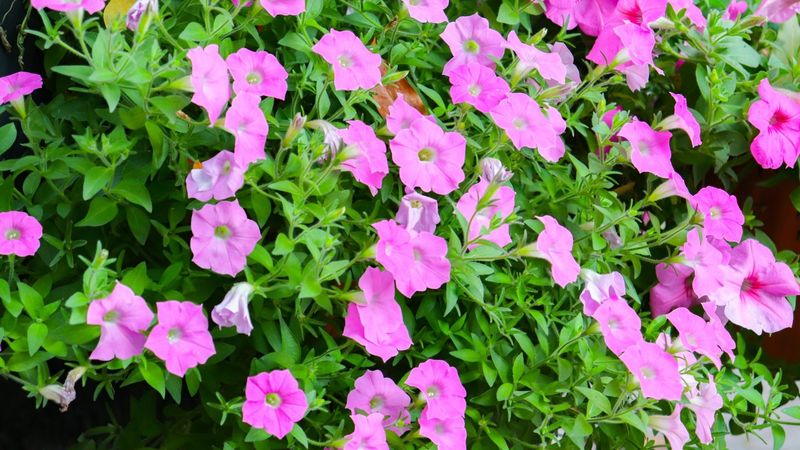
Petunias are bold, colorful, and absolutely beloved by gardeners across North Carolina, but they do require a bit of patience before going outdoors.
Unlike the frost-tolerant flowers earlier on this list, petunias are sensitive to freezing temperatures and should not be rushed into the garden too early.
In the Coastal Plain region of North Carolina, late March is when frost risk begins to drop enough to consider planting petunias outdoors with some confidence.
Gardeners in the Piedmont should keep a close eye on nighttime forecasts before committing to an outdoor planting, as late cold snaps can still occur in March.
Mountain regions of North Carolina should wait until mid to late April before placing petunias outside.
Starting with transplants purchased from a local nursery gives you a head start and allows you to time planting around actual weather conditions rather than calendar dates alone.
Once established in warm, well-drained soil and full sun, petunias reward you generously with weeks of nonstop color.
They thrive in containers, hanging baskets, and garden beds alike, and regular fertilizing with a bloom-boosting formula keeps them flowering vigorously through summer.
Deadheading spent blooms or giving plants a light trim when they get leggy encourages fresh growth and a tidy appearance.
With so many varieties available, from compact mounding types to trailing wave petunias, there is truly a petunia for every garden style across the state.
8. Marigolds Should Be Started Indoors In March
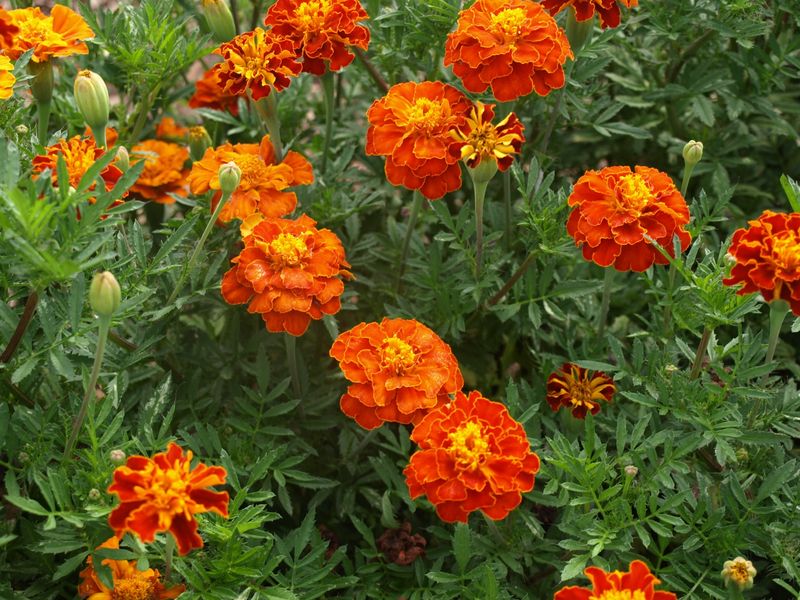
Marigolds are a warm-season staple that practically every North Carolina gardener grows at some point, and March is the right time to get them going indoors.
Since marigolds are frost sensitive and should not go outside until after the last frost date, starting seeds indoors in March gives you a significant head start.
By the time outdoor planting conditions are safe, your marigold seedlings will be strong, healthy, and ready to hit the ground running.
Fill small seed trays or pots with a quality seed-starting mix, plant seeds about a quarter inch deep, and place them in a warm, bright location. A south-facing window or supplemental grow light works well for keeping seedlings compact and strong.
Marigold seeds germinate quickly, often within five to seven days under warm conditions, so you will see results fast. Keep the soil consistently moist but not waterlogged during this early stage.
Once nighttime temperatures in your part of North Carolina stay reliably above 50 degrees Fahrenheit, you can begin hardening off your seedlings by placing them outside for short periods each day before fully transplanting them.
Marigolds thrive in full sun and average, well-drained soil, and they are remarkably drought tolerant once established.
They also have a reputation for deterring certain garden pests, making them a practical companion plant near vegetables. With rich orange, yellow, and red blooms that last all summer long, marigolds are worth every bit of the indoor head start.
9. Zinnias Benefit From An Indoor Head Start
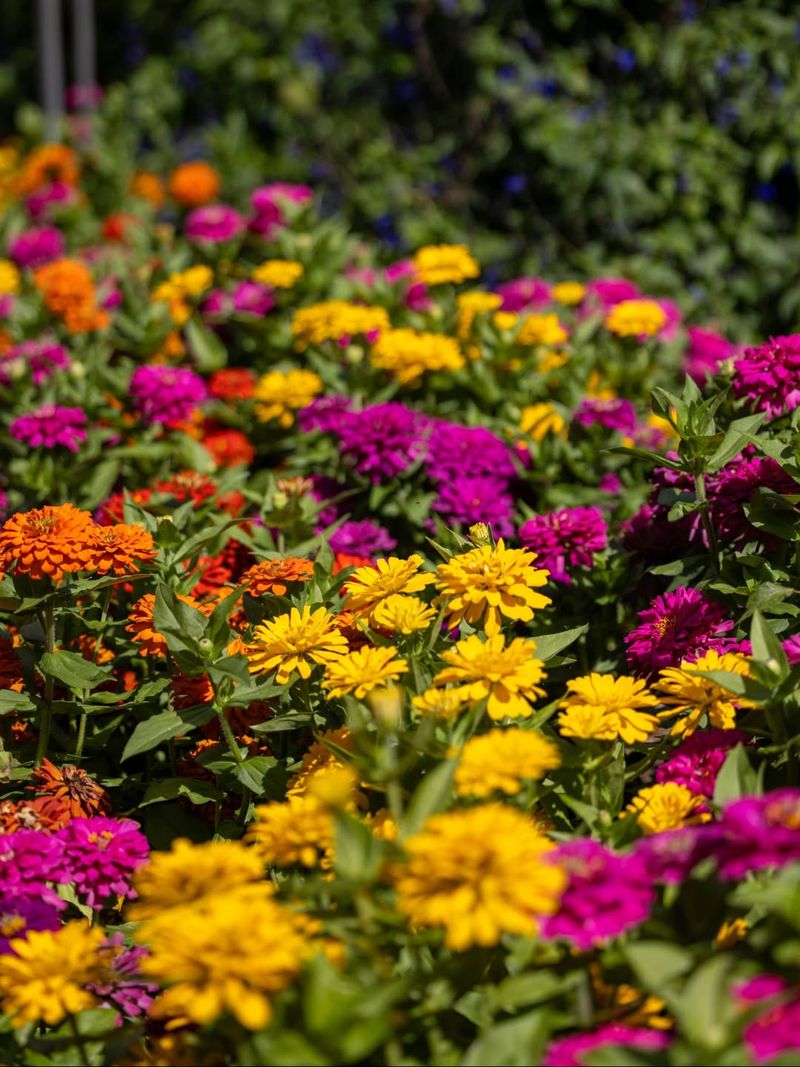
Zinnias are summer showstoppers, producing bold, cheerful blooms in almost every color of the rainbow from early summer straight through fall.
In North Carolina, they cannot go outside until frost danger has passed, but starting seeds indoors in March gives you a valuable jump on the season.
With an indoor head start, your zinnias will be ready to burst into bloom much sooner than seeds sown directly outdoors after the last frost date.
Use a lightweight seed-starting mix and plant zinnia seeds about a quarter inch deep in small individual cells or pots.
Zinnias do not love having their roots disturbed, so starting them in biodegradable pots that can go directly into the ground at transplant time is a smart approach.
Place your trays in a warm spot with plenty of bright light, and expect germination within five to ten days. Keep the seedlings on the drier side once they sprout, as zinnias are prone to fungal issues when conditions stay too wet.
When outdoor temperatures in your area of North Carolina are consistently warm and frost is no longer a concern, transplant your seedlings into a sunny garden bed with well-drained soil.
Zinnias grow quickly and reward minimal care with massive amounts of color all summer long.
They attract butterflies in impressive numbers and make outstanding cut flowers for fresh arrangements indoors. Pinching the growing tips early on encourages bushier plants and even more blooms throughout the season.