North Carolina Gardeners Should Cut Back These 10 Shrubs Before Spring Takes Off
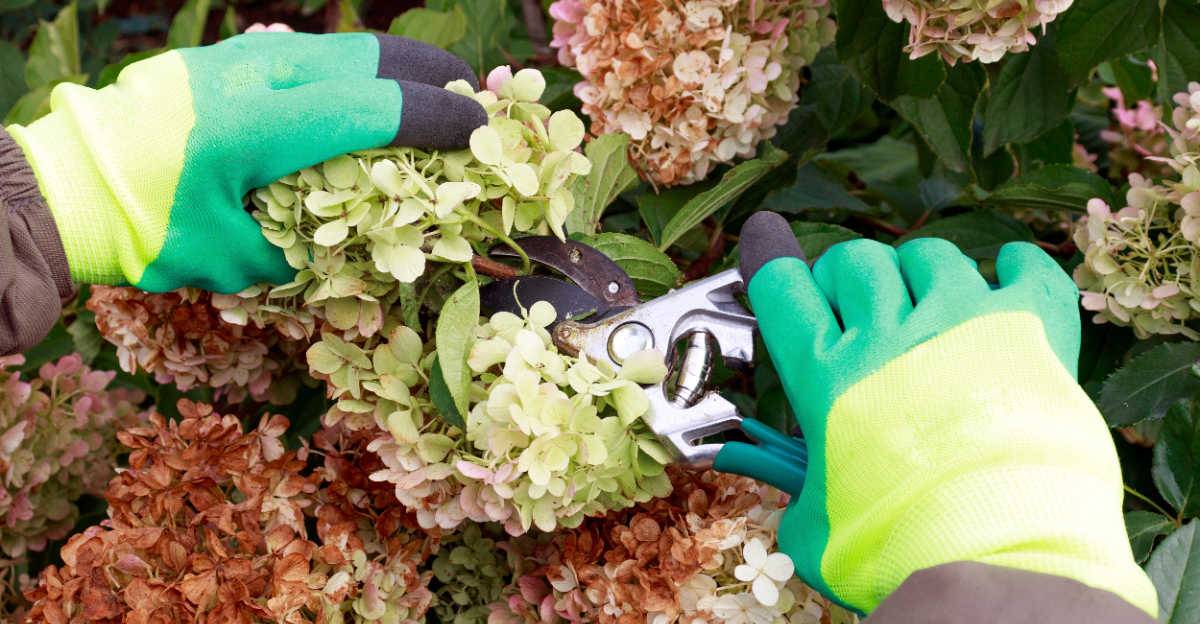
There is a brief, powerful moment in late winter when your entire North Carolina landscape is holding its breath. Buds are formed but not yet open, branches are bare enough to see clearly, and the growing season is just waiting for a signal.
That is your cue to pick up the pruning shears. Acting now, before fresh growth surges, gives shrubs the best possible start for the months ahead.
A thoughtful trim can improve shape, boost air flow, and channel energy into stronger stems and more impressive blooms.
Across North Carolina, from the milder Coastal Plain to the cooler mountain areas, this timing sweet spot arrives just before spring truly takes off.
Hydrangeas, roses, butterfly bushes, and many other favorites respond beautifully when pruned at the right stage. Get it right now, and your garden will reward you with fuller growth, better flowering, and a landscape that looks polished and vibrant all summer long.
1. Crape Myrtle Benefits From Late Winter Structural Pruning
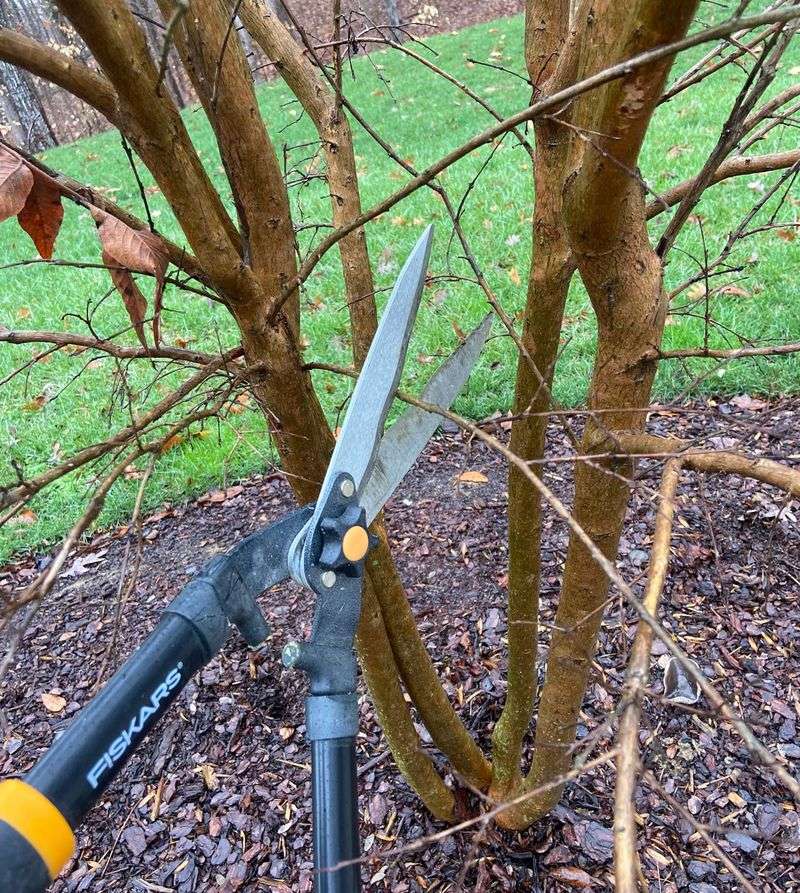
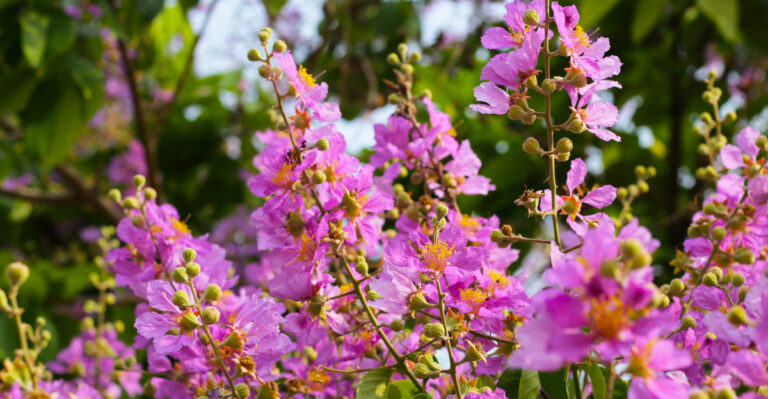
Few shrubs spark as much debate among North Carolina gardeners as the beloved crape myrtle. Some folks chop them down to ugly stubs every year, a practice so frowned upon that horticulturists actually gave it a nickname: crape murder.
The good news is that proper pruning looks nothing like that. Crape myrtles bloom on new wood, meaning the fresh growth they push out each spring is exactly where those gorgeous summer flower clusters will form.
That makes late winter, before any green growth appears, the ideal time to prune. Focus on removing crossing branches, weak interior growth, and any stems thinner than a pencil.
In North Carolina, late February through early March is typically the sweet spot. The shrub is still fully dormant, which makes it easier to see the branch structure clearly.
Removing suckers at the base also helps the plant direct energy toward strong, productive wood rather than cluttered growth.
Keep cuts clean and avoid leaving stubs, since smooth cuts heal faster and reduce the risk of disease. A good rule is to remove no more than one-third of the overall canopy at one time.
With thoughtful pruning each late winter, your crape myrtle will reward you with fuller blooms, a more attractive shape, and vigorous seasonal growth that truly stands out.
2. Butterfly Bush Should Be Cut Back Hard In Early Spring
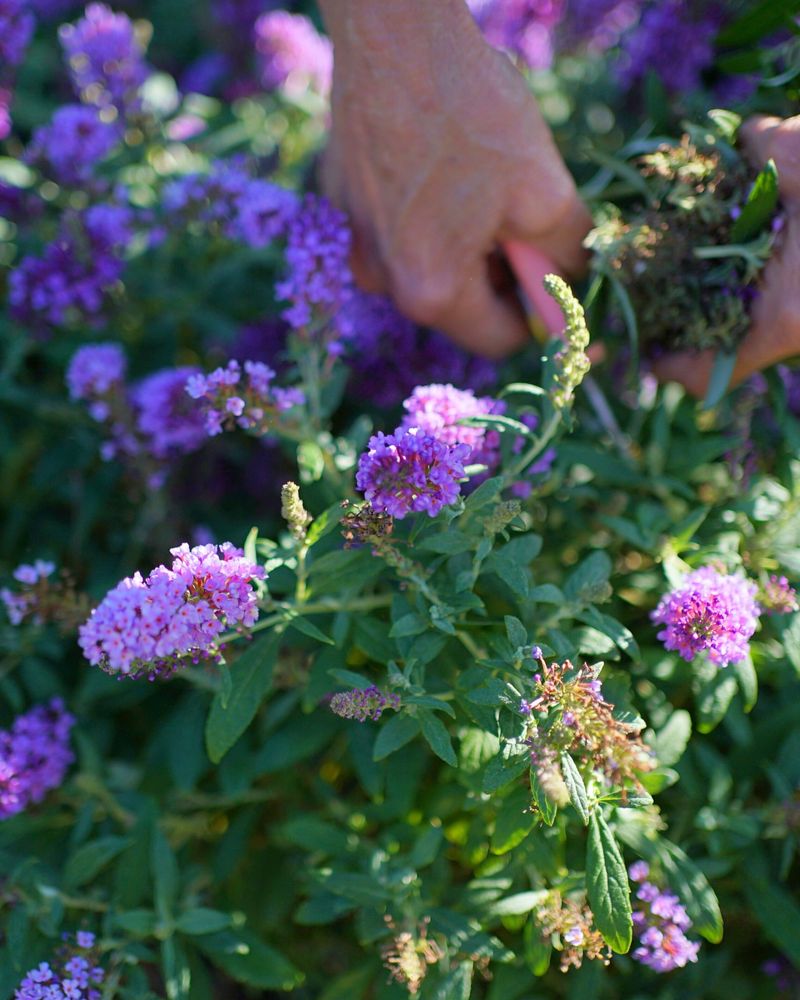
Butterfly bush, known botanically as Buddleia davidii, is one of the most forgiving shrubs a North Carolina gardener can grow.
It practically begs to be cut back, and cutting it hard is actually the secret to getting those long, fragrant flower spikes that butterflies and pollinators absolutely love through summer.
Since Buddleia blooms entirely on new wood, any growth from the previous season will not produce flowers. Leaving old woody stems in place just creates a tangled, congested shrub that blooms poorly and looks ragged by midsummer.
Cutting it back to about 12 inches from the ground in late February or early March gives the plant a fresh start.
North Carolina gardeners benefit from the region’s relatively mild late winters, which means butterfly bush often begins pushing new basal shoots earlier than in colder states.
Your North Carolina Garden Changes Every Week. Your Plan Should Too.
Gardening in North Carolina changes quickly throughout the season. Every Friday you’ll receive a simple weekly plan showing exactly what to plant, prune, fertilize, harvest, and protect so you never miss the right timing.
Watching for those first tiny green buds at the base is your signal that the plant is ready to surge forward.
Use sharp loppers or hand pruners to make clean cuts just above a healthy bud or node. Removing the old growth also improves air circulation around the base, which helps prevent fungal issues during humid Carolina summers.
After pruning, a light layer of compost around the base gives the plant a nutritional boost right when it needs it most to fuel that explosive new growth.
3. Smooth Hydrangea Can Be Cut Back Before Growth Starts
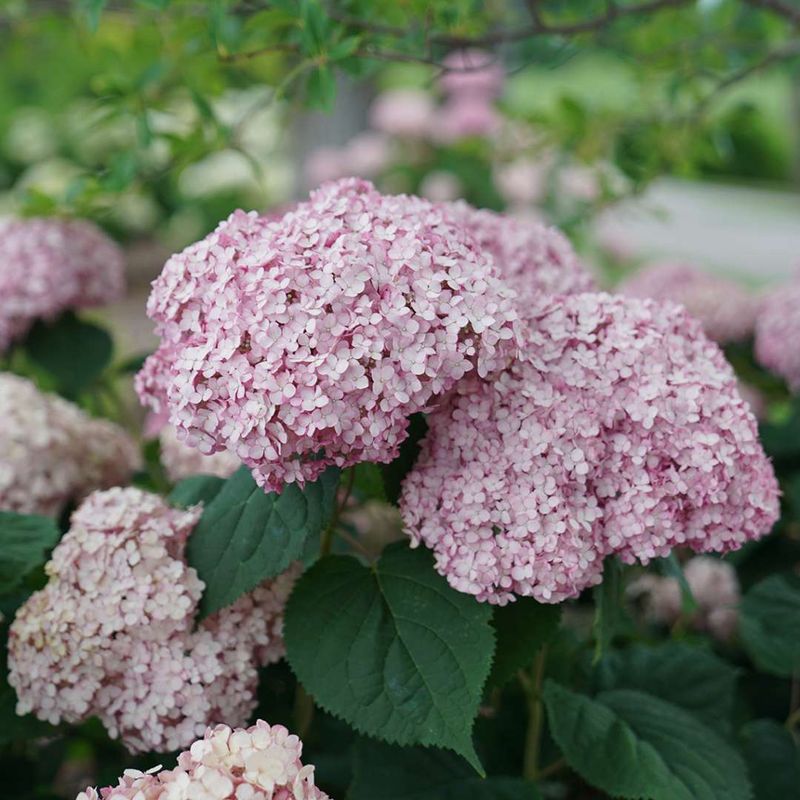
Smooth hydrangea, most famously represented by the variety Annabelle, is one of North Carolina’s most beloved flowering shrubs.
Those giant white flower heads that appear each summer are genuinely jaw-dropping, and the secret to getting them consistently large and plentiful starts with a well-timed late winter pruning.
Hydrangea arborescens blooms exclusively on new wood, which means old stems from the previous growing season contribute nothing to flower production.
Cutting the entire shrub back to about 12 to 18 inches from the ground in late February or early March encourages the plant to push out vigorous new stems loaded with bloom potential.
North Carolina gardeners often find that skipping pruning leads to a floppy, weak-stemmed plant that struggles to hold up its own flowers after a summer rainstorm.
Regular cutting actually strengthens the new stems over time, making the plant more self-supporting and structurally sound through the growing season.
The timing window in North Carolina is generous, typically from mid-February through early March, before any significant new growth emerges from the base.
After pruning, a balanced slow-release fertilizer applied around the root zone gives smooth hydrangea the nutritional foundation it needs.
Within a few weeks of cutting back, you will see fresh green shoots pushing up from the base, full of promise for another spectacular summer bloom display right in your own backyard.
4. Rose Of Sharon Responds Well To Pre Spring Pruning
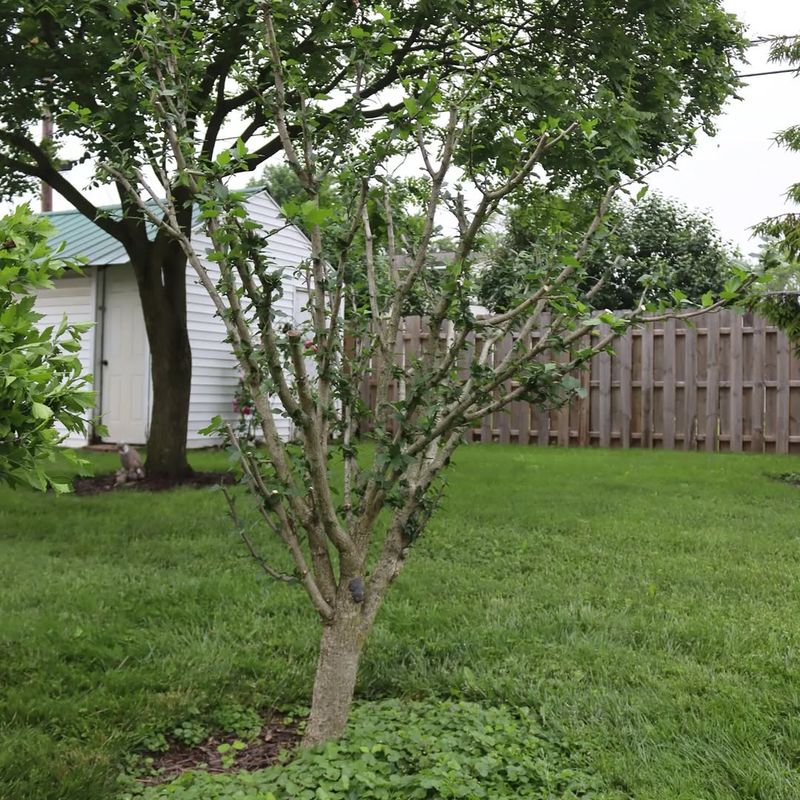
Rose of Sharon, or Hibiscus syriacus, is one of those reliable shrubs that keeps showing up in North Carolina yards generation after generation. It blooms late in summer when most other shrubs have already finished, making it a standout performer in the landscape.
Getting the timing right on pruning is what keeps it looking its best year after year. Because Rose of Sharon blooms on new wood, pruning before spring growth kicks off gives the plant plenty of time to develop strong, flower-producing stems.
Late February or early March in North Carolina is ideal, while the shrub is still dormant and easy to shape. You can take it back by one-third to one-half of its total height without any harm to next season’s bloom.
Thinning out the interior branches improves light penetration and air movement, both of which matter in the humid Carolina climate. This shrub also has a tendency to self-seed aggressively, so removing spent seed heads during pruning helps manage unwanted seedlings throughout your yard.
One thing gardeners love about Rose of Sharon is how quickly it bounces back after a good pruning session. Within weeks of late winter cuts, fresh new shoots emerge with impressive energy.
Consistent annual pruning keeps the plant from becoming overly woody and encourages a more compact, floriferous habit that looks polished from spring through the first frost.
5. Panicle Hydrangea Should Be Pruned Before Bud Break
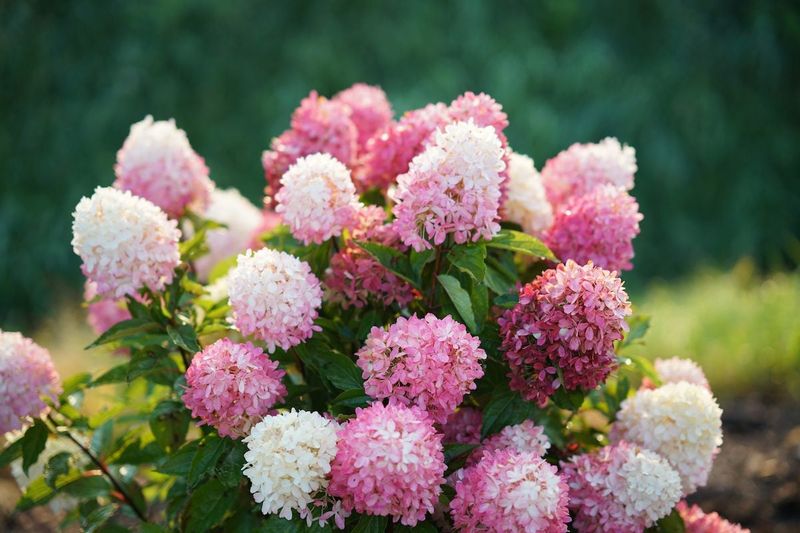
Panicle hydrangea is one of the toughest and most adaptable shrubs growing in North Carolina landscapes today. Unlike some of its hydrangea cousins, it handles full sun, tolerates summer heat, and responds beautifully to annual pruning.
The cone-shaped flower clusters it produces in summer are truly something worth working toward each season.
Hydrangea paniculata blooms entirely on new wood, so pruning before bud break in late winter sets the plant up for its best possible performance.
The ideal time in North Carolina falls between late February and early March, just before the warming temperatures trigger growth.
Removing about one-third of the overall height and thinning out crowded interior stems is generally enough to reinvigorate the plant.
Unlike smooth hydrangea, panicle hydrangea does not need to be cut all the way to the ground. Maintaining a woody framework of about two to four feet gives the shrub a strong base from which vigorous new flowering stems can emerge.
This approach also prevents the flopping that can occur when all the growth is brand new and stems are not yet fully developed.
Gardeners across North Carolina appreciate how forgiving panicle hydrangea is when it comes to pruning. Even if you cut it back a little harder than planned, it recovers quickly and blooms reliably.
Consistent late winter pruning keeps the plant from becoming overly large and woody while ensuring a generous flush of blooms every single summer season.
6. Abelia Benefits From Late Winter Shaping
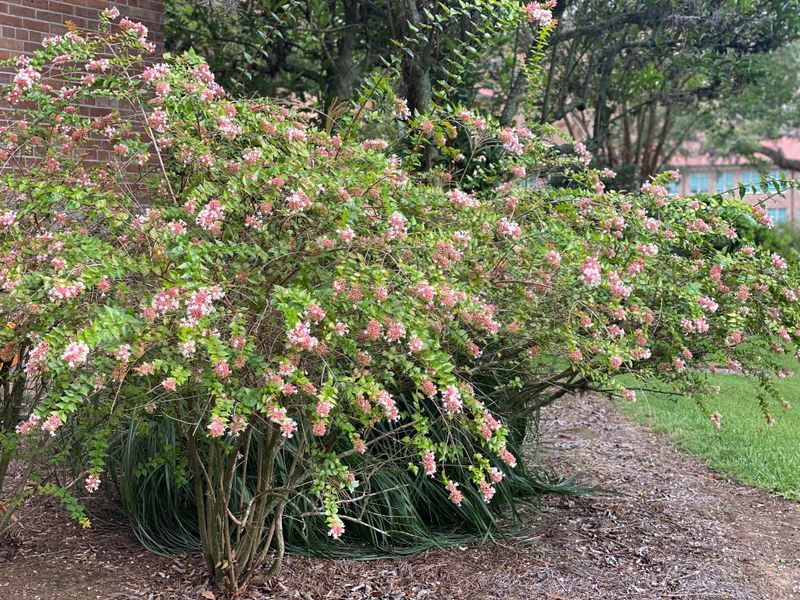
Abelia is one of those quietly impressive shrubs that earns its place in North Carolina gardens through sheer reliability. It offers arching, graceful branches, small fragrant flowers from summer into fall, and semi-evergreen foliage that holds color well into winter.
Giving it a light shaping before spring growth begins keeps it looking polished and performing at its peak.
Because abelia flowers on new growth, late winter pruning encourages a fresh flush of stems that will carry blooms through the warm months ahead.
The goal is not a severe cutback but rather a thoughtful shaping that removes about one-quarter to one-third of the oldest, woodiest stems at the base while lightly trimming the overall canopy for a tidy appearance.
In North Carolina, late February through early March is the right window, before the plant begins actively pushing new growth.
Removing old stems from the interior also improves light and air circulation, which matters in the humid conditions that settle over the Piedmont and coastal regions each summer.
One of abelia’s best qualities is how quickly it responds to pruning with fresh, vigorous new growth. Within a few weeks of a late winter shaping, you will notice bright new leaves emerging along the stems and the graceful arching habit filling back in beautifully.
Annual attention to shaping keeps abelia from becoming overly dense and leggy, maintaining the elegant, fountain-like form that makes it such a standout in North Carolina landscapes.
7. Beautyberry Can Be Cut Back Before New Shoots Appear
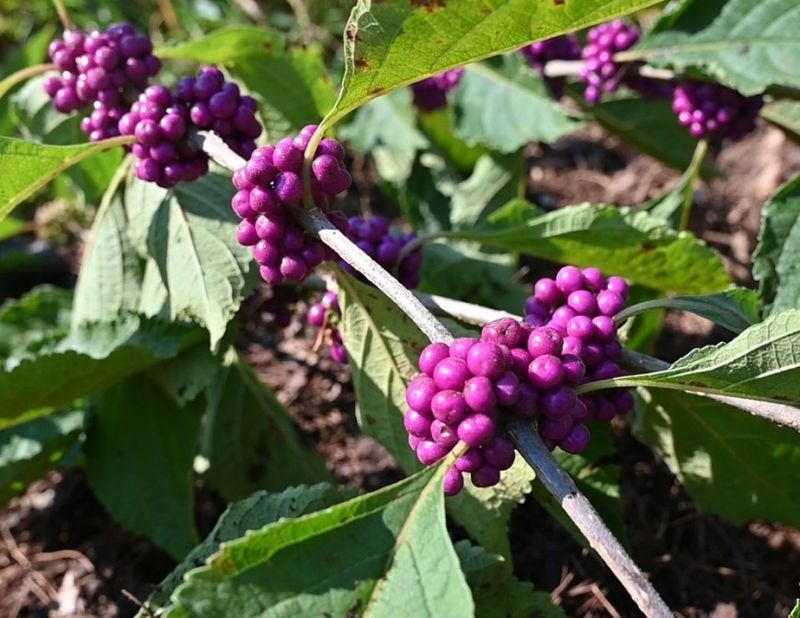
If you have ever seen beautyberry loaded with clusters of vivid purple berries in fall, you already understand why North Carolina gardeners make room for it.
American beautyberry, or Callicarpa americana, is a native shrub that delivers one of the most eye-catching fall displays in any landscape.
Pruning it back before spring is the key to keeping that show going strong year after year. Beautyberry blooms and fruits on new wood, so cutting it back hard in late winter directly influences how much berry production you get come autumn.
Most gardeners cut stems back to about 12 to 24 inches from the ground, though some prefer cutting even lower to encourage especially vigorous new growth. Late February through early March in North Carolina is the right timing window.
Skipping the annual pruning leads to a large, sprawling shrub that produces fewer berries and develops a congested, unkempt structure.
Regular cutting actually rejuvenates the plant, encouraging the long, arching stems that carry the heaviest berry clusters by late summer and fall.
After pruning, beautyberry bounces back with impressive speed once temperatures begin rising in spring. The fresh stems grow quickly and the plant fills out beautifully by early summer.
North Carolina’s warm growing season gives beautyberry plenty of time to develop full-sized stems and set an abundant berry crop before the first cool nights of autumn arrive. It is one of the most rewarding native shrubs you can grow in the region.
8. Spirea That Bloom In Summer Should Be Pruned Now
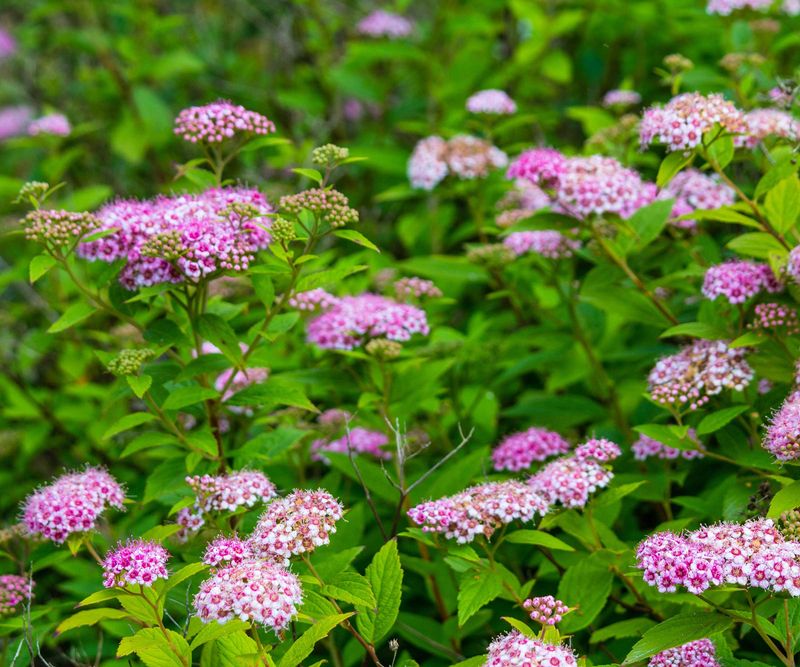
Not all spirea are created equal when it comes to pruning timing, and getting this detail right makes a huge difference in how well your plants bloom.
Summer-blooming spirea varieties, such as Goldflame and Goldmound, flower on new wood produced during the current growing season.
That means a late winter pruning is exactly what they need to deliver their best performance.
Cutting summer-blooming spirea back by about one-half to two-thirds of their height in late February or early March in North Carolina encourages a flush of vigorous new stems.
These fresh stems carry the flower clusters that will brighten your garden from late spring through midsummer.
Leaving old woody growth in place results in fewer flowers and a less attractive, open-centered plant.
It helps to know which spirea you have before reaching for the pruning shears, since spring-blooming varieties like Bridal Wreath flower on old wood and should only be pruned right after they bloom.
Summer bloomers, on the other hand, are best handled now while the plant is still dormant. North Carolina’s moderate late winters give gardeners a comfortable window to tackle spirea pruning without worrying about damaging tender new growth.
After cutting back, a light application of balanced fertilizer around the base helps fuel the strong new stems the plant will push out over the coming weeks.
Consistent annual pruning keeps summer spirea compact, floriferous, and genuinely attractive through the entire warm season ahead.
9. Knock Out Roses Should Be Cut Back Before Active Growth
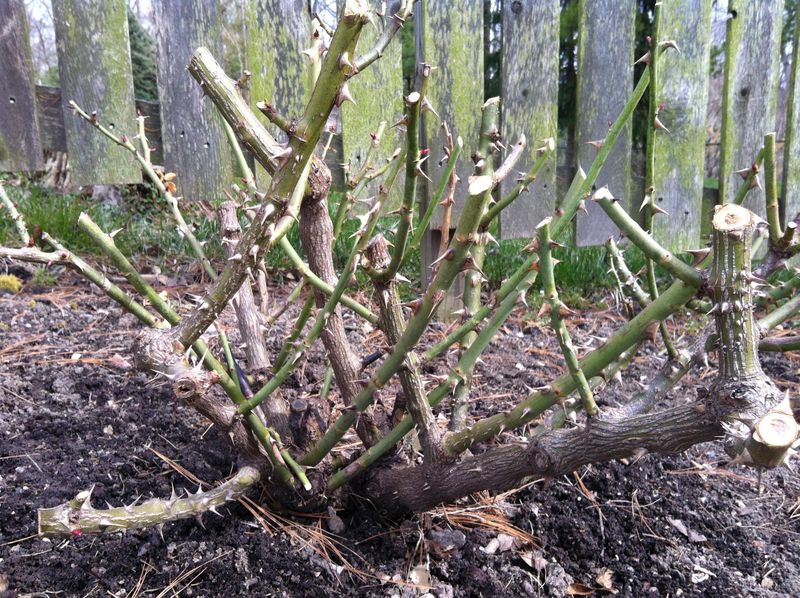
Knock Out roses transformed rose gardening across North Carolina by making these beautiful flowering shrubs accessible to just about everyone. They resist disease, tolerate heat, and bloom in waves from spring all the way through fall frost.
Even with all that toughness, they still benefit enormously from a good pruning session before spring growth kicks into gear.
Modern shrub roses like Knock Outs bloom on new wood, meaning the growth they produce in spring and summer is where the flowers come from.
Pruning back the canes to about 12 to 18 inches from the ground in late February or early March in North Carolina stimulates the plant to push out fresh, vigorous growth loaded with bloom potential right from the start of the season.
Beyond just cutting back the height, take time to remove any thin, weak, or crossing canes entirely.
Opening up the center of the plant improves air circulation, which is especially important in North Carolina’s humid summers when fungal issues can become a problem even on disease-resistant varieties.
Sharp, clean pruning tools make a real difference here. Ragged cuts heal more slowly and can invite problems that sharp blades prevent.
After pruning, a rose-specific fertilizer applied in early spring gives Knock Outs the nutrients they need to fuel their first big bloom flush.
Gardeners across North Carolina consistently find that plants pruned properly in late winter outperform unpruned ones by a wide margin all season long.
10. Bluebeard Should Be Cut Back To Encourage Strong New Growth
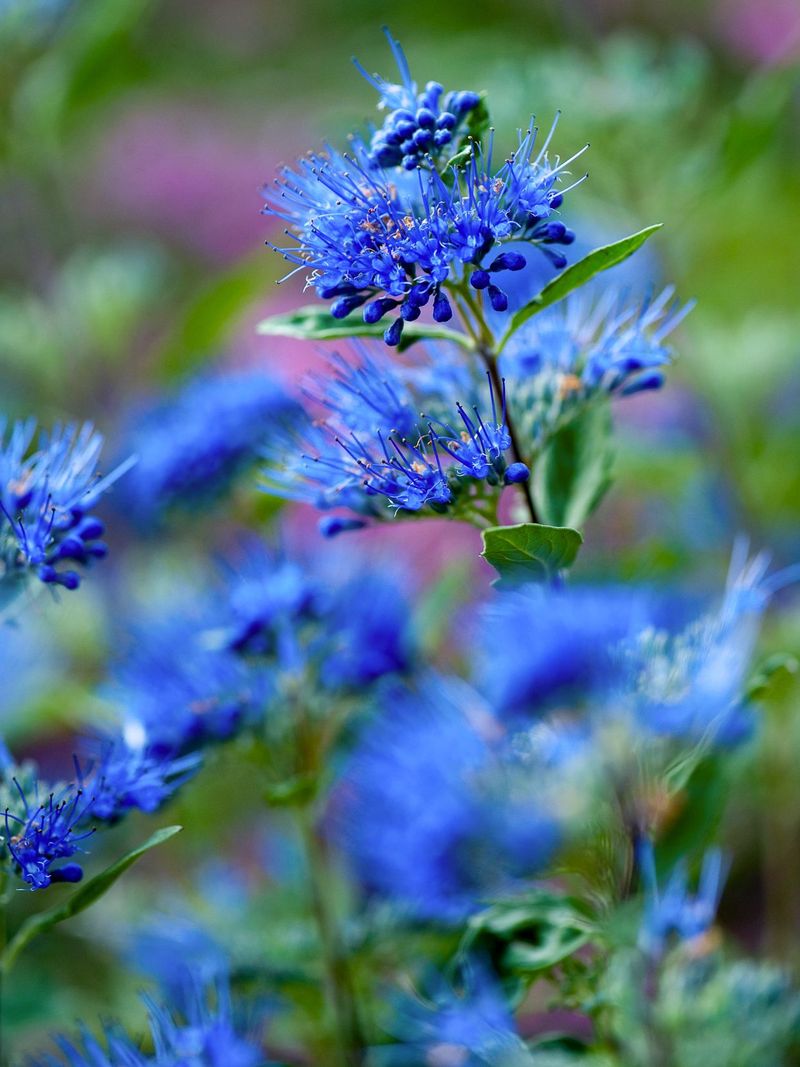
Bluebeard, known botanically as Caryopteris, brings a cool blue-violet color to the late summer garden that very few other shrubs can match. It is compact, drought-tolerant once established, and absolutely beloved by bees and butterflies during its late season bloom.
Getting the most from this plant in North Carolina starts with a confident pruning session before spring takes off.
Caryopteris blooms on new wood produced during the current growing season, so old woody stems from the previous year contribute nothing to flower production.
Cutting the plant back hard, to about 6 to 12 inches from the ground in late February or early March, encourages vigorous new stems that will carry the heaviest bloom clusters by late summer.
North Carolina gardeners sometimes hesitate to cut bluebeard back this severely, worried the plant will not recover. In reality, it rebounds with remarkable speed once warm temperatures arrive in spring.
The fresh new growth emerges quickly from the woody base and the plant fills out into a neat, rounded mound well before summer arrives.
Skipping the annual cutback leads to a plant that becomes increasingly woody and produces fewer flowers over time. The stems also tend to sprawl and flop without the structural renewal that hard pruning provides.
A light layer of mulch after pruning helps retain soil moisture during the early weeks of spring growth. Consistent late winter attention keeps bluebeard performing at its best across North Carolina gardens season after season.