What North Carolina Gardeners Can Direct Sow In March By Region
March is when North Carolina gardens shift from waiting to doing. The soil begins to soften, daylight stretches longer, and suddenly the growing season feels real again.
This is prime time to step outside with seed packets in hand and start planting directly into the ground.
Direct sowing is one of the simplest and most rewarding ways to kick off spring, often producing hardy, well adapted plants that establish quickly in their permanent home.
Timing, however, depends on where you garden. The Coastal Plain warms first, the Piedmont follows close behind, and the Blue Ridge Mountains require a bit more patience.
Matching crops to your regional conditions makes all the difference between steady growth and early setbacks.
With the right selections, you can fill your beds with cool season vegetables that thrive in March’s mild conditions. Start smart now, and your North Carolina garden will surge ahead before spring is even in full swing.
1. Peas
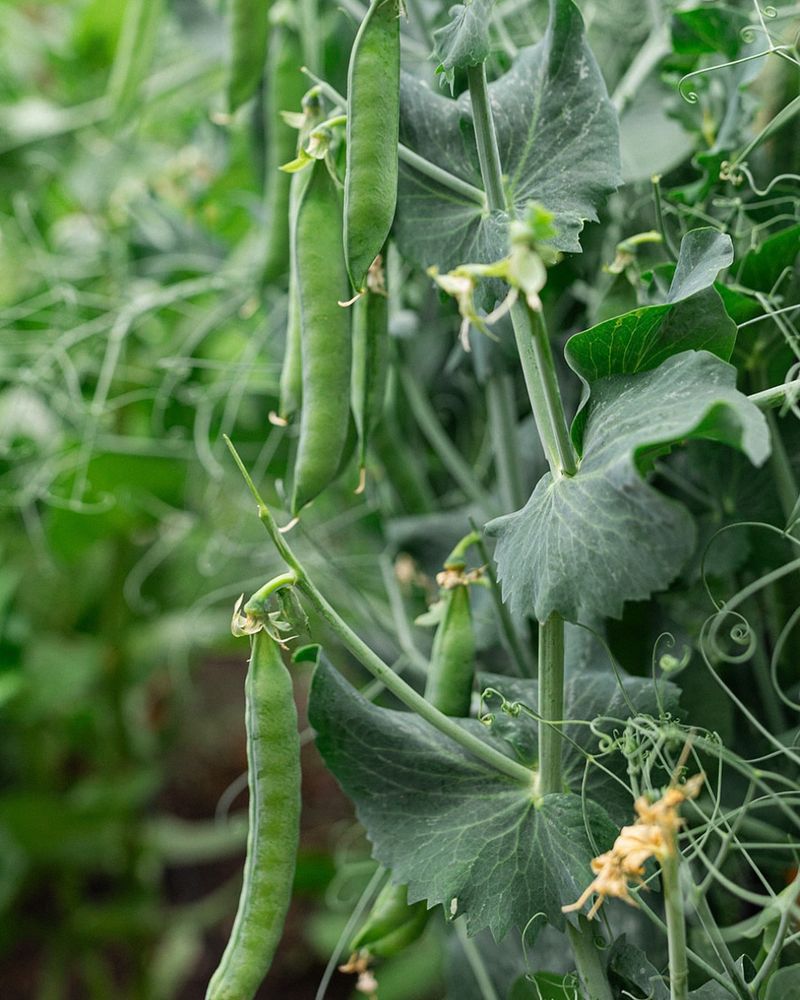
Nothing signals the start of spring quite like a row of peas pushing up through cool North Carolina soil. Peas are one of the first vegetables you can direct sow each year, and they absolutely love chilly weather.
In fact, they perform best when temperatures stay between 45 and 75 degrees Fahrenheit, making March the ideal window across the state.
Gardeners in the Coastal Plain, which includes areas like Wilmington and New Bern, can get their English peas and snap peas in the ground as early as the first week of March. The soil there warms faster and frost risk drops sooner than in other parts of the state.
Piedmont gardeners, from Raleigh to Greensboro, should aim for mid-March once the soil becomes workable and crumbly rather than wet and clumpy.
Up in the Mountains around Asheville and Boone, late March is your sweet spot, especially after the last heavy freezes have passed. Sow seeds about one inch deep and two inches apart in rows spaced eighteen inches wide.
Adding a simple trellis or wire fence gives climbing varieties the support they need to thrive. Peas fix nitrogen in the soil as they grow, which is a natural bonus for whatever you plant next in that same bed.
2. Spinach
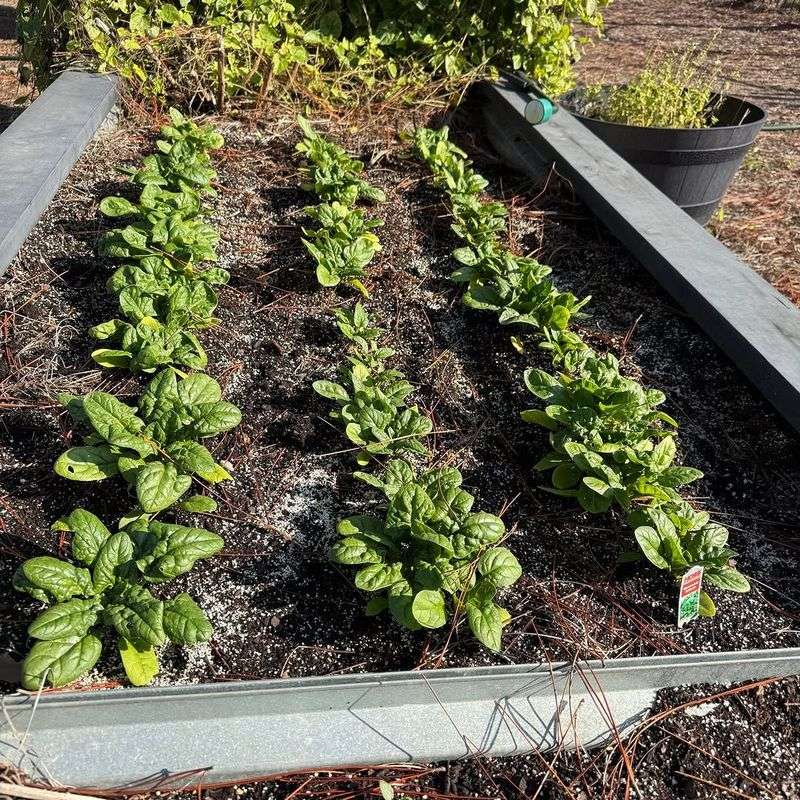
Spinach is practically built for early spring planting in North Carolina. It tolerates light frost without complaint, which means you do not have to wait for perfectly warm weather before getting those seeds in the ground.
A little cold actually makes spinach taste sweeter, so early planting is both practical and delicious.
In the Coastal Plain, where winters ease up faster, you can direct seed spinach as early as the first week of March.
Eastern North Carolina counties like Johnston and Pitt see soil temperatures climb quickly, giving spinach seeds the warmth they need to germinate within seven to fourteen days.
Piedmont gardeners around Charlotte and Durham should plan to sow around mid-March, once overnight lows stay mostly above 25 degrees Fahrenheit.
Mountain regions, including areas around Hendersonville and Boone, are best served by waiting until late March when the soil is workable without being frozen or waterlogged. Sow seeds about half an inch deep and thin seedlings to three inches apart as they grow.
Your North Carolina Garden Changes Every Week. Your Plan Should Too.
Gardening in North Carolina changes quickly throughout the season. Every Friday you’ll receive a simple weekly plan showing exactly what to plant, prune, fertilize, harvest, and protect so you never miss the right timing.
Spinach prefers loose, fertile soil with good drainage and plenty of organic matter worked in beforehand. Keep the bed consistently moist during germination for the best results.
Harvesting outer leaves regularly encourages the plant to keep producing fresh growth well into late spring across all North Carolina regions.
3. Lettuce
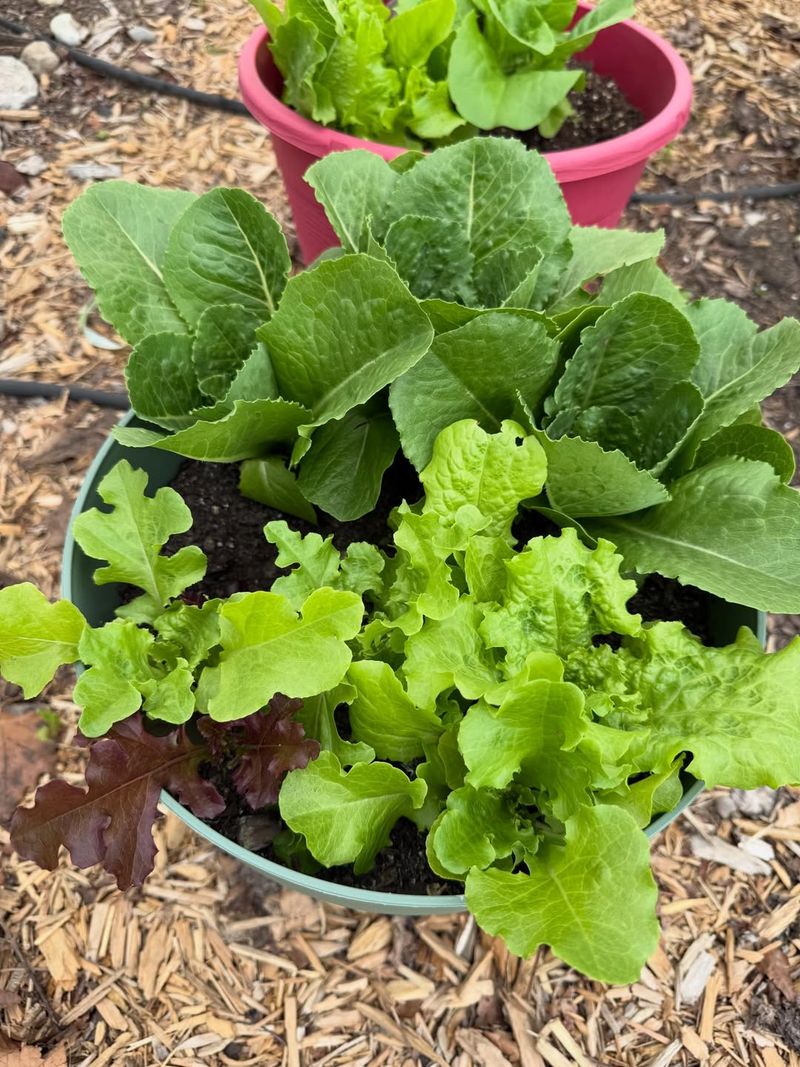
Crisp, colorful, and incredibly easy to grow, lettuce is one of the most rewarding crops a North Carolina gardener can direct sow in March. It prefers cool soil temperatures between 40 and 65 degrees Fahrenheit, which makes early spring planting almost perfect.
Warmer soil actually causes lettuce to bolt and turn bitter, so getting seeds in the ground early is the smart move.
Eastern North Carolina gardeners in the Coastal Plain can scatter lettuce seeds as early as the first days of March. The mild winters along the coast mean soil is ready to work well before inland areas.
In central North Carolina, including the Triangle and Triad regions of the Piedmont, mid-March planting works well as temperatures start to stabilize and frost events become less frequent.
Mountain gardeners near Brevard or Spruce Pine should wait until closer to late March, when overnight temperatures are more reliably above freezing. Lettuce seeds are tiny, so press them lightly into the surface of loose, amended soil rather than burying them deeply.
Thin seedlings to six inches apart once they reach two inches tall. Loose-leaf varieties like Black Seeded Simpson and Oak Leaf are especially popular choices for North Carolina gardens because they mature quickly and handle light spring frosts without losing quality or flavor.
4. Carrots
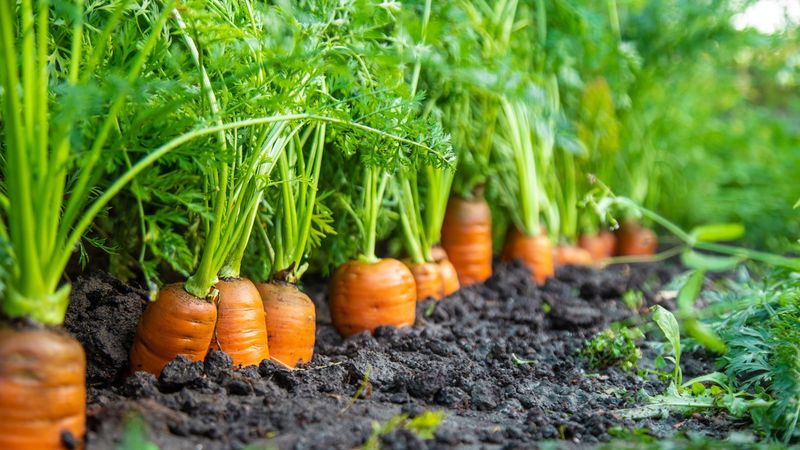
Carrots reward patient gardeners, and March is exactly the right time to start them across North Carolina. One of the most important things to know about carrots is that they must be direct sown because their long taproots do not survive transplanting well.
Getting them into the ground at the right time by region sets the entire crop up for success. In the Coastal Plain, soil is typically workable by early March, making it the first region in the state ready for carrot seeds.
Sandy, loose soils common to eastern counties like Duplin and Sampson are actually ideal for carrot growth because roots can push downward without hitting compacted clay.
Piedmont gardeners should plan their carrot sowing for mid-March, once the ground is no longer frozen or overly saturated from winter rains.
Up in the Mountains, late March is the target window, particularly after consistent daytime temperatures reach at least 45 degrees. Carrot seeds are slow to germinate, often taking ten to twenty days, so patience is key.
Sow seeds a quarter inch deep in rows twelve inches apart and keep the soil evenly moist throughout the germination period.
Thinning seedlings to two or three inches apart once they reach two inches tall prevents crowding and encourages full, well-shaped roots by early summer across all North Carolina regions.
5. Radishes
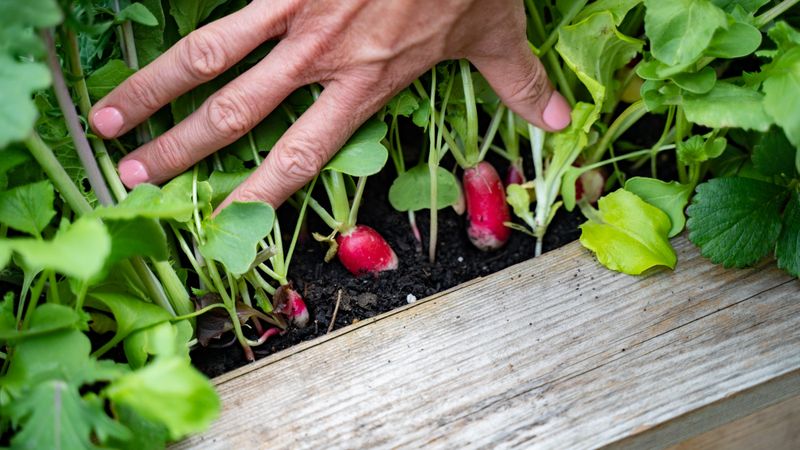
If you want fast, satisfying results in the garden, radishes are your best friend in March. They are one of the quickest-maturing vegetables you can grow, with many varieties ready to harvest in just three to four weeks after sowing.
That speedy turnaround makes them perfect for filling garden space while slower crops are still getting started.
Radishes germinate well in cool soil and can be direct sown statewide throughout March in North Carolina. Gardeners in the warmer eastern counties of the Coastal Plain, including areas around Goldsboro and Jacksonville, can start sowing as soon as early March.
The soil there is ready weeks ahead of other parts of the state, giving eastern gardeners a nice head start on their first harvest of the season.
Piedmont gardeners should aim for mid-March, and Mountain growers near areas like Waynesville or Spruce Pine should wait until the last two weeks of March when the soil is reliably workable.
Sow seeds half an inch deep and one inch apart in rows spaced six inches wide. Thin seedlings to two inches apart once they sprout to prevent overcrowding, which leads to small or misshapen roots.
Radishes also make excellent companion plants, helping to break up compacted soil and attracting beneficial insects to your North Carolina garden throughout the early spring season.
6. Turnips
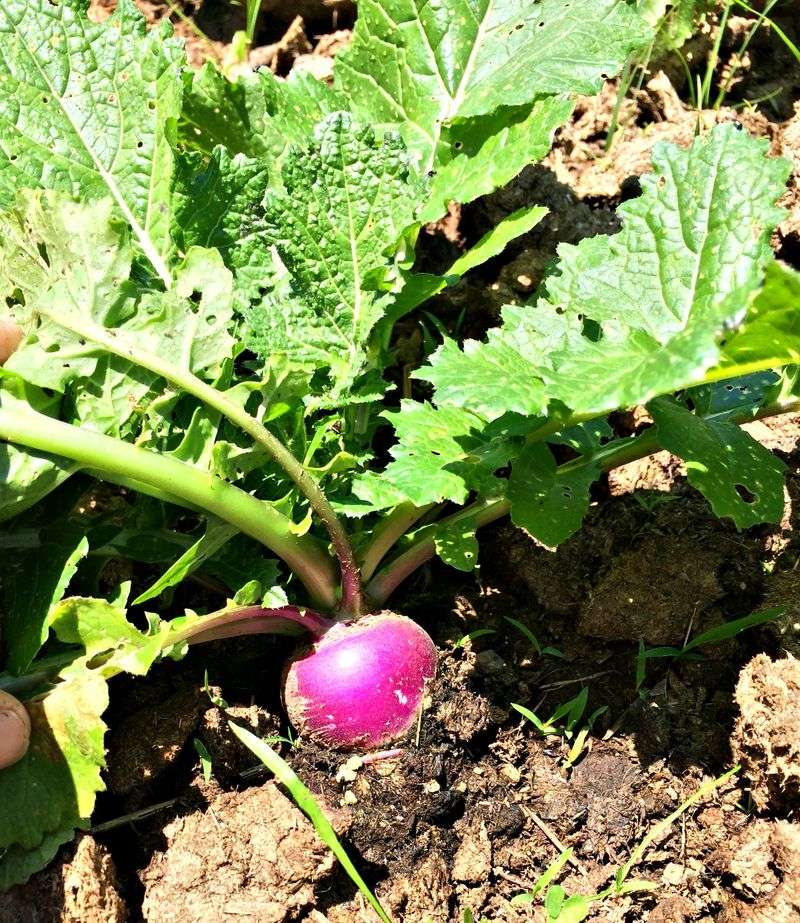
Turnips have been a staple of Southern gardens for generations, and for good reason. They are tough, productive, and incredibly versatile since you can eat both the roots and the leafy tops.
March planting across North Carolina gives turnips the cool growing conditions they love, resulting in tender roots and flavorful greens before summer heat arrives.
One of the great things about turnips is their solid frost tolerance, which means you do not need to wait for perfectly warm weather to get started. Coastal Plain gardeners in eastern North Carolina can begin direct sowing in early March without worry.
The combination of warming soil and mild overnight temperatures in counties like Onslow and Brunswick creates near-ideal conditions for quick germination and steady early growth.
Piedmont gardeners should target mid-March once soil is loose and workable rather than muddy or frozen. Mountain regions near Sylva or Mars Hill are best served by sowing toward the final week of March, after the heaviest cold spells have passed.
Sow turnip seeds a quarter inch deep and two inches apart in rows spaced twelve inches wide. Thin seedlings to four to six inches apart as they develop to give roots enough room to expand fully.
Turnips grow quickly and can be ready for harvest in as little as forty to sixty days after planting throughout North Carolina.
7. Mustard Greens
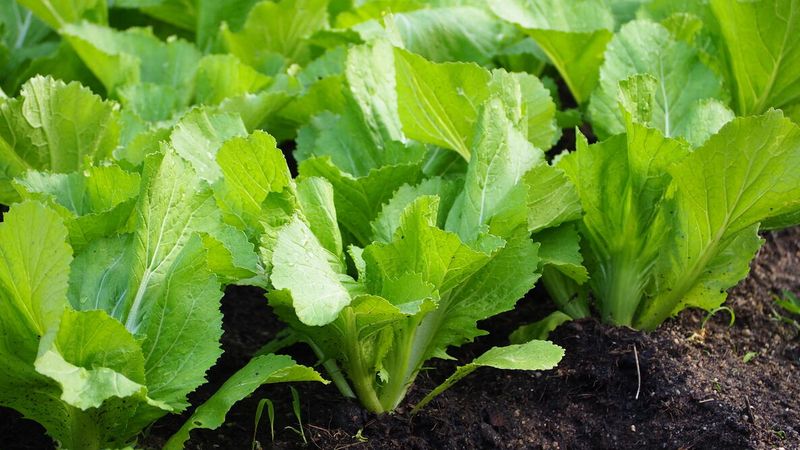
Bold, spicy, and packed with nutrition, mustard greens are a beloved staple in North Carolina kitchens and gardens alike. They thrive in cool weather and bolt quickly once summer heat sets in, which makes March the absolute best time to get them growing.
Direct sowing in early spring gives you a generous harvest window before temperatures rise too high.
The Coastal Plain is the first region in North Carolina where mustard greens can go into the ground, typically in early March. Gardeners in counties like Wayne, Wilson, and Pitt often sow as soon as the first week of the month.
The fast-warming soils and mild early spring temperatures along the eastern part of the state encourage rapid germination and lush, leafy growth within just a couple of weeks after sowing.
Central North Carolina Piedmont gardeners should plan for mid-March planting, while Mountain growers can direct seed by late March once soil temperatures climb above 40 degrees Fahrenheit.
Sow seeds a quarter inch deep in rows spaced twelve to fifteen inches apart and thin seedlings to six inches once they reach a few inches tall.
Mustard greens grow fast, with many varieties ready for a first harvest in just thirty to forty days. Regular picking of outer leaves encourages continuous new growth throughout the spring season across all North Carolina gardening regions.
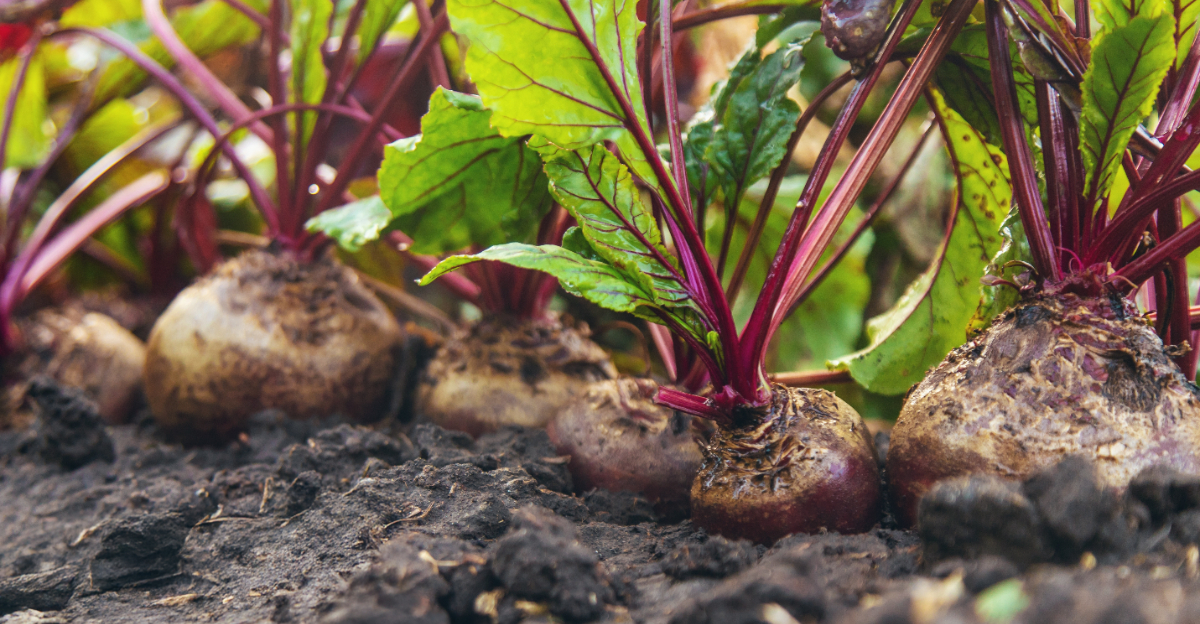
8. Beets
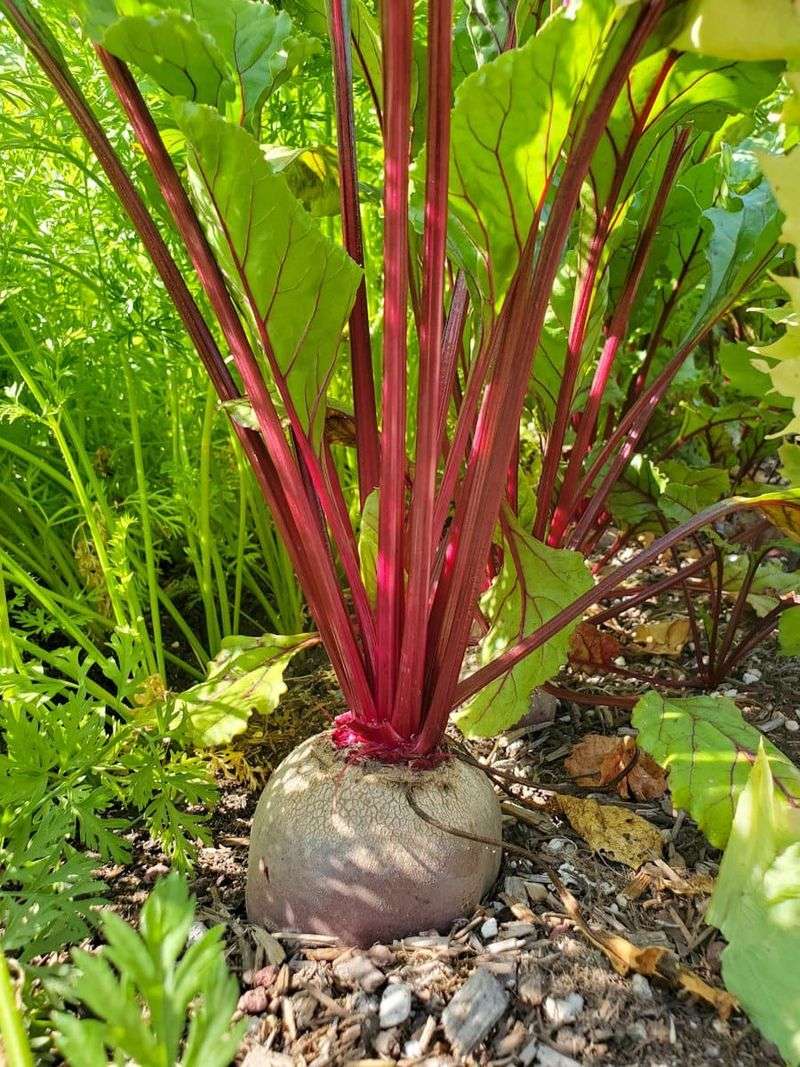
Beets are one of those vegetables that surprise first-time growers with just how easy and rewarding they are to direct sow in spring.
What most people call a beet seed is actually a cluster of two to four seeds wrapped in a cork-like coating, which means thinning after germination is almost always necessary.
Knowing this small detail upfront saves a lot of confusion once seedlings start crowding each other.
Beets tolerate cool temperatures well and can be direct sown in North Carolina starting in early to mid-March depending on your region.
Coastal Plain gardeners in eastern counties can begin as early as the first week of March, taking advantage of soil that warms and drains faster than in other parts of the state.
Piedmont growers in the central region should plan for mid-March, once overnight temperatures stay mostly above 28 degrees Fahrenheit.
Mountain gardeners near areas like Black Mountain or Burnsville should wait until late March, when the ground is consistently workable and not waterlogged from snowmelt or heavy rains. Sow beet seeds about half an inch deep in rows spaced twelve inches apart.
Once seedlings reach two inches tall, thin them to three to four inches apart so roots have plenty of room to swell. Both the roots and the greens are completely edible, making beets one of the most productive crops per square foot in a North Carolina spring garden.
9. Kale
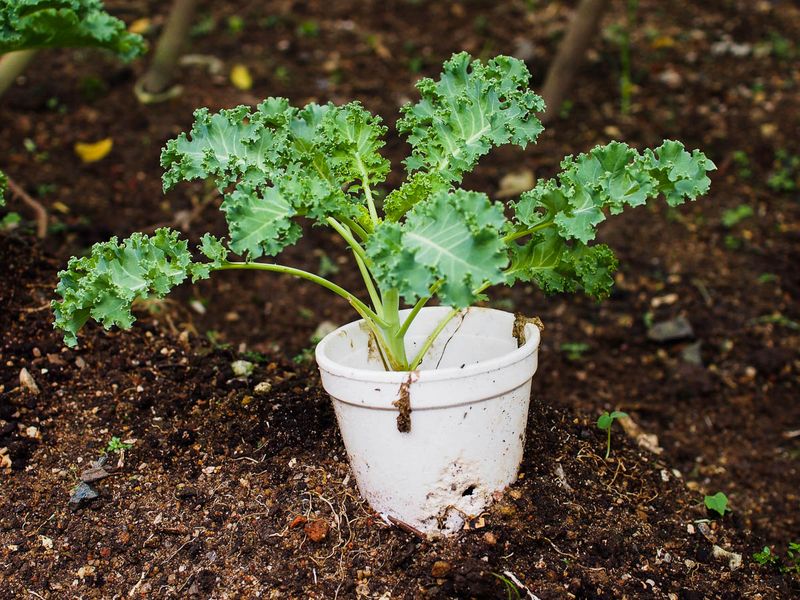
Kale has earned its reputation as a gardening superstar, and March in North Carolina is the perfect time to direct seed it straight into the ground.
Unlike many vegetables that struggle with cold snaps, kale actually tastes better after a light frost because the cold converts starches into sugars, making the leaves noticeably sweeter.
That built-in frost tolerance is a huge advantage for early spring planting. Statewide, kale can be direct seeded throughout March, but timing shifts from east to west based on how quickly soil warms up.
Eastern Coastal Plain gardeners can sow as early as the first week of March, with counties like Lenoir and Craven typically seeing soil temperatures rise quickly enough for reliable germination.
Moving into the Piedmont, mid-March works well for gardeners in cities like Burlington, Concord, and High Point.
Mountain growers near Hendersonville or Banner Elk should plan their kale sowing for late March, after the most intense cold of the season has passed and the soil is loose enough to work comfortably.
Sow seeds a quarter to half an inch deep in rows spaced eighteen inches apart and thin seedlings to twelve to fifteen inches once they establish.
Curly varieties like Winterbor and flat-leaf types like Lacinato both perform well in North Carolina gardens, producing abundant harvests from spring well into early summer across all regions of the state.
10. Swiss Chard
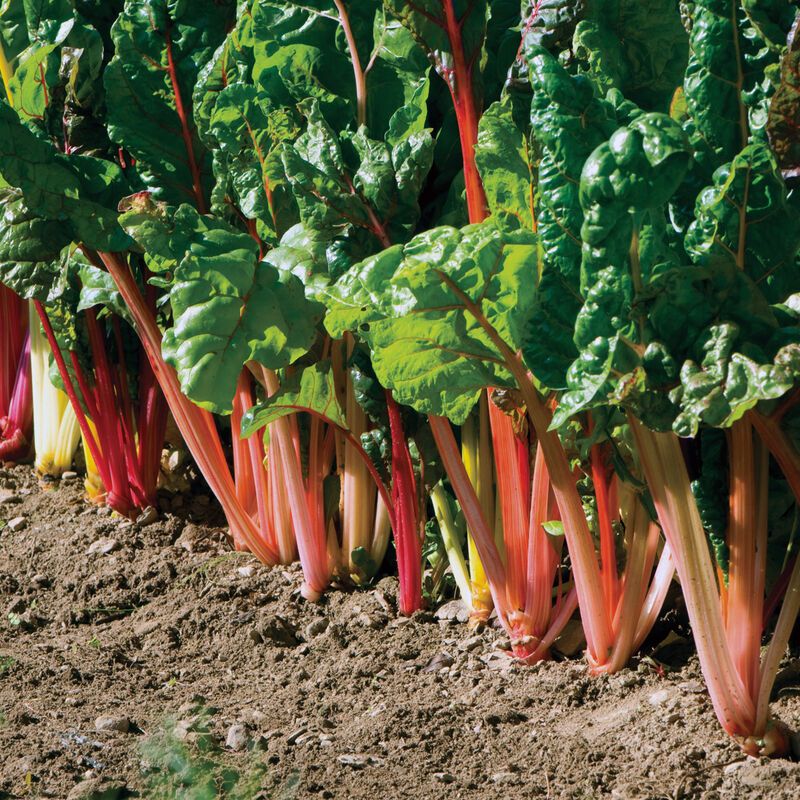
Swiss chard brings both color and nutrition to the spring garden, and it is surprisingly tough for such a beautiful plant. The stems come in vivid shades of red, yellow, orange, and white, making a bed of chard look almost too pretty to eat.
Beyond its good looks, it is a highly productive cool-season crop that fits perfectly into a March planting schedule across North Carolina.
Coastal Plain gardeners in eastern North Carolina can direct sow Swiss chard as early as the first week of March.
The moderate coastal climate and faster-warming soils in counties like Carteret and Brunswick give chard seeds an excellent environment for germination within ten to fourteen days.
Piedmont growers in central areas like the Research Triangle and Triad should plan to sow around mid-March once the soil is workable and no longer saturated from winter moisture.
Mountain regions, including areas near Cullowhee and Newland, are best served by waiting until late March when overnight temperatures are more stable and the soil has had a chance to thaw and settle.
Sow Swiss chard seeds about half an inch deep in rows spaced twelve to eighteen inches apart.
Thin seedlings to six inches apart once they reach three inches tall. Chard tolerates both light frost and mild heat better than many other cool-season greens, giving North Carolina gardeners a longer and more flexible harvest window throughout the entire spring season.