Do This In Your California Garden Before Spring Arrives
Spring planting in California can arrive sooner than many gardeners expect. As the days warm and garden centers fill with seedlings, it is easy to focus on what to plant next.
Beautiful gardens, however, rarely begin with seeds or transplants alone. The real transformation starts beneath the surface, long before the first tomato or flower settles into the soil.
Healthy California gardens often share one important advantage. Their soil received attention weeks before planting began.
Garden beds that are prepared early tend to support stronger roots, hold moisture more evenly, and help plants grow more steadily once spring temperatures settle in.
Late winter offers an ideal window to focus on soil improvement. Cooler weather and seasonal rains soften the ground, making it easier to refresh and prepare garden beds.
A little work beneath the surface now can help set the stage for a vibrant and productive California garden when spring arrives
1. Healthy Spring Gardens Begin With Strong Soil
Most gardeners get excited about seeds, seedlings, and colorful spring plants. The real foundation of a productive garden sits quietly beneath it all.
Soil quality often determines whether plants simply survive or truly thrive.
Healthy garden soil functions as a living environment filled with beneficial microbes, fungi, minerals, and organic matter. These elements interact constantly, helping plant roots access nutrients and moisture more efficiently.
When soil conditions are balanced, plants tend to develop stronger root systems and adapt better to changing weather.
California gardeners face a few unique soil challenges. Long stretches of dry summer weather can leave soil compacted and low in organic matter.
In many regions, heavy clay soils harden during dry periods and become difficult for roots to penetrate.
Winter rain begins to soften the ground again, creating an ideal opportunity to improve soil before spring planting begins.
Gardeners who spend time preparing their soil during late winter often notice stronger seedlings, healthier growth, and better harvests later in the season.
Strong soil creates a stable environment where vegetables, flowers, and fruit plants can develop properly.
Starting with healthy soil often makes the entire growing season easier to manage. Plants tend to grow more steadily, watering becomes more effective, and the garden feels far more productive as spring unfolds across California.
2. Understanding Your Garden Soil Before Planting Season Starts
Garden improvements begin with understanding what already exists in your soil. California landscapes contain a wide range of soil types, and knowing what you are working with helps guide the right improvements.
Coastal regions often contain sandy or silty soils that drain quickly. Inland valleys around Sacramento and Fresno frequently have heavier clay soils that hold water longer.
Foothill and mountain areas may contain rocky or shallow soils that drain well but hold fewer nutrients.
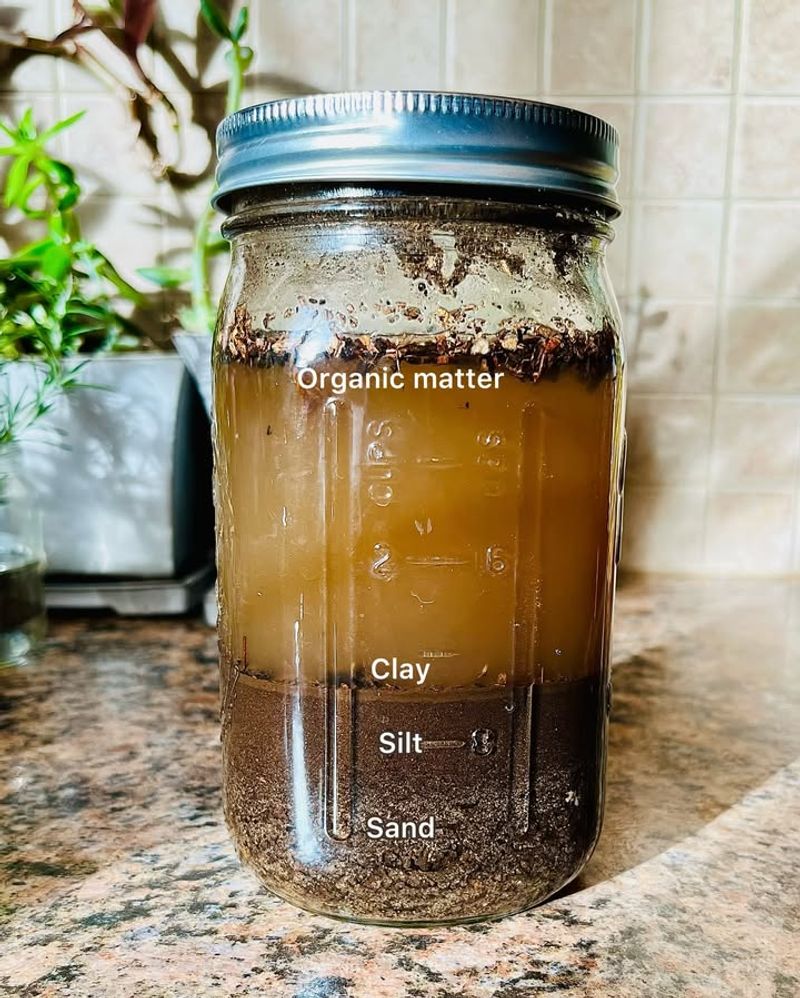
A simple jar test offers a helpful starting point for learning about soil composition. Place a scoop of garden soil into a clear jar, fill it with water, shake thoroughly, and allow the mixture to settle.
Over time the particles separate into layers. Sand settles first at the bottom, followed by silt, while the smallest clay particles settle last and form the top layer.
Your California Garden Changes Every Week. Your Plan Should Too.
Gardening in California changes quickly throughout the season. Every Friday you’ll receive a simple weekly plan showing exactly what to plant, prune, fertilize, harvest, and protect so you never miss the right timing.
The thickness of each layer provides a rough picture of your soil texture.
Another quick test involves squeezing a small handful of moist soil. Sandy soil falls apart quickly and feels gritty.
Clay soil holds its shape and feels sticky when pressed. Loamy soil, which many gardeners aim for, briefly holds together before breaking apart easily.
Understanding these basic characteristics allows California gardeners to choose soil improvements that match their specific garden conditions before spring planting begins.
3. Why Soil Testing Matters In California Gardens
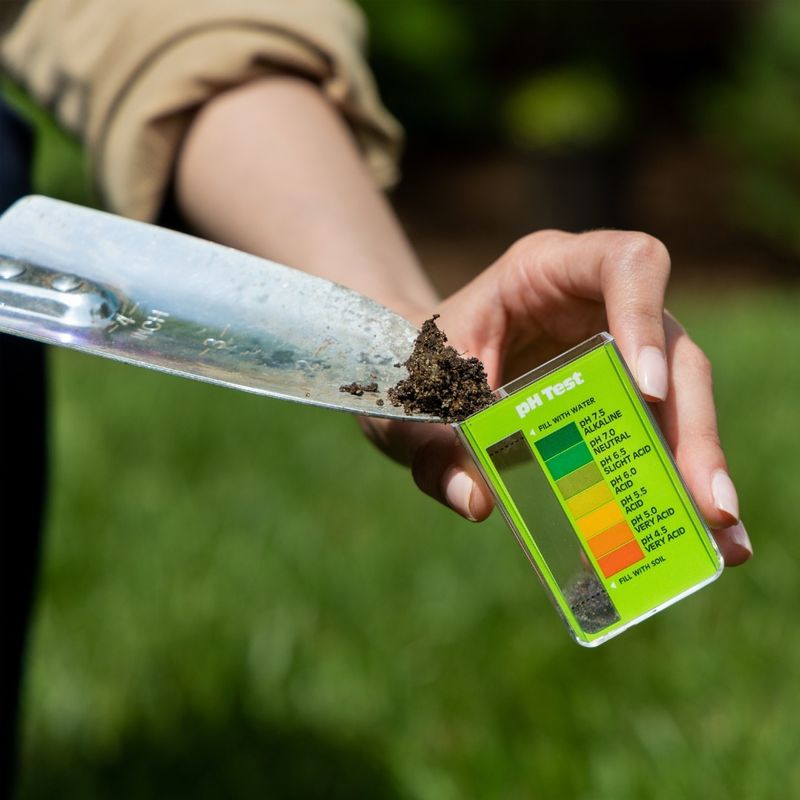
Working without a soil test often leads gardeners to add fertilizers or amendments their soil may not actually need.
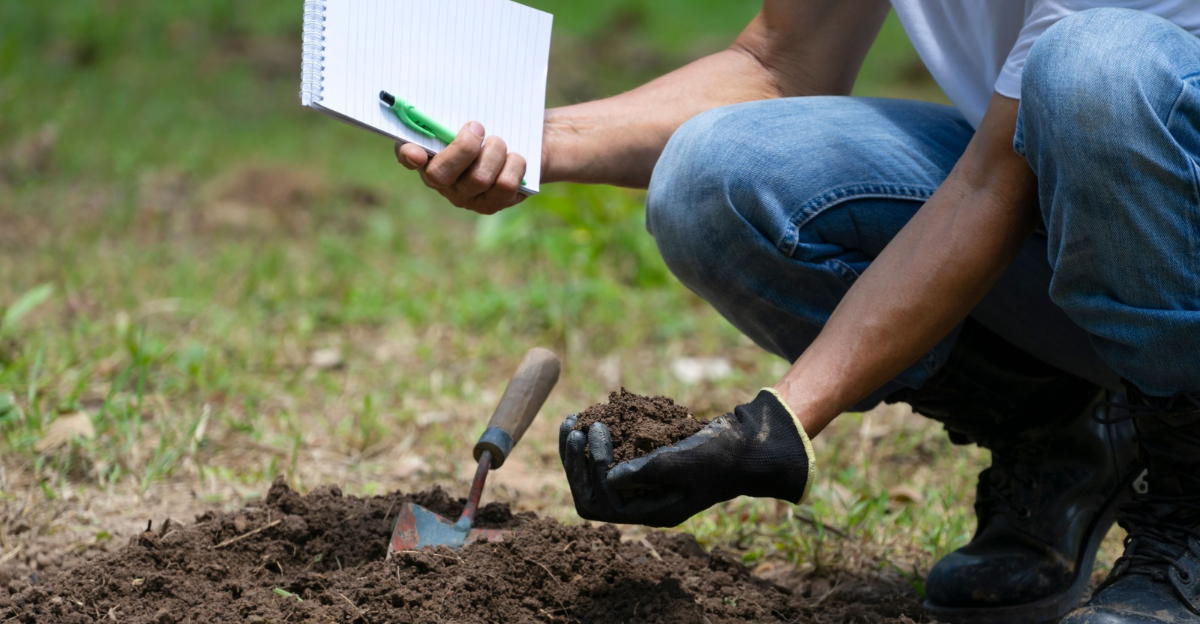
A soil test provides a clearer picture of what is happening underground, including nutrient levels, organic matter content, and pH balance.
Many soils across California lean toward the alkaline side, particularly in inland regions where rainfall is limited. Higher soil pH can make certain nutrients harder for plants to absorb, even when those nutrients exist in the soil.
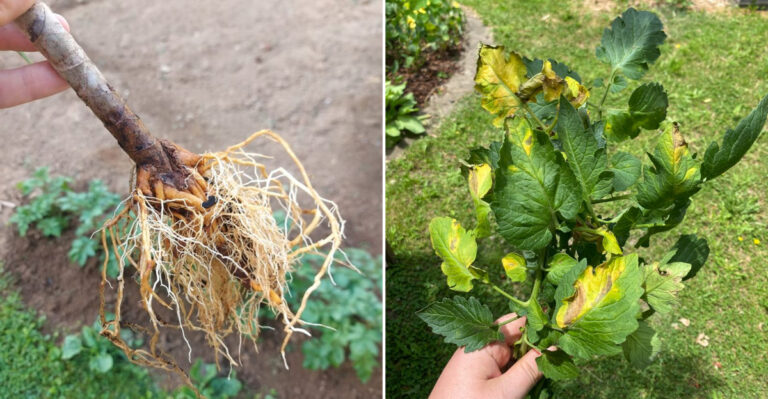
Iron and manganese deficiencies sometimes appear under these conditions, leading to pale leaves and slower plant development.
Without a soil test, these symptoms are often mistaken for watering problems or pest issues.
Testing your soil removes much of that uncertainty.
Simple home testing kits available at garden centers can offer a general overview, while laboratory soil tests provide more detailed information about nutrient levels and soil chemistry.
Most home gardens benefit from testing soil every few years, especially before adding large amounts of fertilizer or soil amendments.
Accurate soil information allows gardeners to make targeted improvements rather than guessing.
When amendments match the actual needs of the soil, garden beds tend to support healthier plants once the spring growing season begins in California.
4. How Compost Helps Prepare Soil For Spring Growth
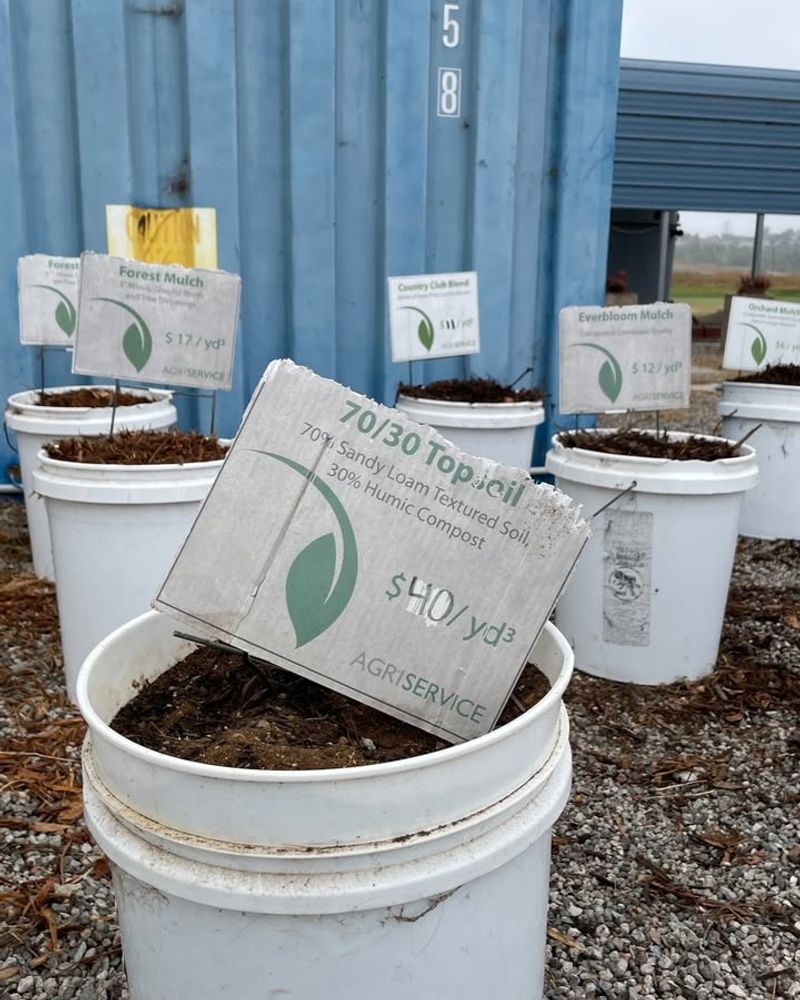
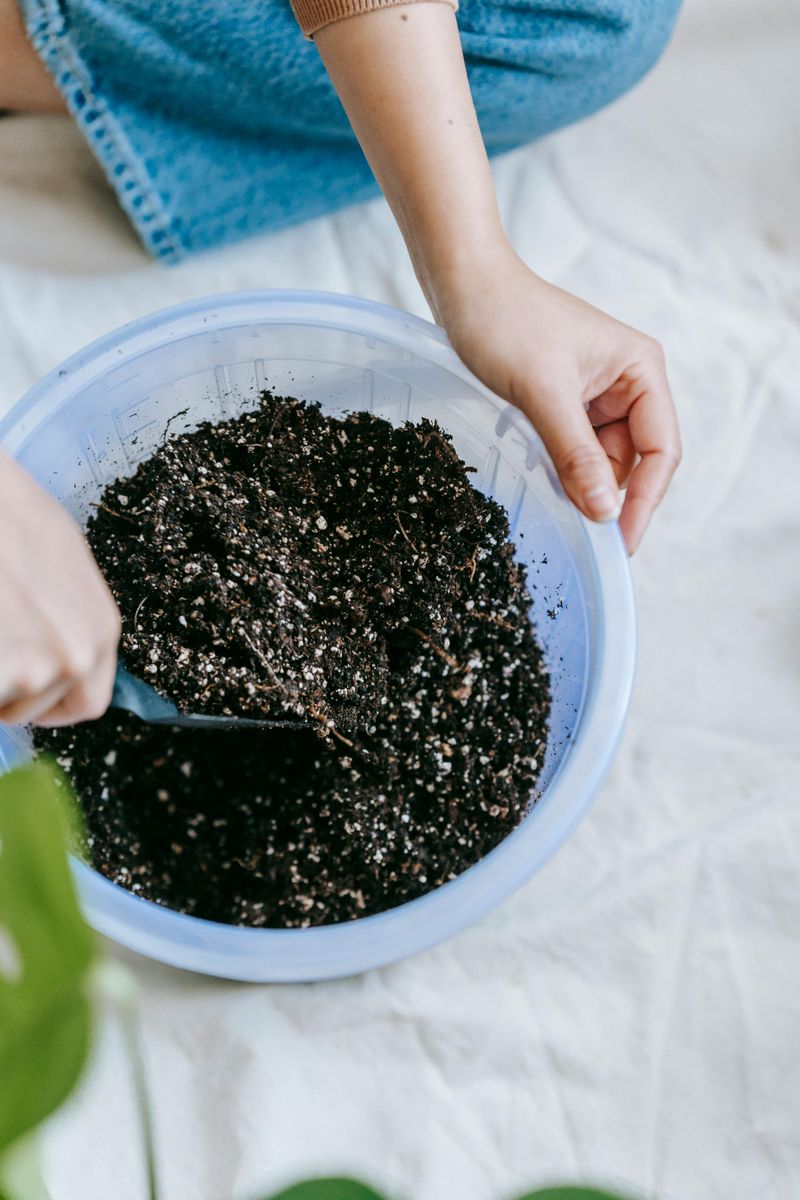
Finished compost is one of the most useful tools available to California gardeners. Adding compost to garden beds before spring planting is a simple habit that supports healthier soil and stronger plants.
Compost improves several important soil characteristics at once, which makes it helpful for many different soil types.
In clay soils, compost helps loosen dense structure and improve drainage so roots are less likely to sit in overly wet soil. In sandy soils, compost helps the ground hold moisture and nutrients that might otherwise drain away quickly.
Both conditions appear in many parts of California, and compost helps balance these differences naturally.
A two to three inch layer of finished compost mixed into the top six to eight inches of soil can noticeably improve garden beds before spring planting begins.
Gardeners with backyard compost piles often find that late winter is the perfect time to harvest finished compost and spread it across garden beds.
Bagged compost from local nurseries or garden centers can also work well for gardeners who do not produce compost at home.
Regular compost additions gradually improve soil fertility, water retention, and overall soil structure across many types of California gardens.
5. Improving Clay And Sandy Soils Before Spring Planting
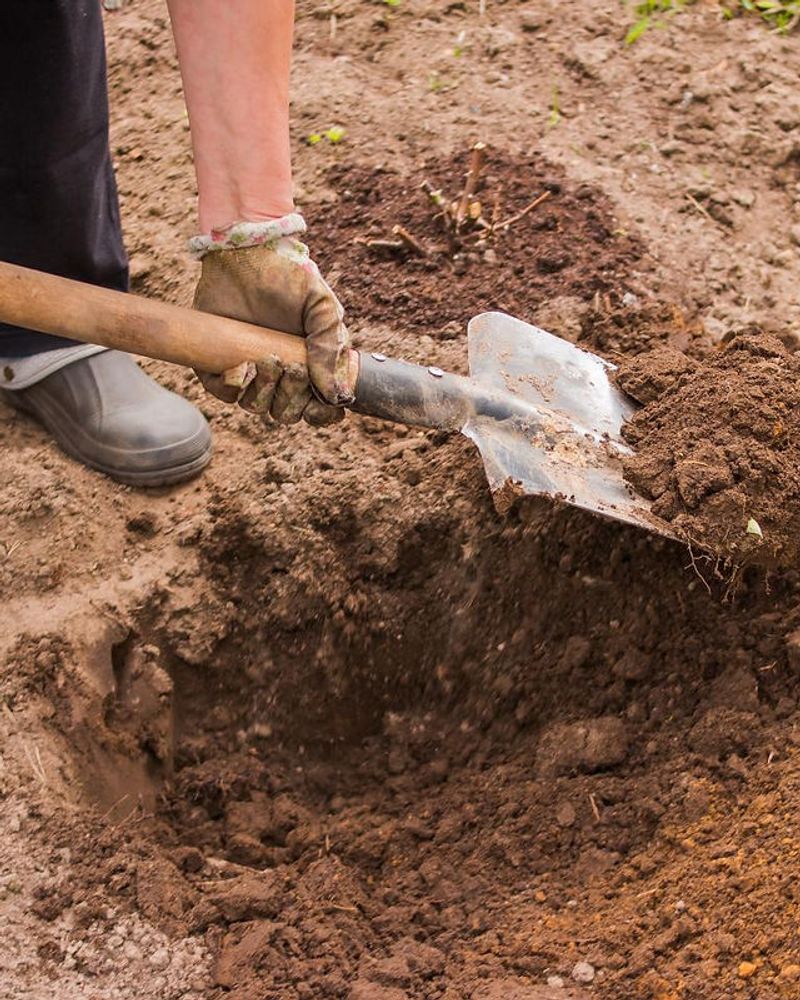
Clay and sandy soils are the two most common problem soils California gardeners deal with, and they cause almost opposite headaches.
Clay soil holds water so tightly that roots struggle to breathe, and it can bake into a hard crust during dry spells.
Sandy soil drains so fast that plants dry out quickly and nutrients wash away before roots can absorb them.
Improving clay soil starts with adding organic matter consistently over time. Compost, aged wood chips, and leaf mold all help break up the tight clay structure and create more air pockets for roots.
Avoid working clay soil when it is wet, because tilling wet clay destroys its structure and makes compaction worse. Wait until soil is moist but not soggy before digging.
Sandy soil improvement follows a similar path but requires amendments that hold moisture. Compost, coir fiber, and aged manure are all excellent choices for building water retention in sandy beds.
Some California gardeners in coastal or foothill areas also use biochar, a charcoal-based amendment that holds nutrients and moisture over long periods.
Making these improvements in late winter gives amendments time to integrate into the soil before your spring planting schedule begins.
6. Building Better Soil Structure With Organic Matter
Soil structure describes how individual soil particles group together into small clusters known as aggregates. Good soil structure creates spaces that allow water, air, and plant roots to move through the soil more easily.
When soil structure breaks down, water tends to sit on the surface instead of soaking in. Roots remain shallow, and plants struggle even when nutrients are present.
Organic matter plays a major role in building and maintaining strong soil structure. As organic materials break down, they release compounds that help bind soil particles together into stable aggregates.
Gardeners who regularly add compost, mulch, or shredded plant material often notice gradual improvements in their soil over time.
The change happens slowly, yet it becomes noticeable after several growing seasons.
Late winter is a helpful time to add organic matter to garden beds. As temperatures warm in spring, soil microbes become more active and begin breaking down the material.
Earthworms, bacteria, and fungi all contribute to this process and help convert organic matter into forms plants can use.
Materials such as aged wood chips, straw, shredded leaves, and finished compost provide excellent sources of organic matter for California garden beds preparing for spring planting.
7. Preparing Garden Beds So Roots Can Grow Stronger
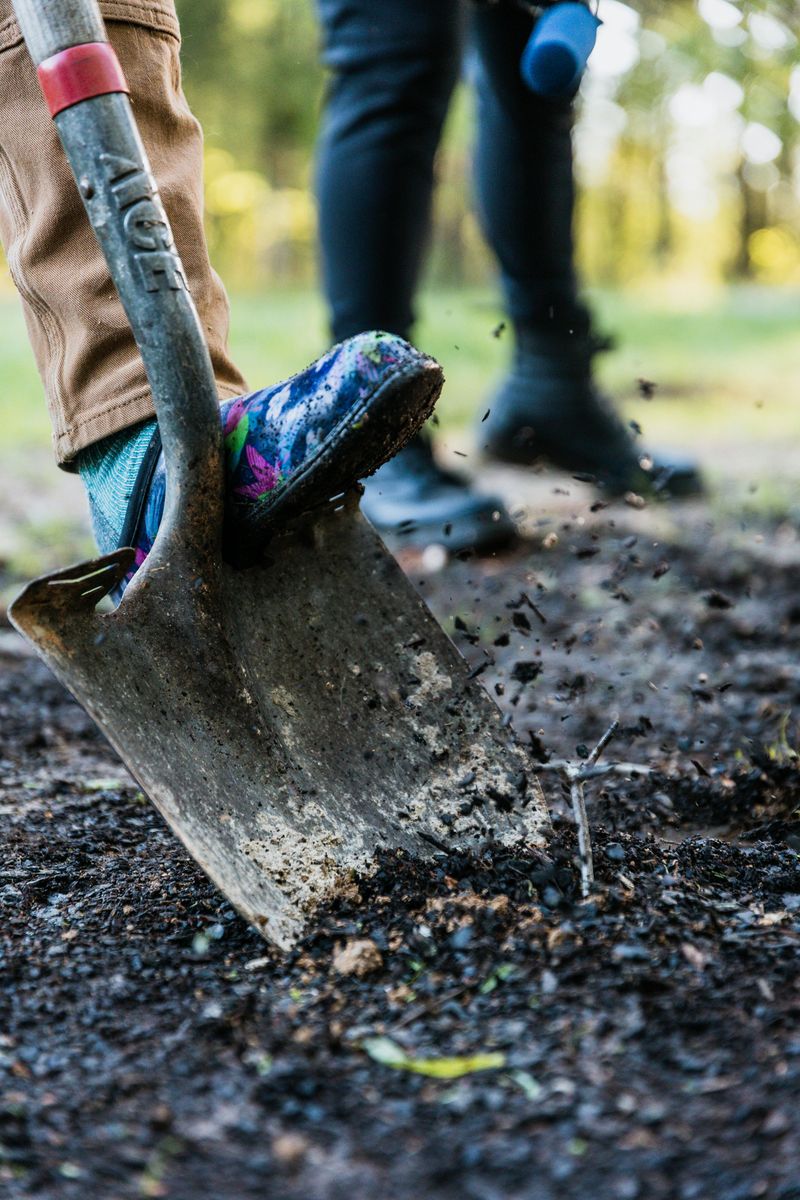
Compaction is one of the quietest problems in home gardens. It builds up gradually from foot traffic, heavy rains, and repeated tilling, and most gardeners do not notice it until plants start underperforming.
Compacted soil squeezes out the air pockets that roots need to grow and breathe, forcing roots to stay near the surface where they are vulnerable to drought and temperature swings.
Breaking up compaction before spring planting gives roots the room they need to push deep into the soil.
A garden fork is often the best tool for this job because it loosens soil without completely disrupting its structure the way a rototiller can.
Push the fork into the ground to its full depth, rock it gently back and forth, and work across the entire bed systematically.
For California gardeners dealing with particularly hard or compacted soil, a broadfork is worth considering.
This two-handled tool lets you aerate soil deeply without inverting the layers, which preserves the beneficial microbial communities living in different soil depths.
After loosening the soil, top-dress with compost and let it work its way down naturally.
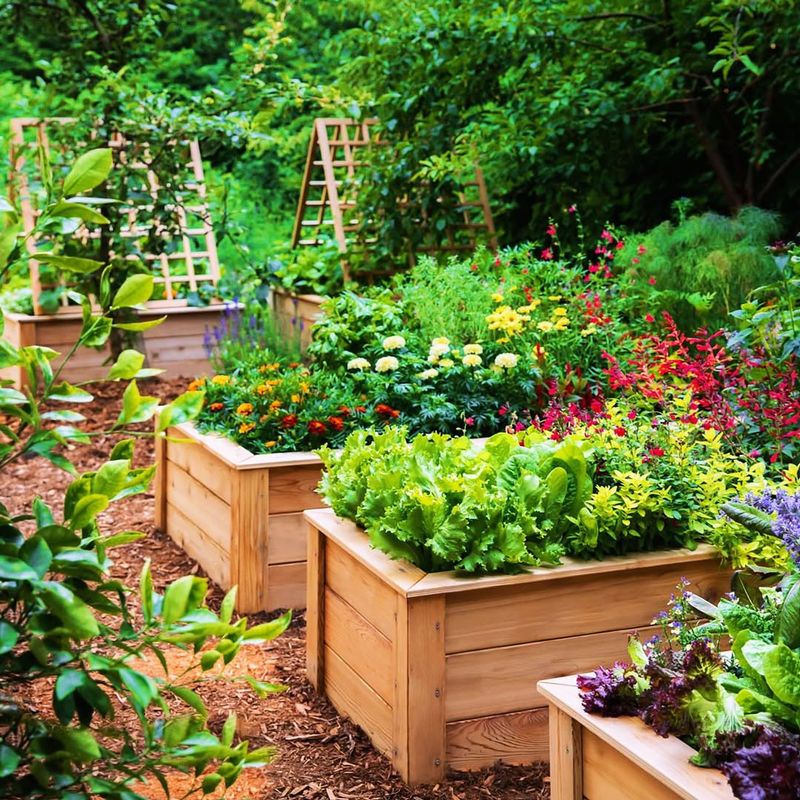
Raised beds are another excellent long-term solution for California gardens where native soil is too compacted or shallow to support strong root development throughout the growing season.
8. Supporting Spring Plant Growth With Better Soil Preparation
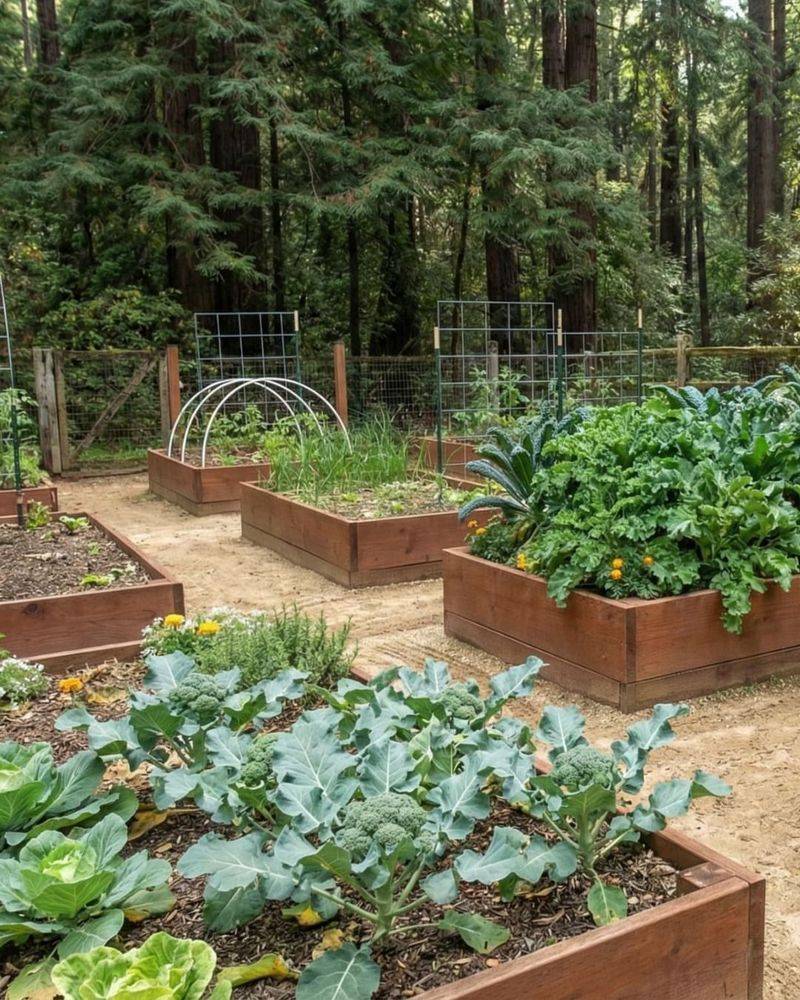
All the soil preparation done in late winter begins to show clear results once spring planting starts.
Plants grown in well prepared soil often establish more quickly, develop stronger roots, and manage moisture more efficiently during California’s dry spring months.
That resilience becomes especially valuable in a state where water conservation remains important for many gardeners.
Beyond adding soil amendments, it helps to think about overall garden bed layout before planting begins.
Raised beds often warm slightly faster than in-ground beds. This can help gardeners in cooler coastal California areas where soil temperatures increase more slowly in early spring.
Warm season crops such as tomatoes and peppers benefit from locations that receive full sunlight and drain well after winter rains.
Completing soil preparation several weeks before planting also allows beneficial soil organisms time to become active as temperatures rise.
Microbes help convert organic matter into plant available nutrients and support healthy soil function throughout the growing season.
Taking time to improve soil before planting helps create a stable environment where plants can grow steadily through the California spring gardening season.