Don’t Touch These 8 Plants In Oregon Until Late Spring
Pruning in Oregon can be tricky, especially when you’re eager to tidy up your garden. But hold off on trimming some plants until late spring!
While it’s tempting to snip away at overgrown shrubs or dead branches, doing so too early can harm your plants or mess with their blooming cycles.
Many of Oregon’s favorite plants have their own timing when it comes to pruning, and the wrong timing could mean fewer flowers or slower growth.
If you want your garden to thrive and bloom beautifully, knowing the right moments to prune is crucial.
Before grabbing those shears, take a look at these eight plants that need to be left alone until late spring. Your garden will thank you when it’s bursting with life and color.
1. Rhododendrons
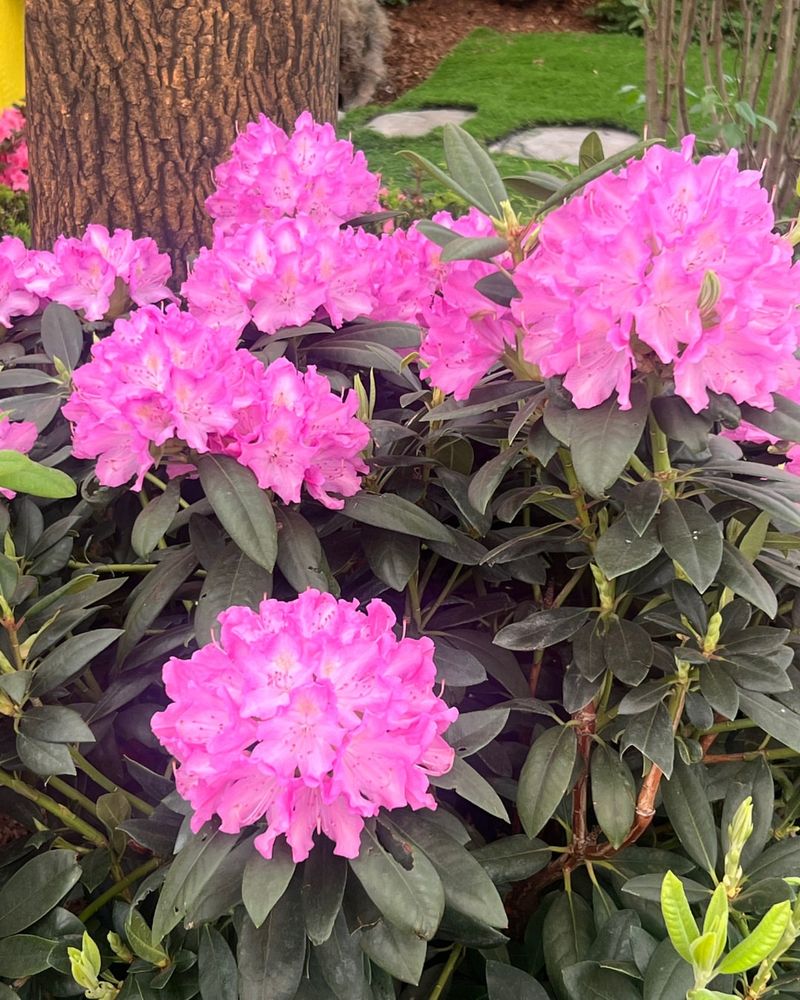
Few plants put on a show quite like rhododendrons, and Oregon gardens are full of them for good reason. These bold, dramatic shrubs can light up an entire yard with clusters of pink, purple, red, or white flowers.
But here is the catch: if you prune them before they bloom in late spring, you will cut off every single flower bud that was quietly forming all winter long.
Rhododendrons set their buds for next year right after they finish blooming. That means the timing of your pruning matters more than almost anything else.
In Oregon, most rhododendrons bloom between April and June, depending on the variety and elevation.
The best move is to wait until the flowers have fully faded before reaching for your pruning shears. Once blooming wraps up, you have a short window of a few weeks to shape the plant without harming next season’s display.
Always remove spent flower clusters by snapping them off gently at the base. This keeps the plant tidy and encourages stronger growth.
Rhododendrons are slow growers, so patience really does pay off in the long run.
2. Azaleas
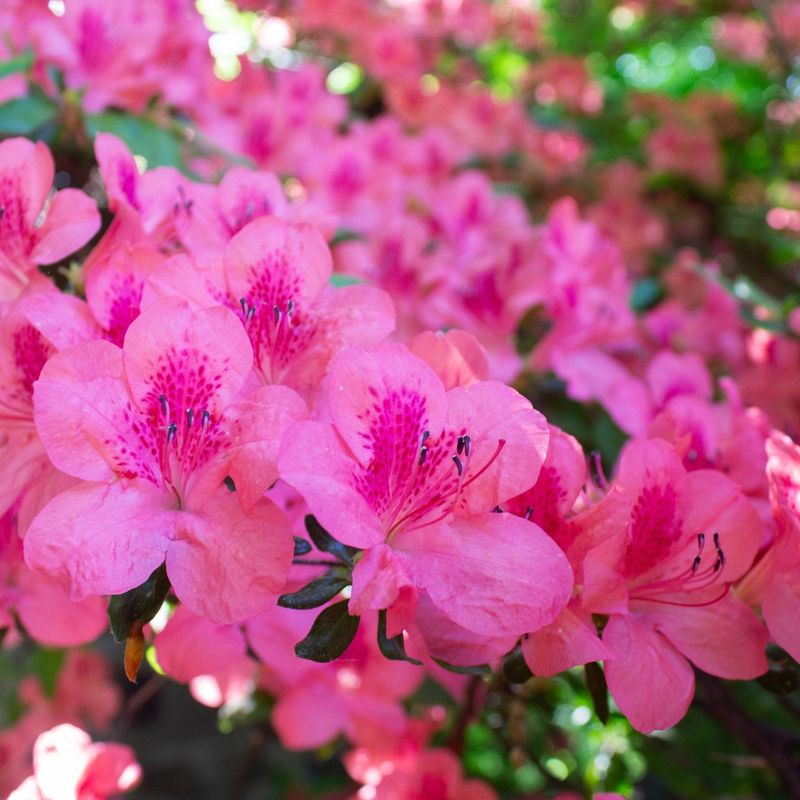
Walk through almost any Oregon neighborhood in spring and you will spot azaleas putting on a jaw-dropping display of color. These shrubs are closely related to rhododendrons and share one very important trait: they bloom on old wood.
That means the flower buds you are hoping to enjoy in April or May were actually formed on last year’s branches.
Prune an azalea too early in the season and you are essentially removing all the work the plant did over the previous year. It is a frustrating mistake, especially when the shrub ends up leafy but completely flowerless all spring.
Oregon gardeners should wait until azalea blooms have fully finished before doing any trimming or shaping. This usually happens sometime between late April and early June.
Once the flowers drop, you have about a month to safely prune without affecting next year’s blooms. Light shaping is usually all these plants need.
Avoid cutting back more than one-third of the plant at a time. Azaleas prefer acidic soil, which Oregon’s naturally rainy climate tends to support quite well.
A little patience each spring goes a long way toward keeping them healthy and full of color year after year.
Your Oregon Garden Changes Every Week. Your Plan Should Too.
Gardening in Oregon changes quickly throughout the season. Every Friday you’ll receive a simple weekly plan showing exactly what to plant, prune, fertilize, harvest, and protect so you never miss the right timing.
3. Lilacs
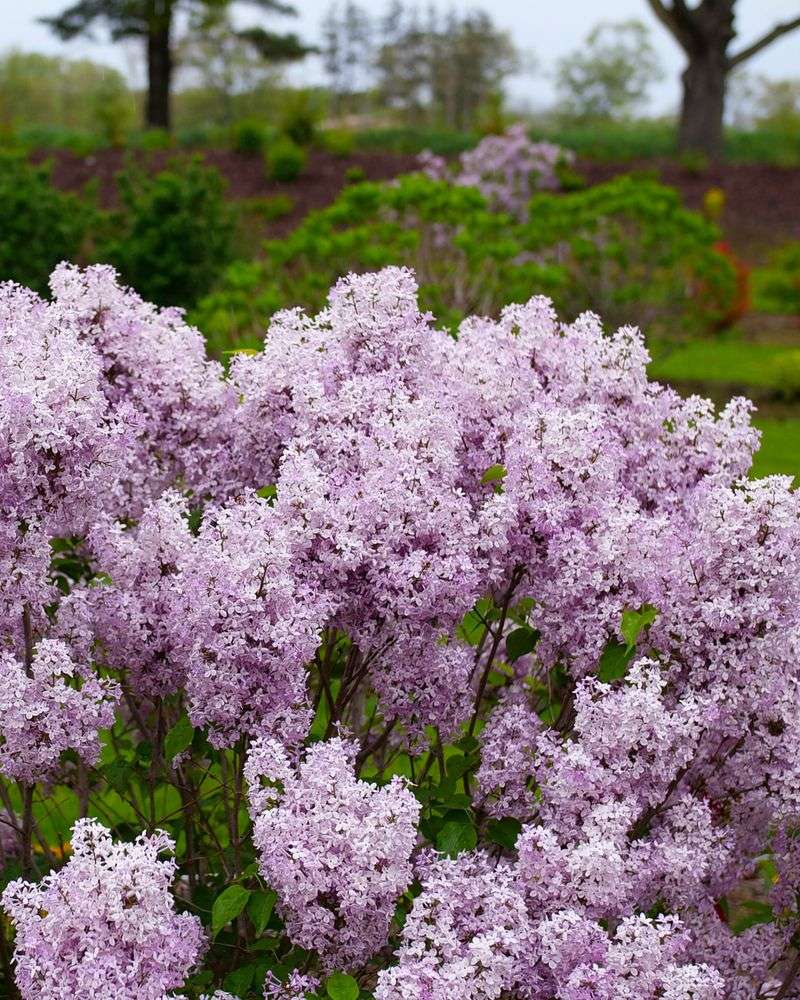
There is something almost nostalgic about the smell of lilacs drifting through an open window on a warm spring day. These beloved shrubs are a staple in many Oregon gardens, especially in the Willamette Valley where the climate suits them beautifully.
Lilacs produce their stunning, fragrant blooms on wood that grew during the previous season, which makes early pruning a real problem.
Cut a lilac back before it blooms and you will likely end up staring at a bare, bloomless shrub all spring. That is not the outcome anyone is hoping for after a long Oregon winter.
The smart approach is to wait until the flowers have fully opened and started to fade, which typically happens in May in most parts of Oregon. Right after blooming ends is the ideal moment to do any shaping or size control.
Snip just below the spent flower clusters to encourage new growth. Avoid heavy pruning unless the shrub has become overgrown, and even then, spread the work over two or three seasons.
Lilacs can live for decades when cared for properly. Giving them space and the right pruning schedule keeps them blooming reliably and filling your Oregon yard with that signature sweet fragrance every spring.
4. Forsythia
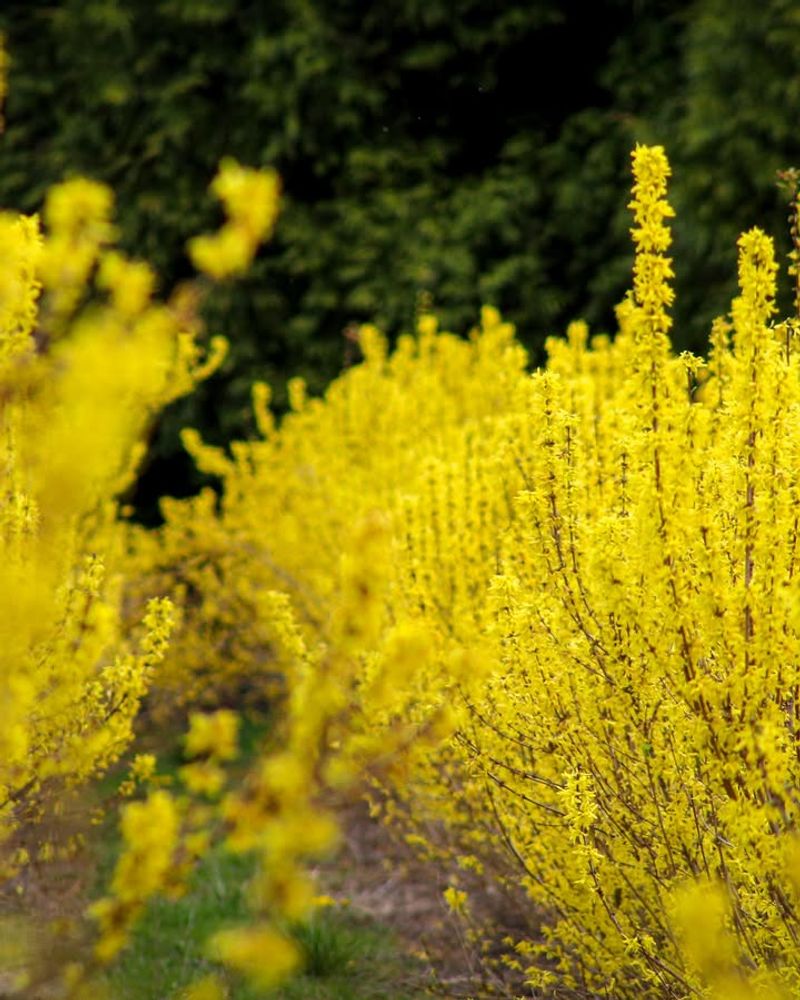
Forsythia is often the first shrub to remind Oregonians that spring has arrived. Those cheerful, bright yellow flowers burst open before the leaves even appear, creating a stunning wave of color along fences and garden borders.
It is one of the most recognizable sights across Oregon neighborhoods in late February and March.
Because forsythia blooms so early and does so on the previous year’s wood, pruning it at the wrong time can wipe out an entire season of color. Many gardeners make the mistake of doing their spring cleanup too eagerly and cut forsythia back before it gets a chance to shine.
The best time to prune forsythia in Oregon is right after the flowers fade, usually in late March or early April. At that point, the shrub will have plenty of time to produce new growth that will carry next year’s flower buds.
Avoid pruning in fall or winter since those cuts will remove the buds already waiting to open. If the shrub has gotten too large, remove a few of the oldest, thickest canes all the way to the ground.
This encourages fresh new growth from the base and keeps the plant looking full and healthy without sacrificing its brilliant spring display.
5. Mock Orange
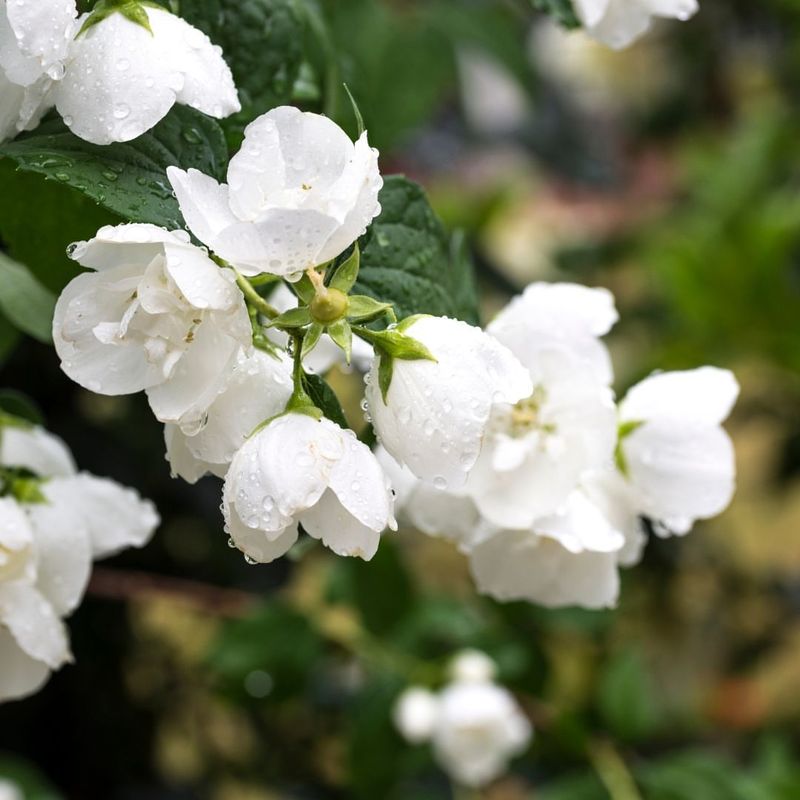
If you have ever caught a sweet, citrus-like fragrance drifting through an Oregon garden in late spring and wondered where it was coming from, mock orange was probably the answer. This charming shrub produces clusters of white flowers that look a lot like orange blossoms and smell absolutely wonderful.
It is a classic choice for Pacific Northwest gardens and earns its place in the landscape every single year.
Mock orange blooms on wood from the previous season, which means pruning it before it flowers will cost you an entire year of those gorgeous white blooms and that incredible scent.
Oregon gardeners should hold off on any significant pruning until after the flowers have faded, typically in June or early July. Once blooming wraps up, you can remove older canes at the base to keep the shrub open and well-shaped.
This also encourages new growth that will carry next season’s flower buds. Avoid shearing mock orange into a tight ball shape since this reduces flowering over time.
Let it grow naturally with just a little guidance each year. Mock orange is a tough, low-maintenance shrub that rewards patience.
Give it the right timing and it will fill your Oregon yard with its beautiful fragrance for many seasons to come.
6. Wisteria
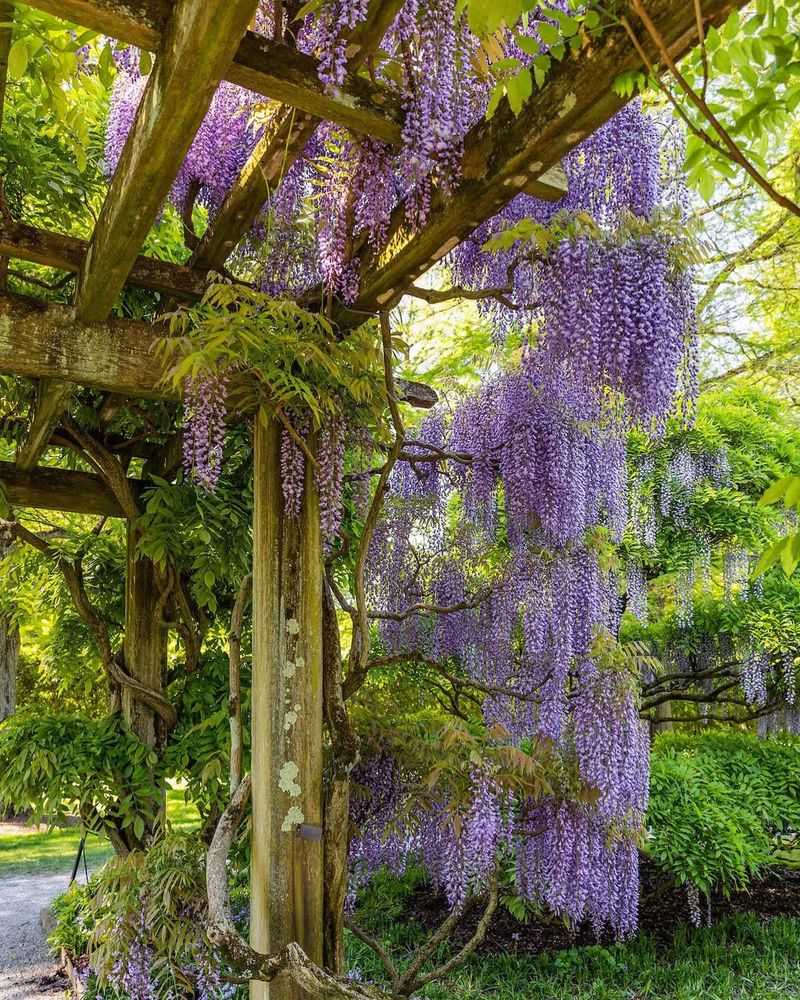
Wisteria is one of those plants that stops people in their tracks. The long, cascading clusters of purple or white flowers are truly breathtaking, and in Oregon, a well-established wisteria vine can turn an ordinary pergola into something straight out of a storybook.
But wisteria also has a reputation for being a bit tricky to manage, especially when it comes to pruning.
Pruning wisteria at the wrong time is one of the most common reasons gardeners end up with lots of leafy growth but no flowers. This vine blooms on short spurs that develop on older wood, and cutting it back too aggressively before it blooms can remove those precious flowering points.
In Oregon, wisteria typically blooms in April or May. The general rule is to prune wisteria twice a year: once lightly in summer after blooming ends, and again more firmly in late winter before new growth starts.
If you only prune once, do it right after the flowers fade. Reduce the long, whippy shoots back to about five or six leaves.
This keeps the plant tidy and encourages more flowering spurs to form. Wisteria can grow very aggressively in Oregon’s mild, wet climate, so staying on top of pruning is key to keeping it beautiful and manageable.
7. Quince
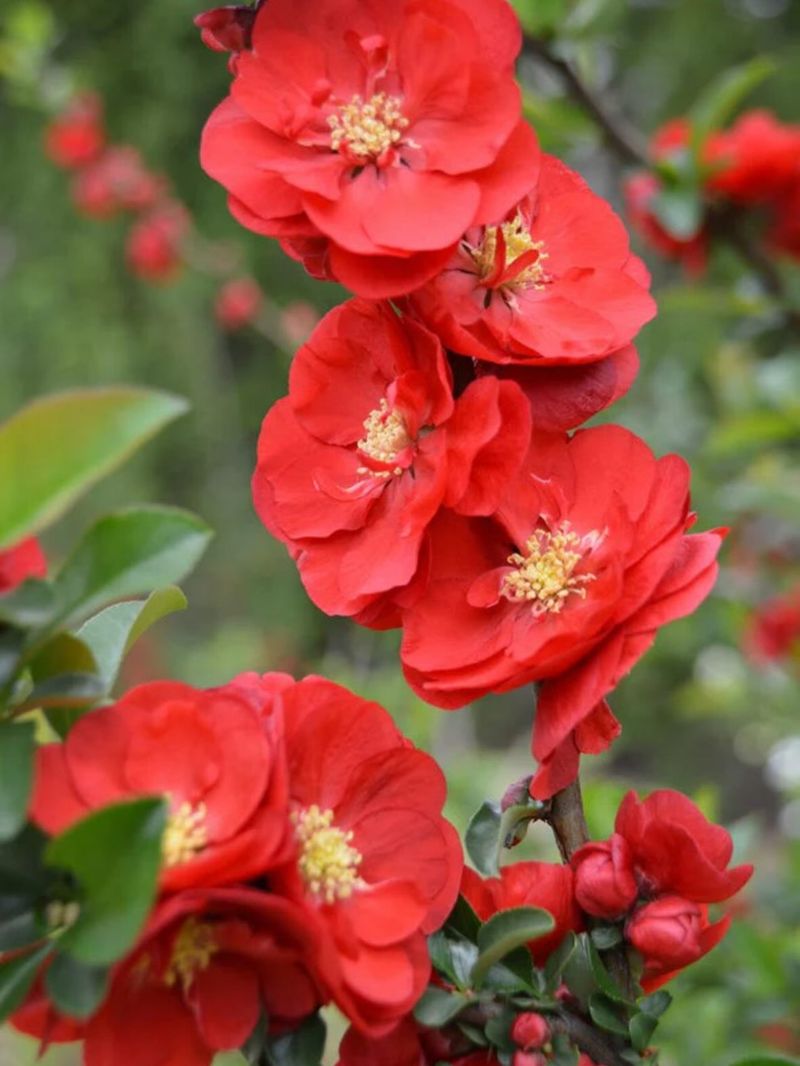
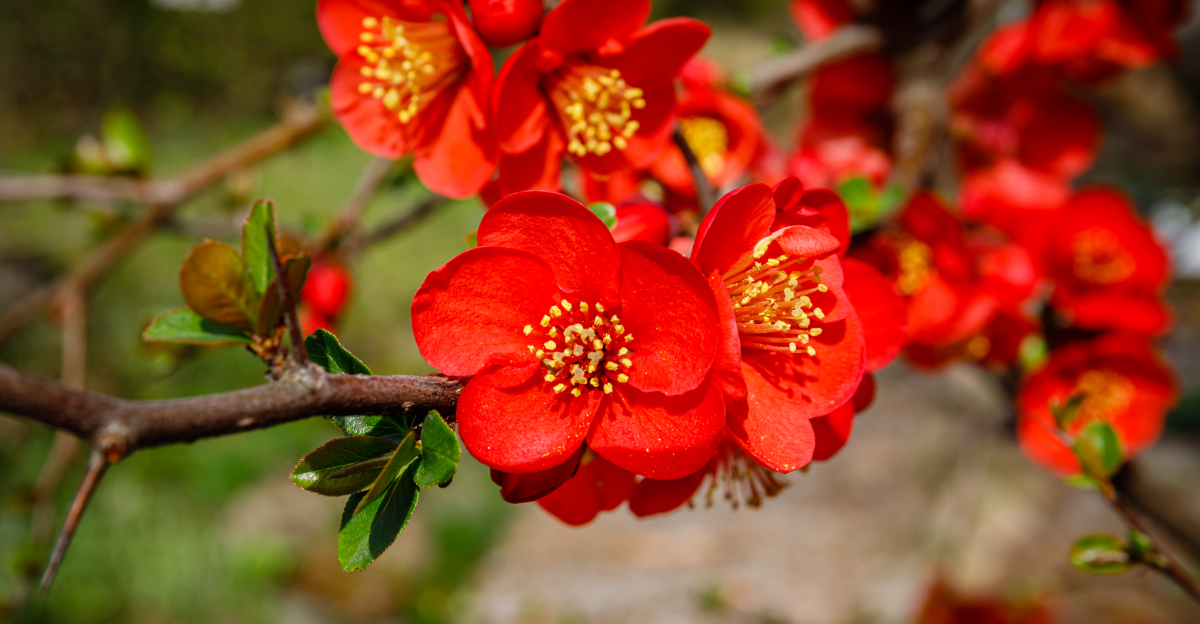
Japanese flowering quince is a tough, spiky shrub that delivers an impressive burst of color in early spring, often before most other plants have even woken up. The flowers range from deep red to coral, salmon, and white, and they appear directly on the bare branches before the leaves emerge.
It is a striking sight in Oregon gardens, especially against a backdrop of gray winter skies.
Because flowering quince blooms on old wood, pruning it before the flowers open will remove the buds that have been developing since late summer of the previous year.
Wait until flowering quince has finished blooming before doing any major pruning. In Oregon, this usually happens by late March or early April.
After blooming, you can remove crossing branches, dead wood, and any stems that are making the shrub look crowded or unruly. Wear thick gloves when pruning since the branches have sharp thorns that can cause a nasty scratch.
Light annual pruning keeps the plant productive and well-shaped without reducing its flowering potential. Flowering quince is very drought-tolerant once established, which makes it a practical and beautiful choice for Oregon gardeners looking for low-maintenance color early in the season.
8. Certain Hydrangeas
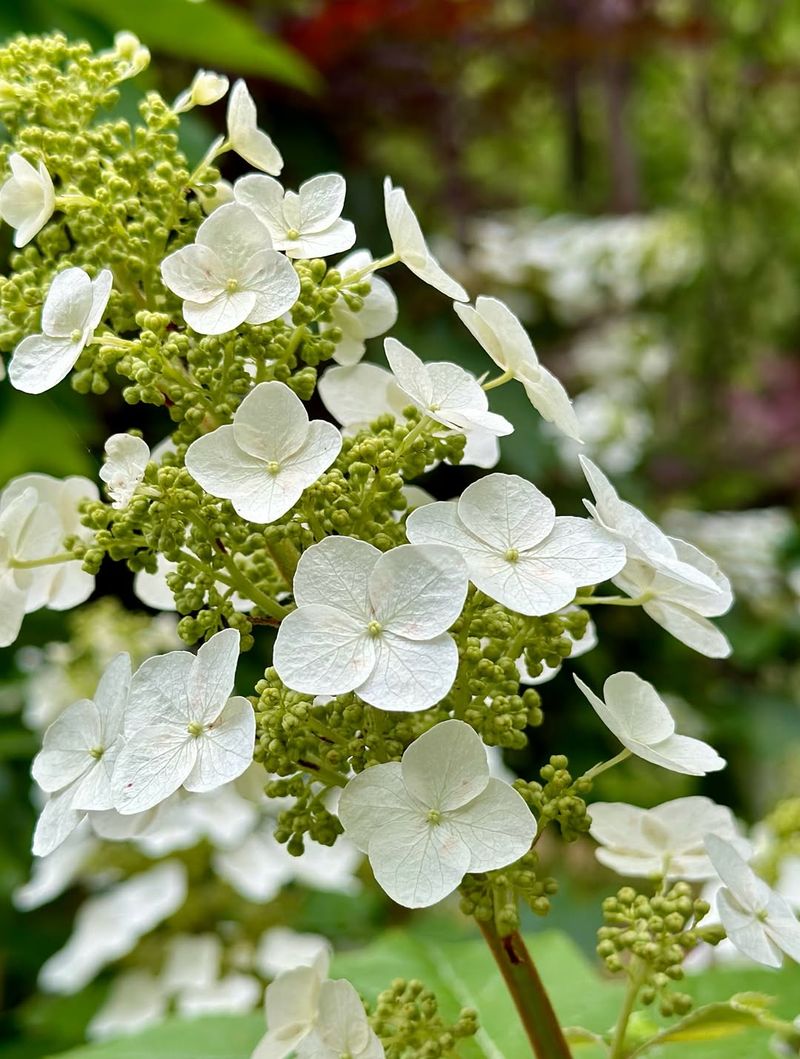
Not all hydrangeas are created equal when it comes to pruning rules, and getting them mixed up is one of the most common gardening mistakes in Oregon. Bigleaf hydrangeas, also called mopheads and lacecaps, along with oakleaf hydrangeas, both bloom on old wood.
That means the flower buds for the current season are already sitting on last year’s stems, just waiting for warm weather to arrive.
Prune these types in fall, winter, or early spring and you are likely removing every bud that would have opened into those beautiful blooms you were looking forward to all season.
Oregon gardeners should resist the urge to cut these hydrangeas back until after they have bloomed in summer. If you need to tidy them up in spring, only remove stems that are clearly damaged or fully dried out from winter.
Leave everything else alone. Bigleaf hydrangeas are especially sensitive to late frosts, which can be a concern in parts of Oregon, so protecting them with a light layer of mulch in winter helps preserve those buds.
Oakleaf hydrangeas are a bit tougher and also offer gorgeous fall foliage as a bonus. Both types reward patience with stunning, long-lasting blooms that make any Oregon garden feel like a true retreat.