9 Native Arizona Plants That Keep Thriving In Pots Without Much Water
Keeping plants alive in containers can be challenging in Arizona. Pots warm up quickly, soil dries faster than expected, and many plants struggle once the temperatures start climbing.
Still, some plants are naturally better suited for these conditions. Native Arizona species are adapted to strong sun, dry air, and long stretches with little water, which makes them surprisingly reliable in containers.
Instead of needing constant attention, the right choices can stay healthy and attractive with much less effort.
A few well-chosen native plants can bring texture, color, and life to a patio or balcony while handling the climate far better than many common container plants.
These are the kinds of plants that keep going even when watering is kept light.
1. Desert Zinnia Brightens Containers With Bold Desert Color
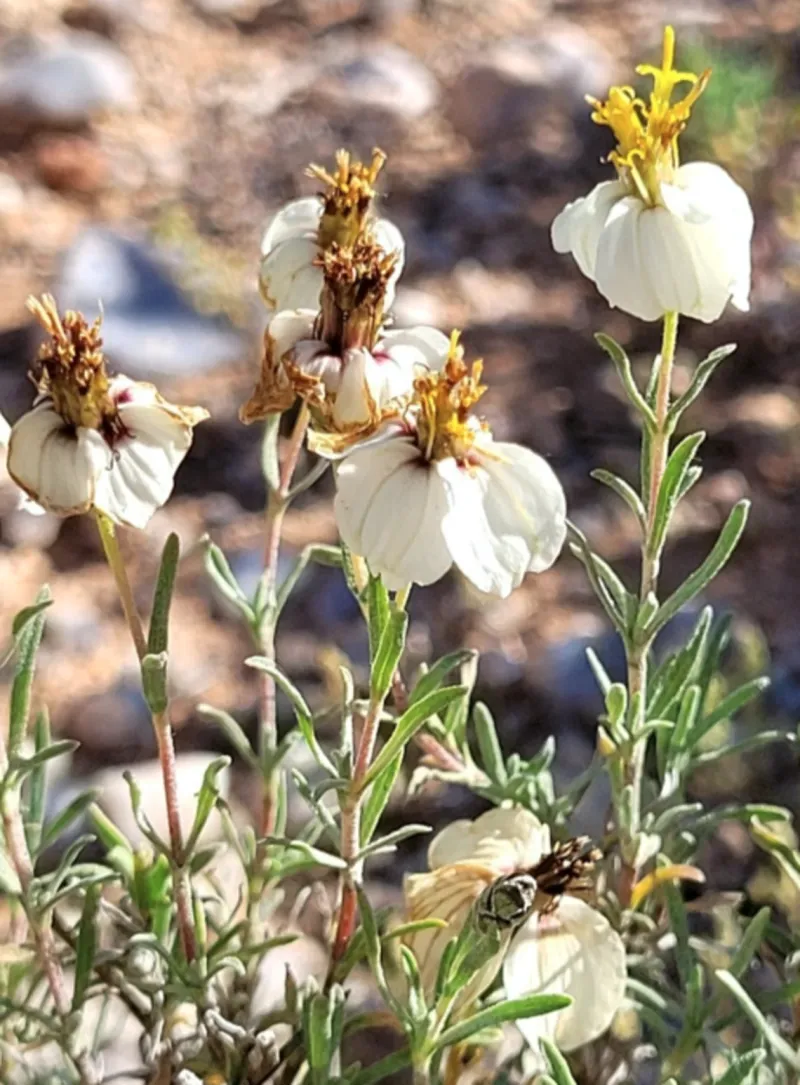
Few plants earn their spot in an Arizona container the way Desert Zinnia does. Covered in cheerful white petals with bold yellow centers, this tough little wildflower blooms from spring well into fall without asking for much in return.
It handles the brutal summer heat that bakes Phoenix patios like it was born for it — because honestly, it was.
Plant it in a 10- to 12-inch pot filled with sandy, fast-draining soil. Cactus mix works great straight out of the bag.
Water it once or twice a week during the hottest months, and pull back to every 10 days or so when temperatures cool down. It does not want soggy roots, so skip the saucer or use a pot with solid drainage holes.
Desert Zinnia stays compact, usually under a foot tall, which makes it ideal for grouped container arrangements. Pair it with Desert Globemallow or Blackfoot Daisy for a wildflower feel on your porch.
Bees and butterflies show up regularly, which is always a nice bonus. Deadheading spent flowers is optional but does encourage more blooms.
Trim it back lightly in late winter and it comes back stronger every spring.
2. Goodding’s Verbena Spreads Soft Purple Blooms Over Container Edges
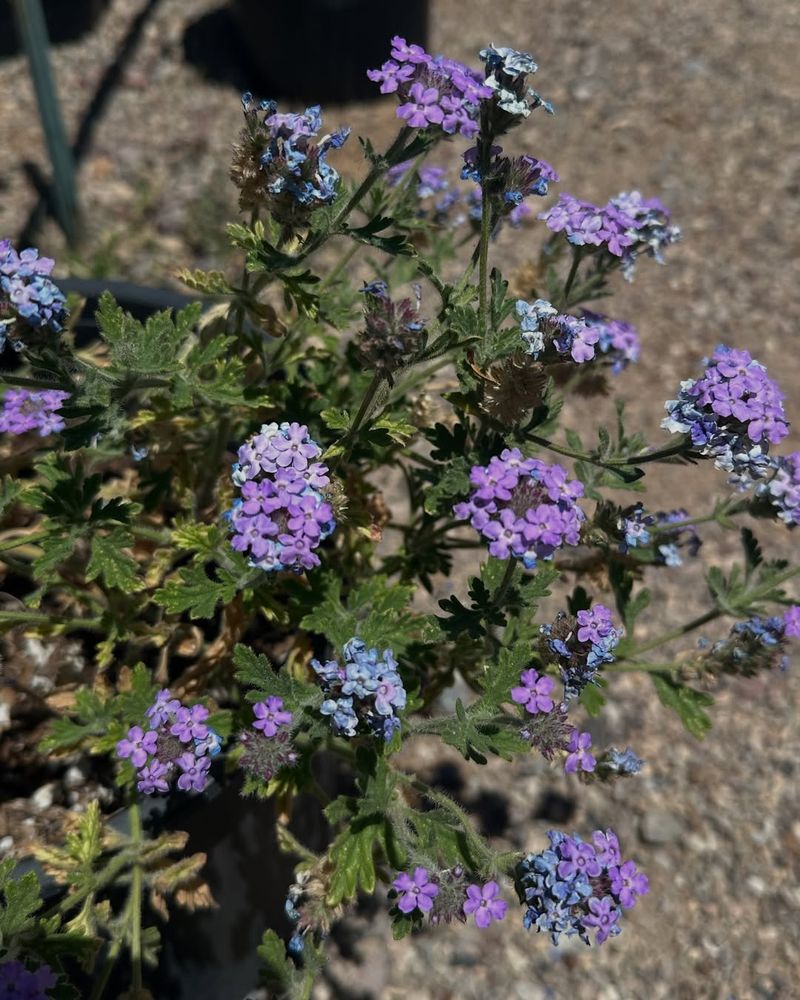
Purple flowers cascading over the rim of a pot — that is what Goodding’s Verbena brings to any Arizona patio setup. It has a relaxed, trailing habit that looks intentional even when you barely touch it.
Native to washes and rocky slopes across Arizona, it naturally grows in lean soil with rainfall that most garden plants would consider a drought emergency.
Put it in a 12-inch or larger container with well-draining soil and full sun exposure. Morning sun with a bit of afternoon shade in Tucson or Phoenix helps it stay looking fresh through the hottest stretch of summer.
Water deeply but infrequently — about once a week in summer, less as the season cools. Let the soil dry out between waterings, and avoid letting roots sit in wet mix.
Blooms appear from late winter through spring, with flushes returning in fall if monsoon moisture kicks in or you give it a bit of extra water. Pollinators absolutely swarm it when it is in full bloom.
Your Arizona Garden Changes Every Week. Your Plan Should Too.
Gardening in Arizona changes quickly throughout the season. Every Friday you’ll receive a simple weekly plan showing exactly what to plant, prune, fertilize, harvest, and protect so you never miss the right timing.
Trim back the long trailing stems after flowering to keep the plant tidy and encourage fresh growth. It is one of those plants that looks soft but handles Arizona conditions without complaint.
3. Trailing Dalea Creates A Silvery Spill Of Foliage In Dry Pots
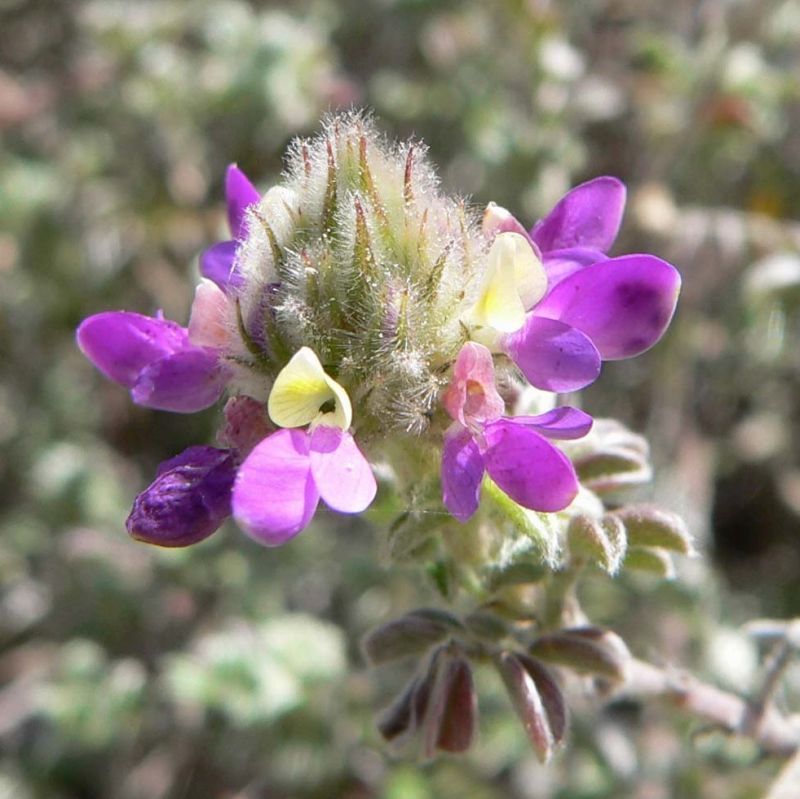
Not every container plant needs flowers to turn heads. Trailing Dalea earns its place through texture — silvery, fine-leaved stems that spill gracefully over pot edges and catch light in a way that looks almost metallic on a bright Arizona afternoon.
When it does bloom, small purple flowers dot the foliage and attract native bees by the dozen.
Grow it in a pot at least 12 inches wide and deep. Drainage is non-negotiable with this plant.
Use a gritty cactus mix and place the container where it gets six or more hours of direct sun. In Phoenix and other low-desert areas, it handles full sun exposure without flinching.
Water once a week during summer, then stretch that to every ten days or two weeks as temperatures drop in fall.
Trailing Dalea works beautifully as a spiller in mixed containers. Combine it with Desert Zinnia or Firecracker Penstemon for a layered, natural look.
Trim back long stems occasionally to keep growth full rather than stringy. It does not need fertilizer — feeding it too much actually pushes weak, floppy growth.
Just good drainage, plenty of sun, and minimal water is all this Arizona native truly needs to look its best all season.
4. Desert Sand Verbena Spreads Bright Magenta Flowers Across Dry Containers
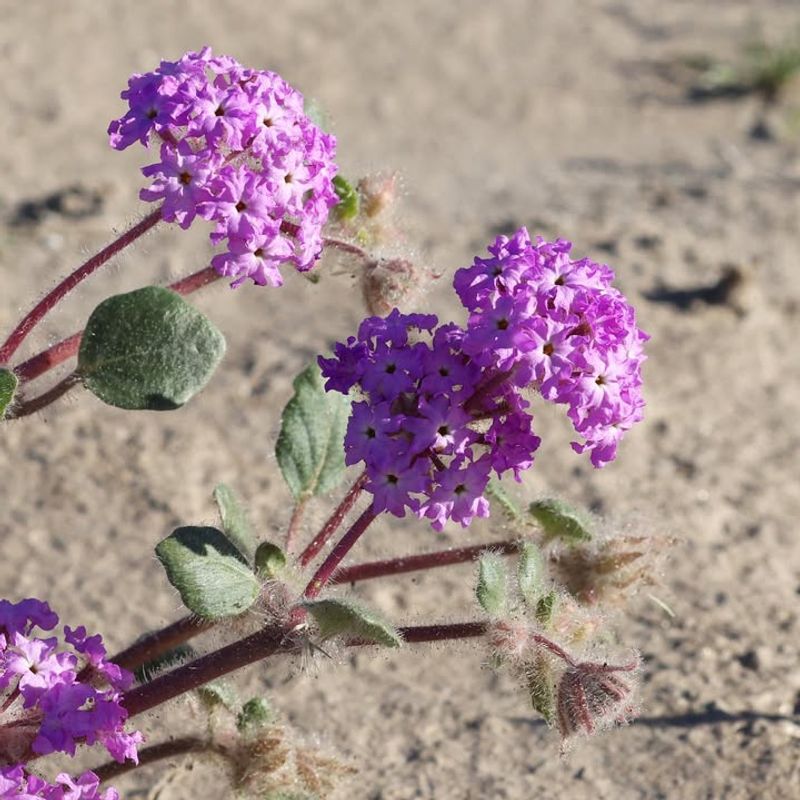
Desert Sand Verbena is one of those plants that immediately brings a wild desert feel to a container. Clusters of bright magenta flowers sit above soft, gray-green leaves, creating a burst of color that stands out beautifully against sandy soil and sun-warmed patios.
Native to desert regions of the Southwest, this plant naturally grows across open sandy ground where rainfall is scarce and the sun is intense.
In containers, Desert Sand Verbena works best in wide pots filled with very fast-draining soil. A sandy cactus mix is ideal.
The plant naturally spreads outward rather than growing tall, allowing stems to gently trail over the edges of a container and soften the look of a patio or balcony planting.
Full sun is important for strong flowering. Place the pot where it receives several hours of direct sunlight each day.
Because this plant evolved in dry desert conditions, it prefers light watering. During warm weather, watering once every five to seven days is usually enough as long as the soil drains quickly.
Desert Sand Verbena often blooms heavily in spring and can continue producing flowers when temperatures stay warm. The colorful flower clusters also attract bees and butterflies, bringing extra movement and life to outdoor container spaces.
With its drought tolerance, spreading habit, and vibrant desert color, Desert Sand Verbena makes a striking addition to containers designed for hot, sunny Arizona conditions.
5. Desert Marigold Keeps Blooming Through Heat And Dry Soil
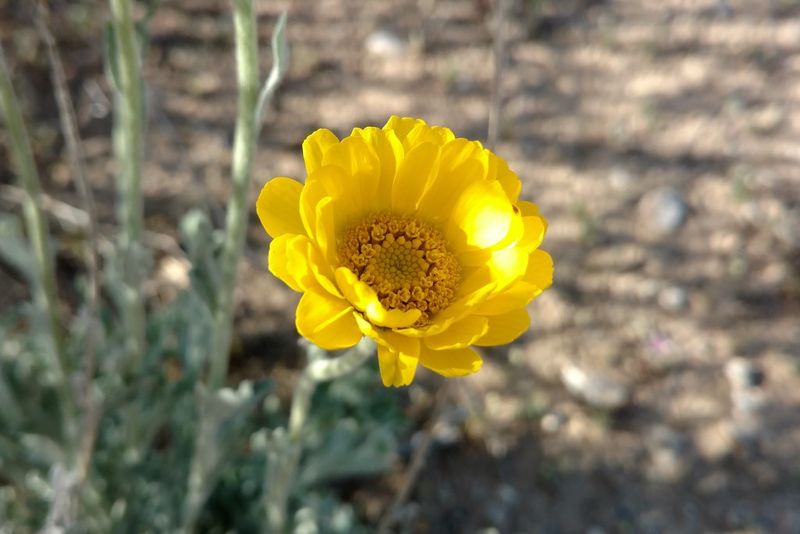
Walk past a Desert Marigold in full bloom and you will stop — those bright yellow flowers are almost shockingly vivid against dry, pale desert soil.
In containers, that same punch of color shows up reliably from late winter through fall, and sometimes right through winter in warmer parts of Arizona like the Sonoran Desert lowlands around Phoenix and Yuma.
Plant it in a 10- to 14-inch pot with fast-draining cactus or sandy mix. It prefers to stay on the dry side, so water it once a week in summer and cut back to every two weeks or less in cooler months.
Overhead watering that wets the woolly leaves can cause issues, so aim water at the base of the plant rather than the foliage when possible.
Deadhead spent blooms regularly and the plant keeps pushing out new flowers without slowing down. It stays compact enough for balcony containers but bold enough to anchor a larger patio arrangement.
Bees and butterflies visit constantly when it is blooming. Avoid heavy, moisture-retaining potting soil — it is one of the fastest ways to stress this plant.
Keep it lean, sunny, and slightly dry and it will reward you with color that lasts far longer than most annuals.
6. Parry’s Penstemon Brings Spring Color Even In Dry Containers
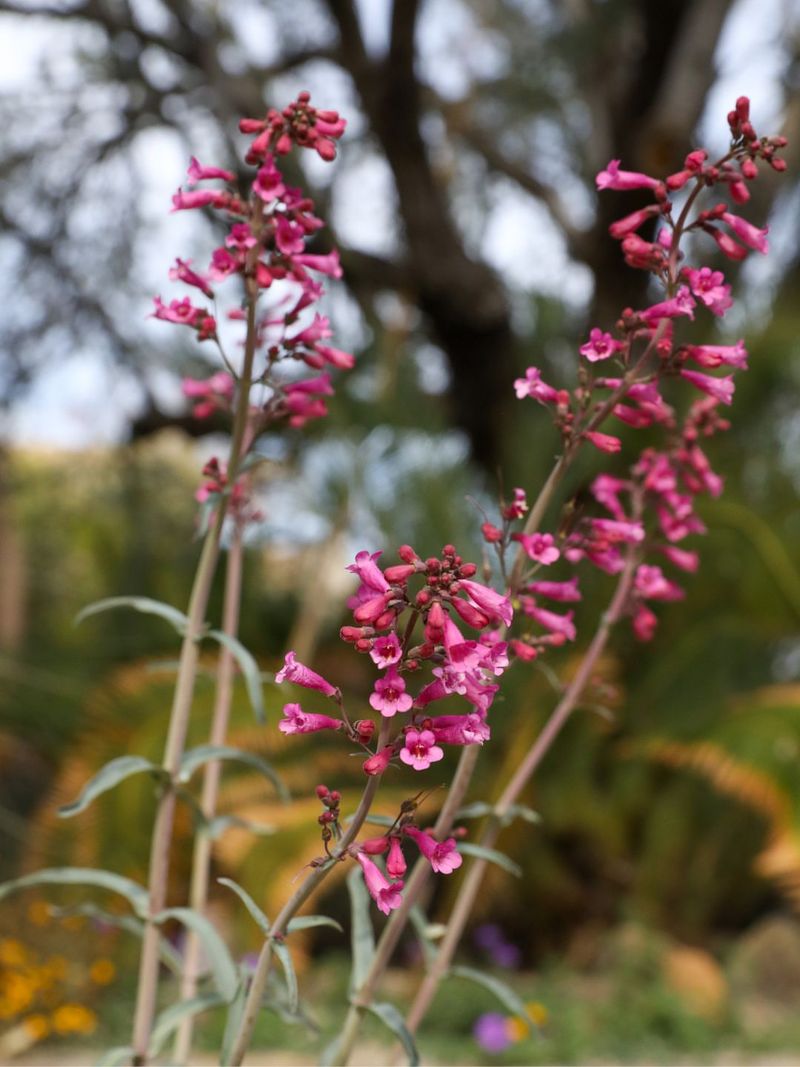
Spring in Arizona gets a serious upgrade when Parry’s Penstemon is in the picture. Tall, upright spikes covered in rosy-pink tubular flowers shoot up fast in March and April, drawing hummingbirds in from seemingly out of nowhere.
For a container plant, it puts on a show that rivals anything you would find at a garden center — and it costs far less water to maintain.
Use a deep container, at least 12 inches tall, to give the taproot room to develop. Well-draining soil is critical — soggy conditions are the main reason this plant struggles.
Water it weekly during its spring bloom period, then cut back significantly after flowering slows in early summer. It goes semi-dormant during the hottest months and does not need much at all during that stretch.
Parry’s Penstemon grows naturally across central and southern Arizona, so it is completely adapted to the region’s boom-and-bust moisture cycles. After the monsoon season kicks in, it often pushes a second flush of growth.
Trim the spent flower stalks down to the base once blooming finishes. New basal growth will appear and the plant will bulk up for next year.
Combine it with Desert Marigold or Blackfoot Daisy for a container that celebrates Arizona spring beautifully.
7. Firecracker Penstemon Adds Bright Tubular Blooms Hummingbirds Love
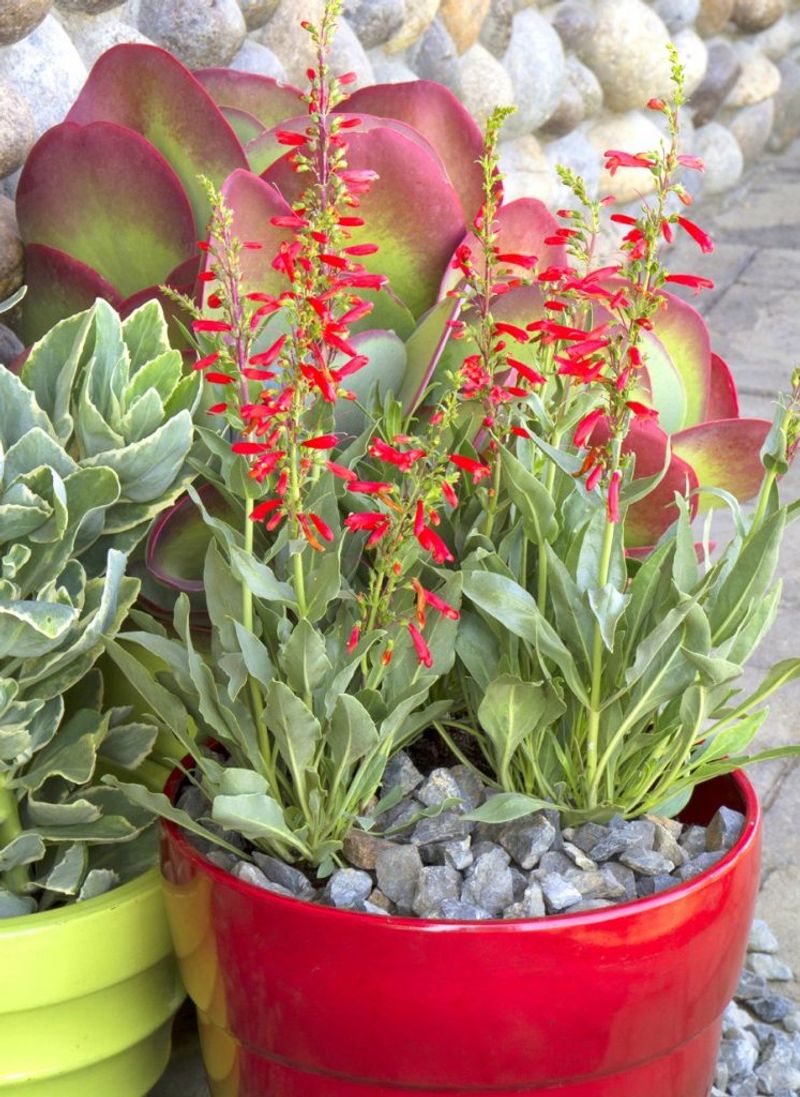
Red is not a color you see everywhere in the Arizona native plant world, which is exactly what makes Firecracker Penstemon so striking in a container.
Tall stems loaded with narrow, fire-engine-red tubes bloom from late winter into spring, and hummingbirds treat the whole display like a free buffet.
Put this on a patio in Tucson or Flagstaff and you will have winged visitors showing up daily.
Grow it in a pot that is at least 12 inches deep and wide. Sandy, gritty soil with excellent drainage is a must — roots sitting in wet mix will cause problems fast.
Full sun works best, though it handles light afternoon shade in lower desert elevations. Water once a week while actively blooming, then ease off as temperatures climb and flowering slows.
Firecracker Penstemon handles cold better than many Arizona natives, making it especially useful in higher elevation gardens around Prescott or the White Mountains where container options can feel limited.
After blooming wraps up in late spring, cut the stalks back to the base.
The plant will rest through summer and come back with new growth in fall. It is not flashy all year, but when it blooms, nothing else on the patio competes with it.
8. Blackfoot Daisy Keeps Blooming With Very Little Water
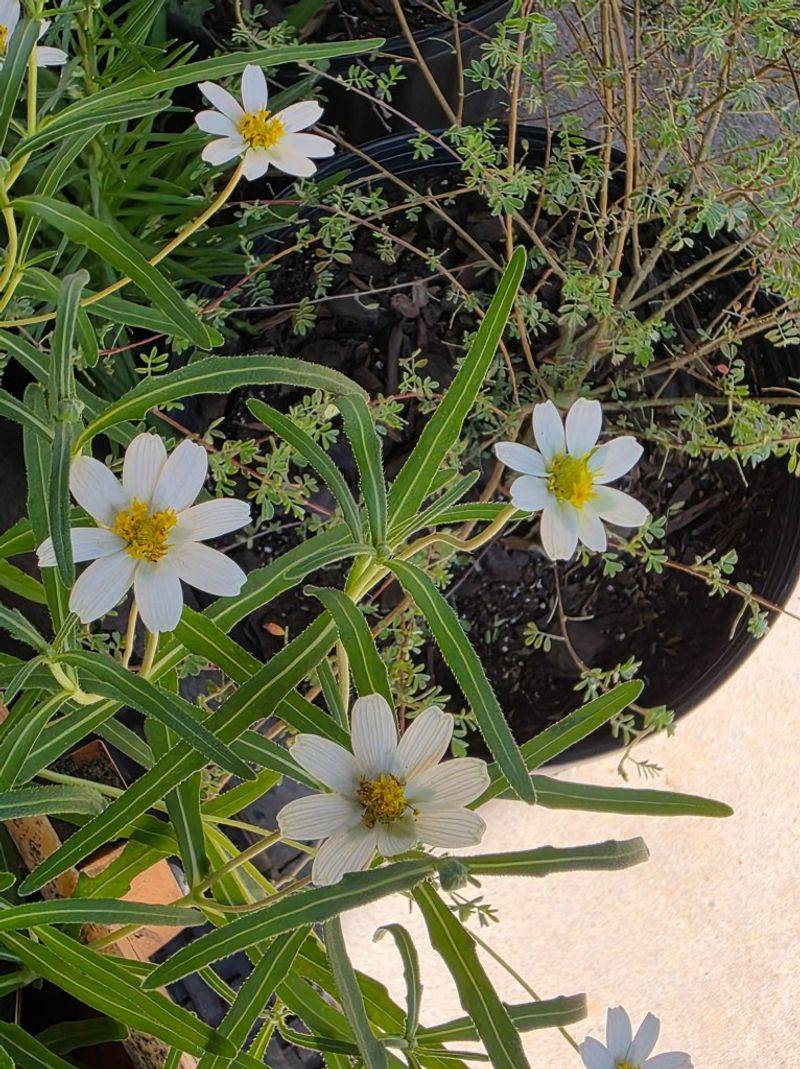
Blackfoot Daisy is one of those plants that makes you look like a skilled gardener even when you forget to water it for two weeks.
White petals surrounding a golden center, blooming from March through November — sometimes longer in warmer Arizona valleys — and all it really asks for is sunshine and soil that drains well.
That is a reasonable trade by any measure.
Plant it in a 10- to 14-inch container with cactus mix or a sandy blend. Water when the top two inches of soil feel completely dry, which in summer usually means twice a week and in cooler months about once a week.
Skip the fertilizer — too much nutrition pushes leafy growth at the expense of flowers. Lean soil keeps it blooming rather than just growing.
It stays compact, rarely exceeding 12 inches in height, which makes it easy to tuck into grouped arrangements on a patio or balcony. Pair it with Trailing Dalea for a silvery-and-white combination that looks intentional and polished.
Trim spent flowers every couple of weeks and the plant stays tidy and productive. Blackfoot Daisy is genuinely one of the most reliable container natives for Arizona gardeners who want season-long color without the fuss.
9. Desert Globemallow Thrives In Sunny Pots With Minimal Care
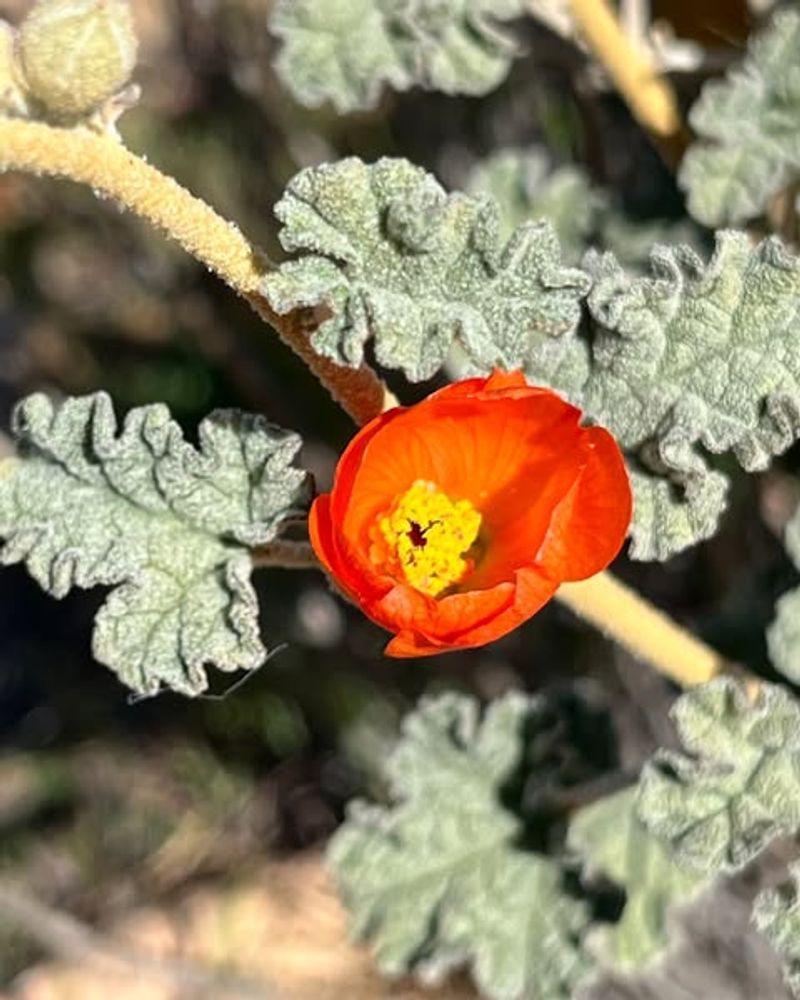
Orange is not a common color in most container gardens, which is exactly why Desert Globemallow stands out.
Clusters of small, cup-shaped flowers in shades ranging from soft apricot to deep burnt orange cover this plant from late winter through spring, and monsoon rains often trigger a second flowering in late summer.
It is native to rocky slopes and dry washes across Arizona, so container life in full sun suits it perfectly.
Use a pot at least 14 to 18 inches in diameter to give it room. It grows 24 to 36 inches tall and wide, so it benefits from a larger container that keeps it anchored and stable.
Fast-draining cactus mix is the right soil choice. Water moderately during its active spring growth, then pull back significantly as summer heat peaks.
Monsoon humidity often carries it through August without supplemental watering.
Trim it back hard — by about half — after the main spring bloom finishes. New growth comes in quickly and the plant looks tidy rather than woody and overgrown.
Bees swarm the flowers constantly during peak bloom. Avoid pots without drainage holes, as sitting water at the root zone is the one condition this Arizona native truly cannot tolerate.