10 Plants That Thrive In North Carolina Gardens Without Extra Watering
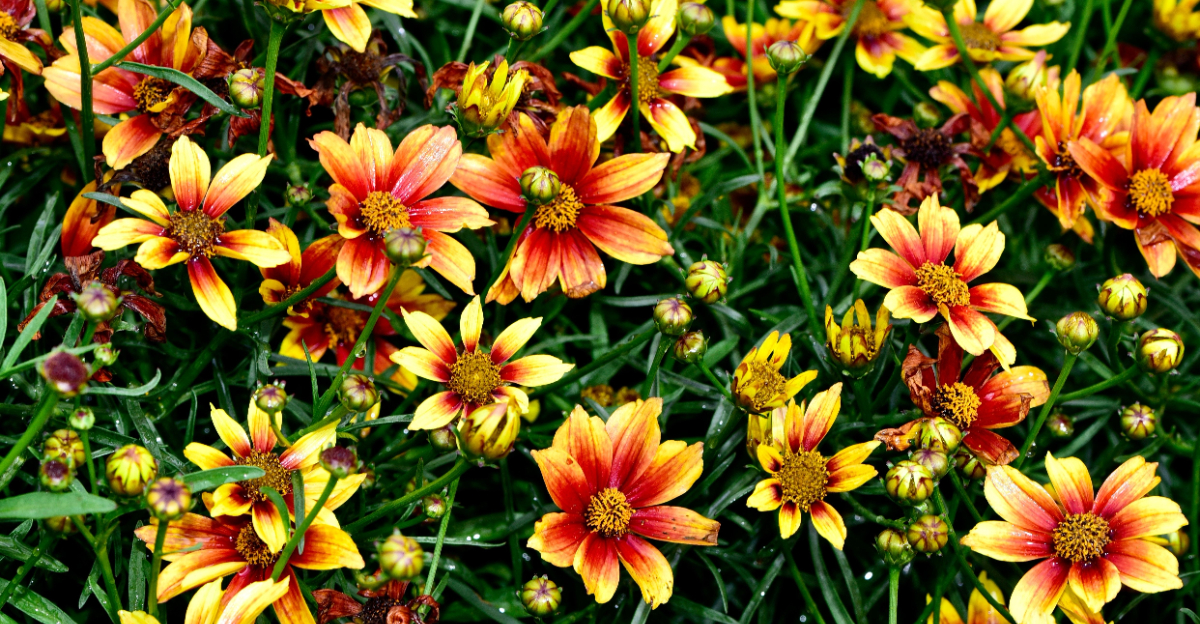
Hot summers in North Carolina can quickly turn garden care into a daily routine of hauling hoses and checking dry soil.
When temperatures climb across the Piedmont, Coastal Plain, and Mountain regions, many plants begin to struggle, leaving gardeners worried about heat stress and damaged foliage.
Keeping everything watered can start to feel like a full-time job. The good news is that some plants are built to handle North Carolina’s intense summer conditions with far less attention.
These resilient choices tolerate heat, short dry spells, and strong sun while still bringing color and structure to the landscape.
Instead of constantly reaching for the watering can, gardeners can rely on plants that stay strong even when the weather turns harsh.
If you want a yard that still looks vibrant during the hottest months, these ten tough plants are among the most reliable choices for North Carolina gardens.
1. Purple Coneflower
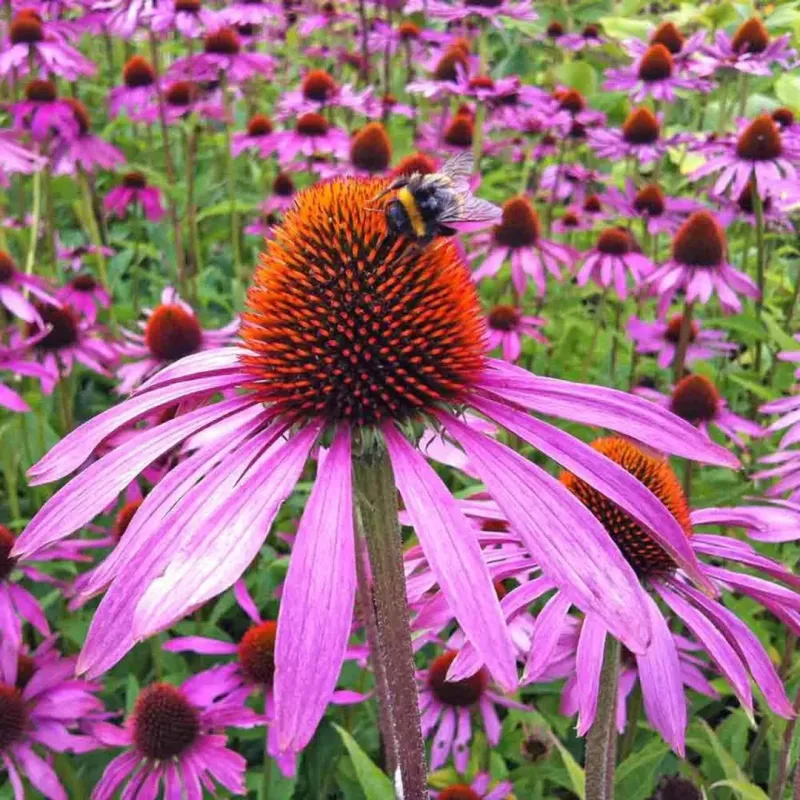
Few plants earn their spot in a North Carolina garden quite like the Purple Coneflower.
Known scientifically as Echinacea purpurea, this native perennial produces bold, rosy-purple petals surrounding a raised, spiky orange cone that practically glows in the summer sun.
Once established, it handles dry spells with impressive ease, making it a dream plant for low-maintenance landscaping.
Purple Coneflower roots grow deep into the soil, which helps the plant pull moisture even during periods without rain.
It thrives in sandy or loamy soils, which are common throughout much of North Carolina, and actually prefers those conditions over rich, heavily amended beds. Overwatering can harm it more than drought ever would.
Pollinators absolutely love this plant. Bees, butterflies, and even goldfinches flock to it throughout the summer and into fall, making your NC garden feel alive and buzzing with activity.
Planting it in full sun gives you the best blooms, though it tolerates a bit of afternoon shade just fine.
Cut back spent flowers to encourage a second round of blooms, or leave the seed heads standing through winter to feed local birds and add structure to your garden during the colder months. It is a plant that rewards you every single season.
2. Black-Eyed Susan
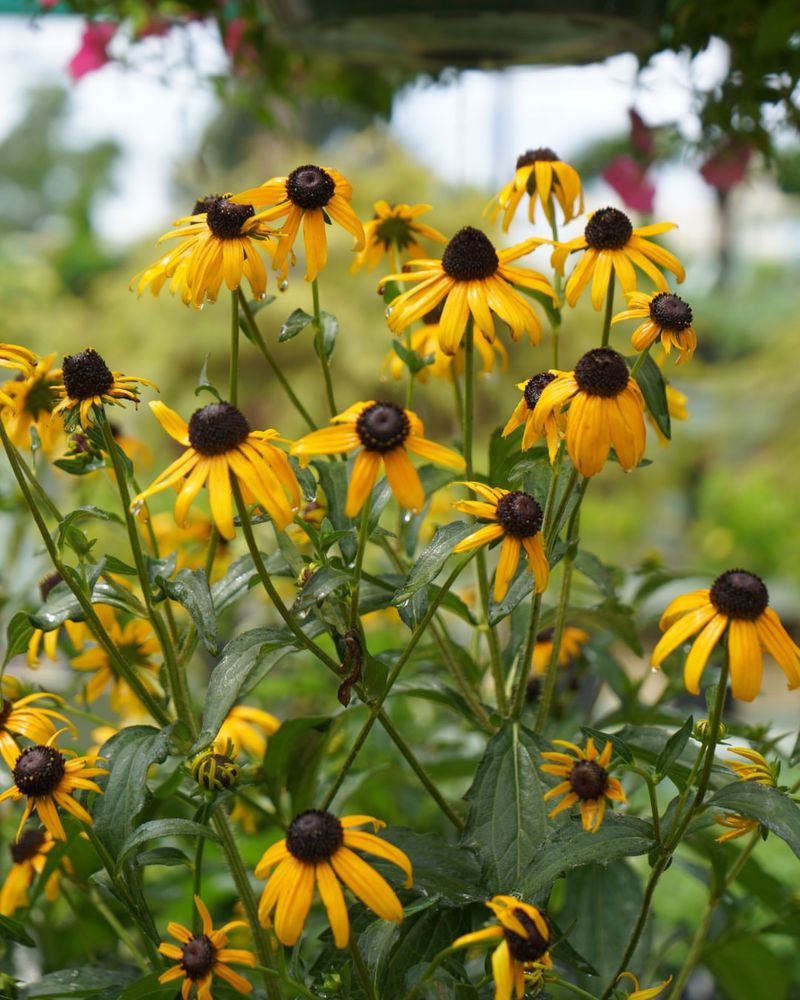
There is something undeniably cheerful about a field of Black-Eyed Susans lighting up a garden bed in the middle of a blazing North Carolina summer.
Rudbeckia hirta, as botanists call it, produces sunshine-yellow petals around a deep, chocolatey brown center that seems to smile right at you.
This native wildflower is one of the most reliable drought-tolerant plants you can grow across NC landscapes.
Black-Eyed Susans love full sun and actually perform better in dry, well-drained soil than in rich, moist garden beds.
Once established, usually by the end of their first growing season, they require almost no supplemental irrigation at all.
They bloom from early summer well into fall, giving you months of color without much effort on your part.
One of the best things about this plant is how naturally it fits into NC gardens, from the coastal plains near Wilmington all the way to the rolling hills of the Piedmont.
Your North Carolina Garden Changes Every Week. Your Plan Should Too.
Gardening in North Carolina changes quickly throughout the season. Every Friday you’ll receive a simple weekly plan showing exactly what to plant, prune, fertilize, harvest, and protect so you never miss the right timing.
It reseeds itself freely, so you may find new plants popping up nearby each spring, which is a welcome surprise for most gardeners.
Pollinators like bees, butterflies, and native wasps visit the blooms constantly. Pair Black-Eyed Susans with Purple Coneflower or ornamental grasses for a low-water garden combination that looks wild, beautiful, and completely intentional all at once.
3. Butterfly Weed
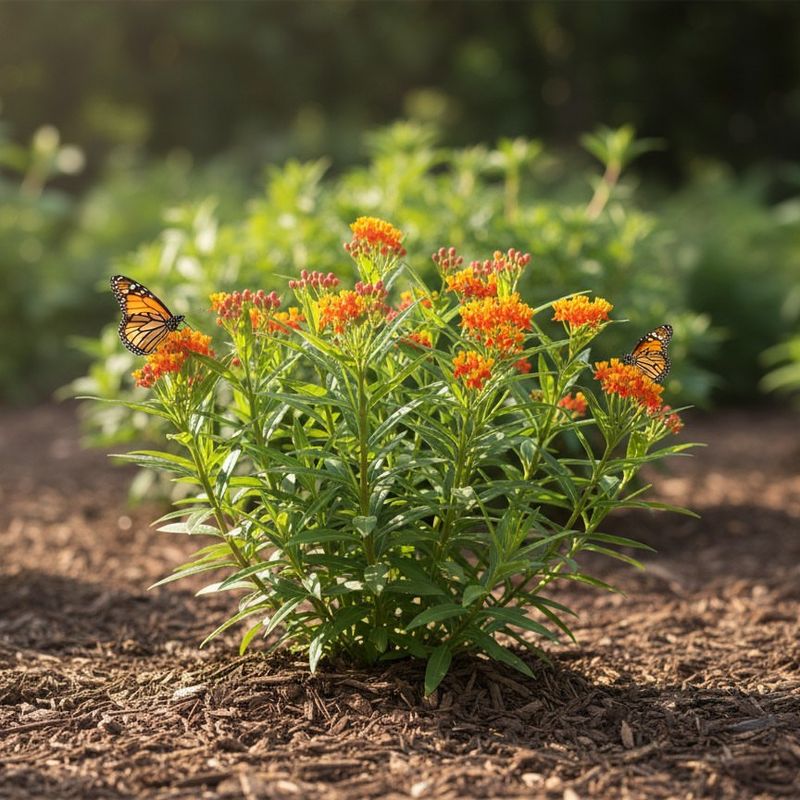
Butterfly Weed might have an ordinary name, but there is nothing ordinary about what it does in a North Carolina garden.
Asclepias tuberosa bursts into clusters of vivid orange blooms from late spring through midsummer, and the color is so intense it almost looks like something is glowing among your garden beds.
Monarch butterflies, swallowtails, and native bees treat it like a favorite restaurant, visiting again and again throughout the season.
This native milkweed is built for tough conditions. It thrives in well-drained, even rocky or sandy soils, which are plentiful across many parts of NC, and it strongly dislikes soggy ground.
After its first full growing season in the ground, Butterfly Weed becomes remarkably self-sufficient, needing little to no extra watering even during dry summer stretches.
The deep taproot it develops is the secret to its drought resilience. One thing to keep in mind is that Butterfly Weed is slow to emerge in spring, so mark its location in the garden so you do not accidentally disturb it.
Plant it in a full-sun spot with good drainage and step back, because this plant handles the rest on its own.
Beyond its ecological value as a monarch host plant, it also produces attractive seed pods in fall that split open to release silky, wind-carried seeds. Truly a plant that keeps on giving throughout the entire year in North Carolina.
4. Daylilies
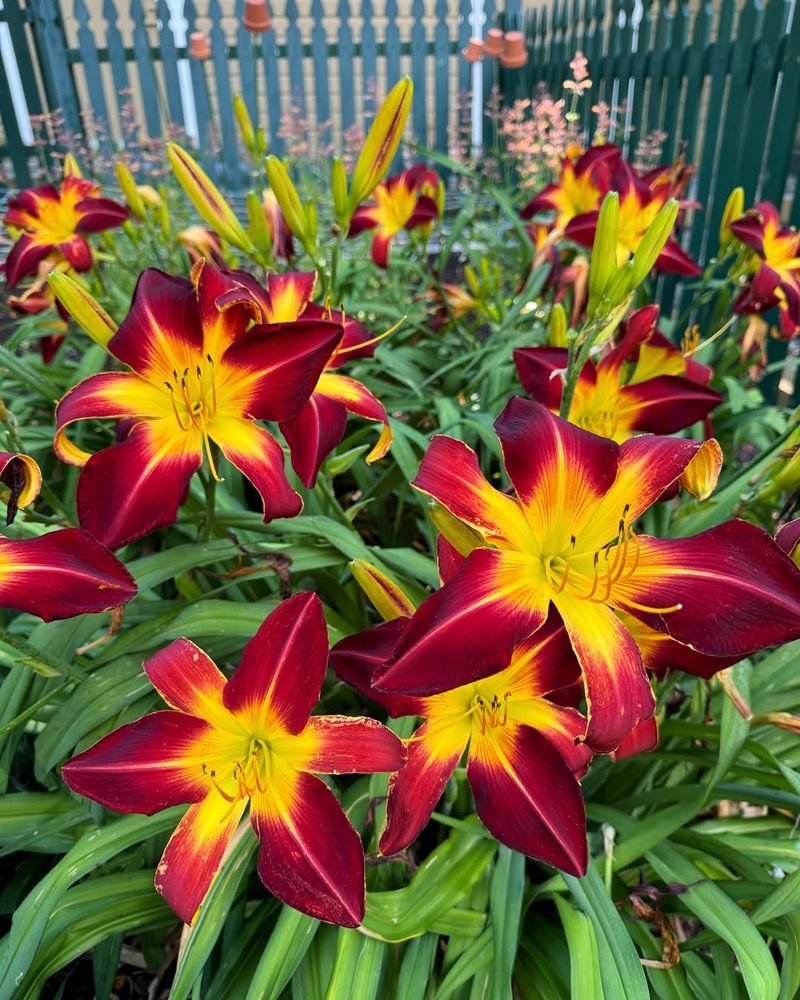
Daylilies are the kind of plant that makes you feel like a gardening expert without doing much at all.
Hemerocallis varieties come in an almost endless range of colors, from soft peach and buttery yellow to deep burgundy and vivid orange, and they thrive across North Carolina’s warm, humid climate with surprisingly little fuss.
Each flower lasts only one day, but a single plant produces dozens of buds, so the show goes on for weeks.
What makes daylilies especially impressive is their toughness. They handle NC heat and humidity well, bounce back from occasional drought, and even tolerate brief periods of flooding without skipping a beat.
Once established in your garden, they need only occasional deep watering during extended dry spells, and in many NC landscapes they survive on rainfall alone throughout a normal growing season.
Daylilies spread gradually over time, forming lush clumps that fill in garden borders beautifully.
Every three to four years, you can divide those clumps and replant the sections to multiply your collection or share with neighbors.
They grow well in full sun to partial shade, which gives you flexibility in placing them around your yard.
For NC gardeners who want dependable seasonal color without constant maintenance, daylilies are practically unbeatable.
Plant them once, and they will reward you with blooms summer after summer without asking for much in return.
5. Lantana
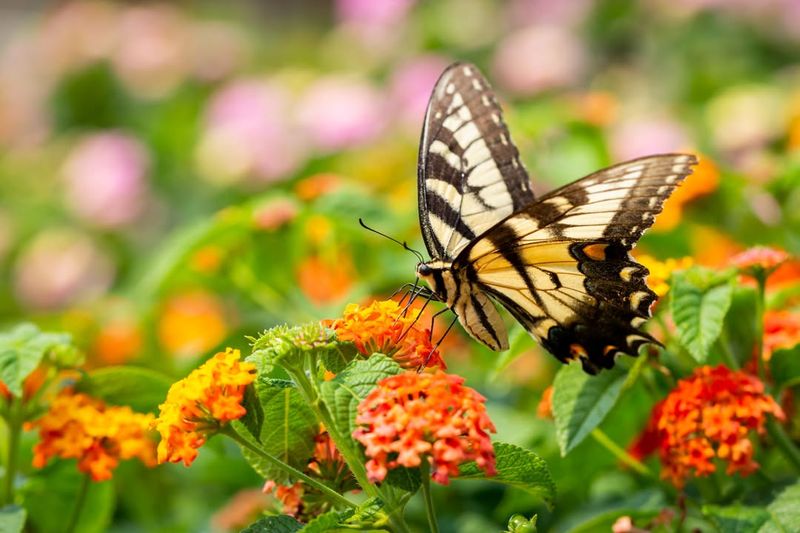
If you want a plant that practically thrives on neglect during a North Carolina summer, Lantana is your answer.
Lantana camara produces clusters of tiny, jewel-toned flowers in combinations of red, orange, yellow, pink, and purple, all at the same time, creating a kaleidoscope of color that lasts from late spring until the first frost.
It is one of the most heat-tolerant flowering plants you can add to an NC garden. Lantana performs best in full sun and well-drained soil, and it actually blooms more vigorously when conditions are warm and a little dry.
Overwatering or planting it in soggy ground quickly leads to problems, so this is a plant that truly prefers to be left alone between waterings.
Once established, it rarely needs supplemental irrigation, even during the hottest weeks of a North Carolina summer.
Butterflies are absolutely wild about Lantana, and hummingbirds visit it regularly too, making it a fantastic choice for any pollinator-friendly garden in NC.
It grows quickly, filling containers, borders, and garden beds with lush, fragrant foliage and nonstop blooms.
In the warmer coastal regions of North Carolina, Lantana may even return as a perennial from year to year.
In cooler inland areas, treat it as a reliable annual that gives you massive color payoff for very little investment of time or water all season long.
6. Ornamental Grasses
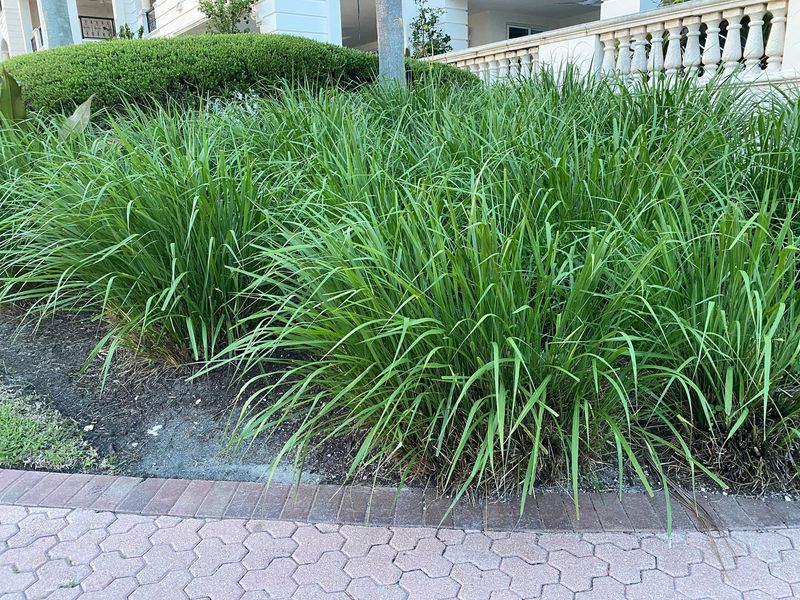
Ornamental grasses bring a kind of effortless elegance to a North Carolina garden that few other plants can match.
Little Bluestem, or Schizachyrium scoparium, is one of the best native grasses for NC landscapes because it is incredibly drought-tolerant, strikingly beautiful through multiple seasons, and requires almost zero maintenance once it gets established in your garden bed.
During the growing season, Little Bluestem displays steel-blue to blue-green blades that catch the breeze and add graceful movement to any planting.
As temperatures cool in fall, those blades transform into warm shades of copper, rust, and burgundy, giving your NC garden a rich, textured look even after summer flowers have finished their show.
The plant thrives in poor, dry soils and actually performs better without fertilizer or excessive water, which makes it ideal for low-input gardening.
Little Bluestem also provides real ecological value, supporting over twenty species of butterflies and moths as a host plant throughout its range.
Birds visit in winter to feed on the seeds, so leaving the clumps standing through the cold months benefits local wildlife and adds structure to your garden when most other plants have gone quiet.
Plant it in full sun with good drainage, and watch it grow stronger and more beautiful each year.
For NC gardeners looking to reduce water use while adding year-round interest, ornamental grasses like Little Bluestem are a genuinely smart and rewarding choice.
7. Sedum
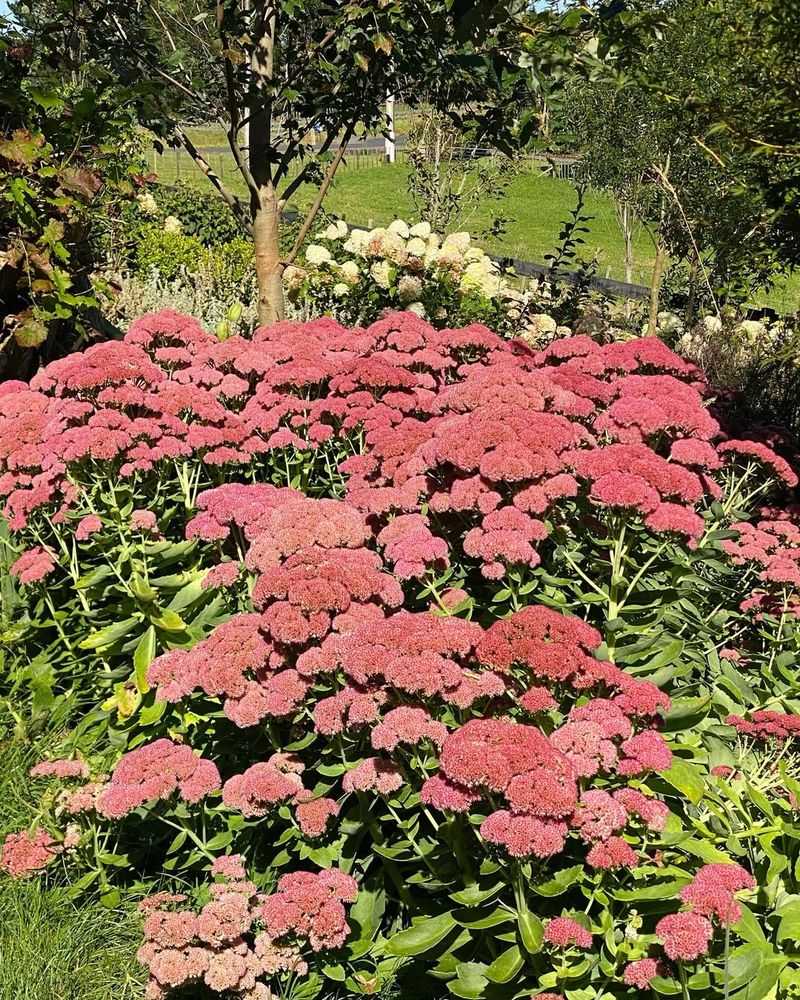
Sedum is the kind of plant that makes you wonder why you ever stressed about watering at all.
These tough succulents store water right inside their thick, fleshy leaves, which means they can coast through dry spells that would leave other plants struggling.
Many hardy sedum varieties grow beautifully across North Carolina, thriving in full sun and well-drained soil with little supplemental irrigation required after the first season.
Upright varieties like Sedum spectabile, sometimes called Autumn Joy, grow into rounded mounds that produce large, flat-topped flower clusters in shades of pink and rose from late summer into fall.
Low-growing sedums spread along the ground and work perfectly as weed-suppressing ground covers in sunny spots where little else wants to grow.
Both types handle NC heat and dry conditions with remarkable ease, and they rarely need anything from you beyond an occasional trim.
One of the most appealing things about sedum is how well it fits into rock gardens, slopes, and garden borders where other plants might struggle with poor drainage or reflected heat from walls and pavement.
Butterflies and bees visit the blooms steadily during the late-season flowering period, making sedum a valuable late-summer pollinator plant for NC gardens.
Plant sedum in a sunny, well-drained spot and forget about it, because this low-maintenance gem will keep coming back stronger and fuller every single year without asking much from you.
8. Rosemary
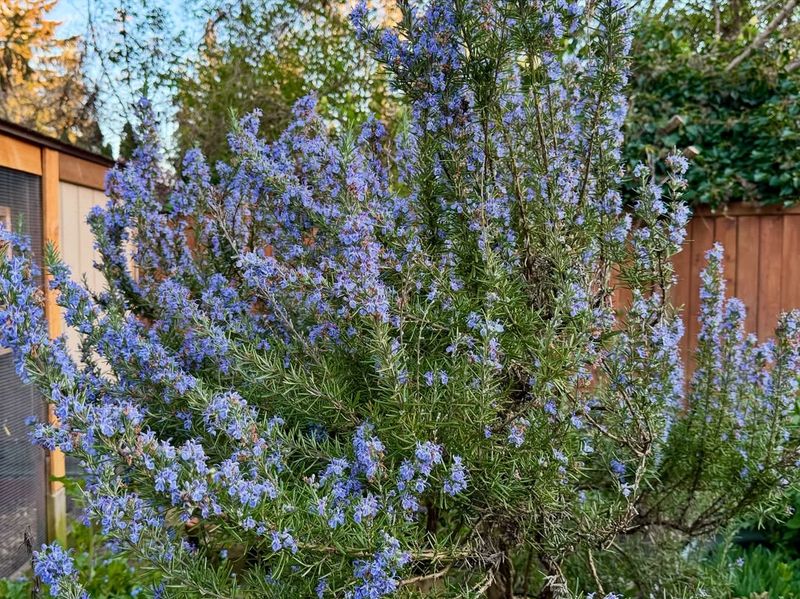
Rosemary is so much more than a kitchen herb. In North Carolina gardens, Rosmarinus officinalis grows into a handsome, fragrant shrub that handles heat, sandy soils, and long dry stretches without complaint.
The silvery-green, needle-like foliage releases a wonderful aromatic scent whenever you brush against it, and in late winter to early spring, the plant covers itself in small blue-purple flowers that bees absolutely cannot resist.
North Carolina’s climate suits Rosemary remarkably well, particularly in the Piedmont and coastal regions where winters are relatively mild and summers are long and hot.
Once established in a sunny, well-drained spot, Rosemary rarely needs supplemental watering at all.
It actually prefers lean, slightly dry conditions and can suffer root problems in heavy clay soil or areas where water pools after rain.
For best results, plant Rosemary in a raised bed or a spot with excellent drainage and full sun exposure for at least six to eight hours daily.
It grows upright or trailing depending on the variety, so you can use it as a low hedge, a container plant, or a fragrant edging along a garden path.
Beyond its beauty and drought tolerance, the culinary benefit is a bonus that keeps on giving throughout the year.
Snip sprigs for cooking whenever you need them, and the plant will keep growing thicker and more productive with every passing season in your NC garden.
9. Yarrow
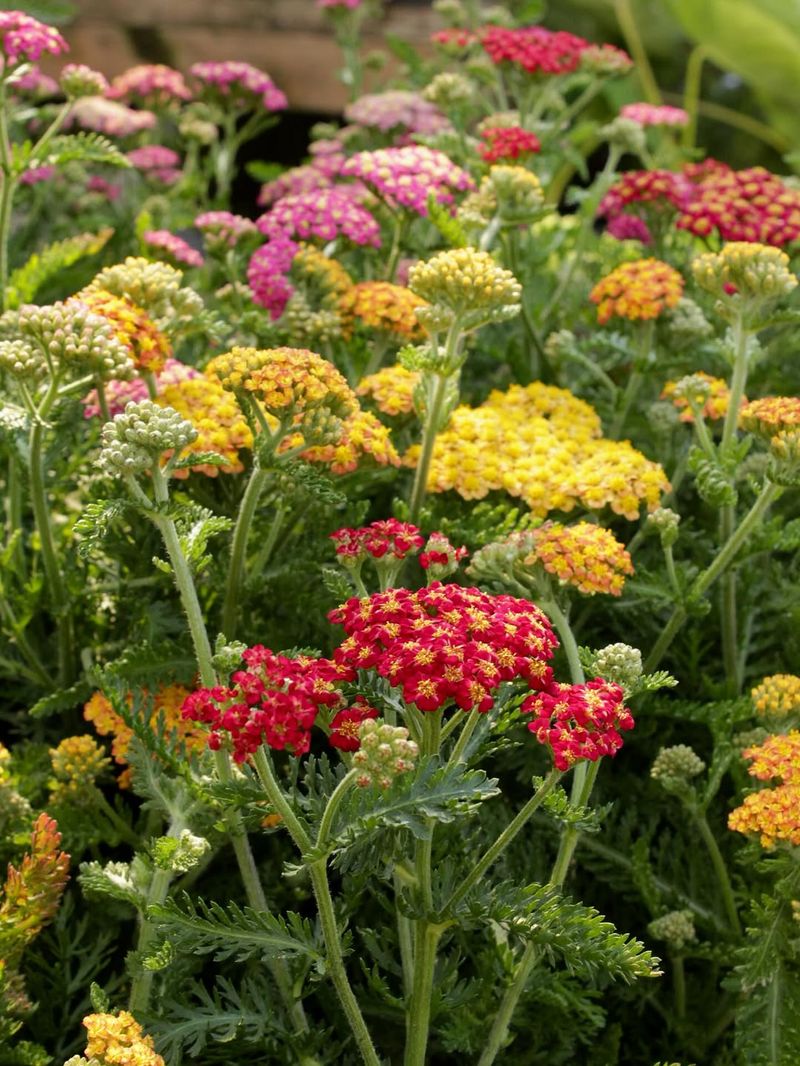
Yarrow has been growing wild in meadows and roadsides for centuries, and that toughness translates perfectly into a North Carolina garden setting.
Achillea millefolium produces flat-topped clusters of tiny flowers in shades of yellow, white, pink, and red, held above feathery, aromatic foliage that looks attractive even when the plant is not in bloom.
It is one of the most dependably drought-tolerant perennials you can plant across NC landscapes. Hot, dry summers are no problem for Yarrow at all.
The plant thrives in full sun and lean, well-drained soil, and it actually tends to flop and look a bit scraggly if given too much water or fertilizer.
In North Carolina’s warm climate, established Yarrow plants survive on natural rainfall through most of the growing season, making them a great choice for water-conscious gardeners who want beauty without the irrigation bills.
Yarrow spreads gradually by rhizomes underground, filling in bare spots in sunny beds over time. You can divide clumps every few years to keep the plant tidy and share divisions with friends or neighbors.
Pollinators, especially native bees and beneficial wasps, visit the flat flower clusters constantly from early summer through midsummer.
The cut flowers also dry beautifully, so you can bring some of that NC garden beauty indoors and enjoy it well beyond the growing season. Yarrow is simply a smart, versatile, and rewarding plant for any low-water garden.
10. Coreopsis
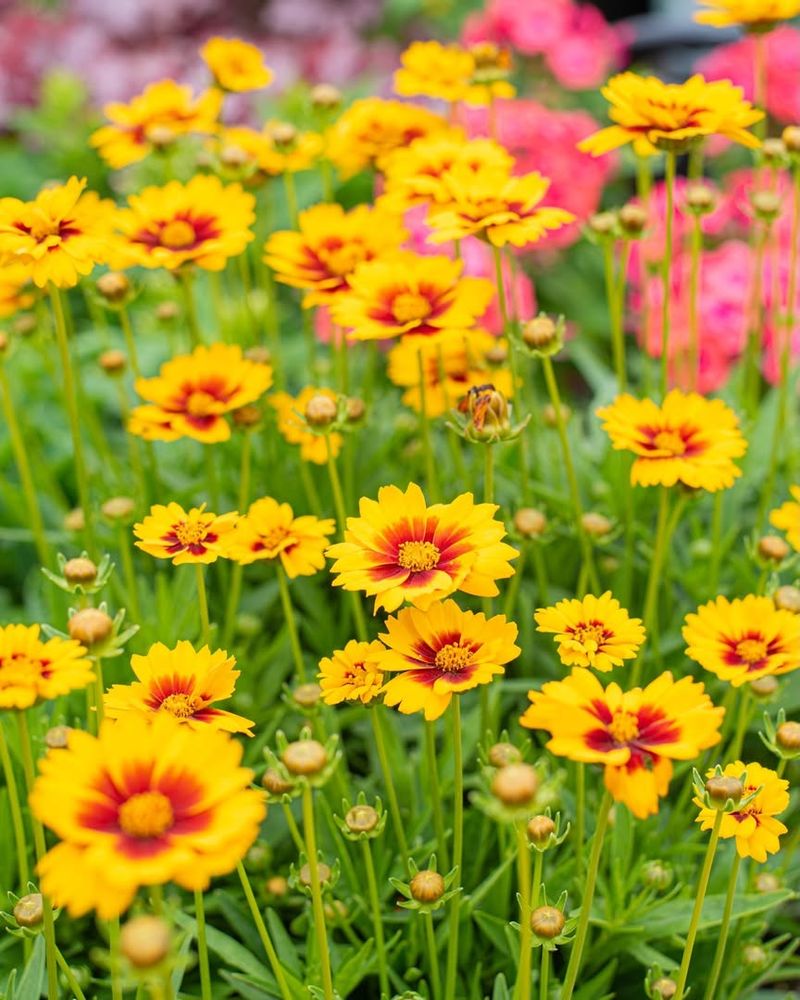
Coreopsis is one of those plants that looks like it belongs on a postcard from a North Carolina wildflower meadow, but it grows just as happily in a backyard garden bed.
Coreopsis lanceolata, commonly called lance-leaved tickseed, produces cheerful, bright yellow daisy-like flowers from late spring through midsummer, and with a quick deadheading session it often blooms again later in the season.
Few plants deliver this much color with this little effort. As a native perennial, Coreopsis is perfectly adapted to NC conditions, including the region’s often hot, dry summers and variable rainfall patterns.
It thrives in full sun and performs best in dry to average, well-drained soils rather than rich, heavily watered garden beds.
Once established after its first growing season, it handles drought with ease and rarely needs any supplemental irrigation beyond what the sky provides.
Coreopsis works beautifully at the front of a sunny border, along garden paths, or scattered through a naturalized planting with other native perennials like Black-Eyed Susan and Purple Coneflower.
Butterflies and bees visit the blooms regularly, adding life and movement to your NC garden throughout the summer.
The plant self-seeds modestly, so you may find friendly new seedlings appearing nearby each spring.
For any North Carolina gardener who wants reliable, long-blooming color without the burden of constant watering, Coreopsis earns its place in the garden every single year.