9 Long-Blooming Plants Every California Gardener Should Grow
Imagine a garden that keeps wowing you month after month with bursts of color, fragrance, and life. That’s the magic of long-blooming plants.
They’re the unsung heroes of California gardens, turning ordinary yards into living canvases that attract hummingbirds, bees, and smiles from every neighbor who walks by.
These plants don’t just look pretty; they make gardening easier and more rewarding because you spend less time replanting and more time enjoying.
Think bold pops of color that last through scorching summer sun, cozy corners filled with sweet scents, and flowers that refuse to quit until the first chill of fall. For anyone who loves a lively, vibrant garden, picking the right plants is the secret sauce.
Get ready to meet a mix of perennials, shrubs, and flowering gems that bring nonstop beauty and keep your garden feeling alive and playful all season long.
1. Bee Blossom
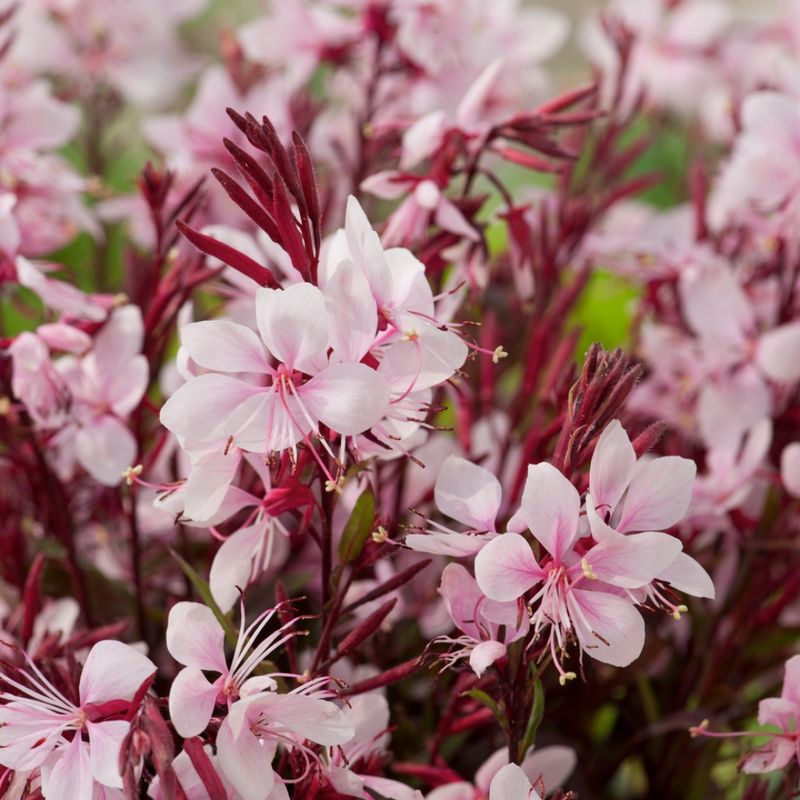
Picture tall, wiry stems covered in tiny pink and white flowers that flutter in the breeze like little butterflies. That is exactly what Gaura brings to your California garden.
This plant has a light, airy look that pairs beautifully with bolder, bushier plants.
Gaura blooms from late spring all the way through fall, giving you months of movement and color. It loves full sun and grows well in dry, well-drained soil.
Once it gets established, it barely needs any watering, making it a smart pick for water-wise gardens across California.
You can find Gaura in shades of white, soft pink, and deep rose. It grows about two to four feet tall, so it works nicely as a mid-border plant.
Butterflies and bees love visiting its flowers, which is great news for your whole garden. Deadheading is not always necessary, but trimming it back lightly in midsummer can encourage a fresh round of blooming.
Plant it in groups of three or more for the best visual effect.
2. Coneflower
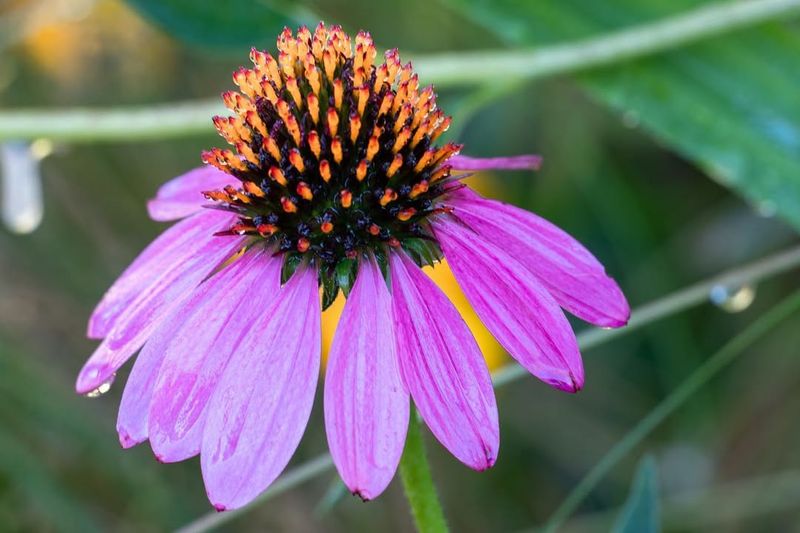
Few plants earn as much love from both gardeners and pollinators as the coneflower. Echinacea purpurea produces bold, daisy-like blooms with drooping purple-pink petals and raised, spiky orange centers that look almost sculptural.
It is one of the most recognizable flowers in any garden.
In California, coneflowers bloom from early summer well into fall. They handle heat well and do not need much water once they are settled in.
Full sun is their happy place, though they can handle a little afternoon shade in the hottest parts of the state.
What makes Echinacea really stand out is how useful it is. Bees, butterflies, and even goldfinches flock to it throughout the season.
After the petals fade, the spiky seed heads stay on the plant and continue feeding birds through winter. You can find coneflowers in a wide range of colors today, from classic purple to orange, yellow, red, and white.
They grow about two to four feet tall and come back reliably each year. Planting them in clusters makes the biggest visual impact in any California landscape.
3. Black-eyed Susan
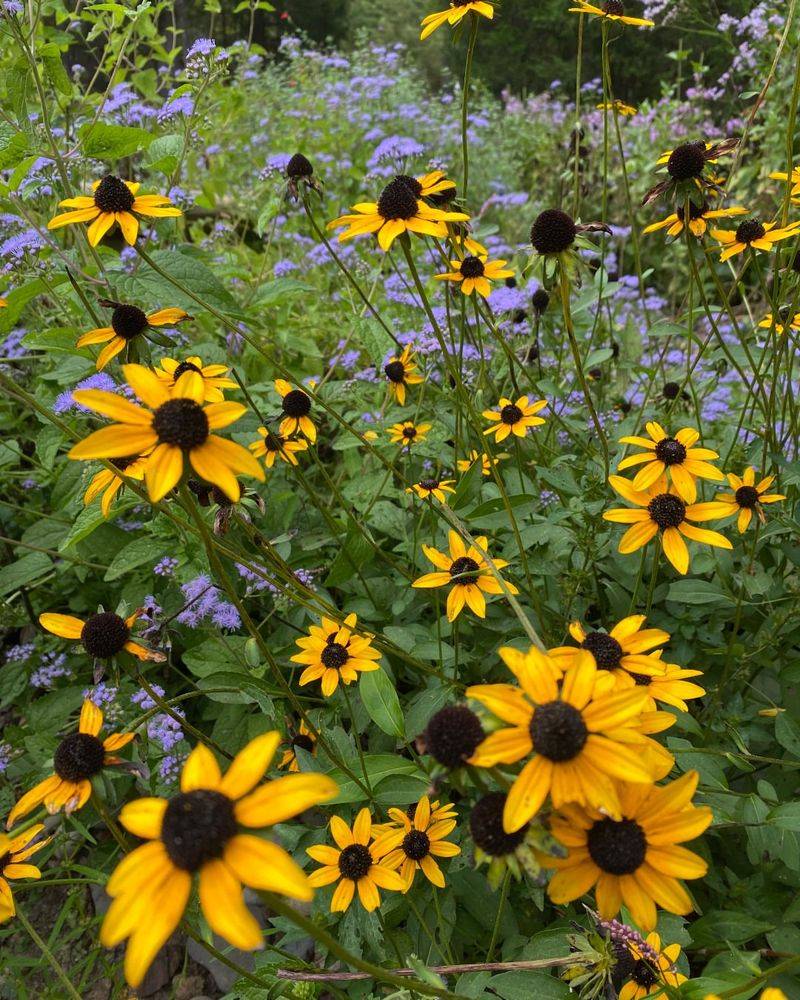
There is something undeniably cheerful about a patch of Black-eyed Susans. Their golden-yellow petals and rich dark centers look like little suns scattered across the garden.
Your California Garden Changes Every Week. Your Plan Should Too.
Gardening in California changes quickly throughout the season. Every Friday you’ll receive a simple weekly plan showing exactly what to plant, prune, fertilize, harvest, and protect so you never miss the right timing.
Rudbeckia hirta is one of those plants that just makes people smile when they see it.
In California, this plant blooms from summer through fall, sometimes even longer in mild coastal areas. It thrives in full sun and handles dry spells surprisingly well.
Sandy or loamy, well-drained soil suits it best, though it adapts to many garden conditions without much fuss.
Black-eyed Susans grow about one to three feet tall, making them a great choice for borders, cottage gardens, and wildflower-style plantings. They self-seed readily, so you may find new plants popping up nearby each year, which is a welcome bonus.
Butterflies absolutely love these flowers, and the seed heads attract finches in the cooler months. Deadheading spent blooms encourages more flowers, but leaving some seed heads standing adds winter interest and feeds wildlife.
For California gardeners looking for a reliable, low-fuss perennial with serious visual punch, Rudbeckia is a fantastic choice.
4. Mexican Bush Sage
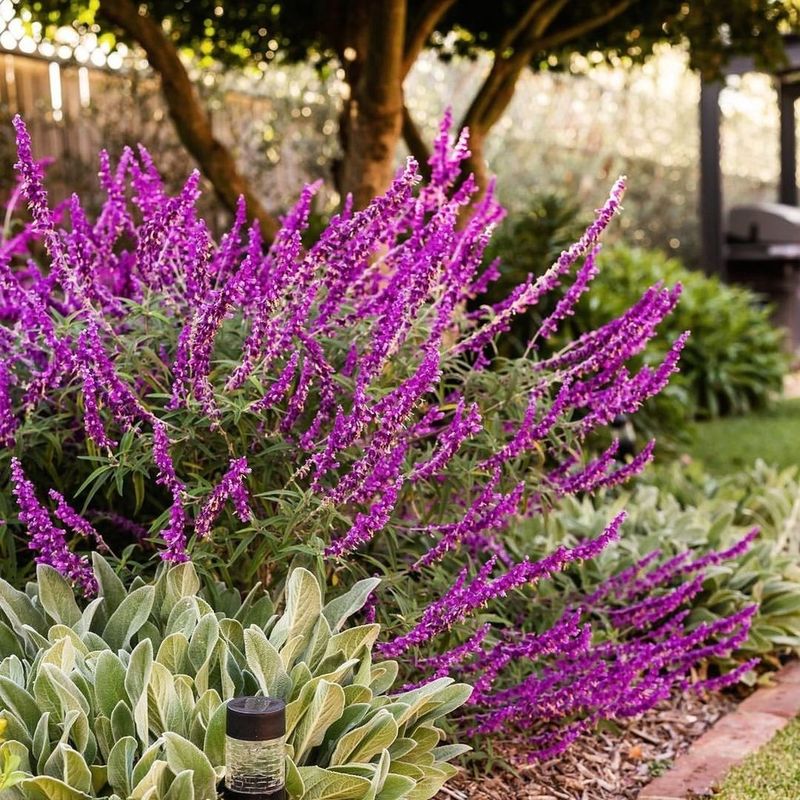
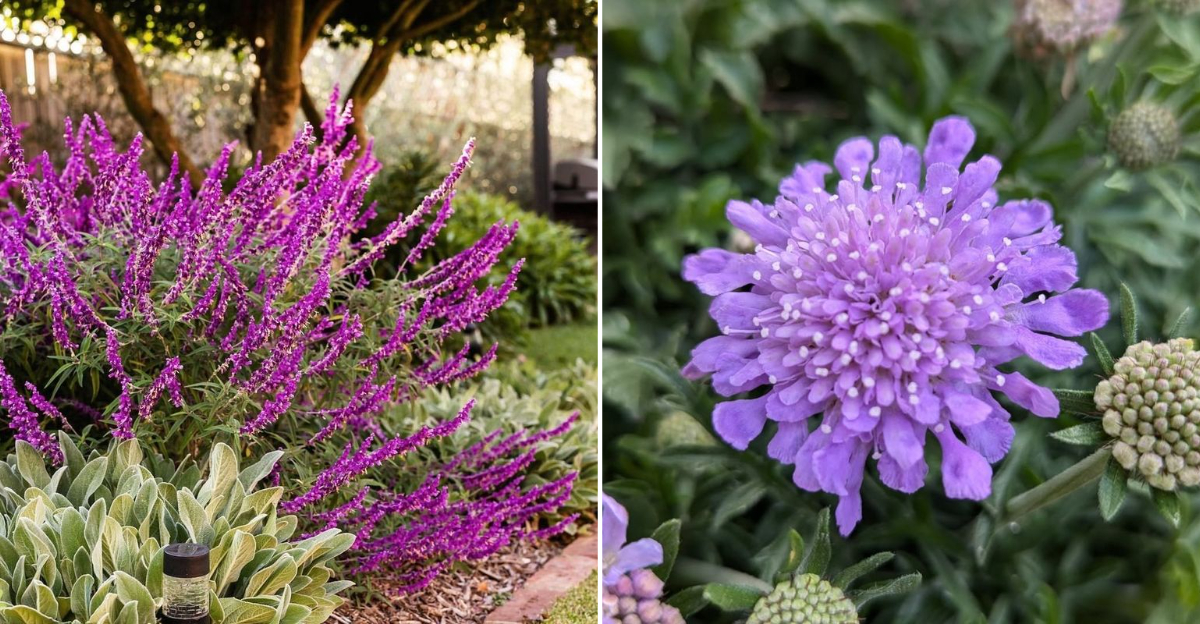
Walk past a Mexican Bush Sage in full bloom and you will stop in your tracks. Its long, arching spikes of velvety purple and white flowers are absolutely striking.
This plant brings bold color and dramatic texture to California gardens from late summer all the way through winter.
Salvia leucantha loves the heat and thrives in full sun with well-drained soil. Once established, it is highly drought-tolerant, which makes it a perfect fit for Southern California and other dry regions of the state.
It grows into a large, rounded shrub that can reach four to five feet tall and wide, so give it plenty of room.
Hummingbirds go crazy for the tubular flowers, visiting again and again throughout the blooming season. The silvery-green foliage also adds a nice soft backdrop even when the plant is not in full bloom.
Mexican Bush Sage is easy to grow and rarely bothered by pests. Cut it back hard in late winter or early spring to keep it tidy and encourage vigorous new growth.
For gardeners in California who want late-season color without a lot of effort, this sage is a top pick.
5. Mullein
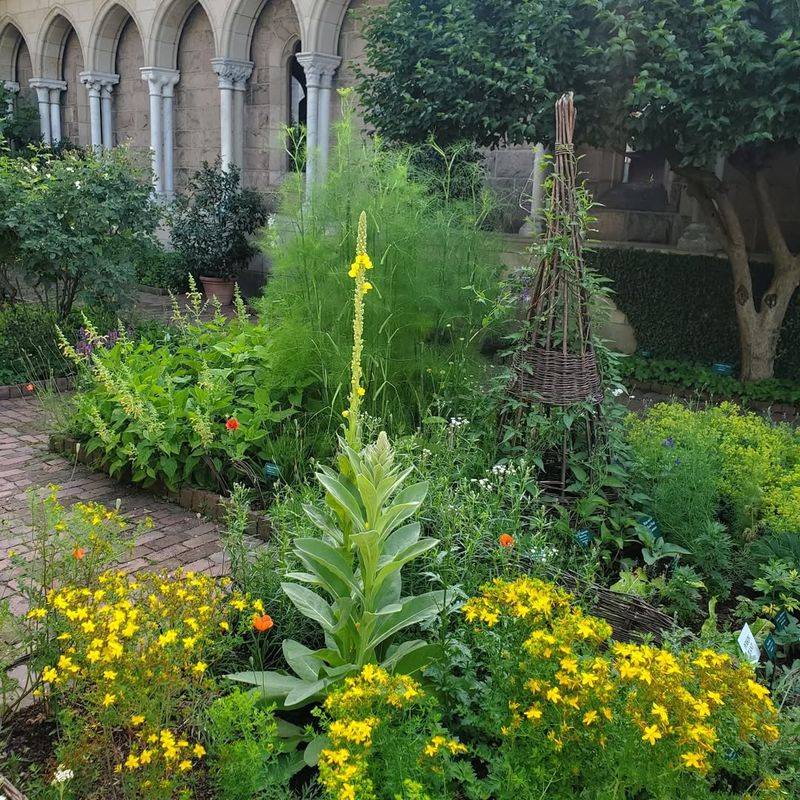
Not every garden plant needs to whisper. Verbascum, commonly called Mullein, shouts.
Its towering flower spikes can reach six feet or more, rising dramatically above a rosette of large, fuzzy, silvery-green leaves. It is the kind of plant that makes visitors ask, what is that?
Mullein blooms in late spring through summer in California, producing hundreds of small flowers along its tall spikes in shades of yellow, white, pink, or purple depending on the variety. It loves full sun and thrives in poor, dry, rocky soil.
In fact, the less fuss you give it, the better it performs.
This plant has a long history. People have used Mullein medicinally for centuries, and it has naturalized across many parts of California.
In the garden, it works beautifully as a vertical accent or in a dry, naturalistic planting. It is technically biennial or short-lived perennial, but it self-seeds freely, so new plants keep coming back.
Bees and other beneficial insects visit its flowers regularly. If you want a bold, architectural statement in your California garden without much maintenance, Verbascum delivers in a big way.
6. Penstemon
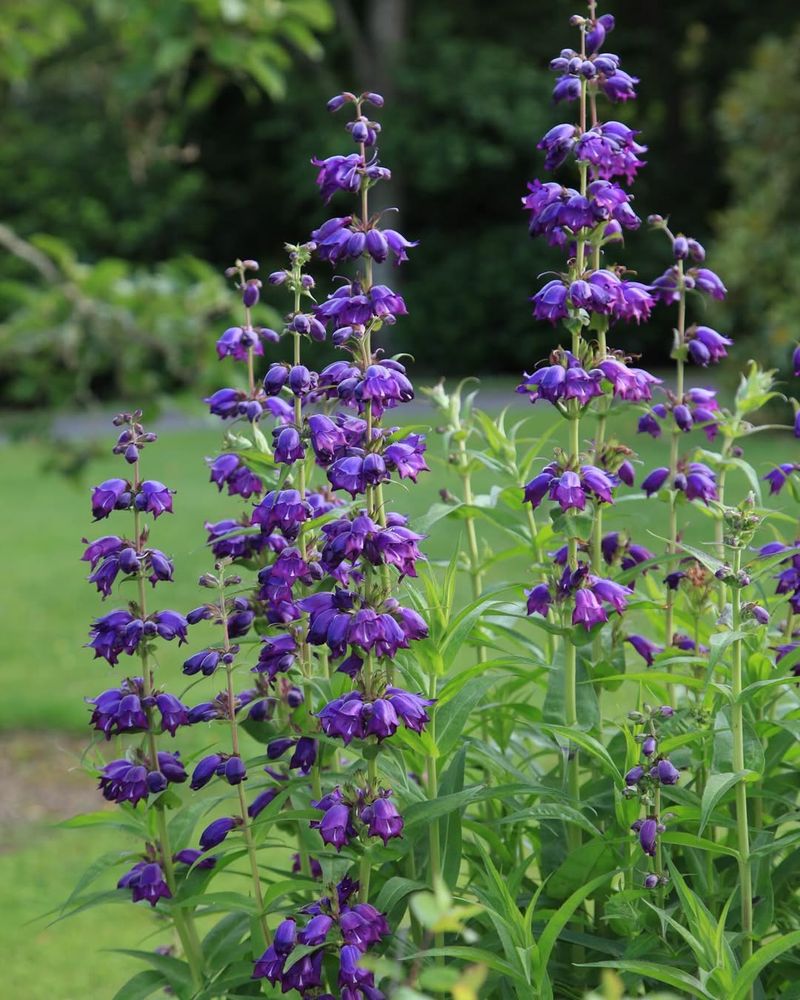
Hummingbirds have excellent taste, and Penstemon is one of their favorites. The tubular, bell-shaped flowers in shades of red, pink, purple, white, and coral are practically designed for hummingbird feeding.
Watching them hover near a patch of Penstemon is one of the real pleasures of gardening in California.
Penstemon blooms from spring through summer, with some varieties continuing into fall. It grows well in full sun to light shade and prefers well-drained soil.
Most Penstemon species are native to the western United States, making them naturally adapted to California’s climate and water conditions.
There are hundreds of Penstemon species to choose from, ranging from low-growing ground covers to tall, upright plants reaching four feet or more. California native species like Penstemon heterophyllus (Foothill Penstemon) and Penstemon spectabilis (Royal Penstemon) are especially well-suited to local conditions.
These plants are tough, drought-tolerant once established, and rarely bothered by pests. Deadheading after the first flush of blooms can encourage a second round of flowering.
For California gardeners who want to support local wildlife while enjoying months of color, Penstemon is an outstanding choice.
7. Pincushion Flower
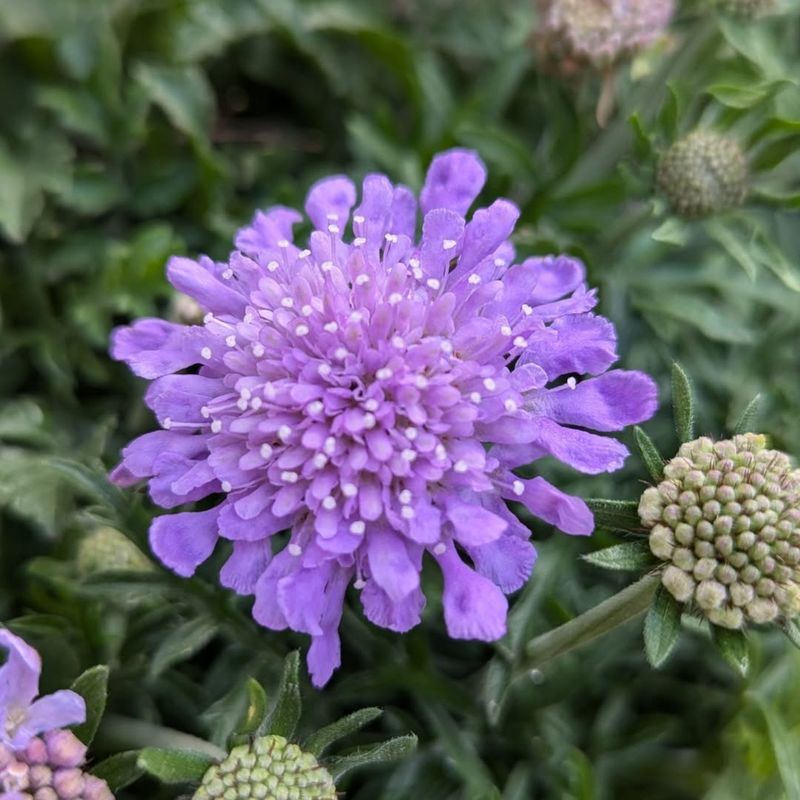
Soft, rounded, and absolutely charming, Scabiosa earns its nickname the Pincushion Flower honestly. Each bloom looks like a tiny cushion stuck full of little pins, with a delicate, lacy texture that feels almost old-fashioned in the best possible way.
It is the kind of flower you find in cottage gardens and romantic, informal landscapes.
In California, Scabiosa blooms from late spring through fall, especially if you deadhead the spent flowers regularly. It prefers full sun and well-drained, slightly alkaline soil.
Coastal California gardens with mild summers are particularly good spots for this plant, though it handles inland heat reasonably well with some afternoon shade.
Lavender-blue is the most common color, but you can also find Scabiosa in white, deep purple, and soft pink. The flowers grow on long, slender stems that sway gracefully in the breeze, making them perfect for cutting and bringing indoors.
Butterflies are especially fond of Scabiosa and will visit the flowers all season long. The plant grows about one to two feet tall and wide, making it a great front-of-border option.
For California gardeners who love a romantic, cottage-style look, Scabiosa is a must-have.
8. Lenten Rose
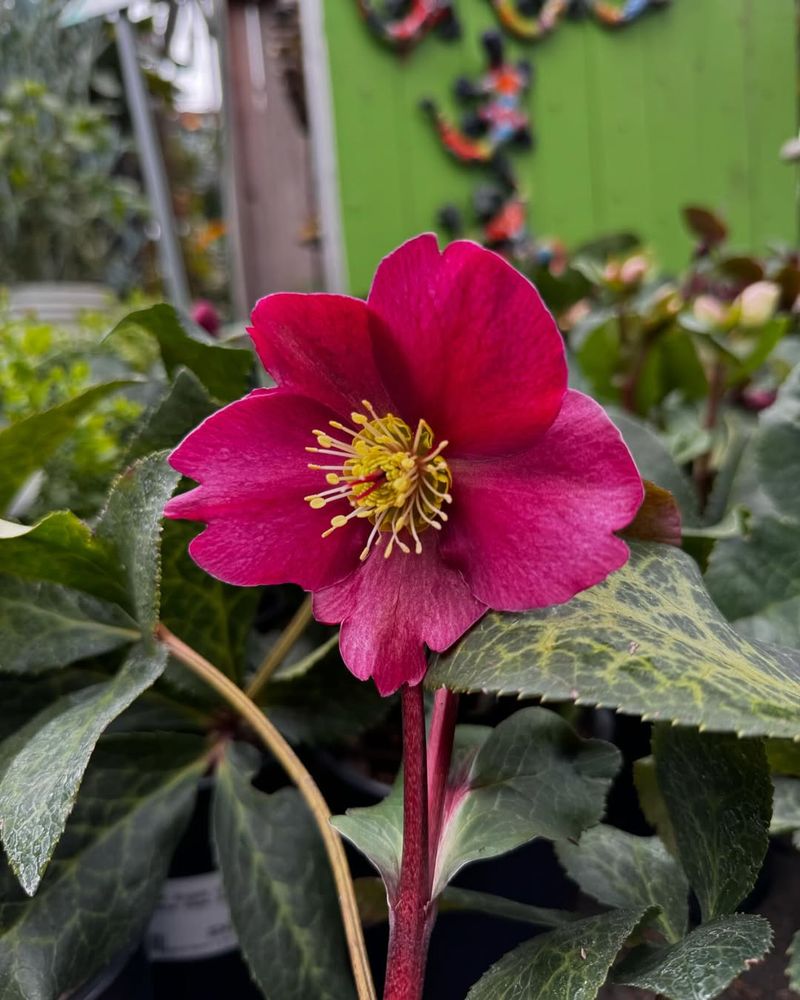
When most of the garden is quiet in late winter, Hellebore steps up. Also called the Lenten Rose, this plant blooms from late winter through early spring, filling the gap when very little else is flowering.
For California gardeners, that is an incredibly valuable quality.
Hellebores thrive in shade or partial shade, making them one of the few long-blooming options for spots under trees or along north-facing walls. They prefer rich, well-drained soil with regular moisture, especially during dry California summers.
Once established, they are surprisingly tough and long-lived plants.
The nodding flowers come in a wide range of colors including deep plum, soft pink, creamy white, slate gray, and almost black. Many varieties have beautiful spotted or veined petals that look almost painted.
Hellebores are evergreen, so their glossy dark green foliage looks attractive all year. They are also deer-resistant, which is a big bonus in many California neighborhoods and rural areas.
Clumps slowly expand over time and can be divided every few years. If you have a shady corner in your California garden that needs some life, Hellebore is one of the most elegant and reliable solutions available.
9. Yarrow
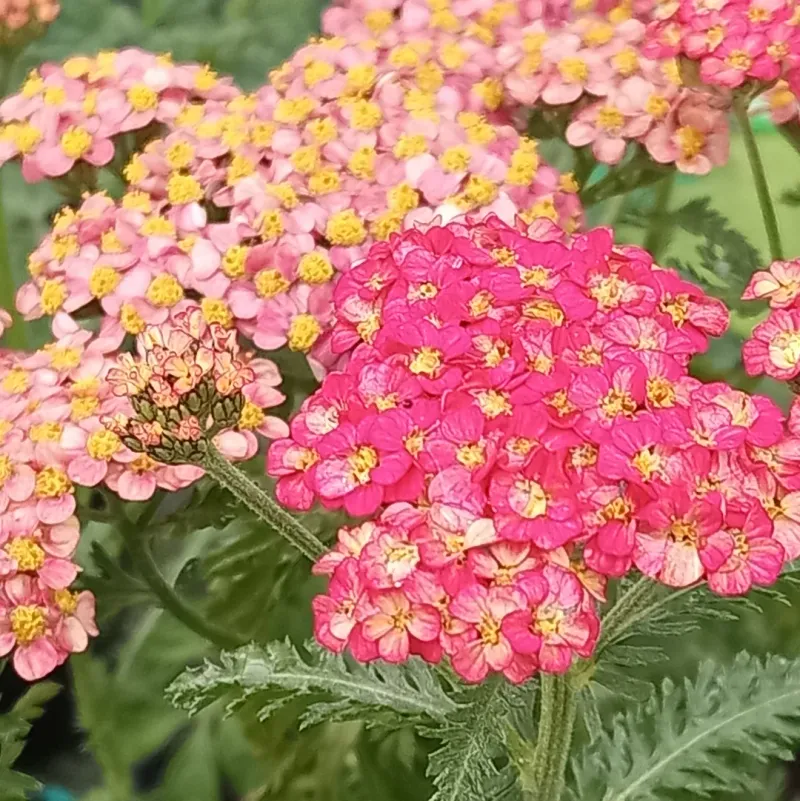
Yarrow is one of those plants that seems almost too easy to grow. It thrives in poor soil, handles drought without complaint, and blooms for months on end.
Achillea millefolium has been growing wild across California for centuries, and it brings that same toughness and resilience to cultivated gardens.
The flat-topped flower clusters come in yellow, white, red, pink, and salmon, making it easy to find a color that fits your garden palette. Yarrow blooms from late spring through summer and often rebounds for a second flush of flowers if you cut the spent stems back.
Full sun and well-drained soil are all it really asks for.
Beyond its looks, Yarrow is a powerhouse for pollinators. Butterflies, bees, and beneficial predatory insects are all drawn to its flowers.
The ferny, aromatic foliage also deters many common garden pests naturally. Yarrow grows about one to three feet tall and spreads gradually, filling in gaps and creating a lush, full look over time.
It is a fantastic choice for water-wise and low-maintenance California gardens. Dried yarrow flowers also hold their color well, making them popular for crafts and floral arrangements indoors.