Why Michigan Woodchucks Can’t Resist Vegetable Gardens

Michigan gardeners know the frustration of finding their carefully planted vegetables devoured by hungry visitors. Woodchucks, or groundhogs, are surprisingly crafty creatures that have figured out how to turn backyard gardens into their personal dining spots.
Driven by instinct, hunger, and curiosity, these chunky animals see your garden as an all-you-can-eat buffet. Once you understand what attracts woodchucks to your garden, you can take smarter, more effective steps to protect your plants.
Whether it’s reinforcing barriers or adjusting your gardening techniques, knowing what pulls them in is the first step toward outsmarting these clever pests and keeping your harvest safe.
1. Easy Access To Fresh, Tender Plants
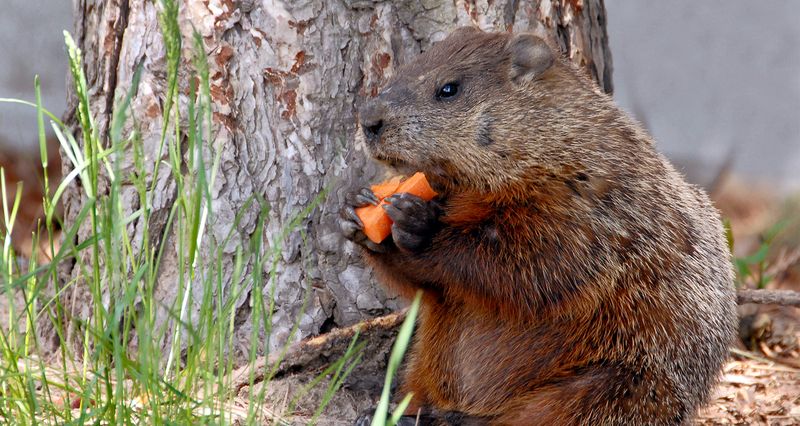
Picture a woodchuck waddling straight into a garden row and biting off a young lettuce leaf like it owns the place.
That bold confidence comes from something very real: vegetable gardens are packed with soft, tender plants that are far easier to eat than tough wild grasses or woody shrubs.
Young vegetables like spinach, kale, and bean sprouts are gentle on a woodchuck’s teeth and incredibly easy to chew.
Wild vegetation in Michigan can be fibrous, bitter, and hard to digest, especially in early summer. A garden, by comparison, offers plants that have been watered, fertilized, and carefully grown to be at their peak.
Woodchucks are smart enough to notice the difference, and once they find that soft, fresh food source, they keep coming back for more.
Gardeners in Michigan often notice bite marks on their youngest seedlings first, which is no accident. Woodchucks actively seek out the most tender growth because it requires the least effort to consume.
Protecting your garden starts with understanding that these animals are not being random. They are making very calculated food choices based on what tastes best and costs them the least energy to eat every single day.
2. Rich Source Of Water In Gardens
Water is just as important to a woodchuck as food, and Michigan vegetable gardens are practically swimming in it. Drip irrigation lines, soaker hoses, and regular watering schedules keep the soil moist and create small puddles that these animals gladly use.
Staying hydrated helps woodchucks regulate their body temperature and supports their active summer lifestyle.
Wild areas in suburban Michigan can dry out quickly during hot July and August stretches. Gardens, on the other hand, stay consistently moist because gardeners water them on purpose.
That steady moisture also keeps the surrounding soil cool, which is something woodchucks genuinely appreciate during the warmest months of the year.
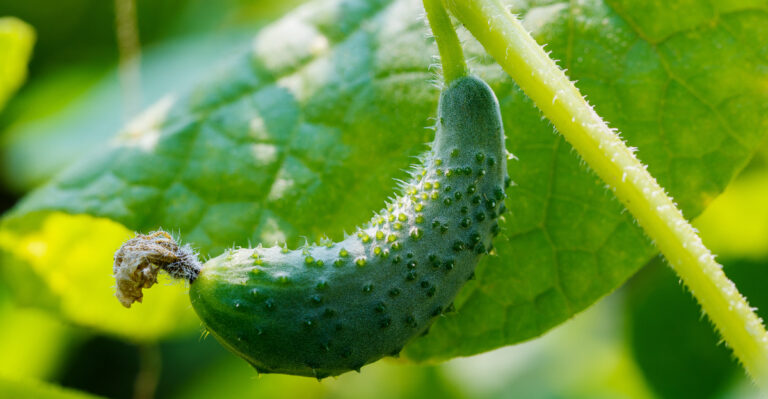
Interestingly, woodchucks also absorb a lot of their daily water intake directly from the juicy plants they eat. Cucumbers, lettuce, and tomatoes have high water content, so munching on garden crops is a two-for-one deal for these resourceful animals.
When you pair a reliable water supply with a garden full of hydrating vegetables, your backyard becomes essentially a full-service rest stop for any woodchuck passing through the neighborhood.
Michigan gardeners who notice woodchuck activity near their watering systems should take that as a clear sign that moisture management and garden protection need to go hand in hand for the best results.
Your Michigan Garden Changes Every Week. Your Plan Should Too.
Gardening in Michigan changes quickly throughout the season. Every Friday you’ll receive a simple weekly plan showing exactly what to plant, prune, fertilize, harvest, and protect so you never miss the right timing.
3. Shelter And Hiding Spots Near Vegetation
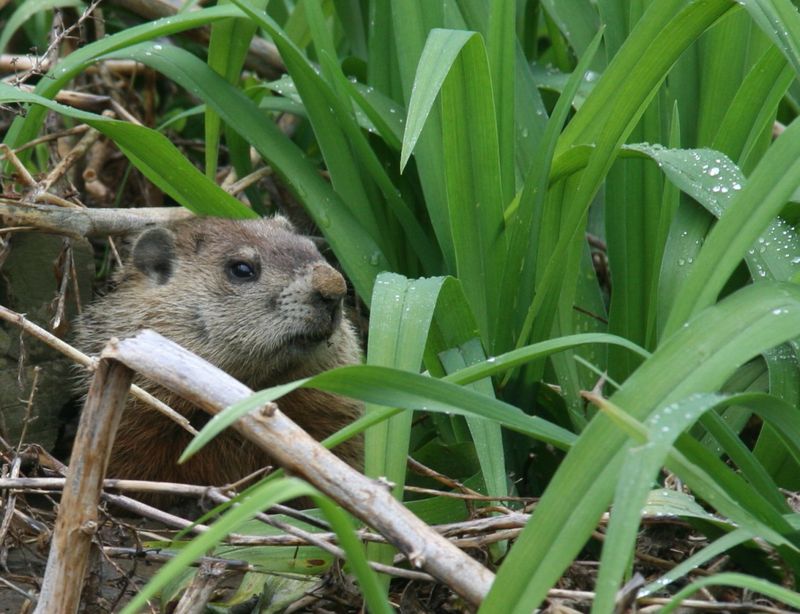
Safety is everything when you are a small, ground-dwelling animal with predators circling above and around you. Michigan woodchucks are drawn to vegetable gardens not just for the food, but also for the cover that dense plantings and nearby structures provide.
A tall row of tomato cages, a sprawling squash vine, or the shadow of a wooden garden shed can feel like perfect protection.
Woodchucks are always thinking about escape routes. They prefer to forage in spots where they can quickly disappear into cover if a hawk, fox, or dog shows up unexpectedly.
Dense vegetable beds give them exactly that kind of layered protection, making them feel confident enough to stick around and eat for longer periods without fleeing.
Garden sheds and raised beds are especially attractive in Michigan because they create dark, sheltered spaces that woodchucks love to burrow beneath.
Once a woodchuck decides a garden is safe, it may actually start digging a burrow nearby, turning your garden into a permanent home base.
Gardeners who notice freshly disturbed soil near their shed foundations or fence lines should investigate right away.
Blocking those access points early prevents a temporary visitor from becoming a long-term resident who treats your vegetable patch as a personal dining room all season long.
4. Abundant Variety Of Edible Crops

Woodchucks are not picky eaters, and that is exactly what makes a diverse vegetable garden so irresistible to them. A typical Michigan backyard garden might include lettuce, carrots, beans, peas, corn, and squash all within a few square feet of each other.
For an animal that thrives on variety, that kind of smorgasbord is nearly impossible to walk past without stopping.
Studies on woodchuck behavior confirm that these animals naturally seek out a wide range of plant types to meet their full nutritional needs.
Eating only one type of plant would not give them the complete mix of vitamins, minerals, and calories they need to stay healthy through summer and build fat reserves for winter.
A vegetable garden checks every nutritional box in one convenient location.
Michigan gardeners who grow both leafy greens and root vegetables are essentially offering a complete woodchuck meal plan.
The animals will often work their way systematically through a garden, sampling different crops rather than stripping one plant entirely.
That browsing behavior can make the damage seem less obvious at first, but the cumulative effect adds up fast.
Knowing that woodchucks are drawn to variety helps gardeners think about protecting the whole garden rather than focusing only on the crops they personally value the most.
5. Soft, Well-Prepared Soil For Digging

Woodchucks are born diggers, and nothing makes their paws happier than a freshly tilled garden bed.
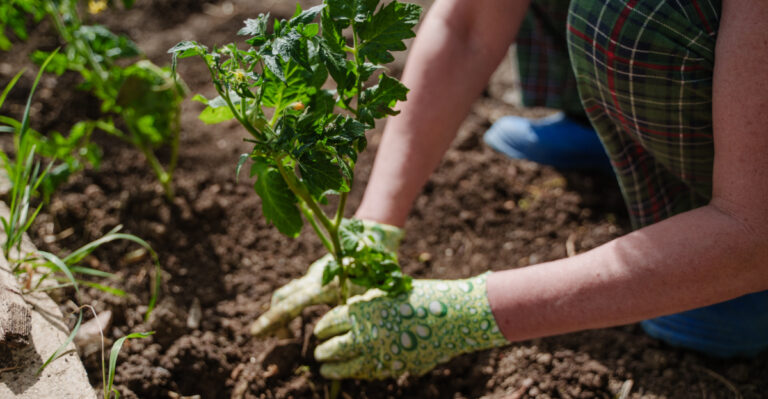
Michigan gardeners who amend their soil with compost, loosen it with a tiller, and keep it free of rocks are unknowingly creating perfect burrowing conditions for these animals.
Soft soil is dramatically easier to dig through than compacted ground, which means less effort and faster tunnel progress.
A woodchuck burrow can stretch six feet deep and up to 25 feet long, with multiple entry and exit points. Building that kind of tunnel system through hard clay soil takes serious energy.
But in a well-prepared garden bed, the work goes much faster, which makes the garden an attractive spot to start a new burrow or extend an existing one nearby.
Beyond burrowing, soft soil also makes it easier for woodchucks to unearth root vegetables like carrots and beets. They can smell these underground crops and dig straight down to pull them out with minimal effort.
Michigan gardeners who grow root crops should be especially aware of this behavior because the damage often goes unnoticed until harvest time when entire rows come up empty.
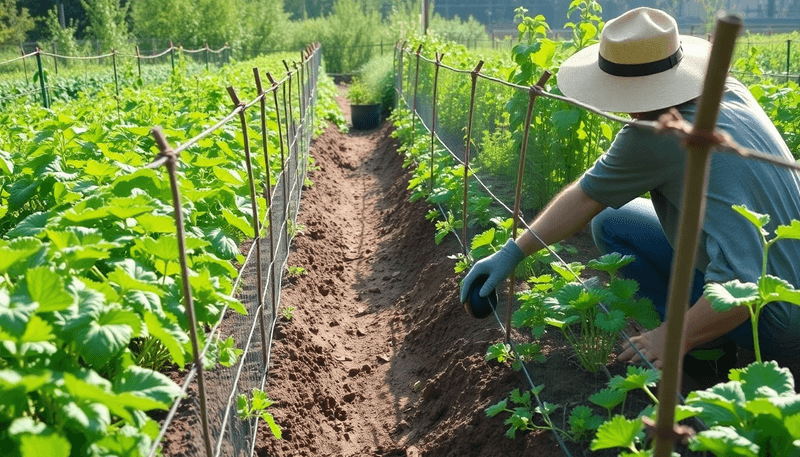
Covering garden beds with hardware cloth just below the soil surface is one of the most effective ways to block this kind of underground access before it becomes a real problem.
6. Unfamiliar Plants To Forage And Try

Curiosity might be more of a woodchuck trait than most people realize. When these animals encounter plants they have never seen growing in the wild, their natural instinct is to investigate and sample them.
Michigan vegetable gardens often contain cultivated varieties of vegetables that simply do not exist in local forests or meadows, which makes them genuinely novel and interesting to a foraging woodchuck.
Woodchucks rely heavily on smell and taste to evaluate new food sources. If a plant smells rich, sweet, or slightly earthy, they are very likely to take a bite just to see what it is.
Garden crops like Swiss chard, kohlrabi, and bell peppers are not native Michigan plants, but that unfamiliarity does not stop a woodchuck from giving them a thorough taste test.
Once a woodchuck decides a new plant is worth eating, it remembers that location and returns repeatedly. That memory-driven foraging behavior is part of why a single scouting visit can turn into weeks of regular garden raids.
Michigan gardeners who notice small, exploratory bite marks on unusual crops should act quickly, because that first curious nibble is often the beginning of a much bigger problem.
Using strong-smelling deterrents around unfamiliar crops can help signal to the woodchuck that this particular plant is not worth the risk of returning to try again.
7. The Smell Of Fresh Vegetables Is Irresistible

A woodchuck’s nose is one of its most powerful tools, and Michigan vegetable gardens send out a constant stream of enticing aromas. Ripe tomatoes, fresh basil, and sweet corn release strong, distinctive scents that travel surprisingly far on a warm summer breeze.
To a woodchuck with a highly sensitive sense of smell, those aromas act like a direct invitation to come and investigate.
Research on groundhog sensory behavior shows that smell plays a major role in how they locate food sources from a distance.
They can detect the scent of ripening vegetables from well beyond the garden fence, which is why woodchucks sometimes appear to zero in on a garden with unusual precision.
The riper and more fragrant the crop, the stronger the signal it sends out into the surrounding neighborhood.
Michigan summers are warm and humid, which actually amplifies how far plant aromas travel through the air. That means a garden full of mid-summer produce is essentially broadcasting its location to every woodchuck within range.
Gardeners who harvest frequently and remove overripe produce from the garden reduce the intensity of those scent signals considerably.
Companion planting with strongly scented herbs like lavender, mint, or garlic is another smart strategy, since those powerful smells can help mask the appealing vegetable aromas that draw woodchucks in from the surrounding area in the first place.
8. Early Spring Greens Are Easy To Access
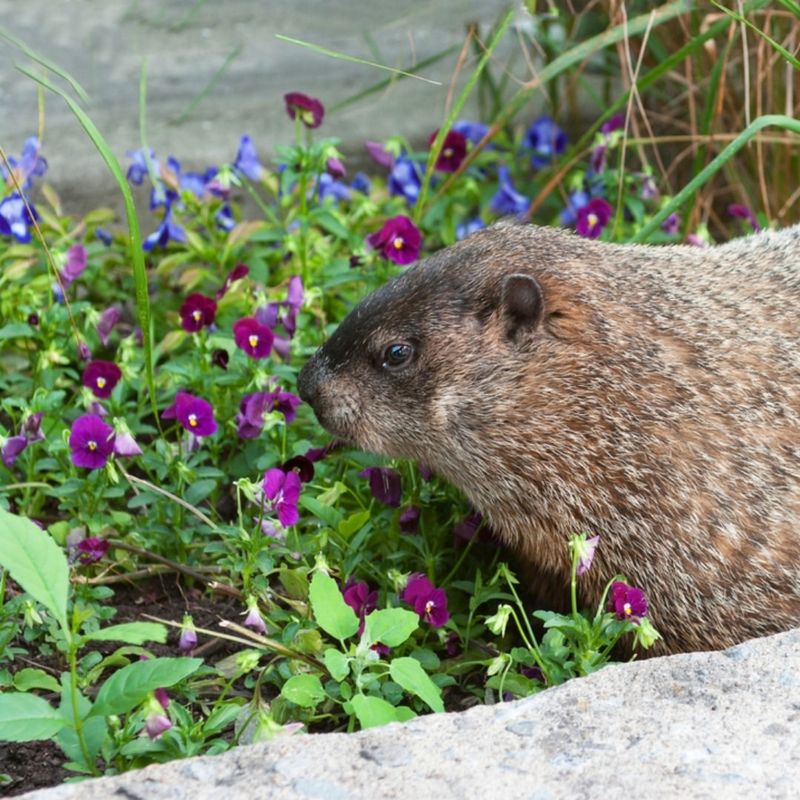
Spring in Michigan brings something woodchucks have been waiting out all winter long: fresh, green food.
After months of hibernation, these animals wake up hungry and eager, and the first tender greens of the season are incredibly appealing to their food-deprived systems.
Early crops like lettuce, kale, spinach, and pea shoots are often the first plants available, and woodchucks find them before most gardeners even realize the season has started.
Wild food sources in Michigan take time to develop in spring. Grasses and wild plants are still sparse in April and early May, which means a garden with established seedlings stands out dramatically in the landscape.
Woodchucks that emerge from hibernation are in prime foraging mode and will actively search out any green food they can find to restore their energy levels after the long winter sleep.
Early spring is actually when garden damage from woodchucks tends to be the most devastating, because young seedlings are fragile and a single feeding session can wipe out an entire row.
Michigan gardeners who start seeds early indoors and transplant in April need to have protective measures in place before the plants go in the ground.
Row covers, wire cloches, and temporary fencing are all highly effective tools for keeping woodchucks away from those precious early season plants during the most vulnerable weeks of the growing year.
9. Lack Of Natural Predators In Suburban Areas

Out in the wild, woodchucks face a long list of animals that keep their populations in check. Red foxes, coyotes, hawks, owls, and weasels all prey on woodchucks regularly in rural Michigan habitats.
But in suburban neighborhoods, most of those predators are either absent or rare, which gives woodchucks a significant advantage and a whole lot more confidence when moving around in the open.
Without that constant threat of predation, woodchucks in suburban Michigan behave very differently than their rural cousins. They spend more time foraging in exposed areas, linger longer near food sources, and show much less fear of humans and domestic pets.
That relaxed behavior is a direct result of an environment where natural checks on their population simply do not exist in the same way.
Growing woodchuck populations in low-predator suburban zones put increasing pressure on backyard gardens every single season.
Michigan homeowners in neighborhoods with lots of green space, parks, and connected backyards are especially likely to see repeated woodchuck activity throughout the summer.
Understanding that these animals feel genuinely safe in your yard helps explain why simple scare tactics often stop working after a short time.
Physical barriers like buried wire fencing remain the most reliable long-term solution, since they work regardless of how comfortable or bold a particular woodchuck has become in your suburban Michigan neighborhood.
10. Limited Natural Food Sources In Urban Areas

Urban and suburban areas across Michigan have replaced much of the natural vegetation that woodchucks would normally rely on for food.
Lawns, pavement, parking lots, and landscaped yards leave very little in the way of wild plants, berries, or meadow grasses that these animals would eat in a more natural setting.
When natural food becomes scarce, a vegetable garden becomes the most reliable meal option available within their territory.
Woodchucks are highly adaptable, and urban Michigan populations have adjusted their foraging habits to take advantage of whatever food sources exist in the built environment.
Community gardens, backyard plots, and even ornamental vegetable beds all become targets when wild food is limited.
The more developed and paved the surrounding area is, the more valuable a single productive garden becomes to a local woodchuck population.
Michigan cities like Lansing, Grand Rapids, and Detroit all have reported increases in urban wildlife activity, including woodchucks moving deeper into residential neighborhoods in search of food.
Gardeners in these areas face a higher frequency of visits because their plot may be one of very few food sources available within a woodchuck’s home range.
Combining physical fencing with habitat modification, like removing brush piles and filling in burrow entrances, gives urban Michigan gardeners the best overall chance of protecting their vegetables from these determined and resourceful foragers all season long.