8 Early Bloomers That Love Oregon’s March Weather
There is nothing quite like that first morning in March when you step onto the porch with a hot cup of coffee and notice the air feels just a bit different.
After months of gray skies and rain boots by the door, those sudden patches of blue sky feel like a long awaited visit from an old friend.
While we are still a few weeks away from the full spring rush, Oregon’s gardens are already waking up in their own quiet way. These early bloomers don’t mind the occasional chilly morning or the classic Northwest drizzle that keeps our lawns so green.
You might have noticed a splash of yellow or a hint of pink peeking through the mulch during your neighborhood walk this week.
A few specific plants are particularly eager to show off before the rest of the neighborhood even thinks about budding out.
1. Cornelian Cherry With The Early Blooms
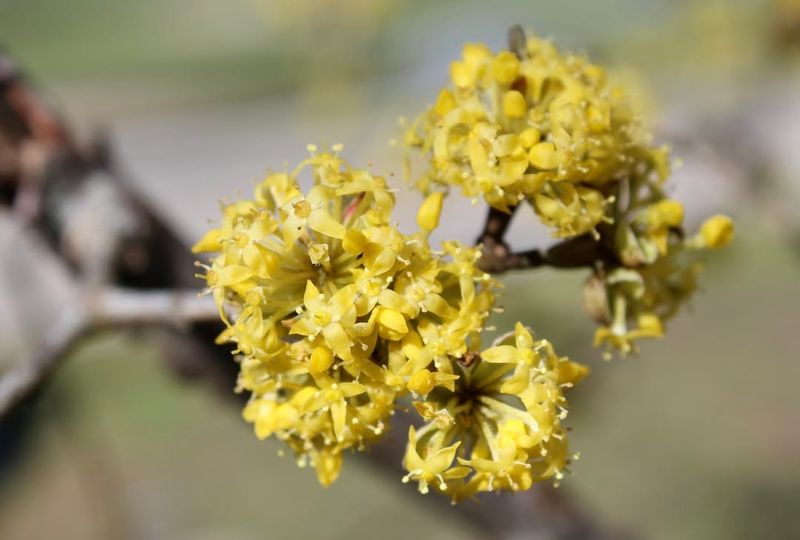
As winter begins to loosen its hold on the Oregon landscape, small bursts of bright yellow can appear in gardens, signaling that spring is approaching. One of the earliest plants to show this cheerful color is the Cornelian Cherry, a type of dogwood that can take the spotlight before most trees have even begun to leaf out.
In Oregon, its tiny yellow flowers often emerge in late February and can continue into March, providing an early-season display that catches the eye.
Cornelian Cherry shrubs and small trees are particularly valued by gardeners for being low-maintenance. They thrive in the region’s cool, wet winters and are generally resilient once established.
Planting them in a sunny to partly shaded location with well-drained soil helps ensure healthy growth and encourages consistent flowering each year. While bloom timing can vary slightly depending on winter temperatures and site conditions, these plants reliably offer early color and visual interest.
The plant also produces ornamental and edible benefits. By late summer, clusters of small, bright red fruits develop, resembling miniature cherries.
These fruits are edible with a tart flavor that works well in jams, preserves, and syrups. Birds are naturally attracted to the fruits, making wildlife viewing a bonus feature for gardeners.
With its seasonal flowers, fruits, and distinctive form, Cornelian Cherry adds layered interest to the garden and is a versatile, rewarding choice for Pacific Northwest landscapes.
2. Indian Plum That Welcomes Spring
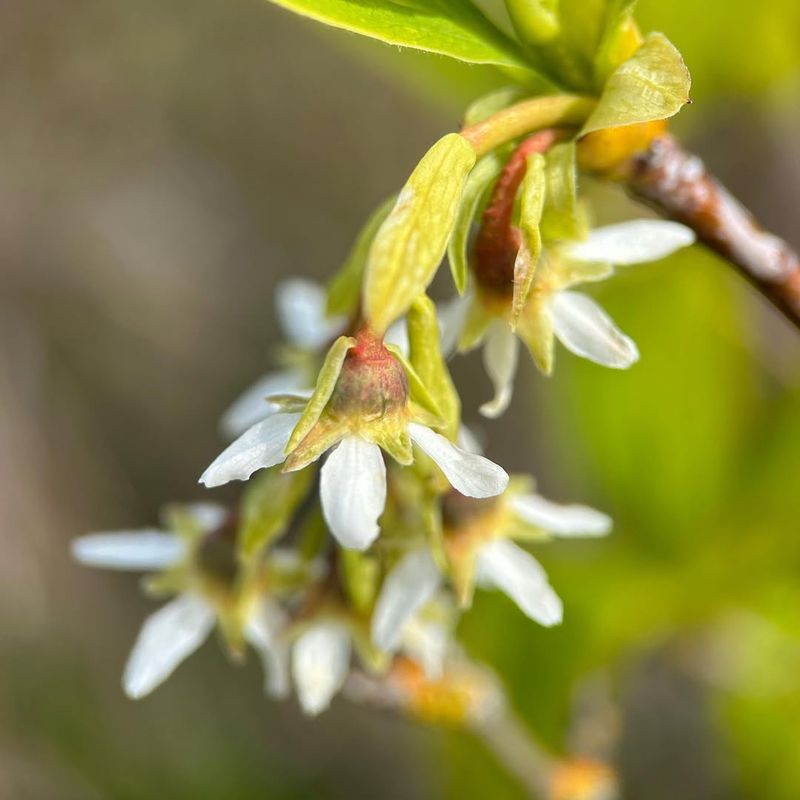
If you have ever walked through an Oregon woodland in late February or early March and noticed a shrub already covered in dangling white flowers, you were probably looking at Indian Plum. Also called Osoberry, this native Pacific Northwest shrub is among the very first plants to bloom each year, often emerging weeks before many other spring flowers.
Its early blooms provide a welcome splash of color in forest edges, stream banks, and shaded hillsides throughout western Oregon, signaling the gradual arrival of spring.
Indian Plum is a low-maintenance, wildlife-friendly choice for gardeners. Once established, it generally requires little care beyond basic watering during unusually dry periods.
Your Oregon Garden Changes Every Week. Your Plan Should Too.
Gardening in Oregon changes quickly throughout the season. Every Friday you’ll receive a simple weekly plan showing exactly what to plant, prune, fertilize, harvest, and protect so you never miss the right timing.
Its natural adaptation to the region’s cool, wet spring conditions makes it particularly resilient, thriving in both sun and partial shade while handling the Pacific Northwest’s seasonal rainfall without difficulty.
The shrub’s small, bell-shaped flowers hang in delicate clusters and often carry a faint, pleasant scent that attracts early pollinators. Bees and hummingbirds readily visit the blossoms, taking advantage of one of the few nectar sources available at this time of year.
By summer, these flowers transform into small bluish-purple fruits that are eagerly consumed by local birds, helping to support wildlife while also adding visual interest to the garden. Growing Indian Plum offers both aesthetic and ecological rewards, making it a versatile and valuable addition to Oregon landscapes, where it contributes to early-season pollinator support and provides seasonal fruits for birds.
3. Red-Flowering Currant With The Bright Blossoms
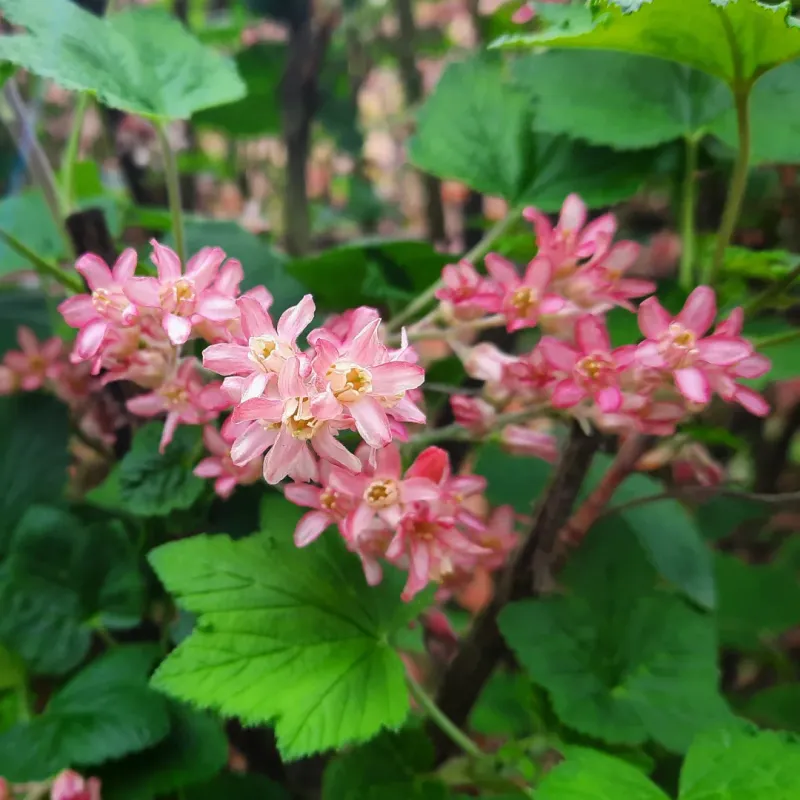
As March begins to awaken Oregon gardens, one shrub often steals the spotlight with its cascading color. The Red-Flowering Currant produces long, drooping clusters of flowers in shades ranging from deep pink to vibrant red, which glow beautifully against the still-bare branches of surrounding plants.
These early blooms are among the first bright signs of spring, bringing cheerful color to landscapes while many other plants are still dormant.
Native to the Pacific Northwest, this shrub grows naturally from British Columbia down through Oregon and into California. Its adaptability makes it a favorite in gardens, where it tolerates both sun and partial shade and can handle the region’s clay-heavy soils.
Once established, it generally requires little supplemental watering and continues to provide reliable blooms year after year. Gardeners value it for its toughness, generous flowering habit, and ease of care.
Beyond its ornamental appeal, Red-Flowering Currant plays an important role in supporting local wildlife. The nectar-rich flowers attract early-season pollinators such as bumblebees and hummingbirds, including Rufous Hummingbirds, which time their spring migration to coincide with the shrub’s bloom.
Later in the season, the small blue-black berries provide food for birds, contributing to a healthy, thriving ecosystem. This combination of beauty, resilience, and ecological benefit makes Red-Flowering Currant a rewarding choice for Oregon gardeners who want a plant that supports wildlife while bringing vibrant, early-season color to their landscapes.
4. Oregon Grape That Lights Up The Garden
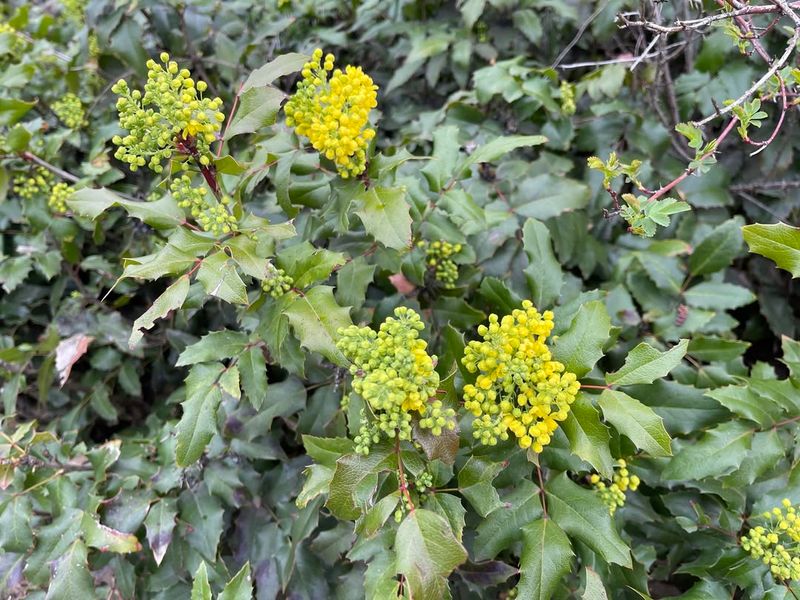
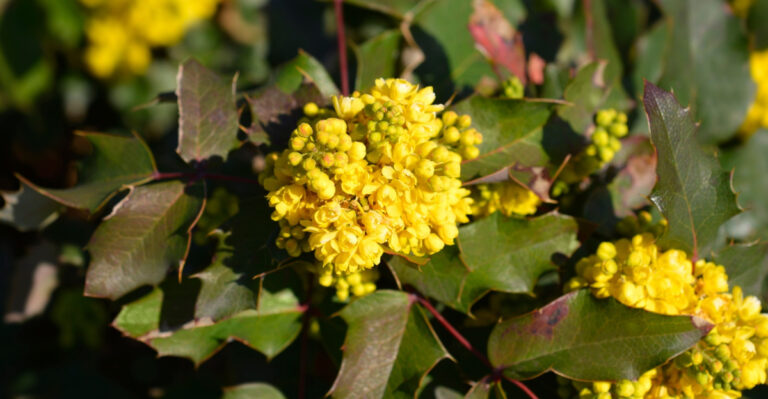
Across Oregon, one evergreen shrub holds a particularly special place in both gardens and natural landscapes. Oregon Grape, the official state flower, is admired for its bold foliage and early spring blooms.
This tough, versatile plant thrives in a wide range of Pacific Northwest habitats, from dense forest understories to sunny open slopes. Each March, it produces bright yellow flower clusters that rise above the glossy, spiny leaves, bringing a cheerful burst of color to shaded corners and woodland-style gardens.
The plant’s leaves resemble holly, giving it a year-round architectural presence that adds texture and structure to the landscape. While the spring flowers are often the main attraction, Oregon Grape is valued for its low-maintenance nature.
Once established, it generally requires little care, making it a resilient choice for a variety of garden settings.
There are several species to consider. Tall Oregon Grape grows upright, reaching six feet or more, and works well as a backdrop or focal point, while Low Oregon Grape spreads as a ground cover, performing beautifully under trees or along slopes.
By summer, both types produce blue-purple berries that are rich in antioxidants and can be used for jelly, juice, or other culinary purposes. These berries are also a valuable food source for birds, while native bees flock to the flowers in spring.
With its combination of ornamental appeal, wildlife benefits, and adaptability, Oregon Grape remains one of the most rewarding and iconic plants for gardens in the region.
5. Crocus With The First Color Splash
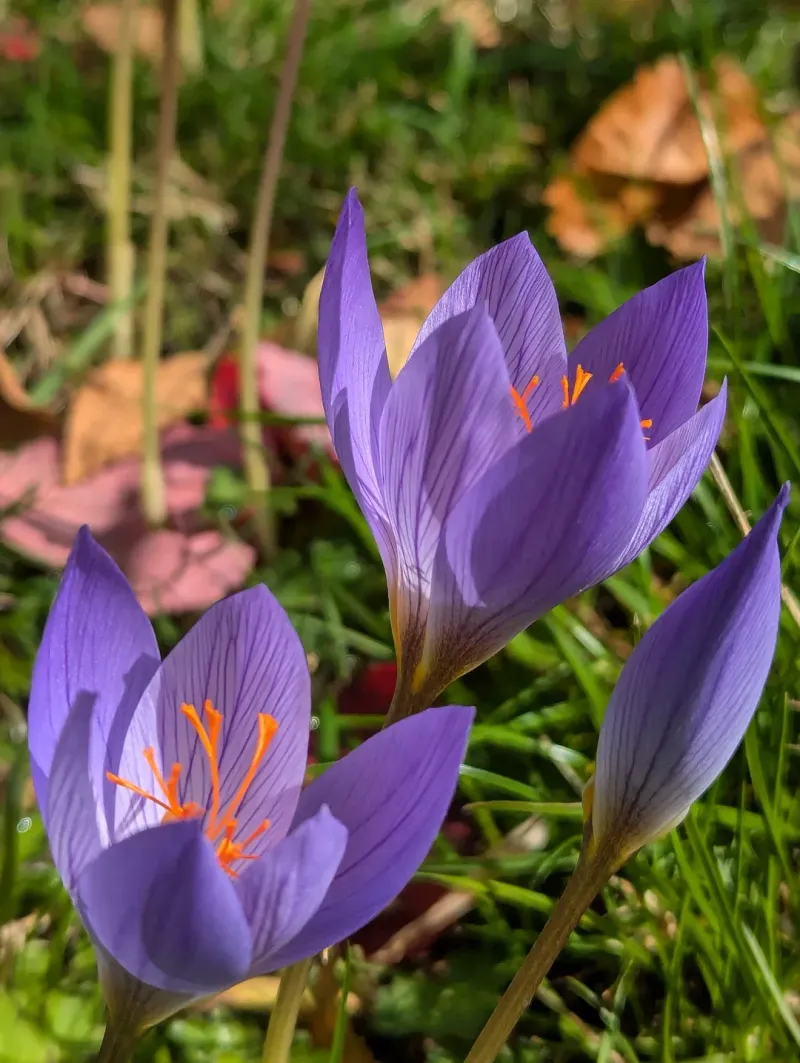
As winter begins to loosen its grip on the Oregon landscape, small flashes of color start to appear in lawns and garden beds, hinting that spring is on its way. Among the earliest signs of the season are cheerful, cup-shaped blooms that bring a playful splash of purple, yellow, white, or striped patterns to otherwise dormant spaces.
These charming flowers are none other than crocuses, a favorite for gardeners who love a quick, vibrant payoff.
Crocuses grow from small corms planted in the fall, usually a few inches below the soil surface. They prefer well-drained soil and a spot that receives at least a few hours of sunlight each day.
Over time, they naturalize gracefully, slowly forming patches or meadow-like displays that can brighten walkways, borders, or even lawns.
While generally low-maintenance, crocuses do need suitable conditions to thrive. Heavy clay, poorly drained soil, or nibbling rodents can affect their performance and flowering.
Paying attention to these details helps ensure a rewarding display each year.
Beyond their visual appeal, crocuses provide a valuable early-season food source for pollinators such as honeybees and bumblebees, particularly on mild March days when other flowers are scarce. Mixing colors or allowing them to naturalize creates a lively, inviting landscape, while also supporting local pollinators during a time when resources are limited.
These small bulbs offer both beauty and ecological benefit, making them a win-win addition to any Oregon garden.
6. Snowdrops That Brave The Last Frost
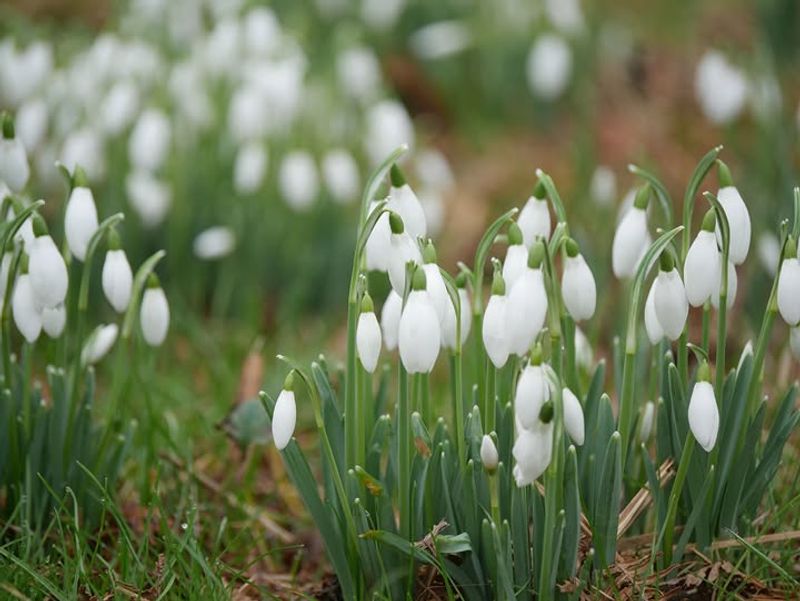
Even before most other plants begin to stir, delicate nodding white flowers can emerge through Oregon’s late-winter soil, offering a subtle sign that spring is approaching. These early blooms, known as snowdrops, bring understated charm to garden beds and woodland borders, contrasting beautifully with the muted tones of winter landscapes.
Planted in the fall, snowdrops are hardy bulbs that often return year after year, gradually multiplying to form elegant drifts beneath trees or along shaded pathways. They flourish in cool, moist conditions with well-drained soil, though bloom timing and vigor can fluctuate depending on local microclimates, seasonal temperatures, and care.
This variation is normal, so gardeners should expect some differences in flower display from year to year.
Each snowdrop features three outer white petals surrounding three smaller inner petals, often tipped with a delicate green marking, giving them a quiet, refined appearance. Planting them under deciduous trees or along shaded borders integrates them naturally into woodland or mixed garden spaces, where their subtle beauty can be appreciated up close.
When paired with other early bulbs like Winter Aconite, snowdrops create layered interest and help extend the visual appeal of late-winter plantings. They also provide one of the first sources of pollen for early-season bees and other pollinators.
In this way, snowdrops not only signal the approaching season but also contribute to the ecological health and charm of Oregon gardens.
7. Grape Hyacinth That Brings A Sweet Fragrance
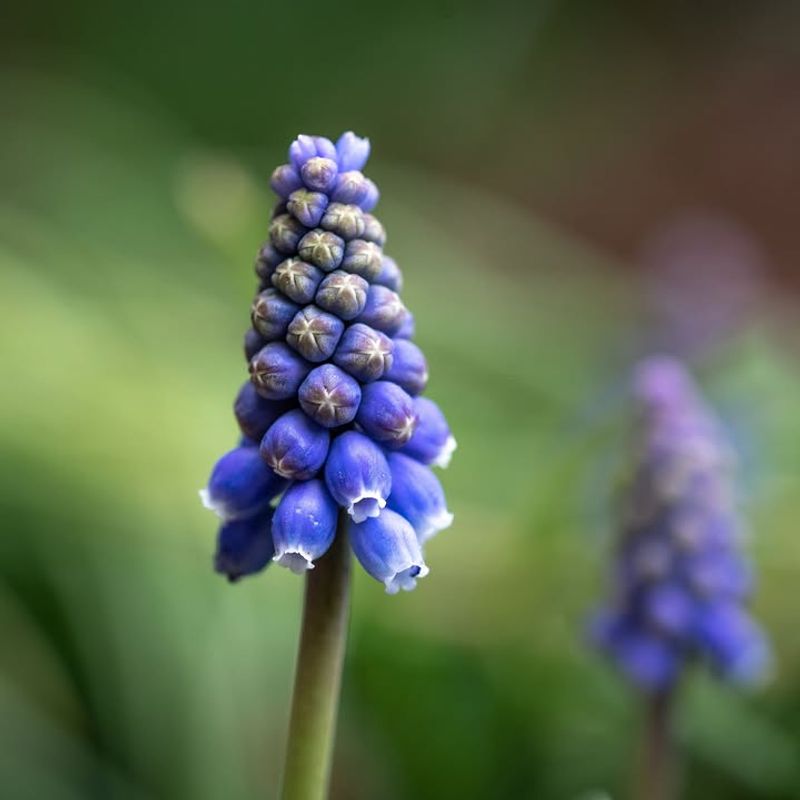
With the arrival of early spring in Oregon, small flashes of deep blue-purple can catch the eye, bringing jewel-toned interest to flower beds and borders. These tightly packed, upright blooms, which resemble miniature bunches of grapes, are the charming result of Grape Hyacinth bulbs planted in the fall.
Over time, they spread slowly, filling gaps between other plants and creating dense, colorful ground cover that enhances early-season garden displays.
These bulbs generally thrive in well-drained soil with a reasonable amount of sunlight. While they are resilient and handle Oregon’s cool, wet winters fairly well, performance can vary depending on site conditions, moisture, and light availability.
Planning ahead for these factors helps maximize their bloom potential and encourages naturalized patches that return year after year.
A notable feature is that Grape Hyacinths send up foliage in the fall, leaving green leaves throughout winter before the flowers emerge in early spring. Pairing them with complementary bulbs, such as yellow daffodils or white snowdrops, creates striking color contrasts and a layered effect in garden beds.
In addition to their visual appeal, they provide early nectar for pollinators during a time when other flowers are scarce. With thoughtful placement and care, these small bulbs can deliver a lively, long-lasting display that signals the arrival of spring and enhances both the beauty and ecological value of any Oregon garden.
8. Hellebores With The Elegant Blooms
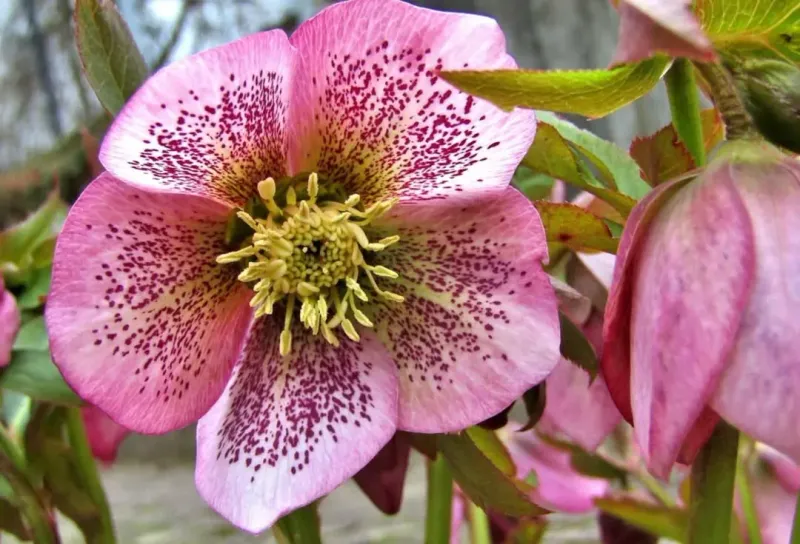
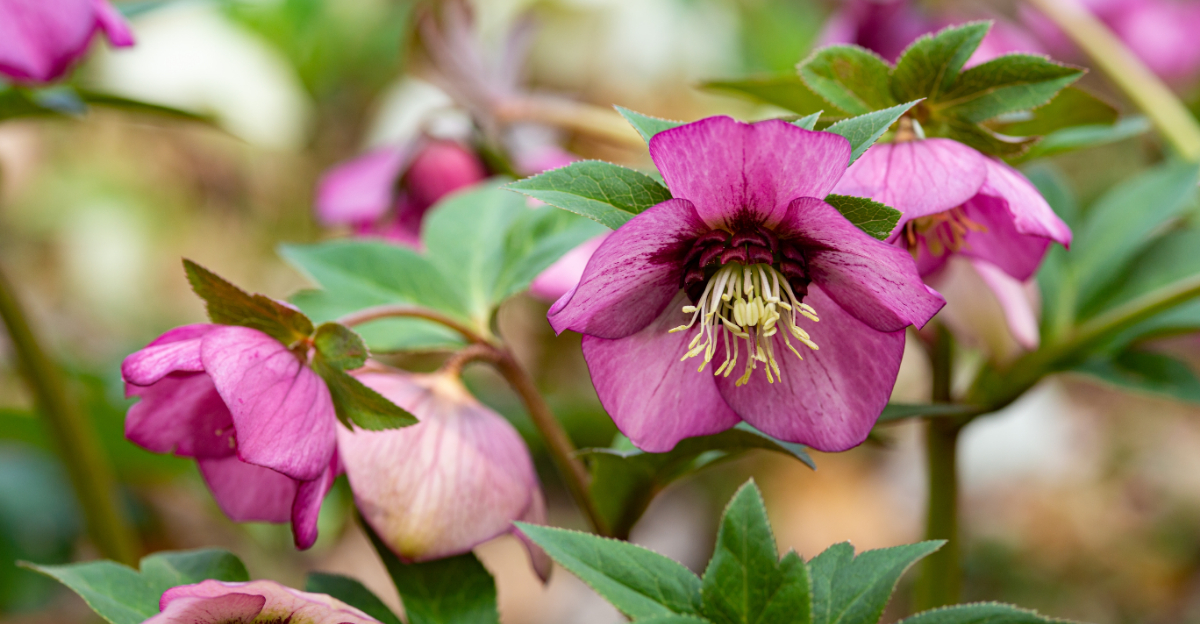
As winter begins to wane in Oregon, certain plants quietly brighten shaded corners with understated elegance. Hellebores, also called Lenten Roses, are among these early-season stars, offering nodding flowers in a range of colors from crisp white and soft blush pink to deep burgundy and smoky purple.
Blooming from late January through March, they provide some of the first color in gardens while thriving in the shaded, moist conditions common across the Pacific Northwest.
These hardy perennials are valued for their ability to thrive with minimal care. Planting Hellebores in a shaded or partly shaded location with well-drained soil usually allows them to establish and persist for many years.
As evergreen plants, they retain bold, leathery foliage year-round, giving garden beds structure even in the depths of winter. Over time, clumps expand, producing larger groupings and more blooms each season, enhancing both the visual and ecological appeal of woodland-style gardens.
Hellebores also integrate beautifully with other shade-loving plants such as ferns, hostas, and snowdrops, creating layered textures and color in shaded areas. Because the flowers nod downward, placing them on slopes or raised beds allows gardeners to enjoy their intricate faces more easily.
Additionally, these early blooms provide valuable resources for pollinators, as bees visit them on mild March days. With their combination of resilience, aesthetic charm, and ecological benefits, Hellebores remain a versatile and rewarding choice for Oregon gardens.