8 Fast-Growing Plants To Fill Empty Spots In Your Pennsylvania Garden This Spring
Spring in Pennsylvania has a funny way of revealing every empty patch in the garden. Once the snow melts and the soil wakes up, those bare spots suddenly stand out between your favorite plants.
Instead of waiting all season for things to fill in, this is the perfect time to add a few fast growers that quickly bring life back to those quiet corners.
Some plants waste no time once they hit the ground. With the cool spring air and steady moisture, they stretch out, leaf up, and start covering space faster than you might expect.
In just a few weeks, those once empty areas can turn into lush pockets of green or bursts of color.
Fast growing plants also help your garden feel fuller and more balanced early in the season. They soften edges, connect planting beds, and make the whole yard look established. A few smart choices now can transform scattered spaces into a garden that feels complete.
1. Sunflowers (Helianthus Annuus)
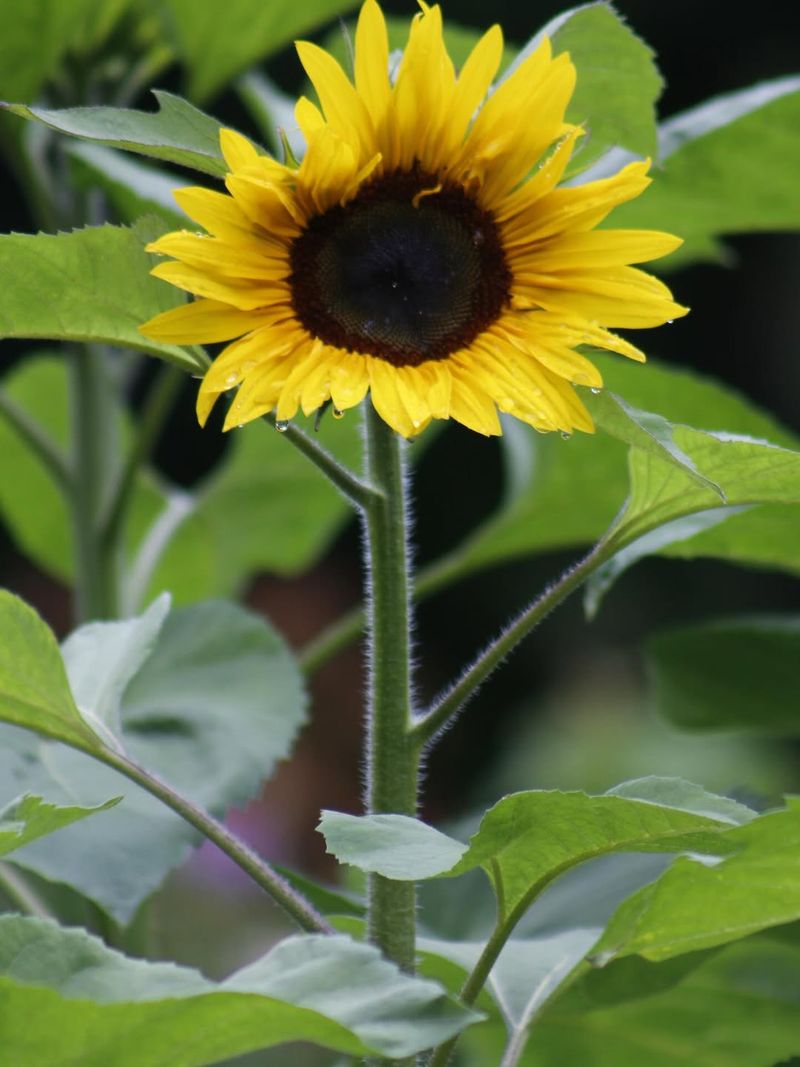
Nothing says summer in Pennsylvania quite like a row of towering sunflowers. These cheerful giants can shoot up from a tiny seed to a staggering 6 to 10 feet tall in just 2 to 3 months.
That kind of growth rate is hard to beat, and it makes sunflowers one of the smartest choices for filling empty spots fast.
Plant sunflower seeds directly in the ground after the last frost, which in most parts of Pennsylvania falls in mid-April to early May. They love full sun and well-drained soil.
Once they are in the ground, they basically take care of themselves. Water them regularly, and they will reward you with massive, golden blooms that turn heads from across the yard.
Sunflowers are also pollinator magnets. Bees, butterflies, and even birds flock to them throughout the season.
At the end of the season, the seed heads attract finches and other small birds, giving your garden wildlife value well beyond the blooms. Fun fact: sunflowers actually track the sun across the sky when they are young, a behavior called heliotropism.
Whether you grow a classic tall variety or a compact dwarf type for smaller spaces, sunflowers bring bold color and serious height to any Pennsylvania garden spot that needs filling in a hurry.
2. Zinnias (Zinnia Elegans)
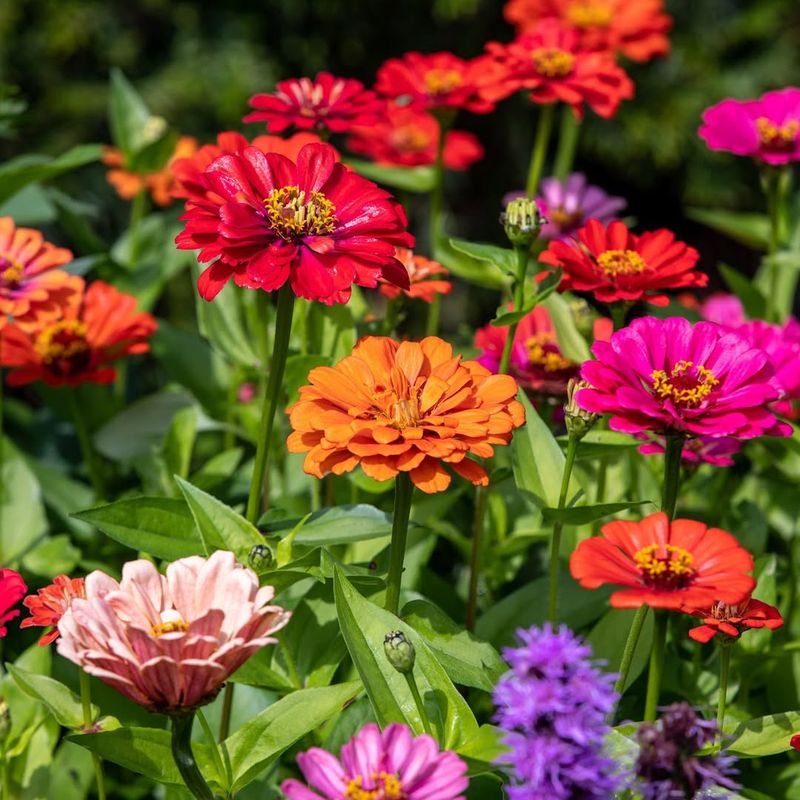
If you want a flower that blooms fast, looks amazing, and practically takes care of itself, zinnias are your answer.
These bright, bold beauties go from seed to full bloom in just 2 to 3 months, making them one of the most reliable fast-fillers for Pennsylvania gardens in spring and summer.
Zinnias thrive in full sun and warm soil, so wait until after the last frost to direct sow them in your garden beds. They come in almost every color imaginable, from deep red and hot pink to soft peach and crisp white.
You can mix and match shades to create a living bouquet right in your yard. They also grow well in containers if your empty spots happen to be on a porch or patio.
Your Pennsylvania Garden Changes Every Week. Your Plan Should Too.
Gardening in Pennsylvania changes quickly throughout the season. Every Friday you’ll receive a simple weekly plan showing exactly what to plant, prune, fertilize, harvest, and protect so you never miss the right timing.
One of the best things about zinnias is how long they keep blooming. The more you cut them, the more flowers they produce.
That makes them perfect for bringing fresh blooms indoors all season long. Gardeners across Pennsylvania love zinnias because they handle summer heat without complaint and bounce back quickly after rain.
They also attract butterflies, which adds even more life and movement to your garden. For beginner gardeners or anyone who wants fast, foolproof color, zinnias are an absolute must-plant this spring.
3. Cress (Lepidium Sativum)
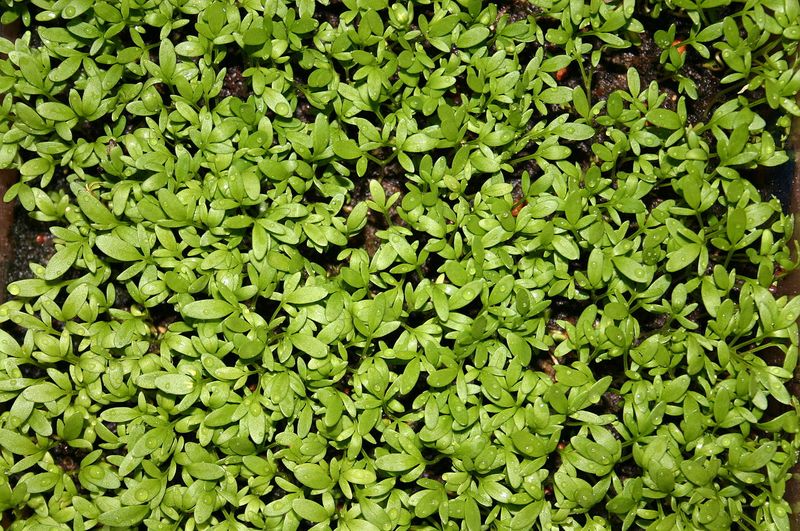
Speed is the name of the game with cress, and no other plant on this list grows faster. Garden cress can go from seed to harvest in as little as 2 to 3 weeks, which makes it almost unbelievably quick for filling empty spots in spring beds across Pennsylvania.
Cress actually prefers the cool temperatures that Pennsylvania spring weather delivers so well. It does not like heat, so plant it early, right after the ground thaws and becomes workable.
Scatter seeds in a sunny or lightly shaded spot, press them gently into the soil, and water them in. You will see tiny green sprouts popping up within just a few days. It is one of the most satisfying plants to grow because the results are almost instant.
Beyond speed, cress is genuinely useful in the kitchen. Its peppery, fresh flavor adds a nice kick to salads, sandwiches, and soups.
It is packed with vitamins and minerals too, so it is as healthy as it is tasty. If you have a vegetable garden in Pennsylvania with gaps between slower crops, cress is a brilliant way to use that space productively while you wait for other things to grow.
Sow a new batch every two weeks for a continuous harvest of fresh, flavorful greens all through the cool spring season.
4. Sweet Peas (Lathyrus Odoratus)
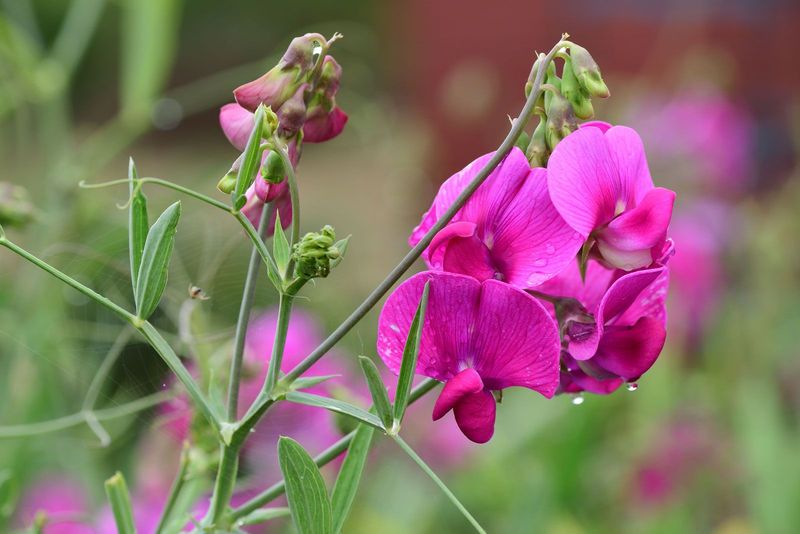
Sweet peas have a romantic, old-fashioned charm that no other climbing plant quite matches. Their ruffled, butterfly-shaped blooms in soft pinks, purples, and whites fill the air with a fragrance that is genuinely unforgettable.
Best of all, they mature in about 2 months, making them one of the faster-growing vines you can plant in a Pennsylvania garden this spring.
Start sweet pea seeds early, either indoors in late winter or directly in the ground as soon as the soil can be worked in early spring. They actually prefer cool weather, which makes Pennsylvania’s spring climate ideal for getting them established.
Give them a trellis, fence, or even a bundle of twiggy branches to climb, and they will weave their way upward in a matter of weeks.
Sweet peas are a gorgeous solution for empty vertical spaces in your garden. A bare fence or an unused corner of a raised bed can become a stunning focal point with just a few packets of seeds.
They are also wonderful for cutting and bringing indoors. The fragrance in a small vase on a kitchen table is absolutely lovely.
Pennsylvania gardeners who want to add height, color, and scent to their spring garden without a lot of fuss will find sweet peas to be one of the most rewarding fast-growing choices available.
5. Radishes (Raphanus Sativus)
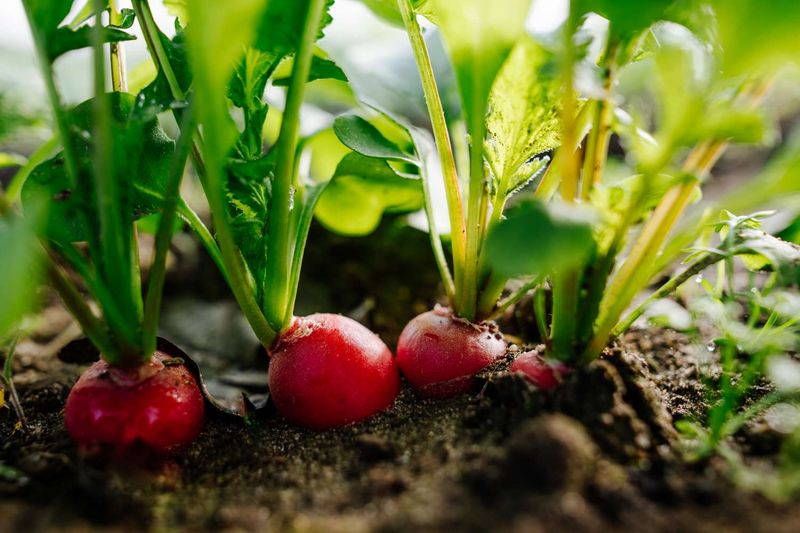
Radishes hold the impressive record of being one of the fastest vegetables you can grow anywhere, and Pennsylvania’s cool spring soil is just about perfect for them.
From seed to harvest takes only 4 to 6 weeks, which means you could be pulling crisp, colorful roots from the ground before most other vegetables have even sprouted.
Planting radishes is about as simple as gardening gets. Press seeds about half an inch into loose, well-drained soil, space them a couple of inches apart, and water them in.
They do not need much fertilizer or fuss. As long as they get consistent moisture and some sun, they grow fast and strong. Thin the seedlings early so each plant has enough room to develop a full, round root.
Radishes are a smart choice for filling empty spots in vegetable beds between slower-growing crops like tomatoes, peppers, or squash. By the time those plants need more space, your radishes will already be harvested and eaten.
They come in a range of shapes and colors beyond the classic red globe, including white icicle types and mild French breakfast varieties. Crunchy and slightly spicy, radishes are great raw in salads or with a little butter and salt.
For Pennsylvania gardeners eager to see quick results in the vegetable patch this spring, radishes simply cannot be overlooked.
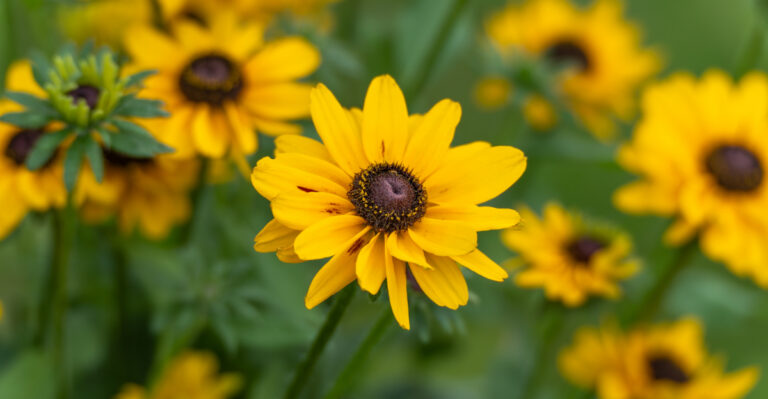
6. Black-Eyed Susan (Rudbeckia Hirta)
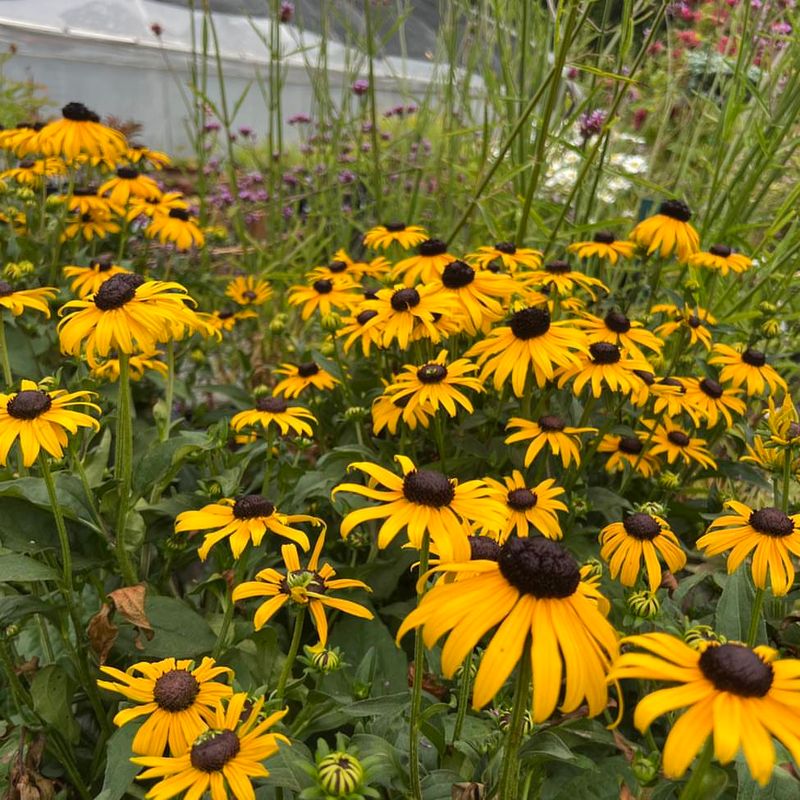
Cheerful, tough, and deeply rooted in Pennsylvania’s natural landscape, Black-Eyed Susans are a native wildflower that feels right at home in gardens across the state.
These golden beauties start blooming just 6 to 8 weeks after planting and keep on going from June all the way through October. That is an incredibly long show for such a low-maintenance plant.
Black-Eyed Susans are not picky about soil. They handle average or even poor conditions without a complaint, and they thrive in full sun with minimal watering once established.
Sow seeds directly in your garden bed in spring, or transplant young starts for even faster results. They spread gently over time, filling in empty spots more and more with each passing season.
One of the biggest draws of this plant for Pennsylvania gardeners is its wildlife value. Bees, butterflies, and other pollinators absolutely love the nectar-rich blooms.
In late fall and winter, birds feed on the seed heads, which means the plant keeps giving even after the flowers fade.
Black-Eyed Susans also pair beautifully with other native plants like coneflowers and bee balm, creating a naturalistic garden style that feels effortless and looks stunning.
For anyone wanting a tough, fast-blooming, native flower that truly belongs in the Pennsylvania landscape, this is the plant to choose.
7. Cosmos (Cosmos Bipinnatus)
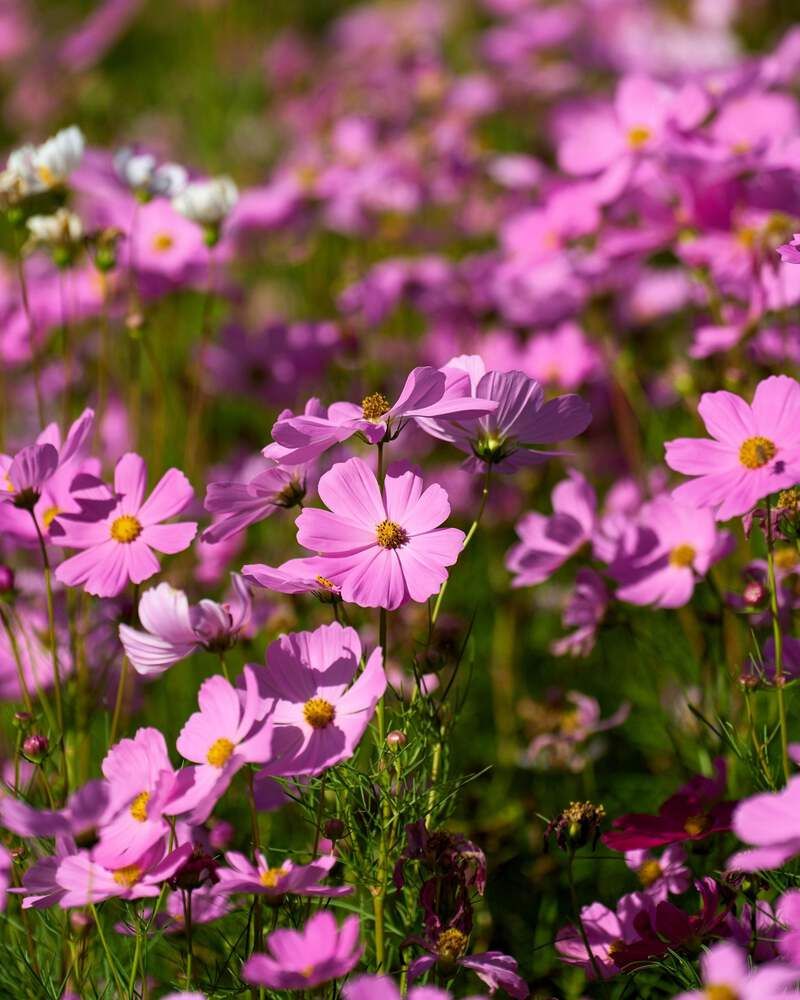
Cosmos are one of those plants that look like they require a lot of skill to grow, but they are actually one of the easiest and fastest flowers you can put in the ground. These airy, daisy-like blooms in shades of pink, white, magenta, and red go from seed to flower in just 60 to 70 days.
That quick turnaround makes them a fantastic choice for filling empty garden spots across Pennsylvania this spring.
Here is something surprising about cosmos: they actually do better in poor soil. Rich, over-fertilized soil makes them grow lots of leaves but fewer flowers.
Plant them in a sunny spot, water them in, and then mostly leave them alone. They are drought-tolerant once established and handle Pennsylvania’s summer heat with ease.
Direct sow seeds after the last frost and thin seedlings to about 12 inches apart for the best display.
Cosmos grow tall and wispy, reaching 3 to 4 feet high, which gives them a lovely, cottage-garden feel. They sway gracefully in the breeze and look beautiful mixed with other flowers or planted in drifts on their own.
Butterflies are especially fond of cosmos blooms, and cutting the flowers regularly encourages even more to form.
Pennsylvania gardeners who want a carefree, fast-blooming flower that delivers big visual impact with almost no effort will love growing cosmos from spring right through fall.
8. Morning Glory (Ipomoea Purpurea)
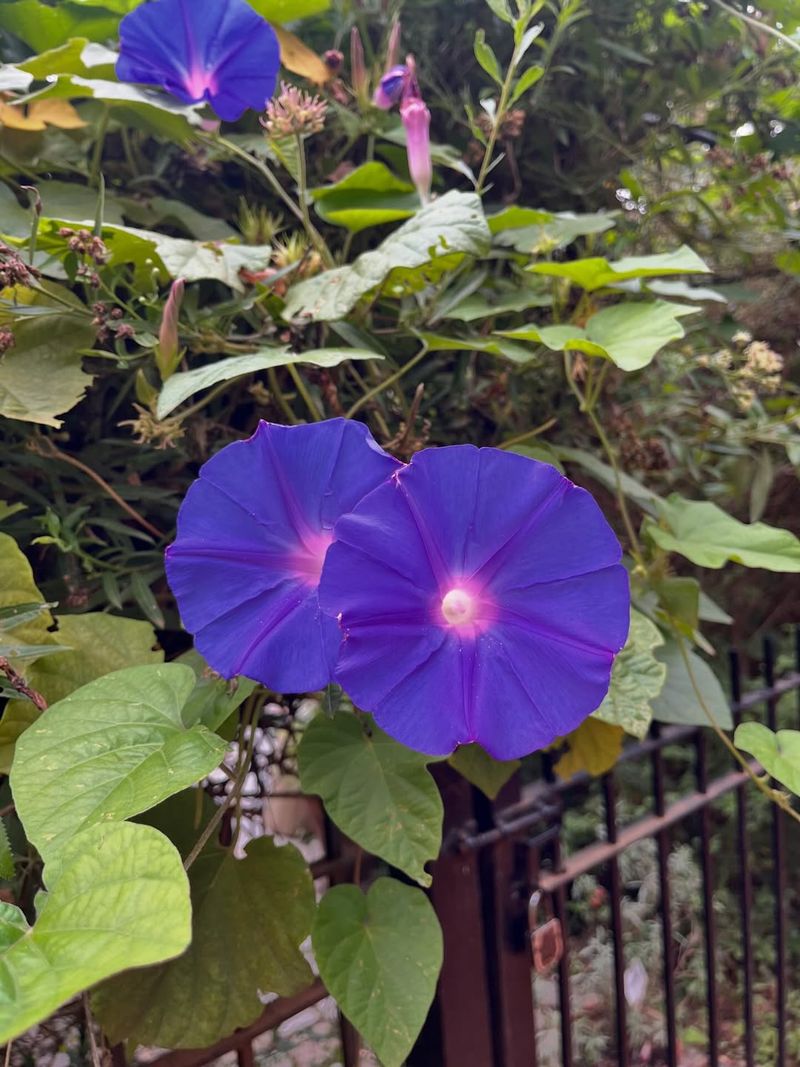
Few plants transform a bare fence or empty trellis as dramatically and quickly as morning glory. These fast-moving vines can climb 10 to 12 feet in a single growing season, turning a dull structure into a living wall of color almost before you know it.
Their trumpet-shaped flowers in rich purple, blue, pink, and white open fresh each morning and put on a show that is hard to ignore.
Morning glories are easy to grow from seed, but they have a hard outer coat that benefits from a little soaking. Drop the seeds in a glass of warm water the night before planting to soften the shell and speed up germination.
Plant them after the last frost in Pennsylvania, which is typically mid-April to early May depending on your region. Give them something to climb and they will take off quickly.
These vines are especially useful for covering eyesores like plain fences, old stumps, or bare garden walls. Hummingbirds are drawn to the tubular flowers, so planting morning glory near a window or seating area gives you a front-row seat to some truly delightful garden visitors.
Morning glories self-seed generously, meaning they may return on their own the following year. For Pennsylvania gardeners who want fast vertical coverage and a daily burst of color from a plant that practically grows itself, morning glory is a brilliant and beautiful solution.